Students
The 24-Hour Sprint from Prototype to Pitch
Hosted by the Columbia Robotics Club, the MakeCU Hackathon brought 19 student teams together to prototype hardware and software that tackle everyday problems—from smart doorbells to self-sorting trash cans.
Columbia Engineering students showcased their creativity and technical expertise at the annual MakeCU Hackathon, a 24-hour hardware and software hackathon hosted by the Columbia Robotics Club.
Open to students from all backgrounds and experience levels, the Nov. 8-9 event invited participants to collaborate, design, and build functional prototypes that address real-world challenges. A total of 19 teams gathered at Carleton Commons for the competition.
After building the prototypes in 24 hours, teams were tasked with pitching their designs to a panel of judges at the project expo. Comprising both academics and industry professionals, the panel featured BotBlox CEO and Founder Josh Elijah, research lead at the RAI Institute, David Watkins, researcher at the University of Michigan, Ali Al-Bustami, and Senior Lecturer in the Department of Computer Science Tony Dear. Judges chose winning designs based on the team’s creativity, hardware complexity, and real-world impact.
Team Dormmate took first place with a smart doorbell system that allows you to remotely unlock the door, even when you're not home. Team Sator took second place with their AI-integrated rover platform, which collects soil and environmental data for farmers in developing regions – providing them with precise, real-time agricultural insights. Third place went to Team AutoDump, which developed a self-sorting trash can that utilizes computer vision to precisely classify objects as either recyclable or trash.
Winning Teams
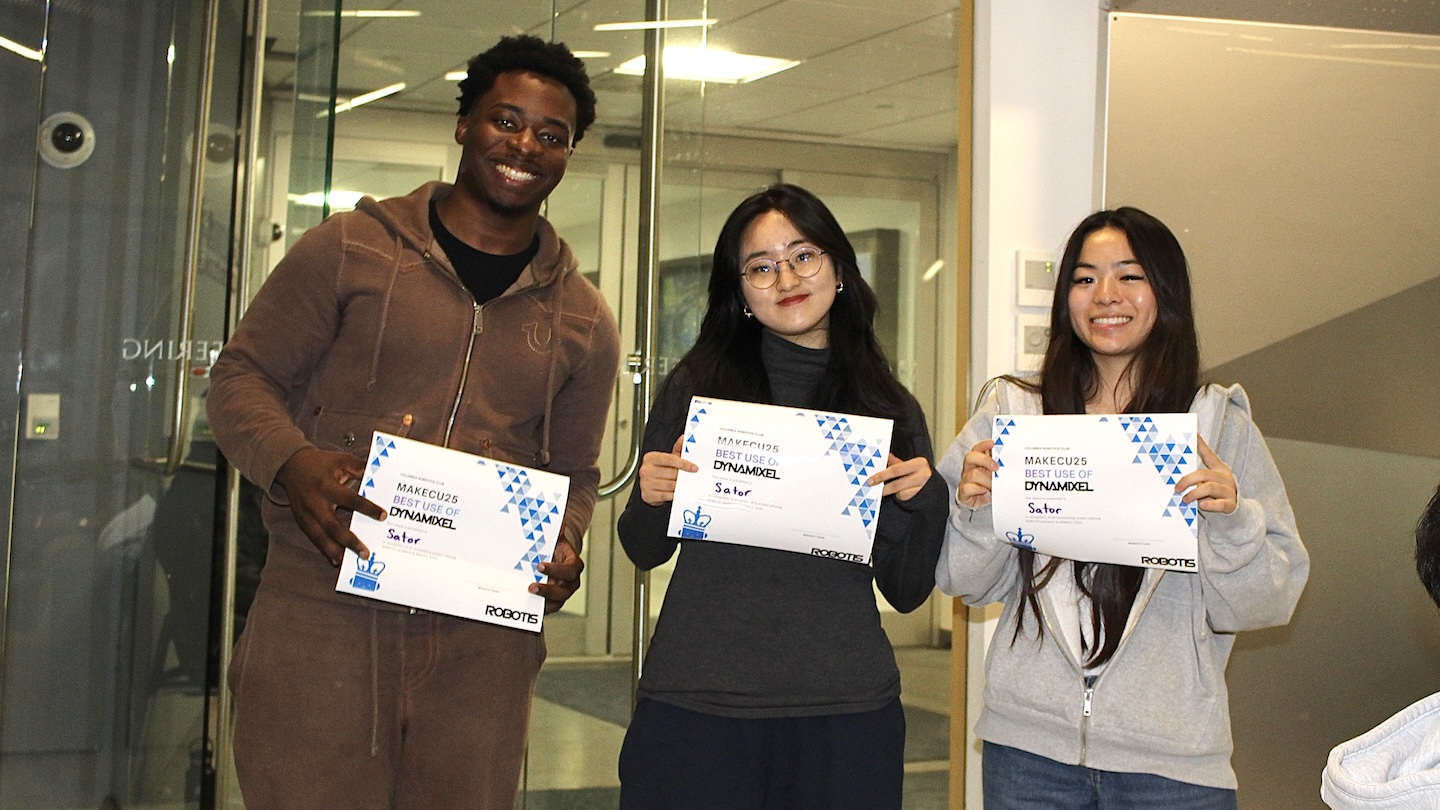
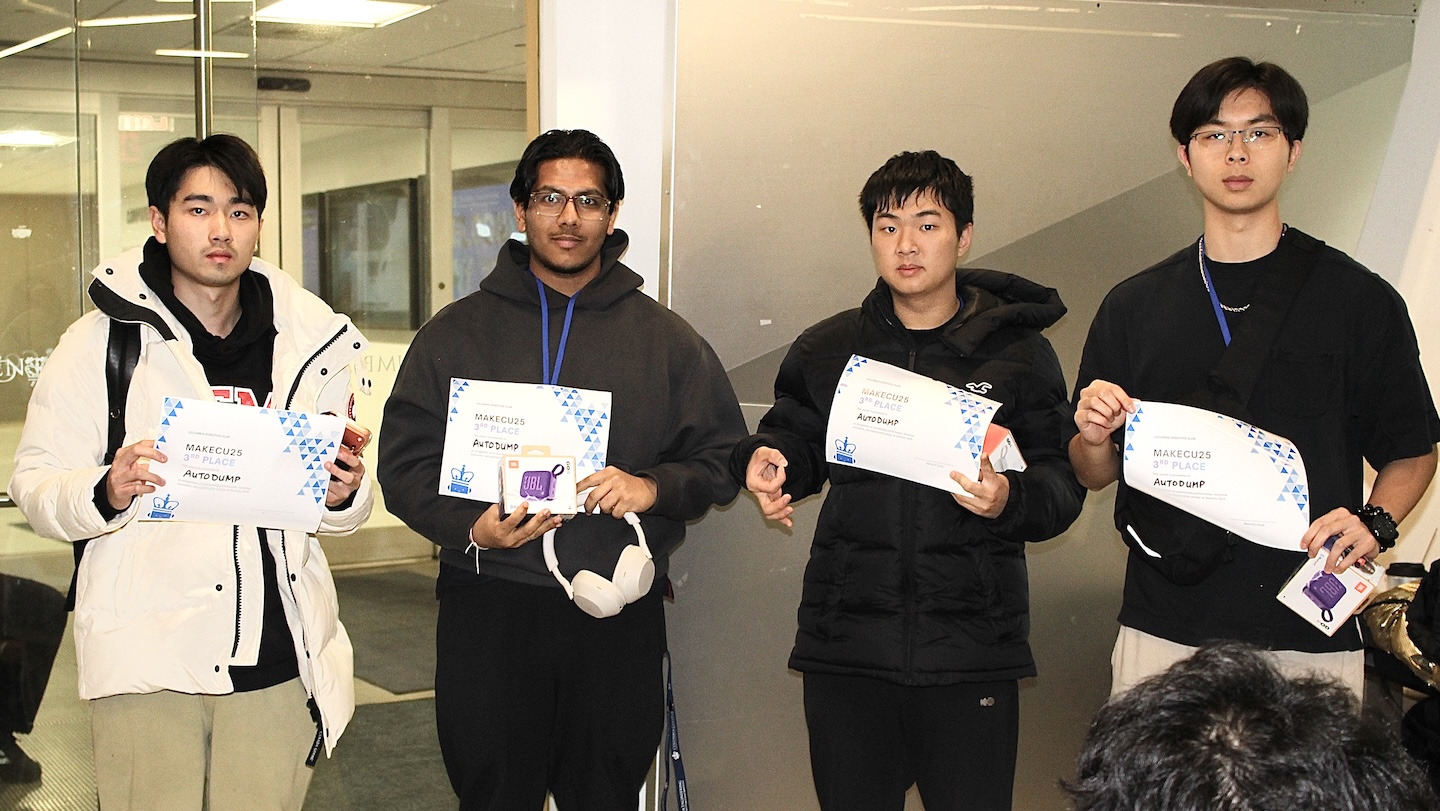
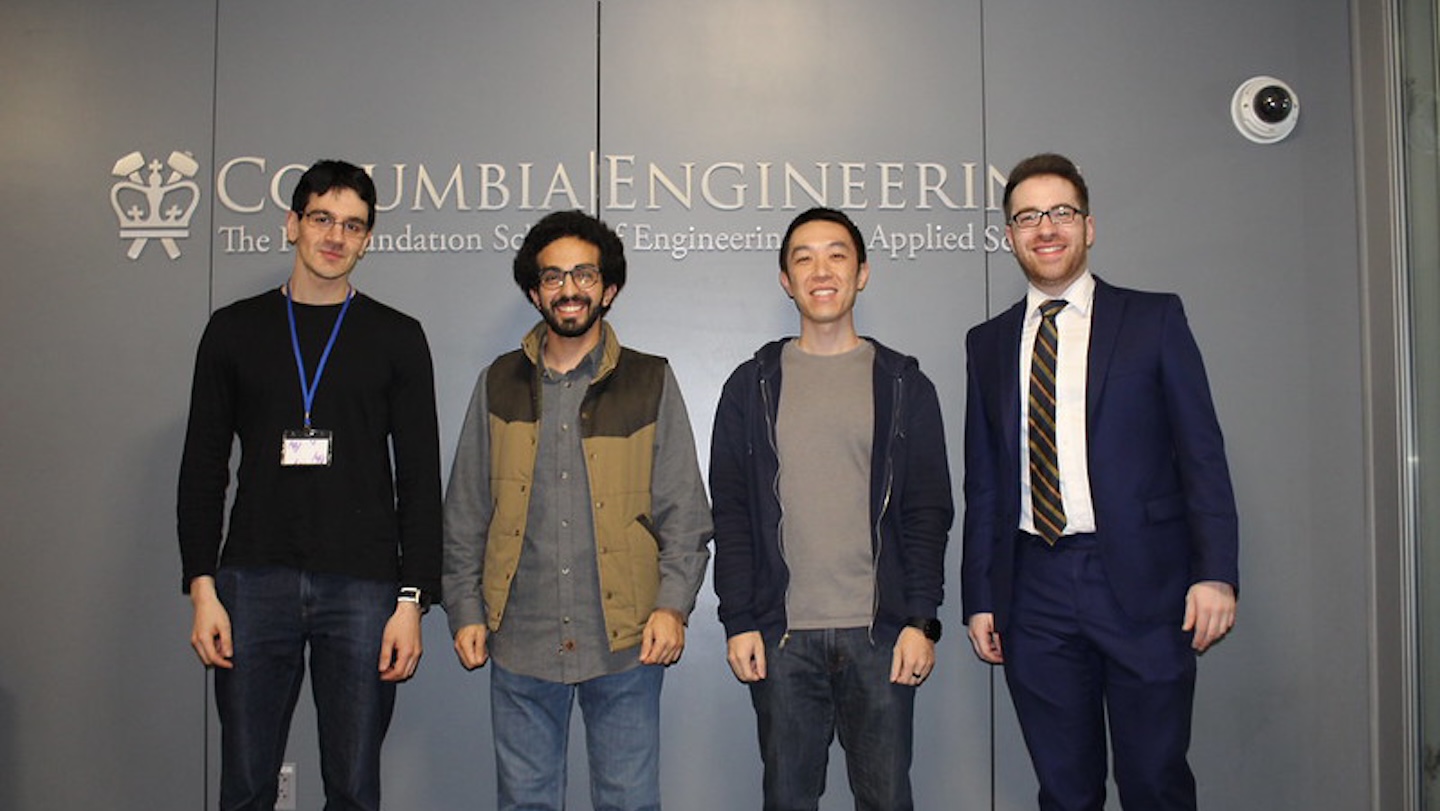
This year’s winners all received electronic prizes. Find out more information about the MakeCU submissions here.
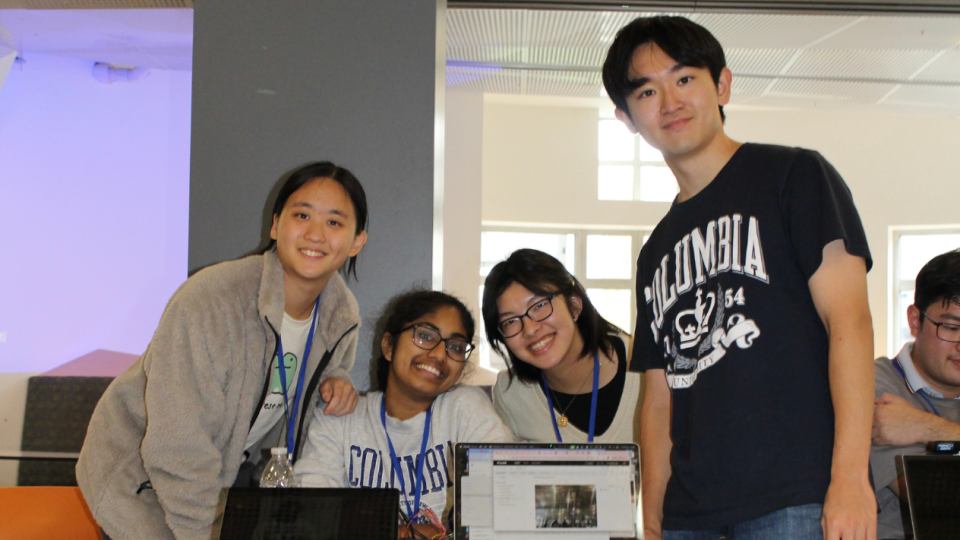
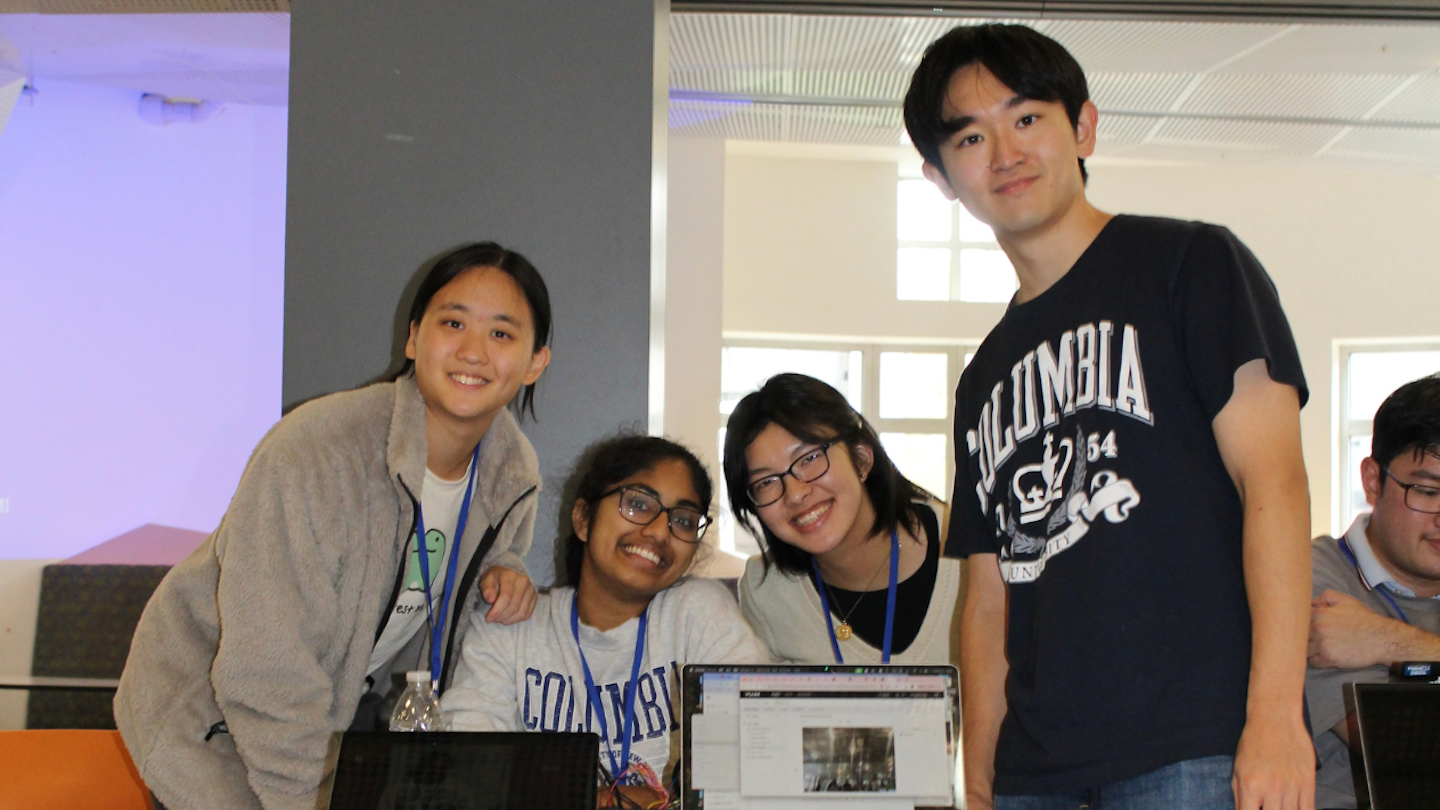
Lead Photo Caption: First place-winning team, Dormmate. The team’s smart doorbell system allows you to remotely unlock your door, even when you’re not home.
Lead Photo Credit: Columbia University Robotics