Research
Blockchain Experts Gather for Multidisciplinary Workshop
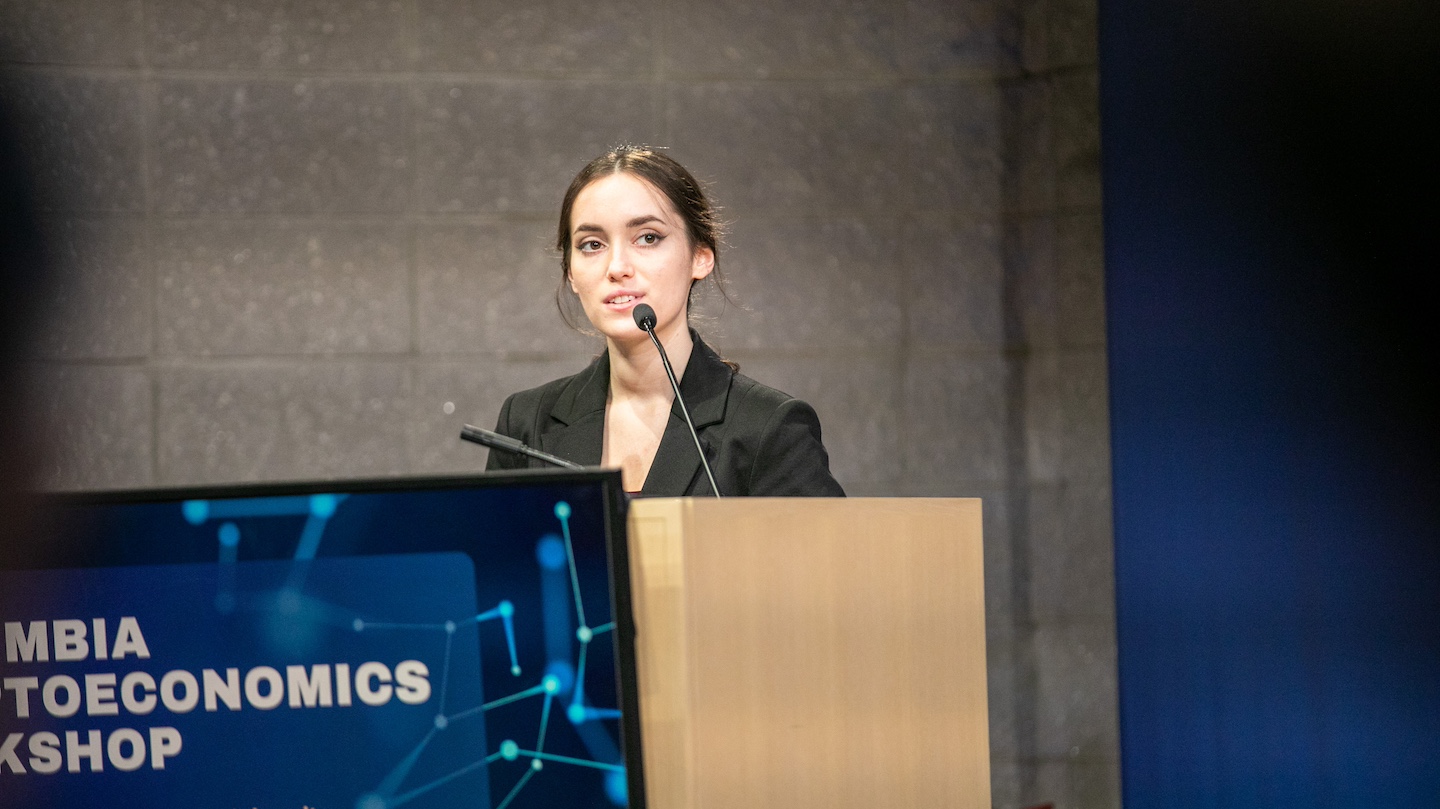
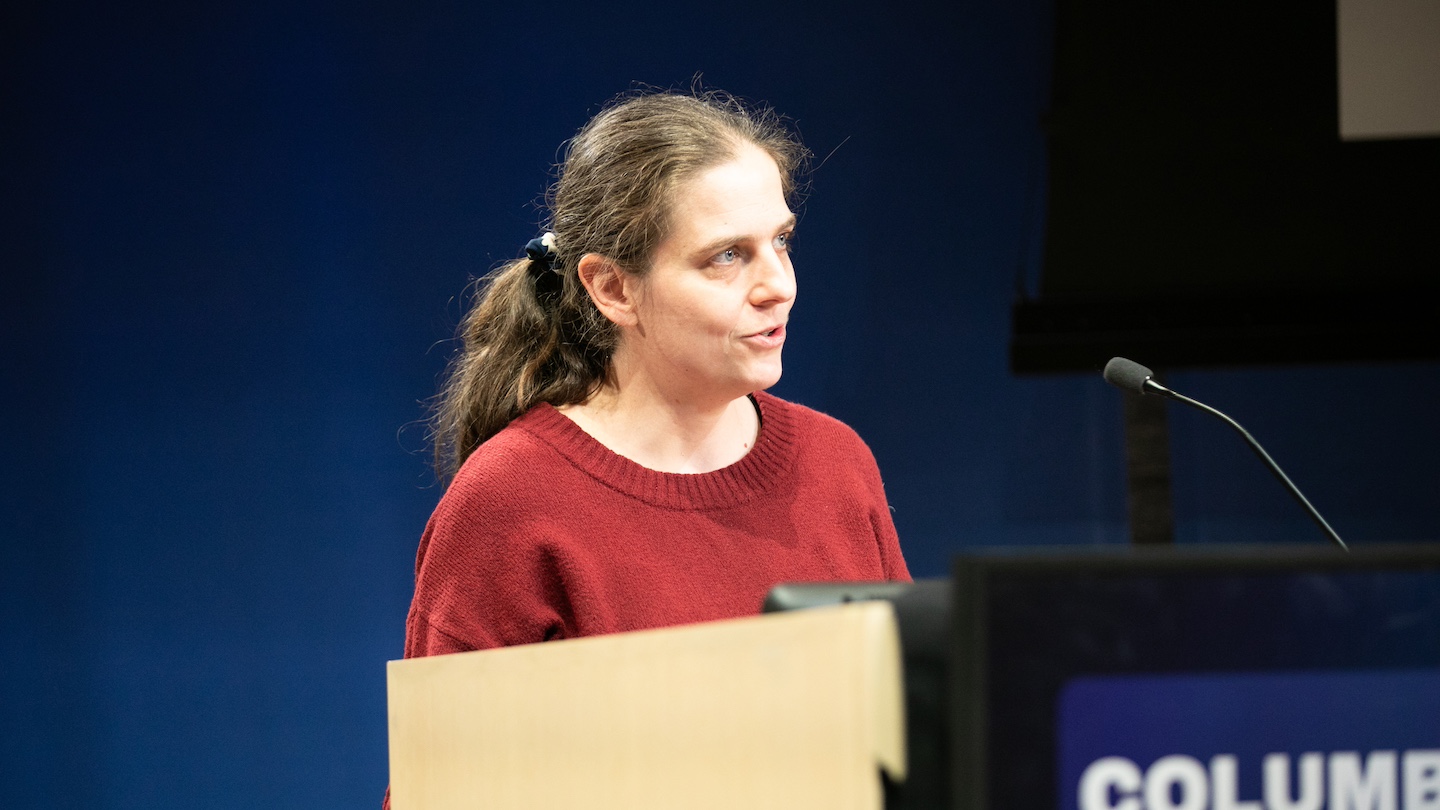
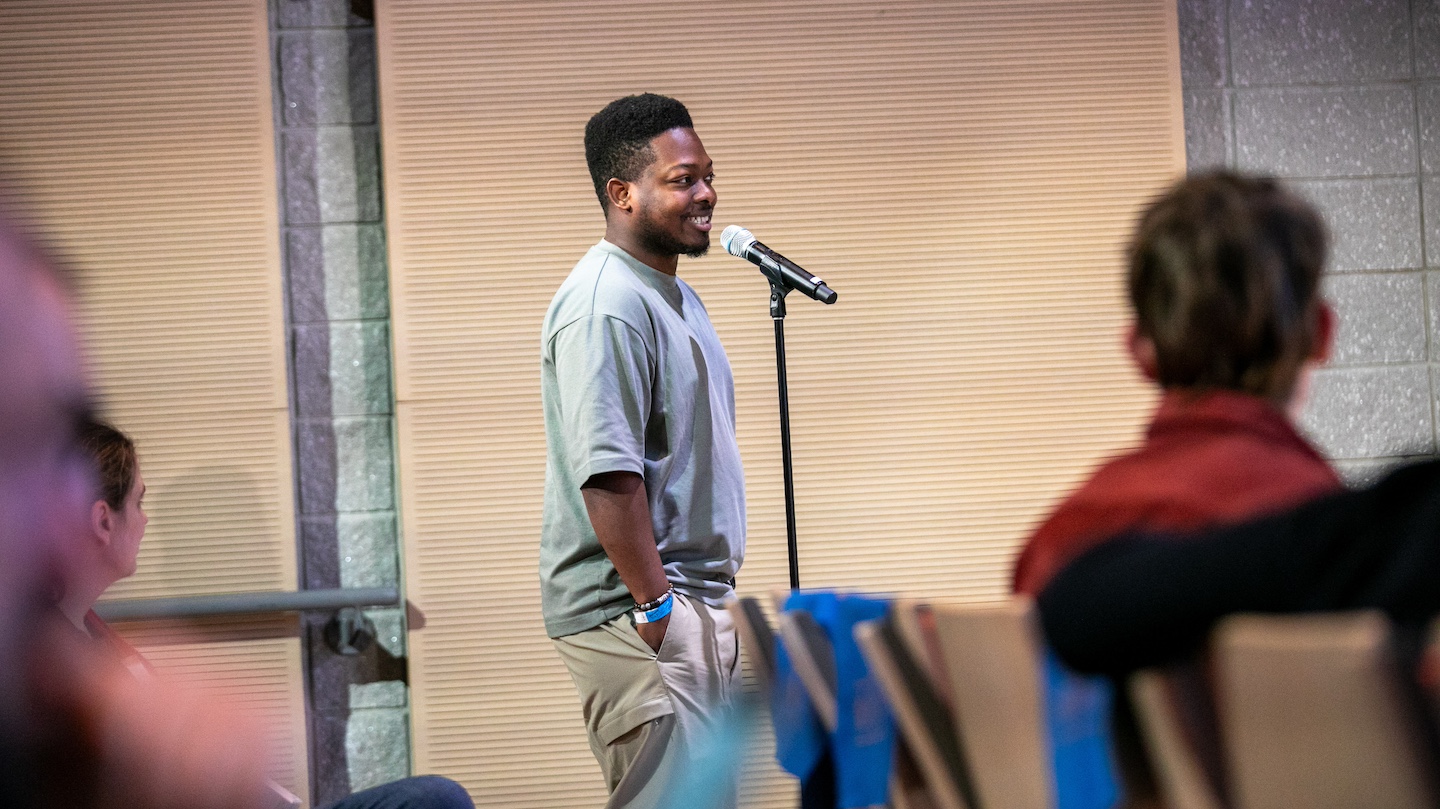
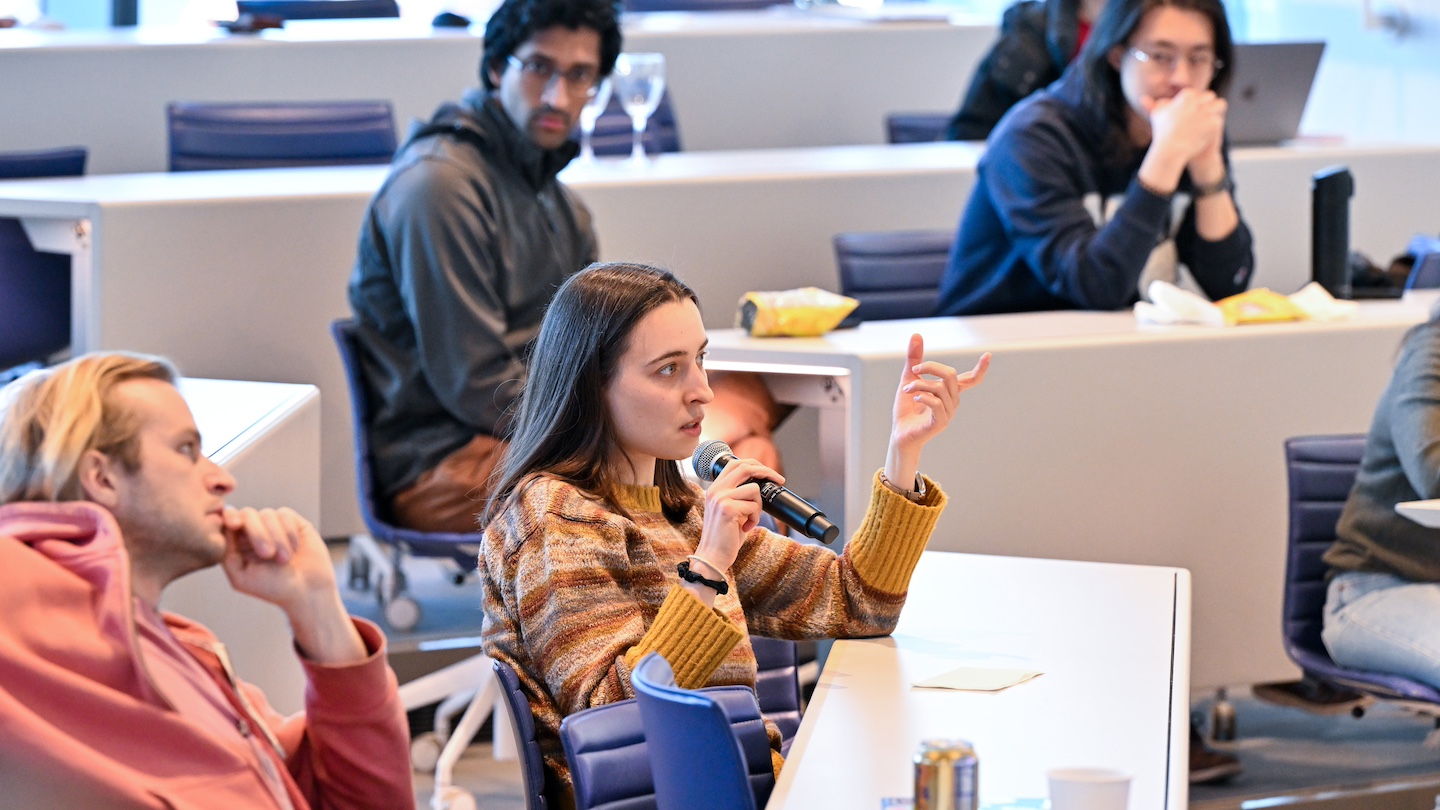
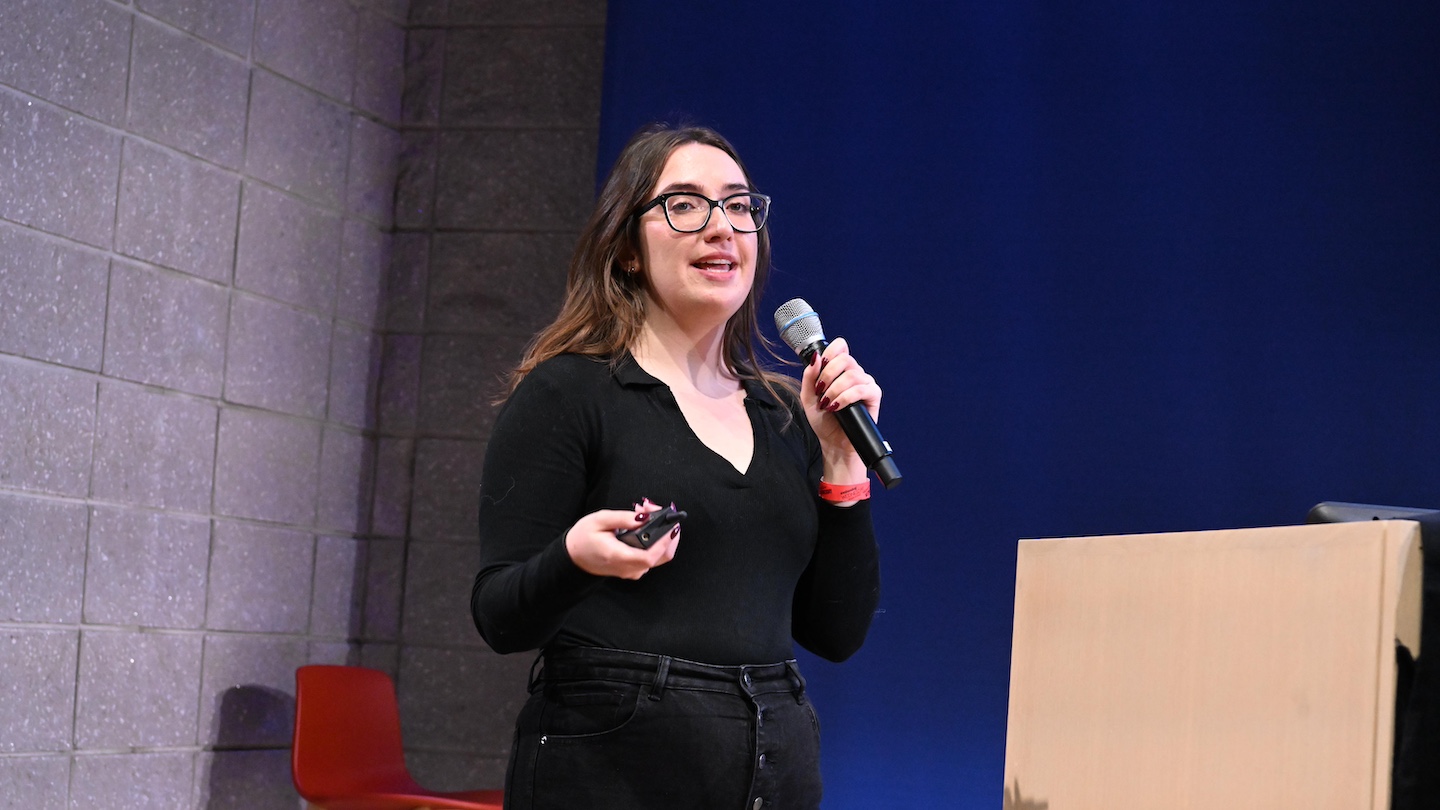
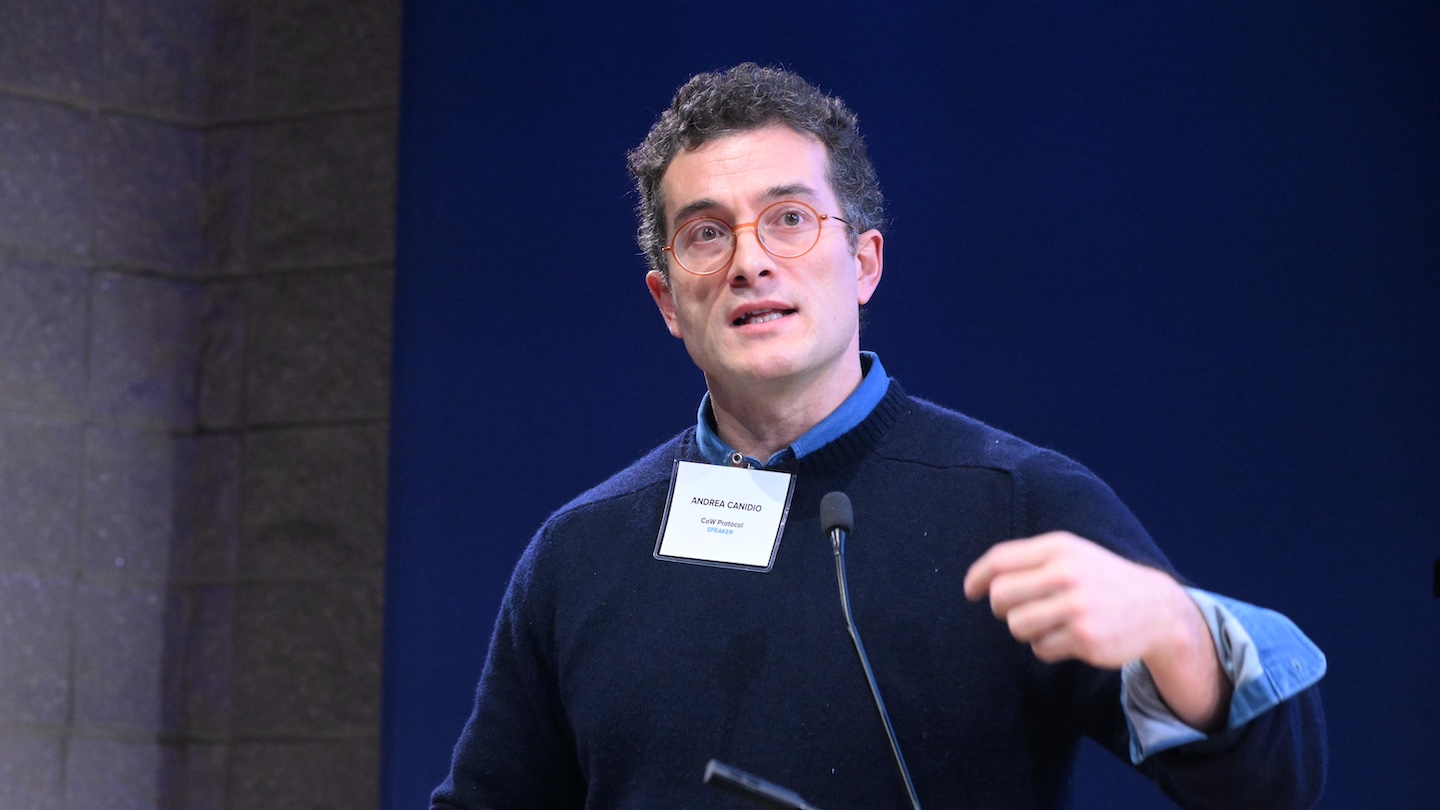
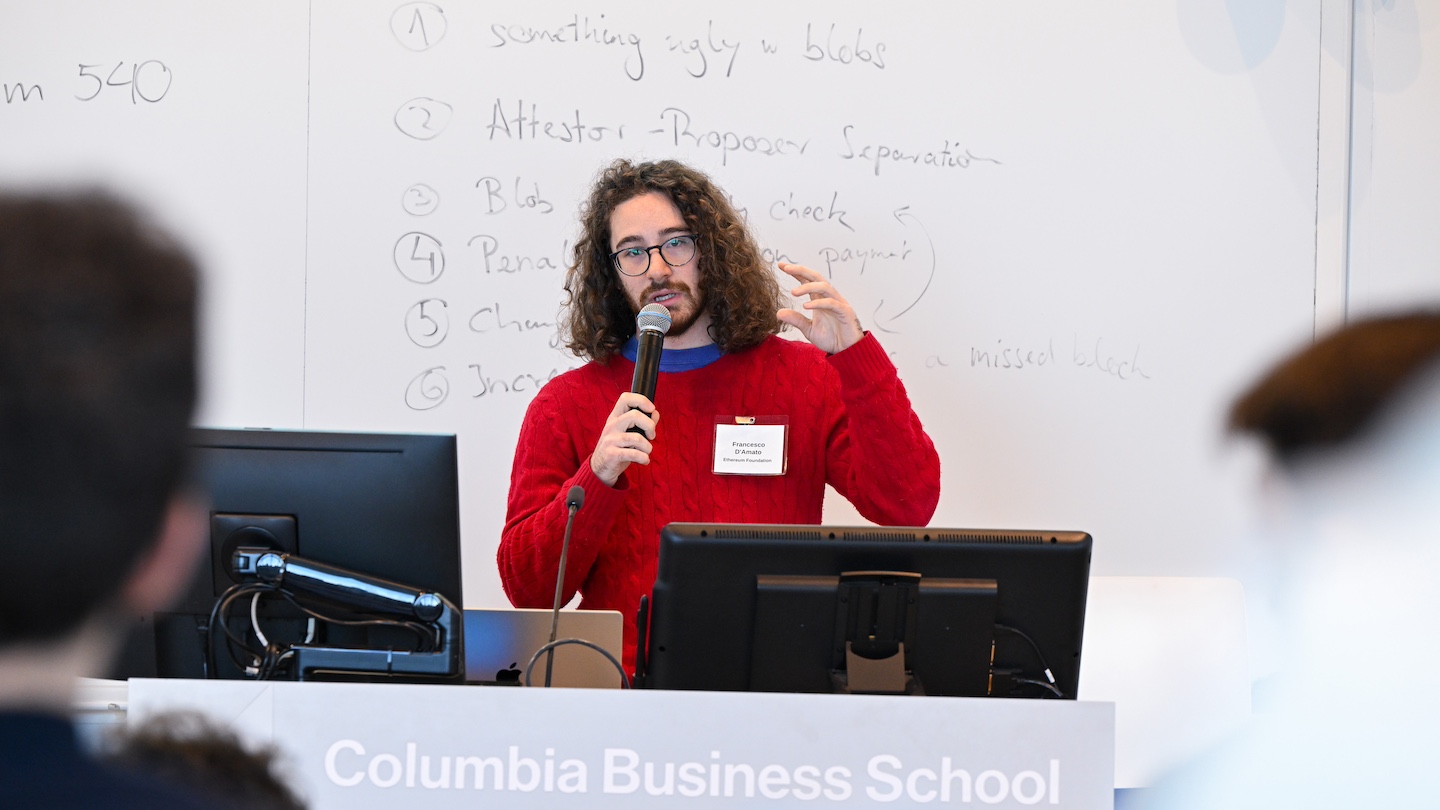
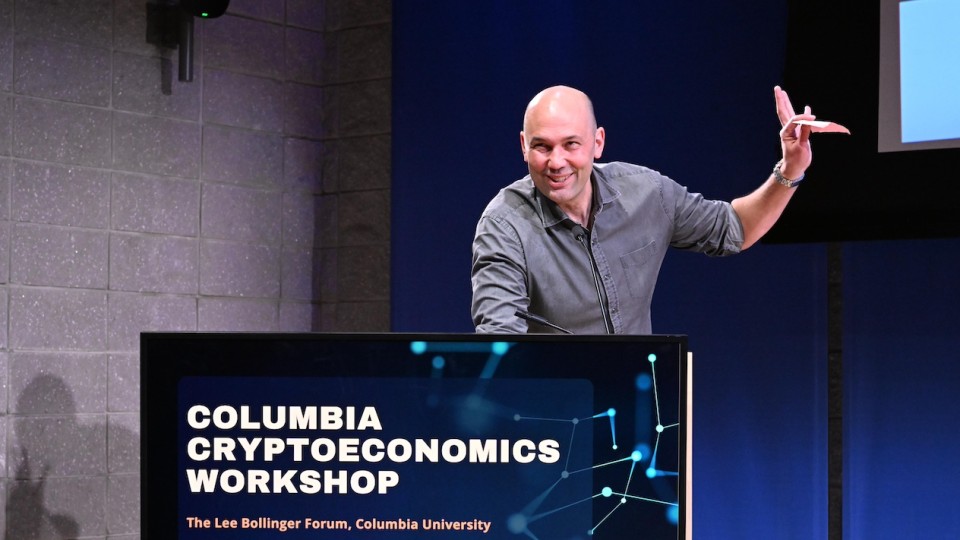
The 2025 Columbia CryptoEconomics Workshop brought together researchers from economics, computer science, and the blockchain community for two days of discussion focused on recent research progress and open challenges in blockchain infrastructure. The event took place Dec. 10-11, 2025, at The Forum on Columbia University’s Manhattanville campus and was hosted by Columbia Engineering, Columbia Business School, and the Ethereum Foundation. The workshop featured a mix of invited talks, contributed research presentations, and a capstone panel discussion. The program was designed to reflect both long-standing questions in cryptoeconomics and fast-moving developments in the field.
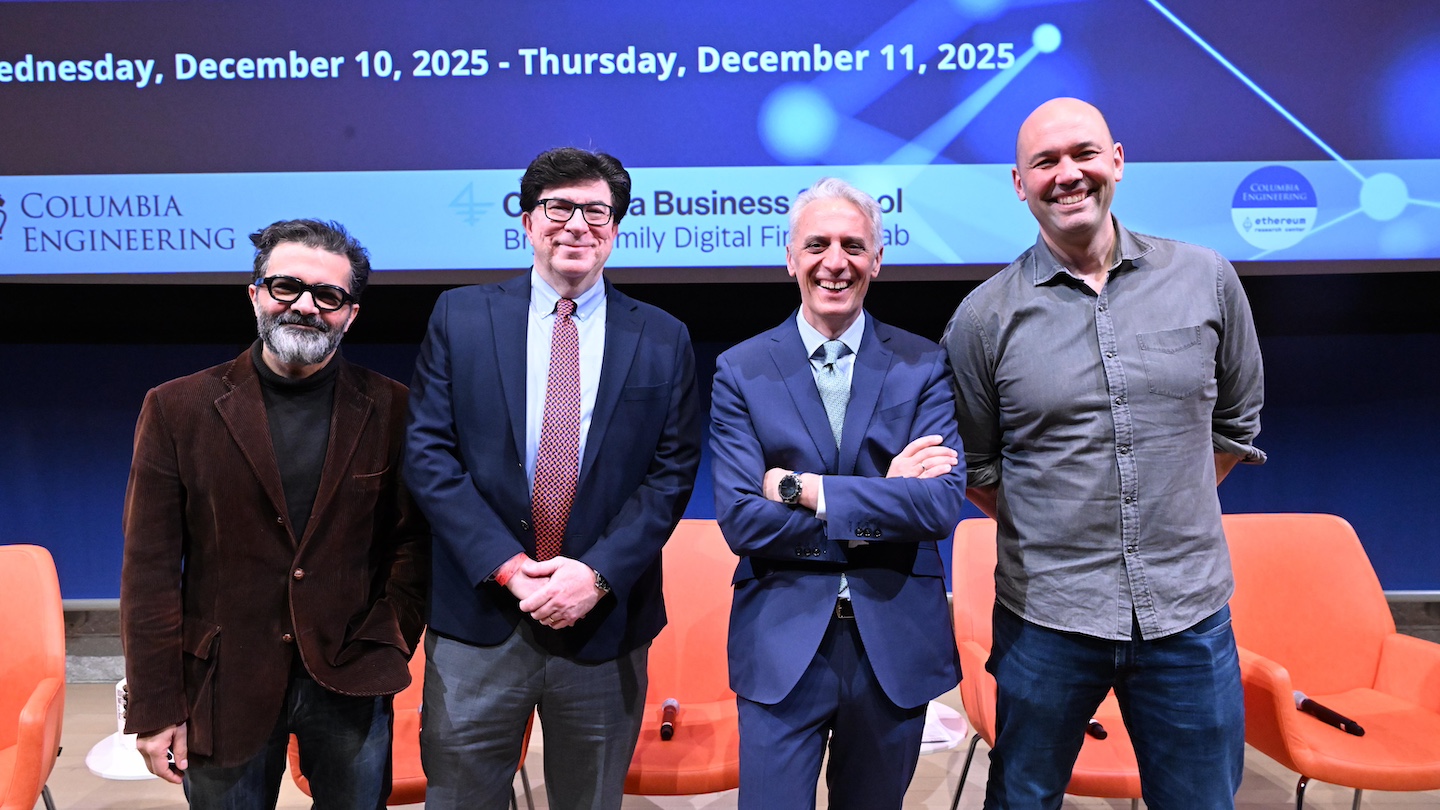
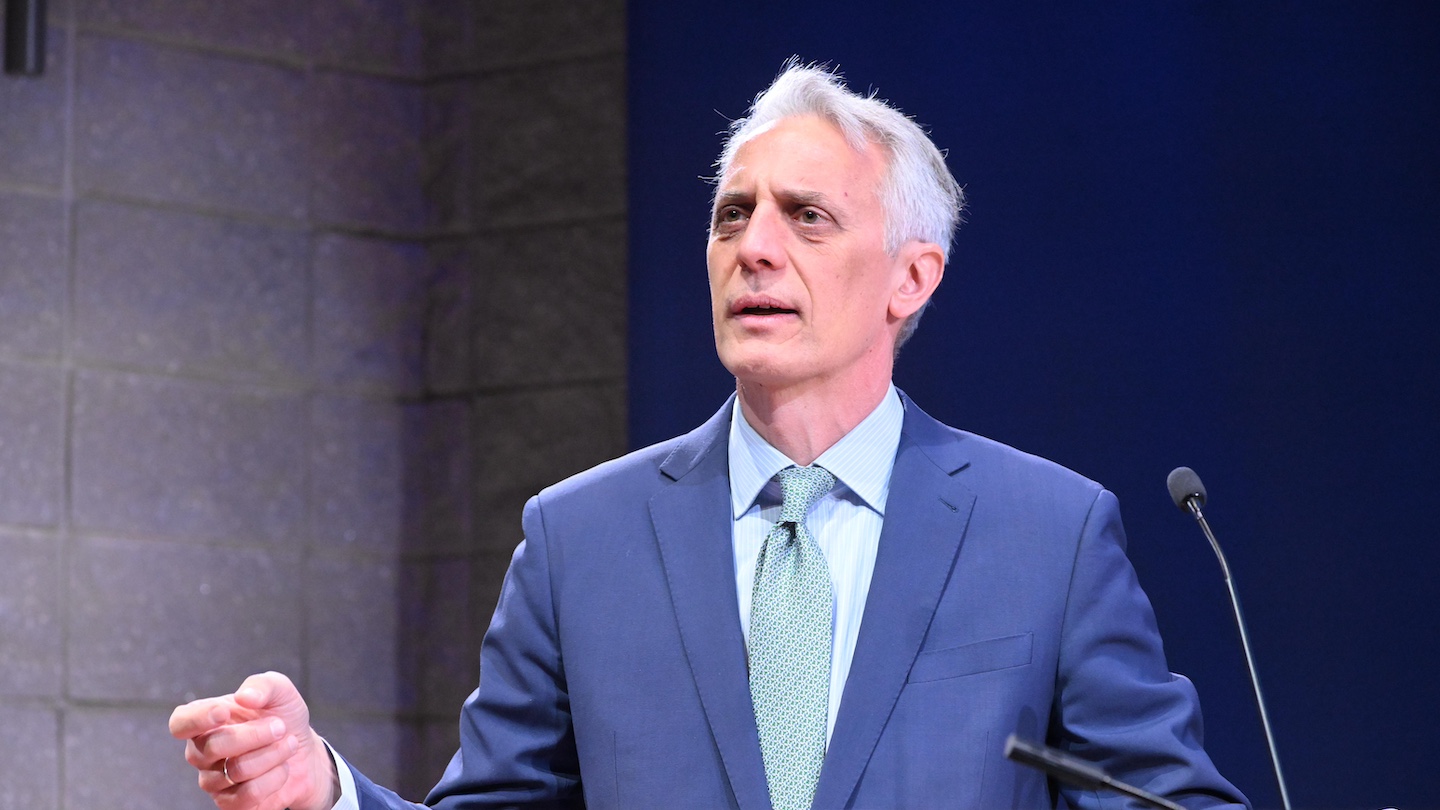
“This workshop is distinctive because we have people in the Ethereum trenches presenting problems to academics, whose solutions have the potential to be integrated into the protocol,” said event organizer Tim Roughgarden, professor of computer science at Columbia Engineering, head of research at a16z crypto, and director of the Columbia-Ethereum Research Center for Blockchain Protocol Design.
A major theme of this year’s workshop was the growing importance of “real-world assets” on blockchains. The panel discussion focused in particular on fiat-backed stablecoins, which represent U.S. dollars held in banks and allow them to be transferred digitally using blockchain protocols. Stablecoins gained significant traction in 2025, and the discussion centered on which other assets might be tokenized in similar ways. Panelists explored the kinds of infrastructure such systems would require, including whether open, global blockchains like Ethereum are likely to secure these assets, or whether large financial institutions will favor more closed, corporate-run systems.
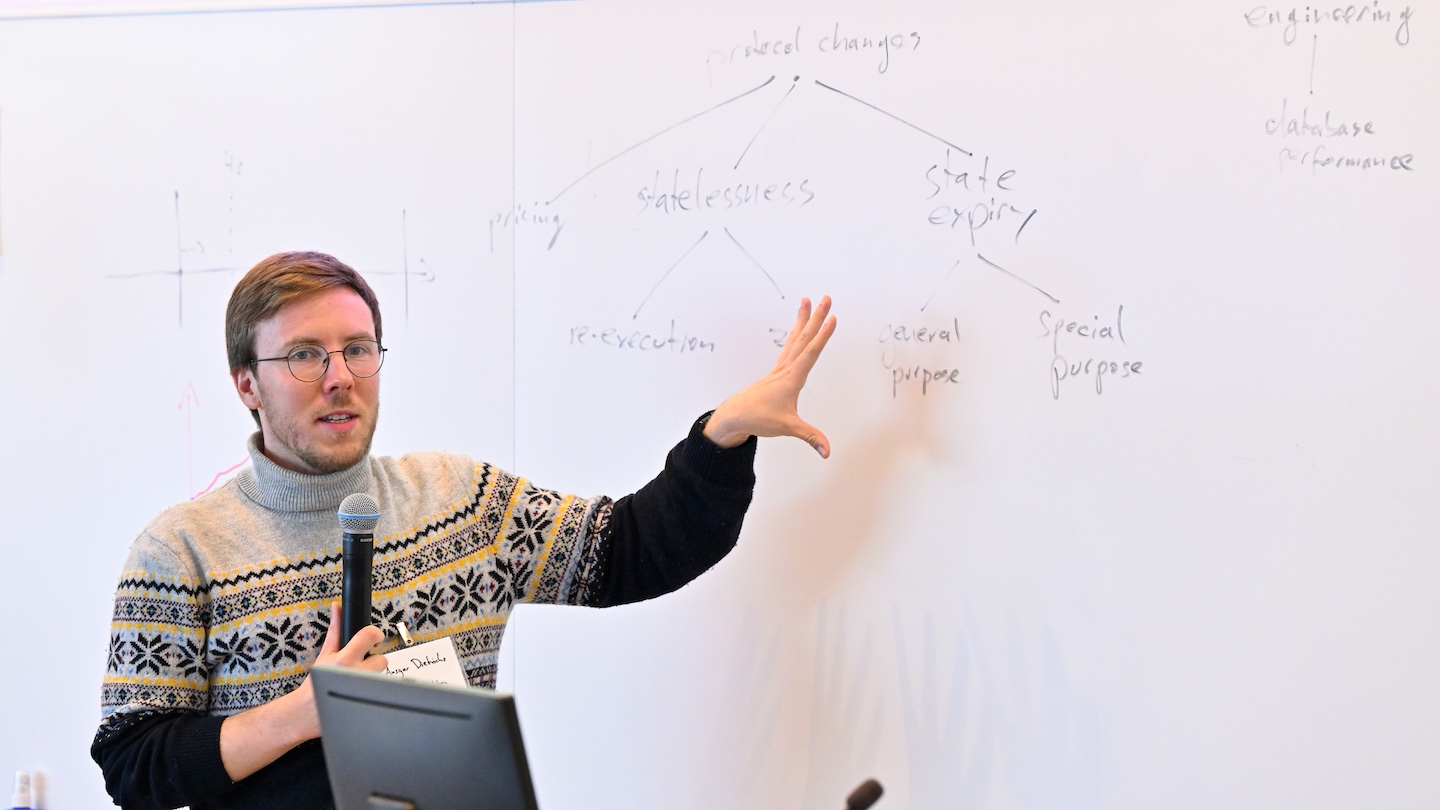
The research talks reflected the workshop’s core mission: examining economic questions that arise when designing blockchain protocols. Several presentations addressed issues such as transaction pricing and incentives. At the same time, this year’s agenda included a greater emphasis on advances in pure computer science, particularly consensus protocols. These talks highlighted algorithmic innovations from the preceding 18 months that are highly relevant to blockchain systems.
After the main workshop was an invite-only day of breakout discussions, largely led by researchers from the Ethereum Foundation. These groups focused on potential future upgrades to the Ethereum protocol, weighing technical challenges and trade-offs involved in expanding its functionality.
For more, watch the presentations or visit the Columbia-Ethereum Research Center for Blockchain Protocol Design.
Lead Photo Caption: Tim Roughgarden, professor of computer science and director of the newly launched Columbia-Ethereum Research Center for Blockchain Protocol Design
Lead Photo Credit: Eileen Barroso/Columbia Engineering
Highlights from the CryptoEconomics Workshop
Photos by
Eileen Barroso, Diane Bondareff, and David Dini