Campus
Columbia Entrepreneurs Shine at Millard Chan ‘99 Tech Challenge
Teams focused on healthcare staffing, maritime shipping, and molecular biology research took home $50,000 in the annual pitch competition.
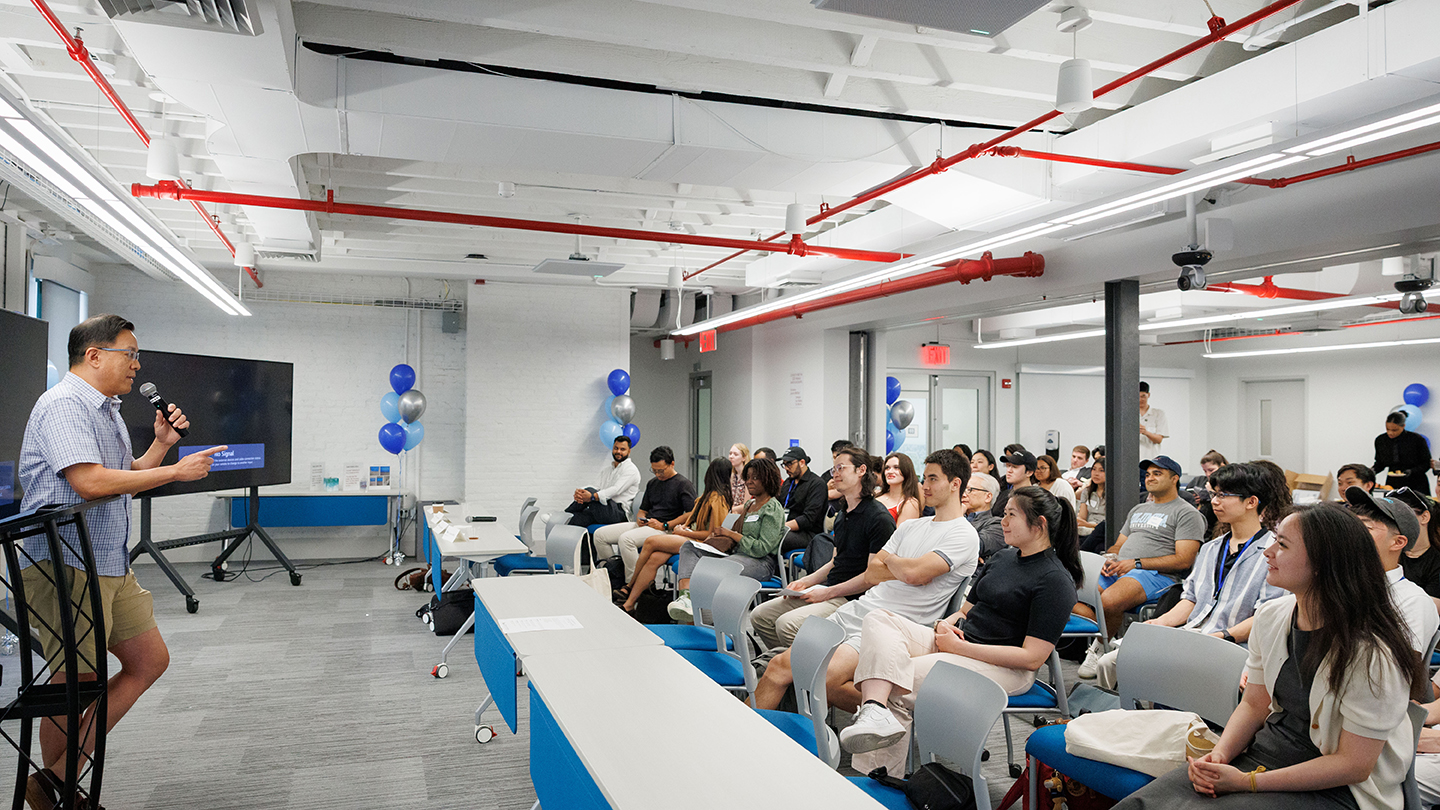
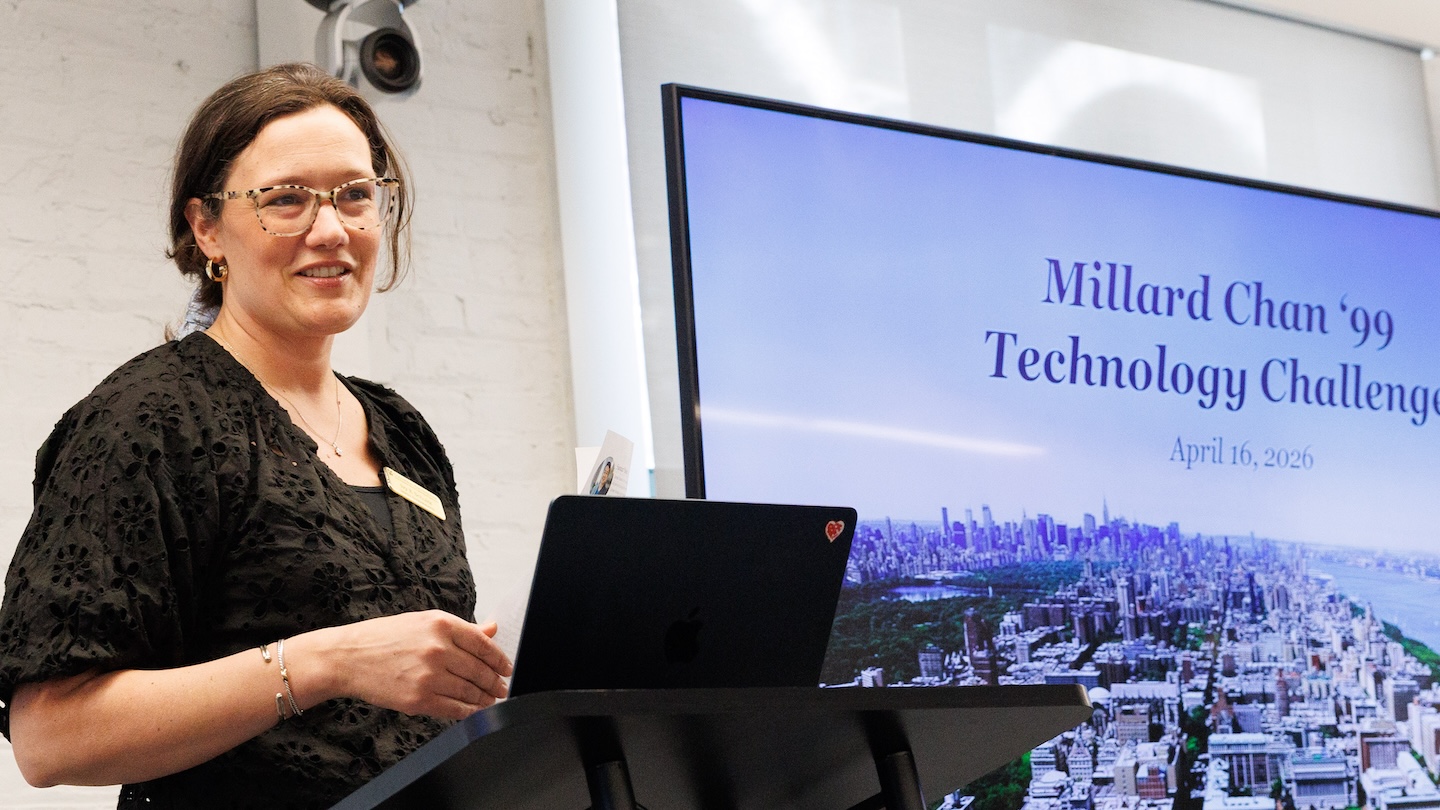
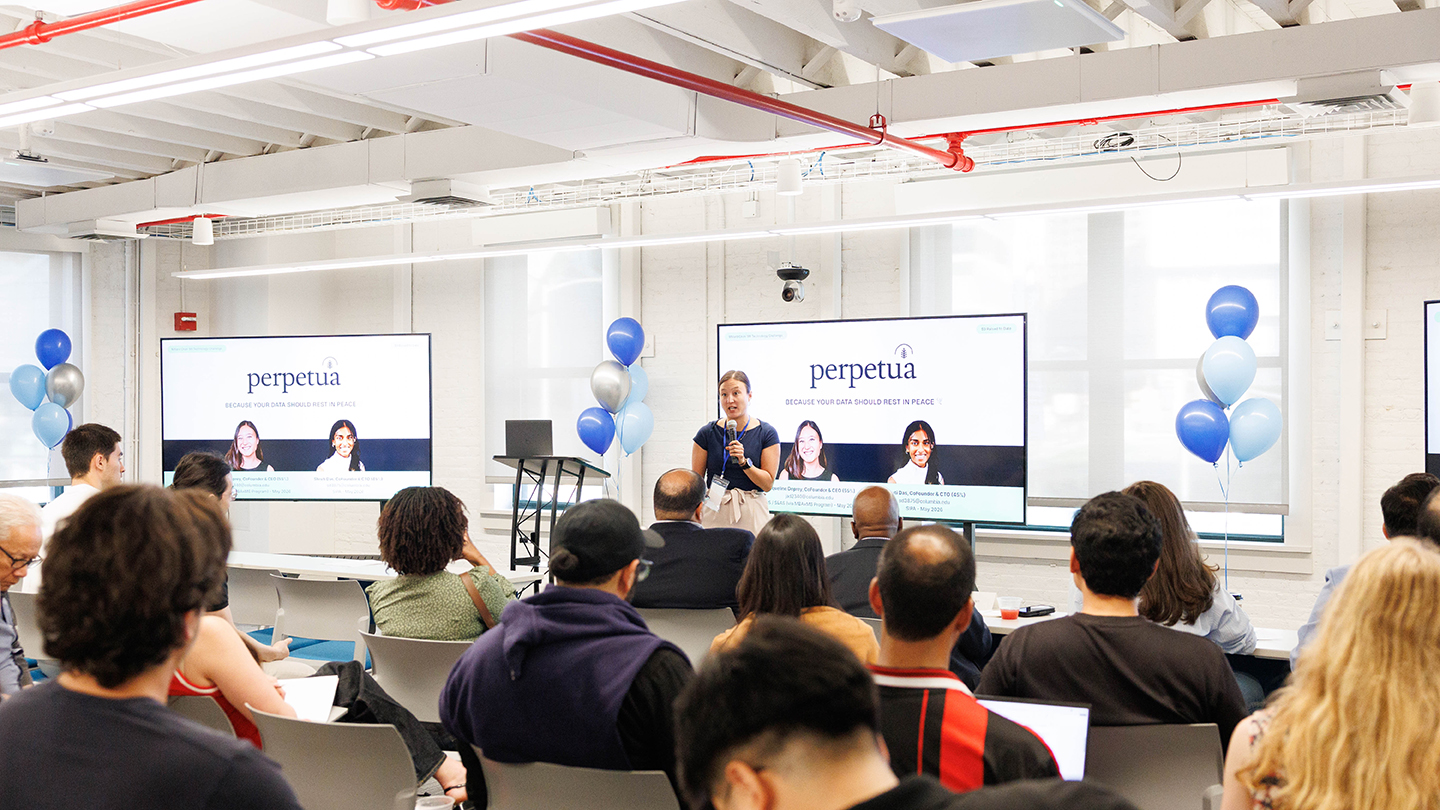
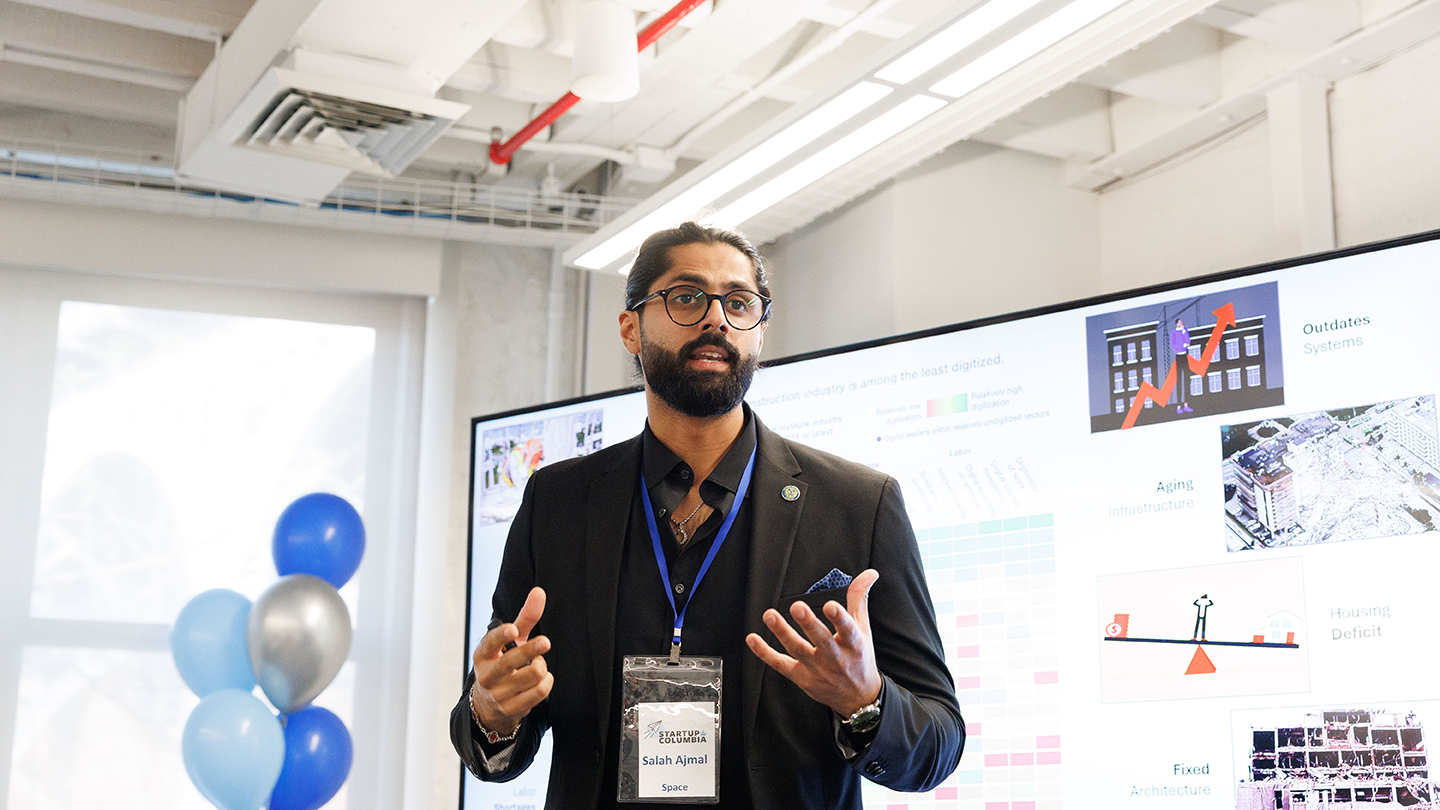
Entrepreneurs from the Columbia Engineering community pitched their startups to a panel of successful founders at the Millard Chan ’99 Technology Challenge on April 16. Now in its fourth year, the challenge invites students and recent alumni to pitch businesses that apply technology to solve real-world problems.
In the final round of the competition, six teams competed for a prize pool of $50,000.
Millard Chan, MBA’99BUS, a serial life sciences entrepreneur, sponsored the event. Chan also created Columbia’s Life Sciences for Future Entrepreneurs class, which he’s teaching for the third time this academic year.
“Being a founder means coming up against brick walls over and over again and finding a way to bust through,” he said. “Remember the confidence that you've been given here within the confines of Columbia, and then take that with you and learn from your experience and your trials and tribulations.”
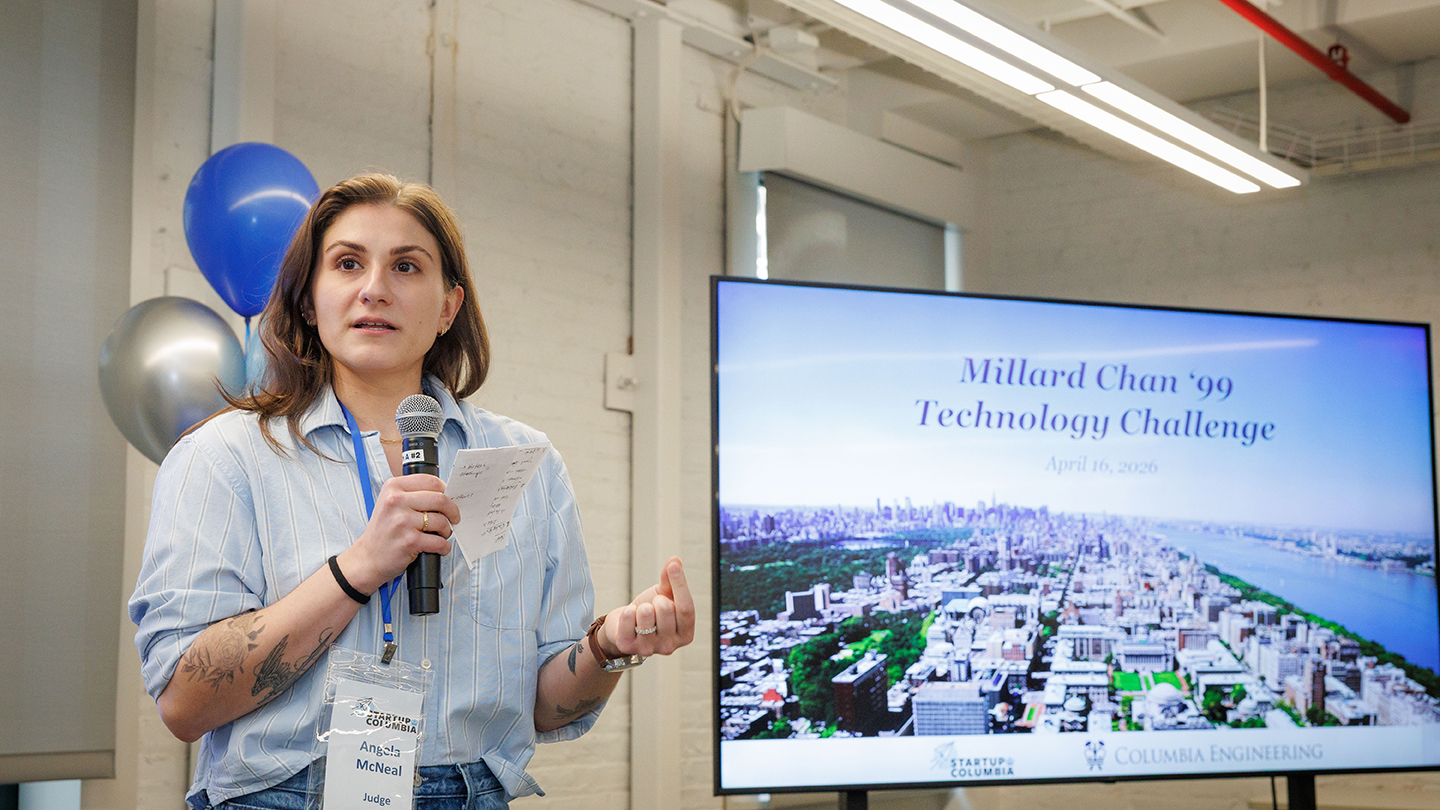
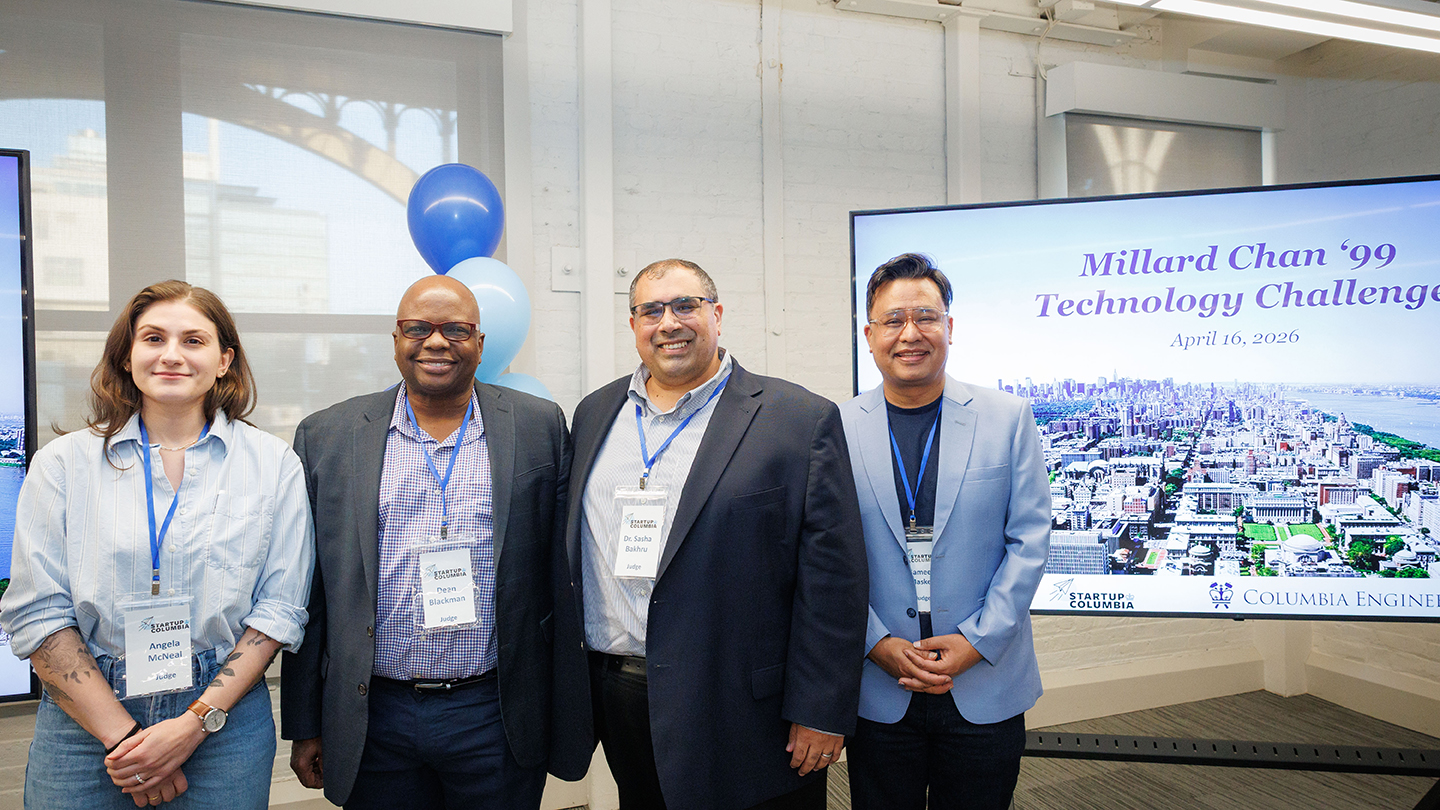
Four successful entrepreneurs served as judges: Sasha Bakhru BS’03, founder and CEO of Perosphere Technologies; Dean Blackman BS’88, founder and principal at Forenoon Ventures, LLC; Sameer Maseky PhD’08, founder and CEO at Fusemachines and adjunct associate professor at Columbia Engineering; and Angela McNeal BS’16, CEO & co-founder at Thread AI.
Based on the teams’ four-minute pitches, the judges awarded three with cash prizes to help them fund their startups.
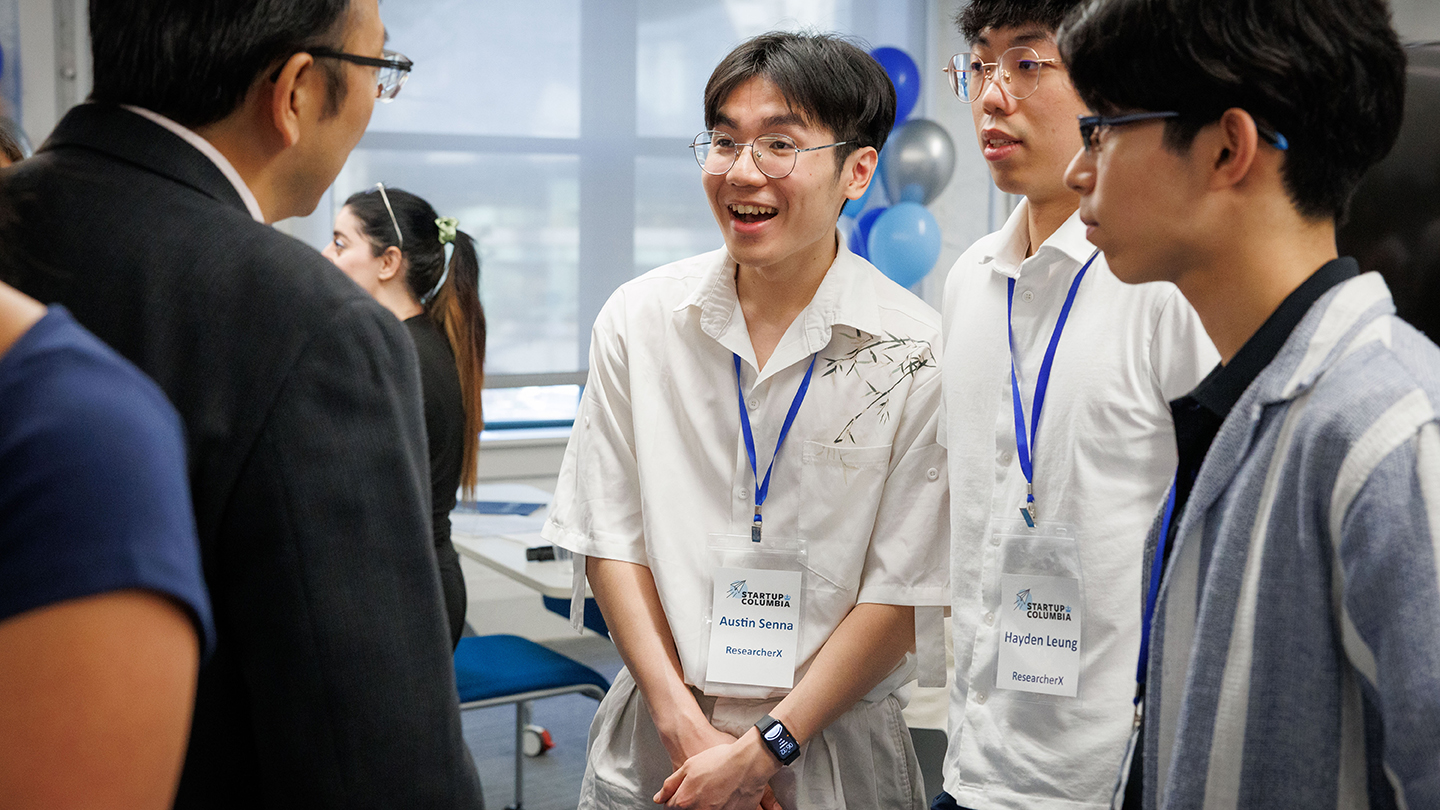
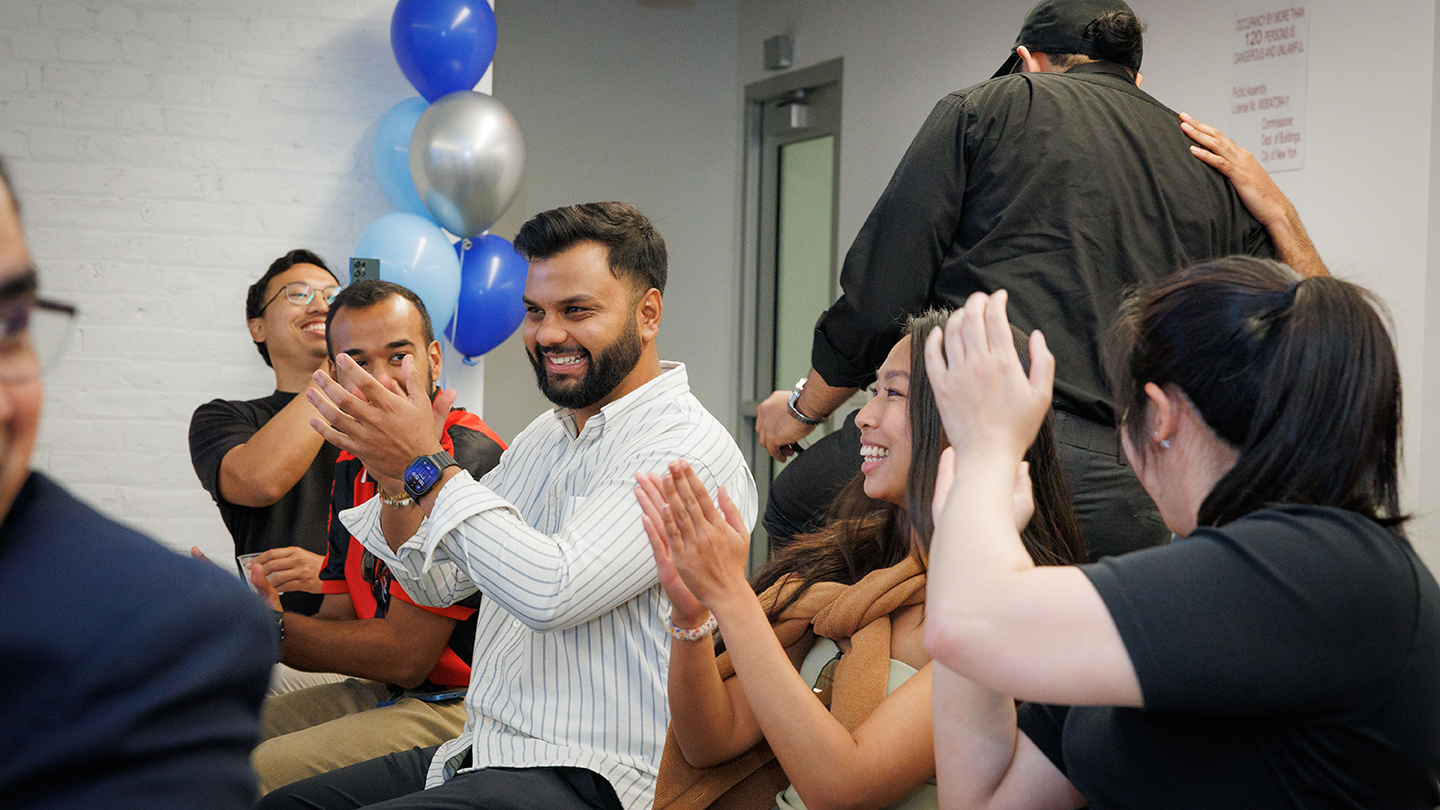
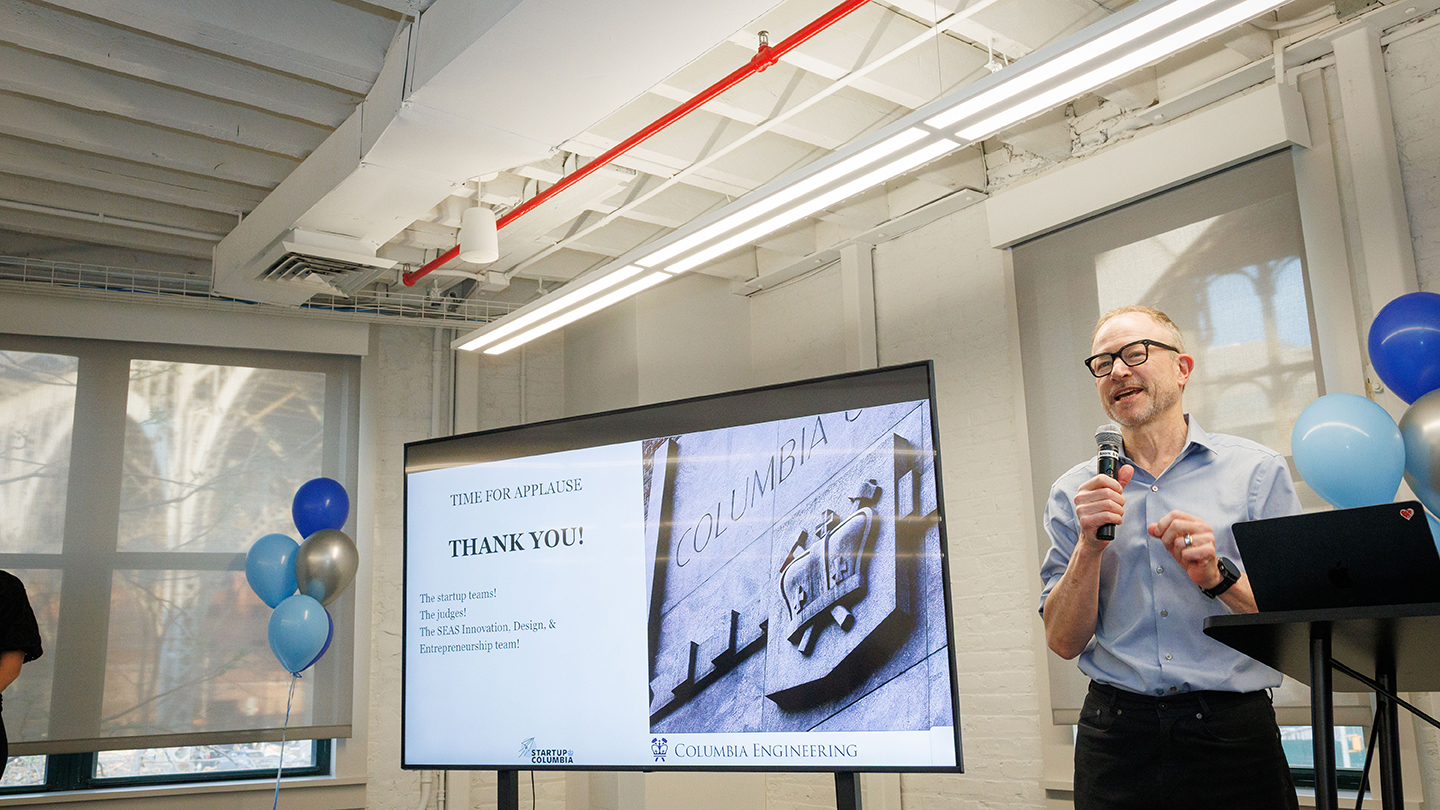
Highlights from the 2026 Millard Chan ‘99 Tech Challenge
Photos by Sirin Samman

Meet the winners
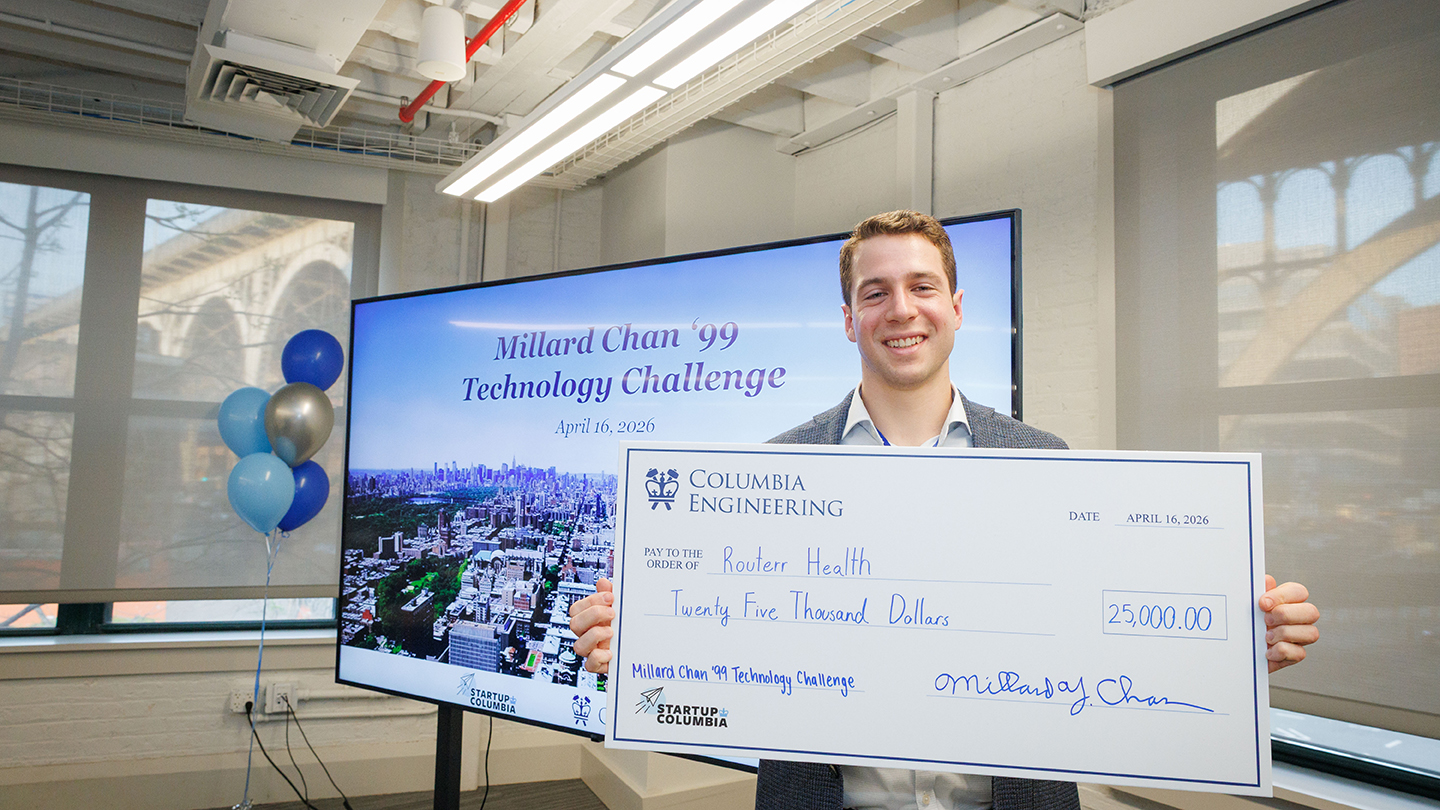
In first place, winning $25,000, was Routerr Health, a smart logistics platform for mobile at-home healthcare, pitched by Brendan Stec MBAxMS’26. Routerr Health, Stec explained, was born from a gap in the $70 billion at-home care market. The number of U.S. adults who are 65 or older is driving demand for at-home care. Providers are struggling to match patients with at-home clinicians, causing delays in care.
Routerr Health streamlines the process, helping teams organize hundreds of incoming orders from patients and match the right staff to the right patient. Routerr Health also uses AI to automate dispatching decisions.
“This helps teams serve more patients, right-size their clinical staff, and eliminate the daily dispatching errors that cause so many issues for patients and the clinicians,” Stec told the judges.
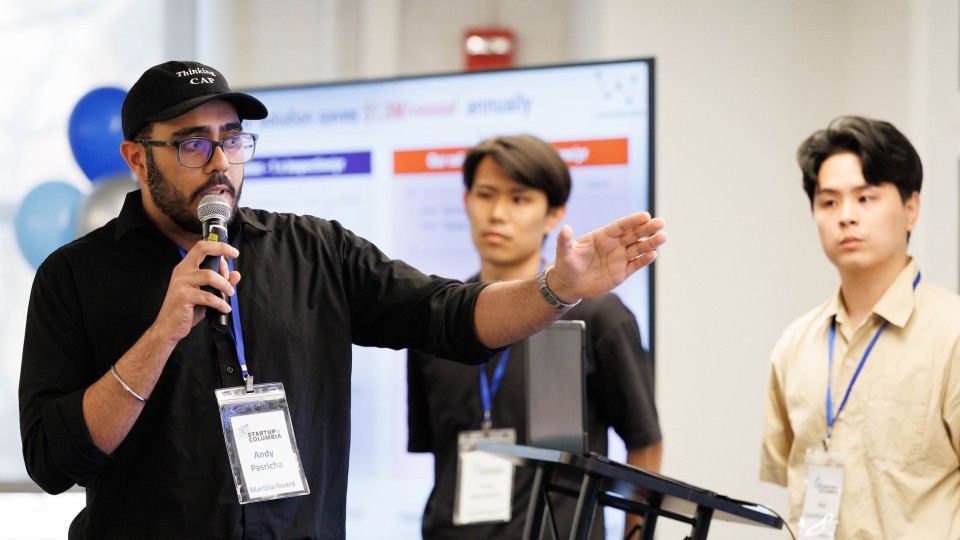
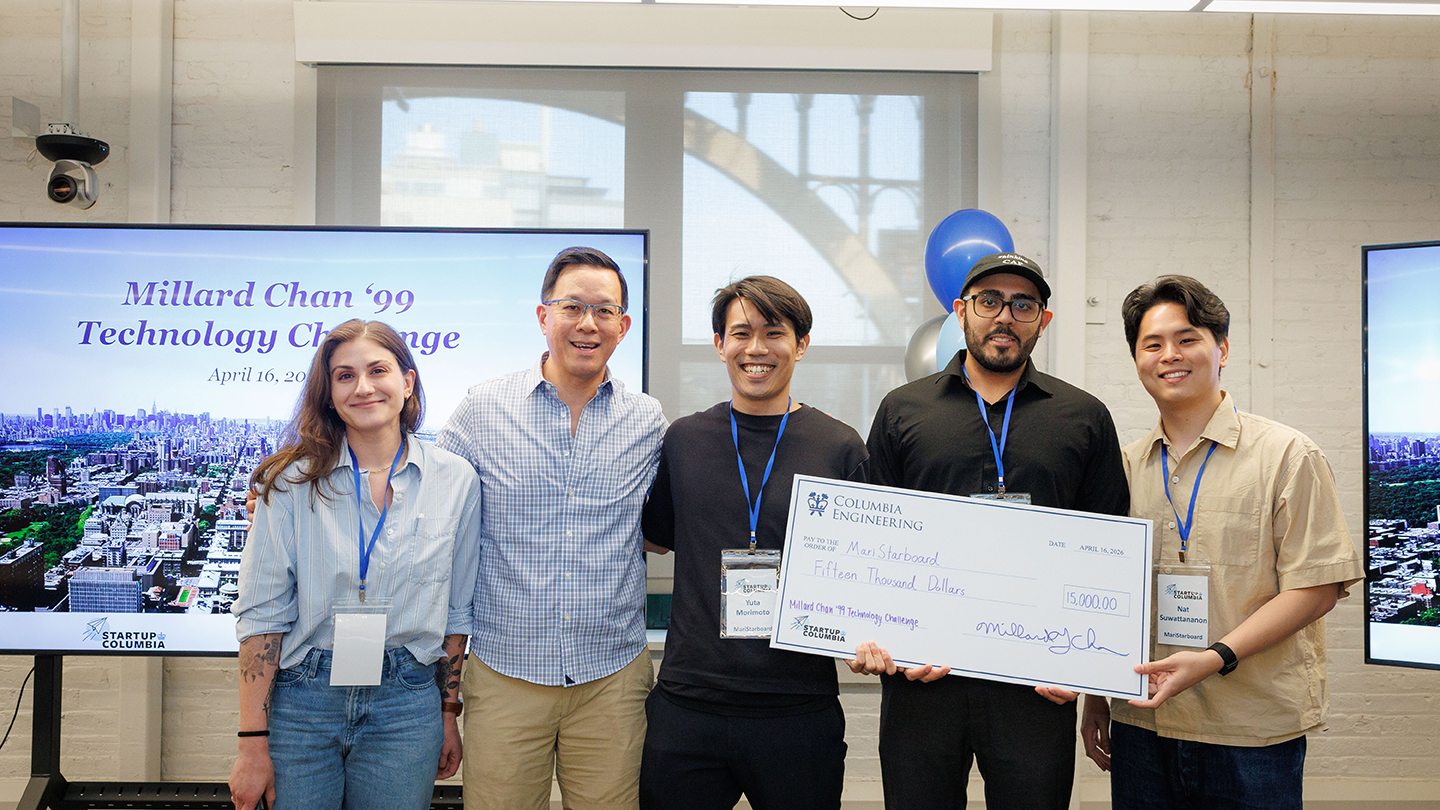
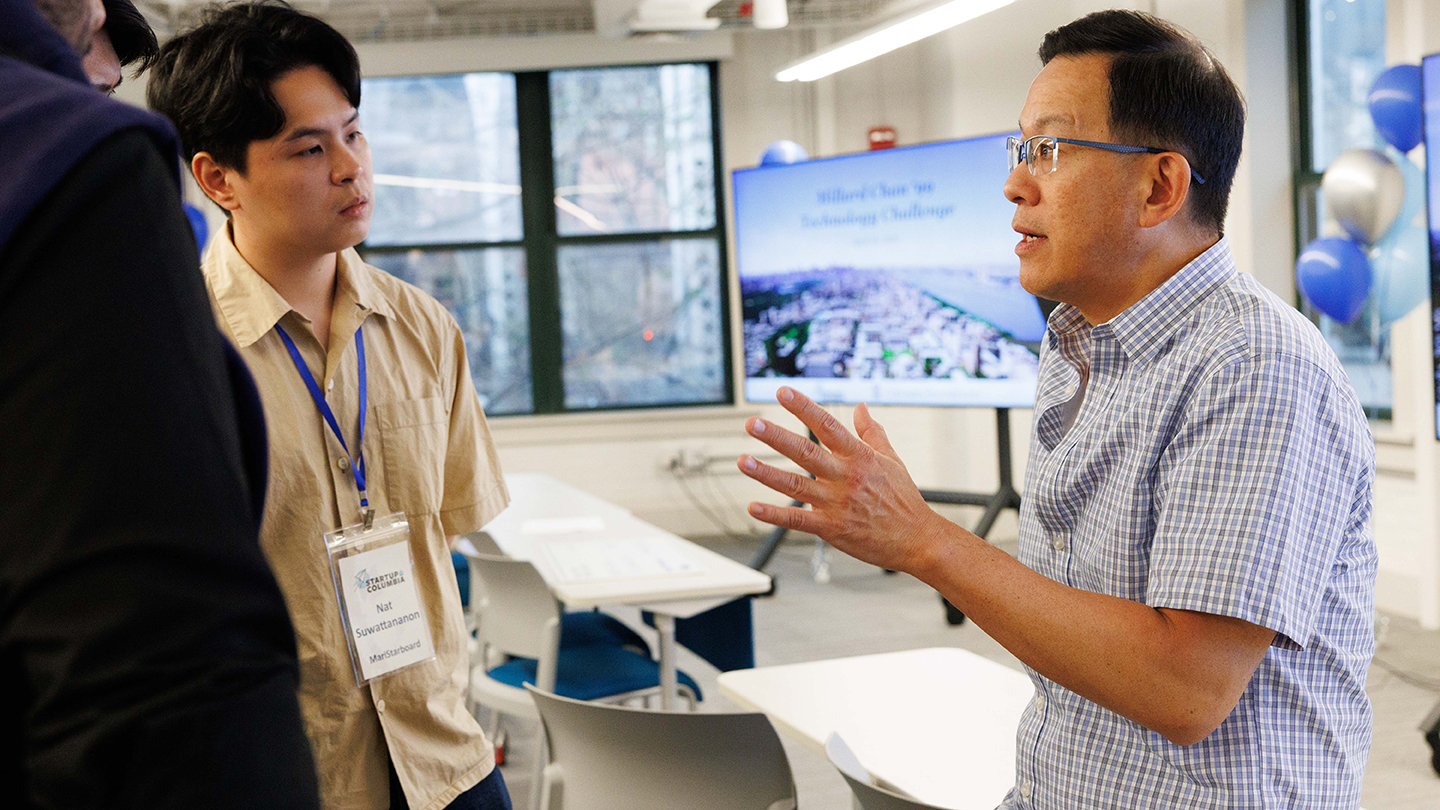
Coming in second place, with a prize of $15,000, was MariStarboard, pitched by Yuta Morimoto MBAxMS’27, Nat Suwattananon MBAxMS’27, and Andy Pasricha MBA’26BUS. MariStarboard plans to use autonomous underwater robotics to solve what the founders described as an inefficiency problem in global maritime infrastructure.
In their pitch, the team explained that barnacles and other organisms get stuck on a ship’s hull, increasing drag. The reduction in fuel efficiency costs the shipping industry upwards of $200 billion annually. Before a ship’s hull can be cleaned, a specialist must conduct an inspection, which is costly and time-consuming. MariStarboard’s software streamlines the costly and time-consuming process of hull inspection by using drone-captured video and an AI model. The system allows ship owners to conduct this inspection on demand, making it easier and cheaper to clean ship hulls.
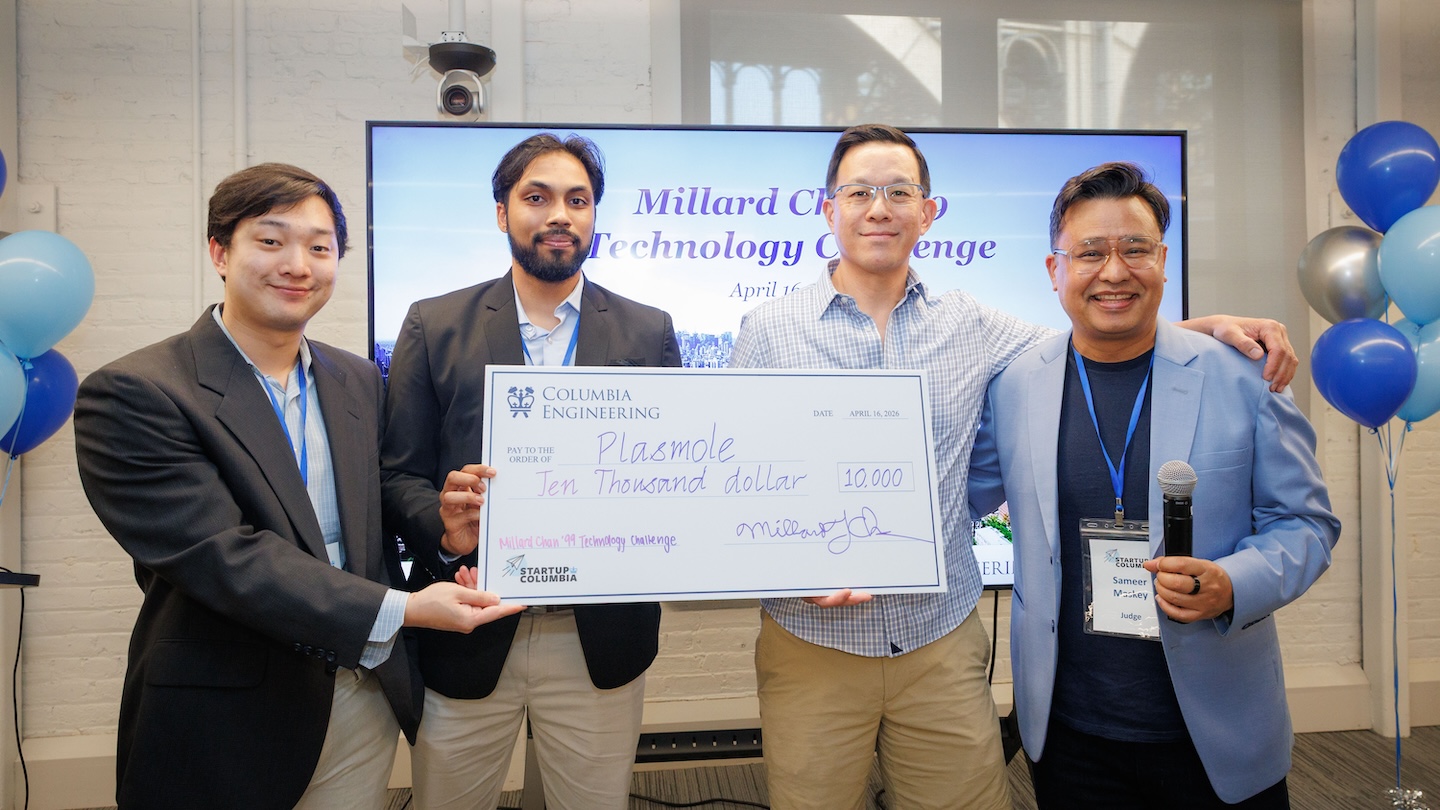
Third place went to Plasmole, an AI research partner for molecular biology, pitched by Aditya Kulkarni MS’26 and Paul Yoo MS’22, who won $10,000 for the project. The platform provides AI tools to assist biologists at every stage of research, from hypothesis to publication, streamlining research and documenting it in one app. The beta version has already been a hit with scientists at Cornell and NYU.