Campus
Columbia Symposium Explores the Future of Electrification
The Columbia Center of Advanced Electrification brought together policymakers, researchers, and industry leaders during Climate Week NYC to discuss advances in energy innovation.
The Columbia Center of Advanced Electrification (CCAE) convened its 2025 Fall Symposium on Sept. 26 at Columbia Engineering, gathering experts from academia, government, and industry to examine the future of energy and electrification. Timed with Climate Week NYC, the event highlighted urgent challenges and emerging solutions across transportation, grids, and building systems.
In the welcome remarks, Shih-Fu Chang, dean of Columbia Engineering, emphasized the School’s commitment to advancing clean energy research and education. “This area is so important that Columbia University has recognized the importance of investing not only in faculty and infrastructure, but also in our students, who are already designing the next generation of electric vehicles and aerospace technologies,” said Chang, who is Morris A. and Alma Schapiro Professor of Engineering and professor of electrical engineering and of computer science.
Policy perspectives from New York State
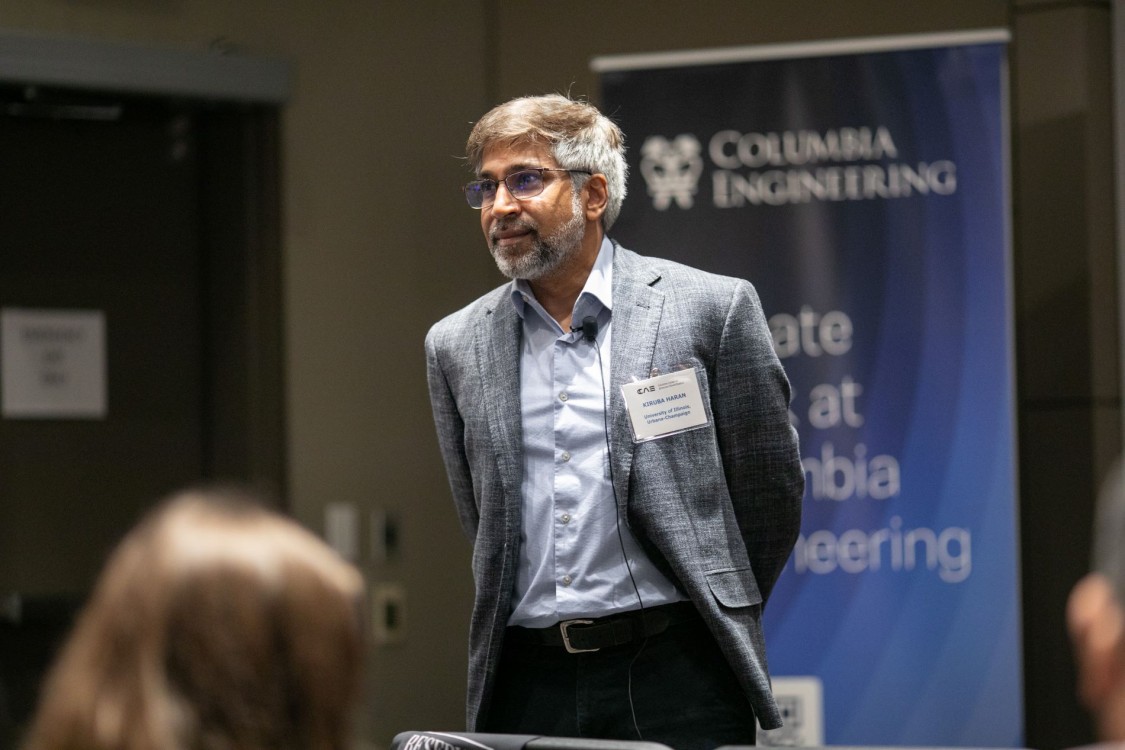
Delivering the keynote, Rory M. Christian, chair and CEO of the New York State Public Service Commission, placed New York’s energy transition in historical context. He pointed to the state’s past shift from coal to natural gas as a reminder of what’s possible.
“We have to electrify everything that currently combusts—vehicles, heating, hot water—if we are going to achieve our climate goals,” Christian said. “It is a massive challenge, but as engineers and policymakers, we’ve done major transitions before. This time, we must be deliberate, patient, and intentional in our approach.”
Christian also highlighted programs like New York’s “Make-Ready” initiative to expand public EV charging and efforts to standardize utility distribution planning statewide.
Industry innovation: Tau Motors Collaboration
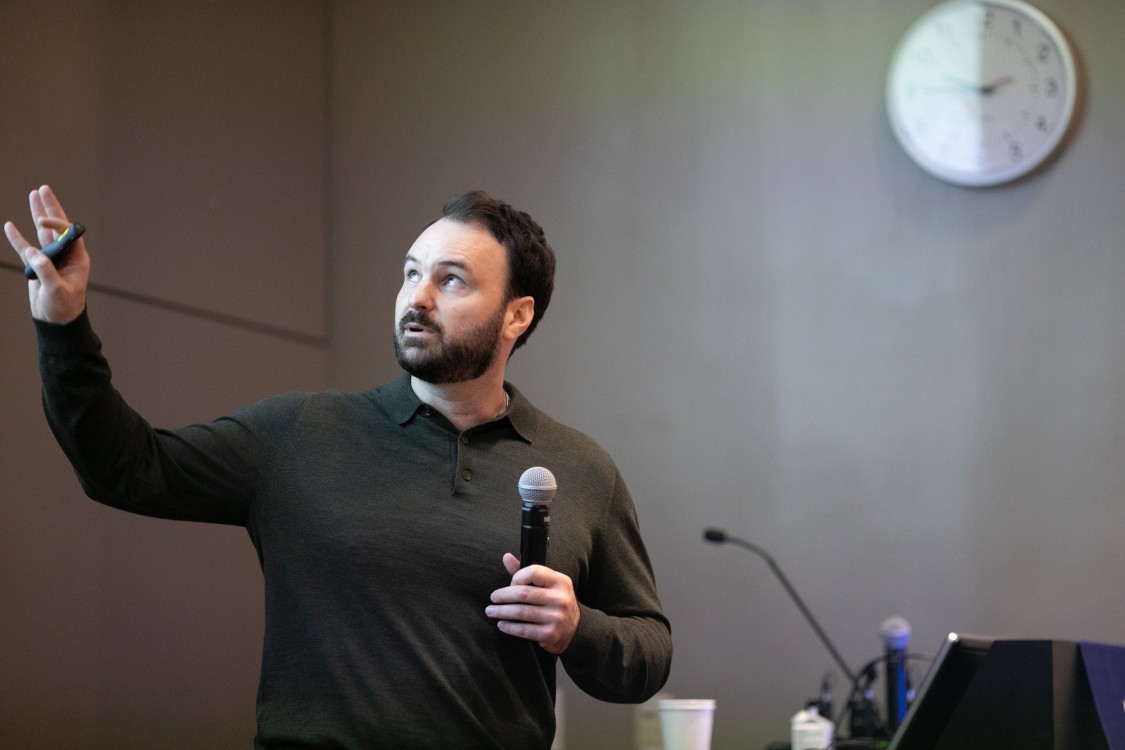
W. Wesley Pennington, founder and CEO at Tau Motors, announced new advances in electric motor technology that reduce dependence on rare-earth materials, which are costly and environmentally damaging. “Legacy technologies are forcing compromises,” Pennington said. “Our platform allows us to create dynamic machines that are highly efficient without relying on permanent magnets, cutting costs while reducing carbon by up to 80 percent.”
Pennington described how Tau’s collaboration with Columbia researchers has already validated the company’s designs in laboratory and real-world testing.
Academic insight and technical leadership
Following Pennington, CCAE Director and Associate Professor of Electrical Engineering Matthias Preindl discussed the underlying theory and control design supporting Tau’s breakthroughs. “Instead of fighting physics, we are leaning into it,” Preindl explained. “By rethinking motor control and optimization, we can make electrification systems more efficient, reliable, and adaptable to modern transportation needs.”
Preindl’s remarks framed the day’s broader sessions, which covered power converters, decentralized grids, and electrification in transportation and buildings. The event also built on a week of programming that included a career talk with Tau Motors at the Department of Electrical Engineering, underscoring the Center’s commitment to linking academic inquiry with industry opportunity.
With momentum from both policy and technology, the CCAE Fall Symposium marked another step toward building a more sustainable and electrified future.
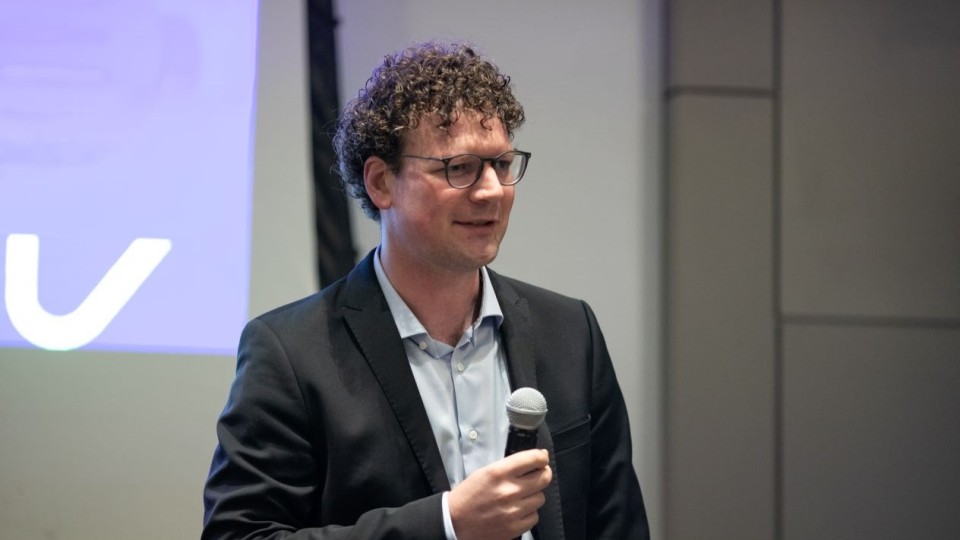
Lead Photo Caption: Matthias Preindl, director of the Center of Advanced Electrification and associate professor of electrical engineering at Columbia
Lead Photo Credit: David Dini/Columbia Engineering