
Students
Computer Science Student Learning Center Opens its Doors
The new space in Schermerhorn Hall will support collaborative learning and community connection among students and faculty
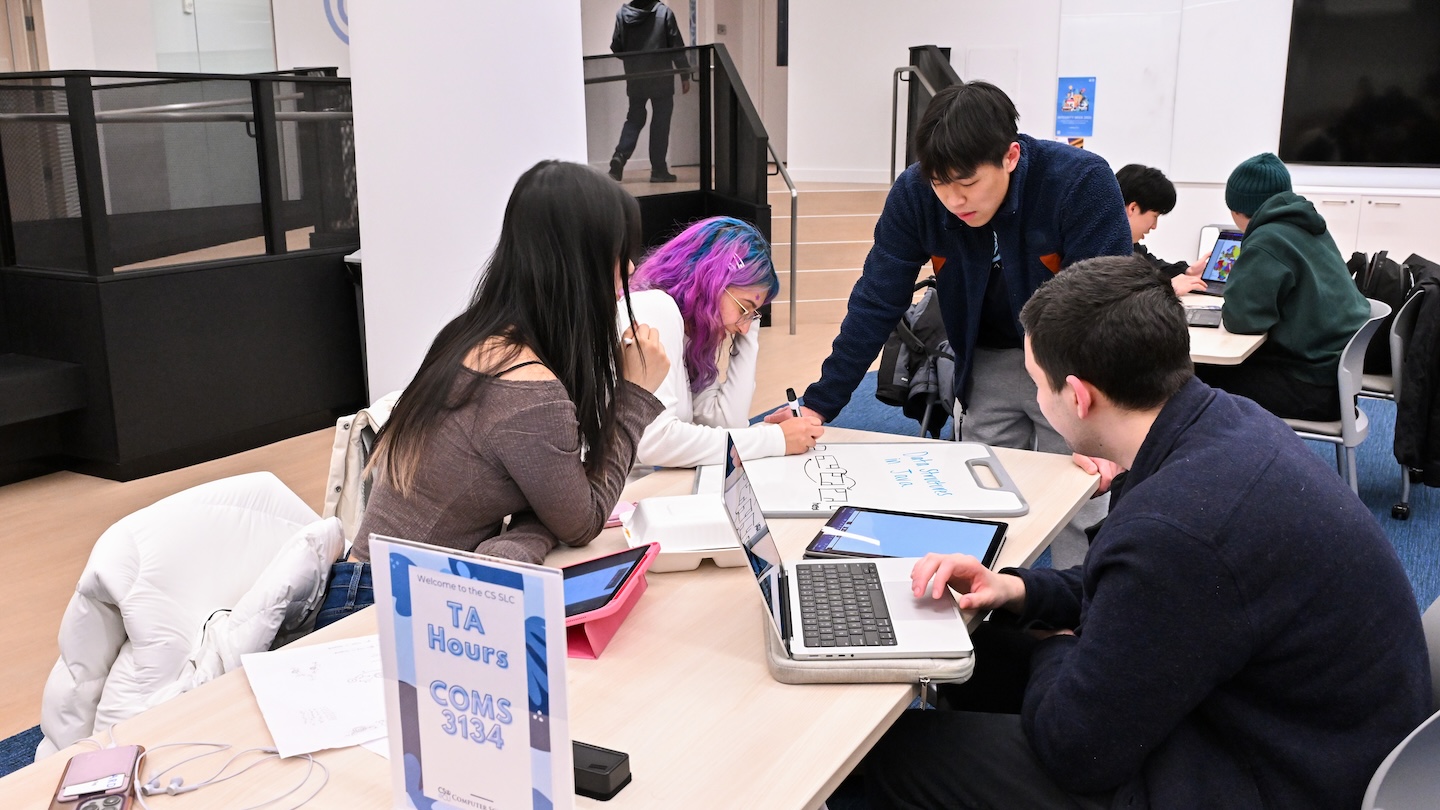
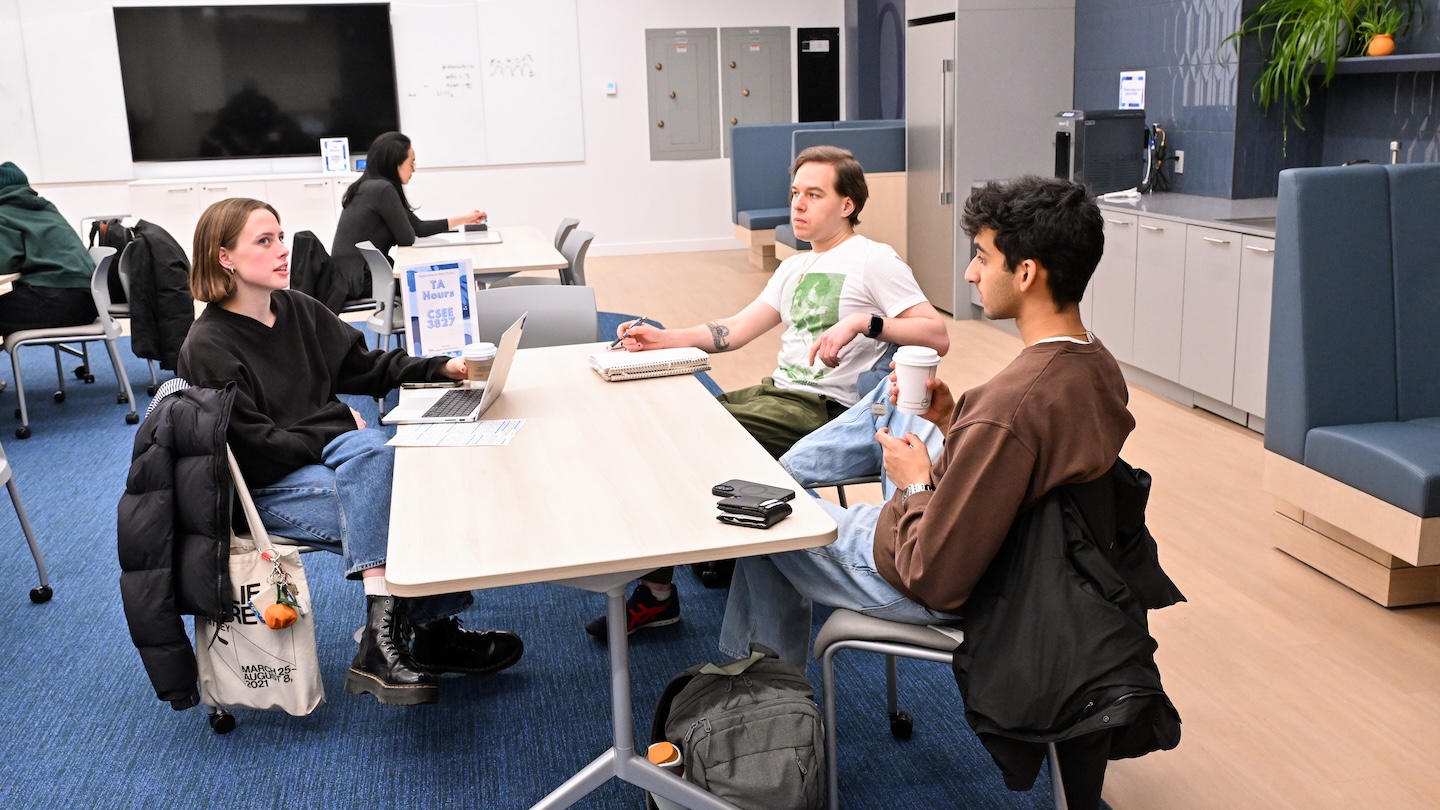
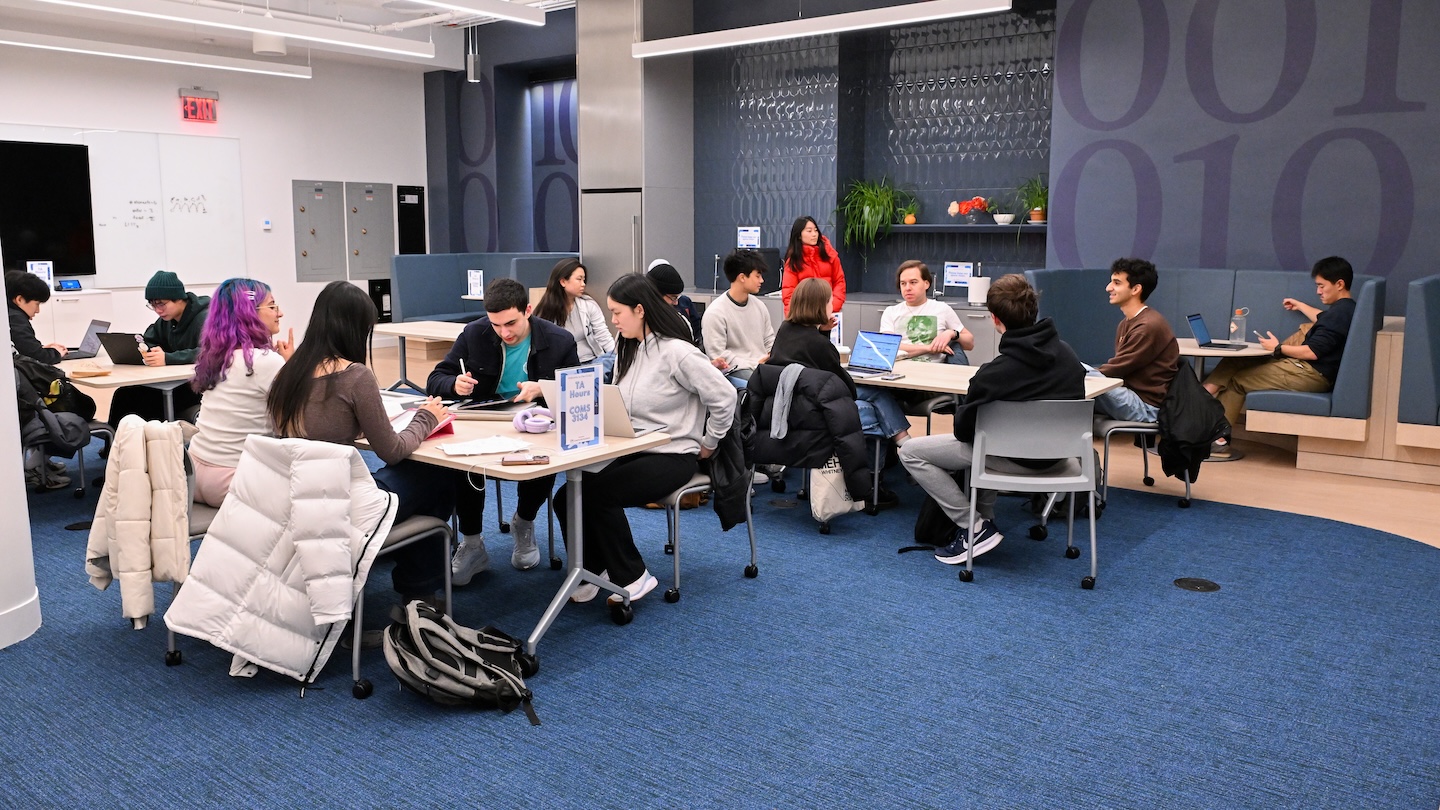
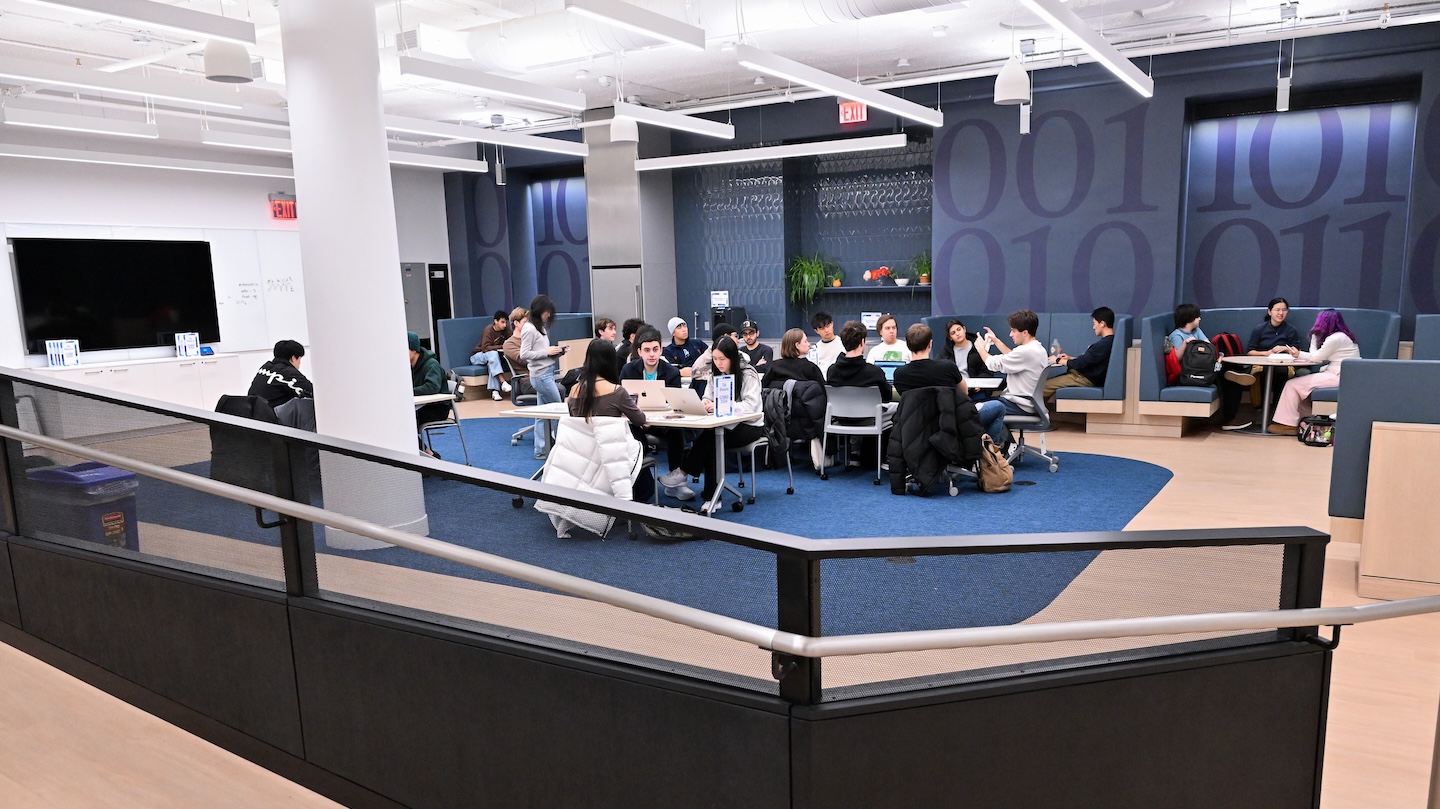
Columbia Engineering has opened the doors on a brand new space: the Computer Science Student Learning Center. The first part of the center is located on the third floor of the Schermerhorn Building, with the second part expected to be opened in the summer. The center features spaces and designs that facilitate collaborative learning, student-faculty interaction, and community-building programs. It features long tables and booths for group collaboration, whiteboards, benches, monitors for data visualization, as well as breakout rooms, and space for student and faculty interaction.
The new space supports the many students majoring or taking courses in computer science (CS), from Columbia Engineering, Columbia College, the School of General Studies, Barnard, and many other schools. CS remains one of the most popular undergraduate majors at Columbia. In 2025, 1,651 students were computer science majors, and more than 14,000 were enrolled in CS classes. Among the Class of 2025, 645 undergraduates were CS majors, and 419 master’s students, and 41 PhD students graduated with degrees in CS.
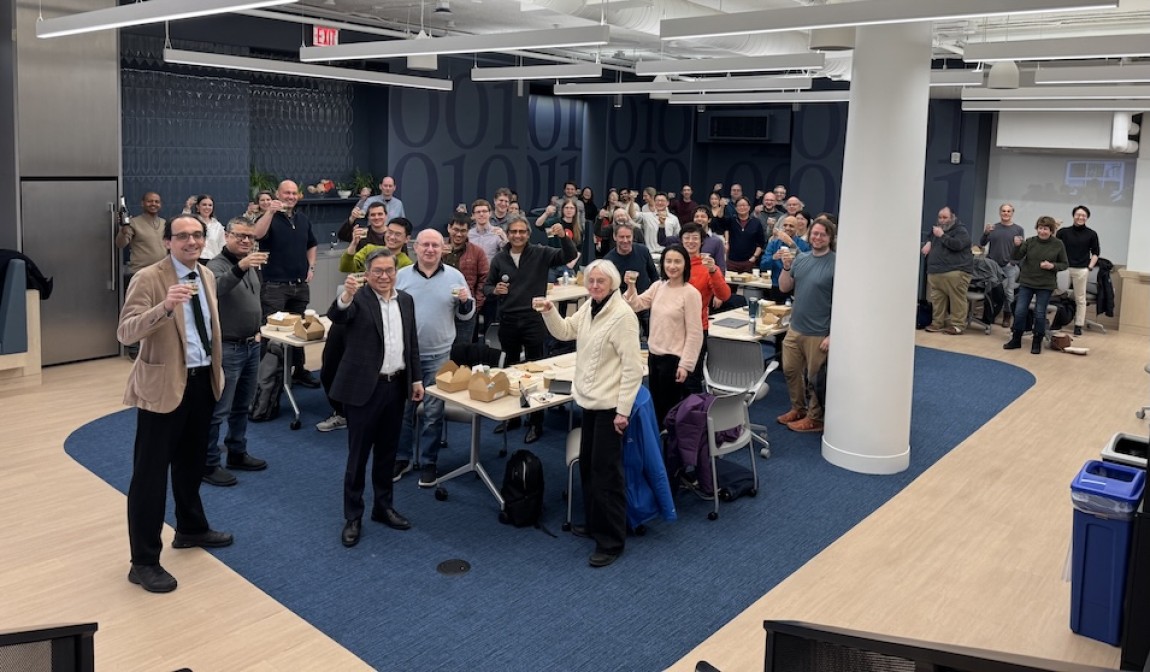
Today, with the rapid onset of Artificial Intelligence (AI), foundational courses in computer science are helping prepare students to understand and engage with AI in engineering and a host of other fields. Columbia Engineering Dean Shih-Fu Chang sees the new space as a hub for active learning and community.
“Computer science is a key part of our education mission and many programs across the University also leverage our computer science curriculum and expertise and research,” said Dean Chang. “Building a strong, vibrant community to support effective learning and community connection is very important.”
The expansion comes at a time when the Engineering School is focused on an increased integration of AI into its research and education mission. In the fall, the School launched a new minor for undergraduates in AI and recently announced a new Master’s program in AI that leverages the core foundation in CS and Engineering and allows students to explore unique cross-disciplinary concentrations. The new space will provide a nurturing environment to support students immersed in active learning and cross-disciplinary collaboration.
A New Hub for Learning and Community
Photos by Diane Bondareff/Columbia Engineering

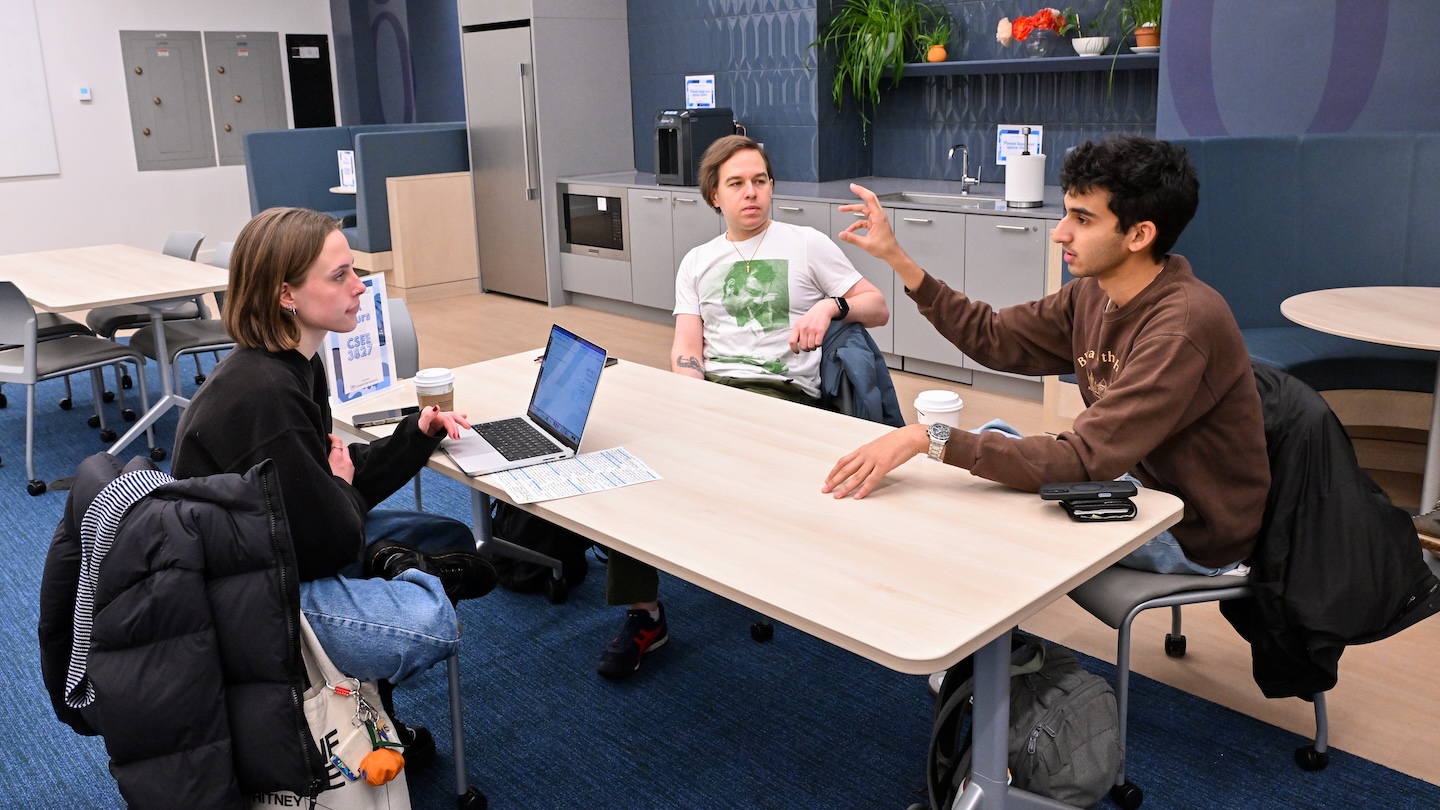
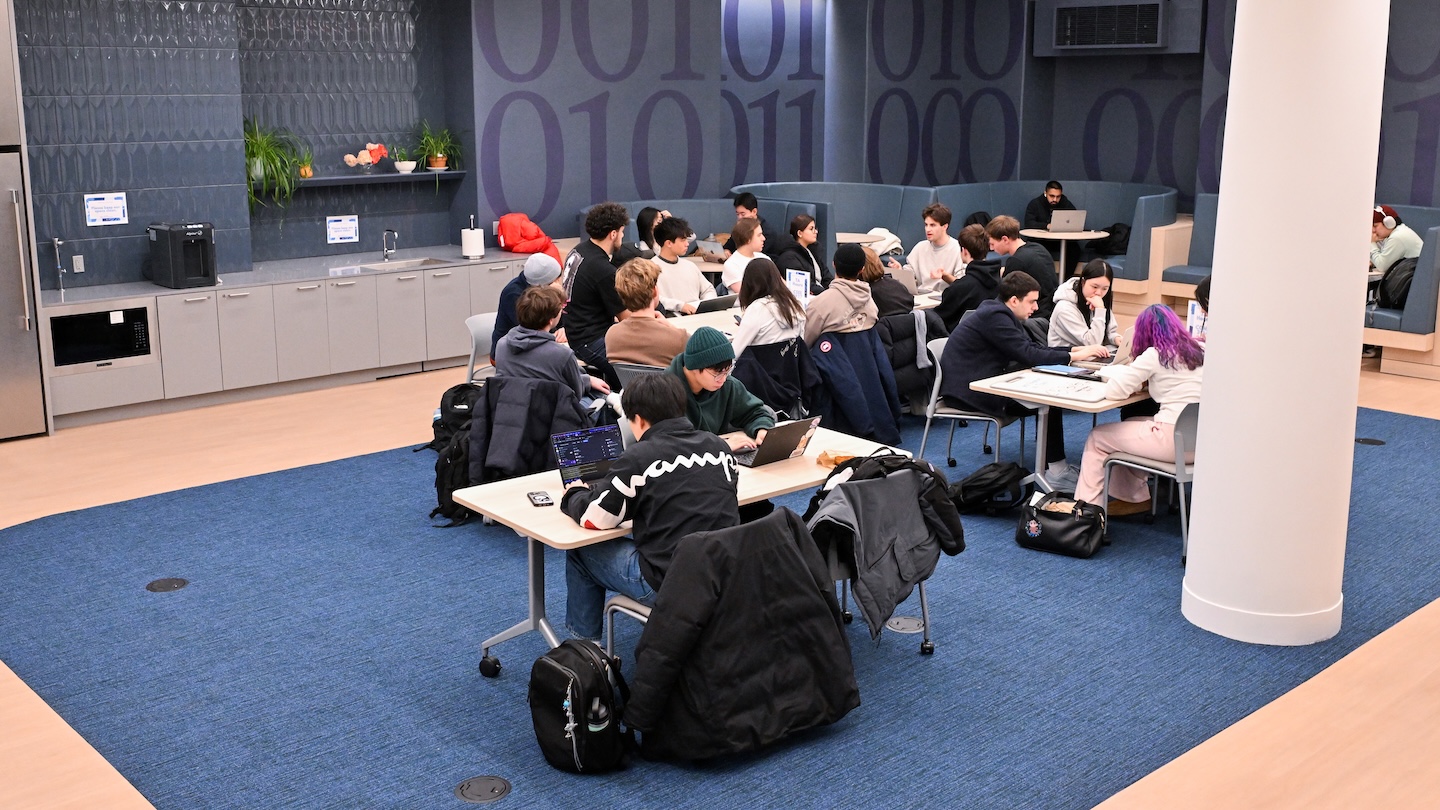
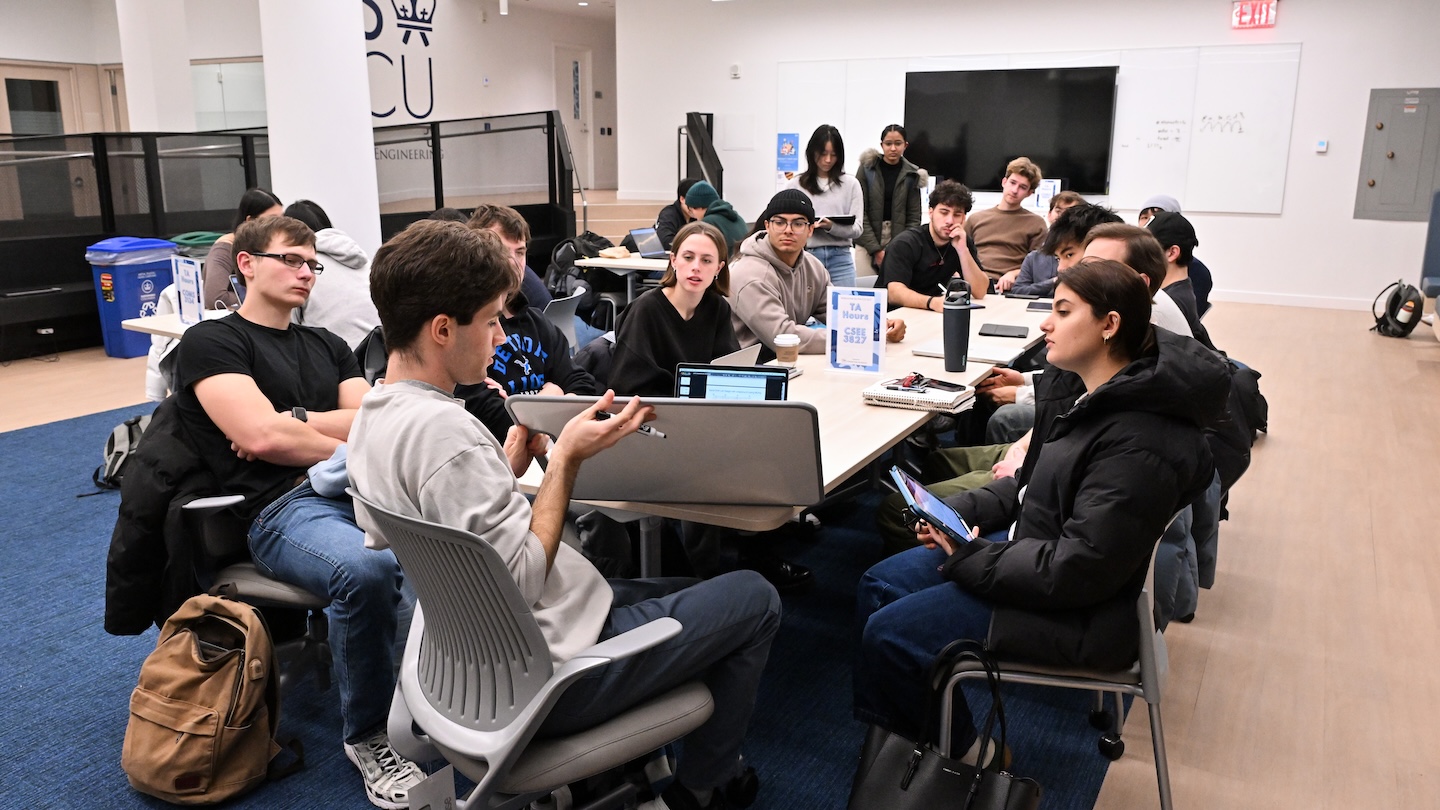
“We’re adapting to respond to the needs of students today,” said Luca Carloni, professor and chair of the Department of Computer Science. “Computer Science continues to play a key role at Columbia and is foundational to our academic offerings. Our faculty are also integrating AI into teaching and research and students are seeking out these courses.”
Carloni noted the popular AI in Context course taught by Teaching Professor of Computer Science Adam Cannon, Associate Professor of Applied Mathematics Chris Wiggins, Vice Dean of Computing and AI Vishal Misra, Associate Professor of Computer Science Lydia Chilton, in collaboration with faculty in humanities and other fields. The department is also expanding and, this year, hired six new faculty, two of whom recently presented at the Lecture Series in AI.
“We are taking a very proactive approach and a very exploratory one–that’s the role of this community and this learning center,” said Carloni. “It’s a hub for us to really build a strong student community and integration of emerging content such as AI into student activity and teaching and learning.”
“We are continuing to explore opportunities to enhance student learning experiences and community connections throughout the School and in collaboration with partners across the University,” added Dean Chang.
Columbia Engineering plans to open another student collaboration space in the Schapiro Center for Engineering and Physical Science Research (CEPSR) building in the summer. The significant expansion of the Maker Space to its current location is another example that has demonstrated a significant impact on the learning experience for Engineering students, as well as a large number of students from across the whole university.
The location of the new learning center in Schermerhorn serves as a natural extension and bridge to other engineering and computer science spaces in the Mudd Building and Engineering Terrace. The fourth floor of Schermerhorn is also being renovated as additional space for faculty and student interaction and will open later this summer.
Besides scheduled office hours and recitations, the CS Student Learning Center has already started hosting “Coffee and Questions” sessions from 2 to 4 p.m., Tuesday through Thursday, with more programming to come.
“We have many activities and more that we are planning,” said Carloni. “Recitation groups, discussion groups, design challenges, hackathons, career panels–we will have alumni come back to talk about entrepreneurship, career placement, and so on. Students can come to learn here and to collaborate.”
Lead Photo Caption: Students working in the newly opened Computer Science Student Learning Center located on the third floor of Schermerhorn Building
Lead Photo Credit: Diane Bondareff