Campus
Greek Student-Entrepreneurs Pitch their Ideas During Tech Week NYC
The Hellenic Institute of Advanced Studies, Columbia Engineering, and the Athens Global Center hosted 11 teams at the inaugural Lab to Market event.
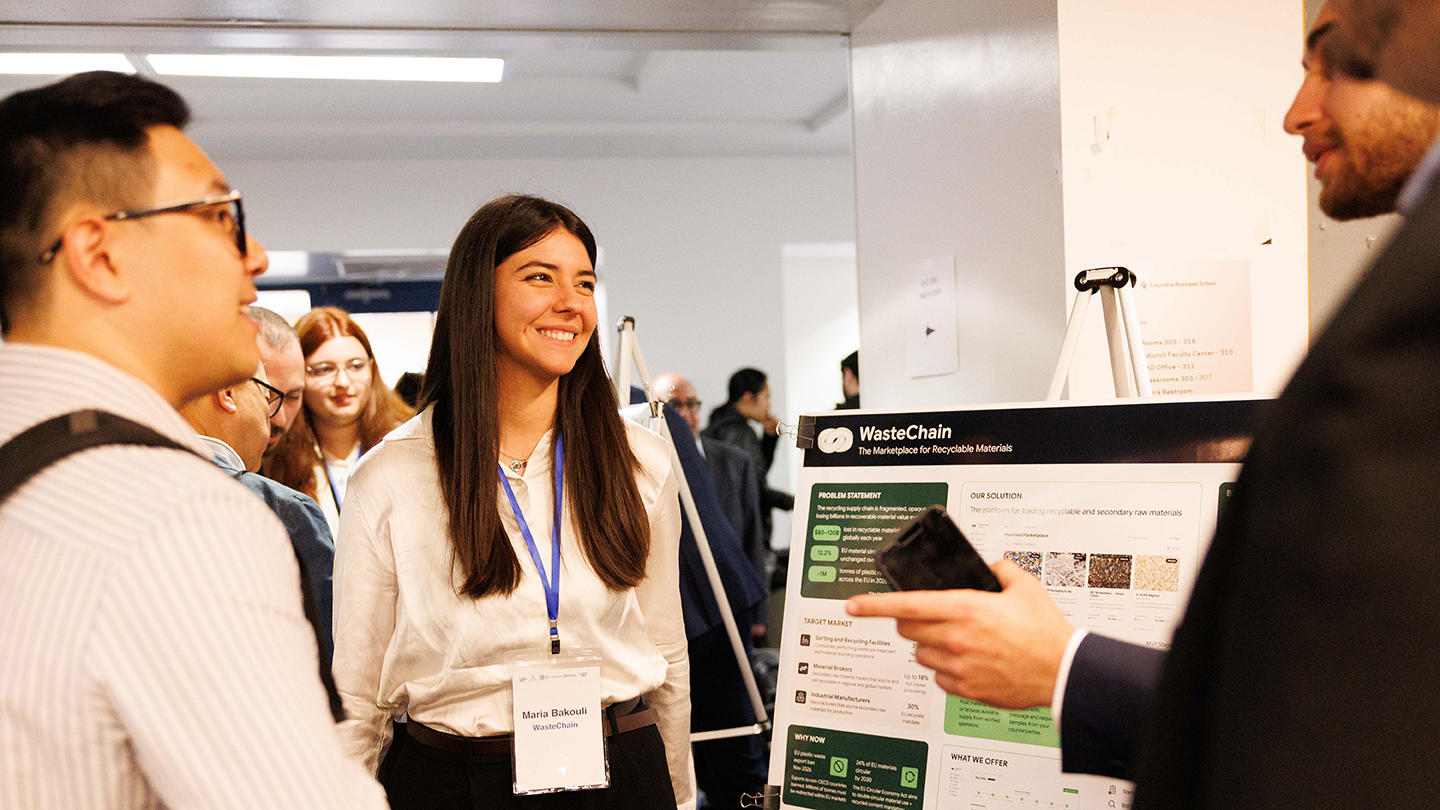
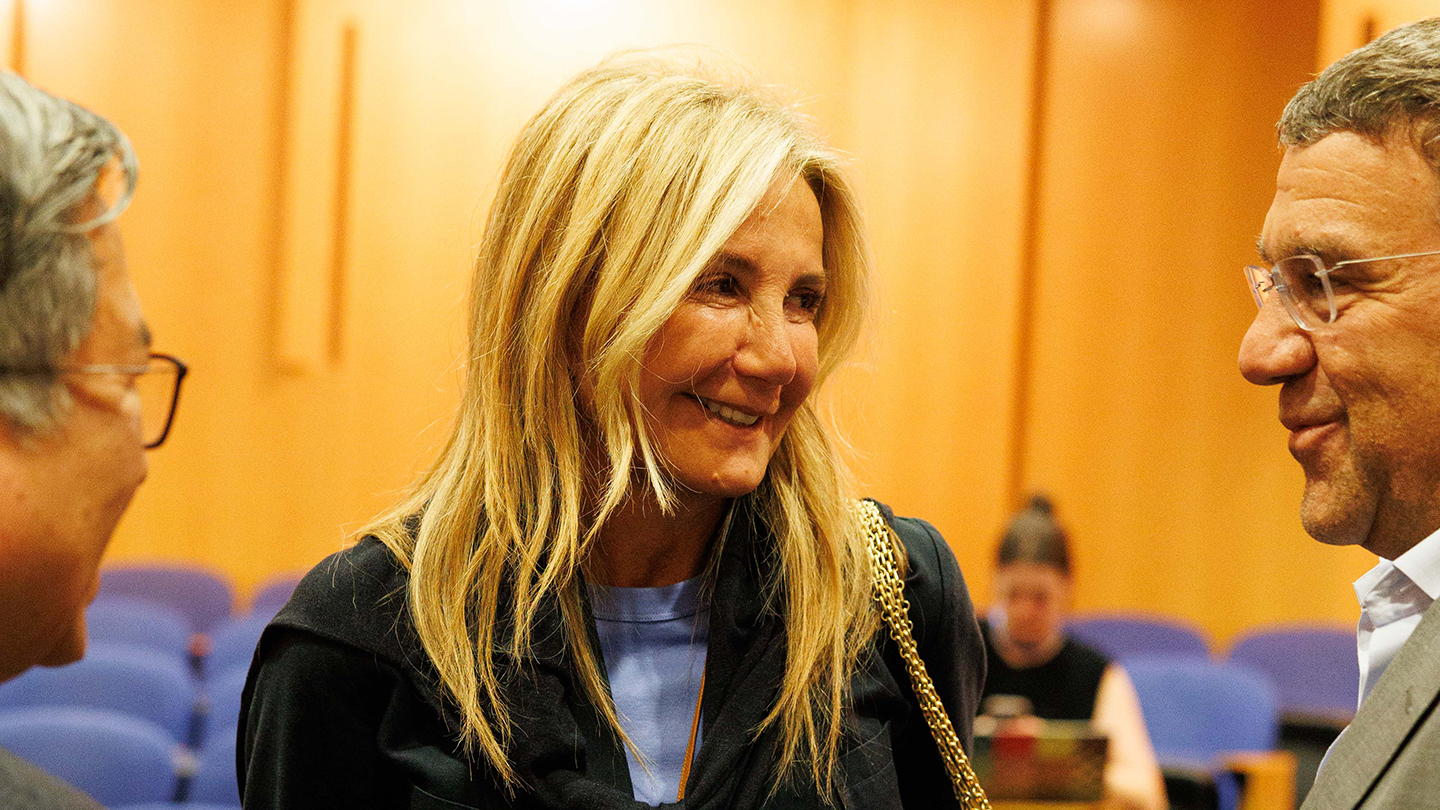
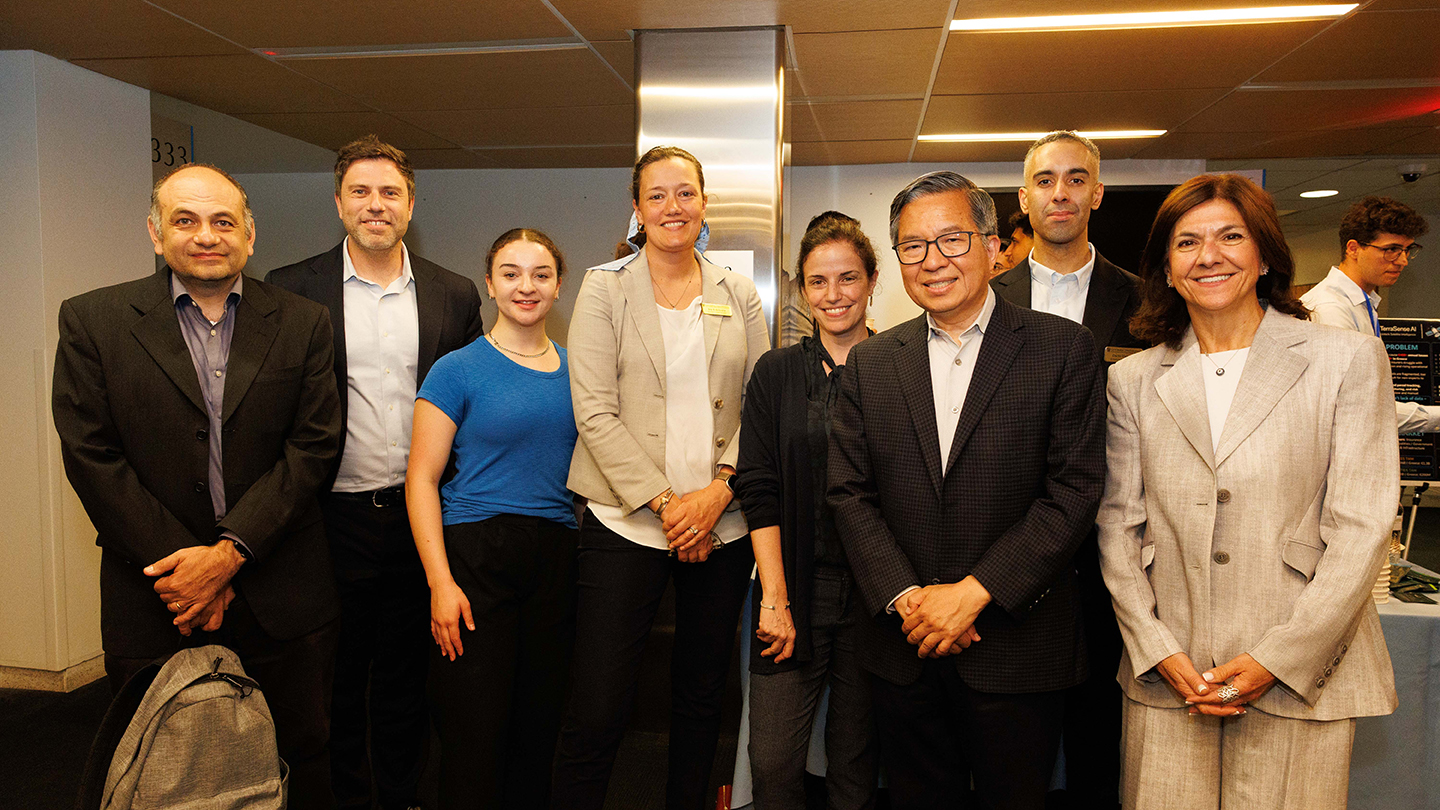
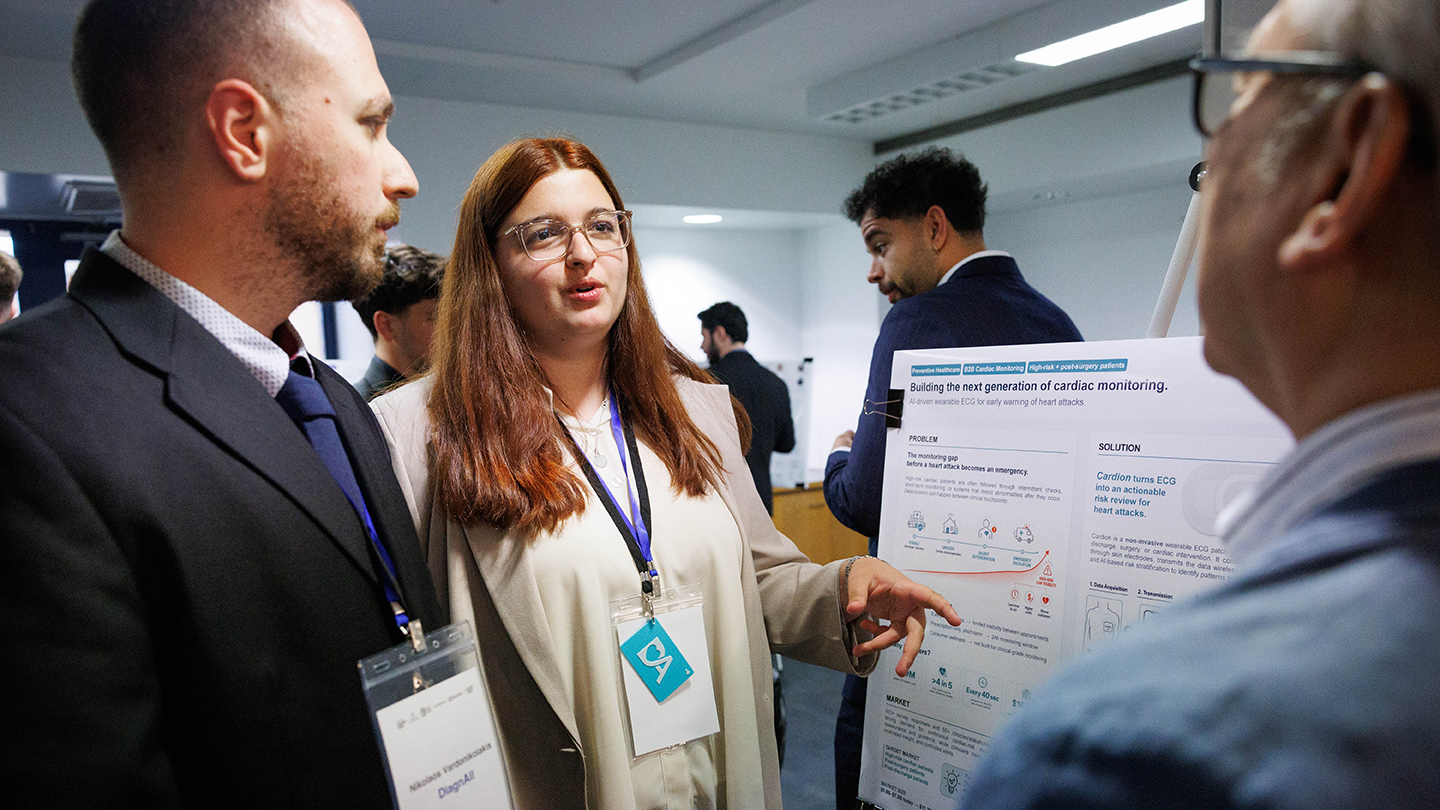
Twenty-five student-entrepreneurs from National Technical University of Athens (NTUA) visited New York City during New York Tech Week (June 1-7) to learn about the innovation ecosystem in the United States and pitch their ventures at a poster session held in Uris Hall on Columbia’s Morningside Heights campus. This event was part of the New York trip of the inaugural Lab to Market initiative, organized by the Hellenic Institute of Advanced Studies (HIAS), Columbia Engineering, and the Columbia Global Center in Athens, with support from Columbia Business School and Endeavor Greece. The First Lady of Greece and Athens Global Center board member Mareva Grabowski-Mitsotakis ’92SIPA was also in attendance. The Blavatnik Family Foundation is funding the initiative over five years, making participation free of charge to all students.
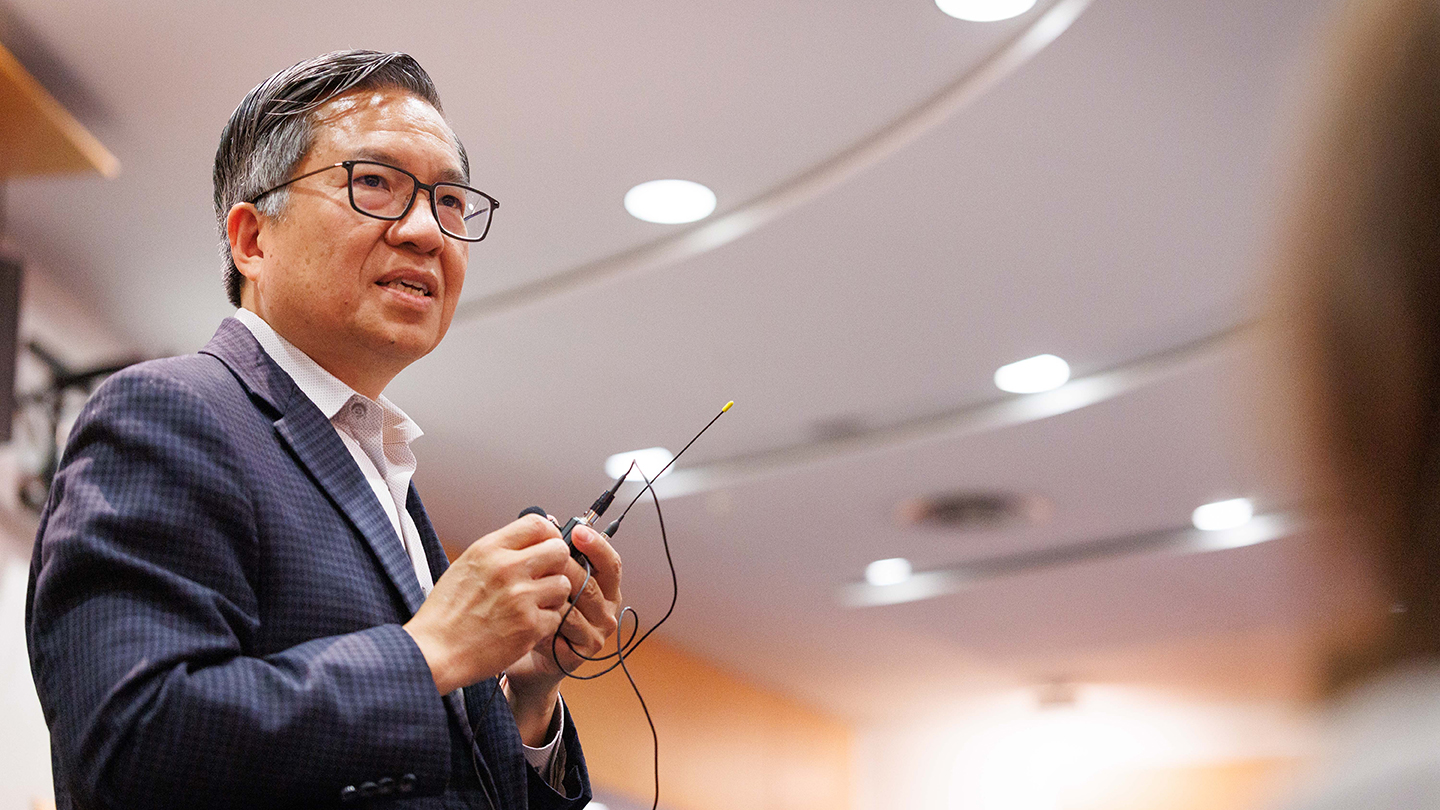
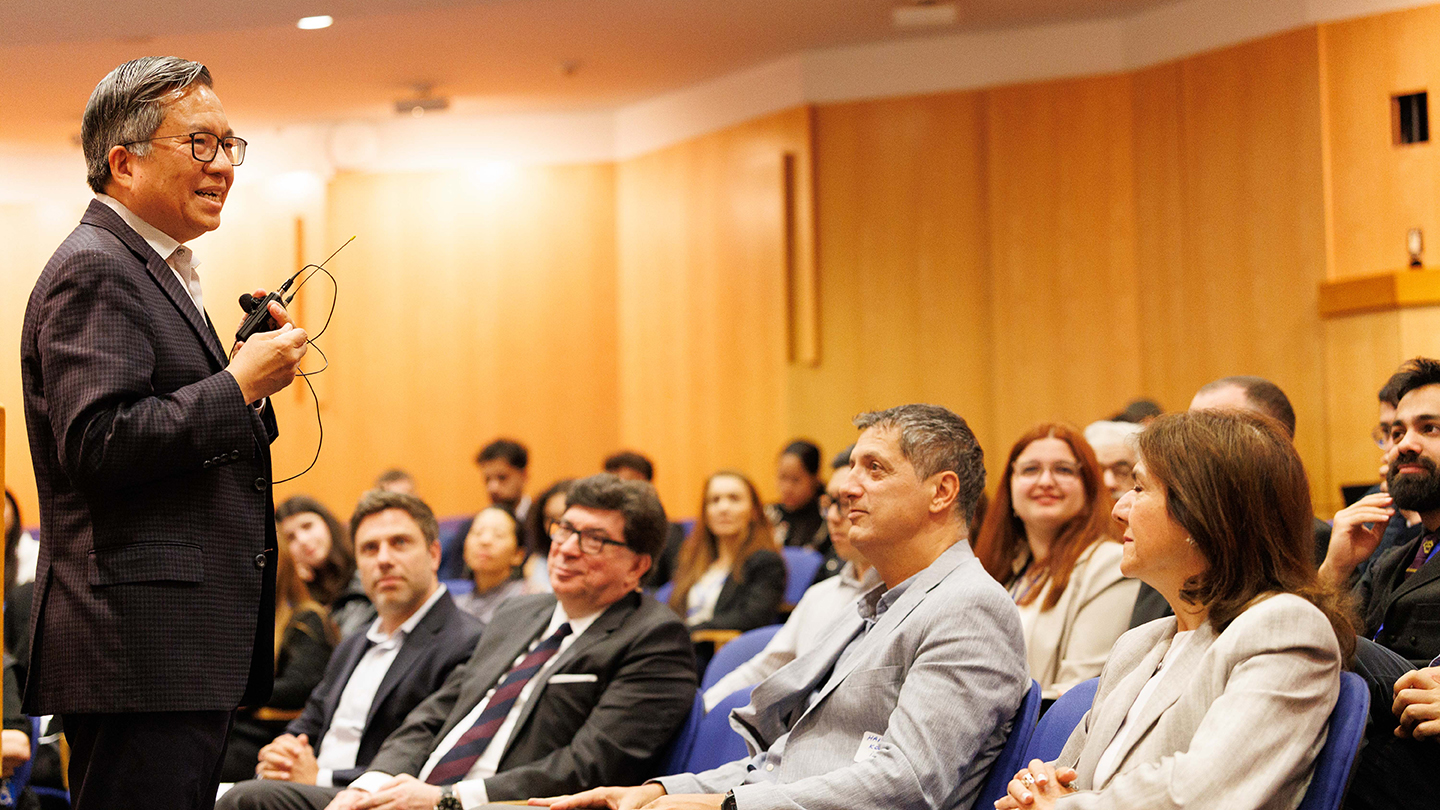
Shih-Fu Chang, dean of Columbia Engineering, framed the program's ambition in terms of support for nascent entrepreneurs.
"Without an ecosystem, it's really a lost opportunity to bring that idea to the solution market," he said, pointing to Columbia's own track record as proof of what a well-nurtured environment can produce. He noted that the Lab to Market framework is already being considered for expansion beyond Athens to Istanbul and Mumbai.
Lab to Market Initiative
Photos by Sirin Samman/Columbia Engineering
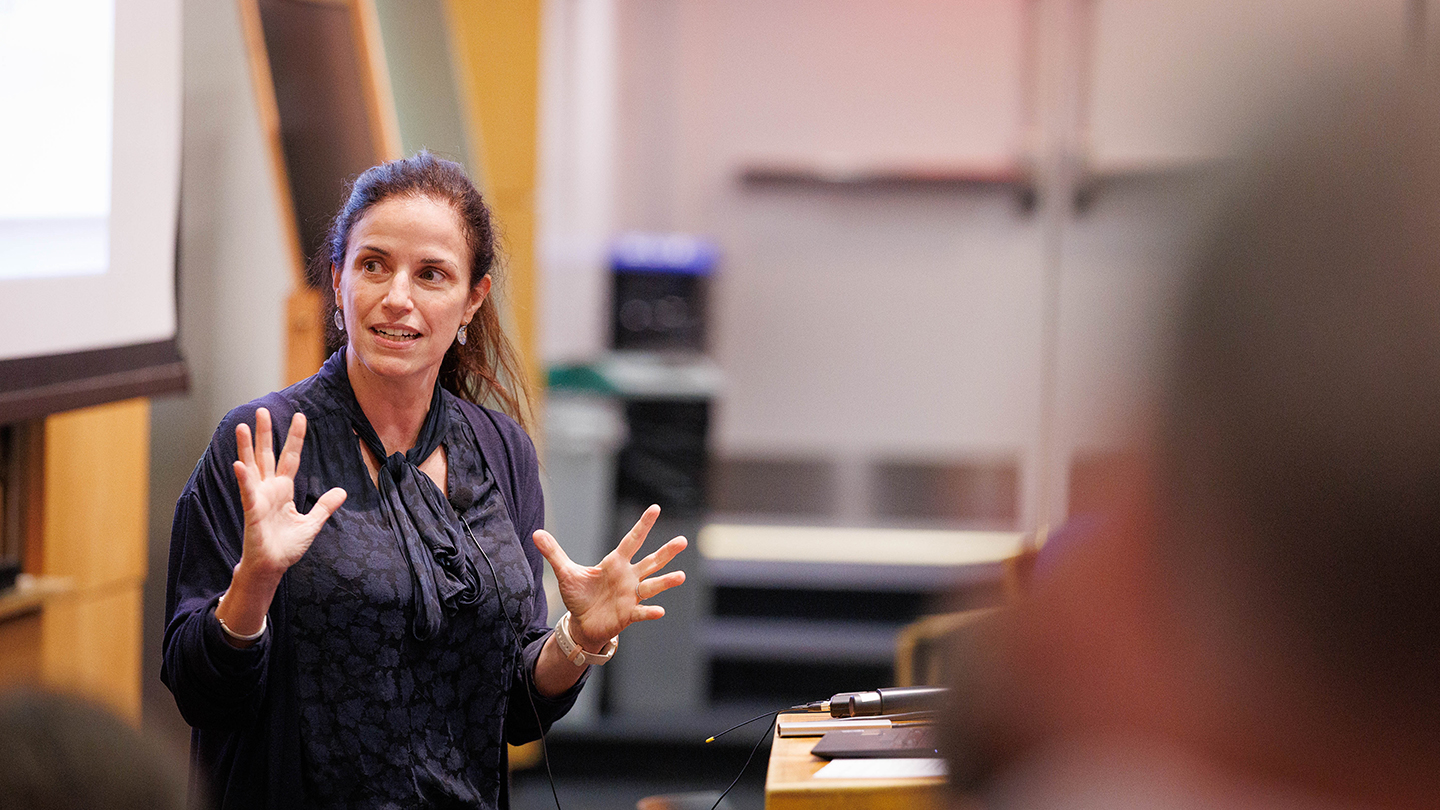
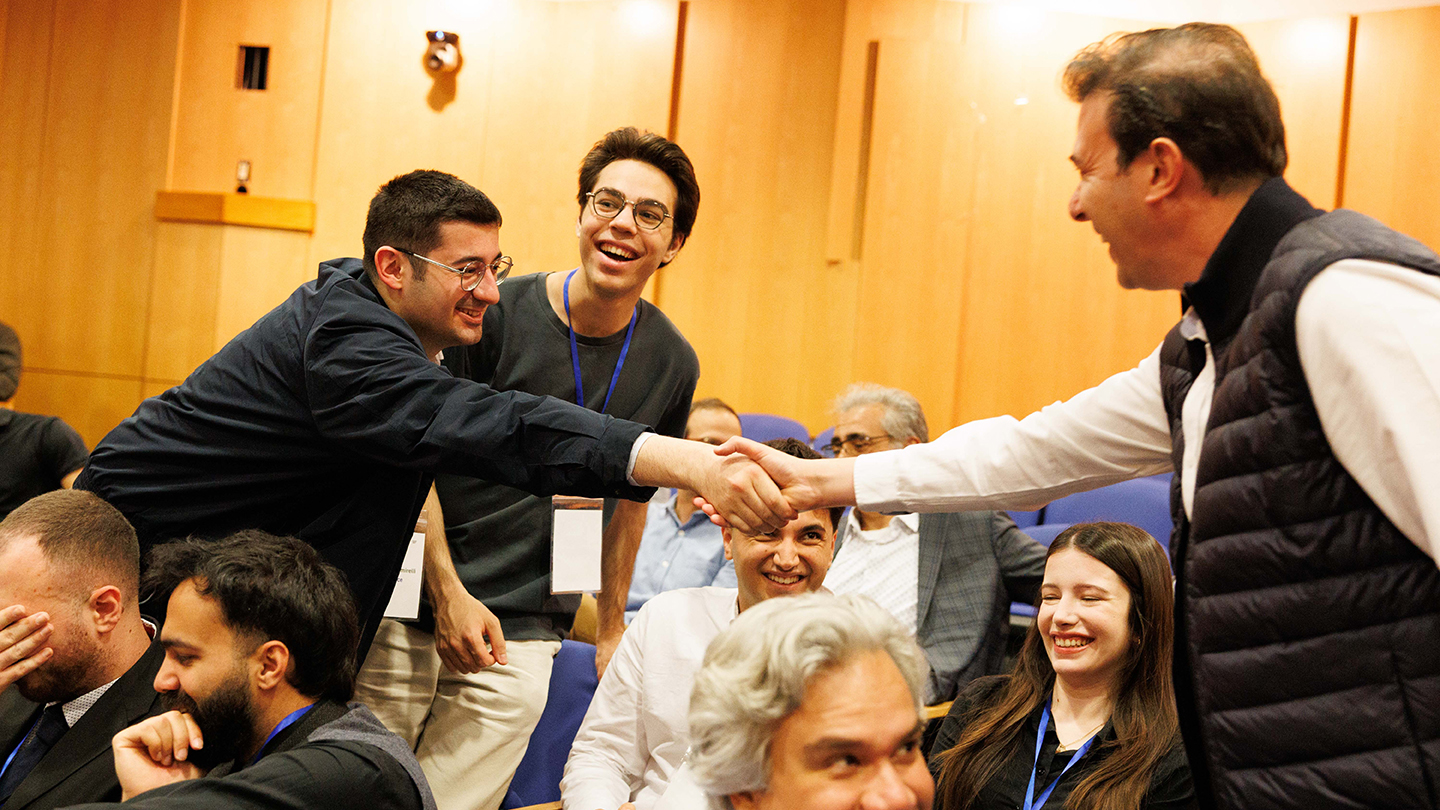
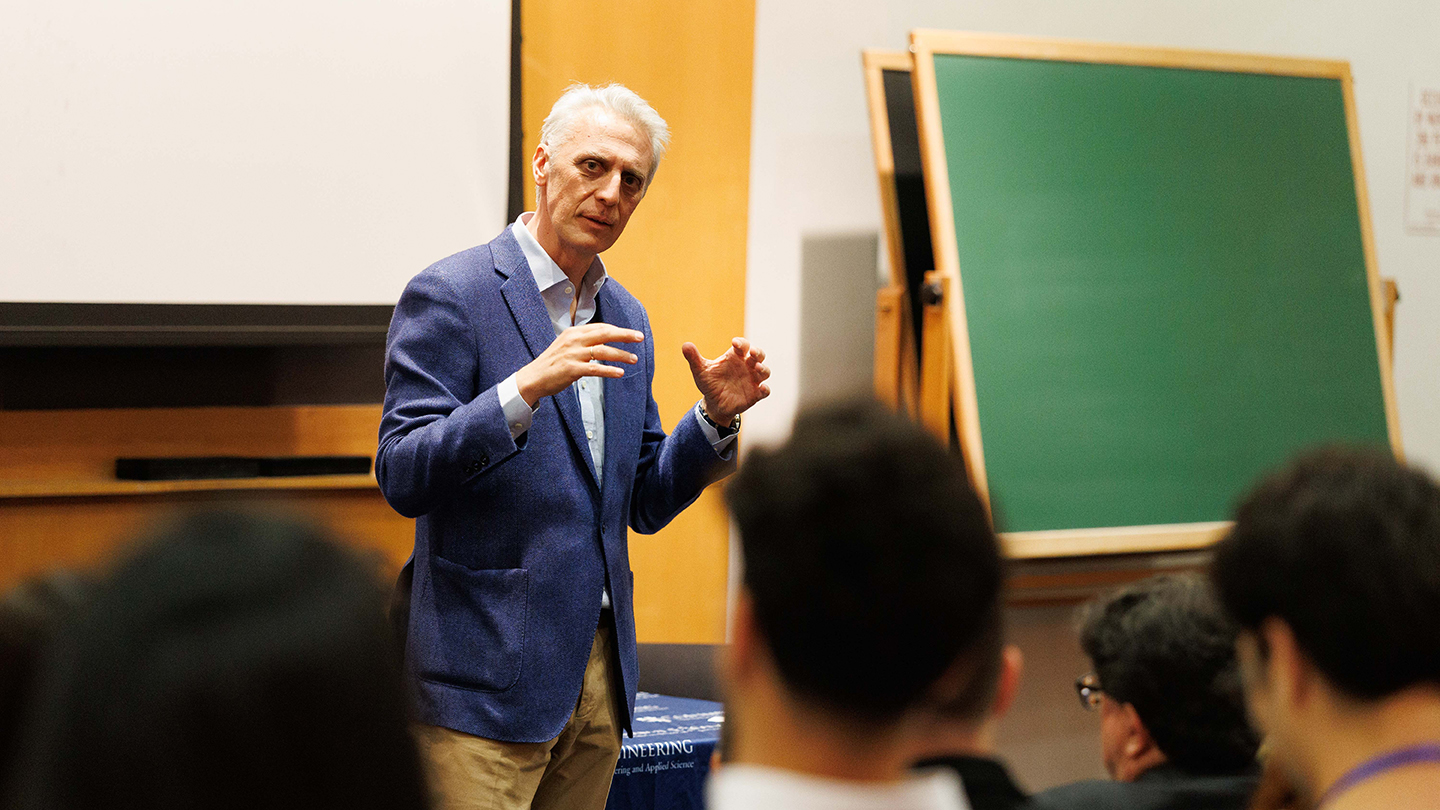
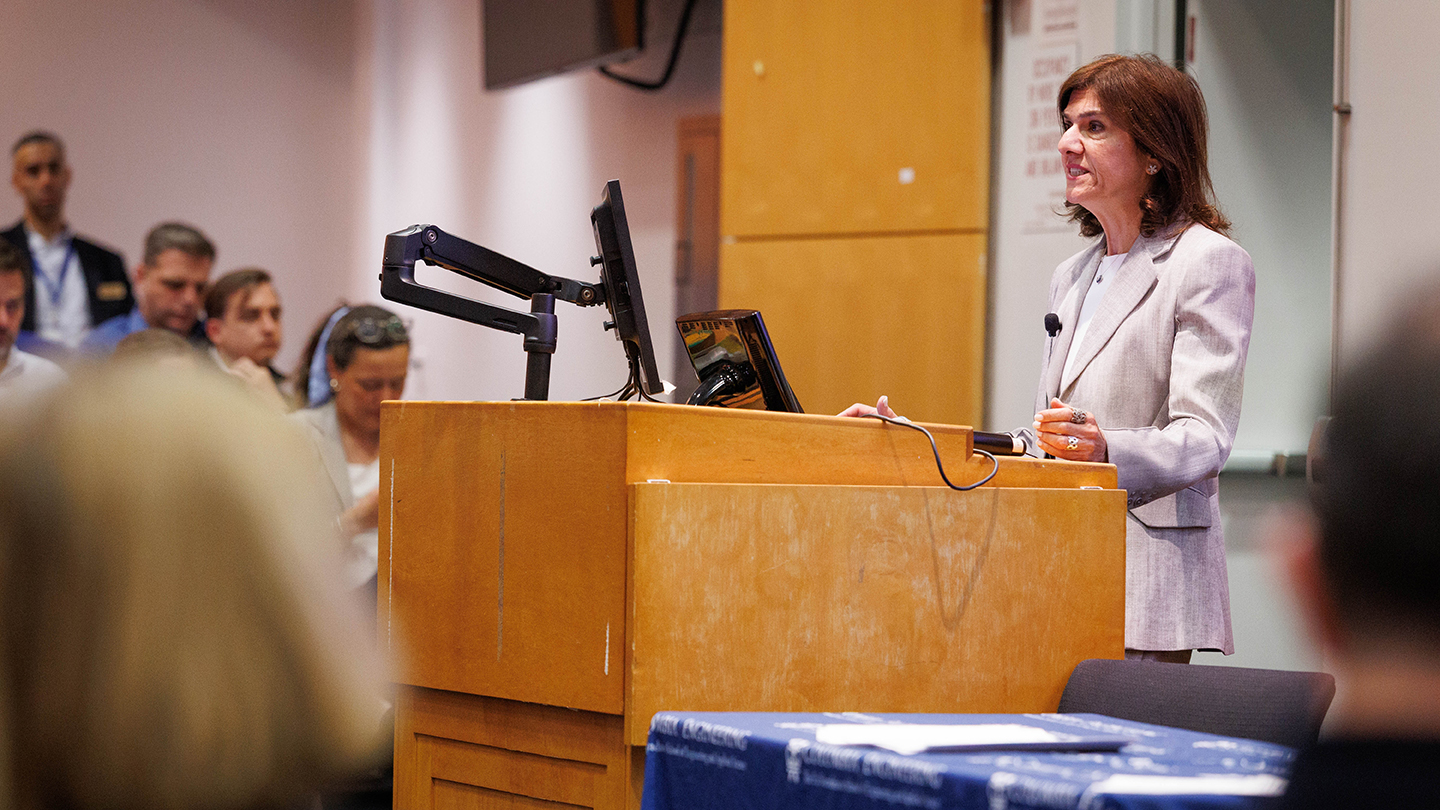
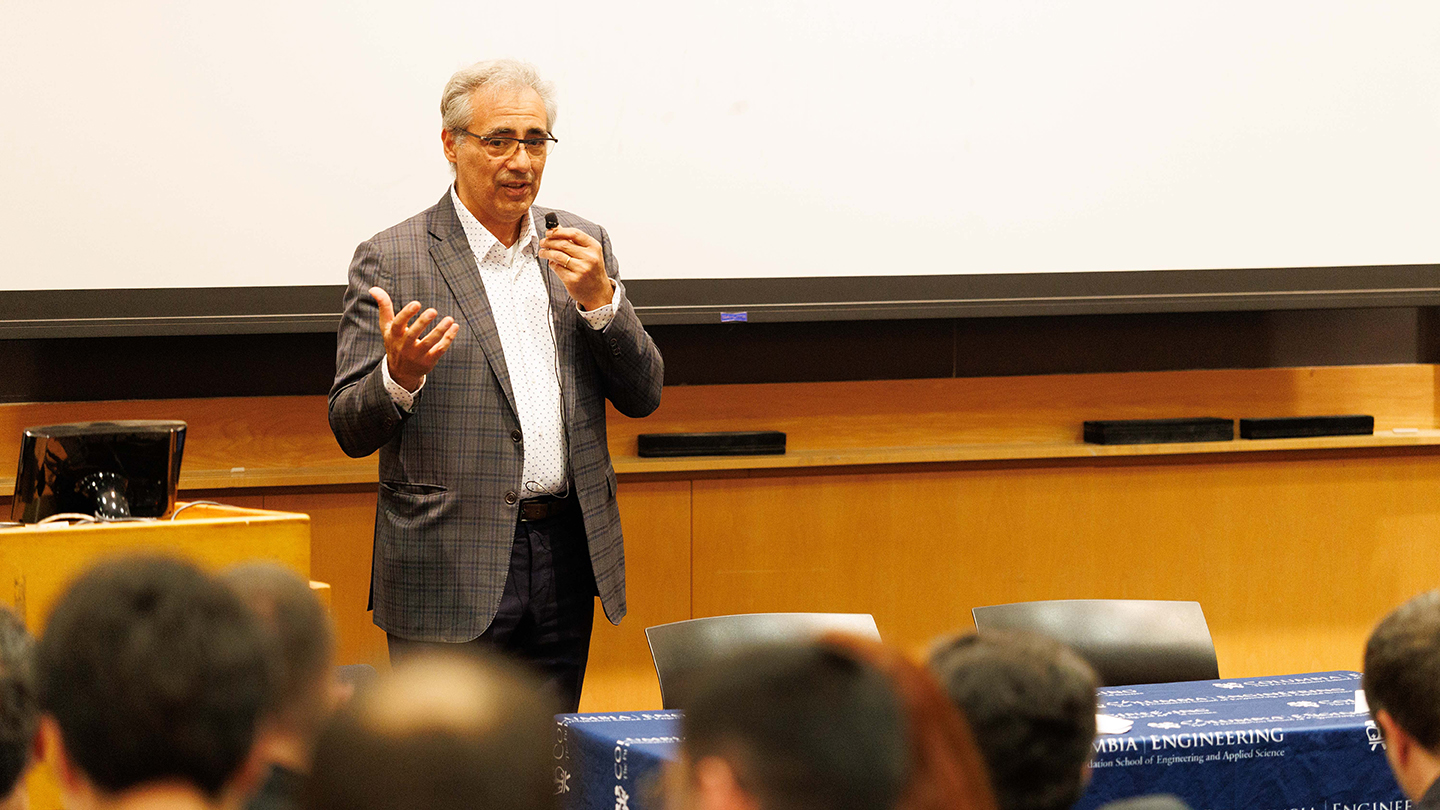
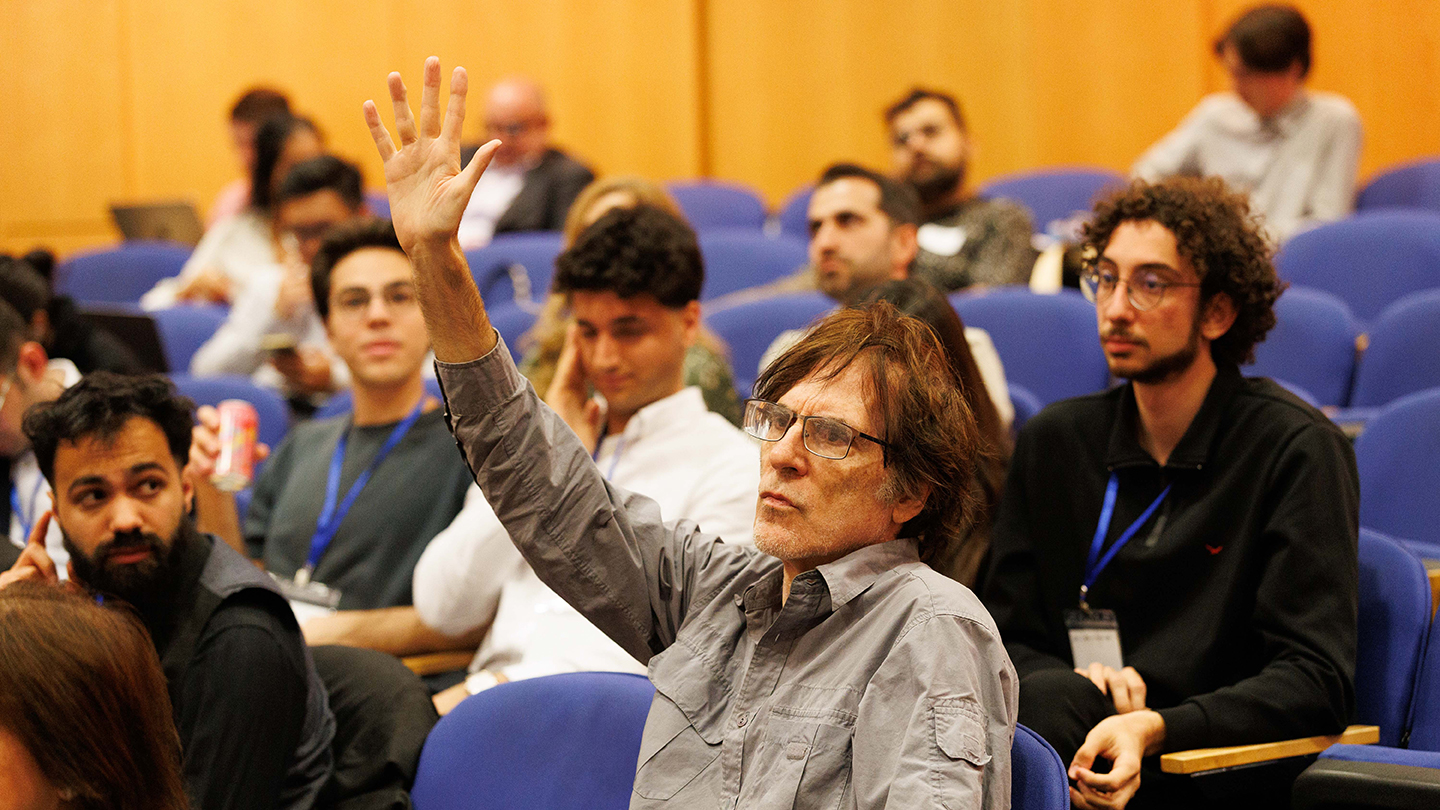
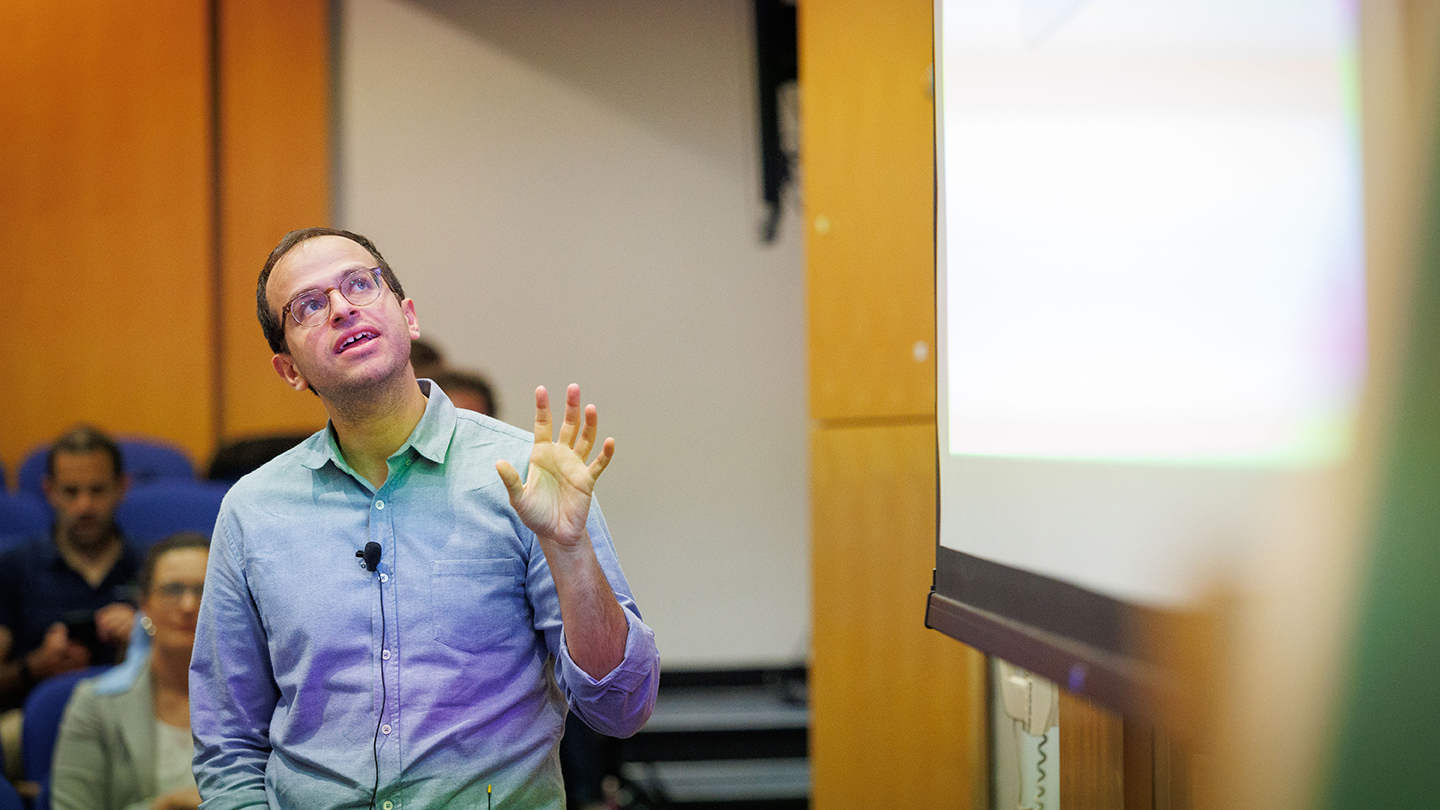
Costis Maglaras, dean of Columbia Business School, opened the event in a room where he spent more than two decades as a faculty member. "The program that we just launched is interesting and valuable, both to us here at Columbia and back in Athens," he said. Maglaras described how the program came about, first as an informal exchange that turned into a WhatsApp conversation and, eventually, into a collaboration spanning institutions and continents.
"Most of the time in academia you come up with good ideas and nothing happens," he told the audience. "We're executing, and we're actually getting it off the ground."
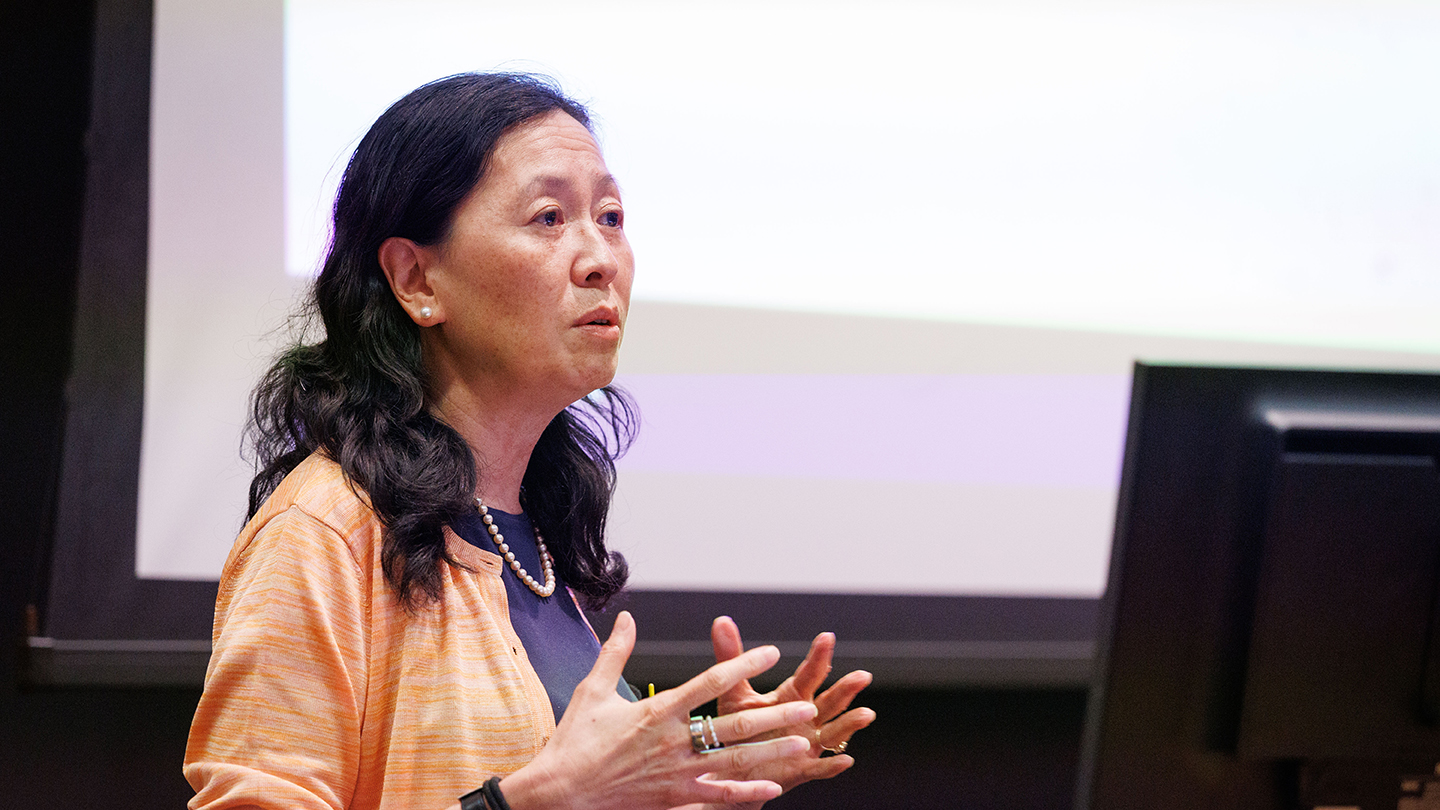
Dora Varvarigou, professor of electrical and computer engineering at NTUA, emphasized that the collaboration had been a long time coming. "I thought you were never going to ask us to start this thing," she told the Columbia organizers with a laugh before explaining the vital mission of HIAS, which aims to draw on the talents of Greek scientists across the world to foster scientific excellence to advance knowledge and support human well-being.
The afternoon's speakers traced paths from research bench to commercial product in three of the program's focus areas: AI, health technology, and sustainable materials.
Elisa Konofagou, the Robert and Margaret Hariri Professor of Biomedical Engineering at Columbia, described two decades of work developing focused ultrasound techniques that can open the blood-brain barrier to deliver drugs directly to the brain. Her lab's technology has been spun out into a company called Sono Therapeutics.
"You are the first inaugural class, so you are our guinea pigs," she told the student audience, urging them to use the week to reflect on what the program had given them. Her broader message to aspiring founders: expect the journey to take longer than you think.
Antonis Lazanas, head of portfolio and index research at Bloomberg, offered a view from quantitative finance, arguing that the real entrepreneurial opportunity in AI lies in building the tools that make agents faster, cheaper, and more reliable. After noting that ethics was his least favorite course at NTUA, Lazanas struck a more philosophical chord, saying, "We need ethics, we need philosophy, so that we can make use of all this power in a way that's going to renovate us, not destroy us.”
Kostis Kaffes, an assistant professor of computer science at Columbia and an NTUA alumnus, presented his lab's work on AI agent infrastructure, including techniques for reducing latency and token costs in multi-step agent workflows. He echoed Lazanas’ point about where opportunity lies.
"The verification and the reliability of agents will be a major infrastructure issue, and that's extremely hard — no one has solved it yet. If you have good ideas on that, you might make a lot of money." His advice to the room was direct: stay out of hardware and foundation models, and look for deep-tech problems at the infrastructure layer where a genuine moat is possible.
Helen Lu, Percy K. and Vida L.W. Hudson Professor of Biomedical Engineering and senior vice dean at Columbia Engineering, closed the technical portion with a 20-year account of engineering synthetic ligaments and degradable scaffolds for orthopedic repair. Her most memorable lesson came not from a success but from a regulatory stumble: years into developing a tissue scaffold, her team discovered the solvent they were using for manufacturing fell into the wrong FDA safety class.
Rather than see it as a setback, she reframed it. "I turned the safety issue into an opportunity to actually improve the product," she said. Her takeaway for the NTUA founders: "Think of the end first."
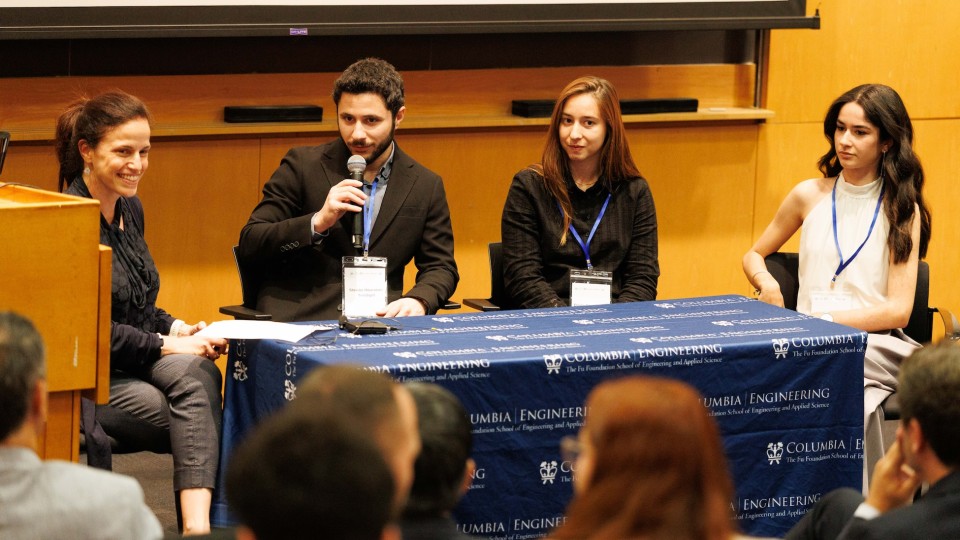
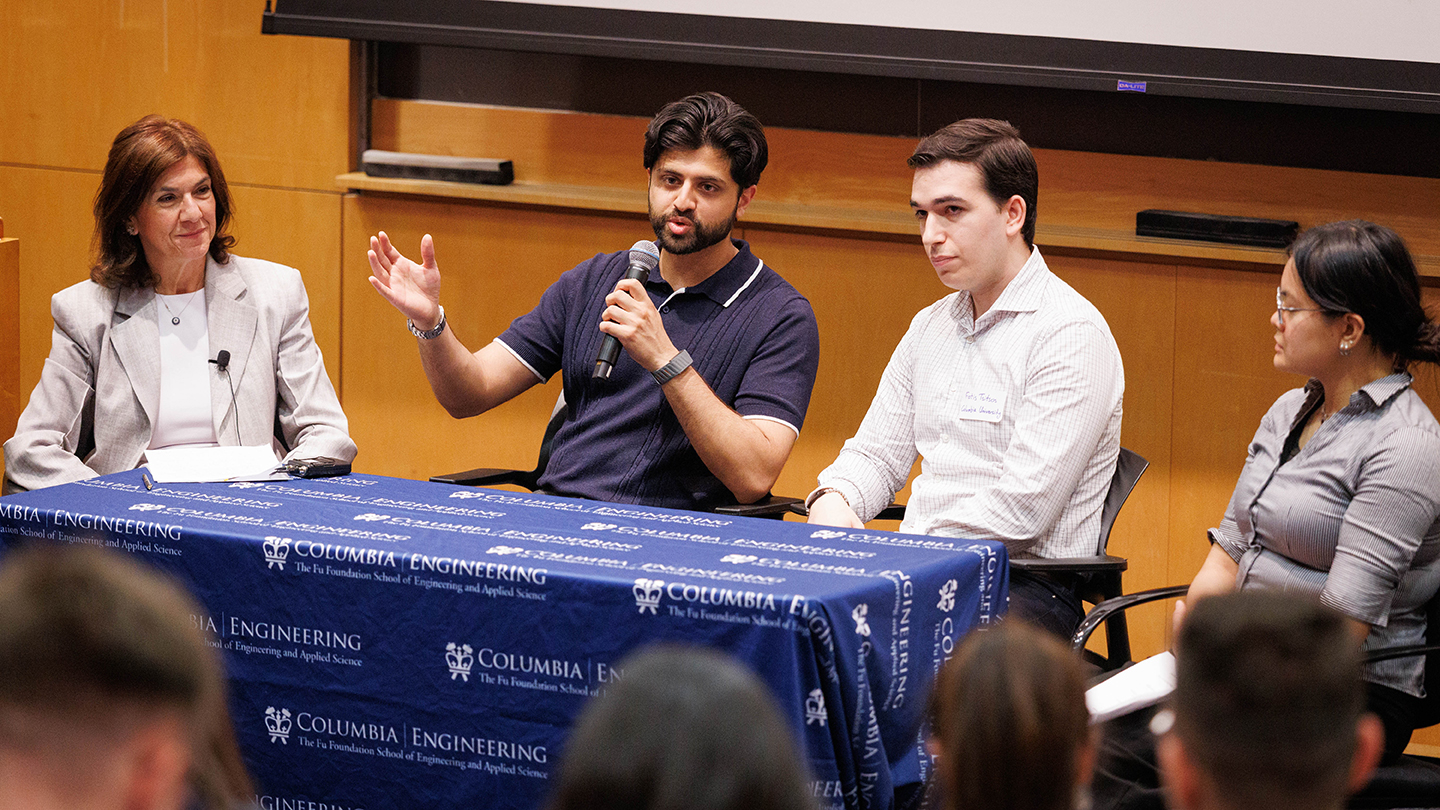
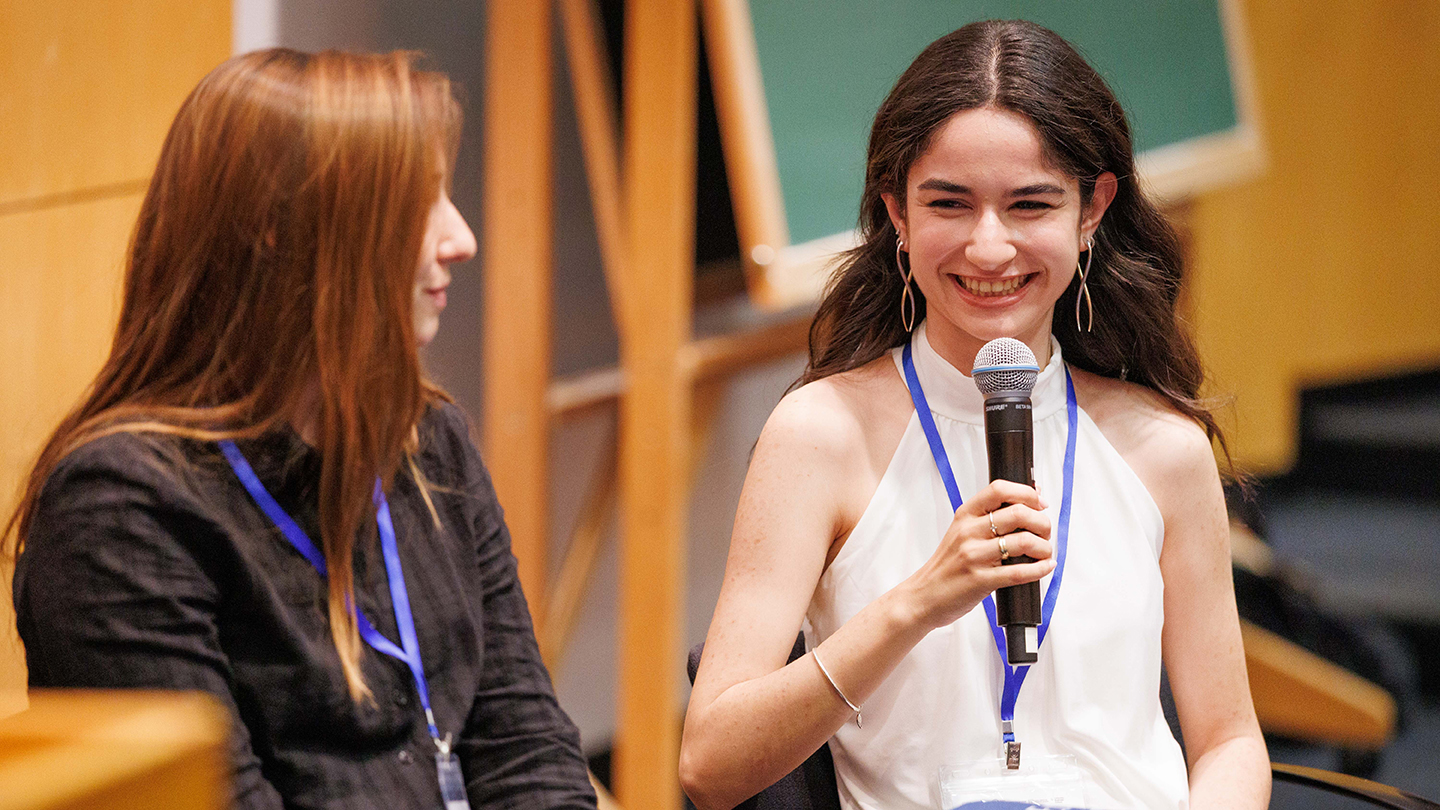
A panel of Columbia Lab to Market alumni — Fotis Tsitsos, Parth Gami, and Chrisha Nario — shared firsthand perspectives on navigating the startup landscape, while a second panel gave the NTUA participants, including Elpida Oikonomou, Stavros Mouratidis, and Anna Maria Papakonstantinou, a forum to offer feedback on the program itself. The event closed with a reception where student teams presented their work.