
Research
How a Virtual Cervix Can Save Lives
We need better data to improve maternal and fetal health outcomes.
When I was landing at the Aspen airport a few weeks ago for a panel, the wing outside my window looked like it was going to fly off the plane. One of the reasons I knew it wouldn’t is because the aerospace industry de-risks aircraft designs using digital twins, which are highly accurate virtual copies of physical objects. They let engineers simulate thousands of what-if scenarios and spot potential problems far in advance.
I used to do similar work as an automotive engineer at car factories in Detroit. Now, I study the mechanics of pregnancy as an engineering professor at Columbia University.
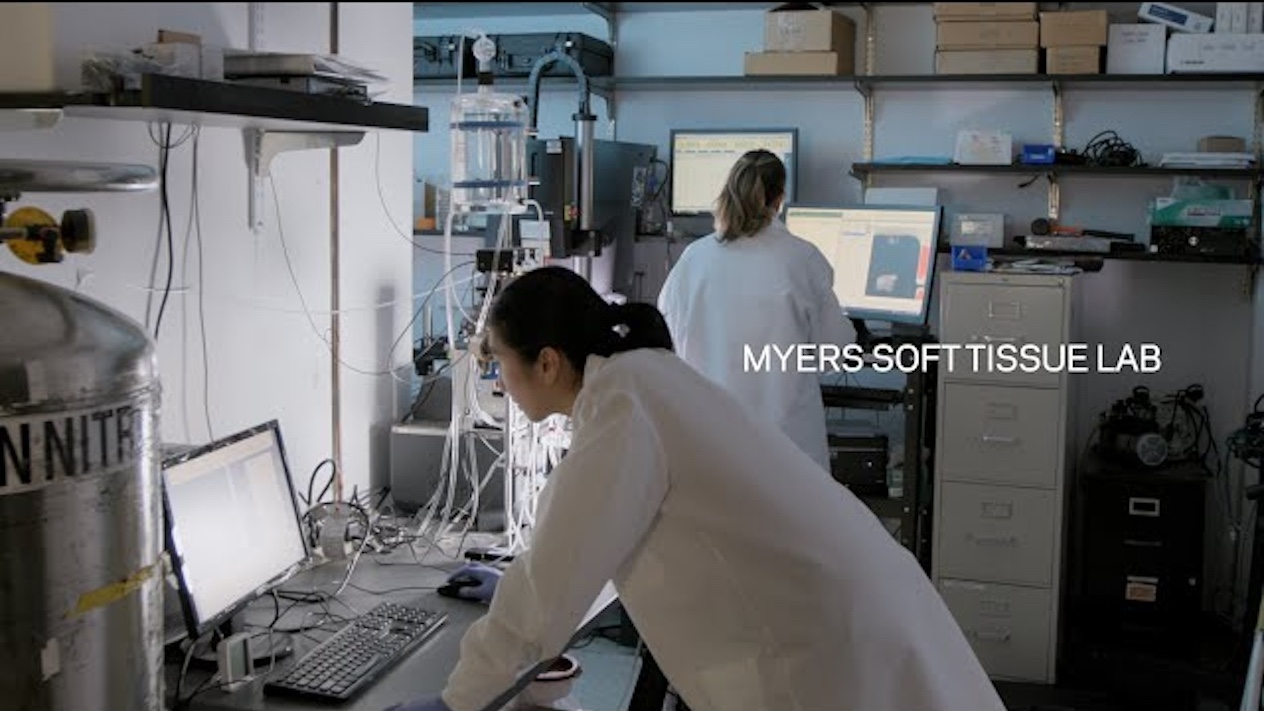
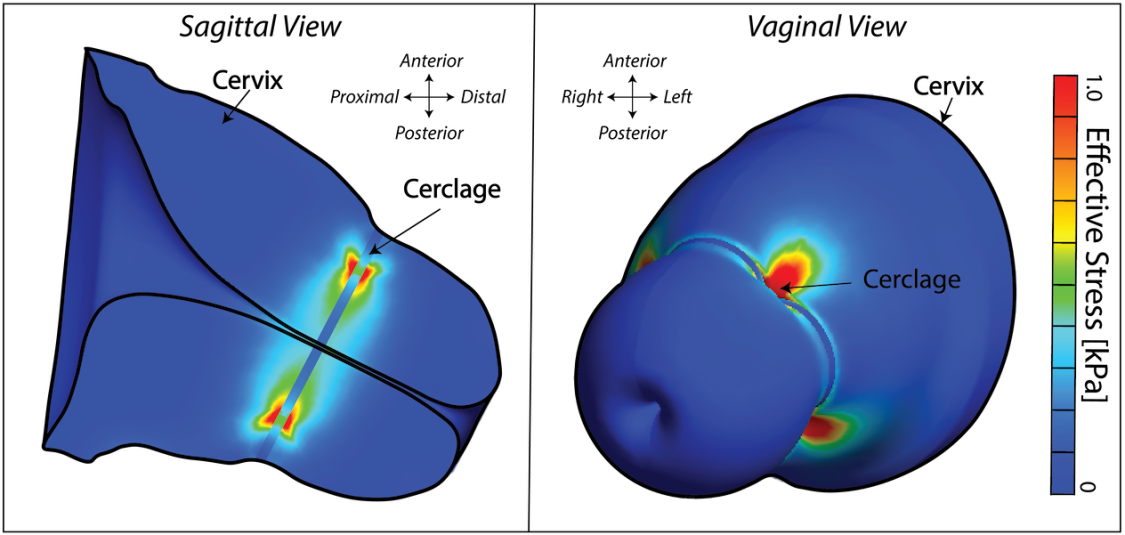
In my laboratory, we measure the physical properties of reproductive anatomy to build digital twins that simulate the human body. These twins are helping femtech companies design tools and techniques to replace the surprisingly rudimentary treatments available to ob-gyns. Physicians and engineers are currently working on methods to use individual patients’ ultrasounds to customize digital twins, helping better understand the causes of preterm birth and opening the door to predicting this common and dangerous complication.
This sort of work is (pardon the pun) in its infancy. While digital twins of some organs, like the heart, are already advanced, we’re still doing the fundamental research to understand the uterus, cervix, and overall functioning of the women’s reproductive system.
It’s a big deal because these twins are only as good as the underlying data. Unlike in aerospace engineering, there’s no detailed atlas of the orientation of fibers that comprise the cervix. We don’t yet have standardized measurements of how the uterus stretches week by week across pregnancy. Shockingly, information about fundamental properties of pregnancy varies widely in the literature, if they’ve been documented at all.
That lack of information is a problem for researchers, physicians, industry, and patients. Without foundational knowledge, femtech startups are left taking guesses or burning time and capital answering basic questions. Founders regularly ask me questions about the size and shape of the uterus and cervix or how they’re packaged in the vaginal canal. These inventors are building important technologies like more effective contraception devices and treatments to prevent preterm birth. It’s vital for them to have access to high-quality information.
To support safe, effective innovation in femtech and better clinical outcomes, we need sustained investment in the full research pipeline: from curiosity-driven science to technology transfer and clinical applications. That means support from philanthropy and industry as well as from the federal government. One reason my lab has been able to continue this work over the years is the ongoing support of the Iris Fund, a foundation focused on advancing research in preterm birth and supporting families that experience high-risk pregnancies. When other sources of funding have fallen short, the Iris Fund has stepped in to fill in the gaps.
We’ve figured out how to model jet wings and SUVs — understanding how the uterus stretches through the course of pregnancy is within our grasp. But we can’t skip straight to product design. First, we need the science.
Kristin Myers is a professor of mechanical engineering, director of the Myers Soft Tissue Lab at Columbia University, and an expert in women's health engineering research.
Lead Photo Caption: Kristin Myers spoke on a panel about digital twins in medicine at the 2025 Aspen Ideas Health festival.
Lead Photo Credit: Aspen Institute