Campus
Insights from Machine Learning Summer School
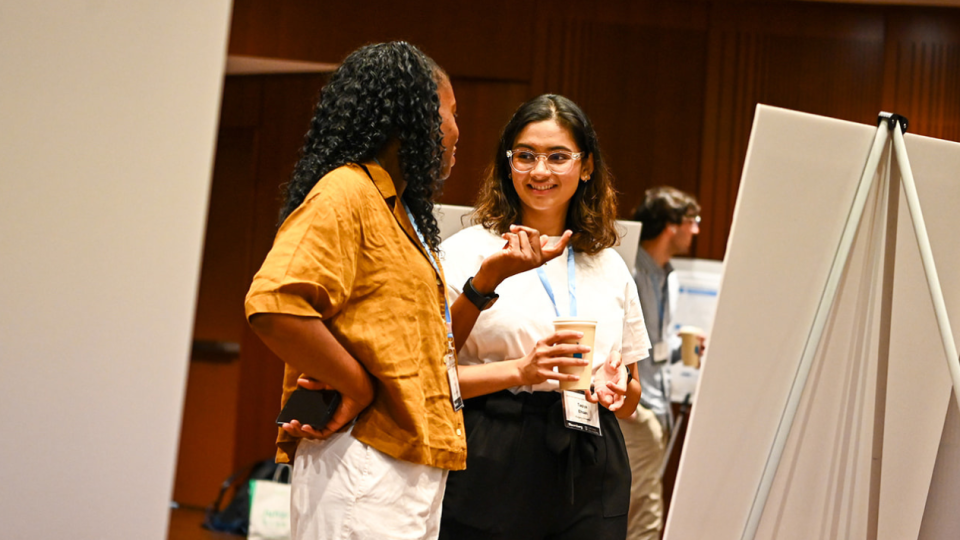
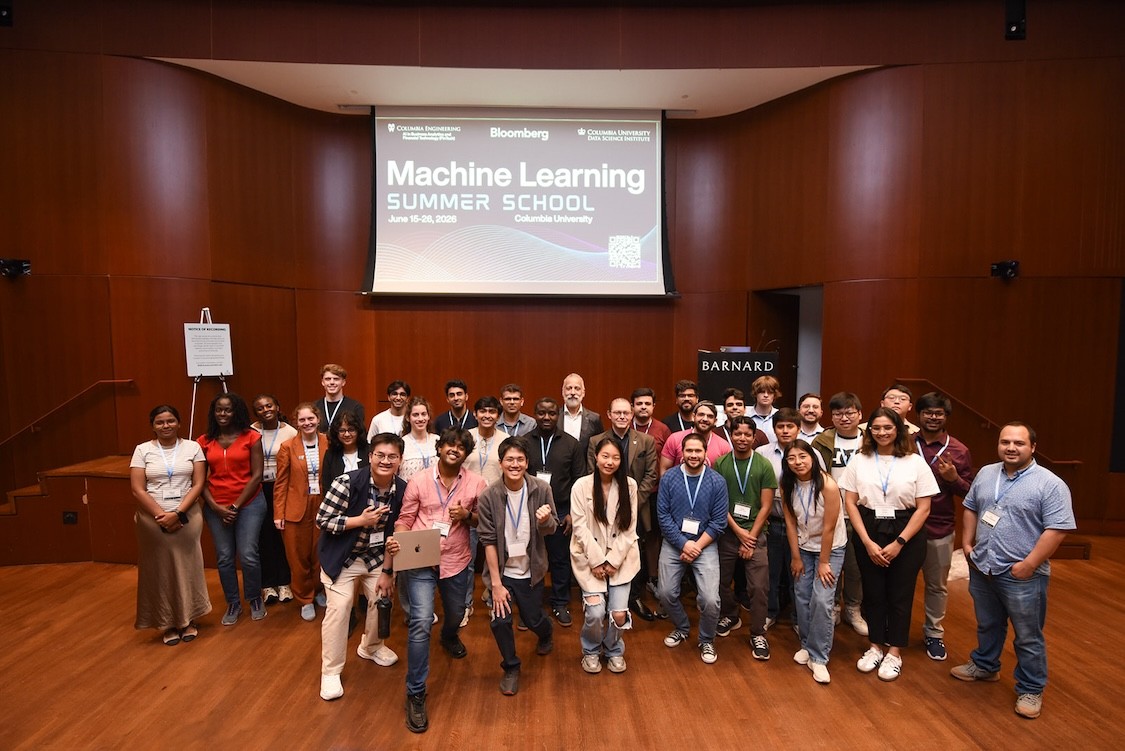
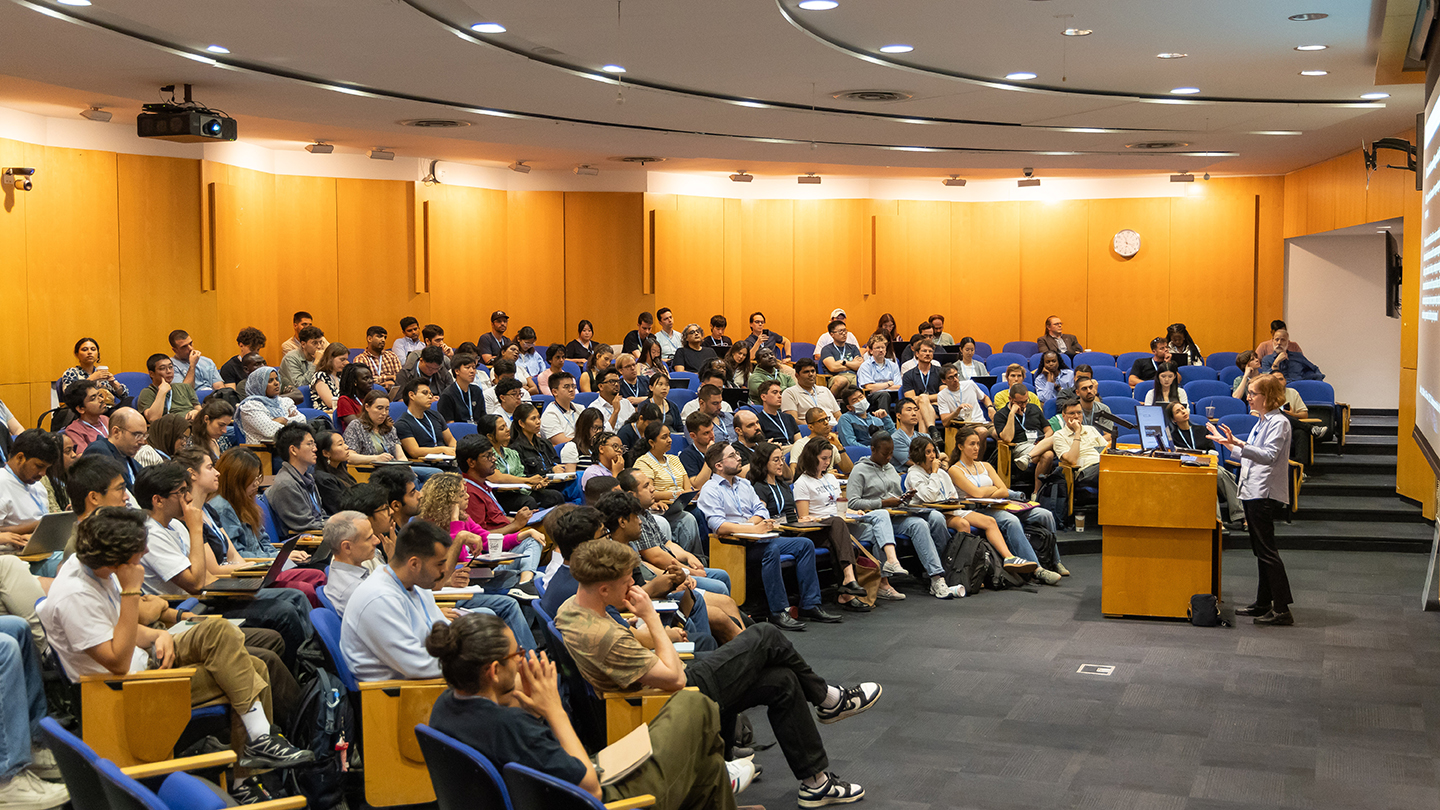
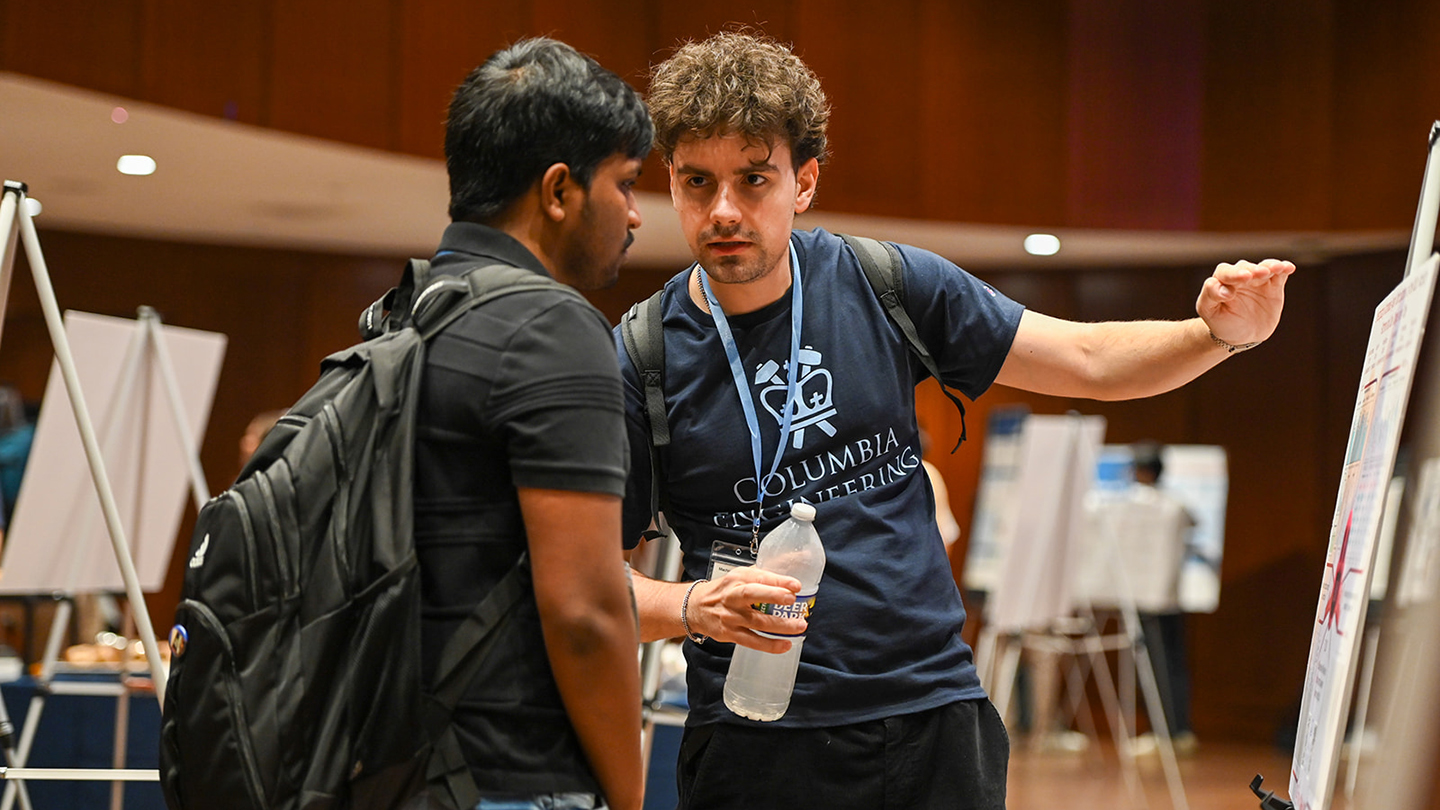
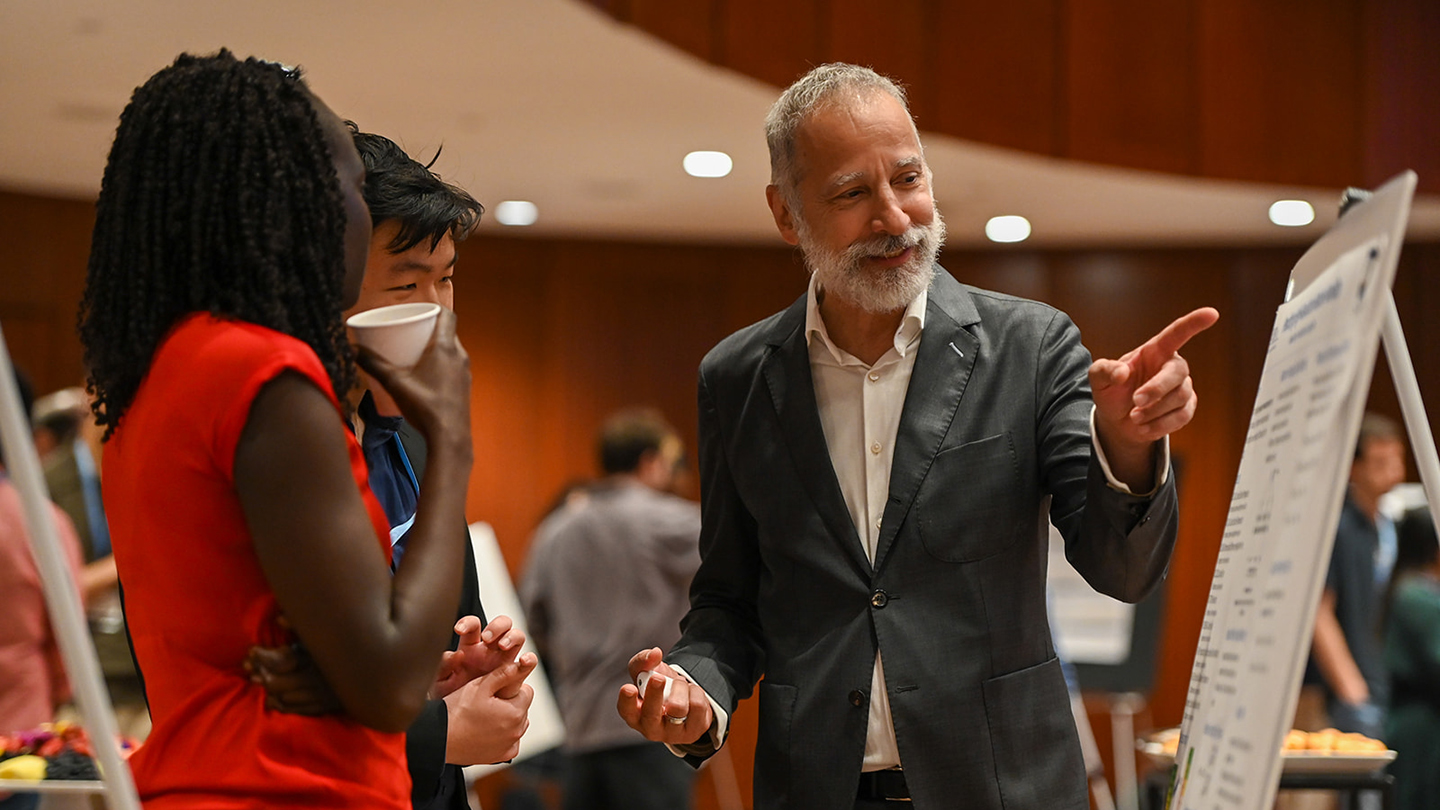
200 PhD students and researchers gathered on Columbia’s campus for two weeks of lectures at the Machine Learning Summer School.
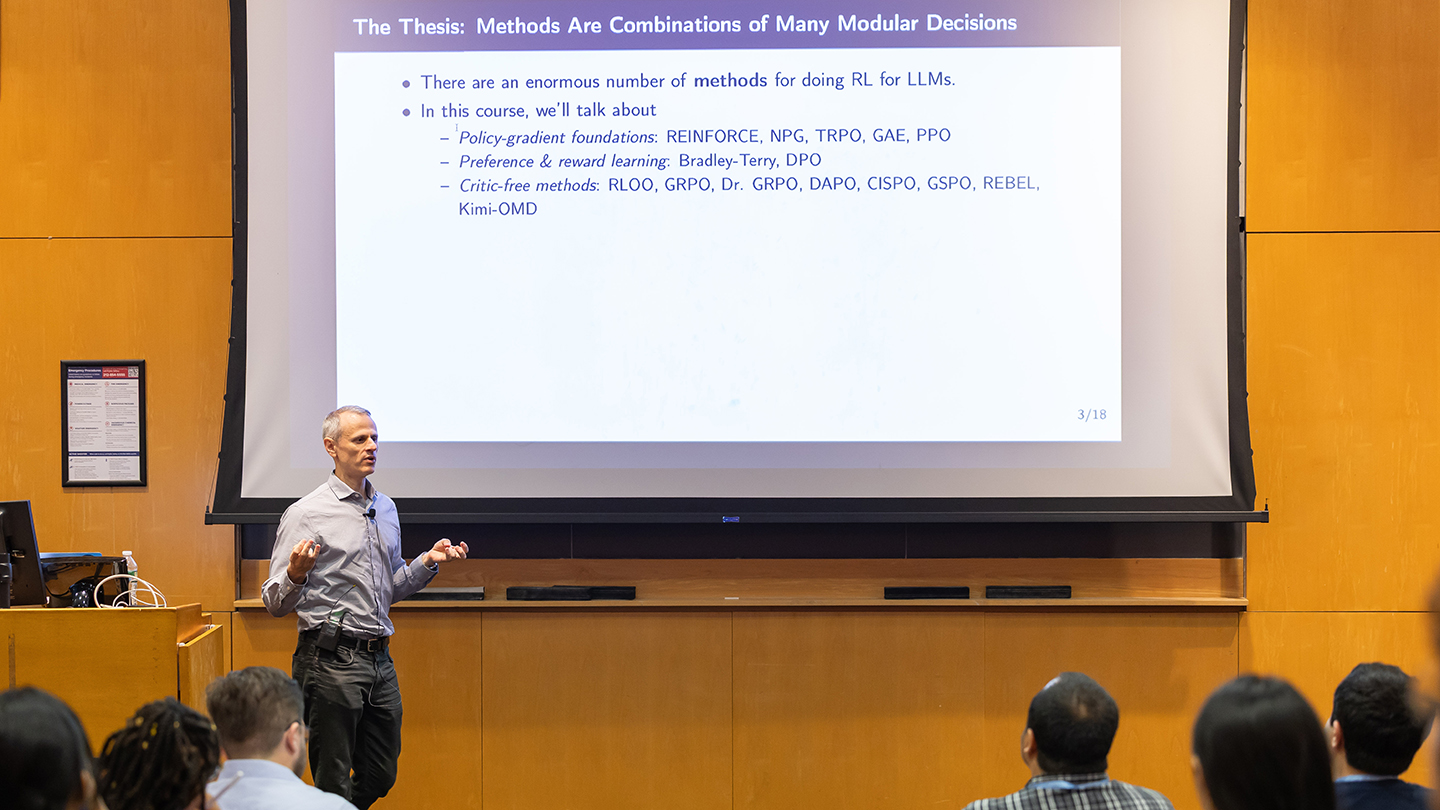
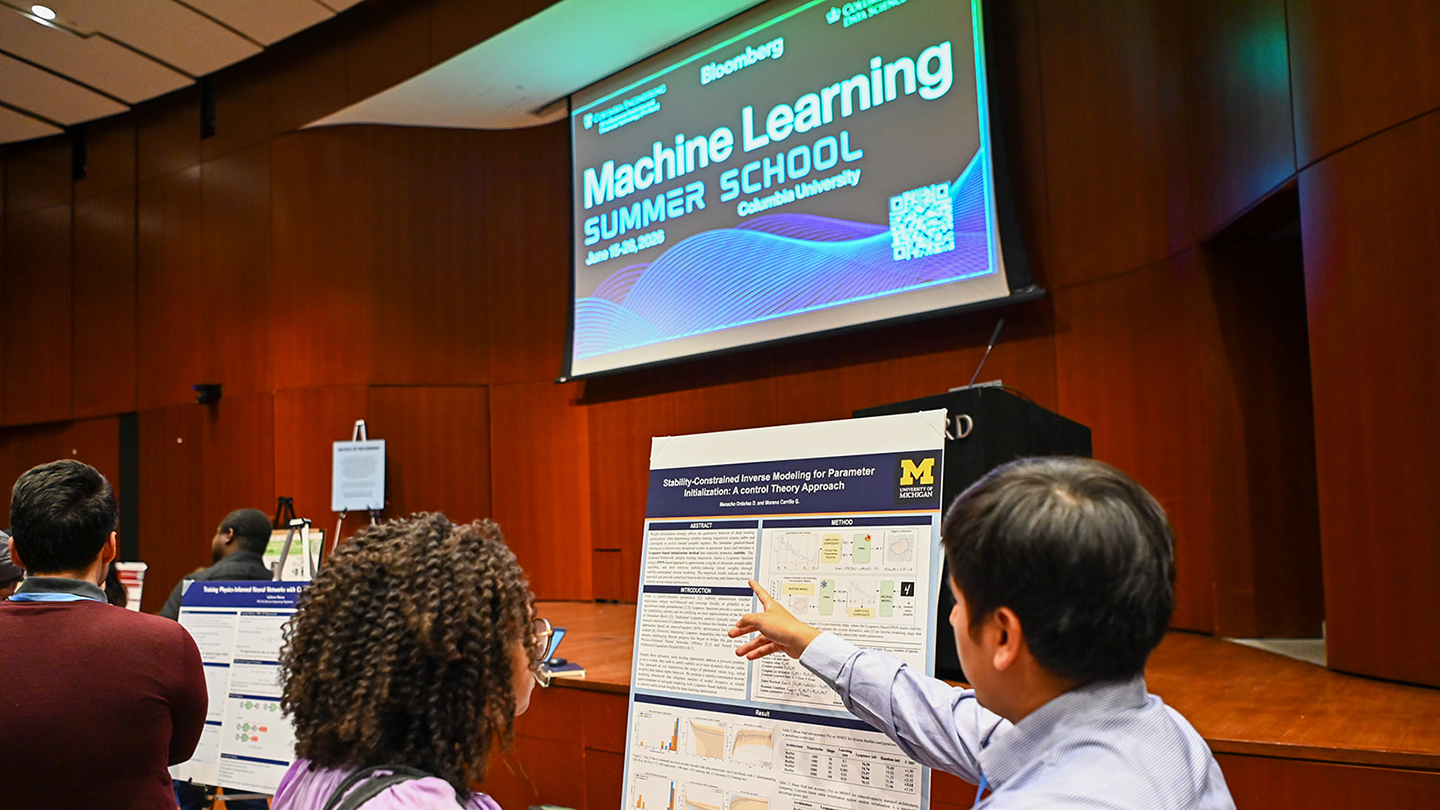
More than 200 PhD students, faculty, and industry practitioners gathered on Columbia University’s campus on June 15-26 for Machine Learning Summer School (MLSS) 2026. The international group of researchers participated in lectures, tutorials, invited talks, and hands-on labs covering topics ranging from reinforcement learning theory to AI safety and interpretability. The program was organized by Columbia Engineering’s Department of Industrial Engineering and Operations Research (IEOR), Bloomberg, the Columbia Data Science Institute, NYU’s Center for Data Science, Cornell Tech, and Stonybrook University.
MLSS began in 2002, but this was the first time it had ever been held in New York City. Gary Kazantsev, head of Quant Technology Strategy at Bloomberg, first raised the idea in 2019 to Ali Hirsa, professor of IEOR, director of the Center for AI in Business Analytics and FinTech, and director of the MS program in financial engineering, with the early support of Jay Sethuraman, then chair of IEOR. That effort to bring the program to Columbia developed from there over several years. “I wanted to make sure that if MLSS ever came to New York City, it would come to Columbia University,” said Hirsa, who spearheaded MLSS at Columbia. “The program was designed to give participants a panoramic view of the field — not just one aspect, such as LLMs, but many dimensions of modern AI, from agentic AI and reinforcement learning to responsible AI, fair AI, and other emerging areas,” Hirsa said.
Here are four key insights that participants took away from the program:
1. Causal AI is one of the most important – and least explored – frontiers in machine learning.
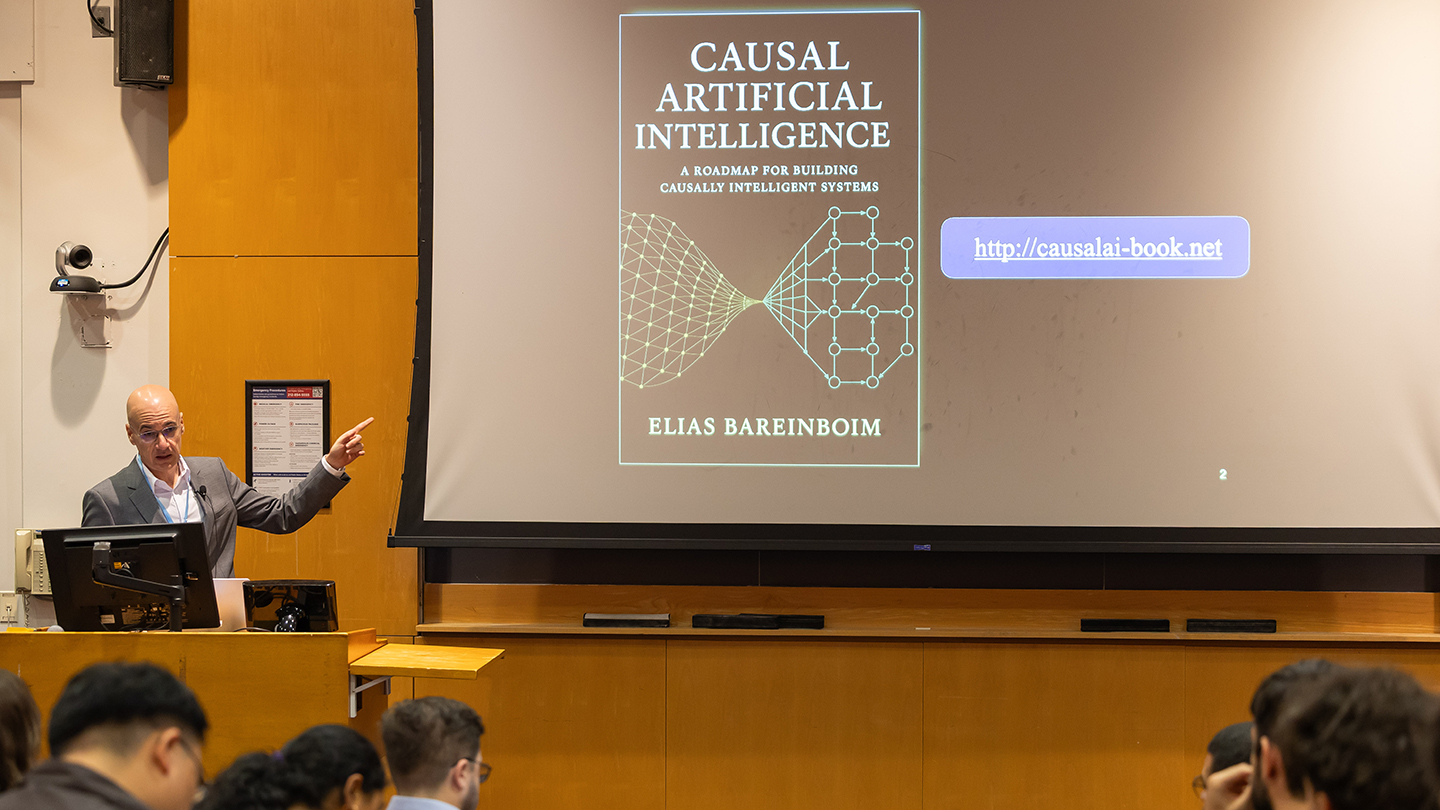
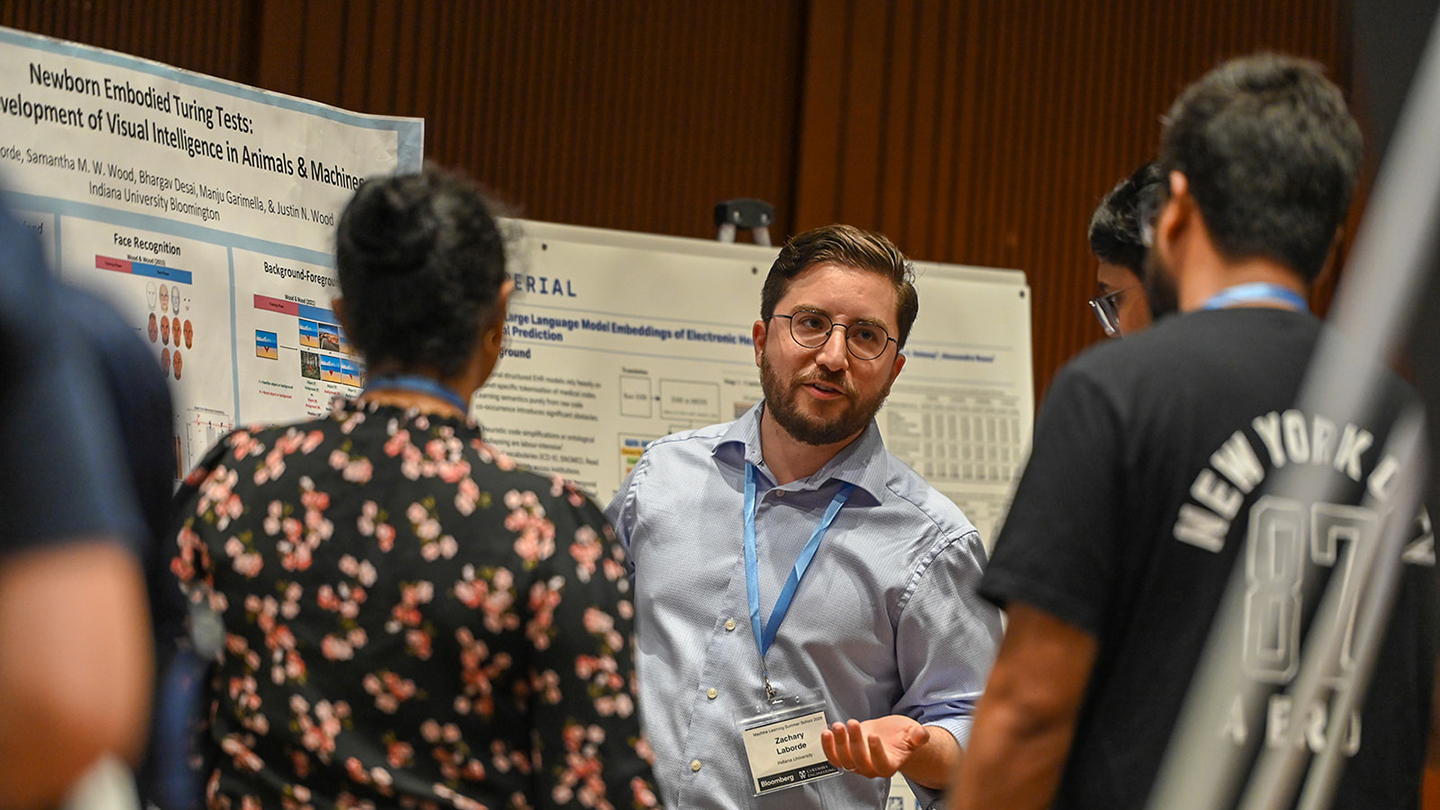
A concept that generated a lot of excitement for participants was the lectures on causal AI – a branch of machine learning focused on teaching AI systems to understand cause-and-effect relationships, rather than simply identifying patterns in data. Zachary Laborde, a PhD student at Indiana University whose work spans neuroscience and machine learning, said that courses such as Columbia Engineering’s Elias Bareinboim’s on “Causal Machine Learning: Foundations” shifted his view of what the field should focus on.
"Causal AI seems to be a much more significant avenue of research, and something that's really important – essentially understanding how to make AI understand causal relationships rather than just associative things, having the AI know that when A causes B, that it wasn't the other way around,” he said.
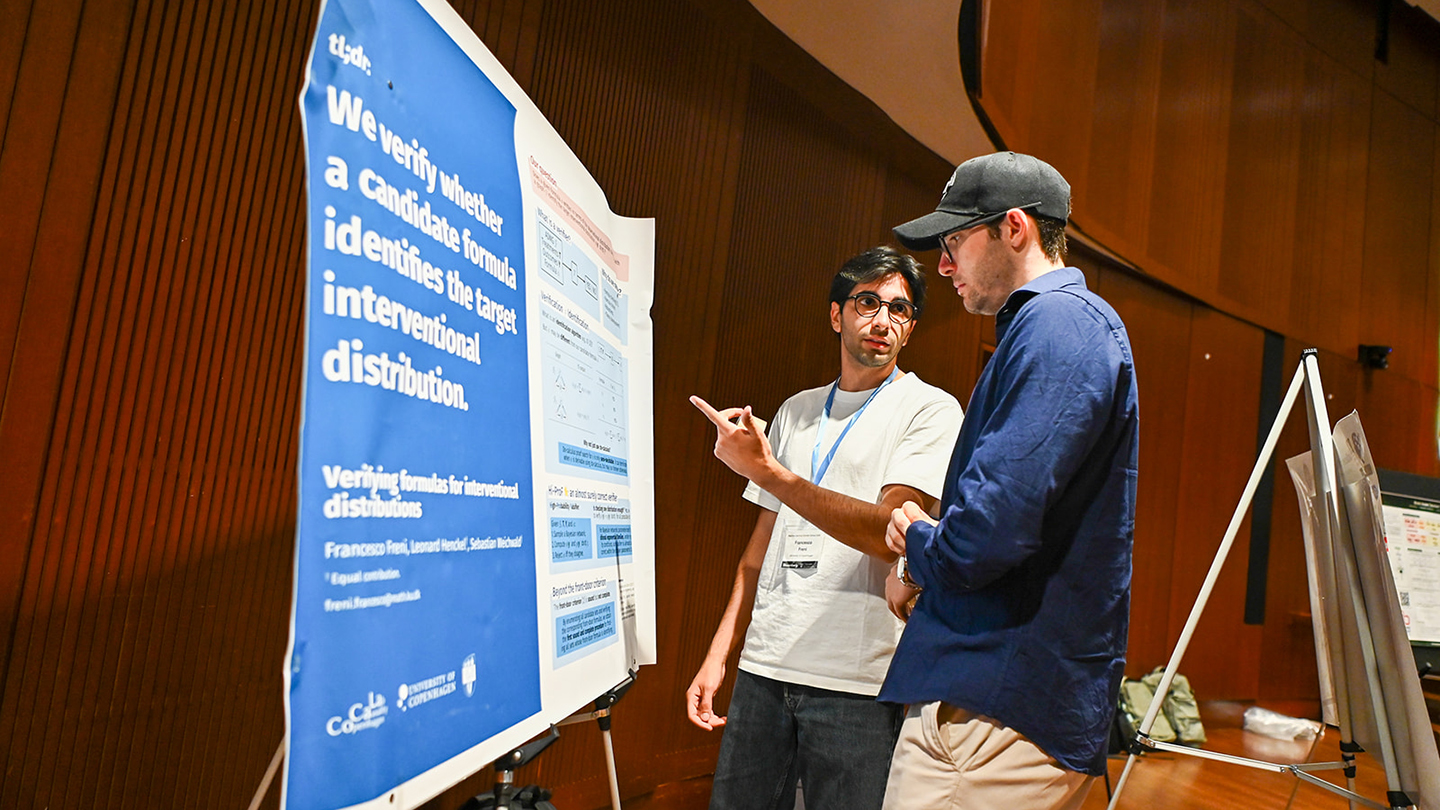
Francesco Freni, a researcher in causality at the University of Copenhagen, said the causal sessions were a highlight of the program, pointing to Institute of Science and Technology Austria’s Francesco Locatello's lecture, “Causal Machine Learning: Policy and Science,” as particularly memorable. A statistician researching causal inference, Freni said the summer school gave him new ways to combine that statistical grounding with machine learning models, noting the material’s approachability despite its complexity.
"I liked the balance between application and theory,” he said. “Sometimes theory can put people off, but I think in this summer school it was quite fun."
2. AI that isn’t interpretable is AI you can't trust, especially when lives are on the line.
Another key theme that emerged during the program was the importance of understanding why AI systems make the decisions they do. This is increasingly important as these systems are deployed in hospitals, critical infrastructure, and government decision-making.
Emily Bejerano, a PhD student in Fred Jiang’s Columbia Intelligent and Connected Systems Lab, said the summer school emphasized the importance of building machine learning systems that allow humans to understand how they reach their conclusions.
"We need to really value interpretability, safety, and also appreciate the interdisciplinary nature of AI in general," she said. "It's especially important for very safety-critical systems, such as robotics or medical sensing systems — they need to be very explainable and interpretable."
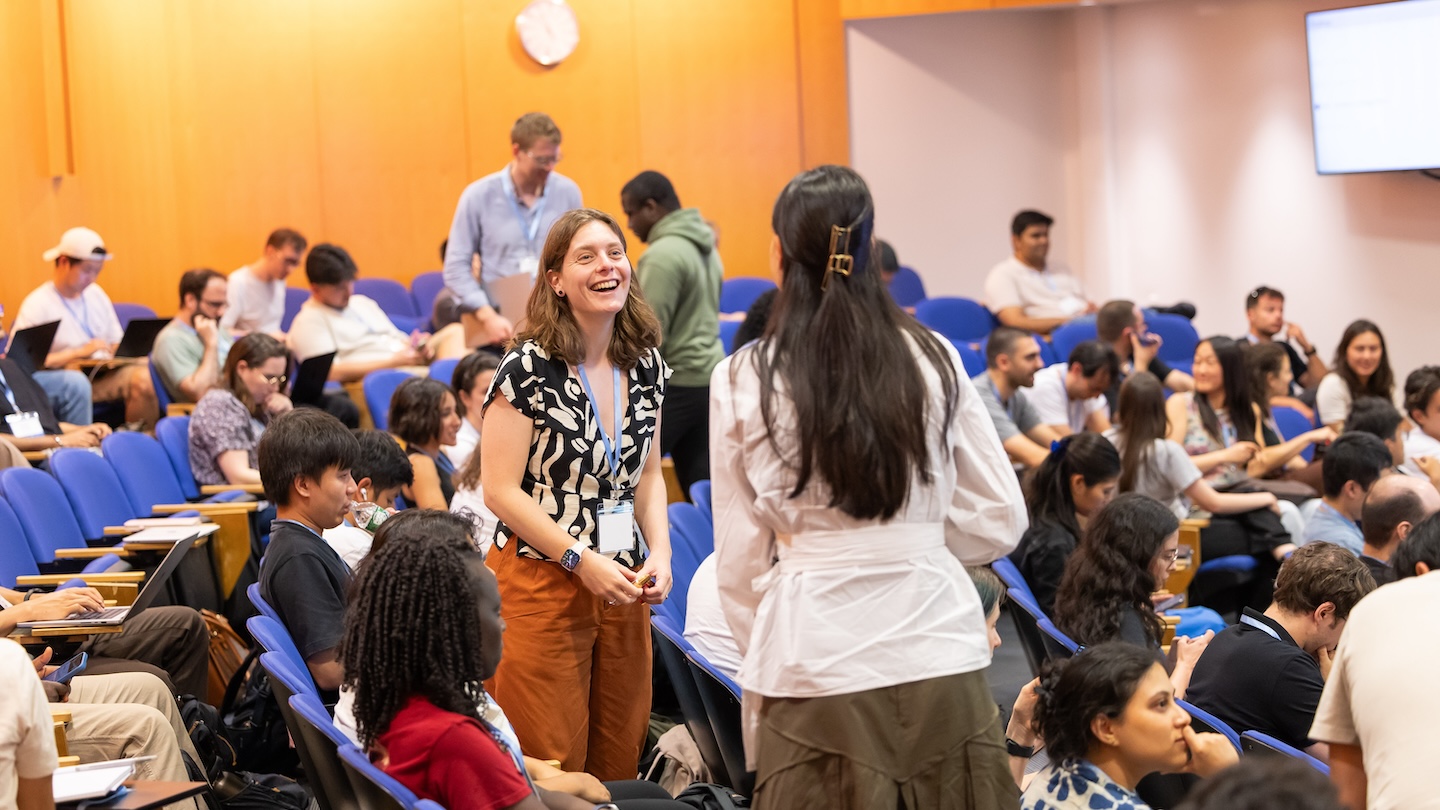
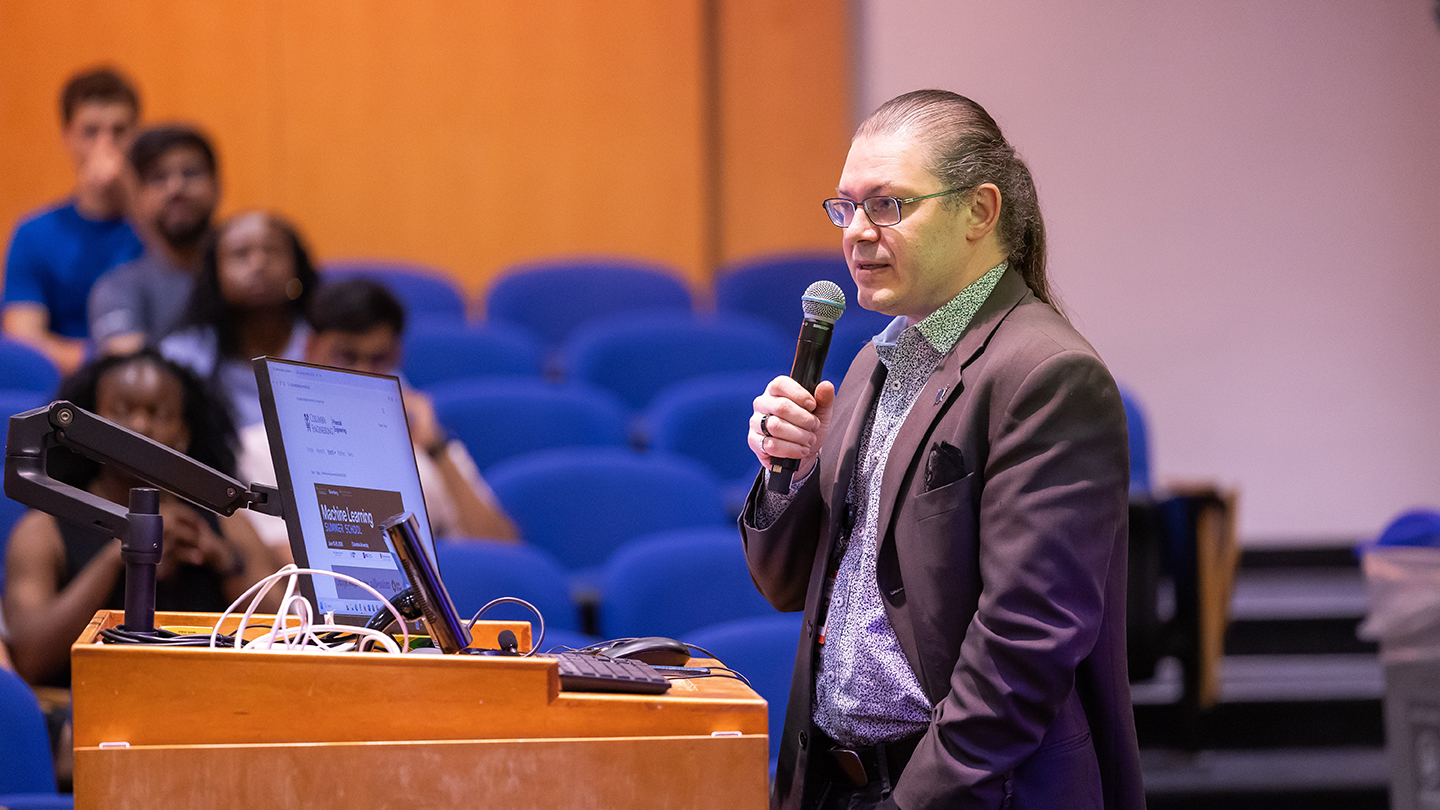
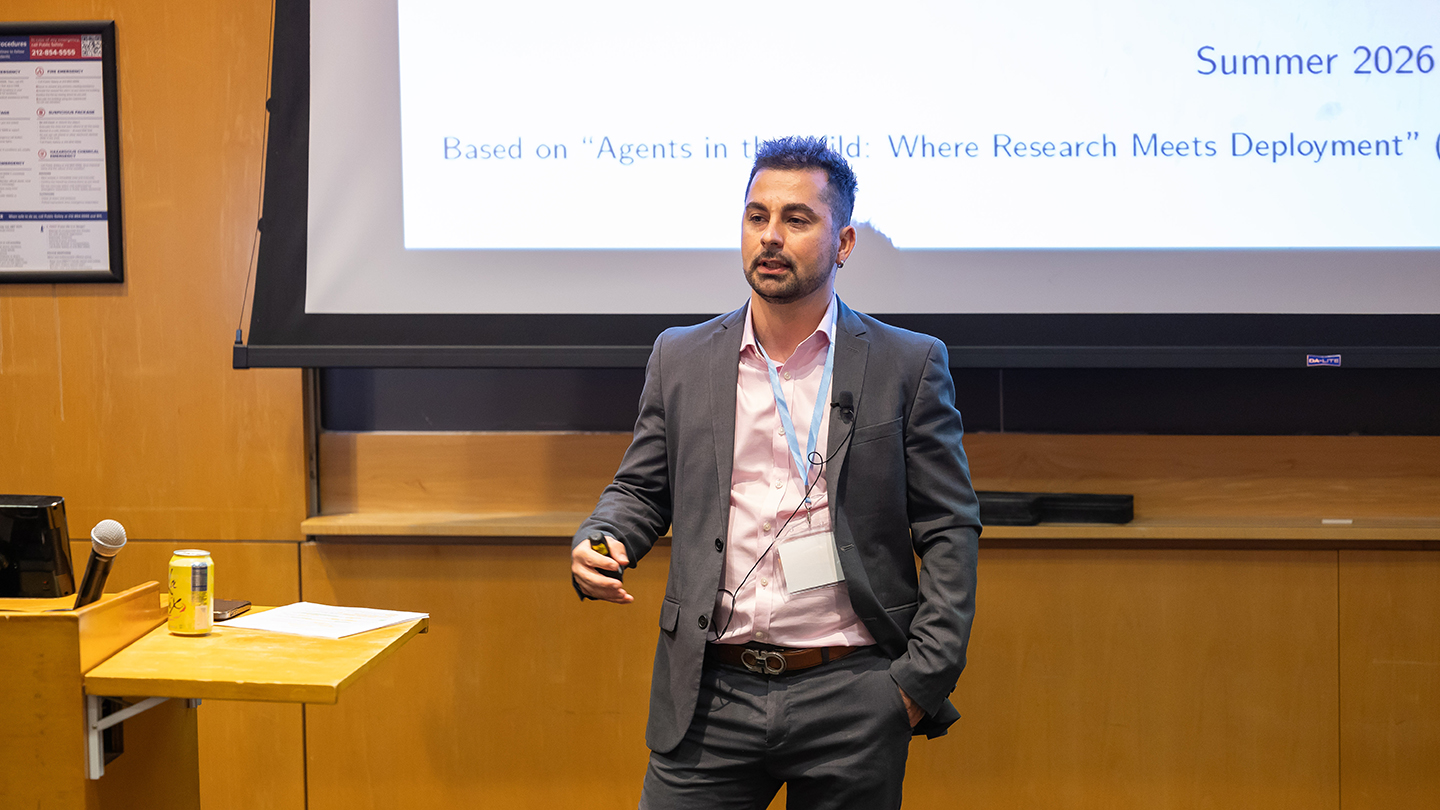
Snapshots from MLSS 2026
Credit: Brooke Slezak/Siobhan Mullan
3. Agentic AI is more than just a buzzword.
Taqiya Ehsan, a PhD candidate in electrical and computer engineering at Rutgers University, whose research collaborates with Columbia’s Center for Smart Streetscapes, said the sessions dedicated to agentic AI stood out as particularly useful.
"We hear the agentic AI buzzword everywhere. Most of us don't really know what it means," she said. The summer school addressed that gap head-on, bringing in experts who build these systems to explain exactly what agentic AI is and how it works in practice.
Specifically, a talk by Brendan Rappazzo Hogan – a Morgan Stanley representative of alphaLab – on the firm's agentic AI framework stood out to Ehsan, offering a rare look at how a major financial institution is putting these systems into practice outside the lab. "It was really, really helpful to get insight into exactly what AI agents are from the experts who are building it," she added.
4. AI research must be interdisciplinary.
Transformative breakthroughs in AI rarely come from just one discipline – and the summer school made sure participants understood the importance of drawing AI research from multiple backgrounds.
Zachary Laborde appreciated the strong emphasis on interdisciplinary research and the importance of these intersections beyond the lab. Coming in with a background in psychology, Laborde was drawn to the program specifically to understand how language models — tools largely outside his own research — were reshaping fields like robotics and embodied AI.
"My work doesn't involve natural language processing or large language models, but a lot of recent work has shown that in spaces like robotics and embodied AI, using language models leads to incredible results," he said. "I was hoping to better understand those components to be able to apply them to my work, or to work that I might do in the future."
For Emily Bejerano, what stood out most about the summer school was the sheer range of people and perspectives in the room. "I just thought it was a great opportunity to meet a lot of people from a variety of different areas with this overlapping interest in AI, and how we can leverage it to help our systems," she said. "I love meeting people from all around the world with various interests, hearing about their research, and sharing my research to get valuable perspectives from different people."
The 2026 Machine Learning Summer School delivered on the comprehensive view of the field that Columbia Engineering set out to showcase. From the theoretical promise of causal AI to the practical demands of interpretability, the agentic AI systems reshaping industries, and the deeply interdisciplinary nature of the work itself, participants left with more than just new technical knowledge – but a sharper sense of where the field is headed, and the responsibility that comes with building it.