Columbia Engineering researchers develop Easy Email Encryption, an app that encrypts all saved emails to prevent hacks and leaks, is easy to install and use, and works with popular email services such as Gmail, Yahoo, etc.
March 26, 2019
Holly Evarts
New York, NY—March 26, 2019—While an empty email inbox is something many people strive for, most of us are not successful. And that means that we probably have stored away hundreds, even thousands, of emails that contain all kinds of personal information we would prefer to keep private.
Current defenses, such as Pretty Good Privacy (PGP) and Secure/Multipurpose Internet Mail Extensions (S/MIME), rely on public key cryptography that uses pairs of public and private keys generated by cryptographic algorithms. Because these systems are too technical and difficult for the average user, most people don’t use them. As a result, many email accounts have been hacked, including such high profile cases as the phishing attack on Hillary Clinton’s top campaign advisor John Podesta and the 2016 email hack of one of Vladimir Putin’s top aides.
Image
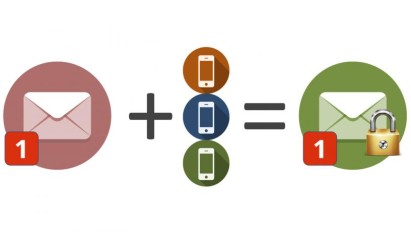
This illustration depicts what users see E3 as their insecure email + their devices = secure encrypted email.
In response to these kinds of widespread attacks, computer scientists at Columbia Engineering have built Easy Email Encryption (E3), an application for secure, encrypted email that is easy to manage even for non-technical users. Now in beta test mode, E3 automatically and invisibly encrypts email as soon as it is received on any trusted device, including smartphones, laptops, and tablets. It works on a variety of platforms including Android, Windows, Linux, and Google Chrome, and with popular mail services such as Gmail, Yahoo, AOL, and more.
The team—Professors Jason Nieh and Steve Bellovin and their PhD student John S. Koh—presented its study today at EuroSys ’19 in Dresden, Germany, one of the world’s top forums focused on computer systems software research and development.
“Email privacy grows ever more critical as our email inboxes increase in size,” notes Koh, the paper’s lead author.
Thanks to free and widely popular mail services like Gmail, users are keeping more and more emails, thus providing a one-stop shop for hackers who can compromise all of a user’s emails with a single successful attack.