Campus
Remaking the Energy System with Electrochemistry
At its annual symposium, the Columbia Electrochemical Energy Center (CEEC) focused on the tremendous scale required to deploy new technologies.
The Columbia Electrochemical Energy Center (CEEC) hosted its 2026 Fall Symposium Sept. 23 on Columbia’s Morningside Heights campus. The event brought together researchers, industry leaders, and students to explore how electrochemical technologies can help meet the world’s growing energy demands.
“Since its launch in 2018, CEEC has been tackling the huge problem of the energy transition, meaning this global shift from carbon-based energy sources toward renewable energy sources,” said Senior Vice Dean of Research George Deodatis, who is the Santiago and Robertina Calatrava Family Professor of Civil Engineering and Engineering Mechanics and a professor of earth and environmental engineering. “This is a monumental task, but it is absolutely critical for our future. It entails a great deal of collaboration. We are thrilled to have so many of our partners here today.”
In his opening remarks, CEEC co-director Daniel Steingart, who is the Stanley Thompson Professor of Chemical Metallurgy and Chemical Engineering and chair of the Department of Earth and Environmental Engineering, explained the motivations that drive him and many of his colleagues.
“We began with two efforts: building a center for clean electrochemical energy storage and conversion technologies, and rebuilding a program in mining at Columbia. I’m thrilled in 2026 that we’ve done both quite successfully,” Steingart said. “In order to electrify the grid, we have to extract far more of many materials than we ever have before – by a factor of at least 1,000.”
Inside CEEC’s Fall Symposium
Photos by Sirin Samman
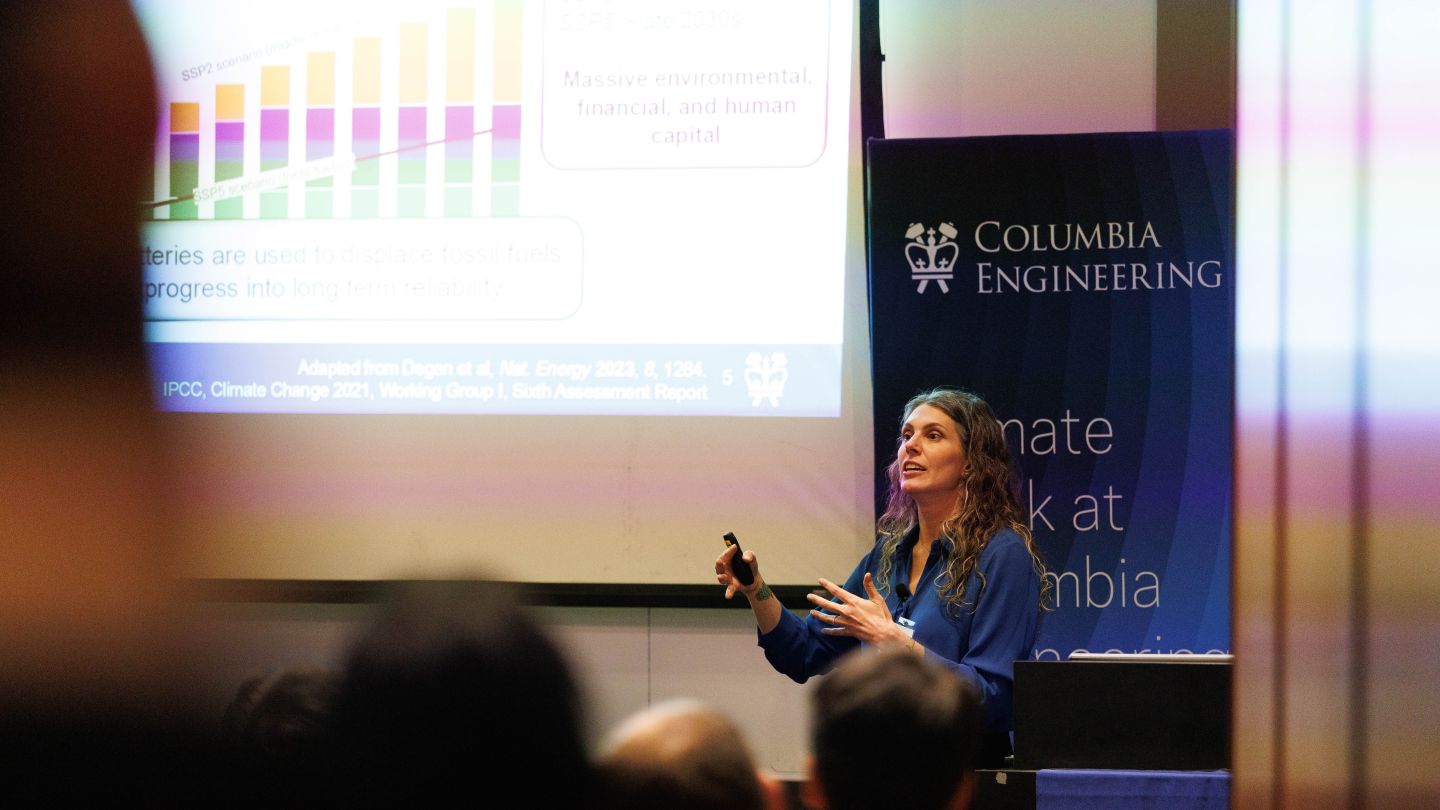
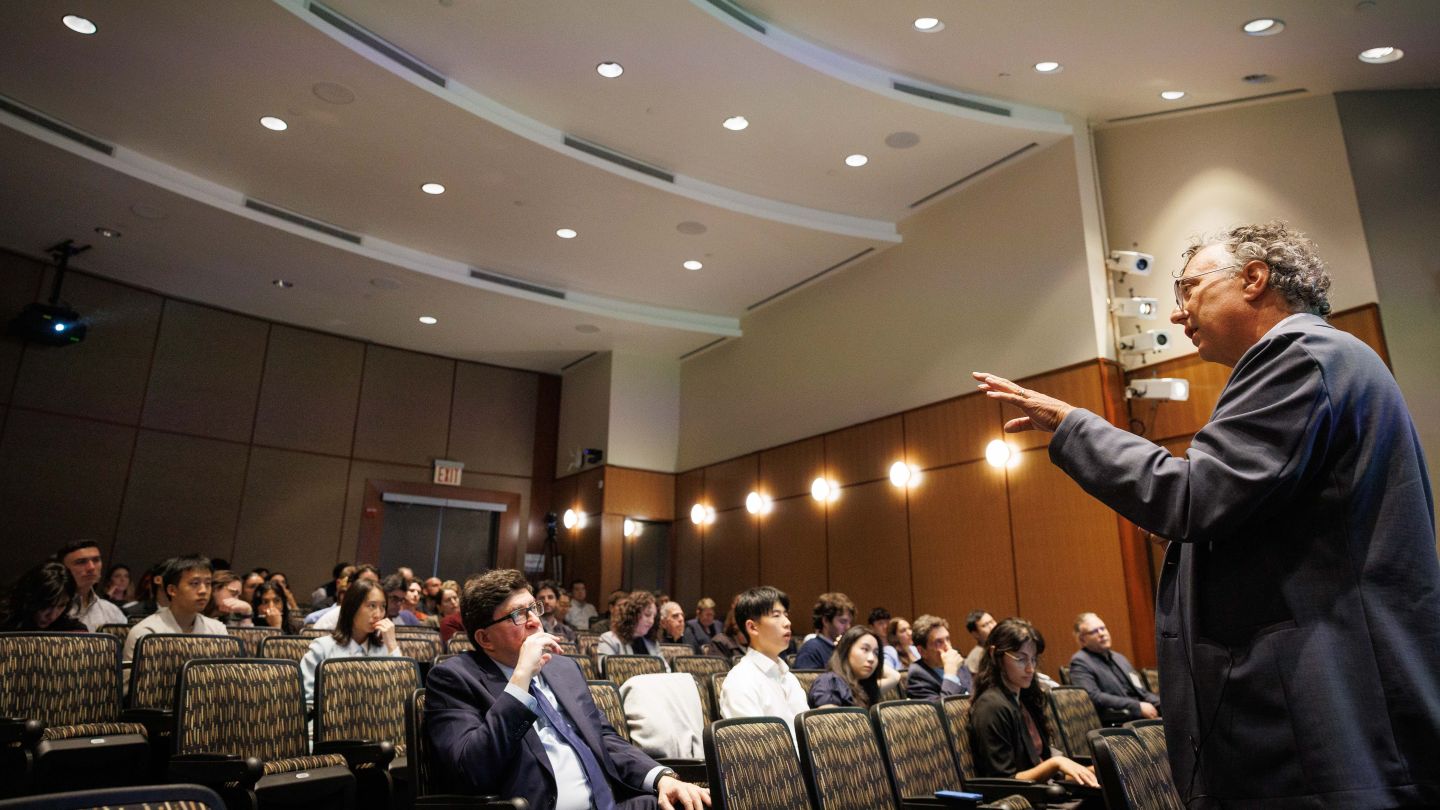
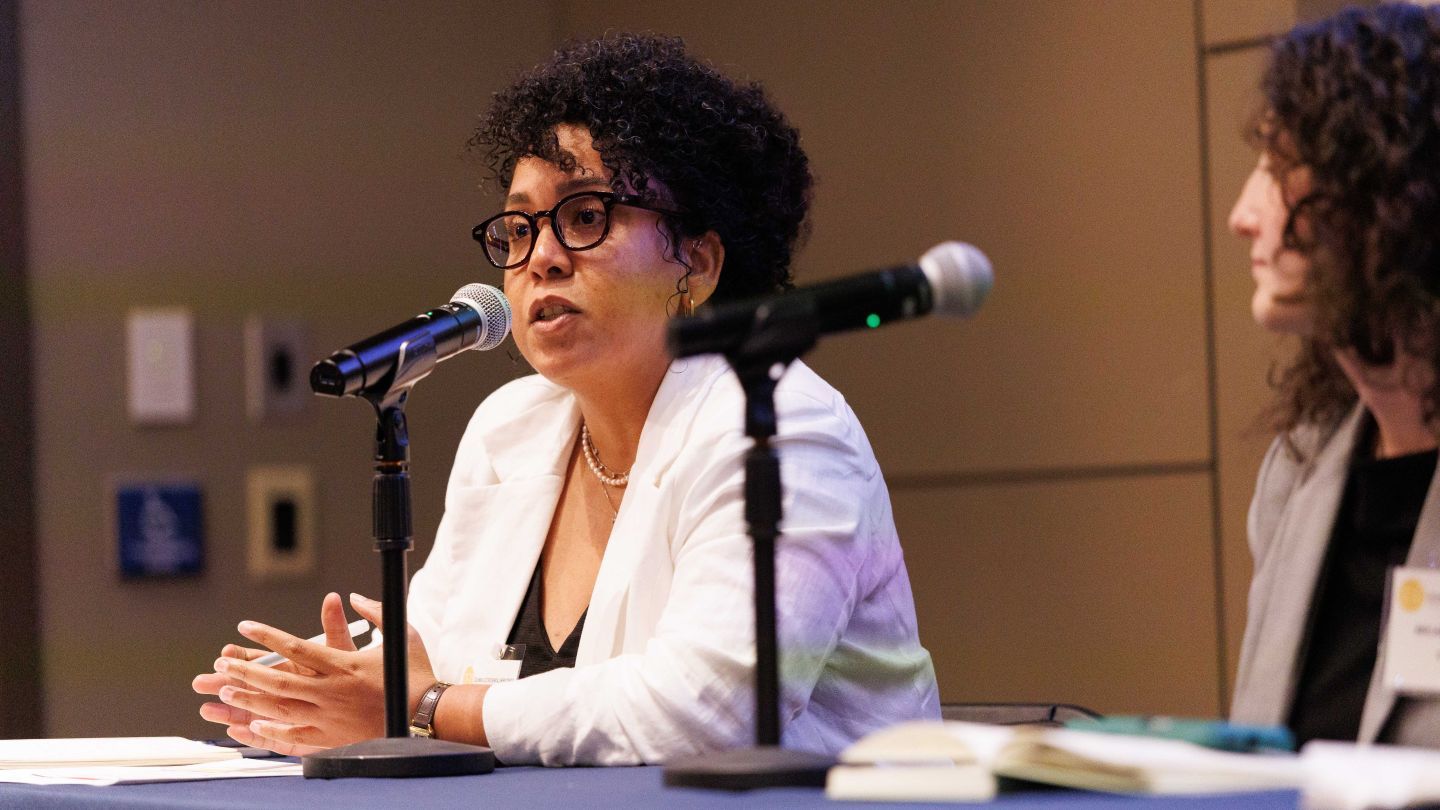
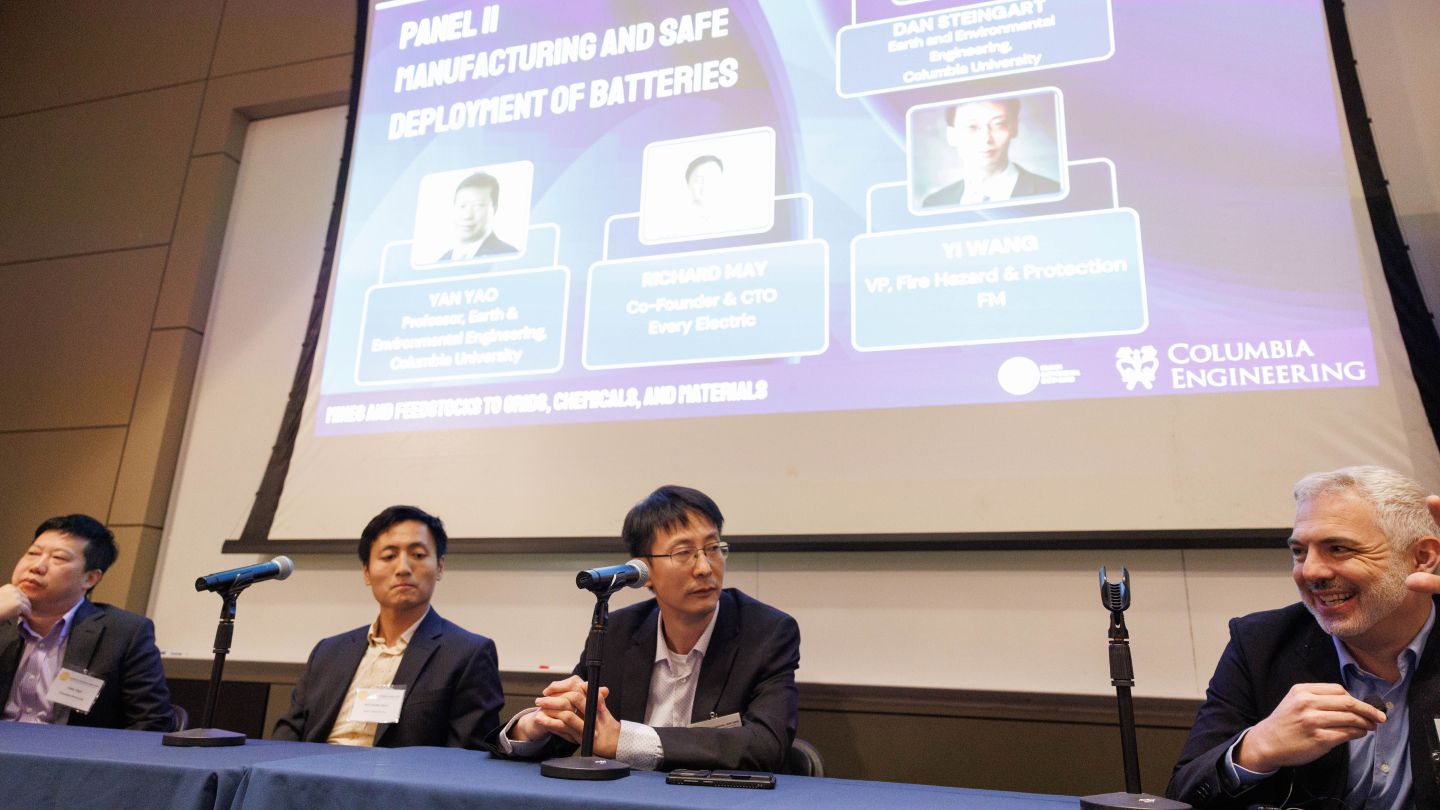
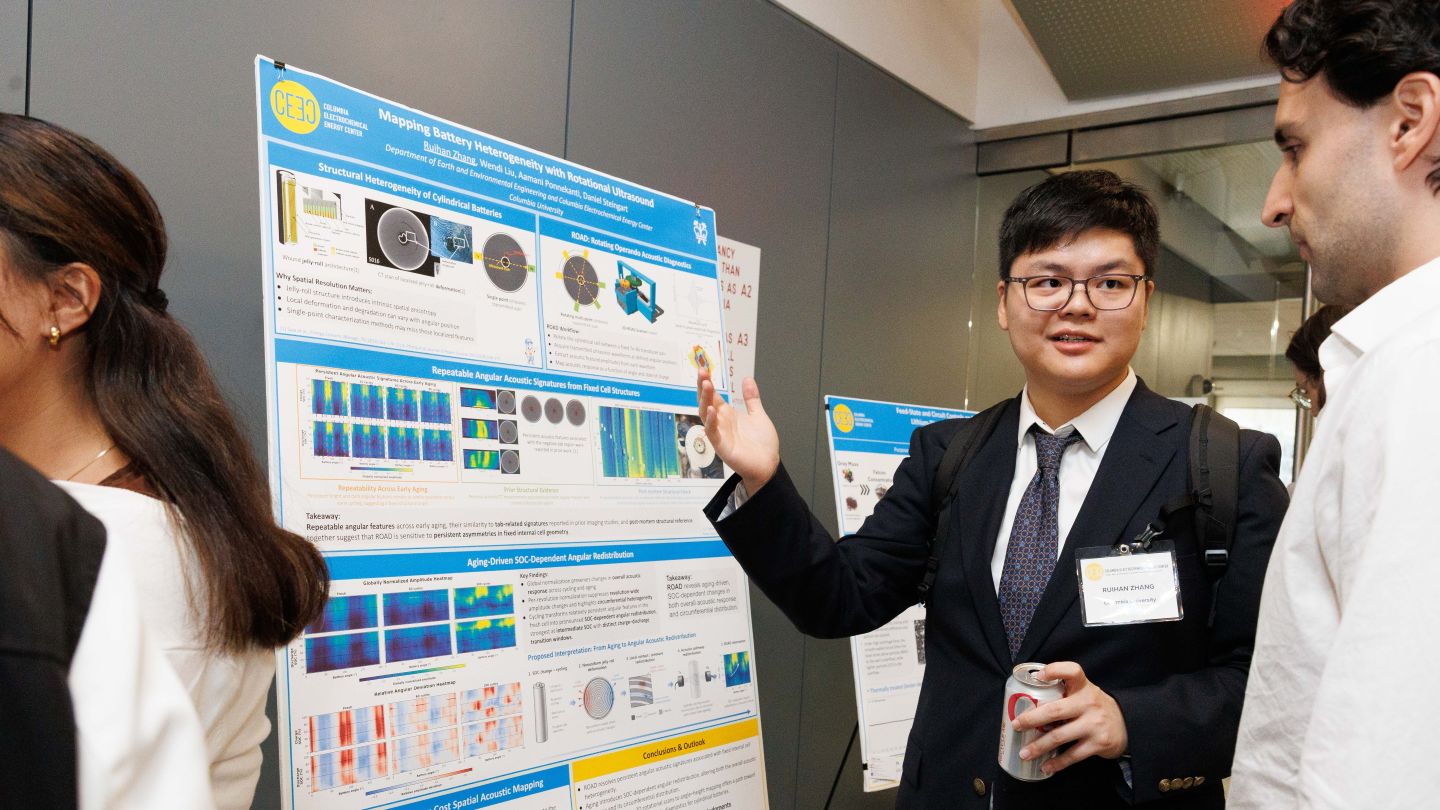
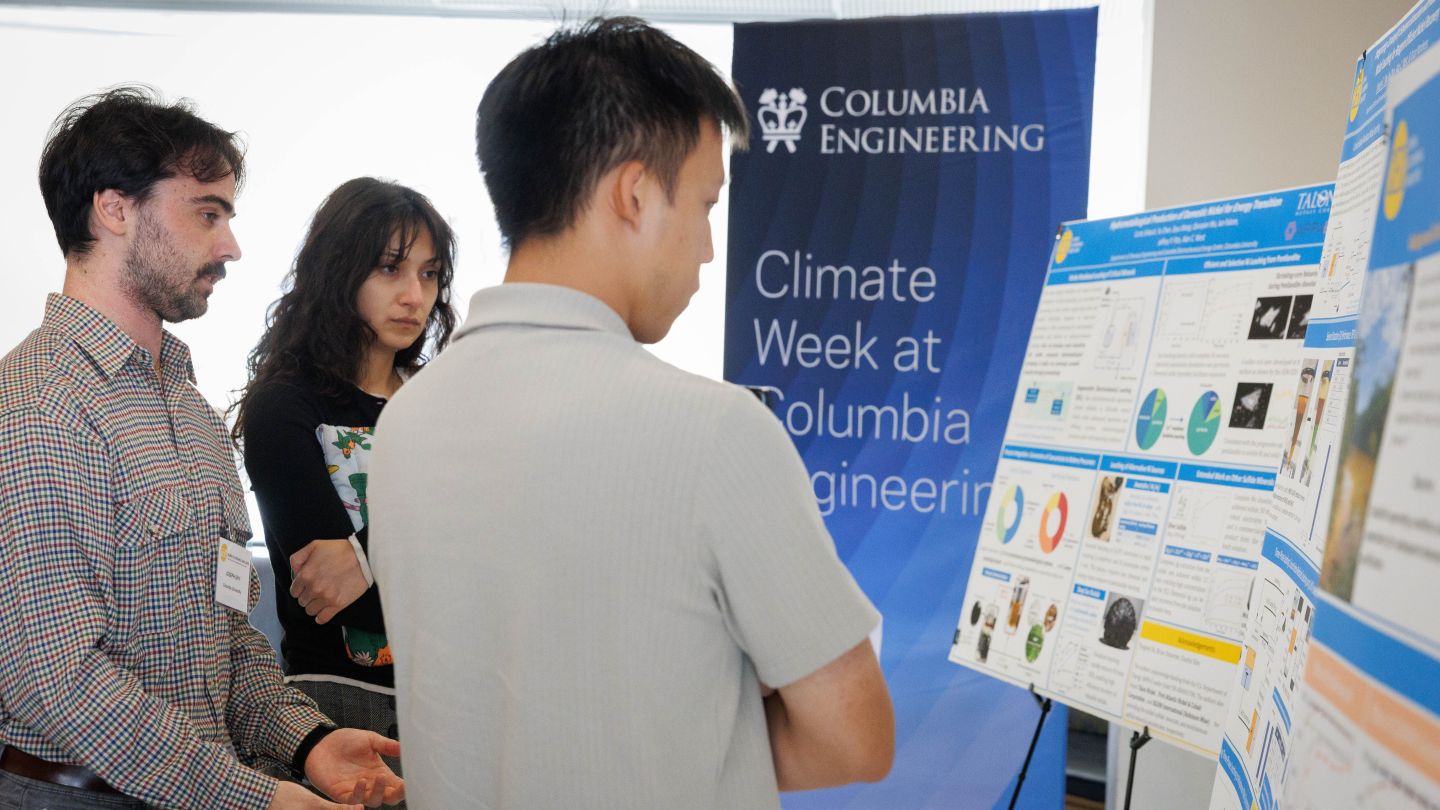
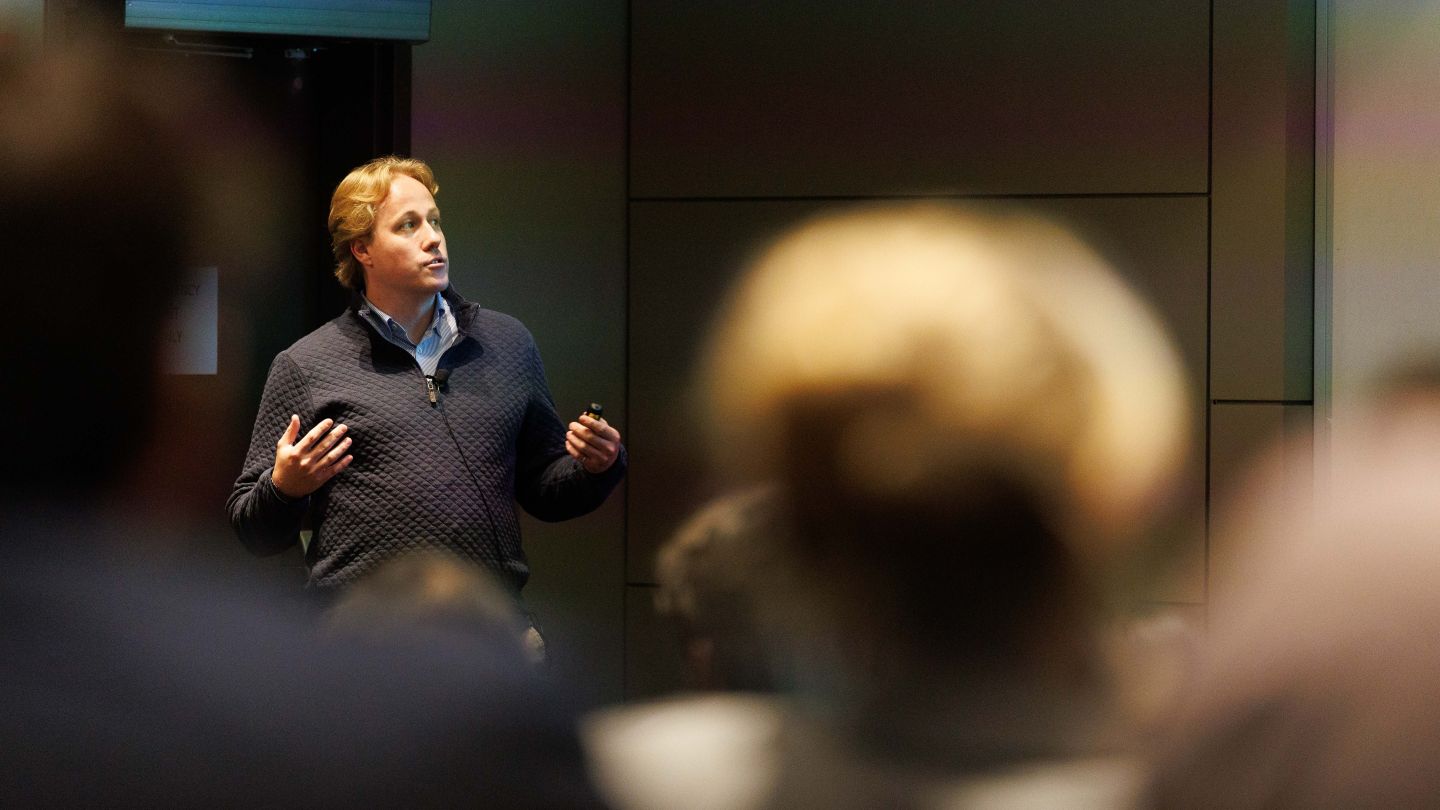
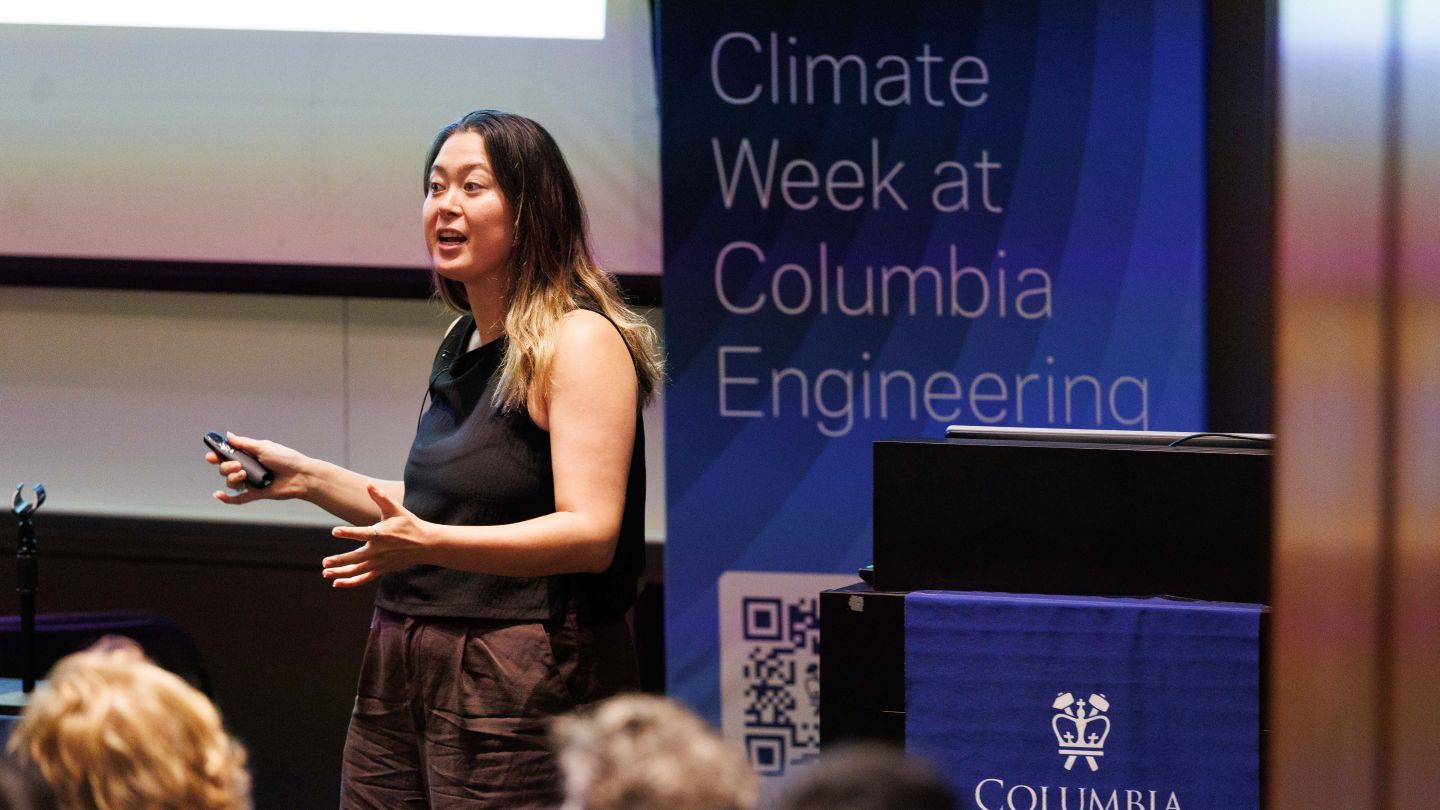
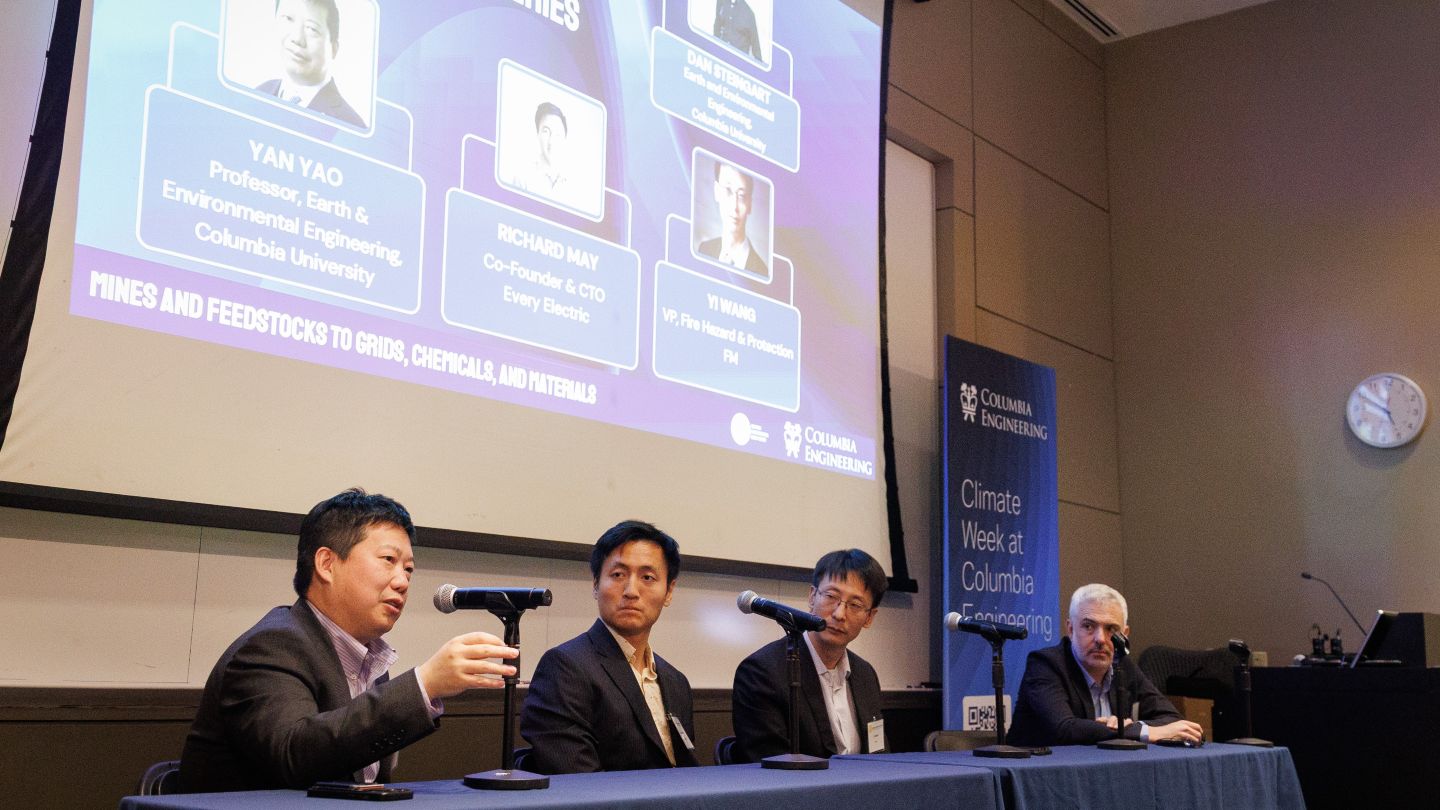
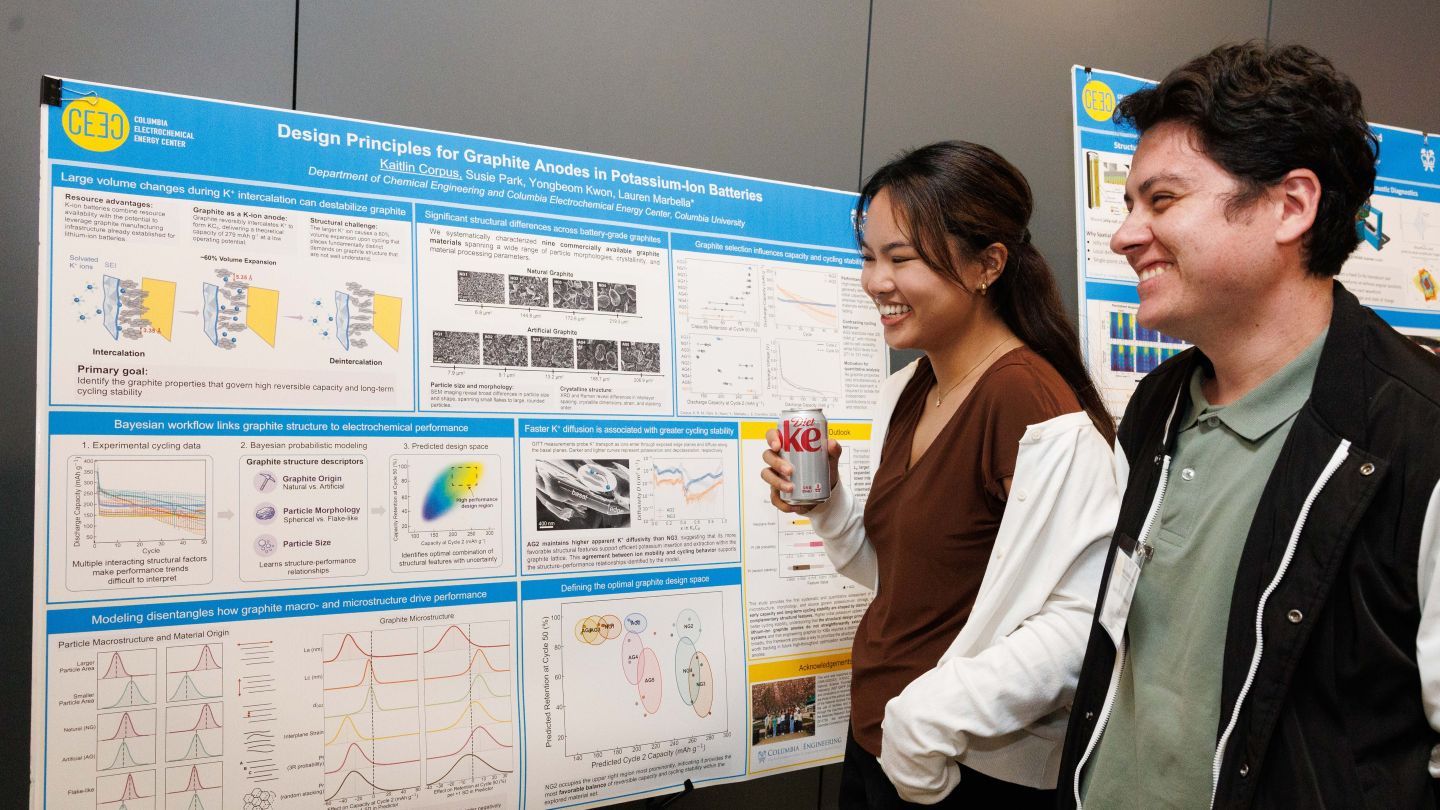
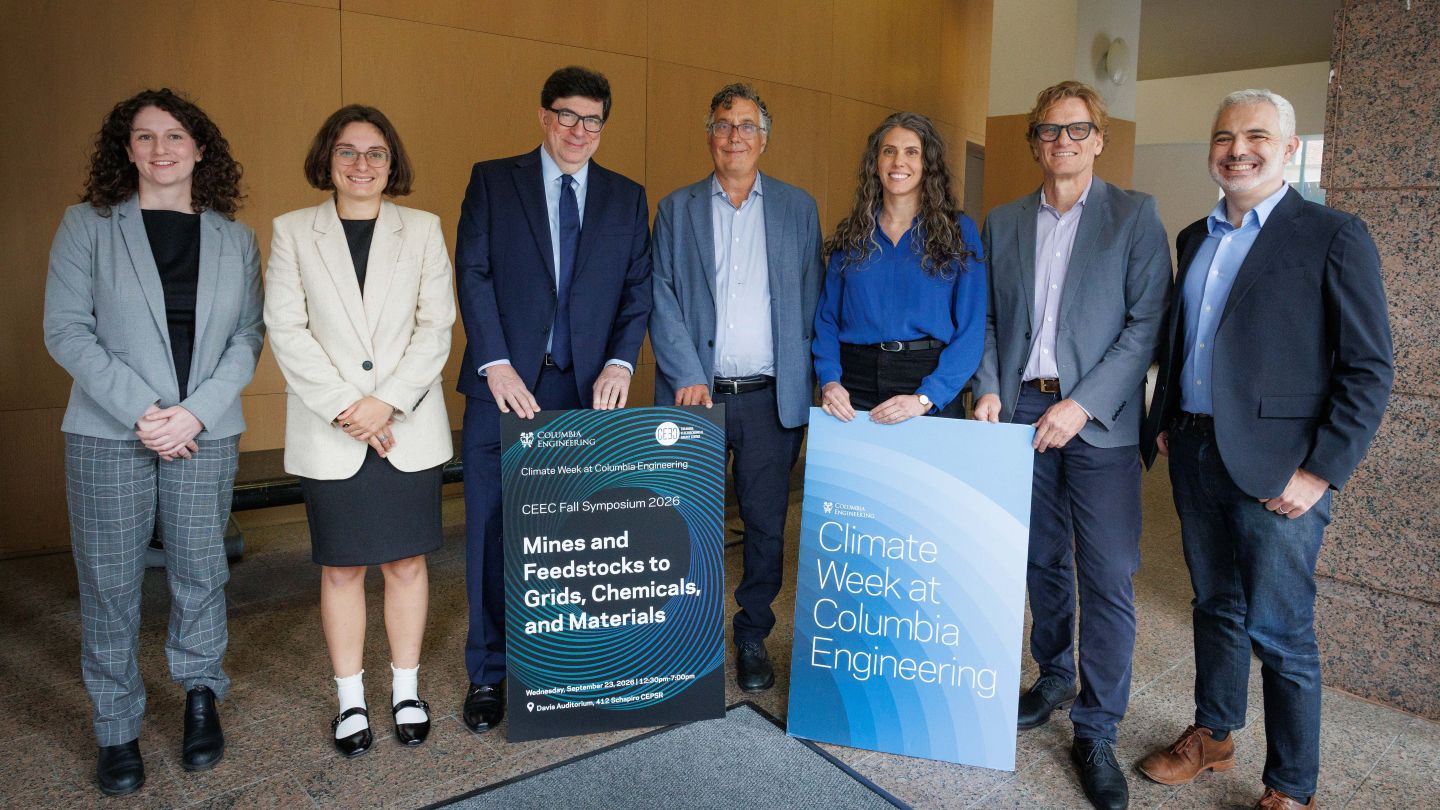
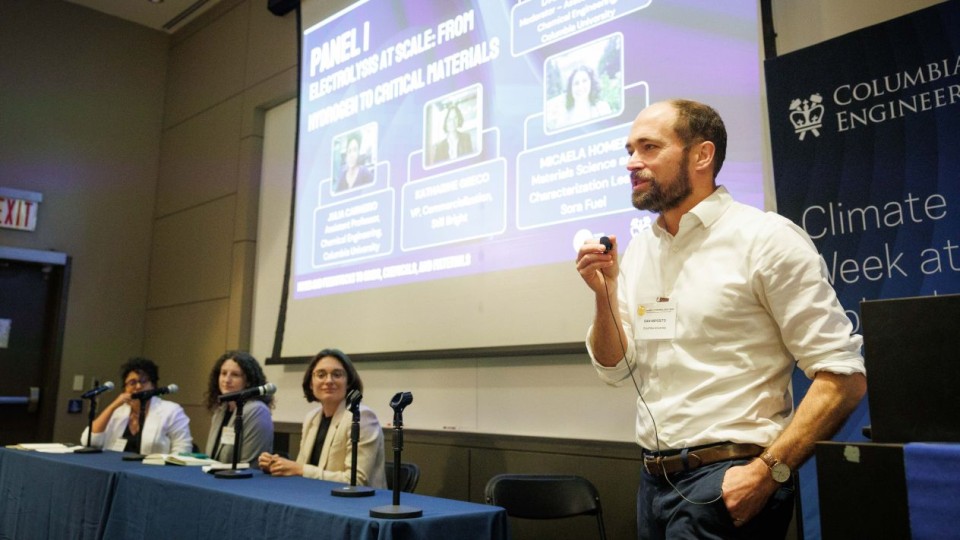
The symposium followed the path of energy and minerals from mines to grid infrastructure, chemicals, and materials — and through the recycling process, where they eventually re-enter circulation. Speakers and attendees focused on three challenges: making batteries safe, manufacturable, and affordable at grid scale; making electrolyzers cost-competitive with century-old incumbent technologies; and developing manufacturing processes that don't recreate the environmental burdens the energy transition aims to avoid.
Two afternoon sessions, Electrifying Chemicals and Materials and The Grid Frontier, paired CEEC faculty keynotes with lightning talks and industry panels focused on pressing technical and commercial problems.
Alan West, the Samuel Ruben-Peter G. Viele Professor of Electrochemistry and professor of earth and environmental engineering, explored the implications of scaling up materials processing, with a focus on regenerative electrochemical leaching for critical minerals. Lauren Marbella, associate professor of chemical engineering, described systems-driven approaches to analyzing batteries in the specific context of their applications and qualifying their safety and reliability before end-of-life data are available.
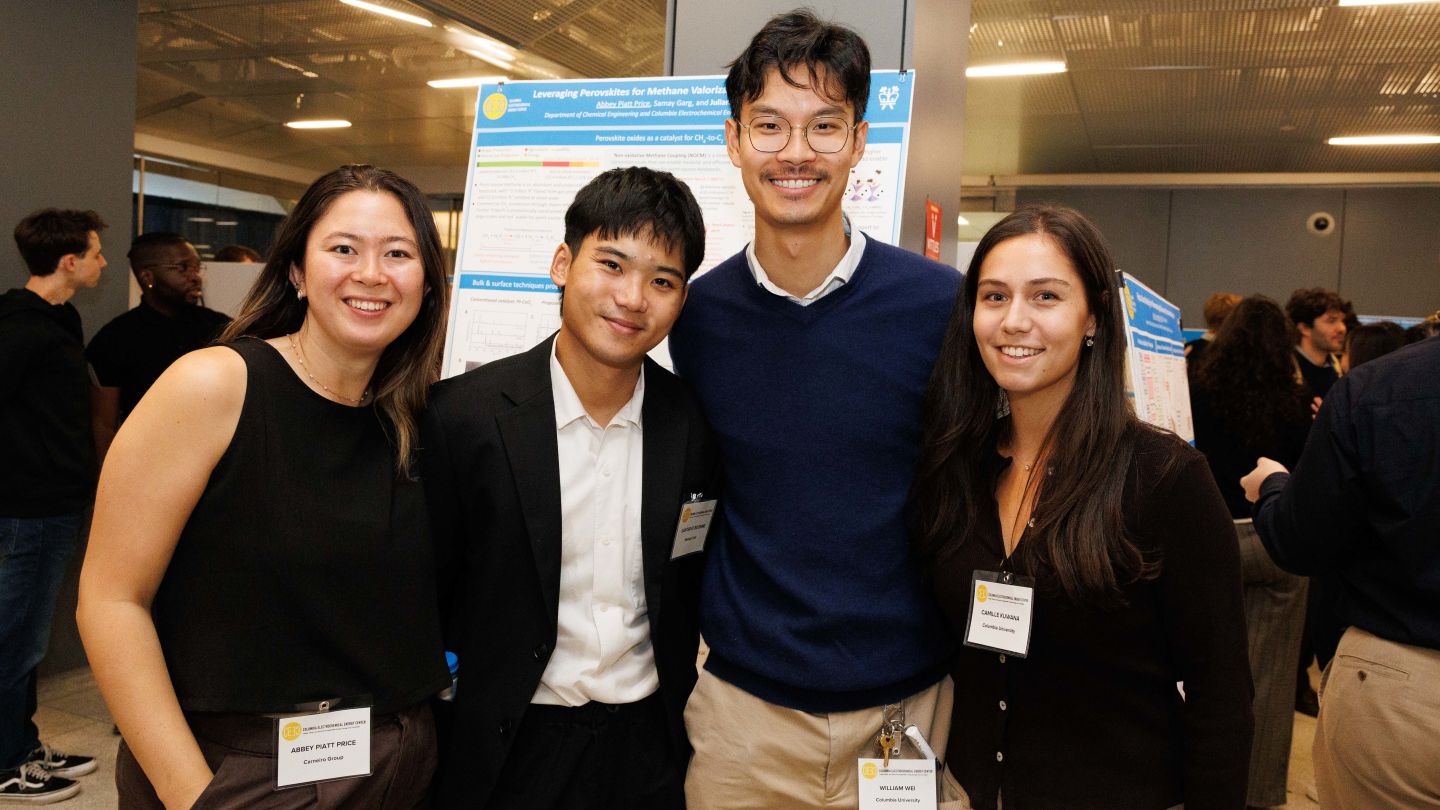
The day closed in Carleton Commons with a reception and poster session, where CEEC faculty, PhD students, postdocs, and industry practitioners explored the center's research and the commercialization pathways emerging from it.