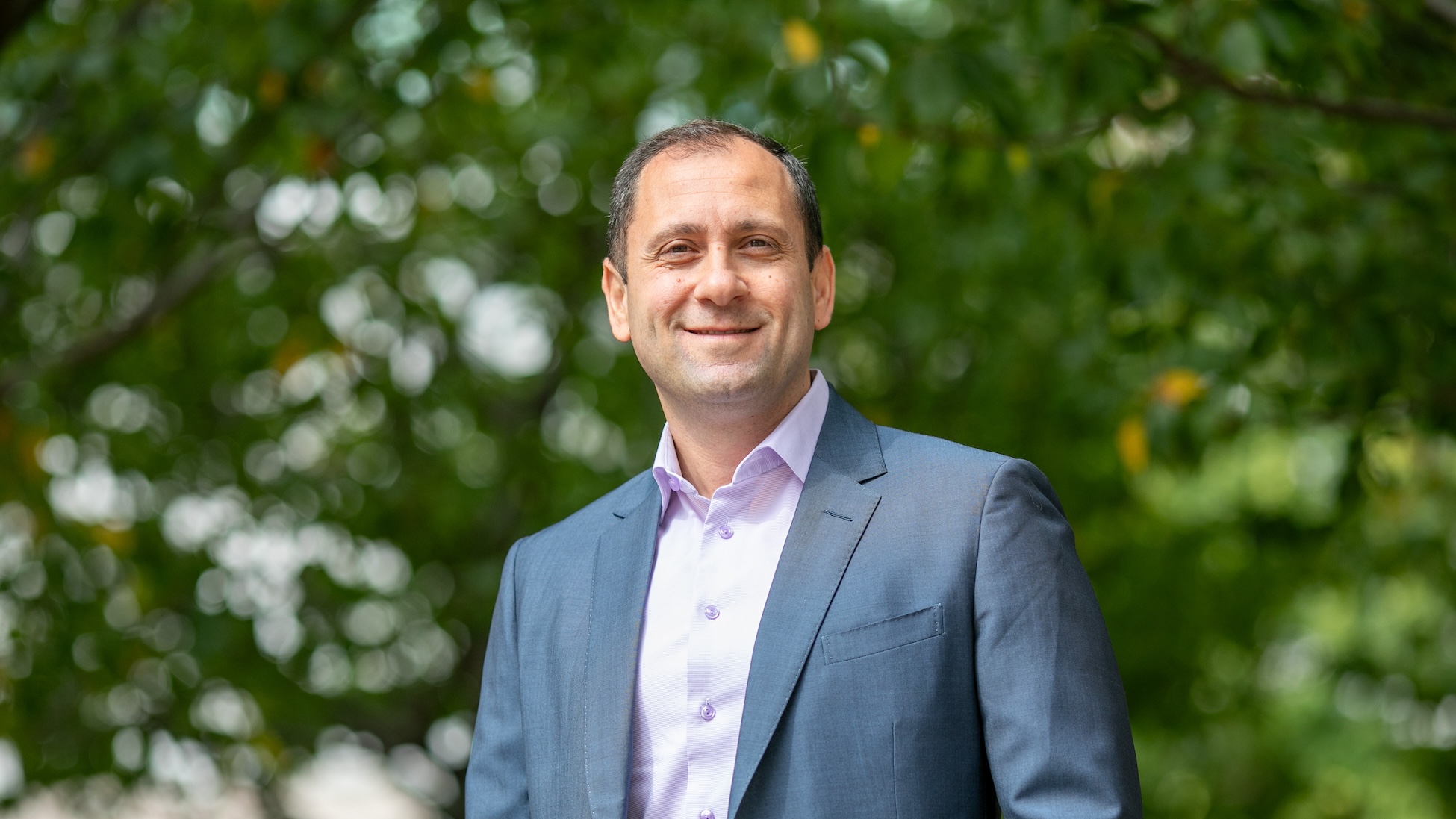
The construction manager of the future will not compete with AI, they will manage with AI.
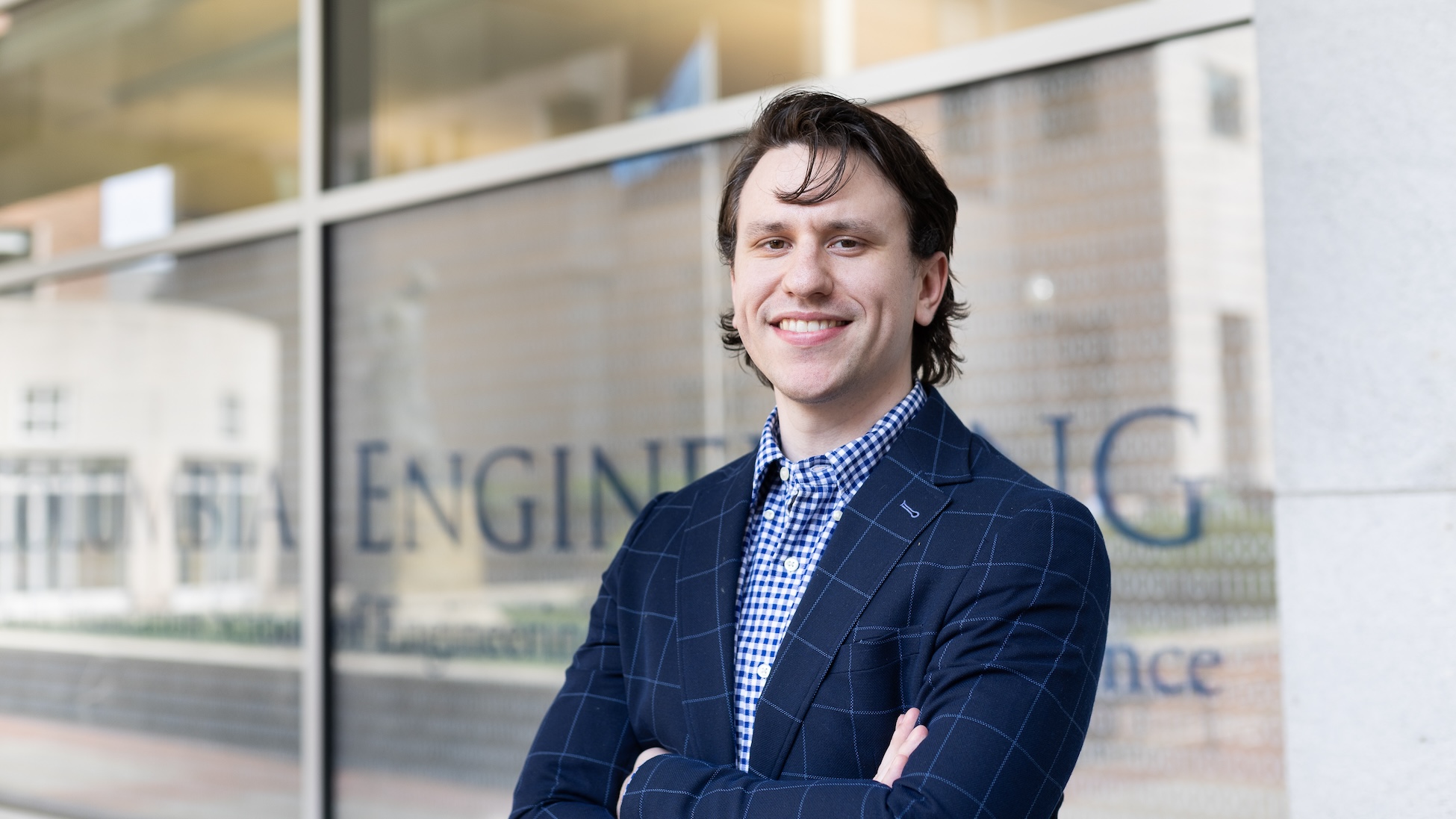
Ibrahim Odeh
How is AI currently being used in construction?
AI is already being deployed in predictive scheduling, risk forecasting, cost estimation, safety analytics, image recognition for site monitoring, and automated document review. We are seeing machine learning models analyze historical project data to predict delays and cost overruns before they occur.
But the real transformation is not automation; it is decision augmentation. AI is enhancing human judgment. Construction management is fundamentally about structured decision-making under uncertainty. AI will increasingly provide scenario modeling, risk simulations, and optimization tools that improve strategic choices.
The construction manager of the future will not compete with AI, they will manage with AI.
What type of skills will construction managers need in the next five years?
In five years, the most valuable skills will not be software-specific, they will be cognitive and strategic.
Construction managers will need:
- Data fluency: ability to interpret analytics and AI outputs
- Systems thinking: understanding infrastructure as interconnected networks
- Financial sophistication: capital allocation, risk modeling, PPP frameworks
- Climate resilience literacy
- Executive communication and stakeholder alignment
The role is evolving from project supervisor to strategic infrastructure leader.
We know that sustainability plays a big role in construction management. How does climate risk relate to project planning?
Extreme weather is no longer a contingency scenario; it is a baseline planning assumption. Projects must now incorporate resilience modeling, adaptive design strategies, and long-term lifecycle risk assessments.
This shifts construction from a short-term delivery mindset to a lifecycle stewardship mindset. Planning must now integrate environmental forecasting, financing mechanisms tied to resilience performance, and regulatory adaptability.
This is where academia plays a critical role, preparing professionals who think in decades, not just project timelines.
More about Ibrahim Odeh
Beyond the classroom, Odeh serves as an advisor to global organizations, including his engagement as an industry expert member at the World Economic Forum, where he has actively contributed to the Future of Construction initiative. He collaborates with industry leaders across North America, Europe, and the Middle East on innovation, infrastructure strategy, and digital transformation.
His teaching and innovation have earned some of Columbia University’s highest honors, including the Presidential Award for Outstanding Teaching and the Columbia Engineering Distinguished Faculty Teaching Award. In 2023, he received the McGraw Hill Pathfinder Award for redefining education at a global scale.
A New Hub for Learning and Community
Photos by Diane Bondareff/Columbia Engineering
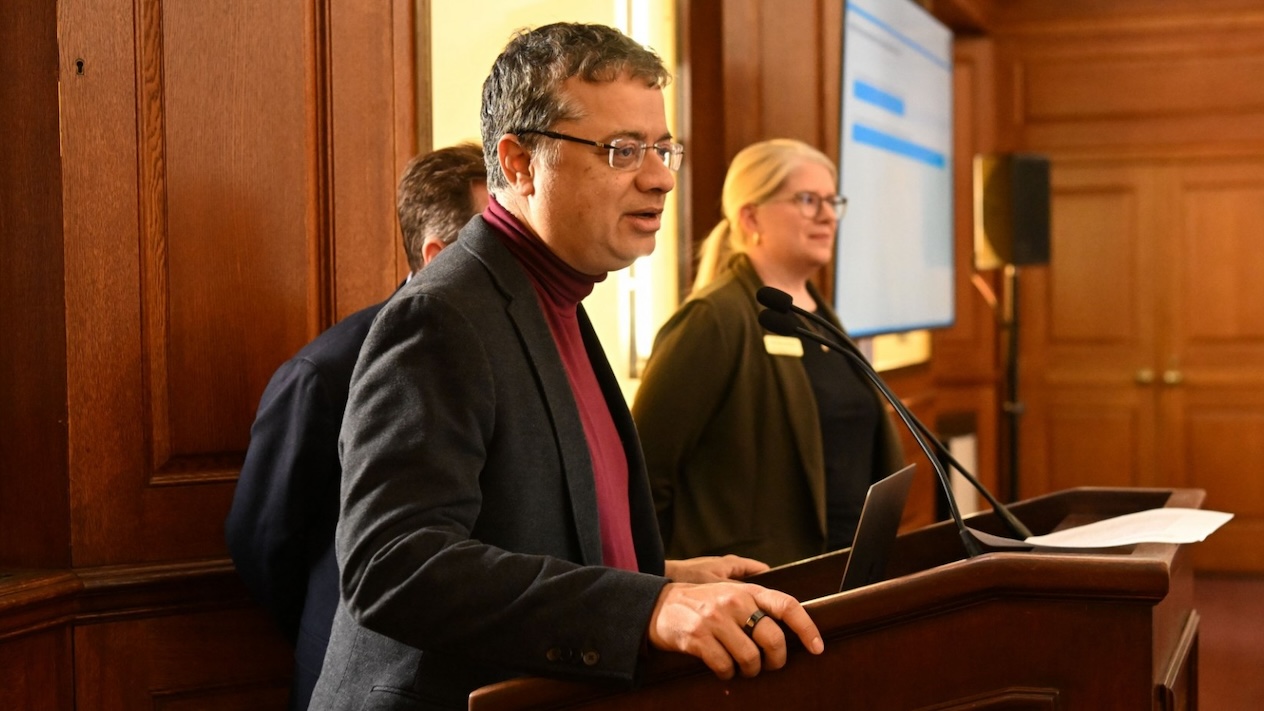
“We’re adapting to respond to the needs of students today,” said Luca Carloni, professor and chair of the Department of Computer Science. “Computer Science continues to play a key role at Columbia and is foundational to our academic offerings. Our faculty are also integrating AI into teaching and research and students are seeking out these courses.”
Carloni noted the popular AI in Context course taught by Teaching Professor of Computer Science Adam Cannon, Associate Professor of Applied Mathematics Chris Wiggins, Vice Dean of Computing and AI Vishal Misra, Associate Professor of Computer Science Lydia Chilton, in collaboration with faculty in humanities and other fields. The department is also expanding and, this year, hired six new faculty, two of whom recently presented at the Lecture Series in AI.
“We are taking a very proactive approach and a very exploratory one–that’s the role of this community and this learning center,” said Carloni. “It’s a hub for us to really build a strong student community and integration of emerging content such as AI into student activity and teaching and learning.”
“We are continuing to explore opportunities to enhance student learning experiences and community connections throughout the School and in collaboration with partners across the University,” added Dean Chang.
Columbia Engineering plans to open another student collaboration space in the Schapiro Center for Engineering and Physical Science Research (CEPSR) building in the summer. The significant expansion of the Maker Space to its current location is another example that has demonstrated a significant impact on the learning experience for Engineering students, as well as a large number of students from across the whole university.
The location of the new learning center in Schermerhorn serves as a natural extension and bridge to other engineering and computer science spaces in the Mudd Building and Engineering Terrace. The fourth floor of Schermerhorn is also being renovated as additional space for faculty and student interaction and will open later this summer.
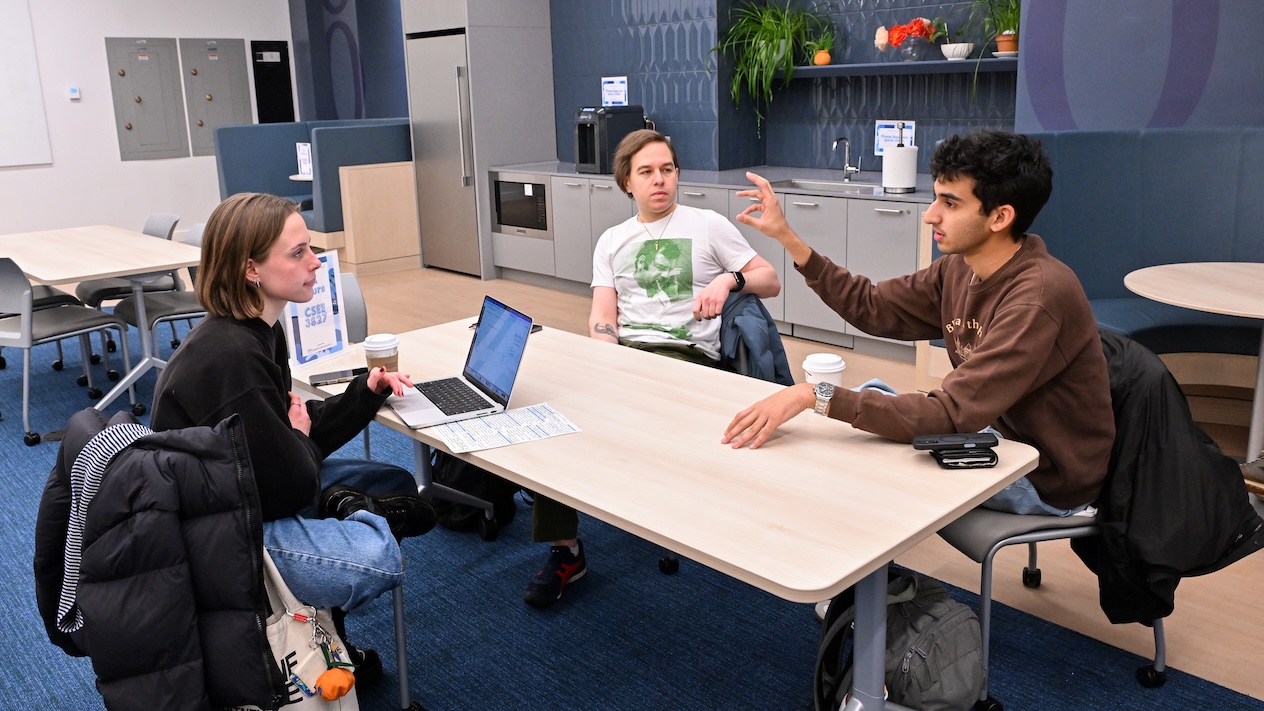
Besides scheduled office hours and recitations, the CS Student Learning Center has already started hosting “Coffee and Questions” sessions from 2 to 4 p.m., Tuesday through Thursday, with more programming to come.
“We have many activities and more that we are planning,” said Carloni. “Recitation groups, discussion groups, design challenges, hackathons, career panels–we will have alumni come back to talk about entrepreneurship, career placement, and so on. Students can come to learn here and to collaborate.”
Lead Photo Caption: Students working in the newly opened Computer Science Student Learning Center located on the third floor of Schermerhorn Building
Lead Photo Credit: Diane Bondareff
Columbia MBAxMS Program: Robotics Challenge
The Fundamental Design Tools course turns business students on to state-of-the art robotics.
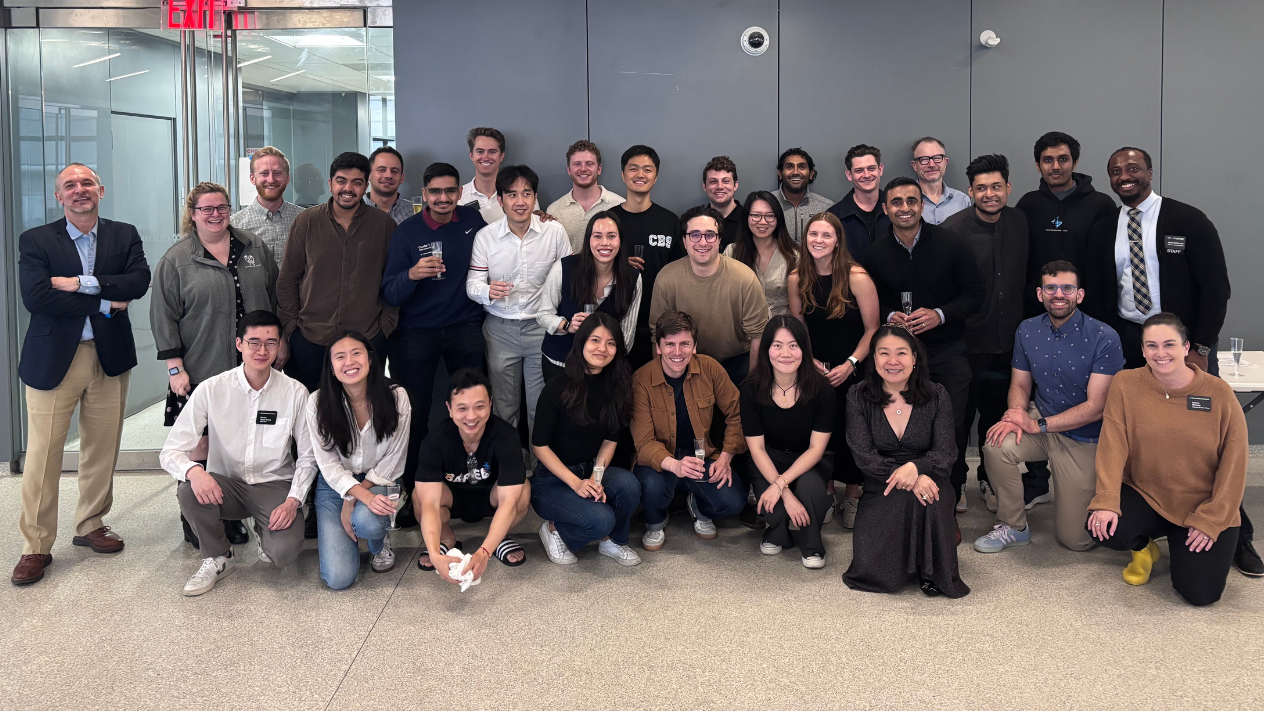
Lead Photo Caption: The inaugural graduating class from the MBAxMS dual degree program