Earn Your Master's in Artificial Intelligence Online
Our online, part-time program enables you to learn on your own time.
Learn More
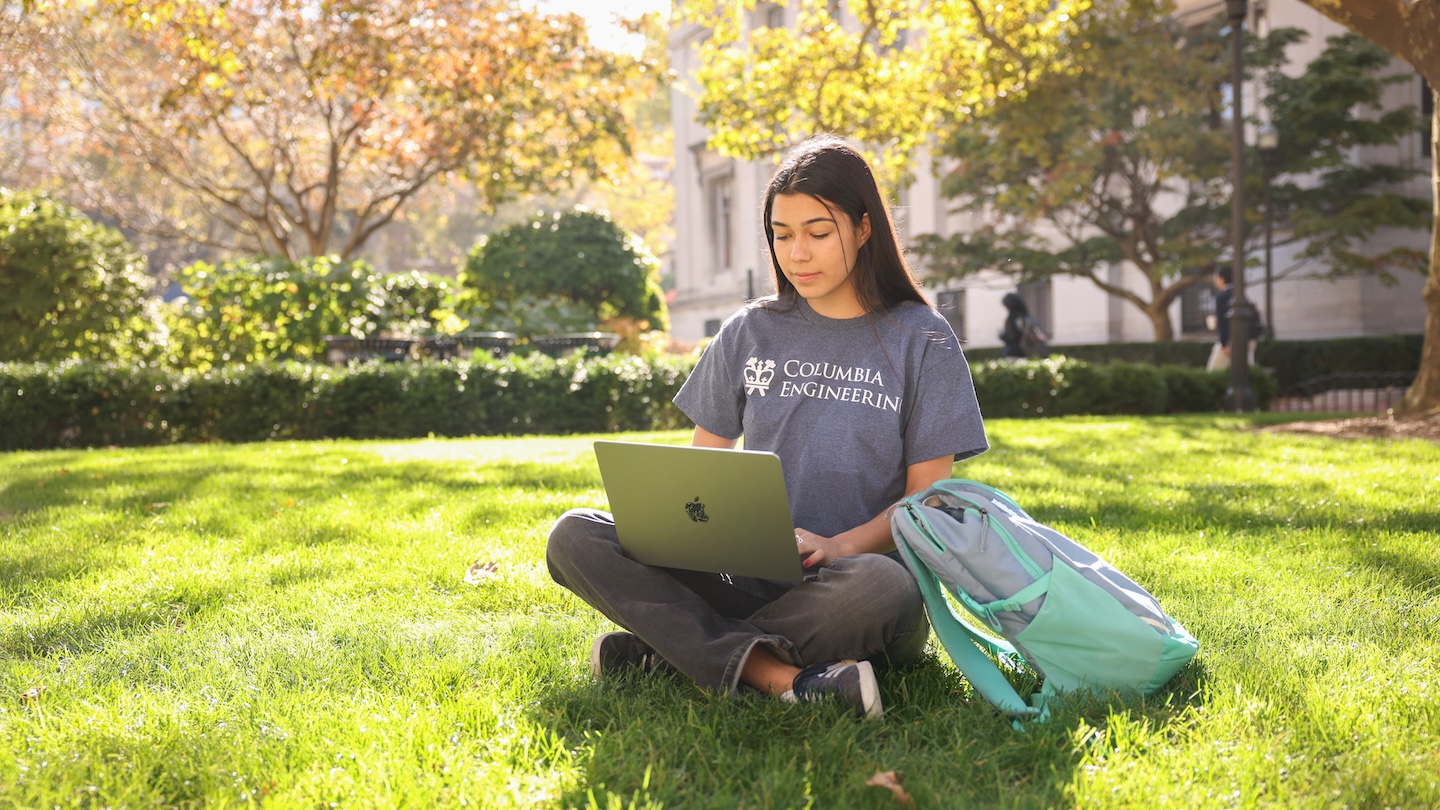
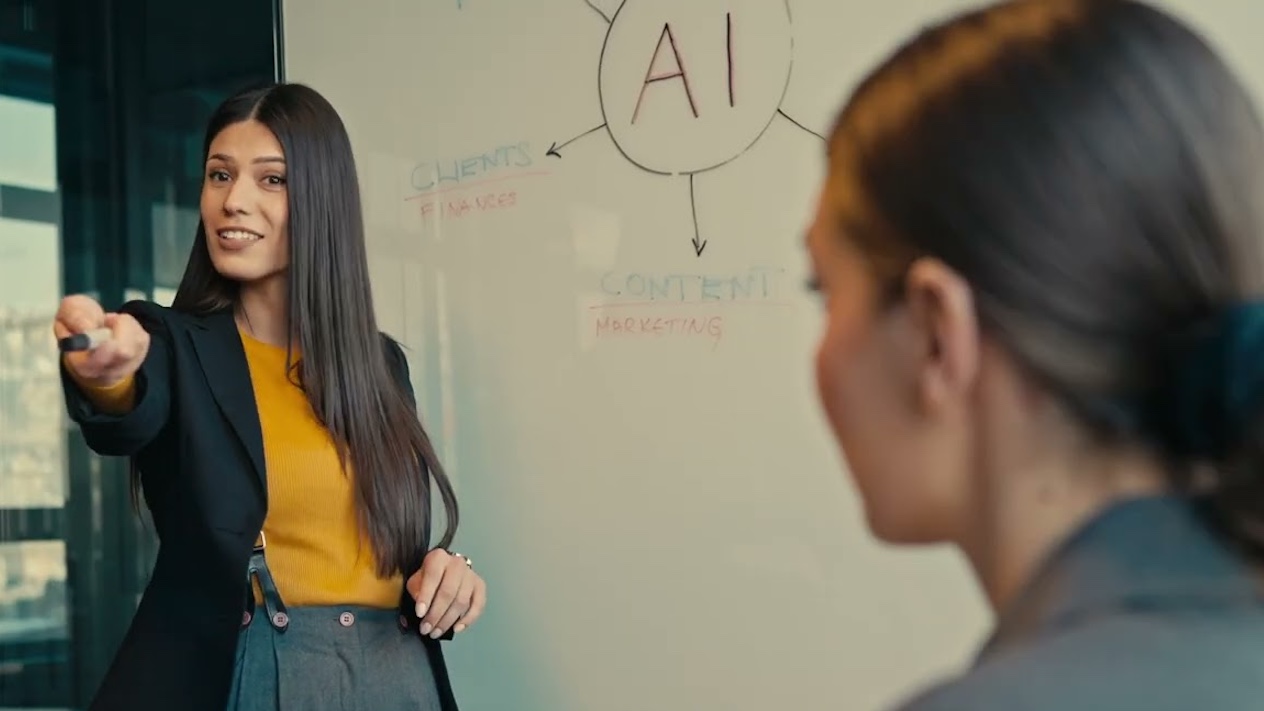
The Master of Science in Artificial Intelligence program combines core AI courses in Computer Science and Engineering with an array of concentrations to provide students with specialized training.
Available Programs
-
CS@CU MS Bridge Program in Computer Science
The CS@CU MS Bridge Program in Computer Science is a well-established pathway for students without a formal undergraduate background in computer science. The program provides comprehensive preparation in programming, data structures, discrete mathematics, and core computing concepts.
Students apply directly to the Bridge Program and, upon successful completion of the required coursework and GPA benchmarks, transition into the MS in Computer Science.
Program structure
- Part-time, non-degree Bridge program
- Apply to the CS@CU MS Bridge Program via the graduate application
- Transition to the MS upon successful completion
- Not eligible for F-1 visa sponsorship during the Bridge phase
-
IEOR MS Bridge Program
The IEOR MS Bridge Program is designed to equip students for success in the Master of Science in Business Analytics (MSBA) or the Master of Science in Management Science and Engineering (MS&E) programs. The Bridge Program provides a clear and structured pathway for students who may lack some of the quantitative, coding, or data science skills required for direct admission.
Business Analytics MS Bridge Program
The MS in Business Analytics Bridge Program is designed for students with strong academic or professional potential who need additional preparation in quantitative methods, computing, or data science before transitioning into the Master of Science in Business Analytics.
Students apply directly to the Bridge Program and, upon successful completion, transition into the MS in Business Analytics.
Program structure
- Part-time, non-degree Bridge program
- Apply to the Business Analytics MS Bridge Program via the graduate application
- Transition to MS after Bridge completion
- Not eligible for F-1 visa sponsorship during the Bridge phase
Management Science and Engineering MS Bridge Program
The Management Science and Engineering Program prepares students from non-engineering or partially quantitative backgrounds for advanced study in management science, optimization, analytics, and systems engineering prior to transitioning into the MS&E MS curriculum.
Students apply directly to the Bridge Program and, upon successful completion, transition into the MS in Business Analytics.
Program structure
- Part-time, non-degree Bridge program
- Apply to the Management Science and Engineering MS Bridge Program via the graduate application
- Transition to MS after Bridge completion
- Not eligible for F-1 visa sponsorship during the Bridge phase
-
Electrical Engineering MS Bridge Program
The Electrical Engineering MS Bridge Program supports students from related quantitative or scientific backgrounds who lack formal electrical engineering training. Students complete targeted foundational coursework aligned with their intended area of specialization before transitioning fully into MS-level study.
Program structure
- Part-time, non-degree Bridge program
- Apply to the Electrical Engineering MS Bridge Program via the graduate application
- Transition to MS after successful completion
- Not eligible for F-1 visa sponsorship during the Bridge phase
-
Biomedical Engineering MS Preparation Pathway
The Master of Science in Biomedical Engineering welcomes high-achieving students from a range of academic backgrounds, including other engineering disciplines (e.g., mechanical, electrical, civil) and allied sciences (e.g., biology, chemistry, physics, computer science). While Biomedical Engineering does not offer a formal Bridge Program, admitted students may be required to complete additional coursework—beyond the standard MS curriculum—if specific foundational gaps are identified during the admissions review.
Program structure
- Full-time or part-time MS enrollment
- Apply directly to the Biomedical Engineering MS program. If additional preparatory coursework is required, it will be specified in the admission offer.
- Eligible for F-1 visa sponsorship
-
Civil Engineering and Engineering Mechanics MS Bridge Program
The Civil Engineering and Engineering Mechanics MS Bridge Program supports students without a civil engineering undergraduate degree by providing focused preparation in mechanics, fluids, structures, and related areas. Bridge requirements are determined at admission and completed prior to or alongside graduate coursework.
Program structure
- Full-time or part-time MS enrollment
- Bridge coursework integrated into MS program
- No separate Bridge application is required. Apply directly to the Civil Engineering and Engineering Mechanics Master of Science program.
- Eligible for F-1 visa sponsorship
-
Chemical Engineering Scientist-to-Engineer (S2E) Program
The Scientist-to-Engineer (S2E) program is an integrated pathway within the MS in Chemical Engineering for students without an undergraduate degree in chemical engineering.
Students complete an intensive, accelerated set of undergraduate-level chemical engineering courses during their first semester, covering core concepts needed for success in the graduate curriculum. Degree completion is typically achieved in three semesters.
Program structure
- Full-time or part-time MS enrollment
- Bridge coursework completed within the MS program
- No separate Bridge application is required. Apply directly to the Chemical Engineering Master of Science program.
- Eligible for F-1 visa sponsorship
-
Mechanical Engineering MS Bridge Program (Coming Soon)
The Mechanical Engineering MS Bridge Program prepares students without an undergraduate degree in mechanical engineering to enter the MS in Mechanical Engineering curriculum with confidence. The program emphasizes core areas such as mechanics, thermal fluids, design, and materials.
Bridge requirements are assigned upon admission to the MS program and are completed prior to or alongside graduate coursework.
Program structure
- Full-time or part-time MS enrollment
- Bridge coursework integrated into MS program
- No separate Bridge application is required. Apply directly to the Mechanical Engineering Master of Science program.
- Eligible for F-1 visa sponsorship
-
Computer Engineering Bridge Program
The Columbia Computer Engineering MS Bridge program will enable students with undergraduate degrees in fields other than electrical engineering, computer engineering, and computer science to take preparatory courses before enrolling in the CE MS degree program. The Computer Engineering Bridge Program offers two distinct tracks, enabling students to acquire the essential foundational skills tailored to their specific interests within the MS curriculum. One track is designed for students aiming to specialize in Computer Systems (Track A), while the other prepares students for specializing in Computer Chip Design (Track B). Students complete targeted foundational coursework aligned with their intended area of specialization before transitioning fully into MS-level study.
Program structure
- Part-time, non-degree program
- Apply to the Computer Engineering MS Bridge Program via the graduate application
- Transition to the Computer Engineering MS after successful completion
- Not eligible for F-1 visa sponsorship during the bridge program
Frequently Asked Questions
-
Who should consider an MS Bridge Program?
MS Bridge Programs are ideal for students with strong academic or professional records who may be missing specific undergraduate coursework required for direct entry into an engineering MS program.
-
Do Bridge Programs lead to a degree?
Yes, the goal is the students complete the corresponding Master’s of Science program they have been admitted to. Note that the Computer Science, Electrical Engineering, Business Analytics, and Management Science + Engineering bridge programs are not degree-granting on their own. These serve as a pathway into a Columbia Engineering MS program, after which students complete degree requirements. The Biomedical Engineering, Chemical Engineering, Civil Engineering and Engineering Mechanics, and Mechanical Engineering bridge programs are integrated into the MS program, and thus are degree-seeking programs.
-
Are Bridge students eligible for student visas?
This will vary by program. Students enrolled directly in the Biomedical Engineering, Chemical Engineering, Civil Engineering and Engineering Mechanics, and Mechanical Engineering bridge programs are eligible for F-1 visas
Students in the Computer Science, Electrical Engineering, Business Analytics, and Management Science + Engineering bridge programs are not eligible for F-1 visa sponsorship until they transition into the MS.
-
Can Bridge requirements be waived?
In many programs, previously completed coursework may be reviewed for possible waivers, typically requiring a minimum grade of B or higher.
-
When are application deadlines?
The priority deadline for most Bridge Programs is February 15. Applicants are encouraged to review individual program pages for the most up-to-date information.
-
What materials are required to apply?
The following materials must accompany the online application for on-campus graduate programs.
- Transcripts
- Three Letters of Recommendation
- Personal Statement
- Resumé or Curriculum Vitae
- Video Interview
- Graduate Record Examination (GRE) General Test Scores (optional)
- English Language Exam Scores (TOEFL, IELTS, Duolingo) required for applicants educated in a country other than Australia, Canada, Ireland, New Zealand, Singapore, the UK, Ghana, Nigeria, Kenya, and the United States of America.
- $85 non-refundable application fee (payable by a major credit card through the online application system)
-
How do I apply?
Interested students should apply using the On-Campus MS and PhD Programs application found here.
Master's Programs Concentrations
The Master of Science program in Mechanical Engineering offers students great flexibility in tailoring their program to their specific interests and goals.
Master's Program Research Track
Every year, the Mechanical Engineering department reserves the right to invite a small number of the best-qualified MS applicants to enter into the MS Thesis / Research Track.
Applying for a Master's Degree
The Department of Mechanical Engineering offers a Master’s of Science in Mechanical Engineering.
Why Pursue a Master's in Chemical Engineering at Columbia?
As a student here, you’ll benefit from:
-
Research Opportunities
Engage with research across a broad range of areas in the Department of Chemical Engineering and beyond. Faculty are working on projects in biopolymers, protein engineering, carbon capture, the biochemistry of DNA sequencing, and more, while centers like the multidisciplinary Columbia Electrochemical Energy Center are developing sustainable technologies to address pressing global problems.
-
Holistic Expertise
Tackle challenges from many angles to find nuanced solutions. Faculty within Chemical Engineering collaborate with experts at Columbia in other areas, like public policy, environmental science, and public health, which will expand your perspective and help you learn to develop responsible technologies that keep the big picture in mind.
-
World-Class Facilities
Enjoy access to state-of-the-art research instrumentation and graduate with confidence to work in any setting. You’ll find specialized equipment in faculty labs and shared facilities in the Columbia Electrochemical Energy Center, the Soft Materials laboratory, and the Columbia Genome Center, as well as in the Department of Chemistry.
- Career-Focused Concentrations
-
Comprehensive Career Support
Our dedicated Assistant Director of Graduate Career Placement can provide you with expert advice both during your studies and after graduation. You’ll receive personalized career guidance, application support, tailored workshops, and access to exclusive job opportunities within the chemical engineering sector and beyond.
-
MS/PhD Track Option
If you hold an appropriate bachelor’s degree in Engineering and already know you want to undertake a PhD, you can apply to our MS/PhD Track. You will be considered a doctoral student and will be eligible to receive equivalent funding. If you are not successful, you could still be offered a place on our MS program.
-
Entrepreneurship Opportunities
Considering launching a startup during your studies or after you graduate? Columbia Engineering Innovation, Design & Entrepreneurship team can help you develop the business acumen to successfully launch your venture.
The team offers specialist entrepreneurship courses, bootcamps, networking opportunities and spaces for prototyping and testing. They also organize competitions with opportunities to win seed funding.
Chemical Engineering Master's Program Details
-
Admission Requirements
To be admitted to our Master of Science program, students must demonstrate B-average or better performance in a science or engineering undergraduate curriculum.
Besides undergraduate GPA, the MS admissions committee also considers GRE scores, letters of recommendation, and a personal statement.
All MS applicants are expected to have completed General Chemistry I and II, Calculus I, Calculus II, Calculus III (multi-variable calculus), and an Ordinary Differential Equations Course.
While most applicants for the Master of Science program have an undergraduate degree in chemical engineering, this is not necessarily a requirement. The field of chemical engineering is broad in scope, so we encourage applicants who hold undergraduate degrees in chemistry, polymer science, physics, materials science, or any engineering discipline to apply.
While the exact program for each student is adapted to his or her previous training, students admitted without a chemical engineering undergraduate degree are normally required to participate in the Scientist to Engineer program. This special program saves the MS student both the time and expense of the undergraduate chemical engineering program.
A list of application requirements, including materials you will need to submit to be considered for admission into our program, is described here.
-
Scientist to Engineer
A student who is admitted to the MS program without an undergraduate degree that is equivalent to an ABET accredited chemical engineering baccalaureate degree is given Scientist to Engineer (S2E) status. These students must complete CHEN E4001, Essentials of Chemical Engineering A, and CHEN E4002, Essentials of Chemical Engineering B, in their first semester. These courses cover essentials from the undergraduate chemical engineering curriculum in an intensive, accelerated way in 6 credits. These 6 points of credit must be taken and passed in addition to the 30 points of graduate credit required for the MS itself, so that these students need a total of 36 credits to graduate. Typically this can be accomplished in 3 semesters.
After completing CHEN E4001 and CHEN E4002, students admitted with S2E status must also take CHEN E4010, Mathematical Methods in Chemical Engineering, as part of the core requirement, and a graduate-level chemical engineering course with substantial design content as one of their technical electives.
-
Beyond the Master of Science Program
Students in the Master of Science program who later decide they would like to obtain a PhD in chemical engineering at Columbia would need to formally apply to Columbia’s PhD program after completion of their first term at Columbia. Acceptance into the PhD program would not be assured. As such, students would be in competition with all other applicants to the PhD program.
Applicants holding a BS in chemical engineering who wish to pursue a PhD in chemical engineering at Columbia should apply directly to the MS leading to PhD program rather than only the Master of Science program. While it is against school policy to allow application to more than one program/department per term, applicants to the MS leading to PhD program may choose to indicate on their application that they would consider admission to the MS only.
Graduate Funding
What matters most to us is your ability to thrive at Columbia.
We offer plenty of financial options to support you through your journey with us. Learn more about the graduate funding opportunities available at Columbia, including fellowships, part-time academic positions, loans, and more.
Learn how electives are designed to guide the individual student experience in the Master of Science in Chemical Engineering program at Columbia University.
Why Get your Master's in Carbon Management at Columbia?
As a student here, you'l benefit from:
-
Impactful Career Opportunities
This program will provide you with the engineering expertise and strategic vision needed to drive sustainable solutions that tackle the global energy crisis, cut carbon emissions, and ensure long-term ecological stability.
-
Additional Certificate in Carbon Management
You will receive a Certificate in Carbon Management as well as an MS degree from the Department of Earth and Environmental Engineering.
-
Research Opportunities
You’ll undertake hands-on research and collaborate with faculty to help develop solutions and technologies that address multiscale carbon capture, conversion, utilization, and storage research.
-
Access to the Lenfest Center for Sustainable Energy
The MS program is part of the Lenfest Center for Sustainable Energy. As well as access to pioneering research, you’ll have opportunities to attend specialist carbon management events held by the Center, including colloquiums, research conferences and guest lectures.
-
Problem-Solving Skills
Our classes will teach you to critically examine challenging industrial problems and proposed solutions through the application of numerical, experimental, and theoretical frameworks.
-
Multidisciplinary and Diverse Cohort
You will be learning with peers from a wide range of disciplines, professional experiences, and geographic locations. This exposure will help you develop a broad and interdisciplinary understanding of carbon management and its extensive societal implications.
-
Comprehensive Career Support
Our dedicated Assistant Director of Graduate Career Placement can provide you with expert advice both during your studies and after graduation. You’ll receive personalized career guidance, application support, tailored workshops, and access to exclusive job opportunities within the earth and environmental engineering sector and beyond.
What will I learn?
The MS Carbon Management curriculum has been designed to reflect the core research areas of the Lenfest Center for Sustainable Energy. As well as core courses, you will choose a combination of elective courses to ensure your degree aligns with your career goals - whether that’s in industry or in preparation for further education.
Course List
-
Core Courses
- A Better Planet by Design
- Carbon Capture
- Carbon Storage
- CO2 Utilization and Conversion
- Introduction to Carbon Management
-
Electives
- Alternative Energy Resources
- Closing the Carbon Cycle
- Earth and Environmental Engineering Research
- Earth and Environmental Engineering Thesis
- Earth Resources and Sustainable Development
- Energy Sources and Conversion
- Energy System Economics and Optimization
- Humans and the Carbon Cycle
- Industrial Ecology of Manufacturing
- Machine Learning for Environmental Engineering
- Solar Fuels
- Solid and Hazardous Waste Management
- Uncertainty/Risk – Civil Infrastructure Systems
Requirements
-
Application Requirements
Mandatory requirements:
- Online application form
- A bachelor's degree in engineering or a related field from an accredited institution
- Transcripts from every post-secondary institution attended
- Three letters of recommendation
- Resumé or CV
- Personal statement
- $85 non-refundable application fee
- International applicants, or applicants whose undergraduate degree was received in a country in which English is not the official spoken language, must submit:
- Results of an English language test. Accepted tests include the Test of English as a Foreign Language iBT (TOEFL) - including TOEFL iBT Home Edition, International English Language Testing System Academic (IELTS), Pearson Test of English (PTE Academic), or Duolingo English Test (DET). The ETS School Code for the Fu Foundation School of Engineering and Applied Science is 2111.
- Translation of the official transcript(s) and degree/diploma certificate(s) if the institution(s) attended does not issue transcripts in English. The translation must be conducted by a reputable service provider.
Optional requirements:
- Any publications that you have written
- Graduate Record Examination (GRE) General Test Scores (School Code: 2111)
- You may be invited to an interview
-
Degree Requirements
To graduate from our MS Carbon Management program, you must complete:
- 30 credits of graduate coursework
- Additional undergraduate level science courses depending on your academic background
- The combination of credits can either be:
- 24 credits of lecture courses and 6 credits of research culminating in a Master’s Thesis.
- 27 credits of lecture courses, 3 credits of research which involves assisting a faculty member with ongoing analytical or experimental research, and a term paper describing your part in that research.
- 30 credits of lecture courses approved by the Advisor. However, a thesis is strongly recommended.
Your academic plan of studies must be approved by the faculty by the second month of your first semester at Columbia.
Graduate Funding
What matters most to us is your ability to thrive at Columbia.
We offer plenty of financial options to support you through your journey with us. Learn more about the graduate funding opportunities available at Columbia, including fellowships, part-time academic positions, loans, and more.
Careers & Outcomes
As a Carbon Management graduate, you’ll be part of a new generation of engineering and geoscience professionals who are working together to address pressing carbon management challenges. You will be well-equipped to pursue careers in the energy industry, decarbonization and environmental consulting firms, technology startups, environmental and energy NGOs, as well as local, national, and international government agencies.
Our alumni have found positions with top employers including:
- 350Solutions
- Patch
- Carbonvert
- Zachry Group
The MS program is also an excellent springboard for further graduate studies. The curriculum allows you to take independent research in preparation for our doctoral program.
Department Faculty
Image
Shaina Kelly | Image
Ngai Yin Yip | Image
Daniel Steingart |
Student Research Opportunities
At Columbia, you don’t have to wait until you graduate to start making a contribution. There are lots of opportunities to gain hands-on experience through research projects and summer internships.
Our faculty-run laboratories always need students to support them with their cutting-edge research spanning across areas such as electrochemical energy, carbon capture, climate modeling, materials recycling, and more.
See Student Research Opportunities
Entrepreneurship Opportunities
Considering launching a startup during your studies or after you graduate? Columbia Engineering Innovation, Design & Entrepreneurship team can help you develop the business acumen to successfully launch your venture.
The team offers specialist entrepreneurship courses, bootcamps, networking opportunities and spaces for prototyping and testing. They also organize competitions with opportunities to win seed funding.
Related Programs
Dual MS in Climate and MS in Carbon Management
The Climate School offers interdisciplinary dual degree programs with the MS in Climate. Dual programs award two degrees in less time than pursuing the degrees separately.
PhD in Earth and Environmental Engineering
Our PhD opportunities enable you to work together with our leading faculty to solve some of the world’s most pressing environmental challenges.
Why Get your Master's in Earth and Environmental Engineering at Columbia?
As a student here, you’ll benefit from:
-
Research Opportunities
Engage in research that drives real change and addresses global environmental challenges. You’ll have the chance to assist faculty with their research projects and gain firsthand insight into the vital role of earth and environmental engineering.
-
Faculty Who Are Leaders in the Field
Join a department full of active scholars who are pioneering research in areas like energy-efficient desalination, resource recovery from waste materials, and AI-empowered climate modeling.
-
Flexible Program Options
Don’t interrupt your career. We offer full-time and part-time options so you can fit your MS studies around your professional and personal commitments.
-
Career-focused Electives
Focus your studies in one of three elective specializations including Sustainable Energy, Sustainable Mining and Materials, and Water Resources and Climate Risks. You also have the option to design your own elective specialization to reflect your personal interests and career goals.
-
Comprehensive Career Support
Our dedicated Assistant Director of Graduate Career Placement can provide you with expert advice both during your studies and after graduation. You’ll receive personalized career guidance, application support, tailored workshops, and access to exclusive job opportunities within the earth and environmental engineering sector and beyond.
-
MS/PhD Track Option
If you hold an appropriate bachelor’s degree in Engineering and already know you want to undertake a PhD, you can apply to our MS/PhD Track. You will be considered a doctoral student and will be eligible to receive equivalent funding. If you are not successful, you could still be offered a place on our MS program.
What will I learn?
-
Sustainable Energy Elective Specialization
Explore, design and test energy technologies and infrastructure to address environmental and resource challenges.
Structure:
- Core courses:
- A Better Planet by Design
- Energy Sources and Conversion
- Energy System Economics and Optimization
- Introduction to Carbon Management
- Three-credit research course or six-credit thesis
- Specialized electives
- Core courses:
-
Sustainable Mining and Materials Elective Specialization
Learn how to develop innovative engineering solutions to ensure the sustainable use and transformation of the Earth’s resources.
Structure:
- Core courses:
- A Better Planet by Design
- Industrial Ecology of Manufacturing
- Introduction to Surface and Colloid Chemistry
- Introduction to Sustainable Production of Earth Mineral and Metal Resources
- Three-credit research course or six-credit thesis
- Specialized electives
- Core courses:
-
Water Resources and Climate Risks Elective Specialization
Tackle the urgent challenges of water quality management on this climate-focused elective specialization.
Structure:
- Core courses:
- A Better Planet by Design
- Environmental Data Analysis and Modeling
- Hydrosystems
- Machine Learning for Environmental Engineering and Science
- Management of Water Systems
- Sustainable Water Treatment and Reuse
- Specialized electives
- Core courses:
-
Design your own elective specialization
You also have the option to design your own elective specialization in consultation with your supervisor. This enables you to focus your studies to reflect your individual research and career interests.
Requirements
-
Application Requirements
Mandatory requirements:
- Online application form
- A bachelor's degree in engineering or a related field from an accredited institution
- Transcripts from every post-secondary institution attended
- Three letters of recommendation
- Résumé or CV
- Personal statement
- $85 non-refundable application fee
- International applicants, or applicants whose undergraduate degree was received in a country in which English is not the official spoken language, must submit:
- Results of an English language test. Accepted tests include the Test of English as a Foreign Language iBT (TOEFL) — including TOEFL iBT Home Edition, International English Language Testing System Academic (IELTS), Pearson Test of English (PTE Academic), or Duolingo English Test (DET). The ETS School Code for the Fu Foundation School of Engineering and Applied Science is 2111.
- Translation of the official transcript(s) and degree/diploma certificate(s) if the institution(s) attended does not issue transcripts in English. The translation must be conducted by a reputable service provider.
Optional requirements:
- Any publications that you have written
- Graduate Record Examination (GRE) General Test Scores (School Code: 2111)
- You may be invited to an interview
-
Degree Requirements
To graduate from our MS in Earth and Environmental Engineering program, you must complete:
- 30 credits of graduate coursework
- Some undergraduate level science courses depending on your academic background
- The combination of credits can either be:
- 24 credits of lecture courses and 6 credits of research culminating in a Master’s Thesis.
- 27 credits of lecture courses, 3 credits of research which involves assisting a faculty member with ongoing analytical or experimental research, and a term paper describing your part in that research.
- 30 credits of lecture courses approved by the Advisor. However, a thesis is strongly recommended.
Your academic plan of studies must be approved by the faculty by the second month of your first semester at Columbia.
Graduate Funding
What matters most to us is your ability to thrive at Columbia.
We offer plenty of financial options to support you through your journey with us. Learn more about the graduate funding opportunities available at Columbia, including fellowships, part-time academic positions, loans, and more.
Careers & Outcomes
The U.S. environmental industry comprises nearly 30,000 businesses with total revenues exceeding $150 billion. As a graduate, you’ll be well placed to pursue environmental and climate-facing careers in industry, government, start-ups, finance, and operations. Potential pathways for earth and environmental engineering graduates include:
- Consultant
- Environmental Engineer
- Environmental Scientist
- Geotechnical Engineer
- Hydrologist
- Natural Resource Specialist
Our alumni have found positions with top employers including:
- U.S. Environmental Protection Agency (EPA)
- Equinor
- NYC Department of Environmental Protection
- AECOM
- Lawrence Livermore National Laboratory
The MS program is also an excellent springboard for further graduate studies. The curriculum allows you to take independent research in preparation for our doctoral program.
Department Faculty
Image
Daniel Steingart | Image
Ngai Yin Yip | Image
Shaina Kelly |
Student Research Opportunities
At Columbia, you don’t have to wait until you graduate to start making a contribution. There are lots of opportunities to gain hands-on experience through research projects and summer internships.
Our faculty-run laboratories always need students to support them with their cutting-edge research spanning across areas such as electrochemical energy, carbon capture, climate modeling, materials recycling, and more.
See Student Research Opportunities
Entrepreneurship Opportunities
Considering launching a startup during your studies or after you graduate? Columbia Engineering Innovation, Design & Entrepreneurship team can help you develop the business acumen to successfully launch your venture.
The team offers specialist entrepreneurship courses, bootcamps, networking opportunities and spaces for prototyping and testing. They also organize competitions with opportunities to win seed funding.
Related Programs
MS in Carbon Management
Our MS in Carbon Management program equips future environmental engineers with the tools to balance carbon management and sustainable resource production.
PhD in Earth and Environmental Engineering
Our PhD opportunities enable you to work together with our leading faculty to solve some of the world’s most pressing environmental challenges.