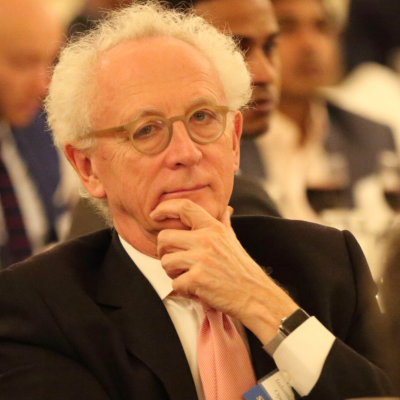
Emanuel Derman
Why Get your Master's in Applied Mathematics at Columbia?
Columbia Engineering opens incredible doors for your career with a number of features that set our program apart:
- New York City
It’s not just an amazing place to live, teeming with the cultural resources of a global capital. More importantly, it’s a place to discover opportunities, as a hub for both major corporations and innovative startups.
- Unique Cross-Disciplinary Department
Unlike most programs elsewhere, applied mathematics at Columbia is housed with applied physics, materials science and engineering, and medical physics within a unified department, giving you broad exposure to several domains and experience with collaborative, multi-disciplinary problem-solving.
- Broad Research Opportunities
While a student, you’ll have the chance to work on pioneering research that will give you practice in applying what you’re learning across an incredible array of laboratories and research centers including the Data Science Institute and Learning the Earth with Artificial Intelligence and Physics, an NSF Science and Technology Center.
- Flexible Curriculum
Half of your courses are electives and there is even room for choice among the required core offerings, giving you plenty of room to align your studies with your career objectives.
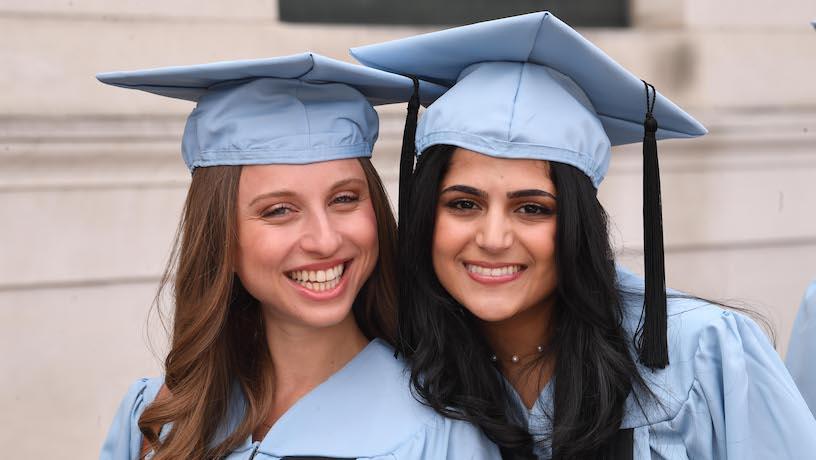
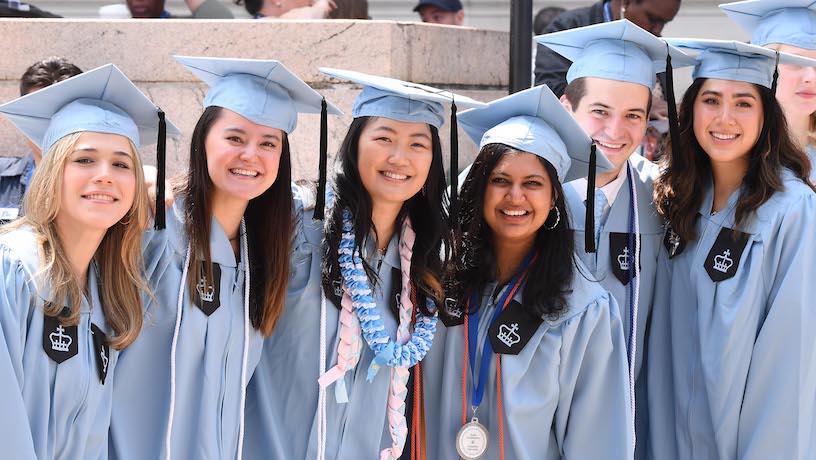
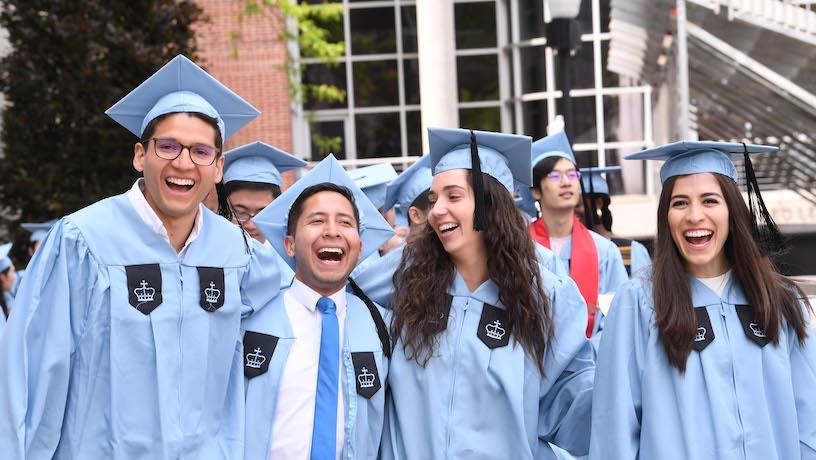
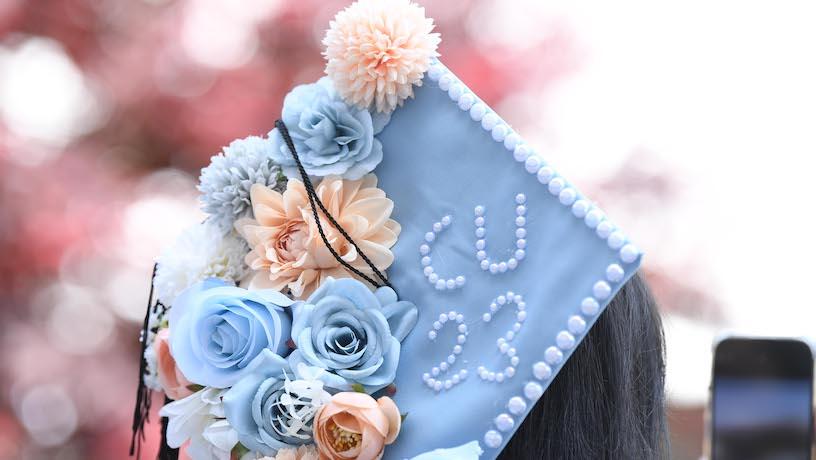
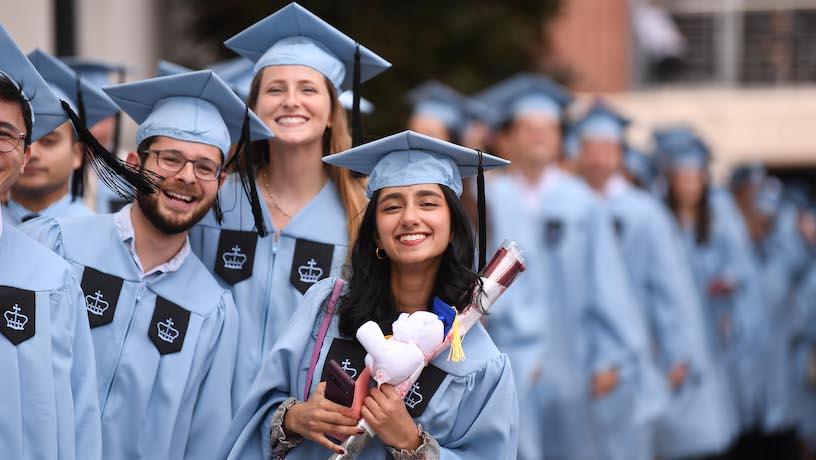
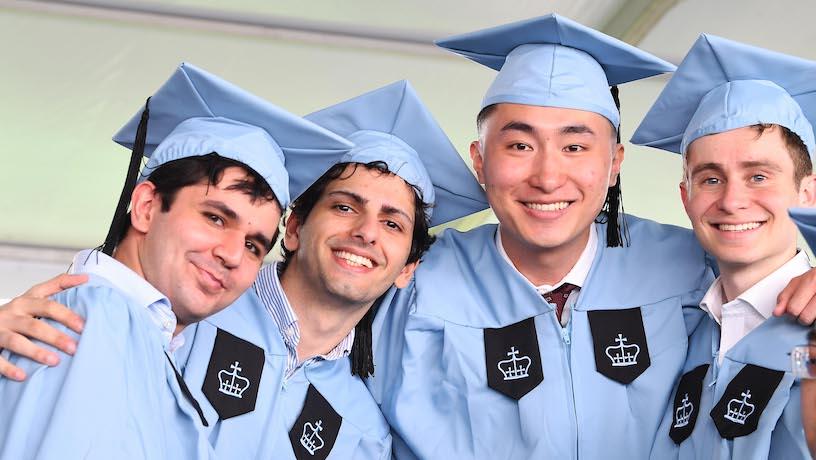
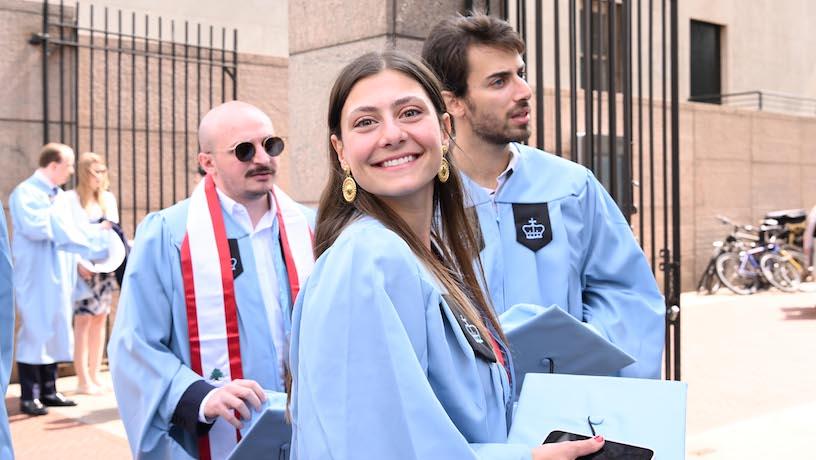
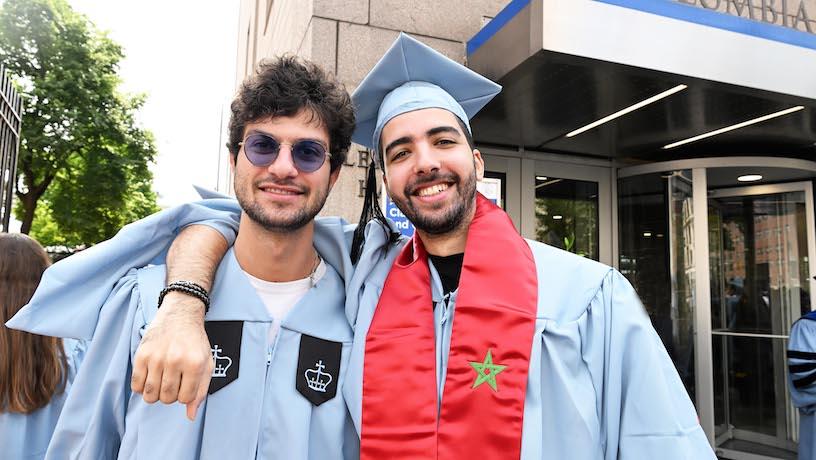
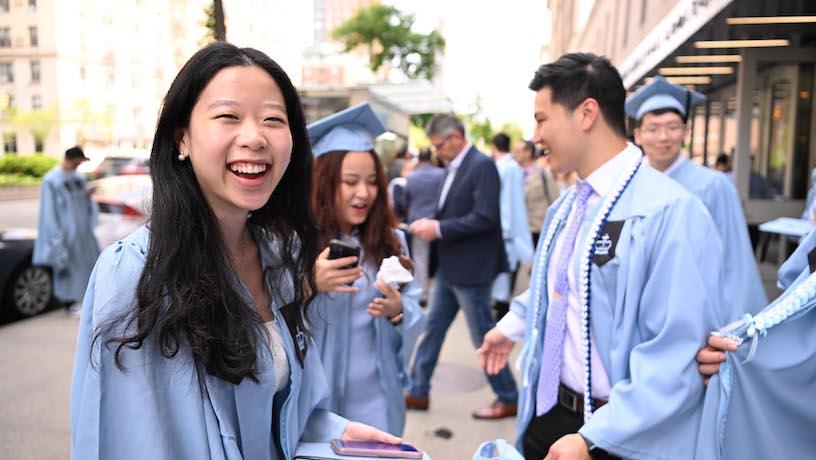
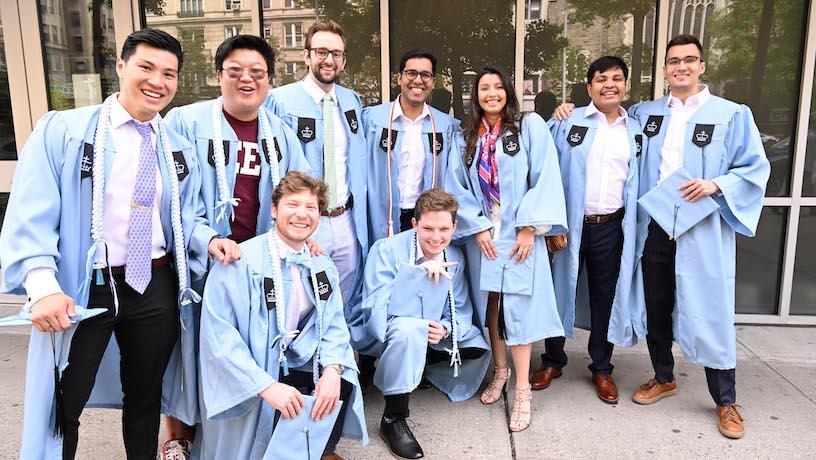
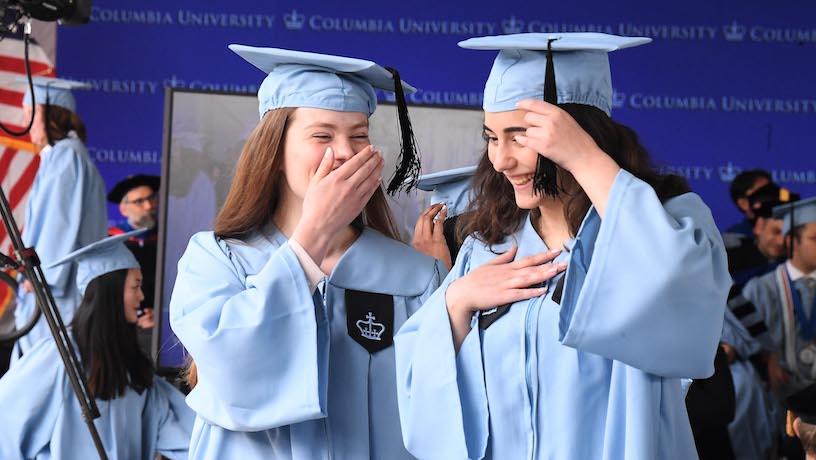
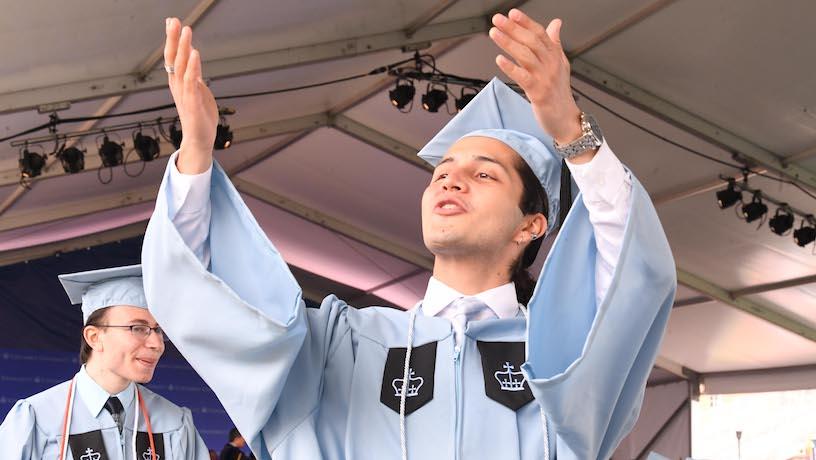
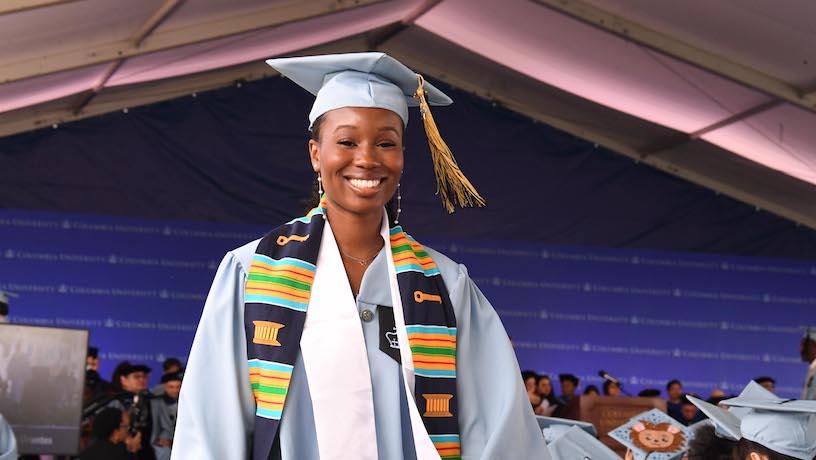
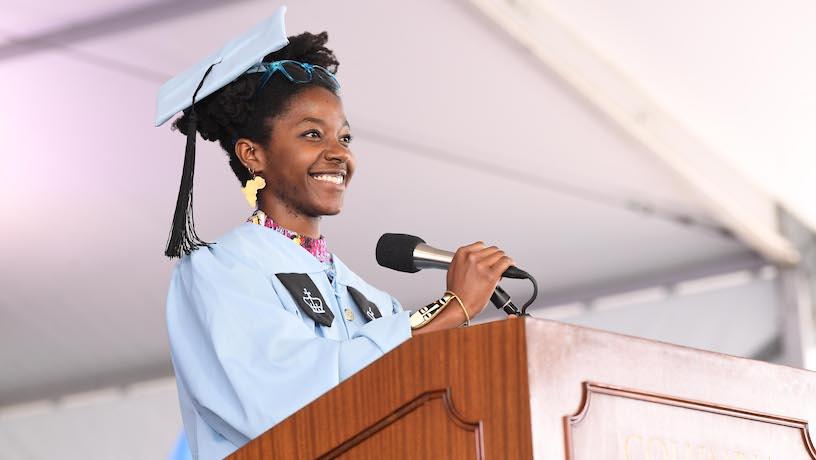
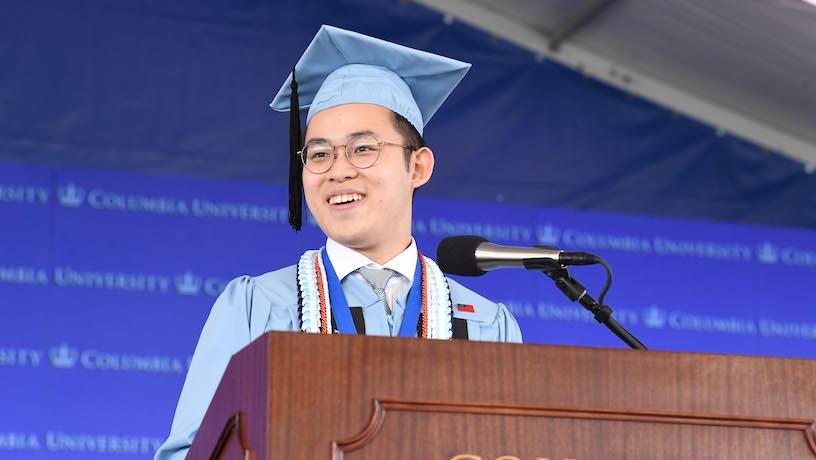
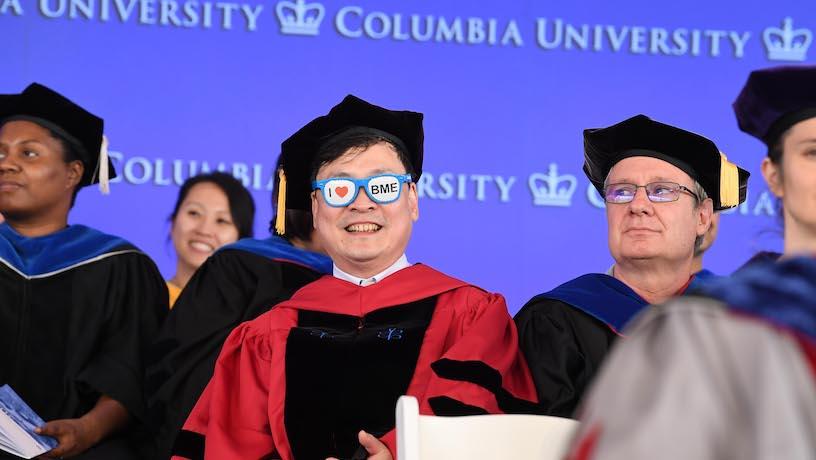
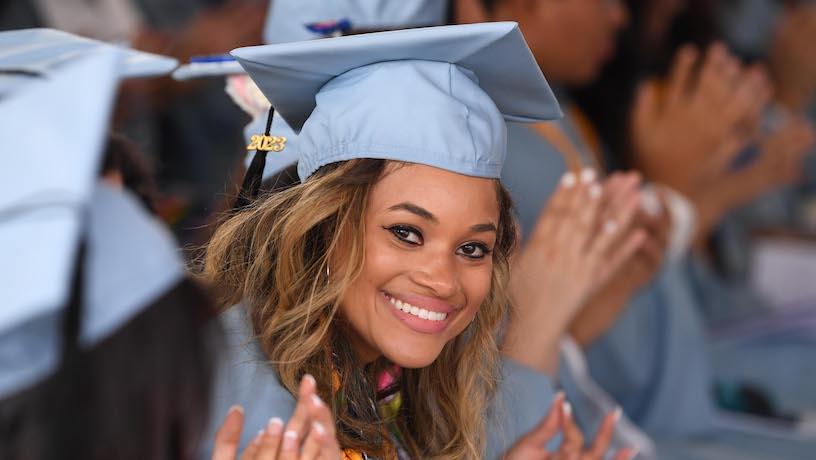
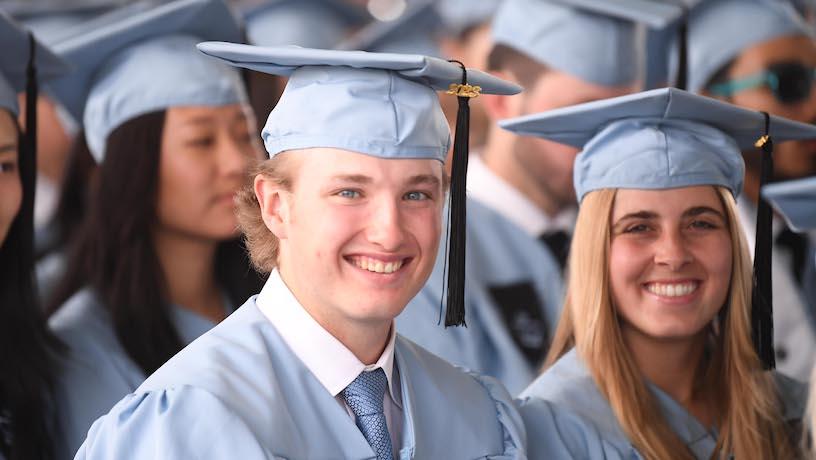
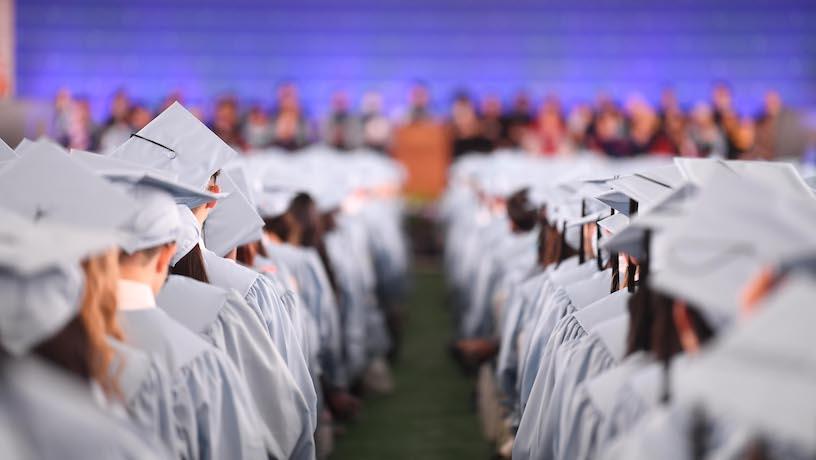
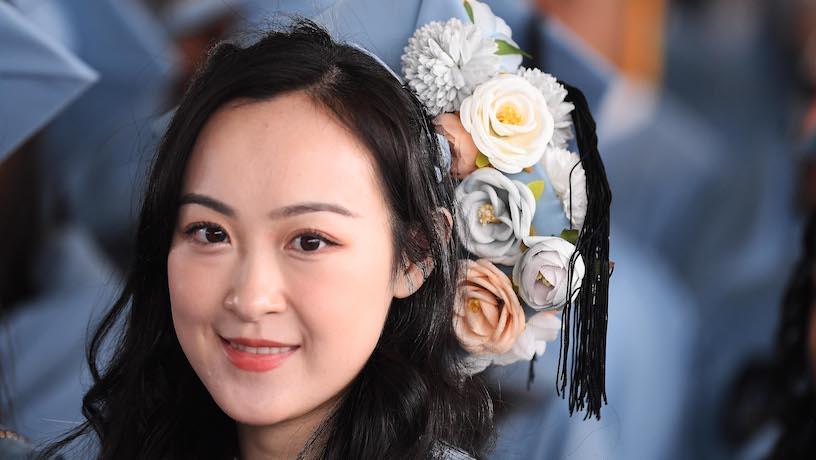
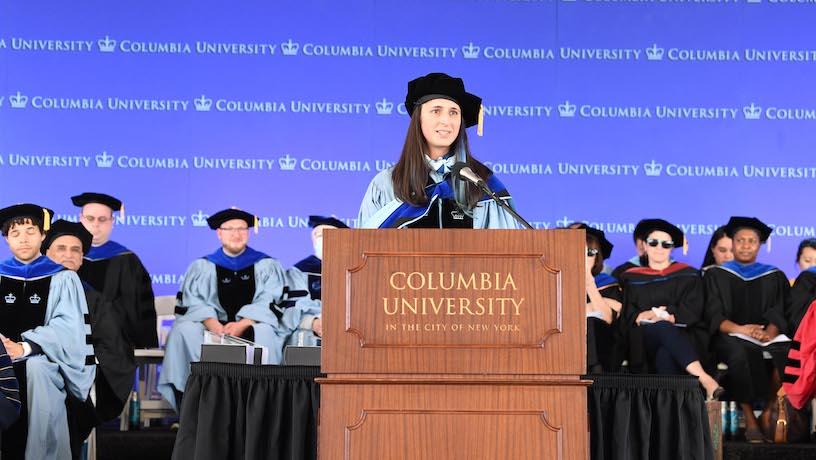
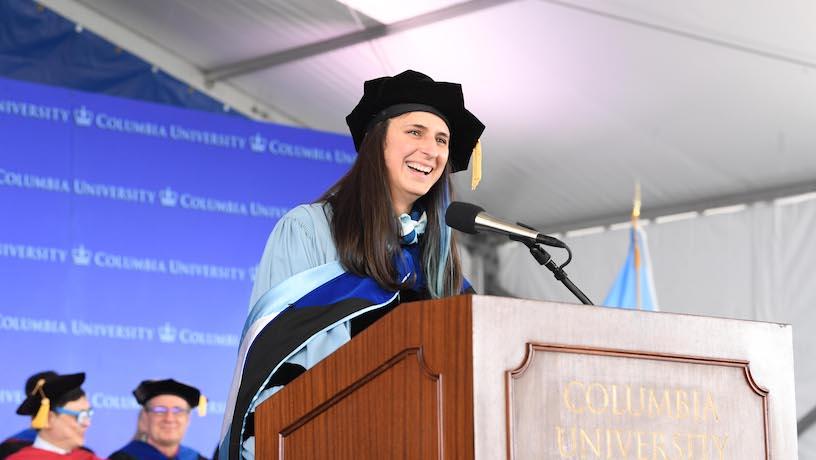
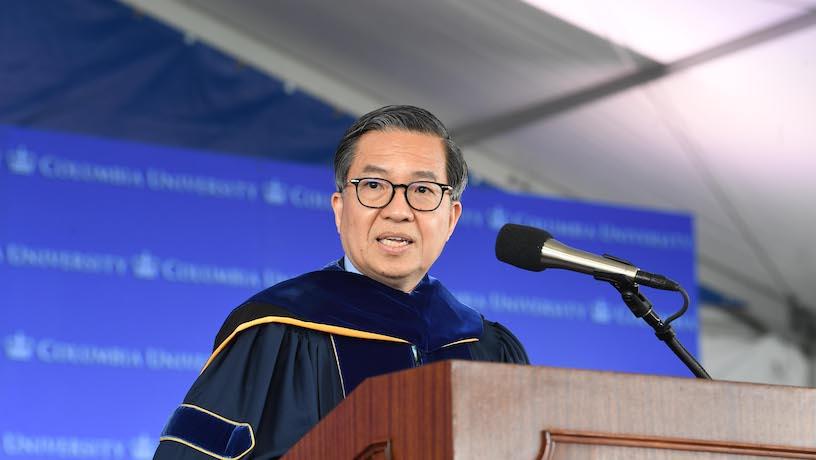
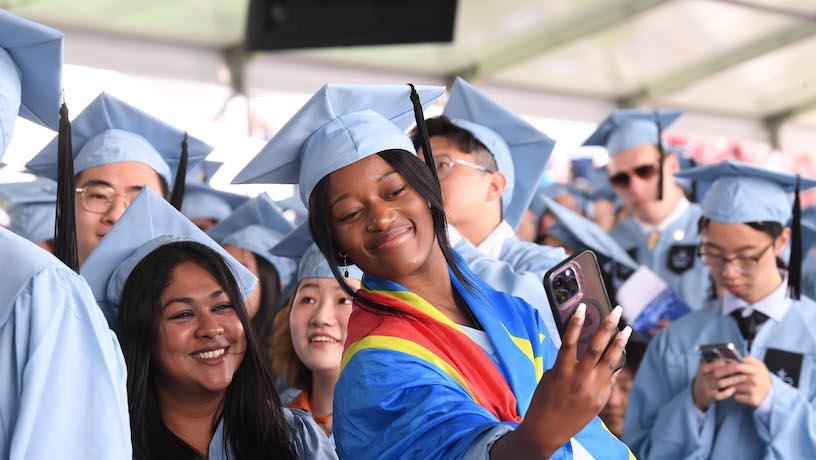
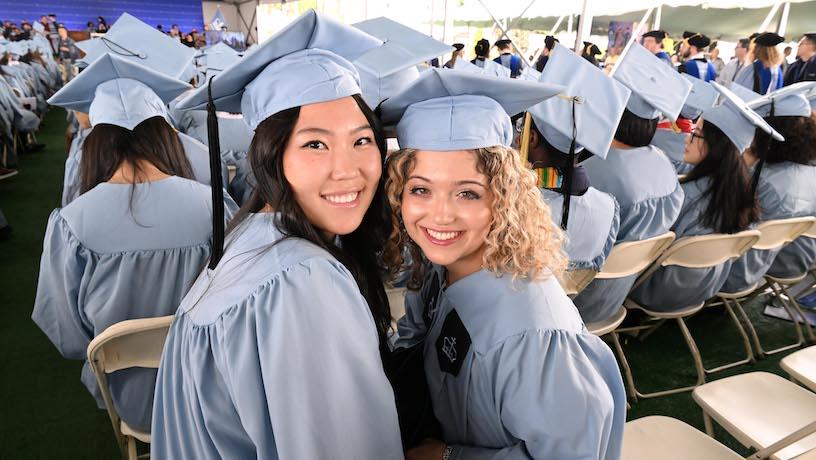
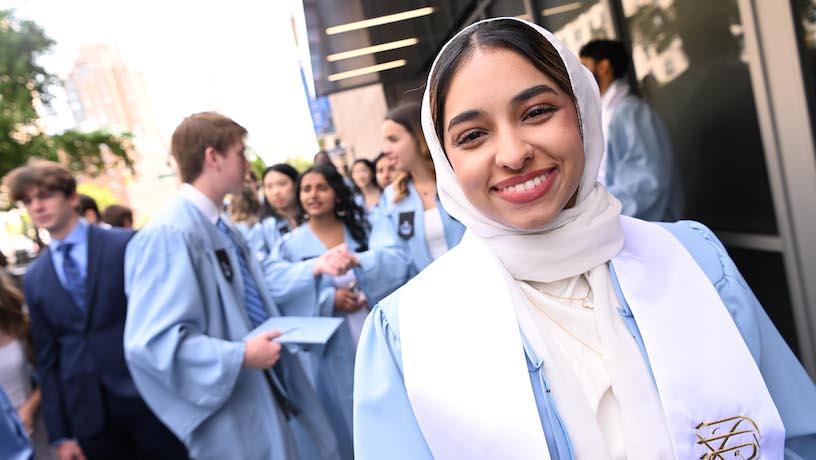
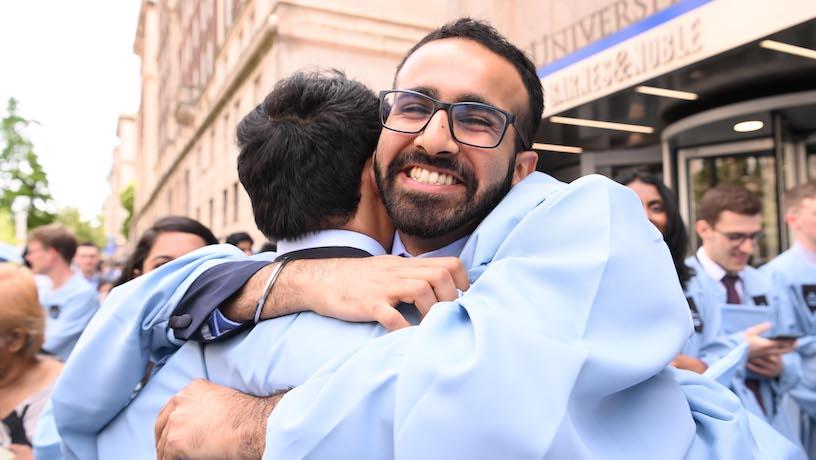
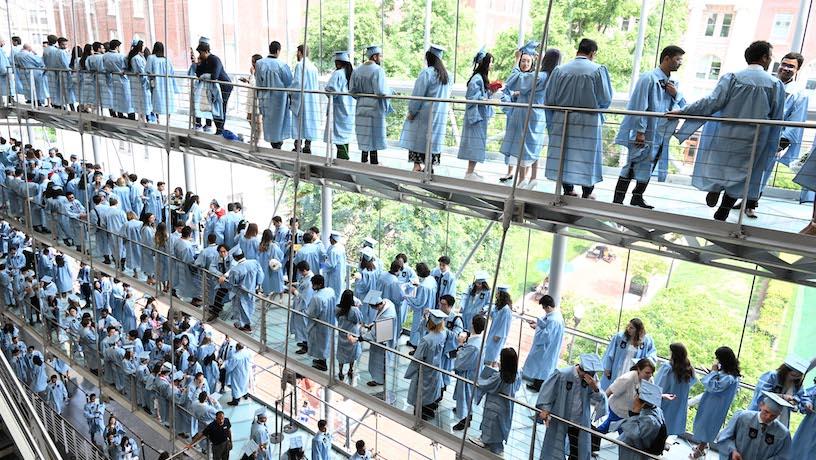
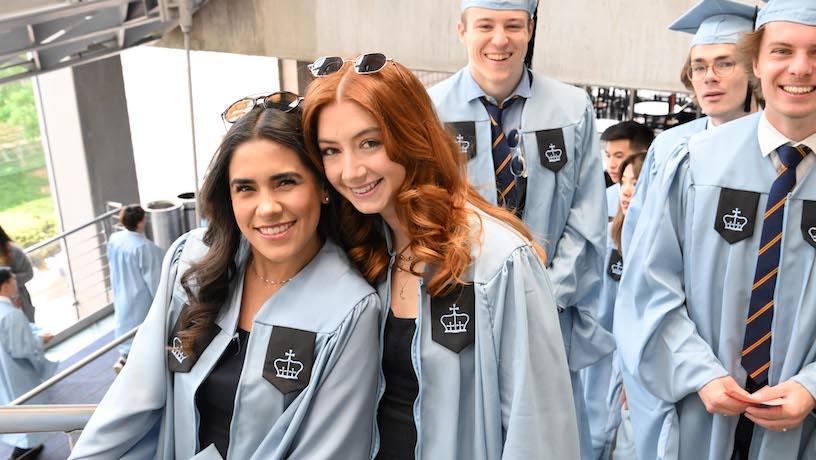
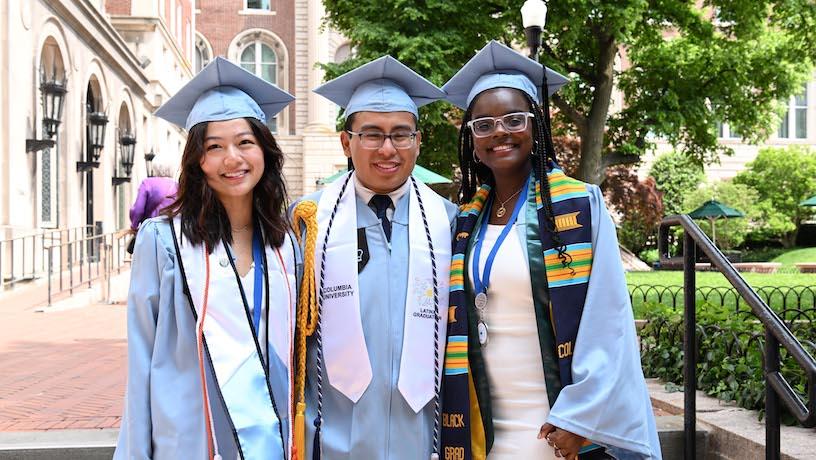
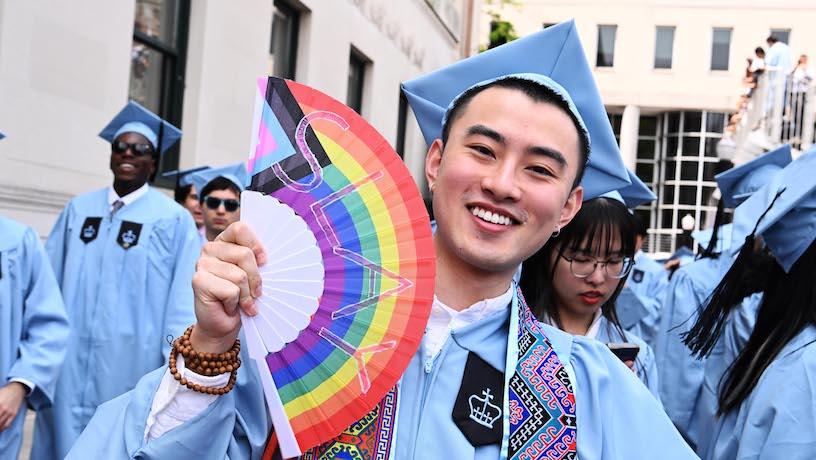
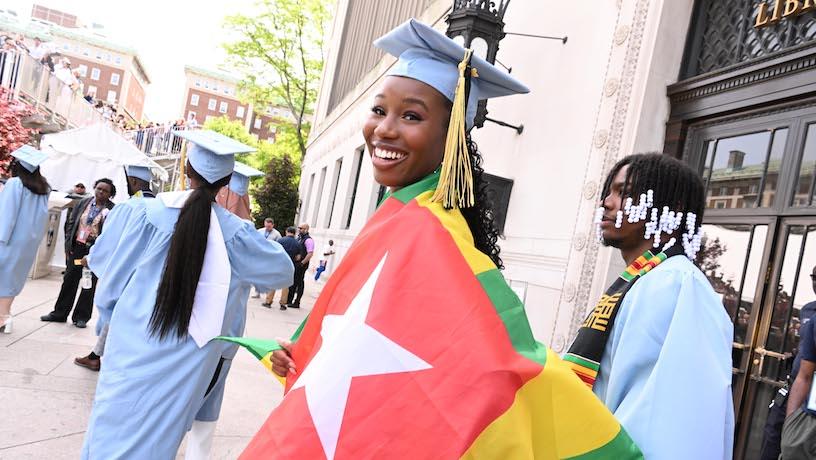
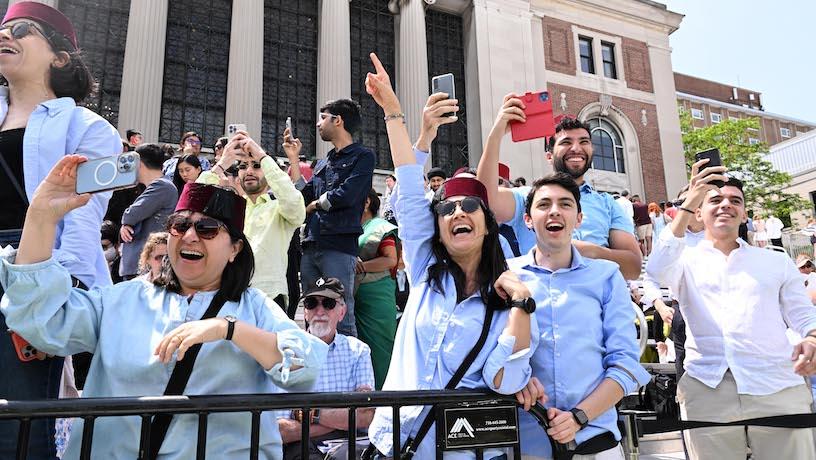
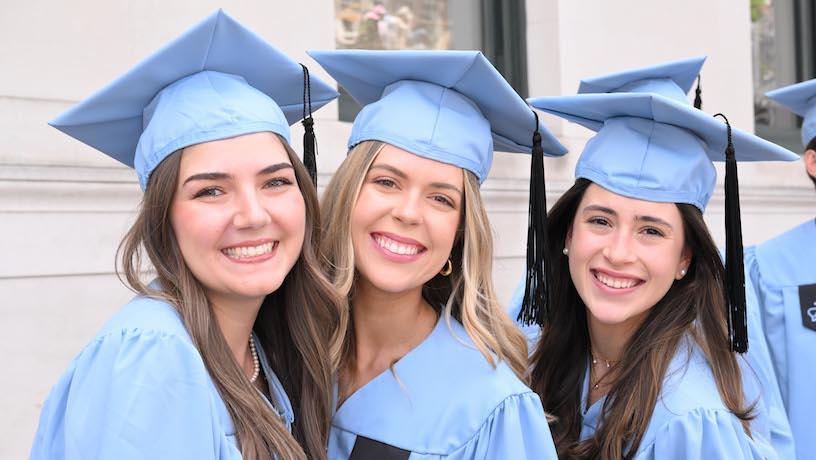
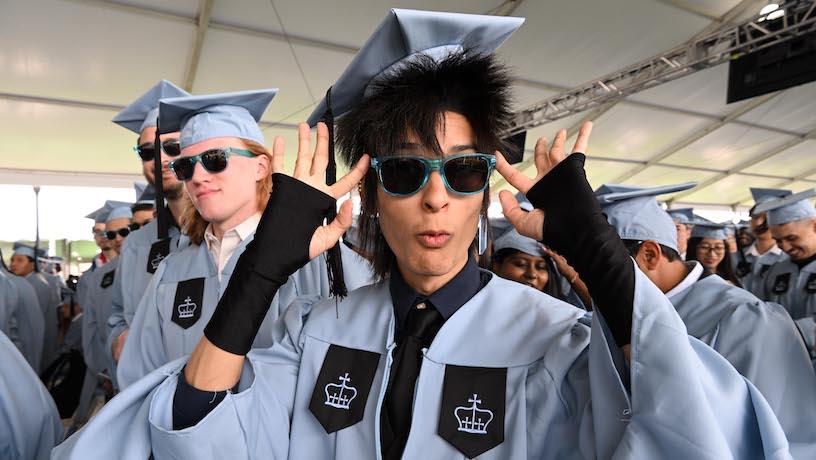
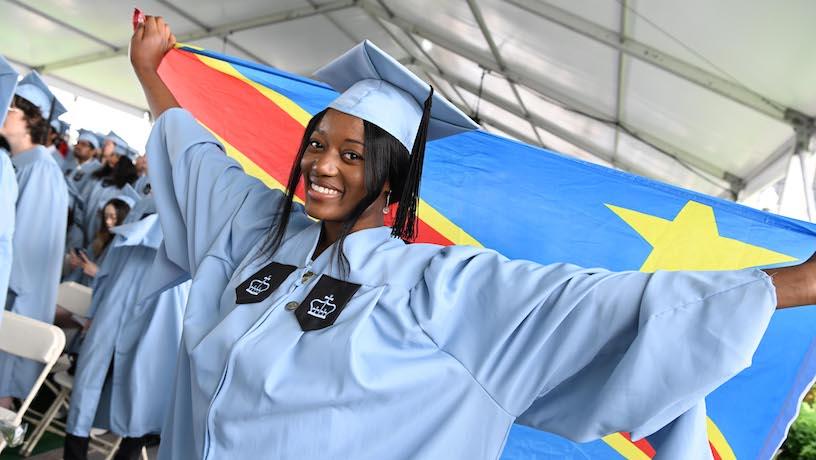
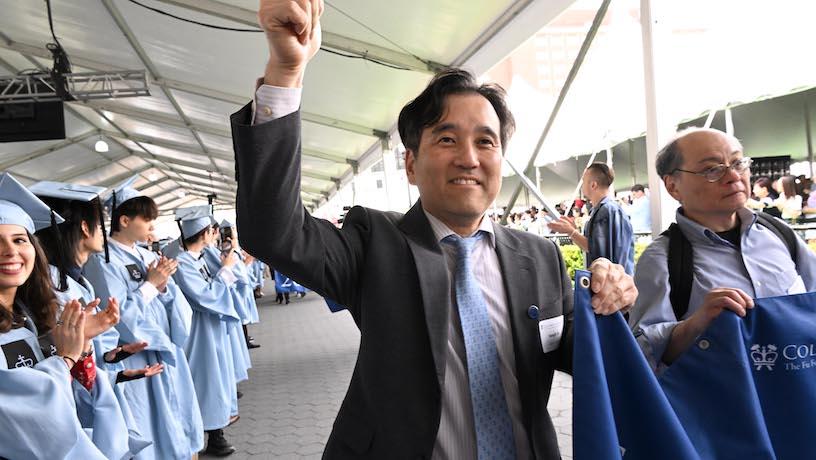
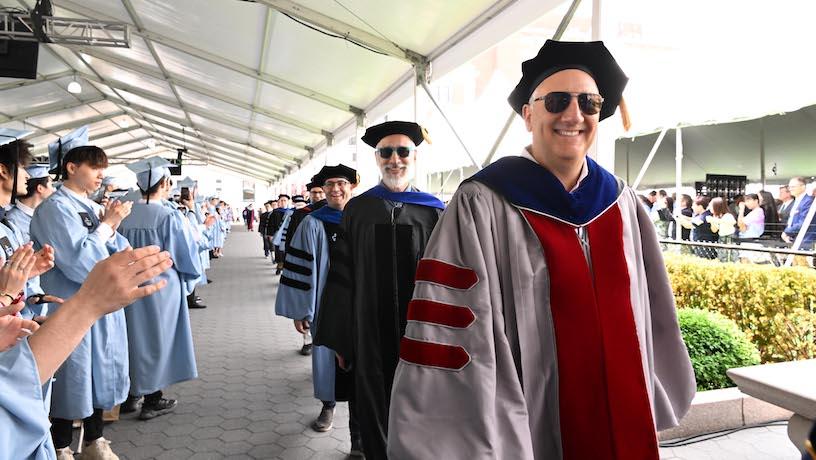
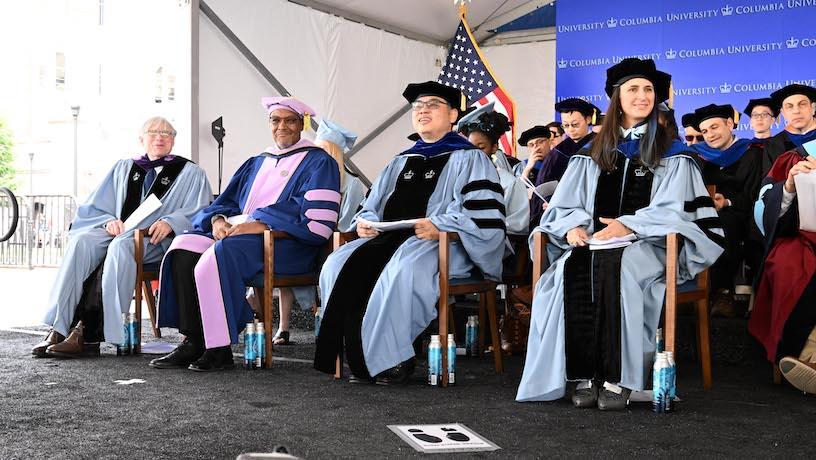
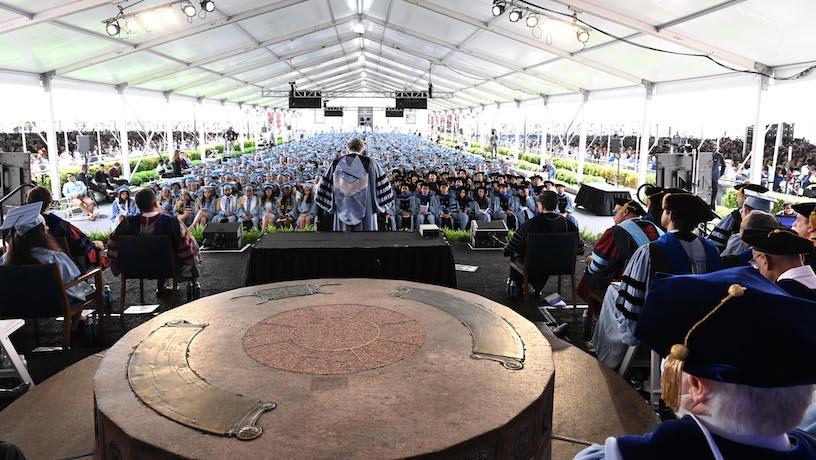
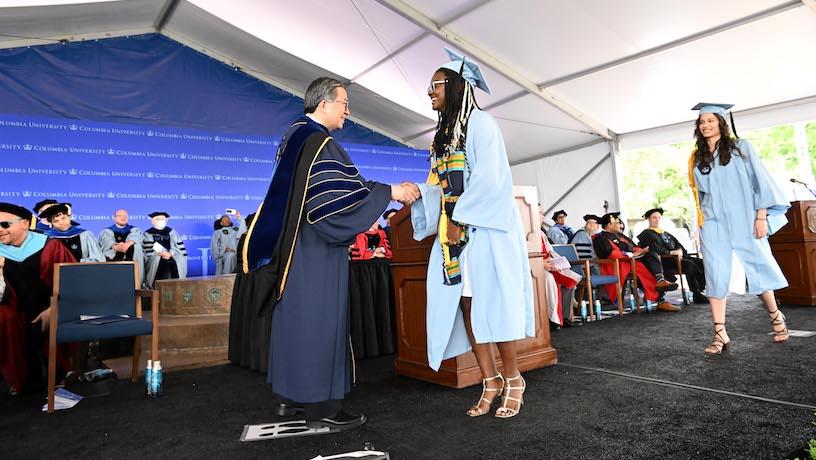
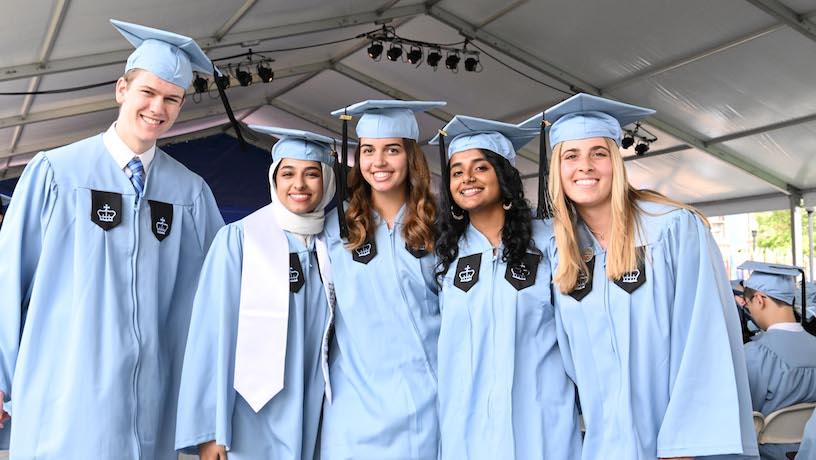
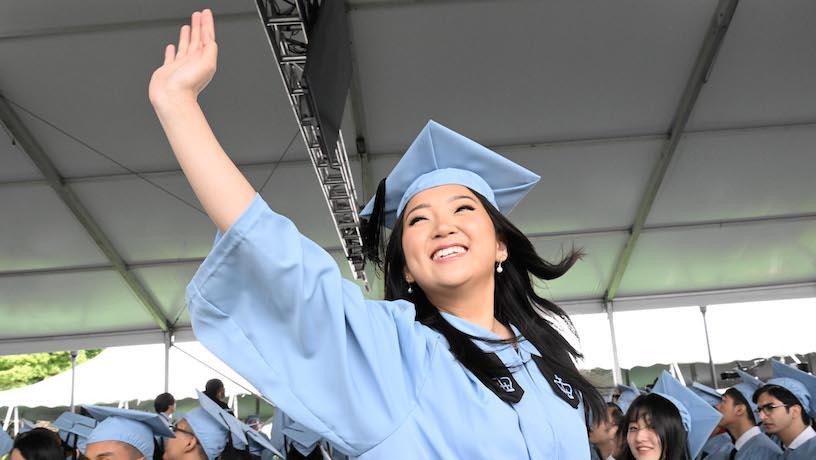
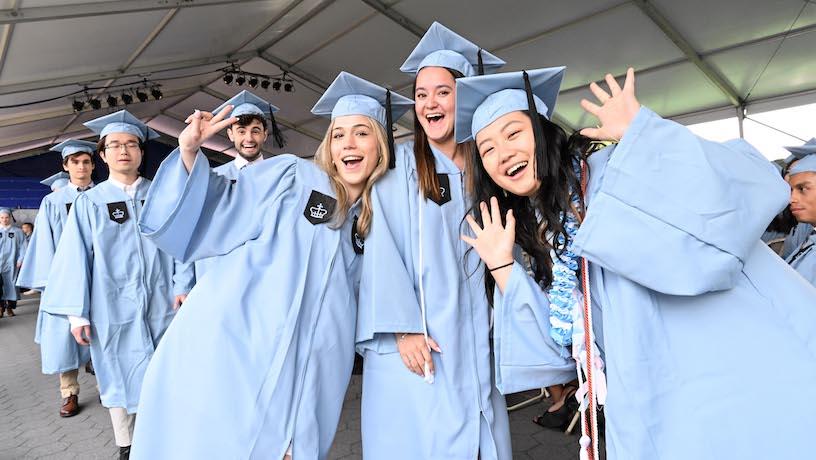
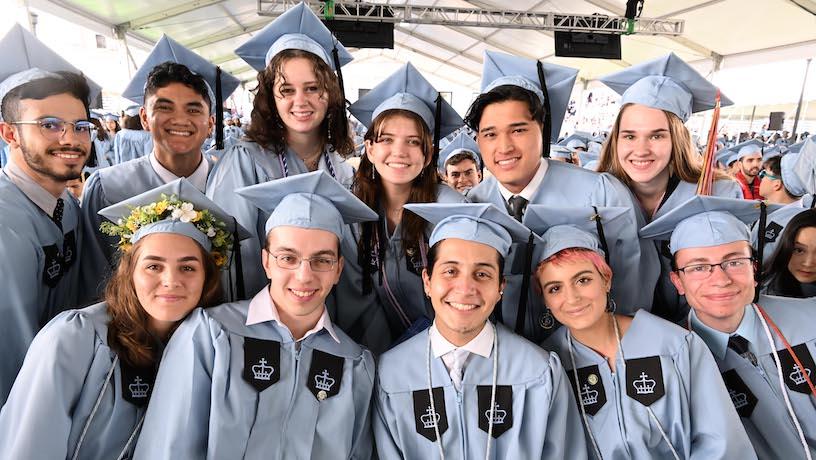
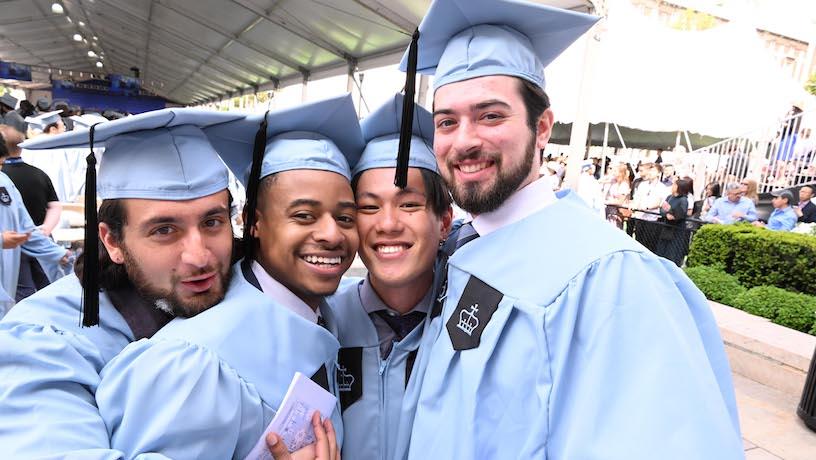
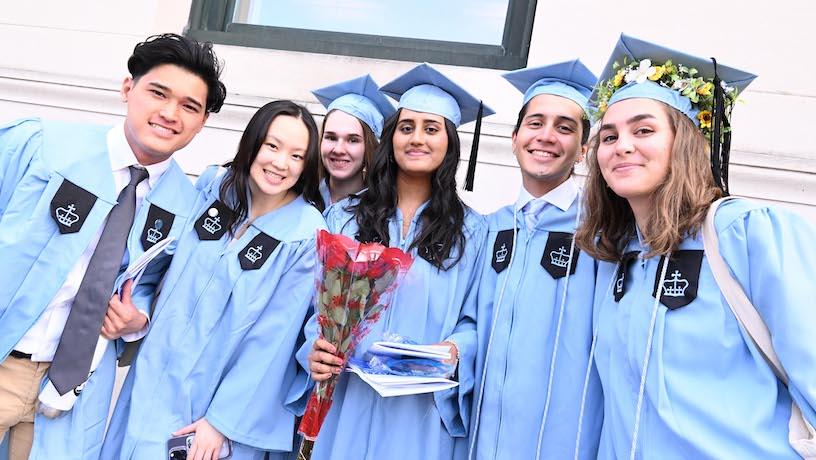
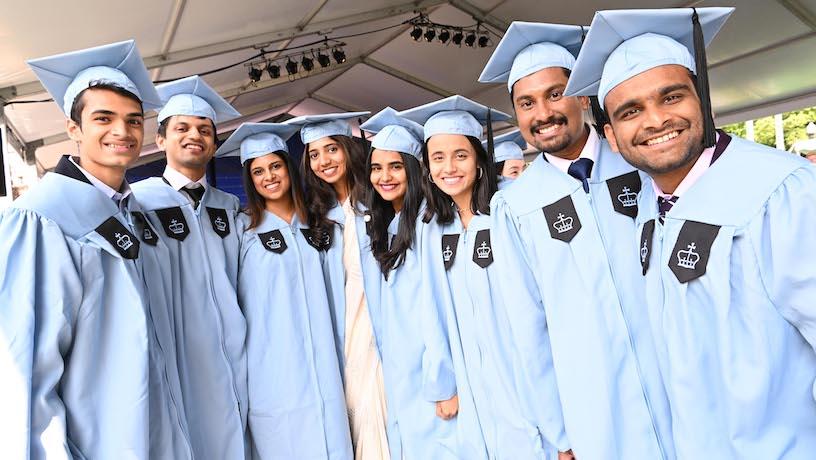
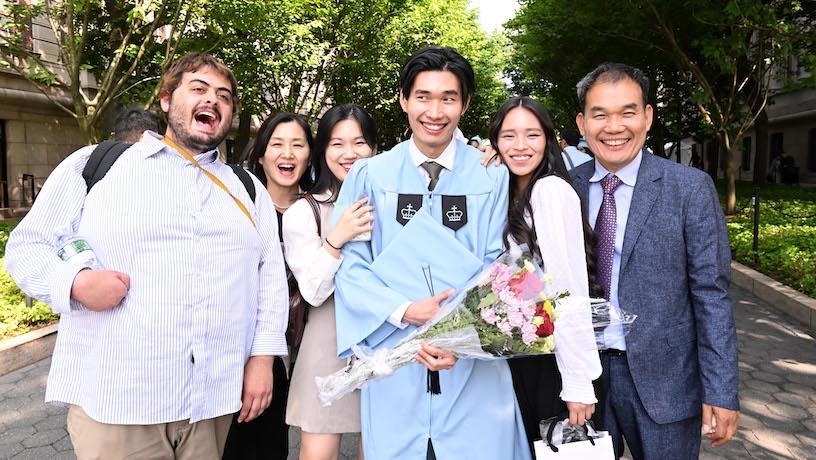
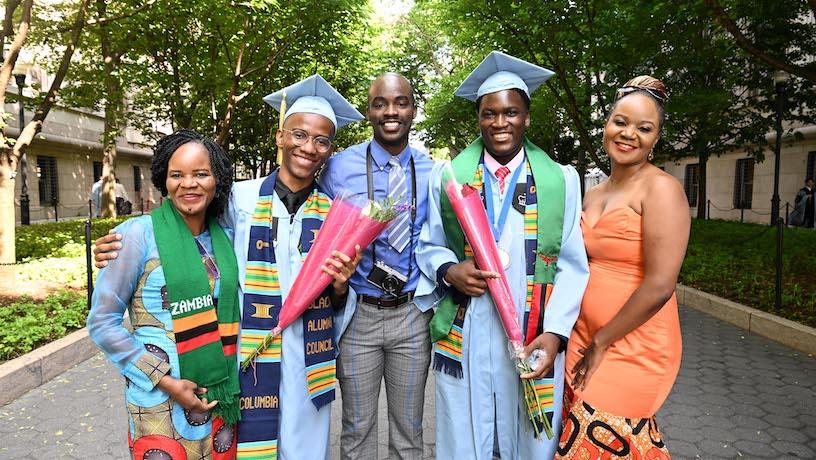
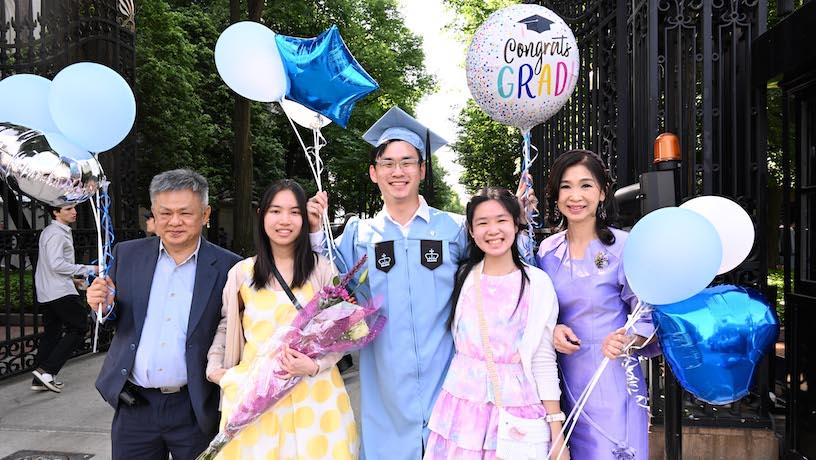
Highlights from the ceremonies
Credit: Eileen Barroso
Meet the Class Day Speaker
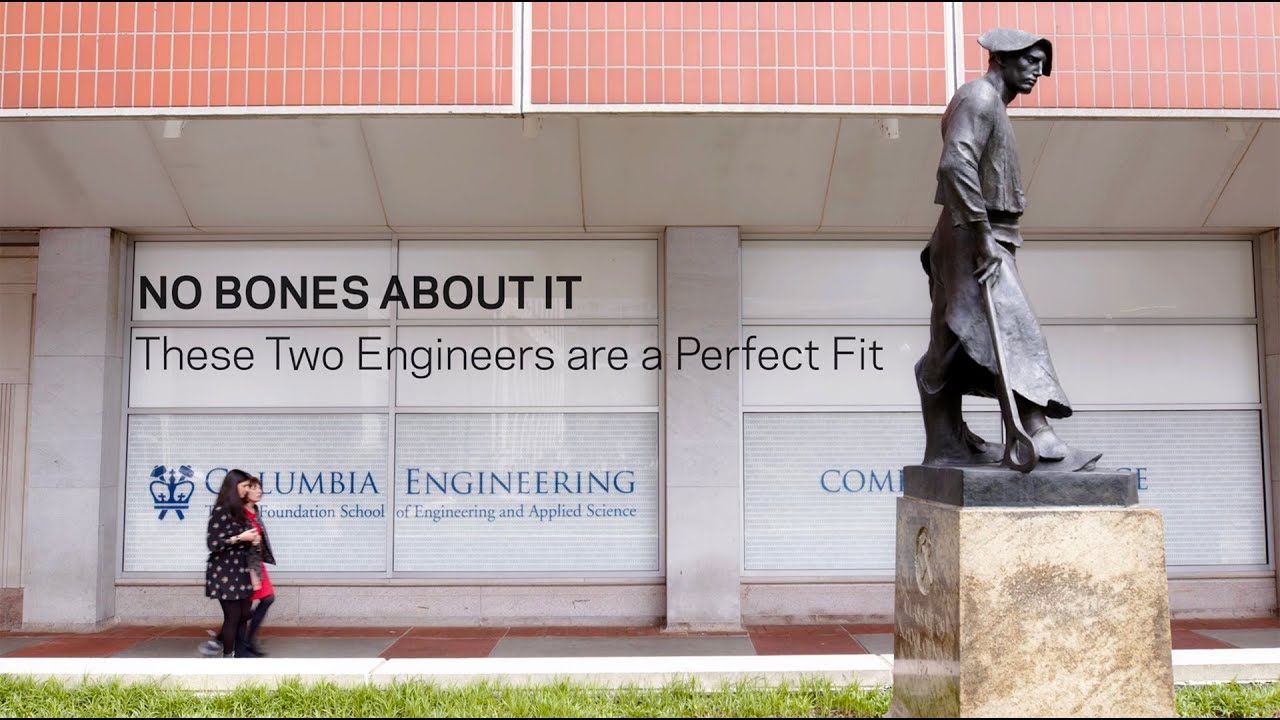
Class Day speaker and EpiBone CEO Nina Tandon PhD’09 returns to the Engineering School to catch up with mentor and University Professor Gordana Vunjak-Novakovic. Find out how their longtime collaboration has evolved through the years and how their work on EpiBone is advancing personalized medicine. Credit: Jane Nisselson and Beatrice V. Mhando
STUDENT AWARD WINNERS
Zvi Galil Award for Improvement in Engineering Student Life
Columbia Organization of Rising Entrepreneurs (CORE)
Bernard Jaffe Prize
Yunus Kovankaya
School of Engineering and Applied Science Scholar Athlete Award
Elisa Luo
Campbell Award
Alexander Moreno
School of Engineering and Applied Science Student Activities Award
Katherine O'Reilly
Thomas "Pop" Harrington Medal
Athena Pagon
George Vincent Wendell Memorial Award
Elias Tzoc-Pacheco
Robert D. Lilley Award for Socially Responsible Engineering
Engineers Without Borders: Yuba County
Morton B. Friedman Memorial Prize for Excellence
Yash Vijay Amonkar, PhD
Graduate Student Life Leadership Awards
Mark Barbet, PhD
Albert Fernandez Veiga, MS
Graduate Speaker
Camille-Louise Kouba Mbayo, MS
Valedictorian and Illig Medal Winner
Ethan Wu
Salutatorian
Julia Zhao
FACULTY AWARD WINNERS
CEAA Distinguished Faculty Teaching Award
Lydia Chilton, Assistant Professor of Computer Science
Xunyu Zhou, Liu Family Professor of Financial Engineering
Edward and Carole Kim Award for Faculty Involvement
Hardeep Johar, Senior Lecturer in Industrial Engineering and Operations Research
Janette and Armen Avanessians Diversity Award
Brian Smith, Assistant Professor of Computer Science
Presidential Teaching Award Winner
Yi Zhang, Associate in the Discipline of Industrial Engineering and Operations Research
ALUMNI AWARD WINNER
Columbia Alumni Medalist
Alexander A. Ned BS’87, MS’90
Learn more about Lorenzo Polvani and his research
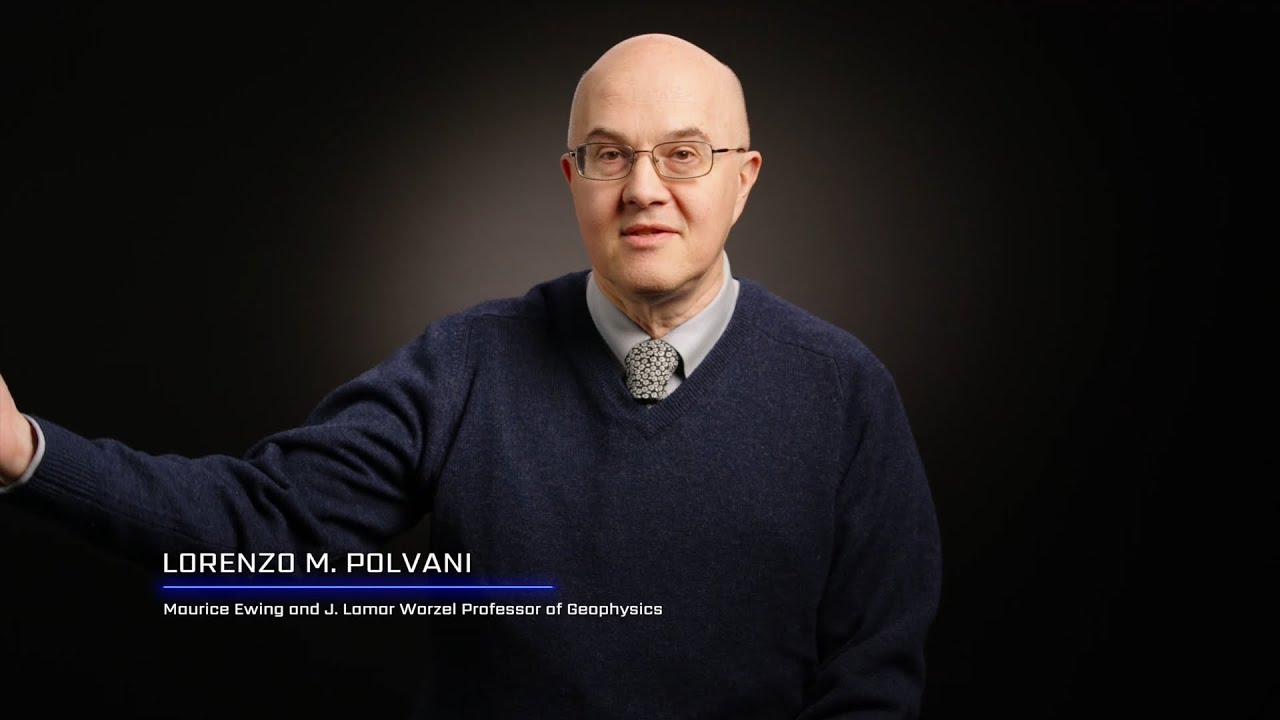
Lorenzo Polvani is the Maurice Ewing and J. Lamar Worzel Professor of Geophysics in the Department of Applied Physics and Applied Mathematics at Columbia Engineering. He is particularly interested in quantifying and distinguishing the effects of anthropogenic forcings from natural climate variability.
ABOUT THE STUDY
JOURNAL: PNAS
TITLE: "The Montreal Protocol is delaying the occurrence of the first ice-free Arctic summer"
AUTHORS: Mark R. England (1) and Lorenzo M. Polvani (2)
- Department of Earth and Planetary Sciences, UC Santa Cruz; now at the University of Exeter
- Department of Applied Physics and Applied Mathematics, and Lamont Doherty Earth Observatory, Columbia University
FUNDING: This research was funded by a grant from the US National Science Foundation to Columbia University. The authors declare no financial or other conflicts of interest.
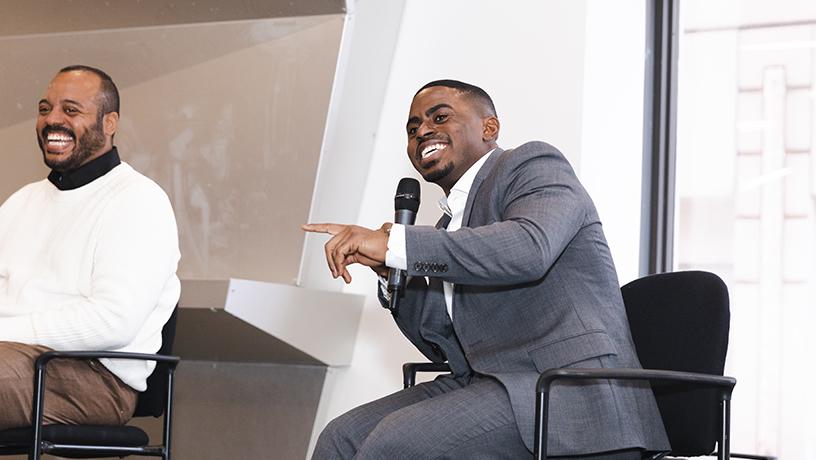
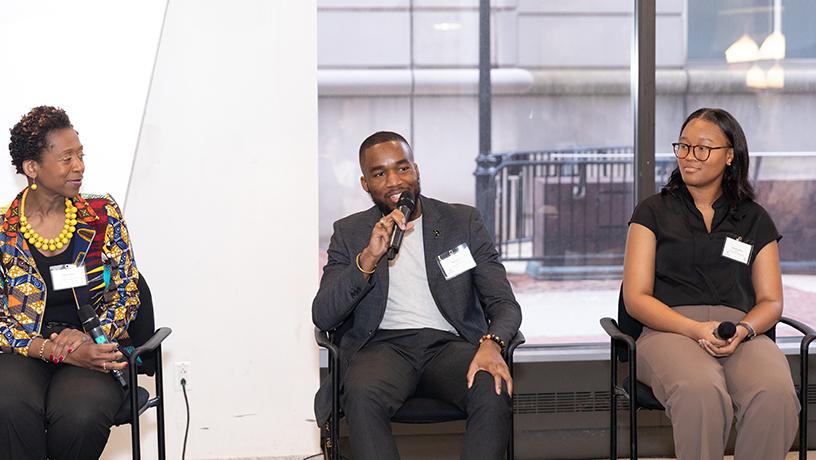
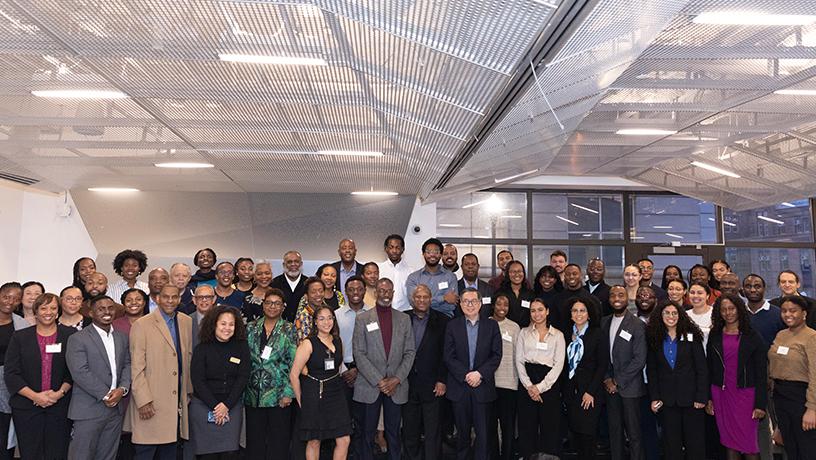
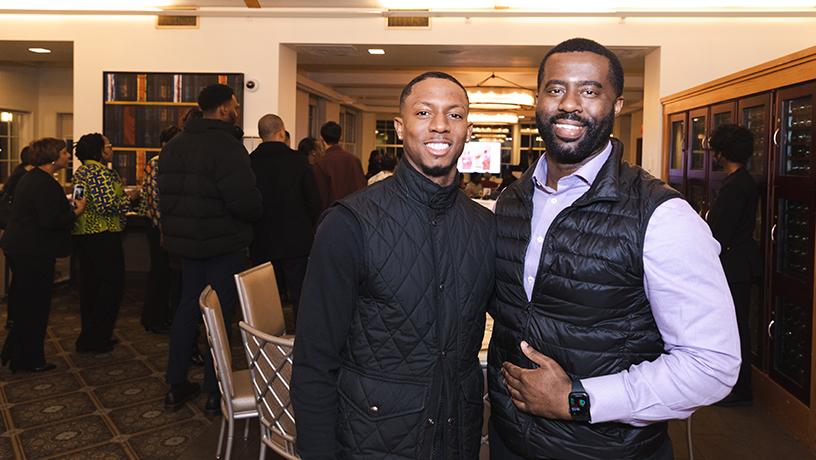
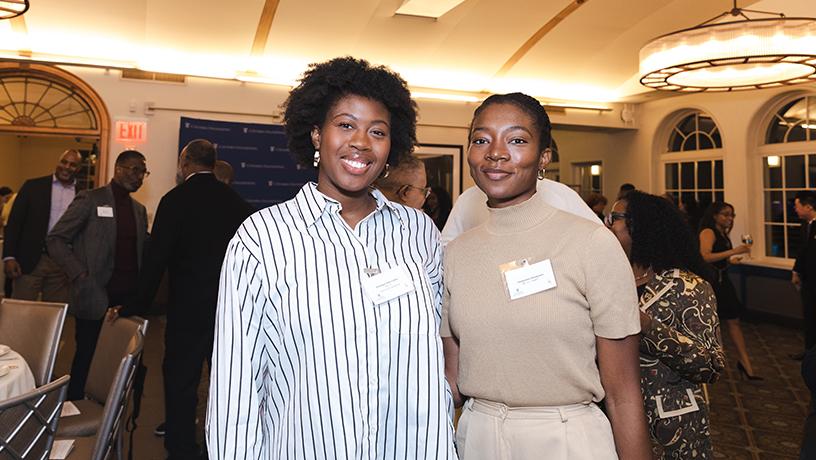
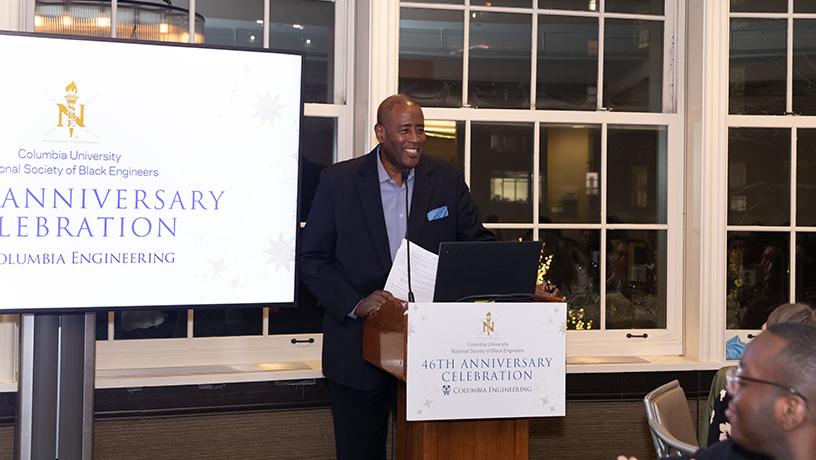
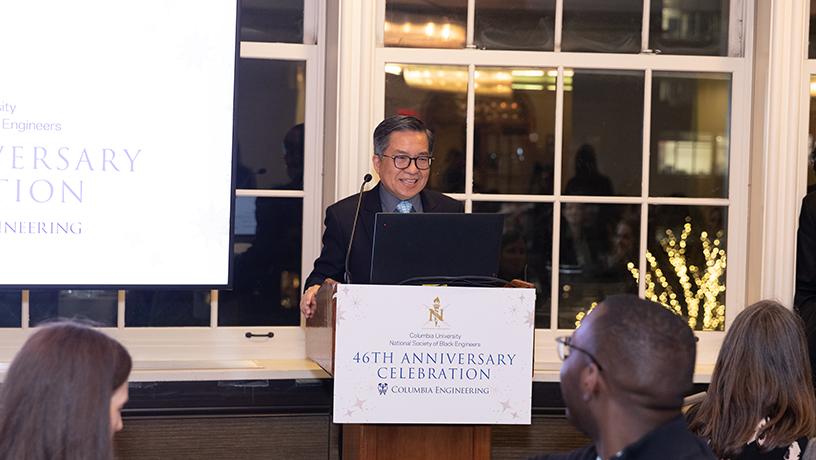
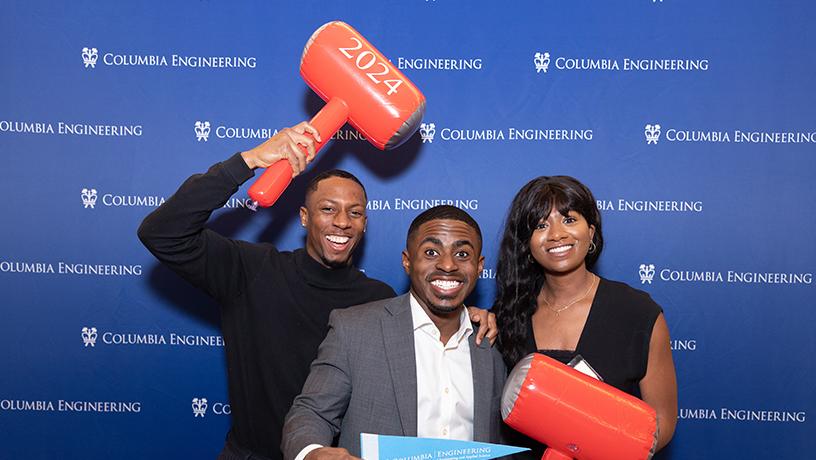
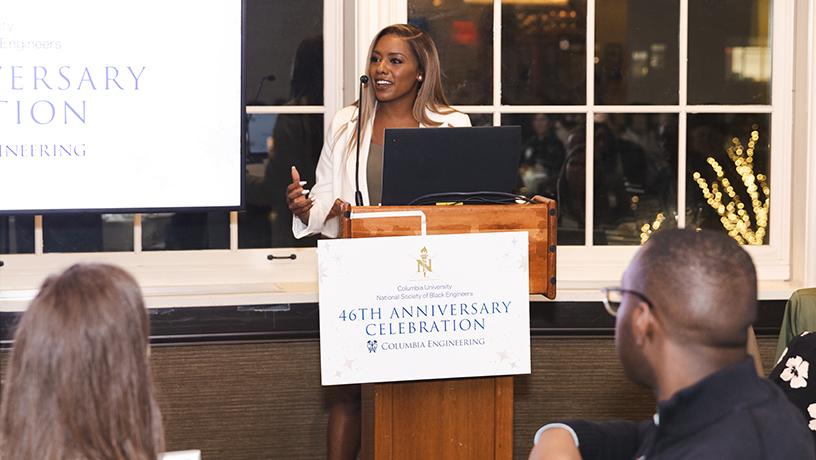
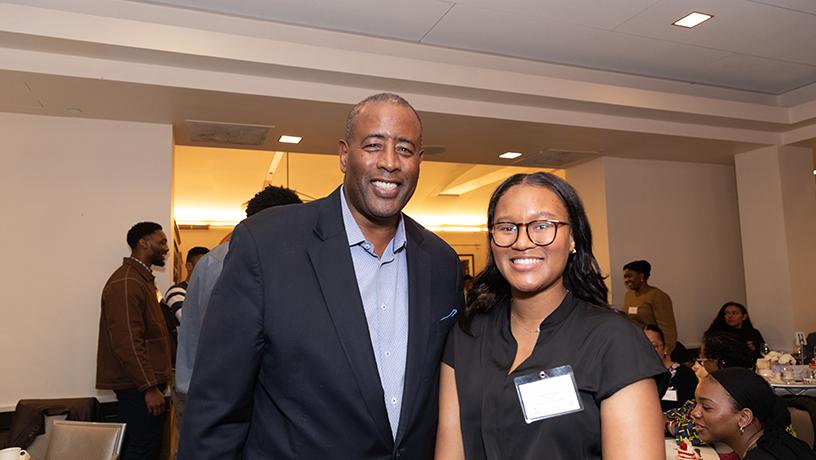
NSBE Celebration
Photo highlights from the event
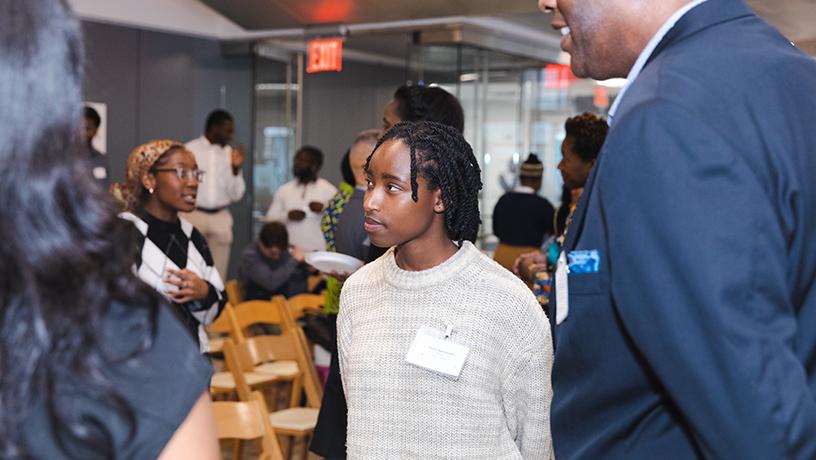
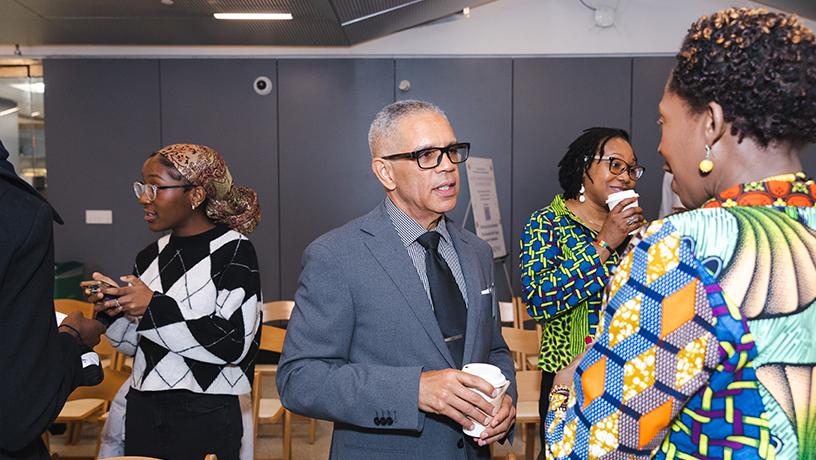
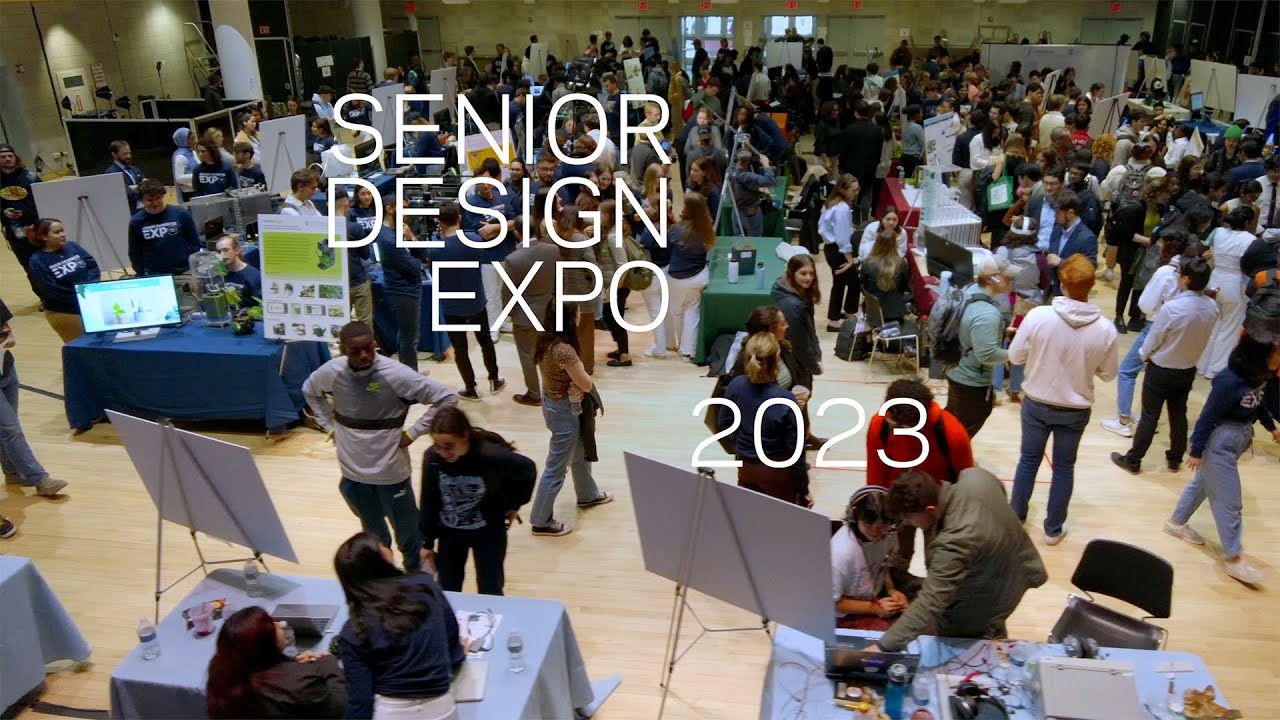
Columbia Engineering’s Class of 2023 showcased their inventive solutions to challenging problems at the 8th annual Senior Design Expo. Projects varied from an approach that aims to reinvent IV (intravenous) administration for NICU patients to a novel capture system to remove space debris. More than 50 teams spanning eight departments presented their innovations and research at a packed showcase held May 4 at Roone Arledge Auditorium to a crowd of peers, professors, alumni, and STEM enthusiasts.
The biomedical engineering team behind NuJet (Anjali Nair, Isa Nuñez, Athena Pagon, Vish Rao, Elías Tzoc-Pacheo), attempted to solve the need for a cost-effective vaccine delivery to make vaccines more accessible, sustainable, and sanitary.
“Syringes and needles are the most common form of vaccine delivery, despite many of the components being single-use,” said Pagon.
On top of this, there are strict storage, transportation and disposal requirements, leading to a high-cost model that is typically only accessible in high resource centers. Their solution, a low-cost needle-less injector, generates a pressurized fluid stream that delivers the vaccine right below the skin while reducing cross-contamination, waste, and cost.
Inspired by individuals who suffer from overstimulation and anxiety, the electrical engineering students behind Musical Meditation (Tess Fallon, Alexandr Petuhov, Leonardo Arvan, Madeline Denis) developed a pair of headphones that reads the user's heart rate, while playing calming music that adjusts itself in an attempt to slow down the person’s heartbeat.
Some designs focused on improving existing solutions. AMPF, also known as the Automated Pothole Filler (Jose Chanchavac, Phillipe Dumeny, Javier Lopez, Jerry Qu, Justin Tucker) aimed to simplify the process of filling potholes, which typically requires work from a large team of workers, typically five to 10 people at a time. “Our solution greatly reduces the number of people needed to about one to two workers,” said Javier Lopez, who recently received a degree in mechanical engineering. While AMPF focused on earthly solutions, DEMI (Miles Huntley-Fenner, Christina Wrightm Yidi Reiss, Leon Aharonian, Nicolas Aldana) focused on safely securing space debris, also known as space junk, which poses a serious threat to the welfare and sustainability of orbital activities. Their two-stage capture system encloses the debris and seals it in a storage chamber, which is something that other solutions lack.
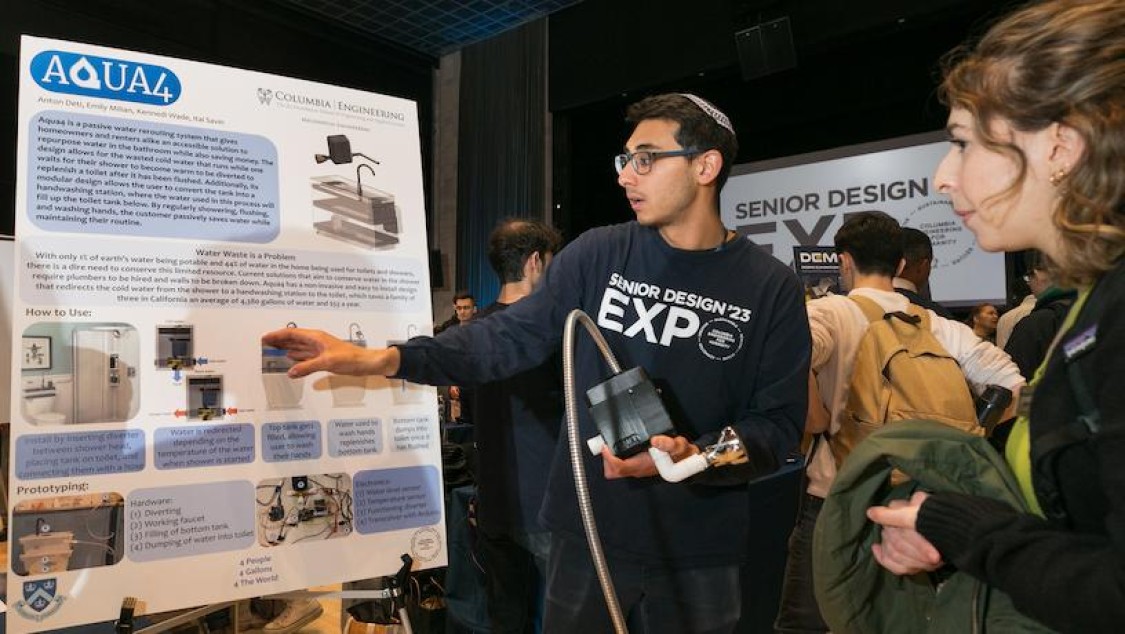
Sustainability was a common theme among many projects, with the expectation of improving systems that currently affect the environment. AQUA4 (Anton Deti, Emily Milian, Itai Savin, Kennedi Wade) developed a water rerouting system that repurposes water used in the bathroom. Students from the Department of Earth and Environmental Engineering researched how best to treat contaminated soil in New York City, with hopes to rid the soil of harmful metals such as lead and arsenic (Mantjita Camara, Emily Lord, Dane Miller).
Many civil engineering models were built this year with sustainability in mind, from re-designing Dam systems to better serve the flora and fauna of the surrounding area (Ruben Bazalar, Caroline Cailloux, Kevin Cardenas, Yunus Kovankaya, Zhihao Liu, Ariana Novo) to cost-effective Brooklyn housing made entirely of recycled shipping containers (Charlie Henry Renner, Abraham Oh, Katherine Koziol, Amin Mojarad, Isabella Citera, Tes S DeJaeger).
Other visionary projects aimed to improve skills, through games and physical exercise. With focus on creativity, the students behind ZyloZinger (Sienna Brent, Alex Yu, Haris Zia) created an interactive xylophone game that challenges hand-eye coordination. In an effort to improve athletic training, Deadliftr (Yelaman Sain, Kyrie Lorfing, Matt Klenk, Sam Wustefeld, Will Hamilton) aimed to develop a device to help weightlifters on their deadlift training, creating a wireless device that gives athletes real-time feedback on their form.
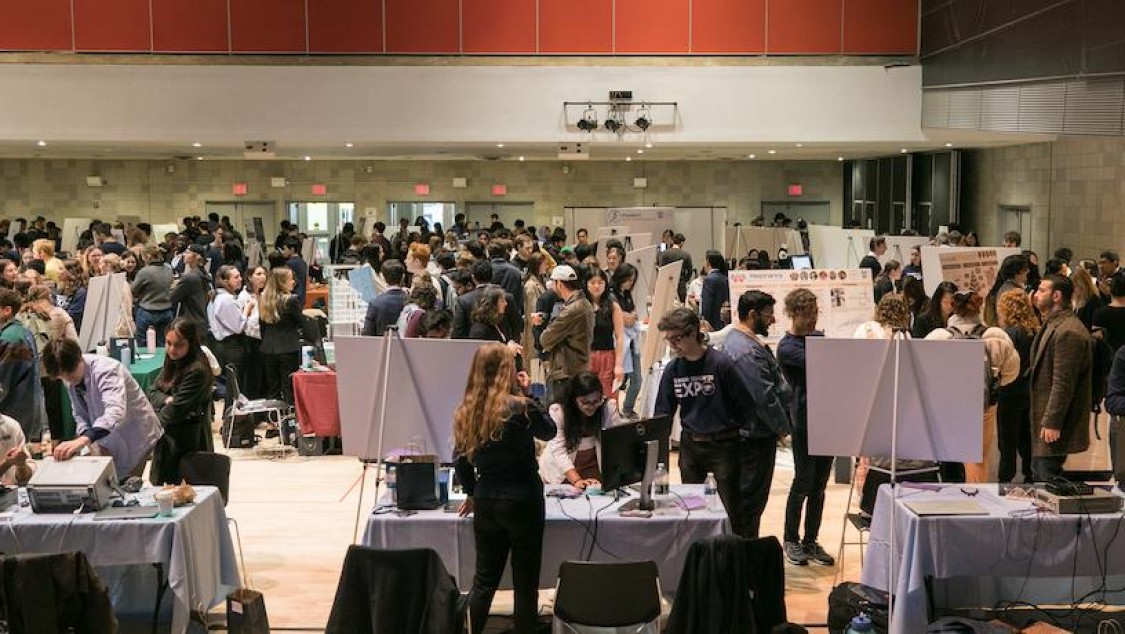
“I feel inspired and energized by all of the inventive projects on display here today and I know the rest of you feel the same,” said Dean Shih-Fu Chang in his address preceding the event. “It truly shows how creative our field of engineering and applied science is and our commitment to being engineers for humanity.”
ABOUT THE STUDY
JOURNAL: Nature Communications
TITLE: “Photooxidation Driven Formation of Fe-Au Linked Ferrocene-Based Single-Molecule Junctions”
AUTHORS: Woojung Lee (1), Liang Li (1), Maria Camarasa-Gomez (2), Daniel Hernangomez-Perez (2) , Xavier Roy (1), Ferdinand Evers (2*) Michael S. Inkpen (3*), Latha Venkataraman (1,4*)
- Department of Chemistry, Columbia University
- Institute of Theoretical Physics, University of Regensburg, Germany
- Department of Chemistry, University of Southern California, Los Angeles
- Department of Applied Physics and Applied Mathematics, Columbia Engineering
FUNDING: This work was supported in part by the National Science Foundation MRSEC grant on Precision-Assembled Quantum Materials (DMR-2011738) and the National Science Foundation under grant DMR-2241180. M.S.I. was supported by a Marie Sklodowska Curie Global Fellowship (MOLCLICK: 657247) within the Horizon 2020 Programme and University of Southern California (USC) startup funds. We thank the NSF (DBI-0821671, CHE-0840366, CHE-1048807) and the NIH (S10 RR25432) for USC-based analytical instrumentation. M.C.-G., D.H.-P., and F.E. acknowledge financial support from the German Research Foundation (DFG) through Research Training Group (GRK) 1570 and Collaborative Research Center (SFB) 1277 - Project ID 314695032 (subprojects A03, B01). We thank Brandon Fowler and Nils Rotthowe for help with Mass-Spectroscopy, Giacomo Lovat for help with STM-BJ data acquisition, and Rachel Austin for discussions.
COI: The authors declare no competing financial or non-financial interests.