
January 30
The Science for Women's Health Innovation Symposium
The Science for Women's Health Innovation Symposium, hosted by Columbia Engineering and the Vagelos College of Physicians and Surgeons, brings together leaders from industry, medicine, engineering, patient advocacy, and education to break down silos and create the R&D engine women's health has been missing.
This full-day symposium focuses on advancing diagnostic and therapeutic solutions for gynecologic, pregnancy, labor, and pelvic floor health. Featuring keynote addresses, expert panels, and a student poster session, the day will establish pathways for the research and innovation infrastructure the field needs.
Agenda
-
View the Symposium Agenda
8:30 AM | Registration and Coffee
9:05 AM | Opening Remarks
George Deodatis (Vice Dean for Research of Columbia Engineering, Columbia University)
Christine Hendon (Assoc. Prof. of Electrical Engineering, Columbia University)
Kristin Myers (Prof. of Mechanical Engineering, Columbia University)
9:20 AM | Keynote 1
Silvia Blemker (Prof. of Biomedical Engineering, University of Virginia)
9:50 AM | Session 1: Gynecologic Health
Moderator | Christine Hendon (Assoc. Prof. of Electrical Engineering, Columbia University)
Arnold Advincula (Chief of Gynecologic Surgery, Columbia University Medical Center), Samii Kennedy Benson (Asst. Professor of Family and Consumer Sciences, Southern University and A&M College), Noémie Elhadad (Chair and Assoc. Prof. of Biomedical Informatics, Columbia University), June Hou (Assoc. Prof. of Obstetrics and Gynecology, Columbia University Medical Center), Alexandra Rutz (Asst. Prof. of Biomedical Engineering, Washington University in St. Louis)
10:40 AM | Break
11:10 AM | Session 2: Preterm/Pregnancy Health
Moderator | Kristin Myers (Prof. of Mechanical Engineering, Columbia University)
Janet Catov (Prof. of Obstetrics, Gynecology and Reproductive Sciences, University of Pittsburgh), Karen Clark (Asst. Prof. of Nursing, Southern University and A&M College), Michael House (Prof. of Obstetrics and Gynecology, President, Tufts University School of Medicine, Cx Therapeutics), Tal Korem (Asst. Prof. of Systems Biology and Reproductive Sciences, Columbia University Medical Center), Christine O’Brien (Asst. Prof. of Biomedical Engineering, Washington University in St. Louis)
12:05 PM | Lunch
12:35 PM | Keynote 2
Steven Levine (Sen. Dir. of Virtual Human Modeling, Dassault Systèmes)
1:05 PM | Session 3: Pelvic Floor Health
Moderator | Steven Abramowitch (Prof. of Bioengineering, University of Pittsburgh)
Helai Hesham (Obstetrician and Gynecologist, Columbia University Medical Center), Katrina Knight (Asst. Prof. of Bioengineering, University of Pittsburgh), Tracy MacNeal (President and CEO, Materna Medical), Goli Ameri (Head of Research, Cosm Medical)
1:55 PM | Keynote 3
Sandra Brown (Dean of the College of Nursing and Allied Health, Southern University and A&M College)
2:25 PM | Break
2:55 PM | Session 4: Commercialization and Regulatory Path
Moderator | Philip Bayly (Prof. of Bioengineering, Washington University in St. Louis)
Summer Jasinski (Senior Research Scientist, Women’s Health, WHOOP), Danika Kelly (CEO and Co-Founder of My Normative), Steven Levine (Sen. Dir. of Virtual Human Modeling, Dassault Systèmes), Tracy MacNeal (President and CEO, Materna Medical), Sam Sia (Prof. of Biomedical Engineering, Columbia Engineering), Ridhi Tariyal (CEO, NextGen Jane)
3:40 PM | Session 5: Education and Workforce
Moderator | Nastassia Jones (Prof. of Science and Mathematics Education, Southern University and A&M College)
Zehra Ansari (Senior Project Manager of Life Sciences and Healthcare, NYCEDC), Ioannis (John) Kymissis (Prof. of Electrical Engineering, Columbia University), Monica Malowney (Vice President for Life Sciences and Healthcare Initiative, NYCEDC), Sara Roccabianca (Assoc. Prof. of Mechanical Engineering and Materials Science, Columbia University), Harry West (Prof. of Professional Practice in Industrial Engineering and Operations Research, Columbia)
4:25 PM | Closing Remarks
Christine Hendon (Assoc. Prof. of Electrical Engineering, Columbia University), Kristin Myers (Prof. of Mechanical Engineering, Columbia University)
4:40 PM | Reception and Poster Session
6:00 PM | Adjourn
Keynotes
-
Silvia Blemker, Professor of Biomedical Engineering, University of Virginia
Image
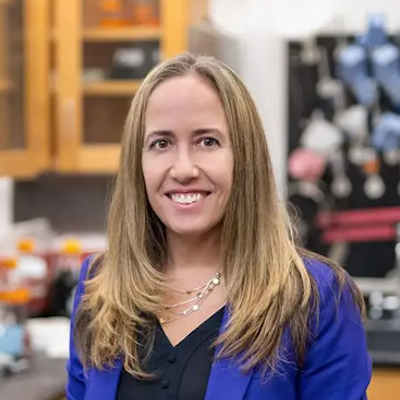
Silvia Blemker uses experimental and computational models to characterize the relationships between muscle structure, biomechanical properties, biology, and function in order to develop new treatments for musculoskeletal disease. She did her undergraduate and Master’s work in Biomedical Engineering at Northwestern University, and her PhD in Mechanical Engineering at Stanford University. She is broadly interested in muscle mechanics & physiology, multi-scale modeling, mentoring students, and teaching. The Multiscale Muscle Mechanophysiology (“M3”) lab is collectively fascinated by skeletal muscles, which are the motors for all the wide range of voluntary movements in the human body. Each muscle’s properties are beautifully tuned for a specific function in the body, which can be easily disrupted by diseases such as muscular dystrophy, cerebral palsy, or in aging populations. We seek to gain new insights into the form, function, biology, and diseases of muscles. Our work has the ultimate goal of improving treatments and quality of life for individuals suffering from muscle-related clinical problems. We integrate a variety of computational and experimental approaches to achieve this goal. Dr. Blemker is from Lawrence, Kansas.
-
Sandra Brown, Dean, College of Nursing and Allied Health, Southern University and A&M College
Image

Dr. Sandra C. Brown serves in a dual leadership role as Dean of Southern University College of Nursing and Allied Health and Vice Chancellor of Health Initiatives. She has achieved international prominence and has made enduring contributions to reducing health disparities and improving social welfare. The breadth of her work has spanned over three decades impacting the health outcomes of Louisiana citizens through her clinical research, practice, and academic leadership. She is nationally recognized for her exemplary work in promoting access to health care for the medically underserved and for her outstanding contributions during disaster recovery.
As the chief academic officer of the College of Nursing and Allied Health (CNAH), Dr. Brown oversees five departments offering 11 degree programs with a total enrollment of more than 2,200 students. The CNAH includes the School of Nursing, the Department of Speech-Language Pathology and Audiology, the Department of Rehabilitation, Disability Studies, and Counseling, and the Department of Therapeutic Recreation and Leisure Studies. Dr. Brown led the School of Nursing in enrolling the largest number of male nursing students in the country and launched the state’s only academic-practice mobile health unit called the Jag Mobile. Under her leadership, the School of Nursing was voted as “The #1 Nursing School in the United States” by Nurse.org.
-
Steve Levine, Senior Director of Virtual Human Modeling, Dassault Systèmes
Image

Steven M. Levine, PhD is the Sr. director of virtual human modeling at Dassault Systèmes. Dr. Levine has more than 30 years of experience in the development of computational tools that translate cutting-edge science into product innovations. He currently leads Virtual Human Modeling at Dassault Systèmes and is the Founder and Executive Director of the Living Heart Project. He is responsible for a Life Science incubator of startup healthcare companies within the 3D EXPERIENCE Labs, building a marketplace of digital healthcare services, and serves on several company boards. Dr. Levine was elected into the College of Fellows in the American Institute for Medical and Biological Engineering (AIMBE)and holds a PhD in Materials Science from Rutgers University. He began his career in health tech at the San Diego based startup Biosym that went public as Accelrys in 2004 and acquired by Dassault Systèmes in 2014.
Speakers
-
Opening Remarks
- George Deodatis, Vice Dean for Research of Columbia Engineering, Columbia University
- Christine Hendon, Associate Professor of Electrical Engineering; Vice Dean for Engagement; Provost's Senior Faculty Teaching Scholar, Columbia University
- Kristin Myers, Professor of Mechanical Engineering, Columbia University
-
Session 1: Gynecologic Health
Image

Christine Hendon
(Facilitator), Associate Professor of Electrical Engineering; Vice Dean for Engagement; Provost's Senior Faculty Teaching Scholar, Columbia University
Christine P. Hendon develops biomedical optics technologies for biomedicine to guide interventional procedures and to provide insights into the structure-function relationship of biological normal, diseased, and treated tissues.
She has worked on developing next-generation optical coherence tomography systems and integrated therapeutic catheters with near infrared spectroscopy, along with real-time processing algorithms to extract physiological information. Hendon collaborates extensively with investigators from Columbia University School of Engineering and Applied Science and the Medical Center. Her group has developed integrative optics and therapeutic probes for improving the treatment of cardiac arrhythmias.
Of particular interest to Hendon is the use of optical imaging modalities for improving therapeutic procedures. The research goals of the Structure-Function Imaging Laboratory are to develop platform optical imaging systems to enable structure-function analysis of biological organ systems. Towards this goal, the Lab develops optical coherence tomography (OCT) and near infrared spectroscopy (NIRS) systems and automated processing tools to correlate tissue microstructure to electrical conduction and mechanical contraction. The main clinical driver within this work is addressing unmet needs in cardiac electrophysiology. Hendon works closely with cardiac electrophysiologist, pathologist, and other engineers as they strive to develop catheters and algorithms that will enable improved guidance and monitoring of arrhythmia therapy.
Hendon received a BS in electrical engineering and computer science from the Massachusetts Institute of Technology in 2004 and a PhD in biomedical engineering from Case Western Reserve University, in 2010. She was awarded the Presidential Early Career Award for Scientists and Engineers (PECASE) in 2017.
Image
Arnold Advincula
Chief of Gynecologic Surgery, Columbia University Medical Center
Dr. Advincula is a leader in minimally invasive surgical techniques and one of the world’s most experienced gynecologic robotic surgeons. He has published and taught extensively in minimally invasive surgery as well as developed surgical instruments in use worldwide. Dr. Advincula is a board-certified obstetrician-gynecologist and leader in minimally invasive surgical techniques and a fellow of both the American College of Obstetricians and Gynecologists and the American College of Surgeons. After graduating with honors from Temple University School of Medicine, Dr. Advincula completed an ob-gyn residency and a minimally invasive surgery fellowship at the University of North Carolina - Chapel Hill. He went on to spend 10 years at the University of Michigan where he rose to the rank of Professor. During his tenure there he served as Director of the Minimally Invasive Surgery Division and Fellowship. He also founded the Endometriosis Center at Michigan. In 2009, Dr. Advincula joined Florida Hospital Celebration Health as Director of the Center for Specialized Gynecology. While in Florida, he served as the Director of the Celebration Health Endometriosis Center and established an AAGL accredited Fellowship in Minimally Invasive Surgery. He was also Medical Director of Gynecologic Robotics at Florida Hospital, as well as Professor of Obstetrics & Gynecology at the University of Central Florida College of Medicine. Additionally, Dr. Advincula was the Education Institute Director of the Nicholson Center, an advanced medical and surgical simulation training facility in Celebration, Florida. Prior to leaving Florida Hospital, Dr. Advincula helped launch central Florida’s first Women’s Institute. In 2014, Dr. Advincula accepted the position of Richard U. Levine Professor, Vice-Chair of Women’s Health & Chief of Gynecology at the Sloane Hospital for Women, Columbia University Irving Medical Center/New York Presbyterian Hospital. Dr. Advincula brings over 25 years of clinical expertise, innovation and leadership to the position. In addition to his departmental responsibilities, he also serves as Associate Program Director of the AAGL accredited Fellowship in Minimally Invasive Surgery. Shortly after his arrival to New York City, Dr. Advincula also accepted the role of Medical Director of the Mary & Michael Jaharis Simulation Center for the Columbia University Vagelos College of Physicians & Surgeons where he has since transitioned to Founding Director. Despite his busy clinical and administrative schedule, Dr. Advincula has not only helped guide the growth of the simulation center across all health care disciplines but also continues to leverage his expertise in simulation-based medical education to help elevate the training of medical students, residents, fellows and physicians worldwide in advanced surgical techniques and optimized clinical care. Dr. Advincula has served on numerous editorial boards including most recently OBG Management where he managed a widely viewed video education channel. Dr. Advincula has served on the board of the Society of Gynecologic Surgeons in addition to 18 months as President of the AAGL where he helped rebrand the strategic direction of a global minimally invasive gynecologic surgery society of nearly 8000 members. More recently Dr. Advincula served as President of the board overseeing the Fellowships in Minimally Invasive Gynecologic Surgery and is currently Chair of the FMIGS Task Force pursuing subspecialty recognition in Complex Benign Gynecology.
Image
Samii Kennedy Benson
Associate Professor of Fashion Merchandising, Design and Textiles and Department Chair for Human Sciences for the College of Agricultural, Human and Environmental Sciences, Southern University and A&M College
Dr. Samii L. Kennedy-Benson is an Associate Professor of Fashion Merchandising, Design, and Textiles and Chair of the Department of Human Sciences at Southern University and A&M College. Her research examines the involvement of Black women and people of color as consumers and creators within the apparel and textile industry, with emphasis on dress, appearance, health, and wellness, fashion entrepreneurship, and creative enterprises. She is the principal investigator of multiple USDA-funded grants, including Project Farm to Feminine Hygiene, which advances sustainable textile research and equity-driven innovation in feminine hygiene product development. Her scholarship is grounded in phenomenological inquiry and feminist and critical race theories.
Image
Noémie Elhadad
Chair and Associate Professor of Biomedical Informatics, Columbia University
Noémie Elhadad is Associate Professor and Chair of the Department of Biomedical Informatics at Columbia University VP&S (Vagelos College of Physicians and Surgeons) and Director of Medical Information Services at NewYork-Presbyterian. She leads the AI at VP&S Initiative and Eve_n, Columbia University’s research initiative on data-powered women's health. Her research sits at the intersection of artificial intelligence, human-centered computing, and medicine, with a focus on developing novel machine-learning methods. She designs AI-driven tools to support patients and clinicians, ensuring that the AI systems of the future are safe, effective, and advance medicine.
Image
June Hou
Associate Professor of Obstetrics and Gynecology, Columbia University Medical Center
June Y. Hou, MD MBA is an Associate Professor of OB/GYN and the interim Director of the Division of Gynecologic Oncology at Columbia University Irvings Medical Center. She is a passionate advocate for a personalized approach to cancer care. Her clinical interest encompasses expanding awareness of heredity gynecological cancers, along with expanding outreach to vulnerable populations without consistent access to cancer specialists. She is the director of clinical trials in Gynecologic Oncology, with a specific research interest in promoting equity and diversity in clinical trials, by ways of technology. Her surgical expertise spans minimally invasive techniques and complex pelvic surgeries.
Image
Alexandra Rutz
Assistant Professor of Biomedical Engineering, Washington University in St. Louis
Prof. Rutz graduated from University of Illinois in Urbana-Champaign (B.S., 2011) where she double majored in Chemistry and Molecular and Cellular Biology. She obtained her Ph.D. in Biomedical Engineering with a focus in Biomaterials from Northwestern University in 2016 (Chicago, IL, USA). Her doctoral thesis focused on engineering hydrogel bioinks for 3D printing tissues and organs. With support from the Whitaker International Scholars Program and the Marie Skłodowska-Curie Individual Fellowship, Prof. Rutz conducted her postdoctoral research in Malliaras Bioelectronics Lab at the University of Cambridge. In 2021, Prof. Rutz started her independent career at Washington University in St. Louis where she is an Assistant Professor in the Department of Biomedical Engineering. The mission of her lab is to advance biointerfaces between electronic devices and cells using principles of biomaterials design and tissue engineering. Current work includes developing conducting polymer hydrogels with 3D, porous, and dynamic mechanical properties and characterizing their performance in biological environments.
-
Session 2: Preterm/Pregnancy Health
Image

Kristin Myers
(Facilitator), Professor of Mechanical Engineering, Columbia University
Kristin M. Myers’ solid mechanics research program studies the biomechanics of biological soft tissues with a specific focus on the female reproductive system and pregnancy. Her Columbia research group is one of only a few engineering teams in the world creating biomechanical models of pregnancy to uncover structural mechanisms of preterm birth.
Myers builds computational models of the pregnant anatomy to quantify the amount of mechanical loading on the soft tissue structures supporting the fetus. These models are based on rigorous mechanical tests of soft tissues conducted in her lab to establish the mathematical relationship between the tissue’s biological building blocks, its mechanical stiffness, and its remodeling behavior. Working with Maternal Fetal Medicine specialists at Columbia University Medical Center, the team is working to identify mechanical risk factors in pregnancy and to develop precise clinical interventions to eliminate those risks.
Recent projects from Myers’s research group include ultrasound-based finite element models of pregnancy, mechanical characterization of cervical and uterine tissue remodeling, hormone-mediated tissue growth and remodeling, mechanical characterization of preterm birth models of pregnancy, and mechanical properties of uterine fibroids.
Myers received a BS in mechanical engineering in 2002 from the University of Michigan, an MS in 2005, and a PhD in 2008 in mechanical engineering from the Massachusetts Institute of Technology (MIT). She joined the faculty of Columbia Engineering in 2010 and, in 2017, received the ASME Y.C. Fung Young Investigators Award. In 2019, Myers was awarded the Presidential Early Career Award for Scientists and Engineers from the White House for her work in understanding tissue growth and remodeling in pregnancy. ). Her work has also been featured widely in the media, notably a cover article on the science of pregnancy for the MIT alumni magazine MIT News (2019), a radio interview on cervical health for National Public Radio’s Morning Edition (2019), an episode on childbirth for Netflix and Vox’s Sex Explained (2019), and an article on digital health in The Guardian (2023).
Image
Janet Catov
Professor of Obstetrics, Gynecology and Reproductive Sciences, Vice Chair for Research, Director of Epidemiology, Magee-Womens Research Institute and University of Pittsburgh School of Medicine
Dr. Janet M. Catov, PhD, is a Professor in the Departments of Obstetrics, Gynecology & Reproductive Sciences and Epidemiology in the Clinical and Translational Science Institute at the University of Pittsburgh, with extensive experience designing and conducting studies of population and clinical cohorts to understand determinants and consequences of adverse pregnancy outcomes such as hypertensive disorders of pregnancy, preterm birth, and gestational diabetes. She is one of the top three scientists globally studying the intersection of pregnancy and cardiovascular disease (Web of Science, 2024). Her current research focuses on clues from placental function that may be markers of vascular pathophysiology that contribute to adverse pregnancy outcomes and accelerated progression to cardiovascular and cerebrovascular disease across the maternal lifespan. She also leads intervention trials to improve maternal cardiovascular health and reduce disparities during and after pregnancy. She is Director of Health and Clinical Research at Magee-Womens Research Institute, a member of the UPMC Magee-Womens Hospital Maternal Mortality Review Committee and a leader of the Magee Obstetric Maternal and Infant (MOMI) Database and Biobank, a perinatal cohort of births and linked biospecimens collected across pregnancy. She has mentored junior faculty, post-doctoral fellows, and graduate students in medicine and epidemiology; 46% of her mentees are from historically underrepresented populations and she received the 2022 University of Pittsburgh Institute of Clinical Research and Education Distinguished Research Mentor Award.
Image
Karen Clark
Assistant Professor of Nursing, Southern University and A&M College
Karen Clark is an Assistant Professor at Southern University and A&M College, a historical black college and university (HBCU), with expertise in maternal child nursing. My academic training and clinical experience as a registered nurse have set me on a path for success and prepared me for my role as a nurse scientist. While teaching the maternal health course at the University, I have continued my employment in the clinical arena as a staff nurse on an Obstetric unit. Currently, I have 28 years extensive clinical experience as a nurse clinician caring for vulnerable populations.
Image
Michael House
Associate Professor, Tufts University School of Medicine
Dr. House completed his Ob/Gyn residency at Los Angeles County Hospital and went on to train in Maternal Fetal Medicine at Tufts Medical Center in Boston. His research primarily addresses preterm birth related to cervical dysfunction. His company, Cx Therapeutics, is developing the Cx Device, a medical device for patients with cervical insufficiency.
Image
Tal Korem
Assistant Professor of Systems Biology and Reproductive Sciences, Columbia University Medical Center
Tal Korem’s research program focuses on the development of computational methods that identify and interpret host-microbiome interactions in various clinical settings, with a focus on adverse pregnancy outcomes and reproductive health. The ultimate goal of his research is to translate microbiome findings to clinical care, with microbiome-based therapeutics and microbiome-informed clinical practices. He has developed several approaches for microbiome data analysis, inferring microbial growth rates, structural variants, contamination and experimental bias; and has applied these methods in diverse clinical and biological investigations, most notably for personalization of dietary treatment and prediction of adverse pregnancy outcomes. He is a member of Columbia’s Program for Mathematical Genomics (PMG), an Assistant Professor in the Departments of Systems Biology and Obstetrics & Gynecology, and was previously a CIFAR-Azrieli global scholar by the Canadian Institute for Advanced Research.
Image
Christine O'Brien
Assistant Professor of Biomedical Engineering, Washington University in St. Louis
Christine O'Brien is an Assistant Professor of Biomedical Engineering at Washington University in St. Louis with a secondary appointment in the department of Obstetrics & Gynecology. Her research is focused on developing and translating non-invasive optical spectroscopy and imaging tools to solve global problems in women’s health. She obtained her PhD in Biomedical Engineering at Vanderbilt University and completed postdoctoral training at Washington University School of Medicine in the Department of Radiology. She launched her independent research program with projects focused on the development of novel wearable sensors for the early detection of postpartum hemorrhage and novel strategies for preterm birth detection and investigation. She has a startup company, Armor Medical Inc, that is working to commercialize the postpartum hemorrhage sensor technology that has been developed in her lab.
-
Session 3: Pelvic Floor Health
Image

Steve Abramowitch
(Facilitator), Professor of Bioengineering and Associate Chair for Culture and Community, University of Pittsburgh
Steve Abramowitch, PhD. is an Associate Professor of Bioengineering, Musculoskeletal Research Center, and Associate Professor of Obstetrics, Gynecology, and Reproductive Sciences. He earned his PhD in Bioengineering from the University of Pittsburgh. His research is aimed at elucidating the processes of injury, disease, and healing of connective tissues through an understanding of tissue mechanics and the complex relationships between composition, structure, and function. He is particularly interested in utilizing this information to establish new clinical treatment strategies and rehabilitation protocols to improve patient care in the fields of Orthopedics and Urogynecology. In 2008, Dr. Abramowitch became an NIH Building Interdisciplinary Research Careers in Women’s Health Scholar (BIRCWH), which has allowed him to transition from his training in Orthopedics to Urogynecological research. Professor Abramowitch is one of only a few bioengineers in the country with this area as his primary research focus. His solid collaboration with Urogynecologist, Dr. Pamela Moalli, has led to a very productive relationship providing tremendous insight into the mechanisms of prolapse and the impact of polypropylene mesh following implantation for prolapse repair. In addition, this unique expertise has allowed him to be the only engineer who is part of clinical research (U01) being performed by the NICHD’s Pelvic Floor Disorders Network, whose members come from nine leading medical centers across the United States. These relationships have enabled him to maintain a significant translational focus within his work.
Image
Helai Hesham
Urogynecologist and Reconstructive Pelvic Surgeon, Columbia University Medical Center
Helai Hesham, MD is board certified in Obstetrics and Gynecology and subspecialized in Urogynecology and Reconstructive Pelvic Surgery. Dr. Hesham completed her fellowship at Massachusetts General Hospital and Harvard Medical School currently practicing as a Urogynecologist at Columbia University Medical Center with a focus in pelvic well being postpartum and global surgical health within obstetric fistula and beyond. As a urogynecologist, she focuses on the sequalae of pelvic floor trauma with management of prolapse, pelvic pain, fistula and incontinence. Her current research targets the female pelvic floor that has undergone obstetric trauma both in the US and abroad and how to possibly prophylactically combat pelvic floor injuries and fistula.
Image
Katrina Knight
Assistant Professor of Bioengineering, University of Pittsburgh
The overarching goal of the Knight Laboratory is to improve the lives of women with pelvic floor disorders through the development of novel and innovative devices and treatments. Specifically, the lab focuses on pelvic organ prolapse (prolapse), a common gynecologic condition characterized by the unnatural descent of the pelvic organs into the vaginal canal. Synthetic meshes are often used in the surgical repair of prolapse; however, complications have hindered the use of mesh with pain and exposure of mesh fibers through the vaginal epithelium (i.e., mesh exposure) most reported. The Knight lab is particularly interested in elucidating the biomechanics and biologic mechanisms that lead to complications associated with the use of synthetic mesh in prolapse repairs. This increased knowledge will then be used to develop a novel device to repair prolapse. To accomplish these goals, the Knight Laboratory utilizes an interdisciplinary approach that combines skills from biology (e.g., animal model development, biochemical analyses, histology) and engineering (e.g., CAD model design, computational modeling, device development, mechanical testing, tissue regeneration).
Image
Tracy MacNeal
CEO, Materna Medical
Tracy MacNeal is a healthcare executive with a specialty in commercializing medical devices. With 6 successful transactions and over 25 years in medical devices, diagnostics and digital health, she brings a wealth of experience to the MedTech industry. A driver for health access and community care, Tracy also serves on the Board of Directors for AdvaMed, the national industry organization for medical devices. Tracy is President and CEO of Materna Medical, a novel OBGYN platform company that defines a $25B market in the most common pelvic conditions women face. Tracy holds a BE in Chemical Engineering from The Cooper Union and graduated summa cum laude with an MBA from Duke University’s Fuqua School of Business.
Image
Goli Ameri
Head of Research, Cosm Medical
Goli Ameri is Head of Research at Cosm Medical, a Toronto-based MedTech company, leading the transformation of pelvic health with patient-specific vaginal devices designed for unique bodies and needs. With a focus on patient-centered innovation, Dr. Ameri leads clinical research and scientific affairs at Cosm, supporting the development of personalized solutions for pelvic floor disorders like pelvic organ prolapse and urinary incontinence, which affect up to 50% of women in their lifetime. Goli received her PhD in Biomedical Engineering, specializing in image-guided therapy and surgery, from Western University in Canada. As Cosm Medical’s first employee, she has been instrumental in establishing the company’s research foundation and driving advancements in pelvic health through digital gynecology.
-
Session 4: Commercialization and Regulatory Path
Image

Phil Bayly
(Facilitator), Professor of Bioengineering, Washington University in St. Louis
Philip V. (Phil) Bayly is The Lee Hunter Distinguished Professor of Mechanical Engineering at Washington University in St. Louis. Dr. Bayly earned an A.B. in Engineering Science from Dartmouth College, an M.S. in Engineering from Brown University, and a Ph.D. in Mechanical Engineering from Duke University. Before pursuing his doctorate, he worked as a research engineer for the Shriners Hospitals and as a design engineer for Pitney Bowes. Dr. Bayly has been on the faculty at Washington University since 1993, serving as Chair from 2008-2025. His research involves the study of nonlinear dynamic phenomena in mechanical and biological systems, and the use of imaging technology and image processing to understand the mechanics of biological tissues and cells. His research has been funded by the National Science Foundation, the Office of Naval Research and the National Institutes of Health.
Image
Summer Jasinski
Senior Research Scientist, WHOOP
Summer Jasinski is a Senior Research Scientist at WHOOP, where her work connects data science with wearable technology to tackle critical women's health challenges. At WHOOP, Summer’s projects have included analyzing biometric fluctuations for menstrual cycle detection and advancing studies on early detection of premature birth and maternal complications through wearable-derived insights. A graduate of Northeastern University with a BS in Mathematics, Summer is passionate about harnessing innovative technologies to enhance health outcomes for women globally. Her contributions have resulted in numerous publications and presentations, highlighting applications of wearable technology in menstrual cycle tracking and real time stress monitoring.
Image
Danika Kelly
CEO and Co-Founder of My Normative
Danika Kelly is a health and wellness professional and trained socio-cultural scholar in issues around female health and representation. For the past 14 years she’s worked globally focusing on health advancement and knowledge translation in developing economies. Danika has a strong history of leadership excellence in the social innovation space —winning awards and recognition from Telus and The Future of Good, DMZ Woman of the Year, FemTech Analytics, Alberta Women Entrepreneurs, and more. Recently, Danika co-authored Bill S-243, a world first for enshrining women’s health equity as a legal right, in Canada. Danika acts as an advisor on sex and gender equity to the Commonwealth Businesswomen Network, the United Nations Office of Outer Space Affairs, Women's Health Horizons, and sits as Vice-Chair of the Women's Health Coalition of Canada.
Image
Steven Levine
Senior Director of Virtual Human Modeling, Dassault Systèmes
Steven M. Levine, PhD is the Sr. director of virtual human modeling at Dassault Systèmes. Dr. Levine has more than 30 years of experience in the development of computational tools that translate cutting-edge science into product innovations. He currently leads Virtual Human Modeling at Dassault Systèmes and is the Founder and Executive Director of the Living Heart Project. He is responsible for a Life Science incubator of startup healthcare companies within the 3D EXPERIENCE Labs, building a marketplace of digital healthcare services, and serves on several company boards. Dr. Levine was elected into the College of Fellows in the American Institute for Medical and Biological Engineering (AIMBE)and holds a PhD in Materials Science from Rutgers University. He began his career in health tech at the San Diego based startup Biosym that went public as Accelrys in 2004 and acquired by Dassault Systèmes in 2014.
Image
Tracy MacNeal
CEO, Materna Medical
Tracy MacNeal is a healthcare executive with a specialty in commercializing medical devices. With 6 successful transactions and over 25 years in medical devices, diagnostics and digital health, she brings a wealth of experience to the MedTech industry. A driver for health access and community care, Tracy also serves on the Board of Directors for AdvaMed, the national industry organization for medical devices. Tracy is President and CEO of Materna Medical, a novel OBGYN platform company that defines a $25B market in the most common pelvic conditions women face. Tracy holds a BE in Chemical Engineering from The Cooper Union and graduated summa cum laude with an MBA from Duke University’s Fuqua School of Business.
Image
Sam Sia
Professor of Biomedical Engineering, Vice Provost for the Fourth Purpose and Strategic Impact, Columbia University
Samuel Sia develops technologies for point-of-care blood tests, wearable sensors, and implantable devices, both in an academic and industry setting.
He co-developed a point-of-care blood test for prostate cancer which is being commercialized and has garnered FDA approval, and is co-founder of Rover Diagnostics which is developing rapid and low-cost detection of DNA and RNA.
Sia’s research has garnered coverage from Nature, Science, JAMA, Washington Post, Science News, Popular Science, Chemical and Engineering News and has been featured on the BBC, NPR, and Voice of America. MIT Technology Review named him as one of the top’s world young innovators in 2010, and he is an inducted fellow of the American Institute for Medical and Biological Engineering.
Sia is the founder of Harlem Biospace, a biotech incubator facility in New York City (developed with the NYC mayor’s office) that has hosted over 50 biotech companies. He also currently co-directs the entrepreneurship initiative for Columbia University’s School of Engineering and Applied Sciences.
In 2022, Sia was appointed Vice Provost for Fourth Purpose and Strategic Impact, a new office within the Provost's Office to advance the University's mission on the Fourth Purpose and make positive impact on the world. In this role, Sia is building University infrastructure and partnerships to help Columbia leverage scholarly knowledge to benefit the public good. The office builds mechanisms for internal collaborations, dissolves institutional barriers to partnerships, and works with external partners to transform innovation to community and global impact.
Sia has a B.Sc. in Biochemistry from the University of Alberta and a Ph.D. in Biophysics (with a HHMI predoctoral fellowship) from Harvard University. He completed a postdoctoral fellowship in chemistry and chemical biology at Harvard University.
Image
Ridhi Taryal
CEO, NextGen Jane
Ridhi Tariyal, BS, Georgia Tech; MBA, Harvard University; SM, MIT; Blavatnik Fellow; Ferolyn Fellow, is CEO and co-Founder of NextGen Jane. At NextGen Jane, Ridhi has driven the development of a novel menstrual data platform characterizing uterine biology at a molecular level. In this effort, she has raised capital, established an IP position, and developed a team to create both novel hardware and software to change how women access care. Before NGJ, Ridhi worked at the Broad Institute and at Bristol Myers Squibb.
-
Session 5: Education and Workforce
Remarks by NYCEDC:
Zehra Ansari
Senior Project Manager of Life Sciences and Healthcare, NYCEDC
Zehra Ansari is a Senior Project Manager of Life Sciences and Healthcare at NYCEDC. In her role, Zehra manages an early-stage investment fund for emerging life sciences companies, and enables investor engagement & business development across NYC's growing life sciences ecosystem. Prior to joining NYCEDC, Zehra worked on business strategy and operations at an early-stage biotechnology company, on foreign and domestic policy for senior decision-makers at the United Nations and the White House, and operated a jazz club in downtown New York. Zehra earned her Bachelor's degree in Government and Art History from Smith College.
Monica Malowney
Vice President for Life Sciences and Healthcare Initiative, NYCEDC
Monica Malowney, MPH, is a Vice President for NYCEDC’s Life Sciences and Healthcare initiative, where she leads LifeSci NYC’s workforce development strategy to create a robust and diverse talent pipeline for NYC’s growing life sciences industry. Monica also provides oversight for the NYC Pandemic Response Institute. Monica joined NYCEDC from CUNY where she worked to connect employers and industry partners in the health and life sciences to the University and its 500,000+ students. Prior to this, Monica spent over a decade working in healthcare delivery research, redesign and reform, publishing research on behavioral health access and training of healthcare professionals. She earned her Master's in Public Health from Boston University School of Public Health and Bachelor's in Clinical Psychology from Tufts University.
Image
Nastassia Jones
(Facilitator), Professor of Science and Mathematics Education, Southern University and A&M College
Dr. Nastassia N. Jones focuses on teaching and research endeavors that are fueled by a desire to see an increase in the numbers of minorities and women in STEM fields. She has over 10 years of experience working with in-service K-12 teachers in life sciences content knowledge development and national science and math standards curricular alignment, as well as years of experience in undergraduate science curriculum development. She specializes in implementing service learning projects and integrating technology, active learning and authentic research experiences in undergraduate STEM courses, K-12 STEM teacher training, and grant writing for STEM education research projects. Dr. Jones received a Bachelor of Science in Biology from Albany State University in Albany, Georgia. She received both Master of Science and Doctorate degrees from the Molecular Biology, Microbiology, and Biochemistry program at Southern Illinois University, where her graduate research focused on the biological and chemical importance of bacteria in cleaning up contaminated soil and ground water environments, as well as understanding the teaching and learning of microbiology within K-12 life science experiences. Her research interests include understanding how research-based interventions impact scientific identity development including interest and engagement in STEM, effective integration of service learning into STEM curriculum, effective integration of technology in STEM, K-12 STEM project-based learning unit development and implementation, and effective evidence-based in-service teacher professional development. Current projects can be found at www.drstassi.com.
Image
John Kymissis
Vice Dean of Infrastructure and Innovation; Kenneth Brayer Professor of Electrical Engineering; Co-Director, Maker Space Facility; Chair, Department of Electrical Engineering, Columbia University
Ioannis (John) Kymissis’s research focuses on the application of thin film materials in the development of new electronic and optical systems.
Thin film systems are built by depositing active materials such as semiconductors, piezoelectrics, and optical materials onto substrates to add new functionalities such as light emission, switching, sensing, and amplification. The technology and techniques used for this processing allows for the co-integration of a variety of functionalities in combinations that allow for the development of a broad range of new devices and systems. These systems have application to displays, energy storage and conversion, mechanical and chemical sensors, and communication, unlocking new technologies that can be applied to healthcare, environmental sensing, security applications, and energy harvesting.
John’s group especially focuses on the use of thin film and polymeric piezoelectric materials, organic semiconductors, and recrystallized semiconductor materials to design and implement new devices. Applications developed by his group include new sensors for analysis of blood flow, compact spectrometers, energy autonomous sensors, and devices for high efficiency energy storage and conversion. John’s work is highly interdisciplinary and he works closely with chemists, material scientists, physicists, physicians, and other engineers both to implement a range of solutions and also study the performance of the devices and materials used to implement this new generation of electronics. He also works with several companies both to commercialize inventions from his group and to develop new devices for application in commercially relevant systems.
Kymissis received a SB, M.Eng., and Ph.D. in Electrical Engineering and Computer Science from MIT in 1998, 1999, and 2003. Following a post-doctoral appointment at MIT and a year at QDVision, he joined the faculty at Columbia University in 2006. John has won a number of awards for his work, including the NSF CAREER award, the IEEE EDS Paul Rappaport award, the Vodaphone Americas Foundation Wireless Innovation Award, the MIT Clean Energy Prize, and a Verizon Powerful Answers award. He recently served a term as the editor in chief of the Journal of the Society for Information Display, and was the general chair for the 2014 Device Research Conference, and is president elect for SID. John is the co-founder of several companies based on research from his group including Chromation, Lumiode, and Radiator Labs.
Image
Harry West
Professor of Professional Practice in the Department of Industrial Engineering and Operations Research, Columbia University
As Professor of Practice in the School of Engineering and Applied Science at Columbia University, he is building a human-centered design and innovation curriculum, leading innovation, design and entrepreneurship across the school, and is engineering director for the new MBAxMS dual degree program between the business school and the engineering school. As Principal of Invisible Design, he is designing solutions to difficult problems and helping to align - in a meaningful way - the work of creative teams and company strategy. Formerly CEO of frog (now part of Capgemini) and Continuum (now part of EPAM), he is experienced working both with senior executives and with consumers and customers in the field. He has contributed to the design of products and services with ongoing sales of several billion dollars a year and which have won many design awards.
Prior to working in design consulting, Harry was an associate professor of Mechanical Engineering at MIT where he taught kinematics and engineering design. He received his BA in Engineering from Cambridge University in 1980, an MS in Technology and Policy from MIT in 1984, and a PhD in Mechanical Engineering from MIT in 1986.
Image
Sara Roccabianca
Associate Professor of Mechanical Engineering and Materials Science, Washington University in St. Louis
Sara Roccabianca joined the faculty at Washington University in St. Louis in 2024. She has been with the Department of Mechanical Engineering at Michigan State University from 2014– 2024. She completed her postdoctoral fellowship in Biomedical Engineering at Yale University, working under the mentorship of Professor Jay D. Humphrey. Roccabianca earned her PhD in Engineering from the University of Trento, where she also received her Master's and Bachelor's degrees under the guidance of Professor Davide Bigoni.
-
Student Posters
Miryam Adelfio, A. Gupta, Helen H. Lu. Mucins support Lactobacillus crispatus growth and viability in simulated cervico-vaginal fluid. Columbia University
Emily Branham1,2, Marlena Fejzo1,2,3. Toward a pre-pregnancy prognostic for hyperemesis gravidarum: internally validated risk tiers from genetics and clinical history. 1. Keck School of Medicine of USC, 2. HER Foundation. 3. The Morning Sickness & HG Clinic
Danyang Cheng, Zhuoya Shi, Arielle S. Joasil, Haiqiu Yang, Xiaowei Chen, Hanina Hibshoosh, Christine P. Hendon. Multi-Class Discrimination of Uterine Neoplasms Using Near-Infrared Spectroscopy. Columbia University.
Alicia B. Dagle1, Shahd ElNaggar1, Madeline Skeel1, Gabriel G. Trigo1, David Crosby2, Jaqueline Hairston3, Erin Louwagie1, Helen Feltovich4, Michael House5, Mirella Mourad1, Tal Korem1, Sachin Jambawalikar1, Kristin Myers1. Automated Extraction of Cervical Anatomy Features from Clinical Transvaginal Ultrasound Images to infer sPTB Risk. 1. Columbia University, 2. National Maternity Hospital & University College Dublin (Ireland), 3. Northwestern University, 4. North Memorial Health System, 5. Tufts Medical Center
Camilo A. Duarte1, Eden Katz1, Ivan M. Rosado-Mendez2,3, Kristin M. Myers1. Biophysics-informed computational platform of shear wave elastography for assessing cervical remodeling. 1. Department of Mechanical Engineering, Columbia University, New York, NY. 2. Departments of Medical Physics, University of Wisconsin-Madison, Madison, WI. 3. Department of Radiology, University of Wisconsin-Madison, Madison, WI
Daniella M. Fodera1, Alara Sutcu1, Arielle S. Joasil1, Johanna L. L. Jackson1, Arnold P. Advincula1, Xiaowei Chen1, Christine P. Hendon1, Michelle L. Oyen2, Tal Korem1, Kristin M. Myers1. Spatially Mapping the Mechanical and Structural Properties of the Seedling Uterine Fibroid-Myometrium Interface. 1. Columbia University. 2. Wayne State University
Ilaria Fratelli.1,2 Wearable Radiation Dosimeters Based on Innovative Semiconductors for Personalized Cancer Therapy. 1. Columbia University. 2. University of Bologna
Puja Ghosh, Yong Wang, Leonardo Nan, Hansong Gao, Yang Huang, Quichang Sun, Yuelin Li, Josephine Lau, Zezhen Xiang, Praneeth Kandugula, Zhongyu Luo, Audre Liu, Andre Guthrie and Jordyn Lehr. Engineering Innovation to Address Grand Challenges in Women’s Health. Washington University in St. Louis.
Shiqi Hu, Xiaoyue (Judy) Li, Yangpei Liu, Tuhin Roy, Bret Taback, Elisa E. Konofagou. Real-Time Monitoring and Automation of Focused Ultrasound Ablation in Breast Cancer: Results from a Clinical HMIgFUS Study. Columbia University
Arielle S. Joasil, Danyang Cheng, Daniella M. Fodera, Monica Shi, Haiqiu Yang, Aidan M. Therien, Xiaowei Chen, Hanina Hibshoosh, Kristin M. Myers, Christine P. Hendon. Characterizing human uterine pathologies using optical coherence tomography. Columbia University.
Aya Brown Kav*, Julia A. Urban*, William F. Kindschuh*, George I. Austin*, Alara Sutcu*, Yoli Meydan, Heekuk Park, Emily Watters, Susan Pollak, Renu Nandakumar, Matthew K. Hoffman, Uma Reddy, Ronald J. Wapner, Anne-Catrin Uhlemann, Tal Korem. Studying the associations of the vaginal ecosystem with adverse pregnancy outcomes in the nuMoM2b cohort. Columbia University
Amanda Knizley1, Brendan S. Shea1, Lara Riem2; Mario E. Garcia1, Neha Yadu3, Silvia Blemker1. An “uplifting” exploration: What global or local anthropometry best predicts pelvic floor muscle volume? 1. University of Virginia 2. Springbok Analytics. 3. UT Southwestern
Samyuktha S Kolluru, Savannah Chatman, Abigail Fisk, Benjamin Kohn, Joel R. Garbow, Jeffrey J. Neil, Philip V. Bayly, Matthew R. Bersi. Preliminary assessment of uterine scar structure using magnetic resonance imaging (MRI) to advance non-invasive evaluation of uterine rupture risk. Washington University in St. Louis
Joel Laudo1, Tianhong Han2, Ariel Figueroa3, Joanna Ledwon3, Arun Gosain3, Taeksang Lee4, Adrian Tepole1. Predictive Modeling of Human Skin Deformation and Growth During Tissue Expansion in Postmastectomy Breast Reconstruction and Pediatric Skin Repair. 1. Columbia University. 2. Purdue University. 3. Northwestern University. 4. Myongji University
Abigail W Laughlin1, Erin M. Louwagie1, Adriana Delagarza1, Jaqueline Hairston2, Mirella Mourad1, Michael House3, Kristin Myers1. In-silico patient-specific cervical stiffness from in-vivo measurements. 1. Columbia University, 2. Northwestern University. 3. Tufts Medical Center
Charlotte Lee, Miryam Adelfio, Reema Dawar, Alara Sutcu, Tal Korem, Helen Lu, Kristin Myers. Ex vivo bioreactor system captures physiologic conditions of human vaginal fluid for biomechanical tests on human cervix. Columbia University
Sydnei Lewis1, Henry Chill2, Ghazaleh Rostaminia3, Steven Abramowitch1. Towards Predicting Pelvic Floor Muscle Injury During Vaginal Delivery. 1. University of Pittsburgh, 2. Hadassah Medical Center Hebrew University of Jerusalem. 3. University of Chicago
Adam (Yun Chao) Lin1, Andrea Clark-Sevilla1, Mahdi A. Loodaricheh2, Itsik Pe’er1, Anita Raja2, Ronald Wapner1, Ansaf Salleb-Aouissi1. Machine Learning Insights into the Differential Predictability of Indicated vs. Spontaneous Preterm Birth. 1. Columbia University, 2. CUNY Hunter College
Hannah Gruensfelder, Kimberly L. Branan, Shilpita Mitra-Behura, Folaoluwashewa Shofu, Francesca Bonetta-Misteli, Christine O’Brien. Wearable short-wave infrared photoplethysmography sensor for the detection and monitoring of postpartum hemorrhage. Washington University in St. Louis
Serena Russell1, Bex Pendrak1, Camilo Duarte1, Tobias Funk1, Colon-Caraballo2, Mala Mahendroo2, Kristin Myers1. The Mouse Cervix in LPS-Induced Remodeling is Biomechanically Different than in Term Remodeling. 1. Columbia University, 2. UTSW Medical Center
Zhuoya Shi, Danyang Cheng, Christine P. Hendon, Columbia University. Deep Learning Enabled Near-Infrared Spectroscopy for Uterine Tissue Classification. Columbia University
Folaoluwashewa Shofu, Sarin Soyemi, Madison Carlgren, Lleyton Martin, Siobhan Sutcliffe, Jerry L. Lowder, Christine M. O’Brien. Using in vivo Raman Spectroscopy to measure biochemical changes in vaginal tissue and polypropylene mesh degradation after pelvic reconstructive surgery. Washington University in St. Louis
Alara Sutcu1, Erin Louwagie1, Andrea Westervelt1, Jacqueline Hairston2, Abigail Laughlin1, Serena Russell1, Alicia Dagle1, Joy Vink1, Chia-Ling Nhan-Chang3, Cynthia Gyamfi-Bannerman1, Uma Reddy1, Matt Hoffman4, Ronald Wapner1, Tal Korem1, Kristin Myers1, Mirella Mourad1. Biomechanical and cervicovaginal immune factors are associated with pessary treatment outcomes. 1. Columbia University. 2. Northwestern University. 3. University of California San Diego. 4. Christiana Care Health System
Echo Z. Xu*, Daniella M. Fodera*, Camilo A. Duarte-Cordon, Erin M. Louwagie, Shuyang Fang, Michelle H. Wyss, Xiaowei Chen, Amber Possell, Lindsey Carlson, Joy Vink, Ivan Rosado-Mendez, Helen Feltovich, Timothy J. Hall, and Kristin M.Myers. Anatomical Measurements of the Nonhuman Primate Uterus and Cervix Across Gestation: An In vivo and Ex vivo Comparative Analysis. Columbia University
Leading the Way in Women's Health Engineering Research

Our researchers are answering vital questions in maternal and gynecological health — and developing lifesaving technologies.