Campus
2025 Archimedes Dinner Recognizes New Endowed Professors and Donors
Columbia Engineering honors donors and its newest named professors with a dinner featuring the Archimedes Lecture with Wang Family Professor Steven Feiner.
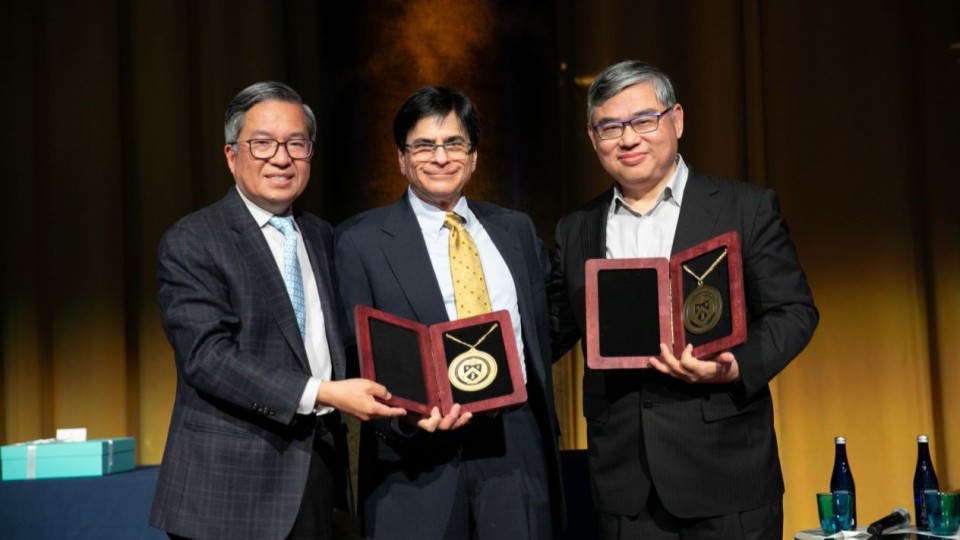
Columbia Engineering hosted the 2025 Archimedes Dinner and Lecture Nov. 13, honoring faculty members who have recently received endowed professorships, along with their respective donors. Eight faculty members were recognized in a ceremony in Low Library, which included the annual Archimedes Lecture, given by Steven Feiner, Wang Family Professor of Computer Science.
Dean of Columbia Engineering, Shih-Fu Chang, who MC’d the event, greeted guests and articulated the importance of faculty support.
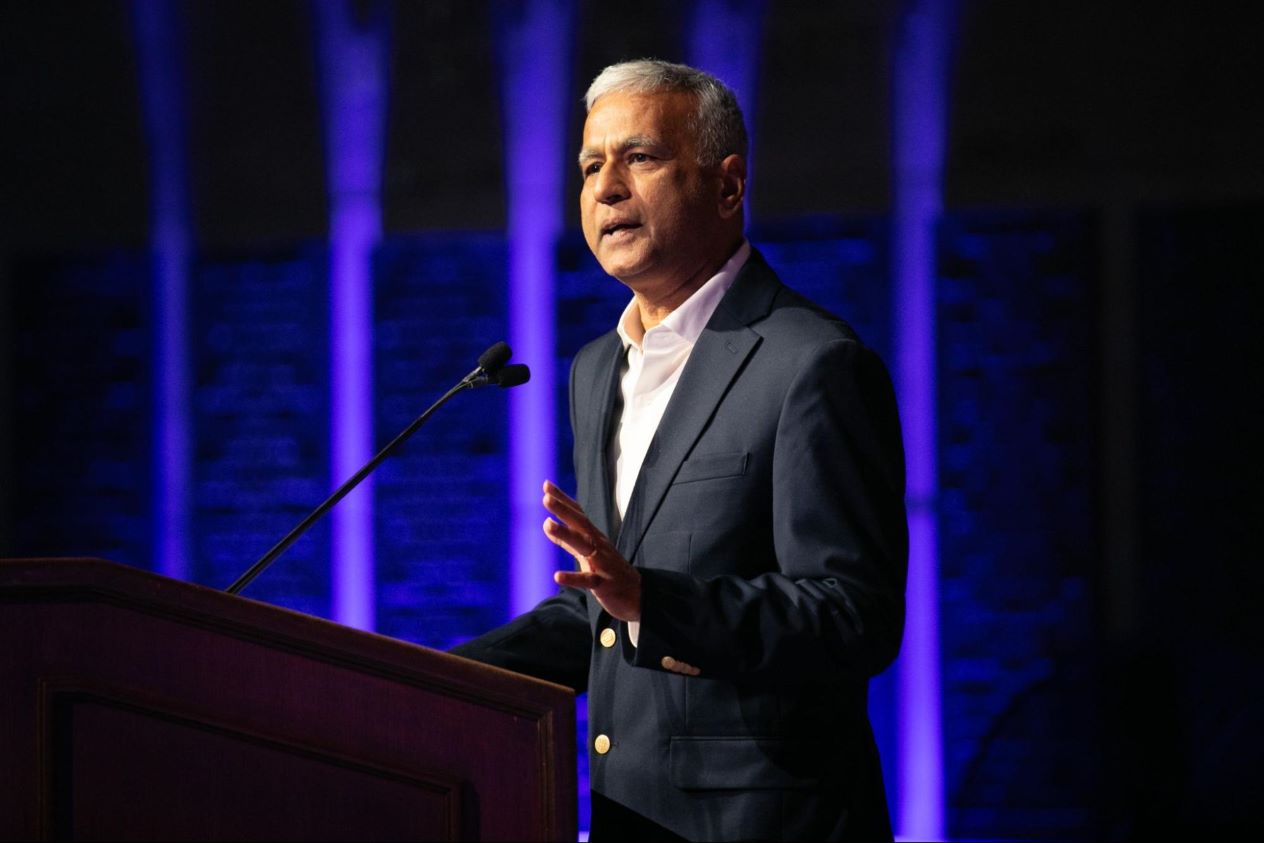
“Endowed professorships are a crucial part of our mission,” said Dean Chang. “They enable our faculty to continue the critical research that will have a lasting impact on society. From healthcare and climate to artificial intelligence and computational science, the named professorship supports groundbreaking research being done at Columbia Engineering that translates into major real-world impact.”
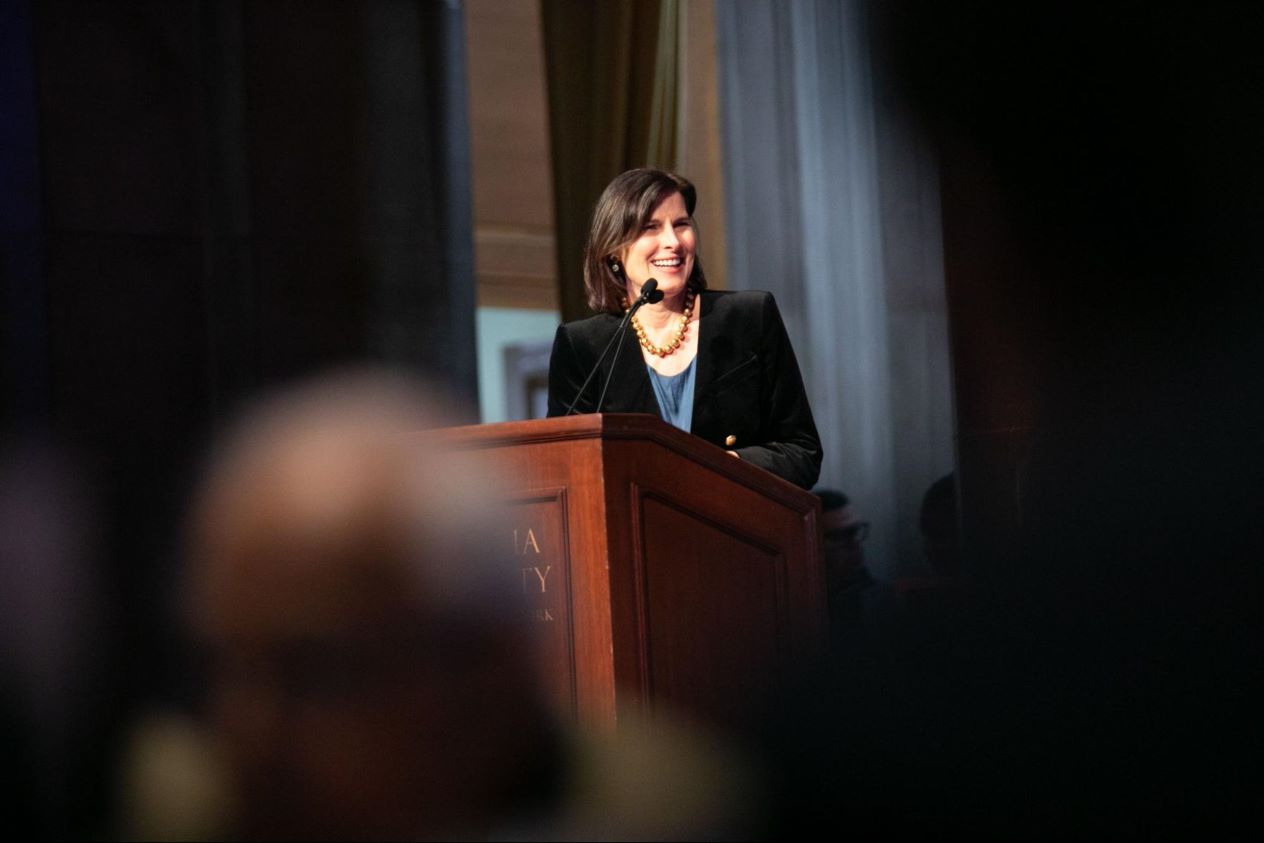
Acting President of Columbia University Claire Shipman also spoke to attendees and acknowledged University Trustee Fermi Wang MS’89, PhD’91, who endowed the Wang Family Professorship, and Columbia Engineering Alumni Association President Reid Ellison BS’08, for their efforts on behalf of the Engineering School. She praised how the School is “leading the way” in research breakthroughs and how the night’s honored professors are “building a foundation for the kind of long-term, big-picture thinking that advances human knowledge in thrilling and unexpected ways.”
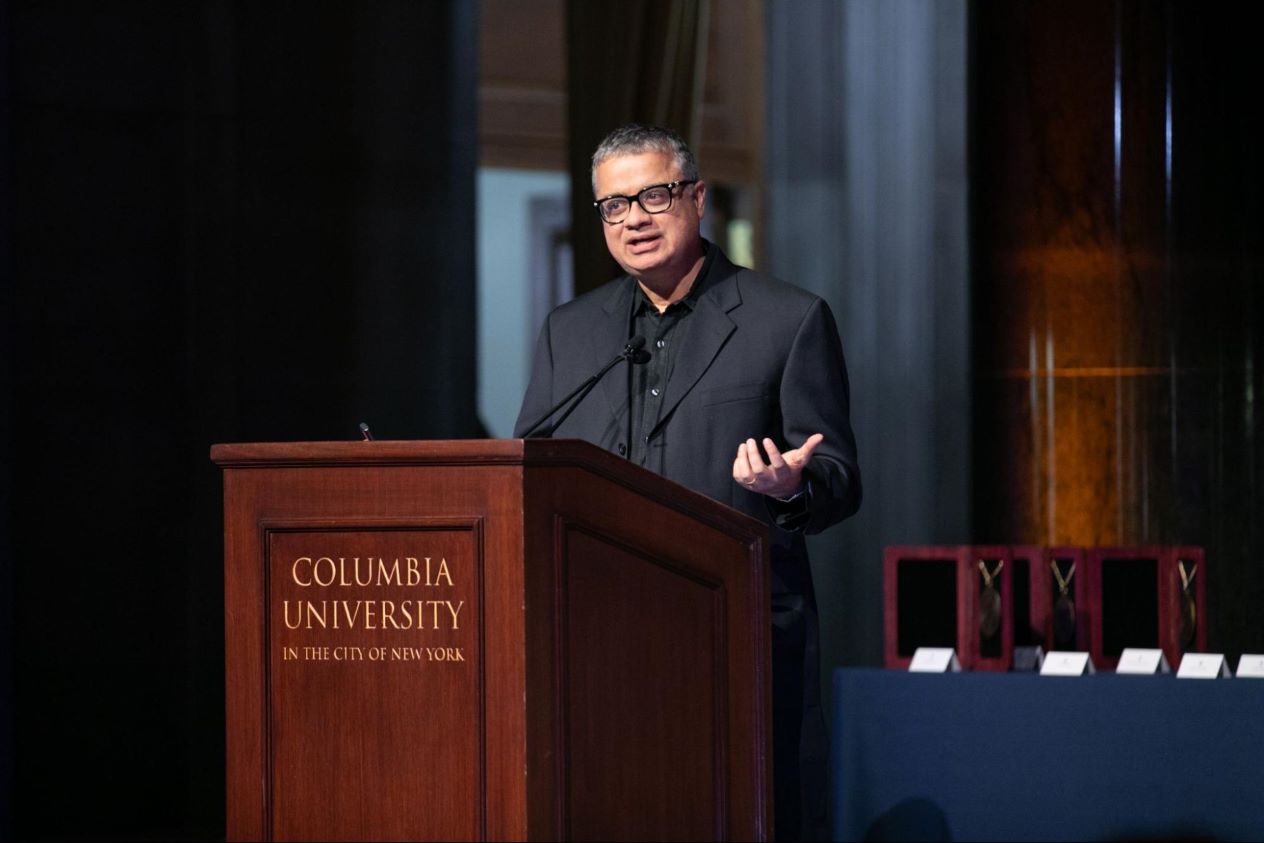
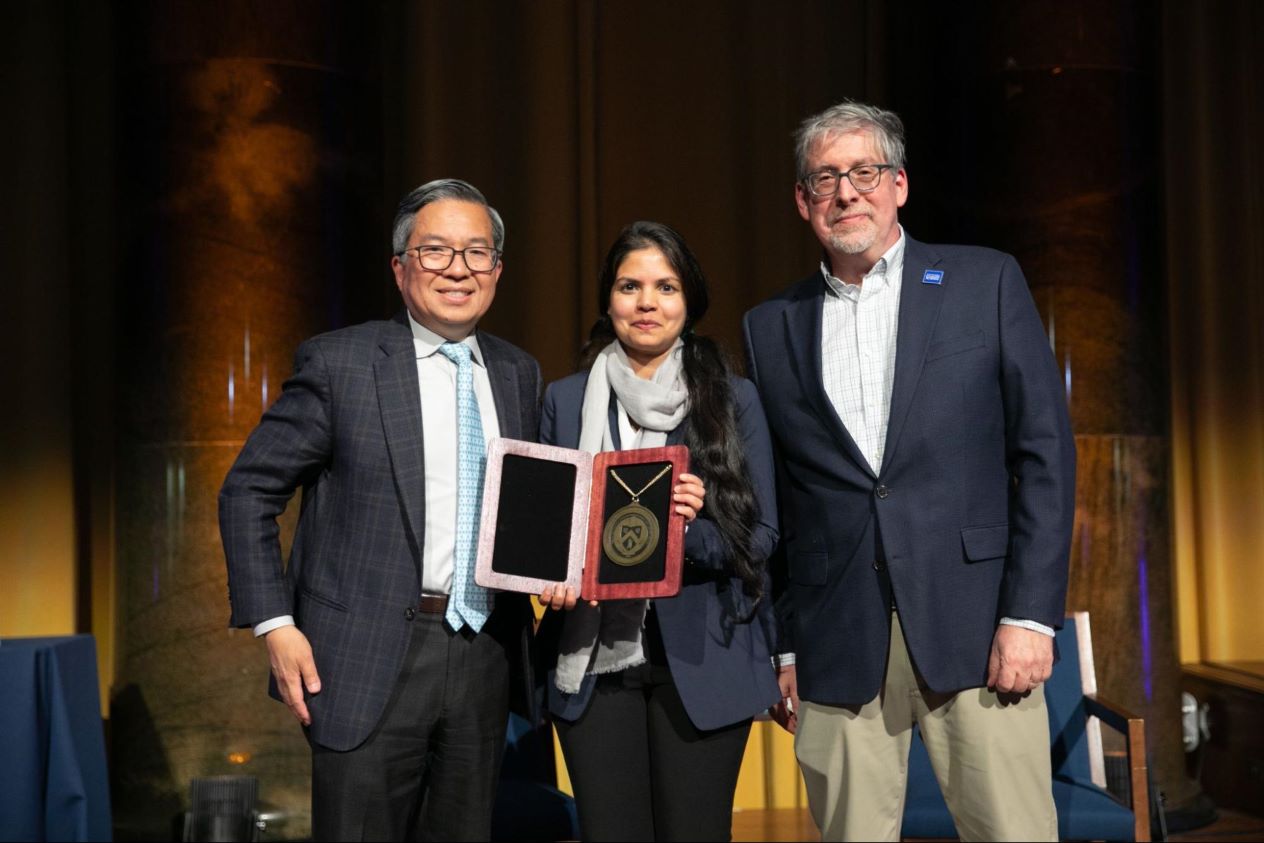
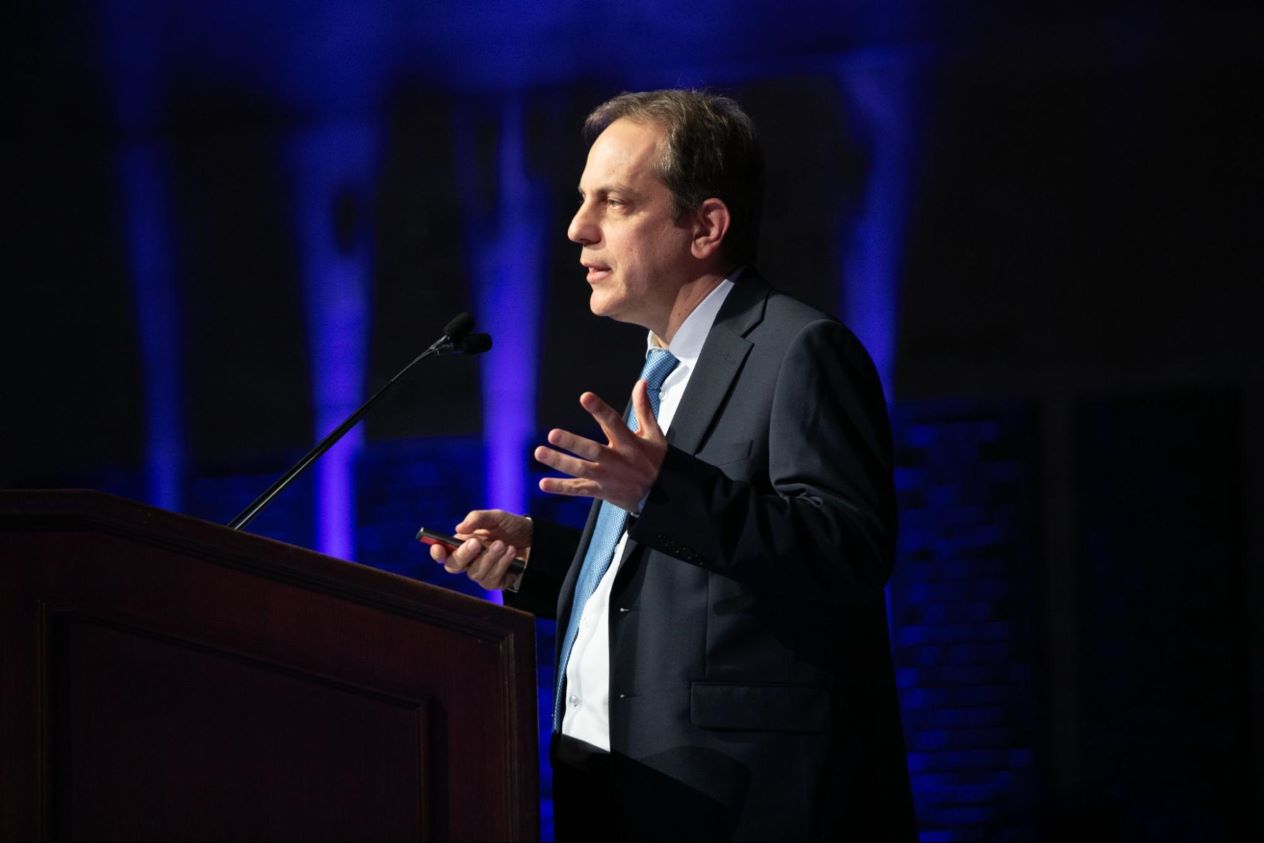
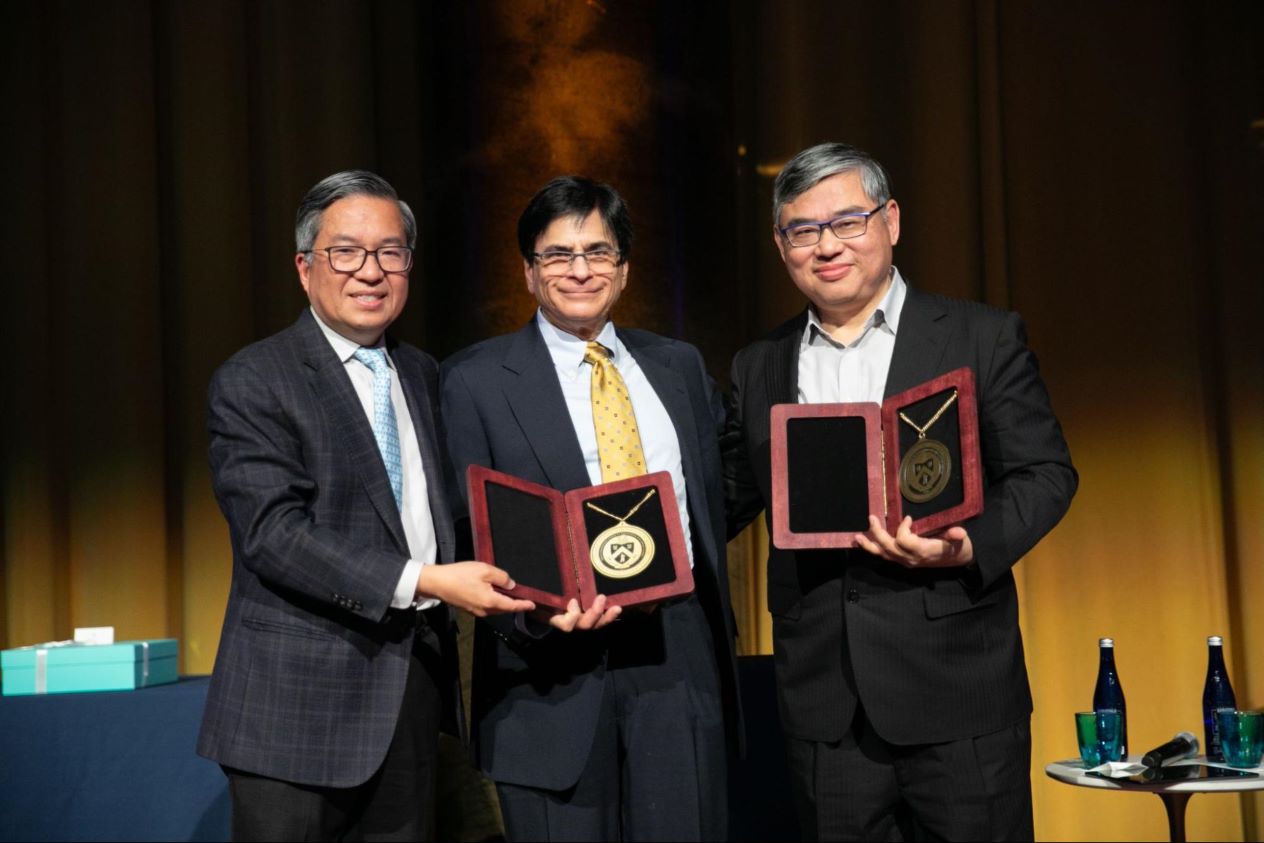
The faculty honored represent five departments at Columbia Engineering: Computer Science, Earth and Environmental Engineering, Electrical Engineering, Mechanical Engineering, and Industrial Engineering and Operations Research. Each endowed professor thanked their donors and shared a brief sketch of their research. The evening concluded with the Archimedes Lecture delivered by Feiner, a longtime member of the Department of Computer Science faculty. Feiner shared insights from his research in augmented reality, virtual reality, and wearable computing. He thanked Wang, also present, for his support of his work. Wang, who completed his PhD at Columbia Engineering in electrical engineering, is CEO and co-founder of Ambarella Inc., a fabless semiconductor company and global leader in edge AI and computer vision. Currently serving on Columbia University’s Board of Trustees and on Columbia Engineering’s Board of Visitors, he was the 2018 recipient of the Thomas Egleston Medal from Columbia Engineering for his distinguished engineering achievement.
Learn more about Columbia Engineering’s Newly Endowed Professors:
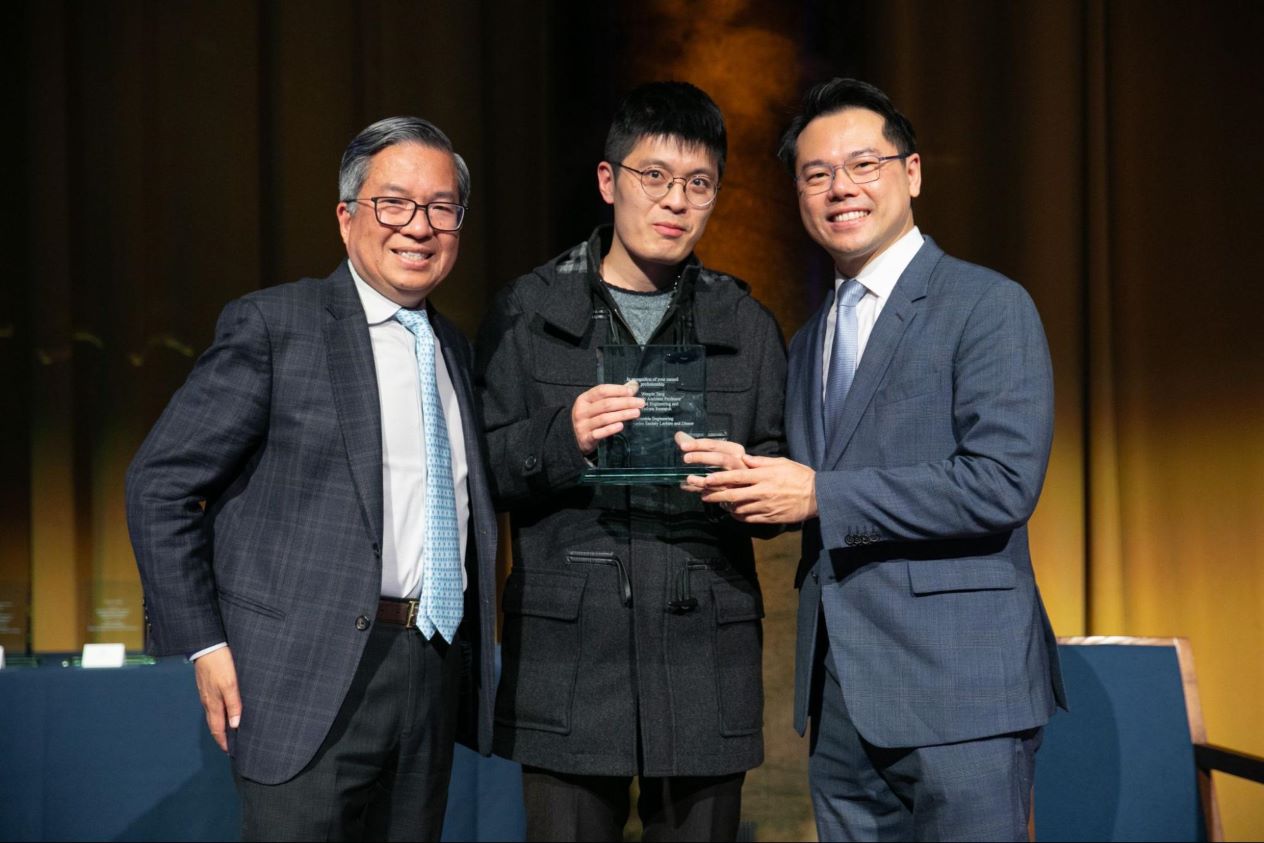
Wenpin Tang
Tang Family Assistant Professor of Industrial Engineering and Operations Research (Donors: Hao Tang and Hong “Maggie” Zhu P: EN ’24, EN ’25)
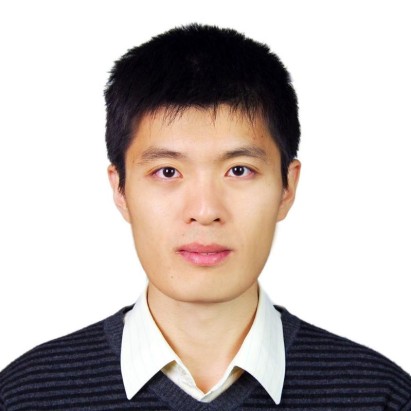
Wenpin Tang’s work lies at the intersection of stochastic analysis, machine learning, and quantitative finance. His primary research areas are continuous-time stochastic processes and probabilistic ranking models. Tang’s current research interest is to improve the efficiency of machine learning algorithms using stochastic tools and to develop robust AI methodology for the emerging fintech market.
Tang received his PhD from UC Berkeley in 2017 and his engineering degree at Ecole Polytechnique in 2013. He received the Prize for Excellence in Financial Markets from Morgan Stanley in 2017. He was a postdoctoral researcher in the Department of IEOR at UC Berkeley from 2019 to 2020 and an assistant adjunct professor in the Department of Mathematics at UCLA from 2017 to 2019.
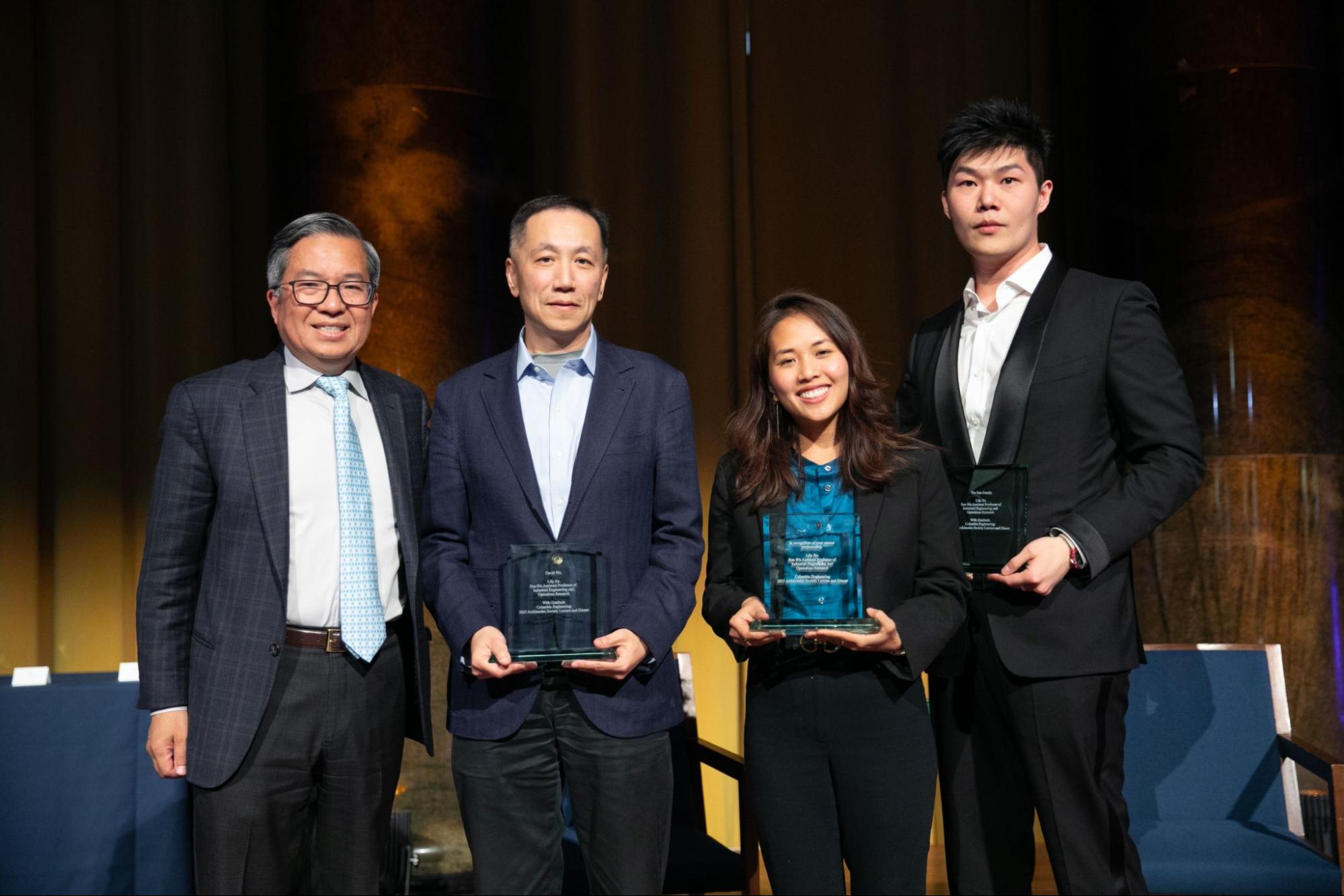
Lily Xu
Sun-Wu Assistant Professor of Industrial Engineering and Operations Research
(Donor: Jin (William) Sun BS’15 and David Wu BS’02)
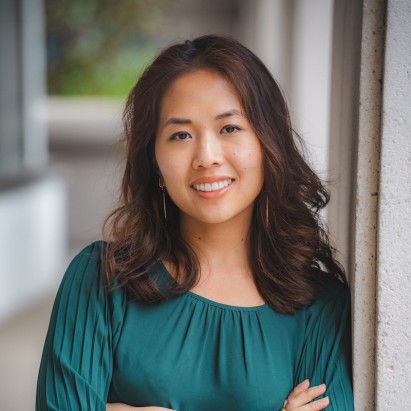
Lily Xu’s research develops methods across machine learning, optimization, and causal inference for planetary health challenges, with a focus on biodiversity conservation. She aims to enable practitioners to make effective decisions in the face of limited data, taking actions that are robust to uncertainty, effective at scale, and future-looking. Xu partners closely with NGOs and startups to bridge research and practice. Since 2020, she has co-organized the EAAMO research initiative, committed to advancing Equity and Access in Algorithms, Mechanisms, and Optimization.
Xu received an AB from Dartmouth College (2018) and a PhD from Harvard University (2024) and was a postdoctoral fellow at the University of Oxford with the Leverhulme Centre for Nature Recovery. Her research has been recognized with IFAAMAS dissertation award runner-up, AAAI best paper runner-up, the INFORMS Doing Good with Good OR award, a Google PhD Fellowship, and a Siebel Scholarship.
Salvatore Stolfo
Morysa Engineering Professor for a Connected Humanity of Computer Science
(Donor: Ziad Dalloul MS’88)
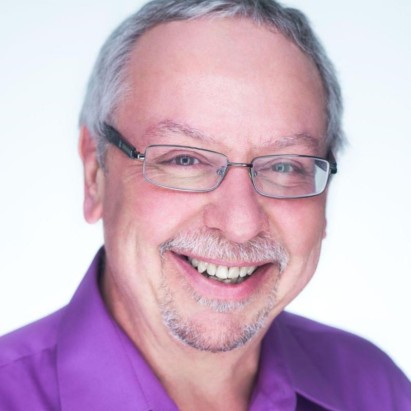
Salvatore Stolfo is a leading expert in computer security. He is known for his research in machine learning applied to computer security, intrusion detection systems, anomaly detection algorithms and systems, fraud detection, active authentication, and parallel computing for large data-centric applications. His most recent work has focused on cybersecurity for quantum computing. Stolfo is regarded as creating the area of machine learning applied to intrusion detection and has created several anomaly-detection algorithms and systems addressing some of the hardest problems in securing computer systems. Of particular note is his work on detecting zero-day attacks that has been widely deployed by a commercial cybersecurity company. The patented technology was successfully defended in court.
Stolfo has been granted over 109 patents. He has been named an IEEE Fellow and an ACM Fellow. He received a BS in computational information sciences from Brooklyn College, CUNY, in 1975 and a PhD in computer science from Courant Institute, New York University, in 1979.
Vishal Misra
RKS Family Professor of Computer Science
(Donor: Richard Song BS’92)
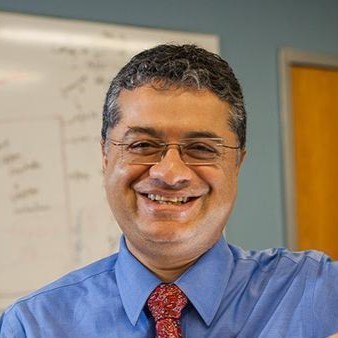
Vishal Misra serves as the vice dean for computing and AI in the School of Engineering at Columbia University. He is an ACM and IEEE Fellow, and his research emphasis is on mathematical modeling of systems, bridging the gap between practice and analysis. As a graduate student, he co-founded CricInfo, which was acquired by ESPN in 2007. In 2021, he developed one of the world’s first commercial applications built on top of gpt3 for ESPNCricinfo and has been subsequently modeling the behavior of LLMs. He also played an active part in the Net Neutrality regulation process in India, where his definition of Net Neutrality was adopted by both the citizen’s movement and the regulators. He has been awarded a Distinguished Alumnus Award by IIT Bombay (2019) and a Distinguished Young Alumnus Award by UMass-Amherst College of Engineering (2014).
He received a BTech from IIT Bombay in 1992, and an MS and PhD from the University of Massachusetts at Amherst in 1996 and 2000, respectively.
Lenfest Earth Institute Professor of Climate Change
(Donor: Harold Fitzgerald “Gerry” Lenfest LAW’58)
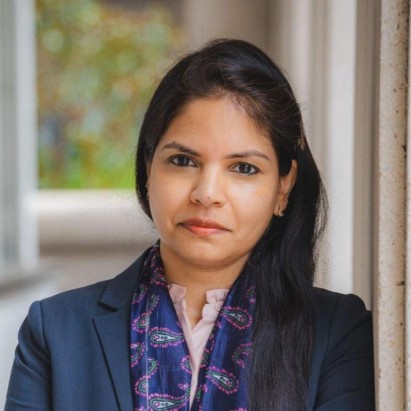
Greeshma Gadikota directs the Sustainable Energy and Resource Recovery Group. Her research is focused on (1) sustainable energy and metal recovery—developing new technologies to recover sustainable energy and critical metals by harnessing unconventional resources and (2) sustainable subsurface energy—creating sustainable energy solutions by harnessing subsurface resources.
Gadikota received her MS degrees in chemical engineering and operations research and PhD in chemical engineering—all from Columbia University. She held postdoctoral research associate appointments at Princeton University and Columbia University and a research associate appointment at the National Institute of Standards and Technology (NIST). Her BS degree in chemical engineering and economics is from Michigan State University. Previously, Gadikota was an associate professor and Croll Sesquicentennial Fellow in the School of Civil and Environmental Engineering with a field appointment in the Smith School of Chemical and Biomolecular Engineering at Cornell University. She is a recipient of the DOE, NSF, and ARO CAREER Awards; Sigma Xi Young Investigator Award; Cornell Engineering Research Excellence Award; Inaugural Cornell Rising Women Innovator Award; AICHE Sabic Award for Young Professionals from the Particle Technology Forum; and the ACS Women Chemists Committee Rising Star Award.
Gil Zussman
Kenneth Brayer Professor of Electrical Engineering
(Donor: Kenneth Brayer MS’65)
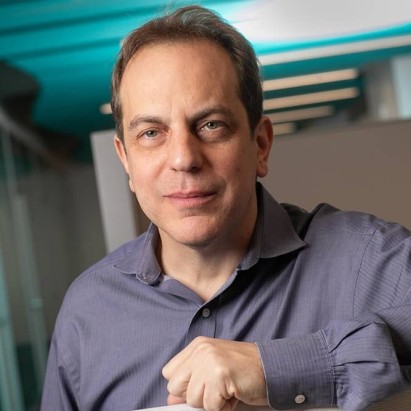
Gil Zussman received the BSc degree in industrial engineering and management and the BA degree in economics (both summa cum laude) from the Technion – Israel Institute of Technology in 1995. He received the MSc degree (summa cum laude) in operations research from Tel-Aviv University in 1999 and a PhD degree in electrical engineering from the Technion – Israel Institute of Technology in 2004. Between 1995 and 1998, he served as an engineer in the Israel Defense Forces. Between 2004 and 2007, he was a postdoctoral associate at MIT.
Since 2007, he has been with Columbia University, where he is now Kenneth Brayer Professor of Electrical Engineering, chair of the electrical engineering department, professor (affiliated) of computer science, and member of the Data Science Institute. His research interests are in the area of networking, and in particular in the areas of wireless, mobile, and resilient networks. He has been the Columbia PI of the ~$18M NSF COSMOS testbed, which is a national wireless infrastructure that is being deployed in West Harlem and enables experimentation in wireless and optical networks, edge cloud computing, and smart cities. The testbed has served as a foundation for the NSF Center for Smart Streetscapes (CS3) Engineering Research Center (ERC) at Columbia.
Zussman is an IEEE Fellow and a member of the American Academy of Sciences and Letters. He was an associate editor of IEEE/ACM Transactions on Networking, IEEE Transactions on Control of Network Systems, and IEEE Transactions on Wireless Communications and the Technical Program Committee (TPC) co-chair of IEEE INFOCOM’23, ACM MobiHoc’15, and IFIP Performance 2011. He received the Knesset (Israeli Parliament) Award for distinguished students, two Marie Curie International Fellowships, the Fulbright Fellowship, the DTRA Young Investigator Award, and the NSF CAREER Award and is a co-recipient of eight best paper awards.
Sunil K. Agrawal
Edwin Howard Armstrong Professor of Mechanical Engineering
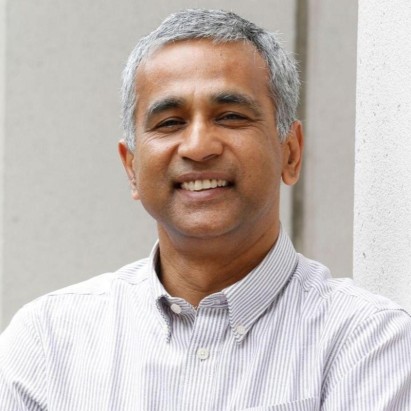
Sunil K. Agrawal has developed a highly visible interdisciplinary program in rehabilitation robotics involving faculty from Columbia Engineering and the Vagelos College of Physicians and Surgeons at Columbia University. Neural disorders, such as stroke and Parkinson’s disease, limit the ability of humans to walk and perform activities of daily living. Pediatric disorders such as cerebral palsy, spina bifida, and Down’s syndrome delay the development of children and pose many functional limitations. Old age diminishes the sensory and motor systems. Through a range of pilot and clinical studies involving human subjects, Agrawal has shown that novel training robots can help humans to relearn, restore, or improve functional movements. He has active collaborations with faculty in the Departments of Neurology, Rehabilitation Medicine, Pediatric Orthopedics, Otolaryngology, Geriatrics, and Psychiatry. Agrawal received a BS in mechanical engineering from IIT, Kanpur (India), in 1984; an MS degree from Ohio State University in 1986; and a PhD degree in mechanical engineering from Stanford University, California, in 1990. He is a fellow of the American Society of Mechanical Engineers (ASME) and the American Institute of Medical and Biological Engineering (AIMBE). He is an author of 450 research articles, 3 books, and 13 patents.
Steven K. Feiner
Wang Family Professor of Computer Science
(Donor: Fermi Wang MS’89, PhD’91)
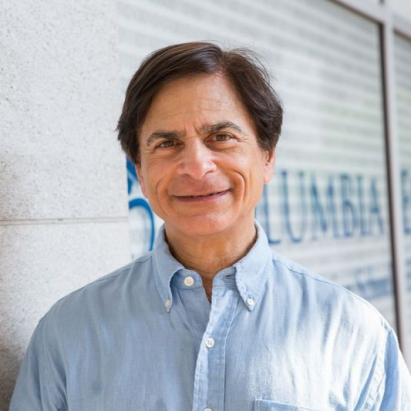
Steven Feiner and his lab explore how computers can assist people in performing skilled tasks at work and in play. They have researched Augmented Reality (AR), Virtual Reality (VR), and wearable computing for over 30 years, designing and evaluating novel 3D interaction and visualization techniques, creating the first outdoor mobile AR system using a see-through head-worn display and GPS, and pioneering experimental applications of AR and VR in fields such as tourism, journalism, maintenance, construction, and healthcare. Feiner’s lab has shown how to combat VR sickness, which some users experience when wearing VR headsets, by subtly modifying the user’s field of view in ways that are effective yet imperceptible for many people. In addition to working with individual displays by themselves, Feiner has investigated what he calls hybrid user interfaces, which combine different kinds of displays and interaction devices to benefit from their complementary strengths.
Feiner received an AB in music in 1973 and a PhD in computer science in 1987, both from Brown University. He is a Fellow of the ACM and the IEEE and a member of the ACM SIGCHI Academy and the IEEE VGTC Virtual Reality Academy. He is the recipient of the ACM SIGCHI 2018 Lifetime Research Award, the IEEE ISMAR 2017 Career Impact Award, the IEEE VGTC 2014 Virtual Reality Career Award, and a 1991 ONR Young Investigator Award. Together with his students and colleagues, he won the 2019 and 2022 IEEE ISMAR Impact Paper Awards, the ISWC 2017 Early Innovator Award, and the ACM UIST 2010 Lasting Impact Award.
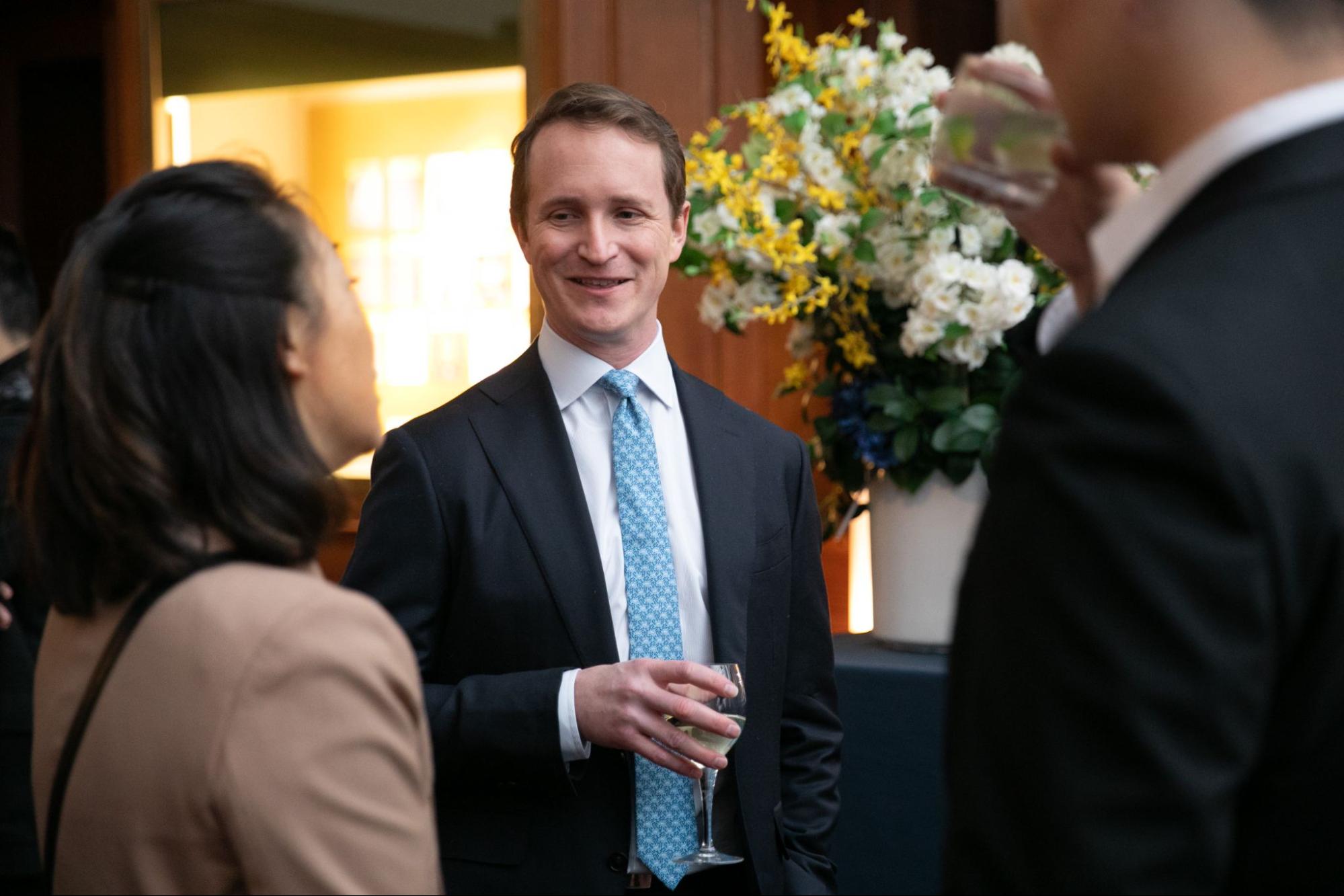
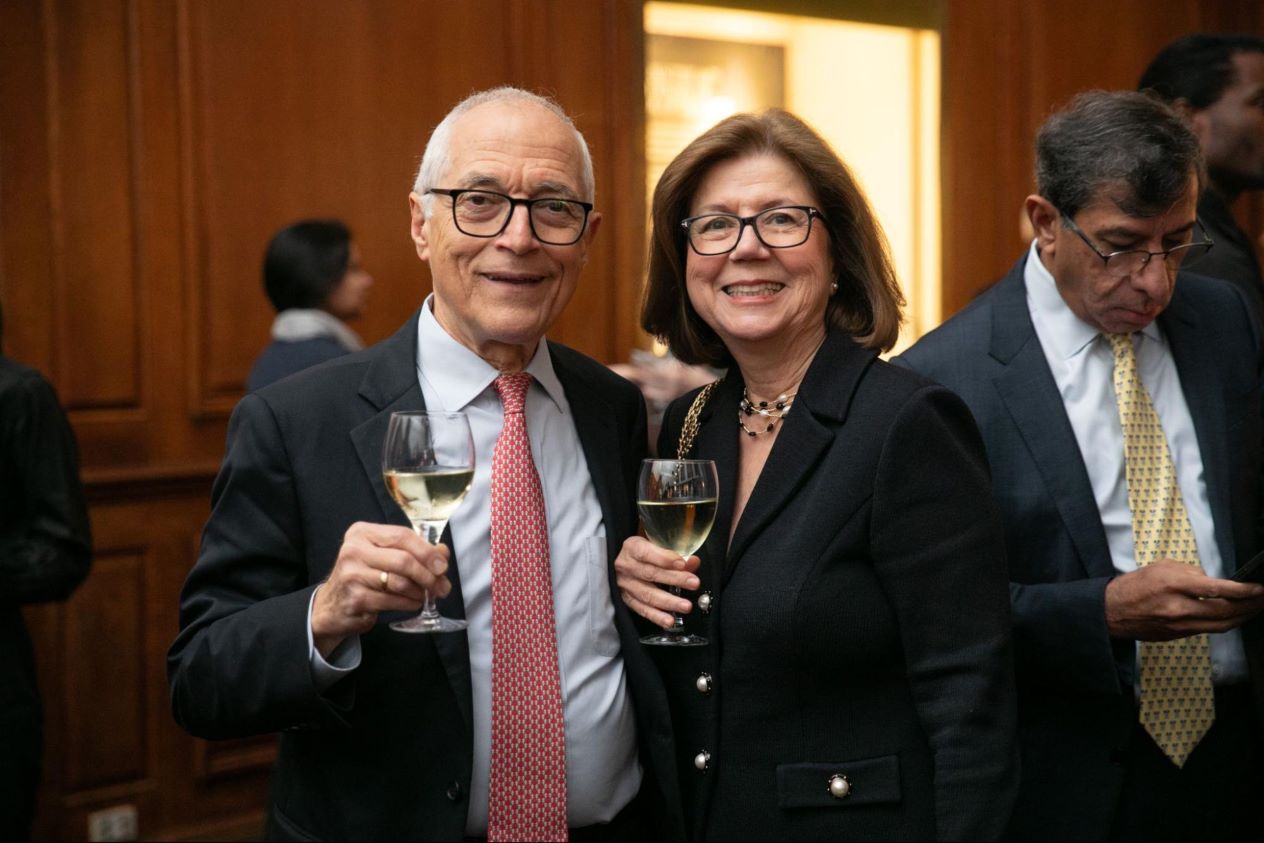
Snapshots from the Archimedes Dinner & Ceremony
Photos by David Dini
Lead Photo Caption: Left to right: Shih-Fu Chang, Steven Feiner, Fermi Wang.