
Blavatnik Doctoral Fellows: 2026-2027 Cohort
Flynn Anderson
Department of Biomedical Engineering

Flynn studied Biomedical Engineering at Binghamton University and will continue his research studies on the PRISM (Precision, Regenerative, Intelligent, Scalable Materials) program under Professor Helen Lu. He has previously worked in laboratories at Binghamton University and the Brigham and Women’s Hospital at Harvard University with a specific focus on characterization of renal pathways using microfluidics and bioprinting. Following his graduation, Flynn worked at Ginkgo Bioworks on the development of automated cell culture and cell therapy projects. Flynn is equally passionate about education and textiles. He recently served overseas with the Fulbright program in Laos and East Timor. He routinely teaches about textiles and design at a makerspace in Cambridge, Massachusetts, as well as runs a small independent fashion label. Having grown up in the Finger Lakes, Flynn is prepared to return to New York, and will use past experience in synthetic biology, materials engineering, and as a frequent textile user, to envision the next-generation of regenerative fibers.
Weiyu Chen
Department of Electrical Engineering
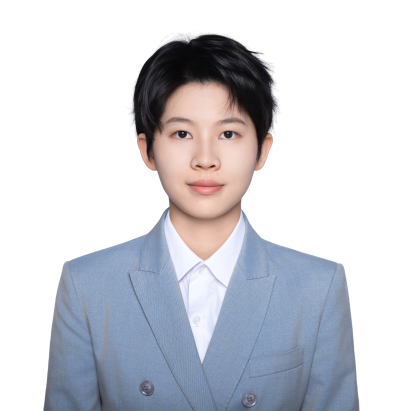
Weiyu Chen is an incoming doctoral student advised by Professor Nima Mesgarani. Her research interests lie at the intersection of brain-computer interfaces, neural signal processing, and artificial intelligence, with the goal of understanding human cognition and developing intelligent systems that can better interact with people. Prior to joining Columbia, Weiyu worked on multimodal neural signal analysis, including EEG-based cognitive state decoding and machine learning approaches for adaptive AI systems, as well as physiological signal based rehabilitation technologies. At Columbia, she hopes to develop data-driven and neuro-inspired approaches for decoding brain signals and building human centered technologies that can innovative solutions with broader societal impact.”
Ryan Hunt
Department of Biomedical Engineering
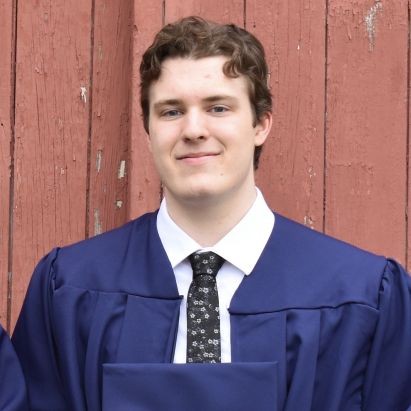
Ryan earned his B.S. in biomedical engineering from the University of Connecticut and his M.S. in personalized medicine and applied engineering at Yale University. While at Yale, he conducted research in the 3D Orthopaedics Lab, utilizing finite element modeling to evaluate the effectiveness of radial head implants in patient-specific models. He joins Columbia as a Ph.D. student where he will study in the Bone Bioengineering Laboratory under Professor Edward Guo. He is passionate about continuing to research the biomechanics and mechanobiology of orthopaedic tissues, as deepening the understanding of these tissues' properties and behaviors will help develop better treatments for related orthopaedic diseases.
Keyu Wan
Department of Mechanical Engineering
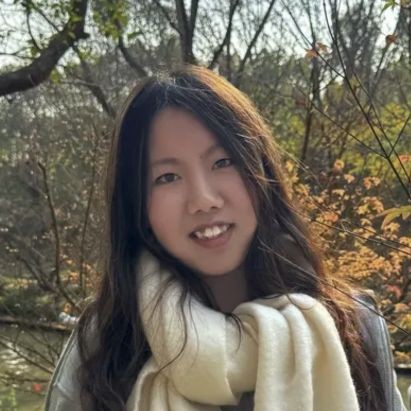
Keyu received her B.S. in mechanical engineering from Caltech in June 2026 and will join Columbia University as an M.S./Ph.D. student this Fall, working with Professor Vijay Vedula. During her undergraduate studies at Caltech, she conducted research on developing assistive robotic technologies that restore human function through the integration of biomechanics, physiological sensing, and intelligent control. Her doctoral research will focus on advancing the diagnosis and treatment of heart diseases by combining machine learning, medical imaging, and computational modeling to better understand cardiac disease mechanisms and develop patient-specific models of cardiac mechanics that can be integrated into clinical workflows. She is excited to collaborate with engineers, physicians, and researchers across the Columbia community to translate innovative technologies into improved healthcare solutions for patients with cardiovascular disease worldwide.
Evan Wang
Department of Biomedical Engineering
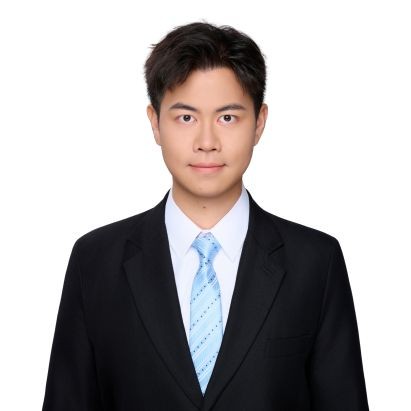
Evan Wang is an incoming M.S./Ph.D. candidate joining Professor Ke Cheng’s lab to investigate innovative approaches at the intersection of biomaterials, drug delivery, and immunotherapy. He received his B.S. in chemical and biomolecular engineering from Johns Hopkins University, where he conducted research on biomaterials for regenerative medicine and gene delivery. Evan is passionate about developing biomaterial-based strategies for in vivo immunoengineering, with the goal of harnessing the immune system for cancer therapy through targeted delivery and precise cellular engineering. His research aims to develop clinically translatable technologies that enable more precise and effective treatments for complex diseases.