Project 1: Engineering tumor painting nanoparticles to promote immunotherapy responsiveness in bladder cancer
-
Abstract
This research proposes a new method to treat bladder cancer using innovative "tumor-painting" nanoparticles. These tiny particles are engineered to deliver a protein straight to tumors. This protein acts as a beacon, recruiting immune cells into the tumor which makes the cancer much more responsive to immunotherapy, a type of treatment that uses the immune system to fight cancer. The project has two main goals: to prove that these particles can target the cancer accurately and safely in mice, and to test if a specific protein, CXCL13, can prepare the cancer environment to better respond to immunotherapy. This approach aims to make cancer treatments more effective, with fewer side effects, by precisely targeting and remodeling the immune system inside of tumors.
-
Principal Investigators
Image

Dr. Santiago Correa Dr. Santiago Correa is an Assistant Professor of Biomedical Engineering at Columbia University, where he is also a member of the Herbert Irving Comprehensive Cancer Center. Dr. Correa is primarily interested in developing nanotechnology for both macro- and nanoscale technologies to reprogram the immune system to treat diseases like cancer and autoimmune disorders. Prior to beginning his faculty position, Dr. Correa was an NCI-funded Ruth L. Kirschstein F32 Postdoctoral Fellow in the Materials Science and Engineering Department at Stanford University, where he worked on immunomodulatory biomaterials in the Appel Lab. Prior to his postdoctoral work, Santiago received his Ph.D. in Biological Engineering from MIT, where he investigated how nanoparticle surface chemistry could be engineered to target ovarian cancer and to fabricate multifunctional nanomaterials in the Hammond Lab. His doctoral research was supported by Fellowships from the NSF, Sloan Foundation, and Siebel Foundation. Santiago obtained his B.S. in Biomedical Engineering from Yale University, where he conducted research on the foreign body response to brain implants in the Kyriakides Lab.
Image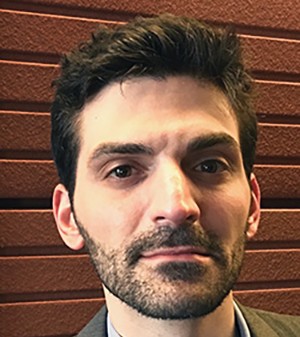
Dr. Nicolas Arpaia Dr. Nicholas Arpaia received a B.S. in Biochemistry from the State University of New York, Geneseo, in 2006 and a Ph.D. in Molecular and Cell Biology (Immunology and Pathogenesis) from the University of California, Berkeley, in 2011. His graduate work with Dr. Gregory M. Barton examined interactions between Salmonella typhimurium and the innate immune system and demonstrated that Toll-like receptor–sensing of S. typhimurium promotes pathogen virulence and immune evasion. As a postdoctoral research fellow in the laboratory of Dr. Alexander Y. Rudensky at Memorial Sloan Kettering Cancer Center, Dr. Arpaia investigated how tissue-resident leukocytes sense changes in their local environment and identified environmental signals that drive the differentiation and specialization of regulatory T (Treg) cell subsets. He began his independent laboratory as an Assistant Professor of Microbiology & Immunology at Columbia University Irving Medical Center in 2016, where his research focuses on understanding the molecular mechanisms that drive pro- vs. anti-inflammatory immune responses in mucosal barrier tissues and the tumor microenvironment. Dr. Arpaia serves as the Associate Director of the Integrated Doctoral Program in Cellular, Molecular, and Biomedical Sciences and Faculty Director of the Microbiology & Immunology Shared Resources Core. He was named a Searle Scholar in 2017 and received the Harold and Golden Lamport Award for Excellence in Basic Science Research in 2021. Find the Arpaia Lab on X (Twitter) (@arpaialab), and at www.arpaialab.nyc.
Project 2: The genomic and synaptic basis of learned sound association and language disorder
-
Abstract
Learned sound association is the process by which the auditory nervous system associates a sound with a certain outcome. This ability can be impaired in neurodevelopmental conditions such as language disorder and autism spectrum disorder (ASD). In this interdisciplinary proposal, we aim to identify variants and genes affecting language disorder and study the neuronal pathways and circuits involved in sound association along with the mutations that can disrupt them. This will be achieved by using computational approaches to analyze large-scale human genetic data such as genome-wide association studies (GWAS) and post-GWAS analysis methods, and conducting behavioral experiments with fiber photometry in wildtype and mutant mice models using an interactive virtual reality (VR) environment.
-
Principal Investigators
Image

Dr. David Knowles Dr. David Knowles completed his Ph.D. with the Cambridge University Machine Learning Group followed by a postdoc at Stanford developing methods for functional genomics. At Columbia, he is an Assistant Professor of Computer Science, an Interdisciplinary Appointee in Systems Biology, and an Affiliate Member of the Data Science Institute. Additionally, he is a Core Faculty Member at the New York Genome Center and a proud recipient of the NSF CAREER Award. Dr. Knowles uses statistical machine learning—probabilistic graphical models, deep learning, and convex optimization—to address challenges in understanding large genomic datasets. His lab develops methods to map the causes and consequences of transcriptomic dysregulation, especially RNA splicing, across the spectrum from rare to common genetic disease. They collaborate with groups at NYGC, Columbia and MSSM, focusing on understanding the genetic basis of neurological diseases.
Image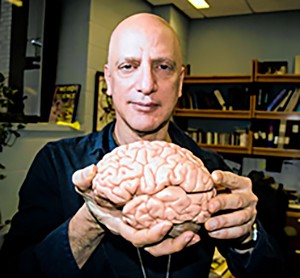
Dr. David Sulzer David Sulzer is a Professor of Psychiatry, Neurology, Pharmacology, and a faculty member at the School of the Arts at Columbia University and the New York State Psychiatric Institute. He attended Michigan State University, studied plant breeding and genetics at the University of Florida, and received a Ph.D. in biology from Columbia University. His lab has published over 200 studies on synaptic function in normal and diseased states, which have been cited over 40,000 times (h-index 86). He is the founder of the Dopamine Society, the Gordon Conference on Parkinson’s Disease, and the journal Nature Parkinson’s Disease. He has received awards from the McKnight, Simons, Helmsley, NARSAD, Huntington’s, and Aaron Diamond Foundations, and has given named lectureships at the National Institutes of Health, Harvard, Yale, UCSF, Emory, UC Irvine, and the Universities of Minnesota, Jerusalem, London, and from the Portuguese and Austrian Societies for Neuroscience. His students and postdocs have received Fulbright, Marshall, and Regeneron awards for their work in the lab. Many of his past trainees are professors at top research universities, including Columbua and Yale, while others have become a pharmaceutical company CEO and the science editor at The Wall Street Journal .
Project 3: A multi-omic investigation of the vaginal ecosystem and cervical biomechanical properties in pregnancy
-
Abstract
Spontaneous preterm birth (sPTB) is a leading cause of morbidity and mortality and has limited diagnostics and therapeutics. We and others have highlighted the cervicovaginal microbiome as a causal factor in sPTB through ascending infection and immune modulation. We have also shown the structural failure of the cervix is another crucial factor, manifesting as premature tissue remodeling, shortening, and dilation. While often studied separately, those etiologies of sPTB are tightly linked. The microbiome can cause local inflammation, disruption of the cervicovaginal epithelium, and aberrant tissue remodeling, both directly and through the production of metabolites. In an established rodent model of inflammation-mediated sPTB, we discovered that cervical mechanical properties were drastically altered compared to normal hormone-mediated remodeling. Our preliminary results in humans demonstrate a strong association between cervicovaginal microbes and cervical tissue stiffness. Understanding how these molecular and mechanical properties interact in the cervicovaginal ecosystem can lead to novel therapeutic targets. The objective of this study is to identify properties of the cervicovaginal microbiome, metabolome, and immune system associated with the biomechanics of cervical remodeling and validate them in a functional assay performed directly on live human cervical tissue. We aim to identify therapeutic targets that bolster cervical tissue mechanical integrity, reducing sPTB risk. Our team comprises a tight collaboration between mechanical engineering (SEAS), systems biology (CUIMC), and obstetrics and gynecology (CUIMC), where our future team vision is to pursue diagnostic and therapeutic innovations in gynecologic and maternal health.
-
Principal Investigators
Image
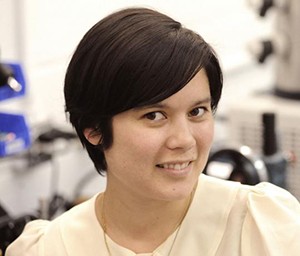
Dr. Kristen Myers Kristin Myers , Ph.D., is an Associate Professor of Mechanical Engineering. Kristin leads one of the few engineering teams in the world creating digital twins of human pregnancy to uncover structural mechanisms of preterm birth and to design functional biomedical devices in the reproductive system. She received her mechanical engineering doctorate and master's degree from MIT and her bachelor's degree from the University of Michigan. Kristin was awarded the Presidential Early Career Award for Scientists and Engineers from the White House for her work in understanding tissue growth and remodeling in pregnancy.
Image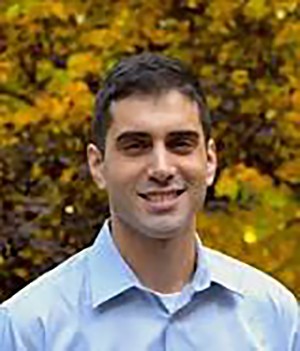
Dr. Tal Korem Tal Korem , Ph.D., is an Assistant Professor of System Biology and Reproductive Sciences in Obstetrics and Gynecology. Korem’s research program focuses on the development of computational methods that identify and interpret host-microbiome interactions in various clinical settings, with a focus on reproductive outcomes and women’s health. The ultimate goal of his research is to translate microbiome findings to clinical care, with microbiome-based therapeutics and microbiome-informed clinical practices. He is a member of Columbia’s Program for Mathematical Genomics (PMG) and was previously a CIFAR-Azrieli global scholar by the Canadian Institute for Advanced Research.
Image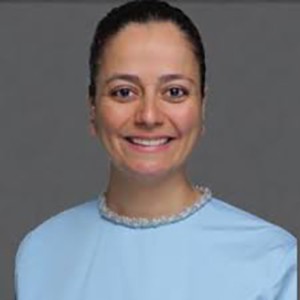
Dr. Mirella Mourad Mirella Mourad , M.D., is an Assistant Professor of Obstetrics and Gynecology at the Columbia University Medical Center. Mirella is an attending physician in the Division of Maternal-Fetal Medicine (MFM) and the Director of the Mothers Center and Co-Director of the Preterm Birth Prevention Center (PPC) at CUIMC. The PPC improves perinatal outcomes by providing individualized, evidence-based care to patients at risk for preterm birth and promoting cutting-edge, multidisciplinary research. Dr. Mourad has substantial experience in clinical care and research. She was the lead Investigator of an NIH NICHD-funded biomedical device study – An Ancillary Trial of Pessary in Singleton Pregnancies with a Short Cervix. In 2024, Mirella was awarded the MFM Teaching Award for Fellows, highlighting her leadership in medical education and dedication to maternal and fetal health.
Project 4: Mechanobiology of early embryonic brain development
-
Abstract
Early in development of the vertebrate brain, primary ventricles are sculpted from the anterior neural tube, concomitant with the diversification and regionalization of neural stem cells to establish the basic morphological plan of the adult brain. Errors during these initial stages of brain development have been linked to severe neurological and behavioral disorders. Regionalization and patterning of the embryonic brain has been extensively studied within a framework motivated by biochemical cues controlling cell behaviors, yet a handful of older studies suggest that mechanical forces also play a critical role. The present application combines engineering approaches such as in vivo force perturbations, mechanical testing, and mathematical modeling, with developmental and molecular tools such as gene misexpression, embryology, and multi-omics to understand how morphogenic and mechanical aspects of early brain development are integrated. The proposal relies heavily on cross-disciplinary collaboration between Principal Investigators (PIs) Nerurkar, an expert in mechanobiology of embryonic development, and Tosches, a leader in molecular and genomic approaches to studying brain development and evolution. The project’s first aim focuses on how tension in the neuroepithelium of the early brain influences morphogenic/biochemical control over cell proliferation. We hypothesize that secreted proteins tune cell “mechanostats,” modulating differential cell responses to tension as a function of gene expression patterns. The second aim assesses cell-type specificity of the embryonic brain mechanome to understand how mechanically driven growth is coordinated with the specification and identity of neuronal subtypes. This project will provide important new insights into how mechanical and molecular cues converge to pattern the embryonic brain.
-
Principal Investigators
Image
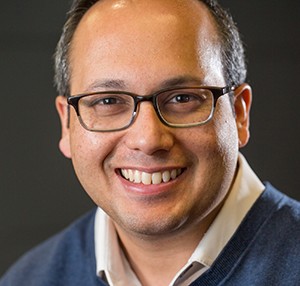
Nandan Nerurkar is an Assistant Professor of Biomedical Engineering. He investigates how tissues and organs form in the developing embryo through an integration of genetic, molecular, and biophysical cues. His ultimate goal is to establish design principles of embryonic tissue formation and repurpose them for regenerative medicine and tissue engineering applications. Using live in vivo imaging, gene misexpression, and biomechanical approaches in the developing chick embryo, Nerurkar’s research focuses on understanding how forces that shape the embryo are specified by developmental signals, how these forces in turn influence tissue growth and stem cell differentiation, and how birth defects arise when these processes go awry. He received a B.S. in biological engineering from University of Maryland College Park, an M.S. in biomedical engineering from Washington University in St. Louis, and a Ph.D. in mechanical engineering and applied mechanics from the University of Pennsylvania. Nerurkar completed his postdoctoral training in the Department of Genetics at Harvard Medical School before joining Columbia in January 2018. He also holds a secondary appointment at Columbia University Medical Center in the Department of Genetics & Development.
Image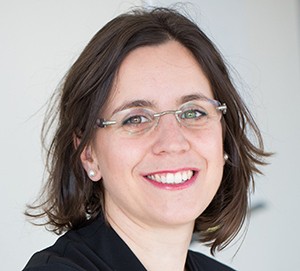
Maria Tosches has been an Assistant Professor at Columbia University in the Department of Biological Sciences since 2019. She studied developmental biology and neuroscience at the Scuola Normale Superiore and the University of Pisa in Italy. She earned her Ph.D. at the European Molecular Biology Laboratory in Germany, where she conducted research on the early evolution of nervous systems. During her postdoctoral work at the Max PIanck Institute for Brain Research, she investigated the evolution of the cerebral cortex in turtles and lizards. Her lab, the Tosches Lab, takes an evolutionary approach to unveil general principles of brain organization and function in vertebrates. Rather than being designed by engineers, animal brains are the outcome of millions of years of evolution. Studying this evolutionary history may help understand their stunning complexity. To achieve this, her lab uses genetic, genomic, developmental, and neurobiological approaches to investigate cell types and neural circuits in understudied vertebrate species.
The Blavatnik Fund for Engineering Innovations in Health
The Blavatnik Acceleration Funds are one part of the Blavatnik Fund for Engineering Innovations in Health, which plays a key role in supporting Columbia Engineering’s mission to build a healthier world by providing resources that accelerate discovery and translate transformational ideas into tangible impact.