This year, the Blavatnik Acceleration Fund at Columbia Engineering will support four teams researching bladder cancer, embryonic brain development, spontaneous preterm birth, and the basis of common language disorders. These awards are supported by the School’s Blavatnik Fund for Engineering Innovations in Health, made possible with the generous support from the Blavatnik Family Foundation, headed by Columbia Engineering alumnus Len Blavatnik MS’91.
Established in 2018, the Blavatnik Fund for Engineering Innovations in Health focuses on research at the intersection of engineering and health, with the aim to expedite the development, application, and commercialization of breakthrough discoveries.
The fund has supported 24 projects across seven cohorts, teams rooted in cross collaboration. Those investigations have led to breakthroughs in understanding the foundations of memory, enabled the development of an important new technique for stem cell therapy, and supported the construction of a prototype robotic walker that helps children with cerebral palsy learn to walk.
In addition to sponsoring research projects, the Blavatnik Fund for Engineering Innovations in Health also supports talented doctoral students at a critical stage in their research. Since its inception in 2018, the Blavatnik Doctoral Fellowships have been awarded to 39 students across a range of areas of study–from biomedical optics to single-cell genomics and protein engineering to cutting-edge drug delivery.
The interdisciplinary nature of the research projects supported by the Blavatnik Fund for Engineering Innovations and Health underscores the Engineering School’s strong ties with collaborators at Columbia University Irving Medical Center, including the Vagelos College of Physicians and Surgeons, all working towards a common goal of bringing innovative solutions to engineering and medicine.
About the winning projects:
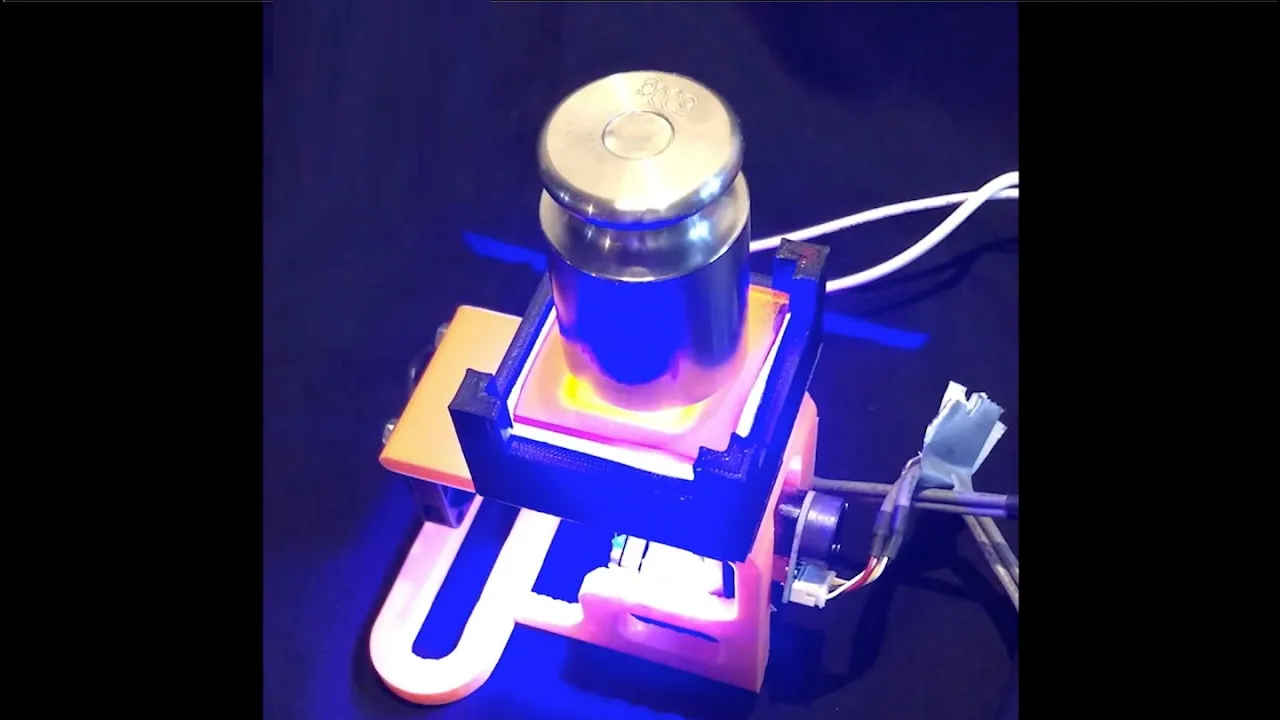
Engineering tumor painting nanoparticles to promote immunotherapy responsiveness in bladder cancer
Image
| Image
|
PIs: Santiago Correa, assistant professor of biomedical engineering and member of the Herbert Irving Comprehensive Cancer Center; Nicholas Arpaia, associate professor of microbiology & immunology
This project introduces a highly innovative strategy to enhance immunotherapy for muscle-invasive bladder cancer (MIBC) through the use of tumor 'painting' nanoparticles. These nanoparticles are designed to deliver immunomodulatory proteins directly to tumors via intravesical administration, meeting the urgent need for safer and more effective treatments.
With MIBC's grim prognosis (~50% 5-year survival rate) and the limited success of current immunotherapies, their project aims to make tumors more responsive to such therapies, potentially benefiting a larger group of patients. Their research is structured around two main objectives. Aim 1 is to demonstrate that these nanoparticles can precisely target and deliver their protein payloads to MIBC tumors in advanced orthotopic mouse models, evaluating the treatment's efficacy and safety. Aim 2 explores the therapeutic potential of using these nanoparticles to deliver the CXCL13 chemokine, thereby priming the tumor microenvironment to enhance the response to PD-1 checkpoint blockade immunotherapy. The researchers hypothesize that CXCL13 delivery will induce the formation of tertiary lymphoid structures, known to amplify anti-cancer immune responses, as evidenced by recent MIBC clinical trials.
Their proposal integrates cutting-edge nanomedicine with immunology to offer a novel approach that could reduce treatment toxicity, target tumors more precisely, and amplify the effectiveness of existing cancer treatments.
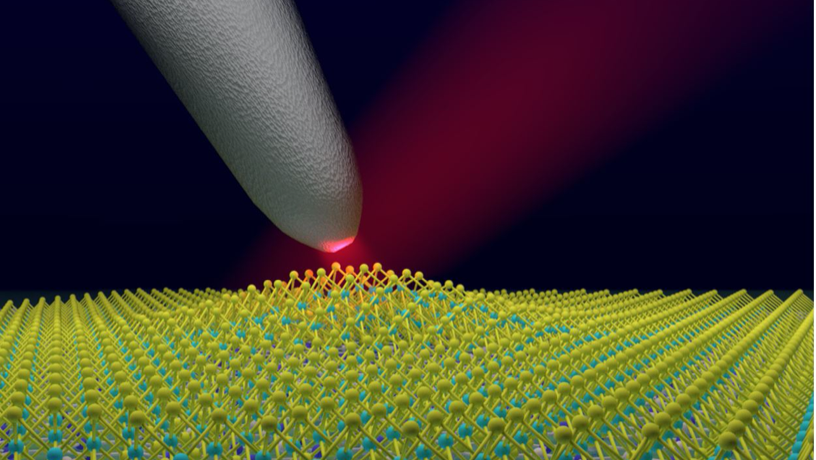
The genomic and synaptic basis of learned sound association and language disorder
Image
| Image
|
PIs: David Knowles, assistant professor of computer science and member of the Data Science Institute; David Sulzer, professor of psychiatry, neurology, pharmacology
Learned sound association is the process by which the auditory nervous system associates a sound with a certain outcome. This ability can be impaired in neurodevelopmental conditions such as language disorder and autism spectrum disorder (ASD).
In this research project, Knowles and Sulzer aim to identify variants and genes affecting language disorder and study the neuronal pathways and circuits involved in sound association along with the mutations that can disrupt them. This will be achieved by using computational approaches to analyze large-scale human genetic data such as genome-wide association studies (GWAS) and post-GWAS analysis methods, and conducting behavioral experiments with fiber photometry in wildtype and mutant mice models using an interactive virtual reality environment.
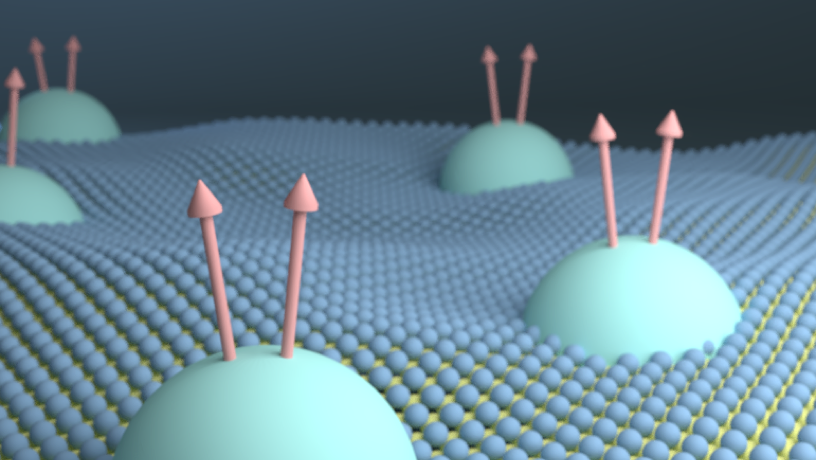
A multi-omic investigation of the vaginal ecosystem and cervical biomechanical properties in pregnancy
Image
| Image
| Image
|
PIs: Kristin Myers, associate professor of mechanical engineering; Tal Korem, assistant professor of systems biology and reproductive sciences in Obstetrics and Gynecology; Mirella Mourad, assistant professor of obstetrics and gynecology
Spontaneous preterm birth (sPTB) is one of the leading causes of complications during pregnancy, but there are few ways for physicians to predict or prevent it. Researchers have found that two factors — the community of bacteria living in the vagina and physical changes to the cervix — play a role in sPTB.
With support from the Blavatnik Acceleration Fund, this research team will investigate how the vaginal ecosystem affects the stiffness of the cervix and its mechanical changes during pregnancy. This comprehensive approach could lead to new ways to identify women at risk of preterm birth and develop treatments to strengthen the cervix and prevent early labor.
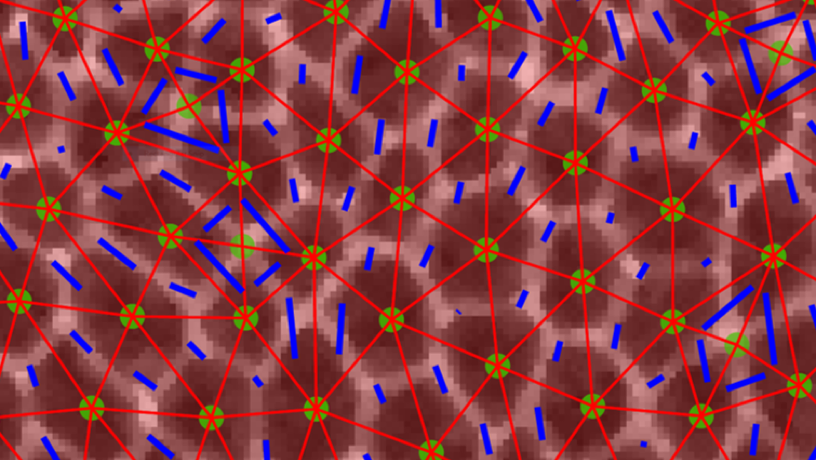
Mechanobiology of early embryonic brain development
Image
| Image
|
PIs: Nandan Nerurkar, assistant professor of biomedical engineering; Maria Tosches, assistant professor of biological sciences
Errors in the earliest stages of brain development can lead to severe neurological disorders, but researchers still don’t fully understand the factors that determine how the embryonic brain’s shape and structure are formed.
With support from the Blavatnik Acceleration Fund, this research team will study how physical forces and genetic signals work together to shape the developing brain. By combining engineering techniques to measure mechanical forces with advanced molecular biology methods, they aim to uncover how tension in the developing brain influences cell growth and identity.
This interdisciplinary approach could reveal fundamental insights into brain development, helping researchers understand how early disruptions can lead to neurological disorders and potentially guiding future treatments.
Why Earn Your EngScD in Mechanical Engineering at Columbia?
Columbia gives you a rigorous Ivy League education in the heart of a vibrant global city for unmatched opportunities and impact.
As a student, you’ll benefit from:
- New York City
Join top talent in one of the world’s most exciting and influential cities. Students choose Columbia Engineering over MIT, Berkeley, and others because of the New York City ecosystem of research and enterprise that can’t be found anywhere else.
- Unparalleled Opportunities for Research
Join faculty in advanced research projects at the forefront of mechanical engineering. Current areas of departmental focus include controls and robotics, energy and micropower generation, fluid mechanics, heat/mass transfer, mechanics of materials, manufacturing, material processing, microelectromechanical systems, nanotechnology, and orthopedic biomechanics.
- Unique Multidisciplinary Environment
Gain inspiration and insights from other areas of knowledge both within the College of Engineering and beyond. The department collaborates closely with other departments and centers of interdisciplinary research including Columbia University Medical Center and the Materials Research Science and Engineering Center.
- Columbia University
With a PhD from Columbia, you’ll join one of the world’s most international, accomplished networks of researchers and alumni. Your Ivy League credential will open doors wherever you go and the relationships you build here will accelerate your career.
Why Earn your PhD in Mechanical Engineering at Columbia?
Columbia gives you a rigorous Ivy League education in the heart of a vibrant global city for unmatched opportunities and impact.
As a student, you’ll benefit from:
- New York City
Join top talent in one of the world’s most exciting and influential cities. Students choose Columbia Engineering over MIT, Berkeley, and others because of the New York City ecosystem of research and enterprise that can’t be found anywhere else.
- Unparalleled Opportunities for Research
Join faculty in advanced research projects at the forefront of mechanical engineering. Current areas of departmental focus include controls and robotics, energy and micropower generation, fluid mechanics, heat/mass transfer, mechanics of materials, manufacturing, material processing, microelectromechanical systems, nanotechnology, and orthopedic biomechanics.
- Unique Multidisciplinary Environment
Gain inspiration and insights from other areas of knowledge both within the College of Engineering and beyond. The department collaborates closely with other departments and centers of interdisciplinary research including Columbia University Medical Center and the Materials Research Science and Engineering Center.
- Columbia University
With a PhD from Columbia, you’ll join one of the world’s most international, accomplished networks of researchers and alumni. Your Ivy League credential will open doors wherever you go and the relationships you build here will accelerate your career.
Faculty Tech Talk: Smart Machines and the Road to Driverless Cars
Roboticists Hod Lipson and Matei Ciocarlie joined Dean Mary C. Boyce to discuss how to move driverless cars and other smart machines beyond controlled laboratory settings.
The professors agreed that daunting challenges stand in the way of implementing autonomous vehicles on the nation’s roadways, while sharing different perspectives on how readily artificial intelligence will be able to match people’s street smarts. We’ve excerpted a few edited highlights of the conversation below:
In the realm of intelligent machines, things have begun moving very quickly, whether in regards to embodied intelligence, artificial intelligence, [or] augmented intelligence…what are the biggest challenges to building even smarter machines right now?
Matei Ciocarlie: Abstract intelligence is what gets a lot of press in terms of artificial intelligence—playing Go, playing chess—but those settings are well-suited for computers. They are very orderly, very well-defined, but our real world is a mess. It’s very difficult for a robot to deal with the sheer number of situations we might encounter… The amount of information that we process via touch and perception, how do we replicate that in robotics? Physical interaction with this complicated world of ours, like dexterous manipulation, is an incredibly difficult problem… Researchers are developing tactile sensors that gather orders of magnitude more data than anything else that exists right now.
Hod Lipson: Artificial intelligence has made a lot of progress virtually but not so much physically—robots are still pretty incapable compared to humans, animals, squirrels, or however you measure it. AI has not earned its place in the physical world. Humans and animals have crawled in the rain and the sand and the mud, AI has not done that yet… But computers are getting faster exponentially. Ten years from now, today’s computing will look the way 1940s computing does to us. Technology like driverless cars and robotics are riding this curve… It’s coming faster than even the experts think it’s coming.
Autonomous vehicles are in the news a lot right now, because numerous elements have advanced simultaneously to suddenly enable a very rapid pace of development… what final challenges—across hardware, software, and data and imaging—need to be addressed?
Ciocarlie: With recent progress, it's easy to forget how many decades of technology progress got us to this point. For example, GPS is crucial to self-driving cars, but precise only within a couple of meters. You will drive off the road if you just localize yourself based on GPS… When building new methods to account for that, we have to think about a driving algorithm that works not 99.5% or 99.9% of the time but 100% of the time… My sense is that a fully autonomous car capable of navigating every type of road is coming slower than we would tend to believe, because there are still a lot of difficulties in two big problems: the “last mile” and the “long tail”. The “last mile” is the ability to take you on those tiny side streets…the highway is the easiest and the large boulevard can be done, but as you get deeper into a neighborhood things can become more difficult. The “long tail” is things that happen very rarely, the oddest of things that have a small but non-zero chance of happening and eventually do… Humans have this very elusive thing called common sense that we can’t quite define which helps us deal with these situations, and that's been difficult to replicate.
Lipson: People don’t understand what’s difficult about telling the difference between a child and a fire hydrant, it’s so obvious. For us humans, we’re so good at understanding what we’re seeing that we don’t even understand what’s hard about it, but it’s really hard for computers. That’s finally being solved… through the cloud effect of AI systems teaching other AI systems, robots teaching other robots. That’s an alien concept to humans because, for example, we can only have one lifetime of experience driving, but a driverless car can have many lifetimes of experience because it can learn from all other cars. So, in a strange way, the more cars that are on the road the better each one of them gets... We can save lives already before we solve the last mile or the long tail, it’s good to have these cars on the road sooner rather than later, the moment they are as good as an average driver, which by the way is a pretty low bar.
Retiring Faculty Honored
Highlights from the Event