Vishal Misra
Highlights: Designing for Impact
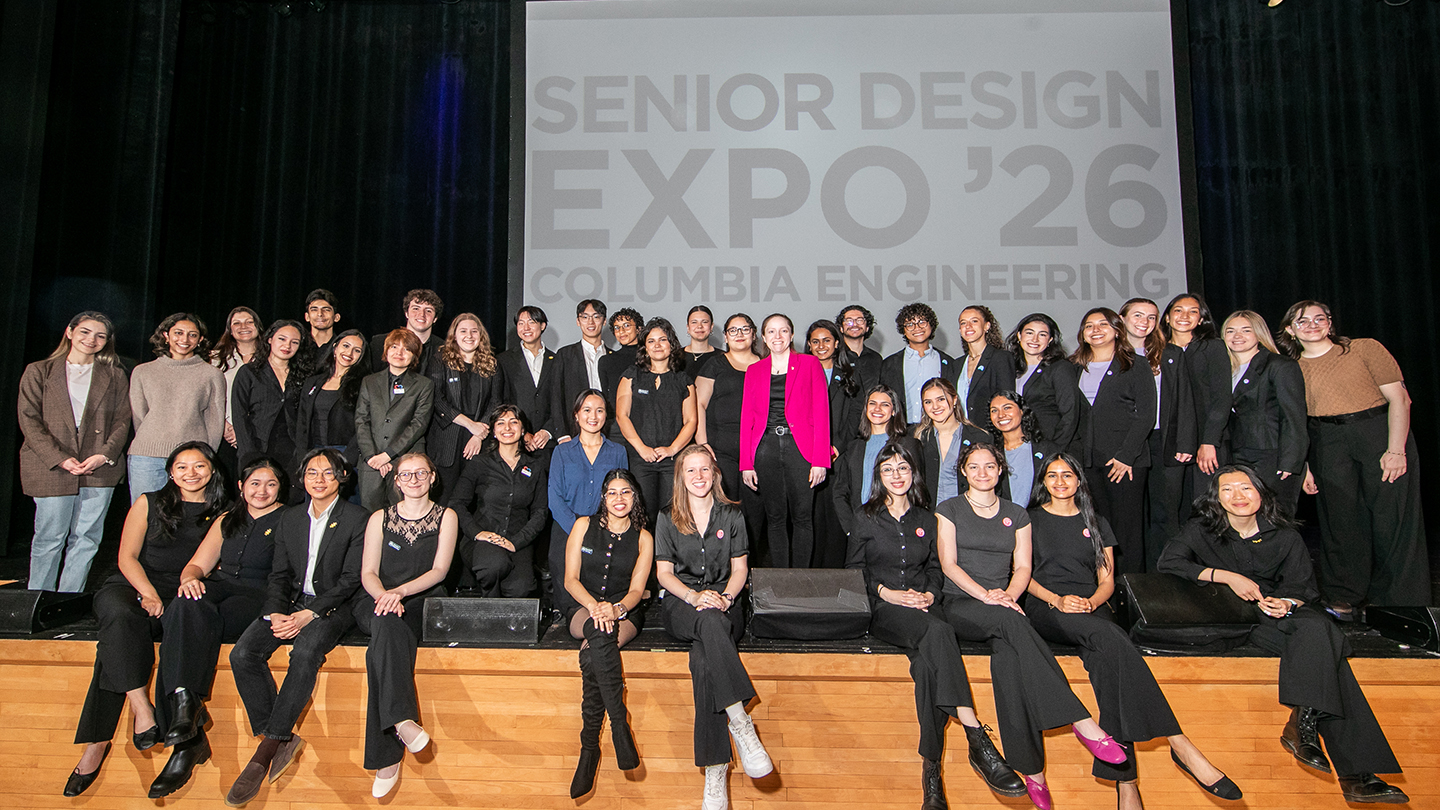
Here’s a look at some of the capstone projects on display at Senior Design Expo 2026. Credit: Timothy Lee
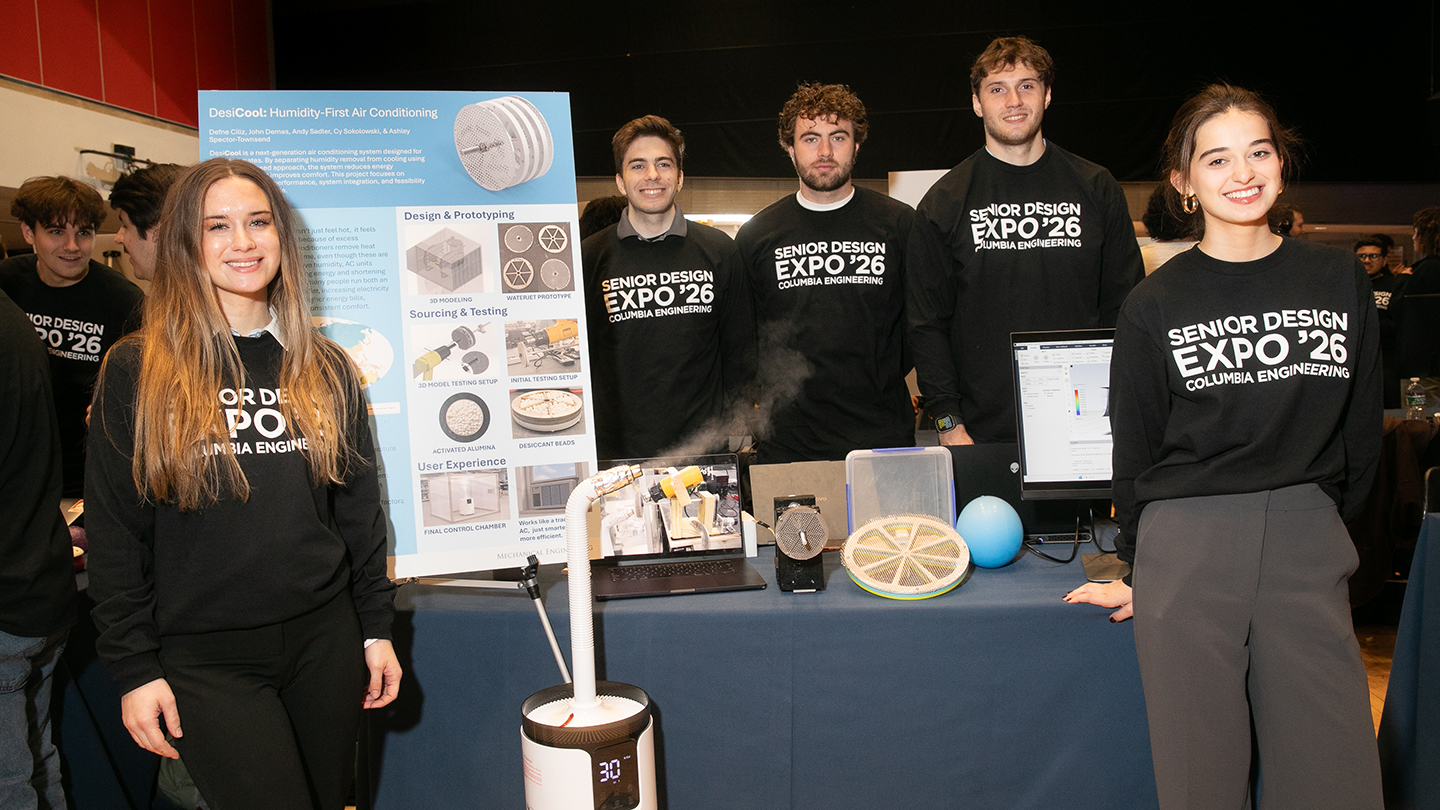
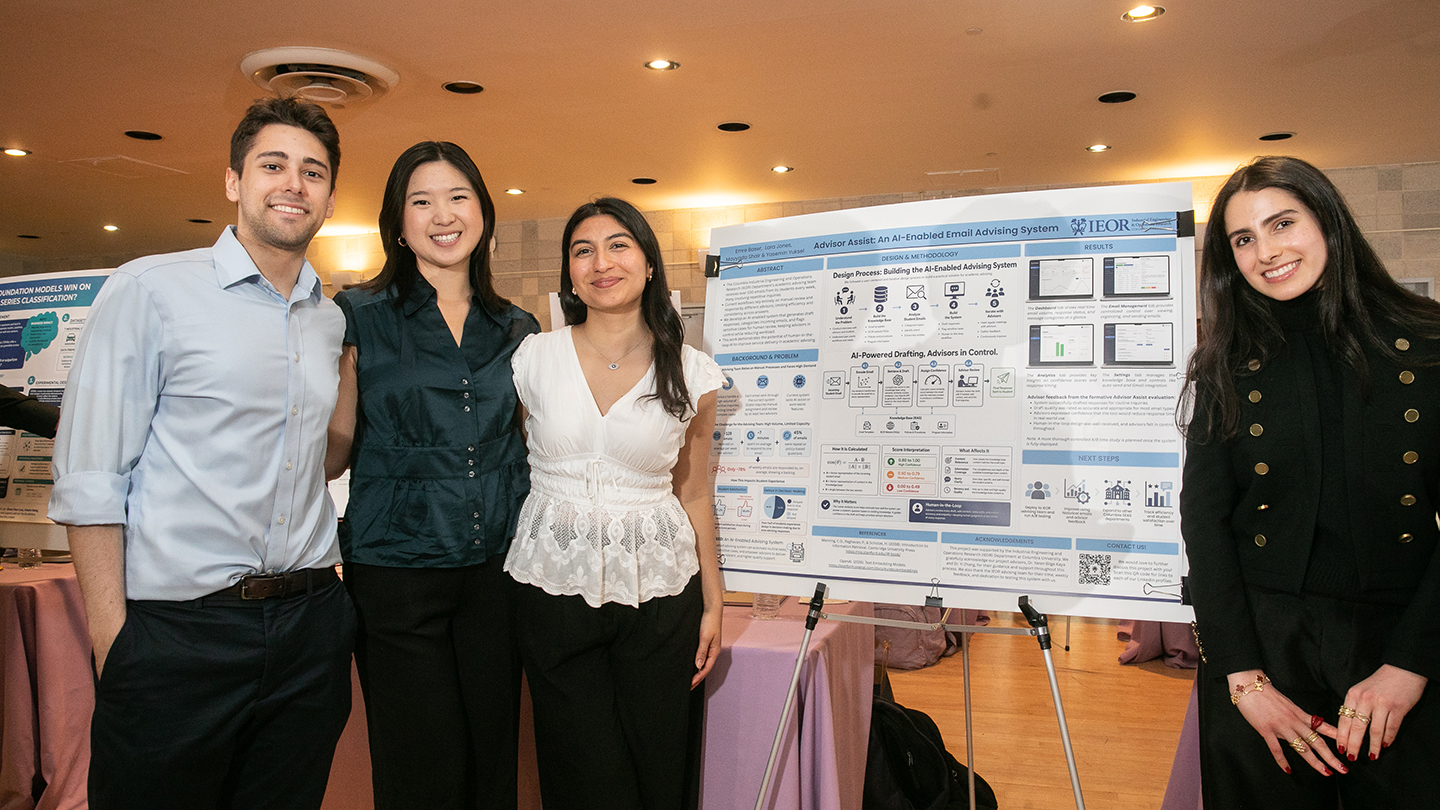
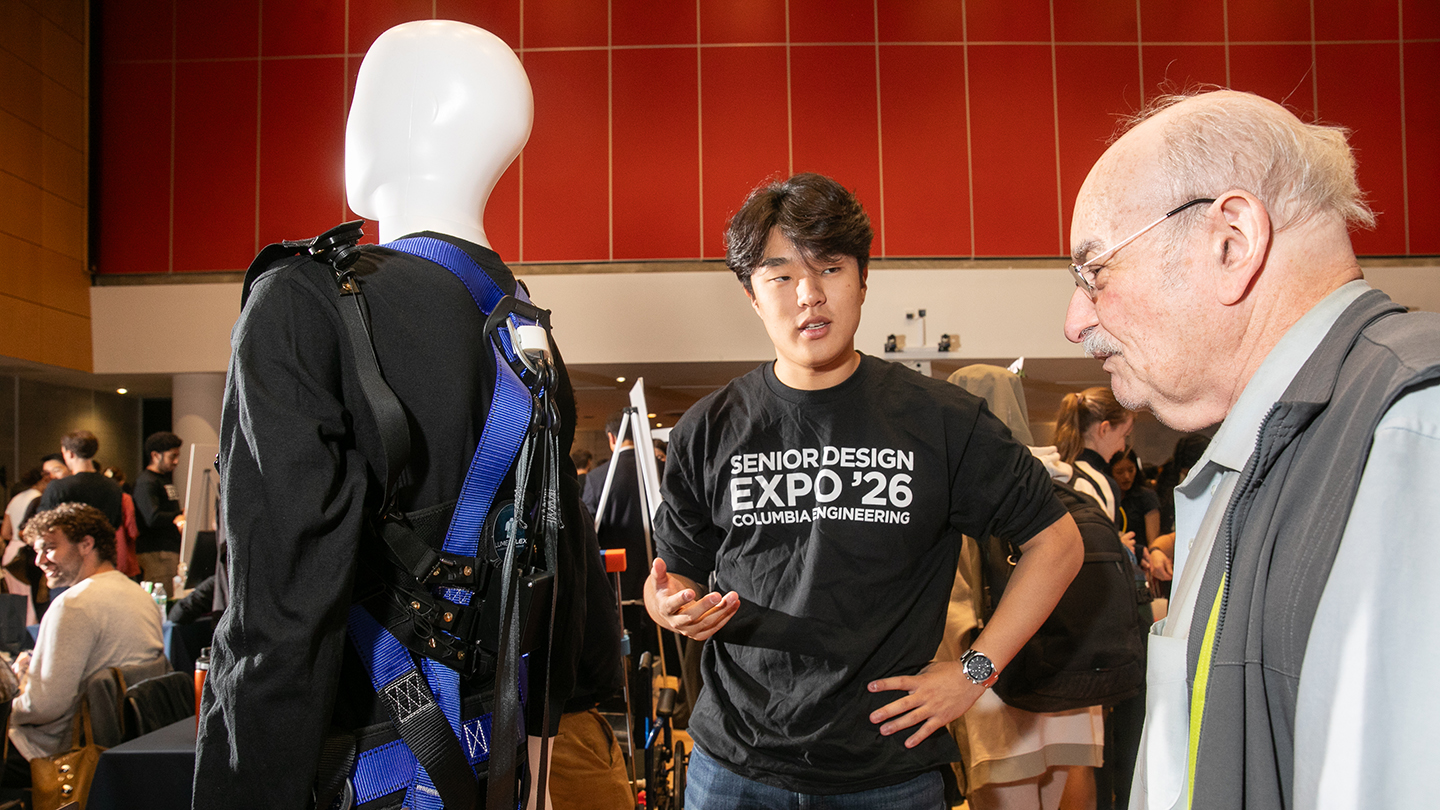
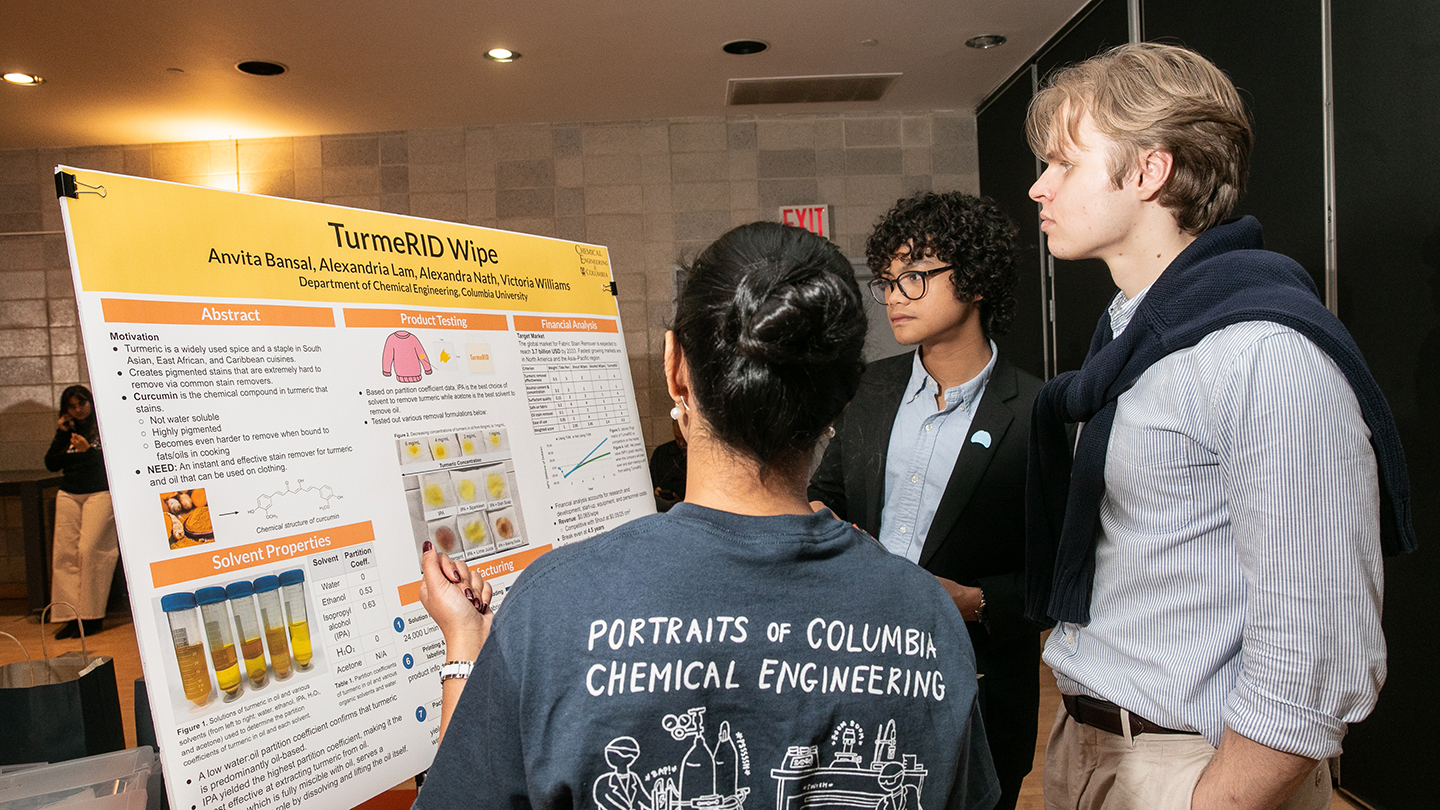
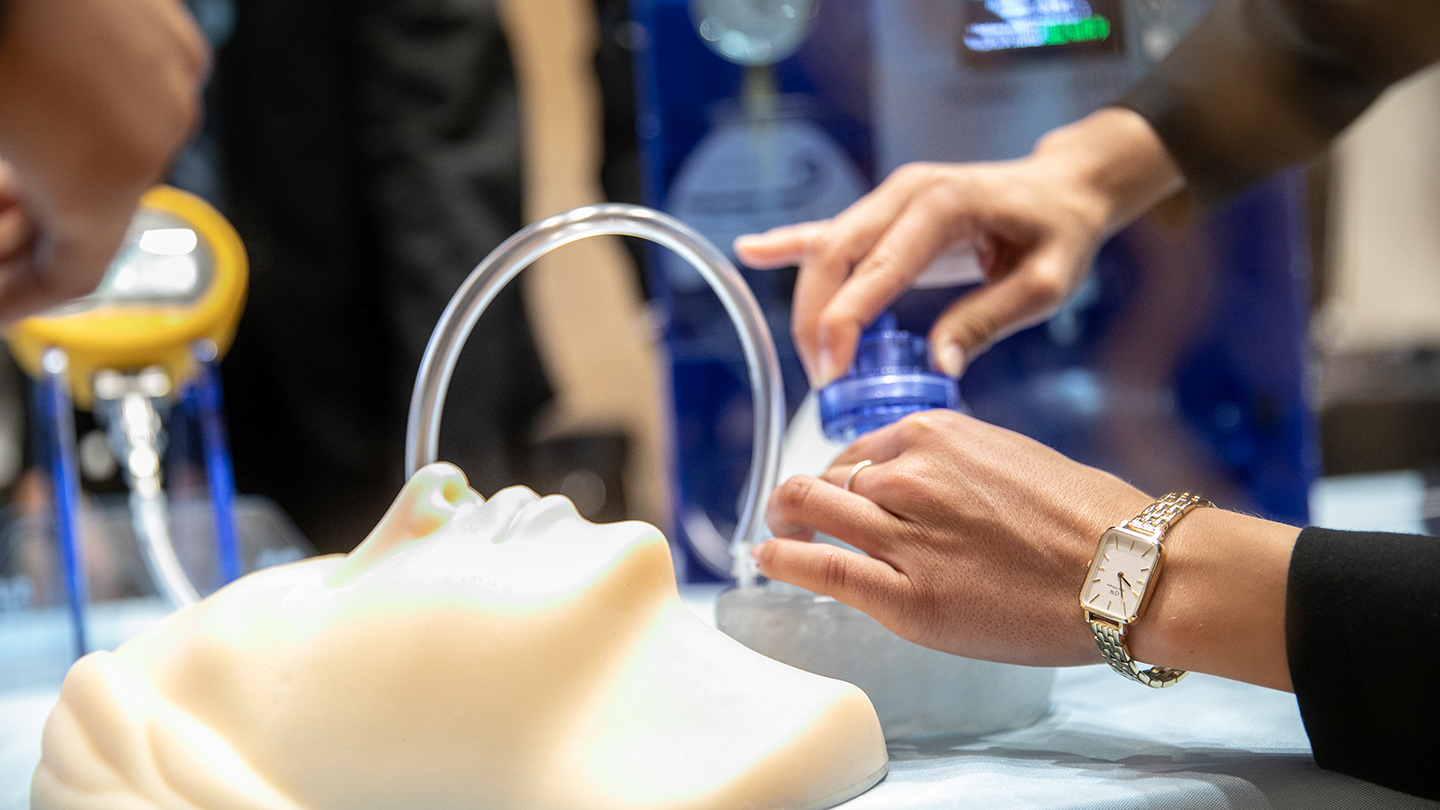
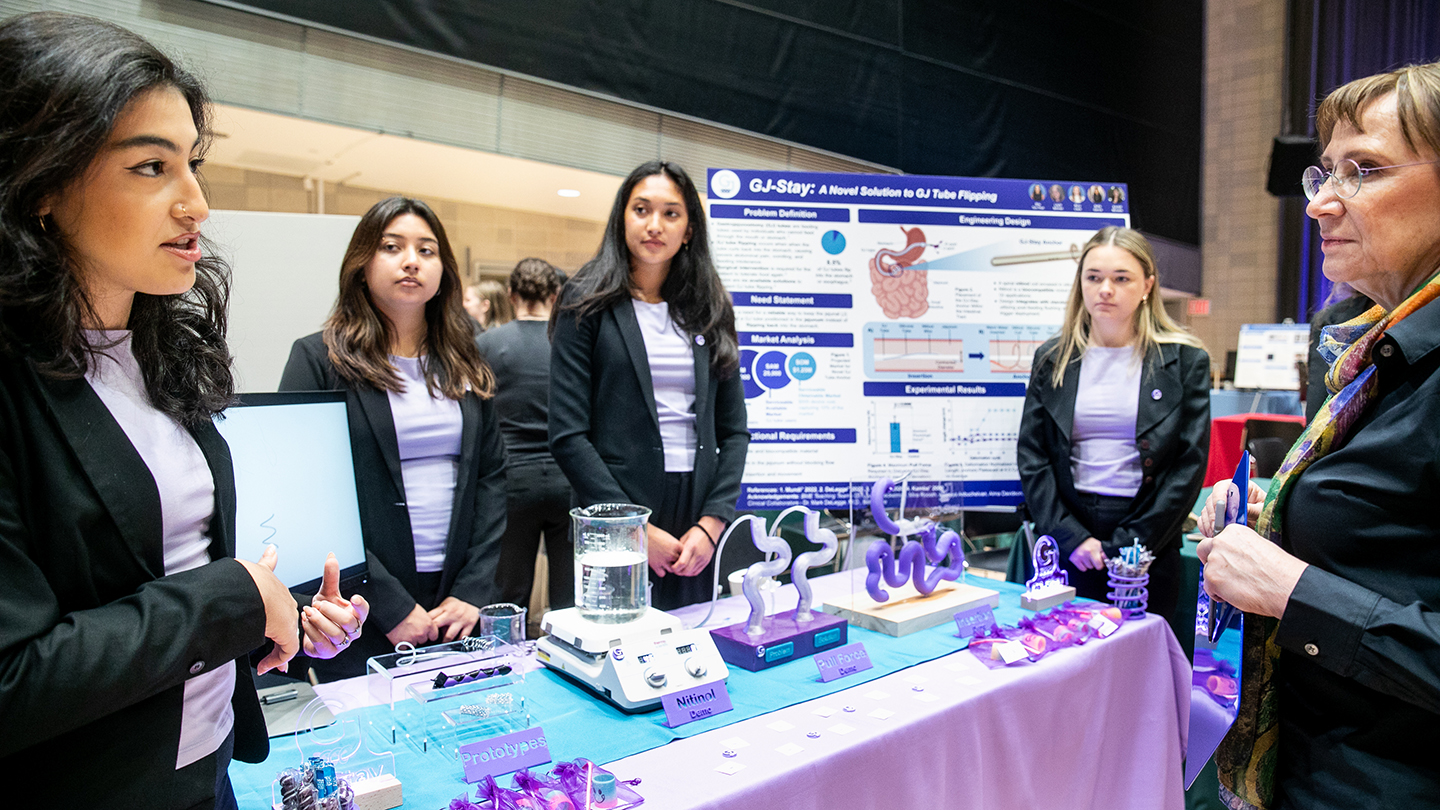
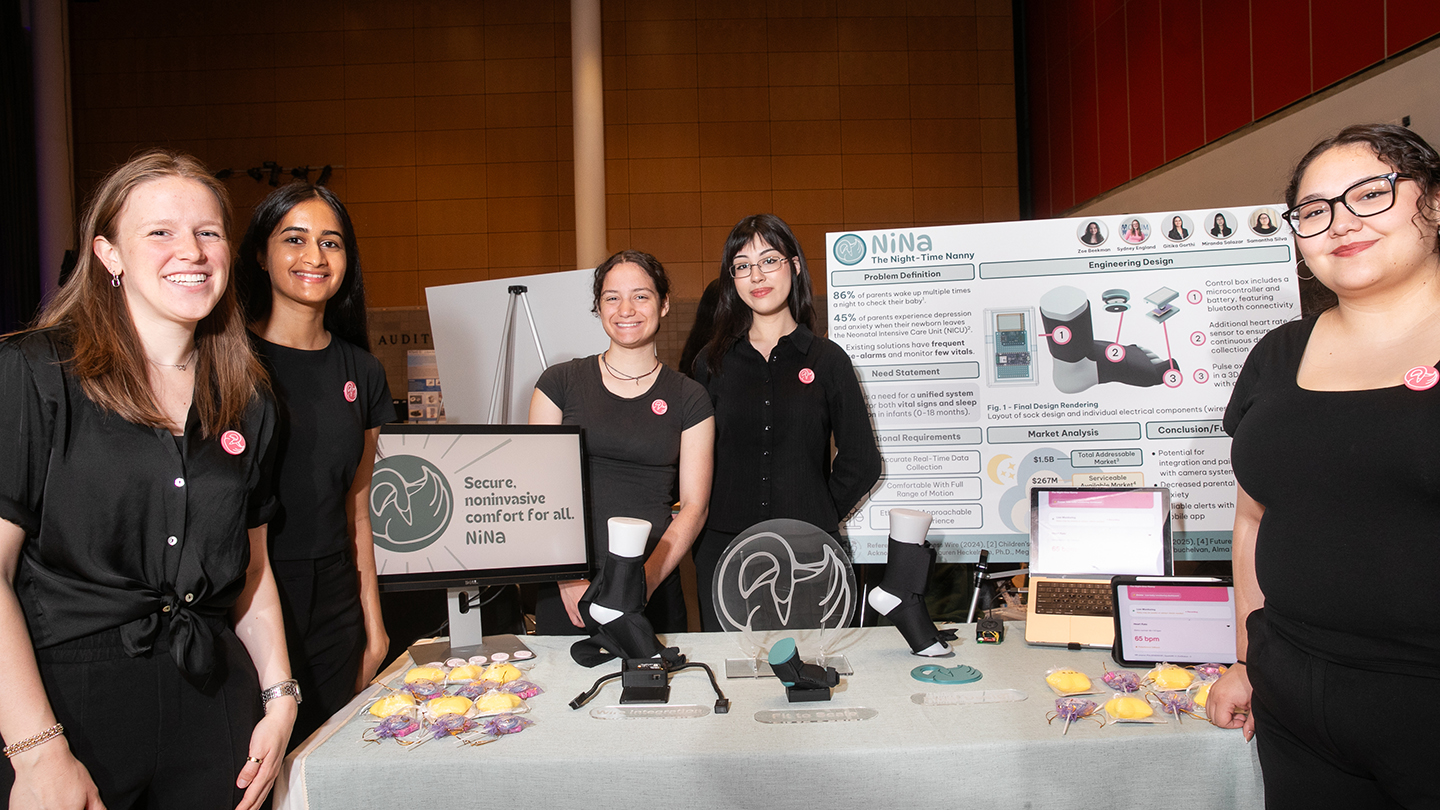
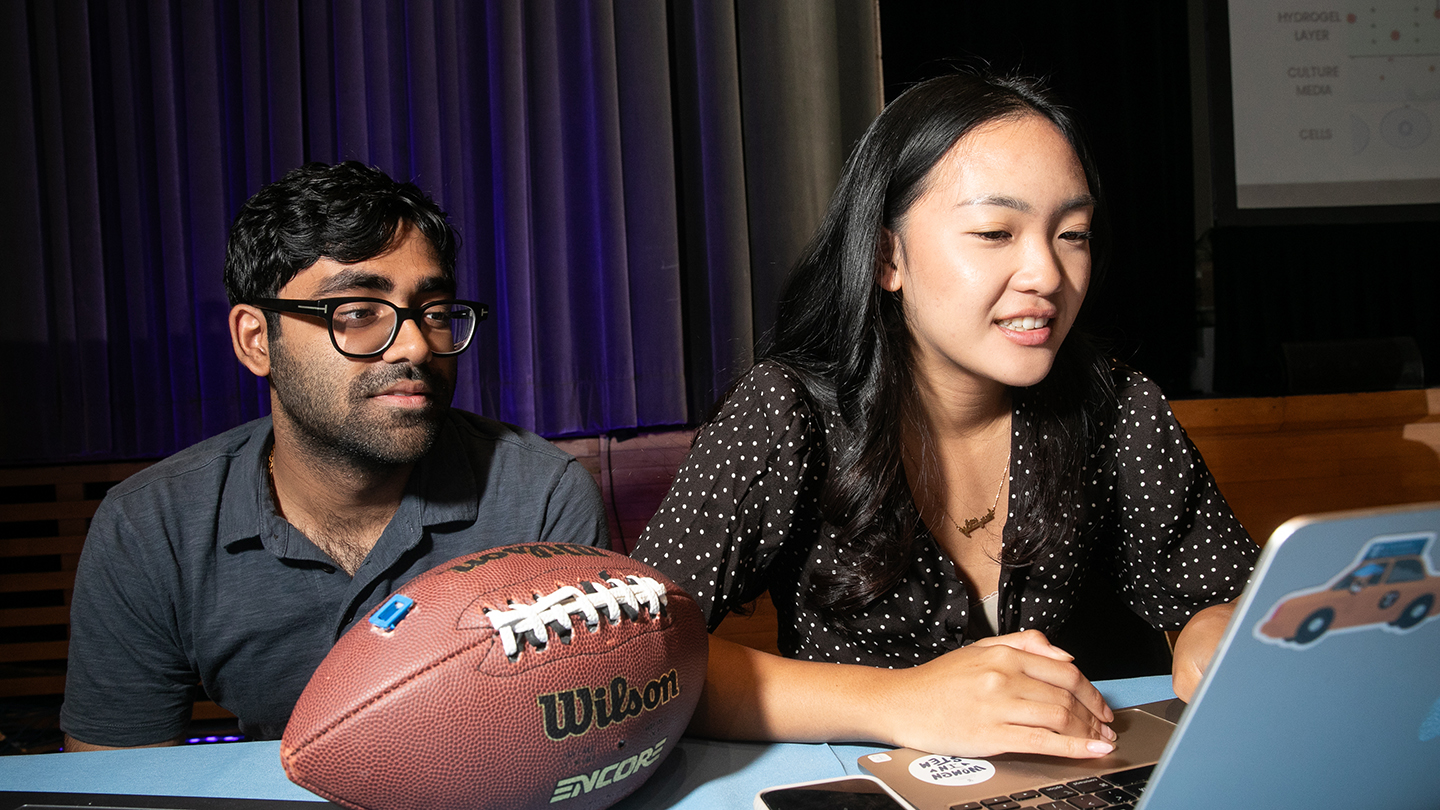
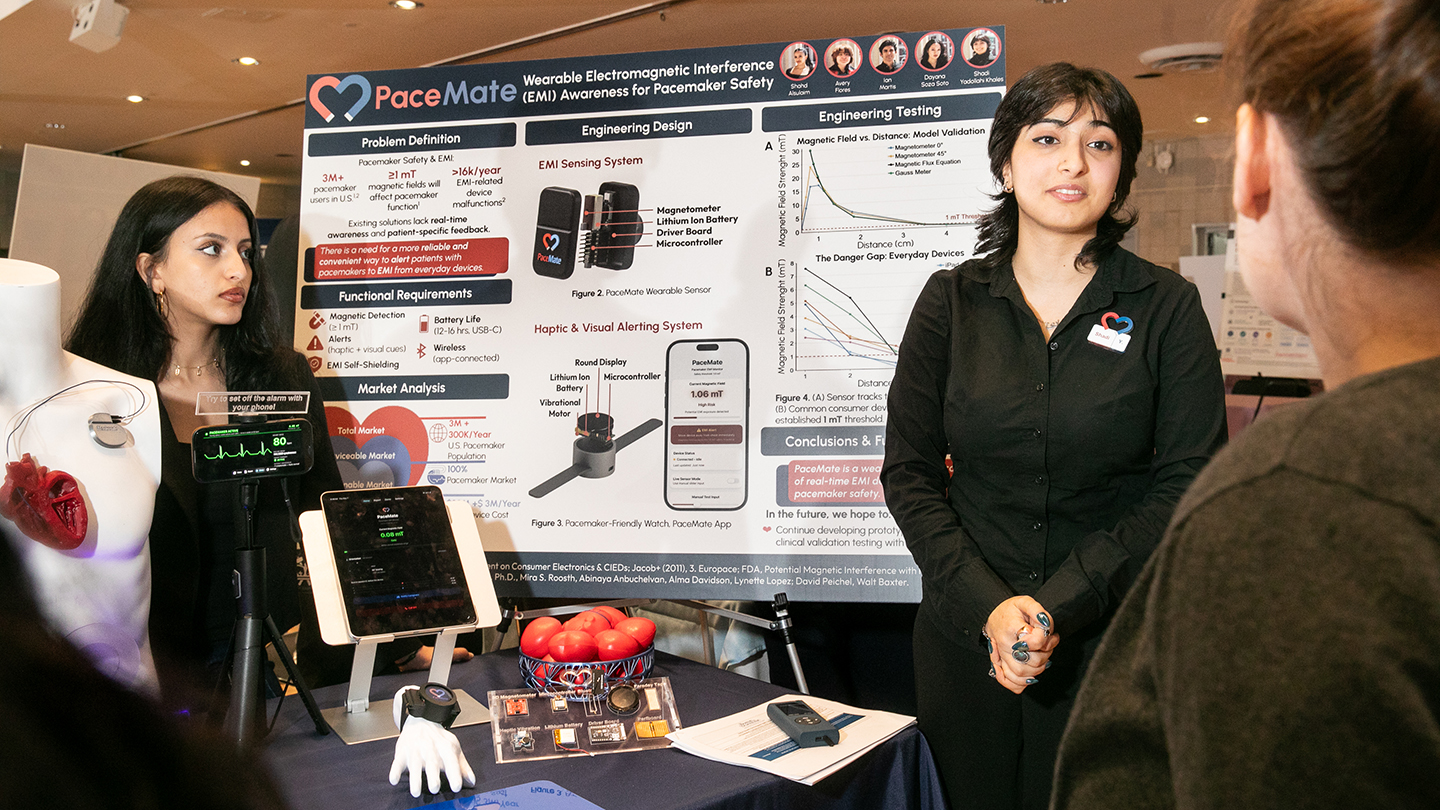
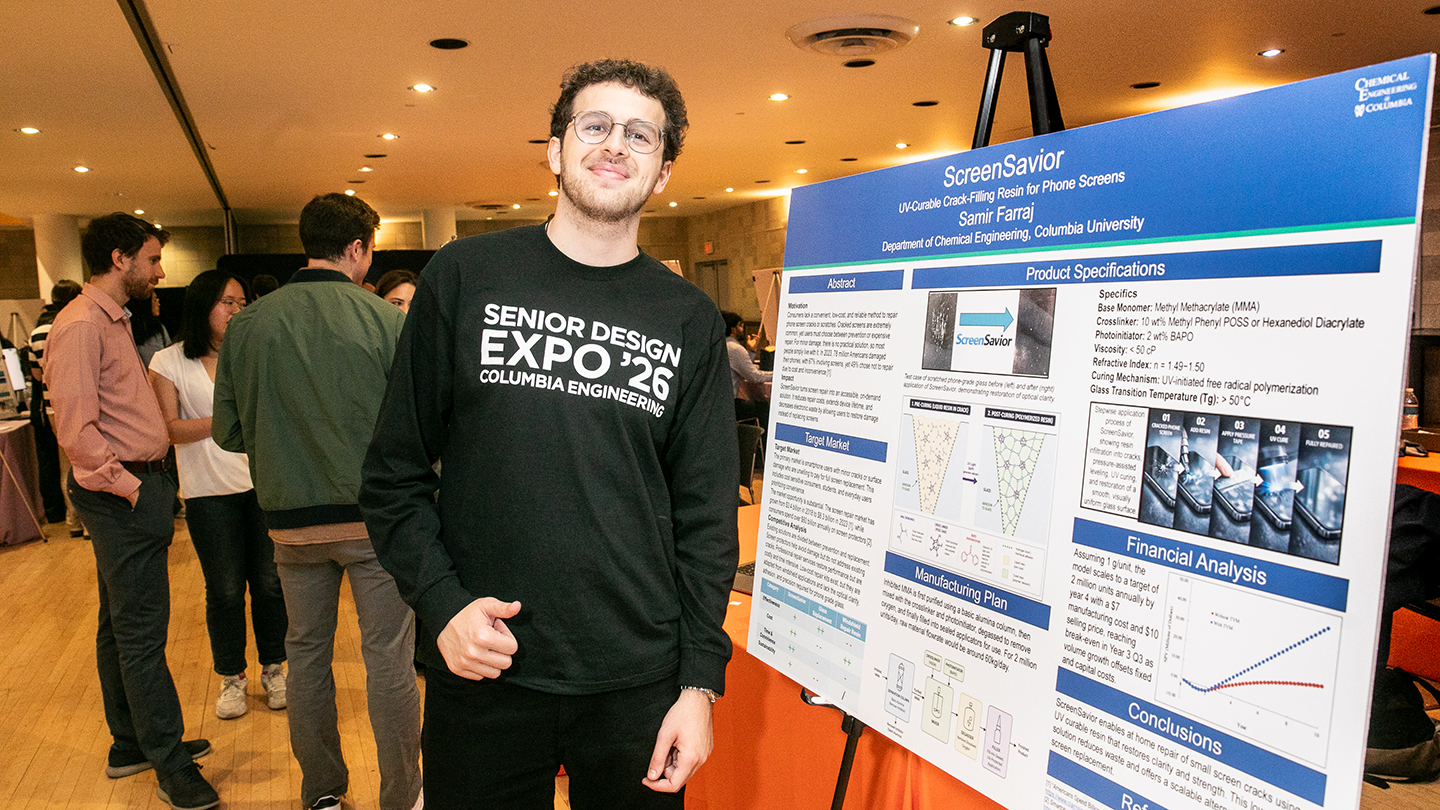
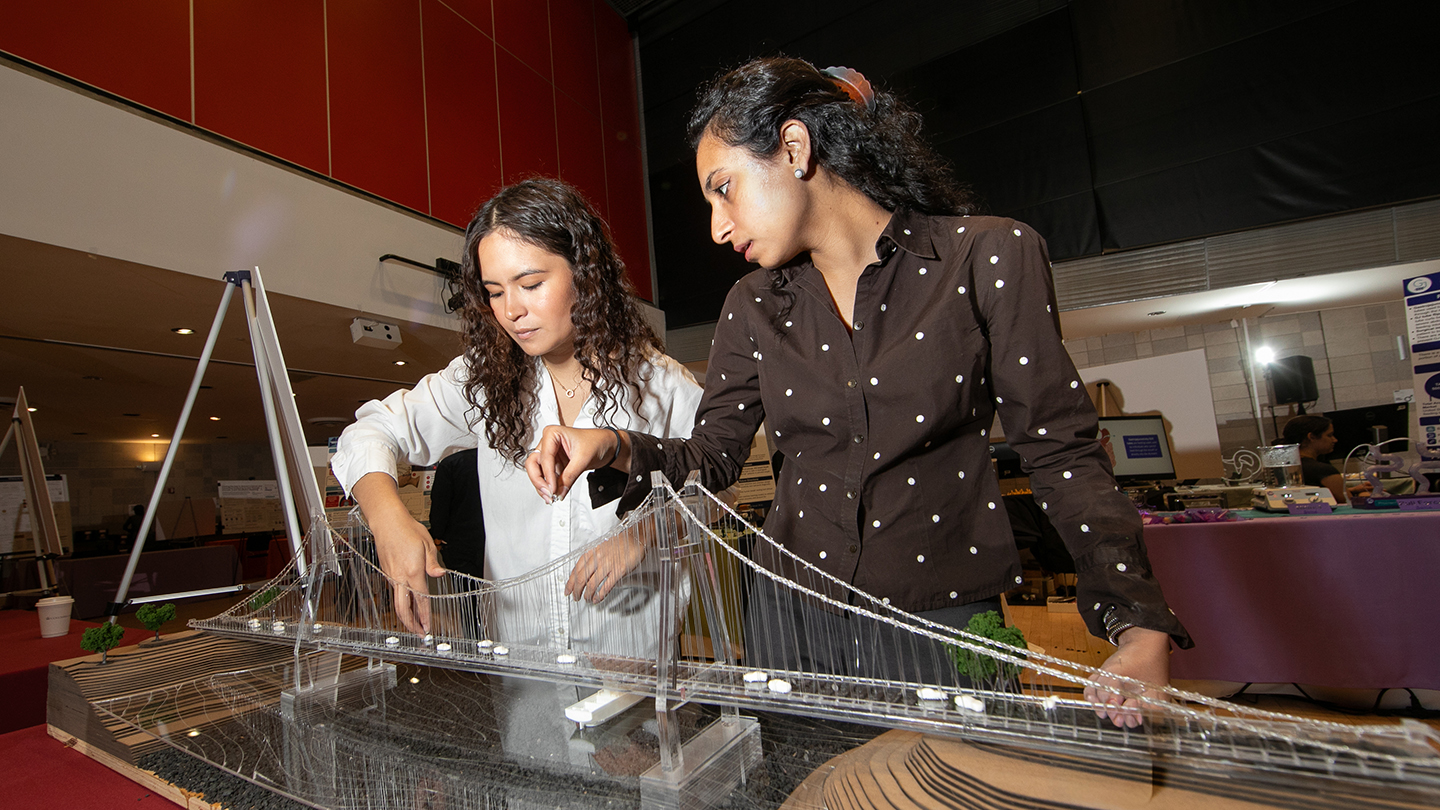
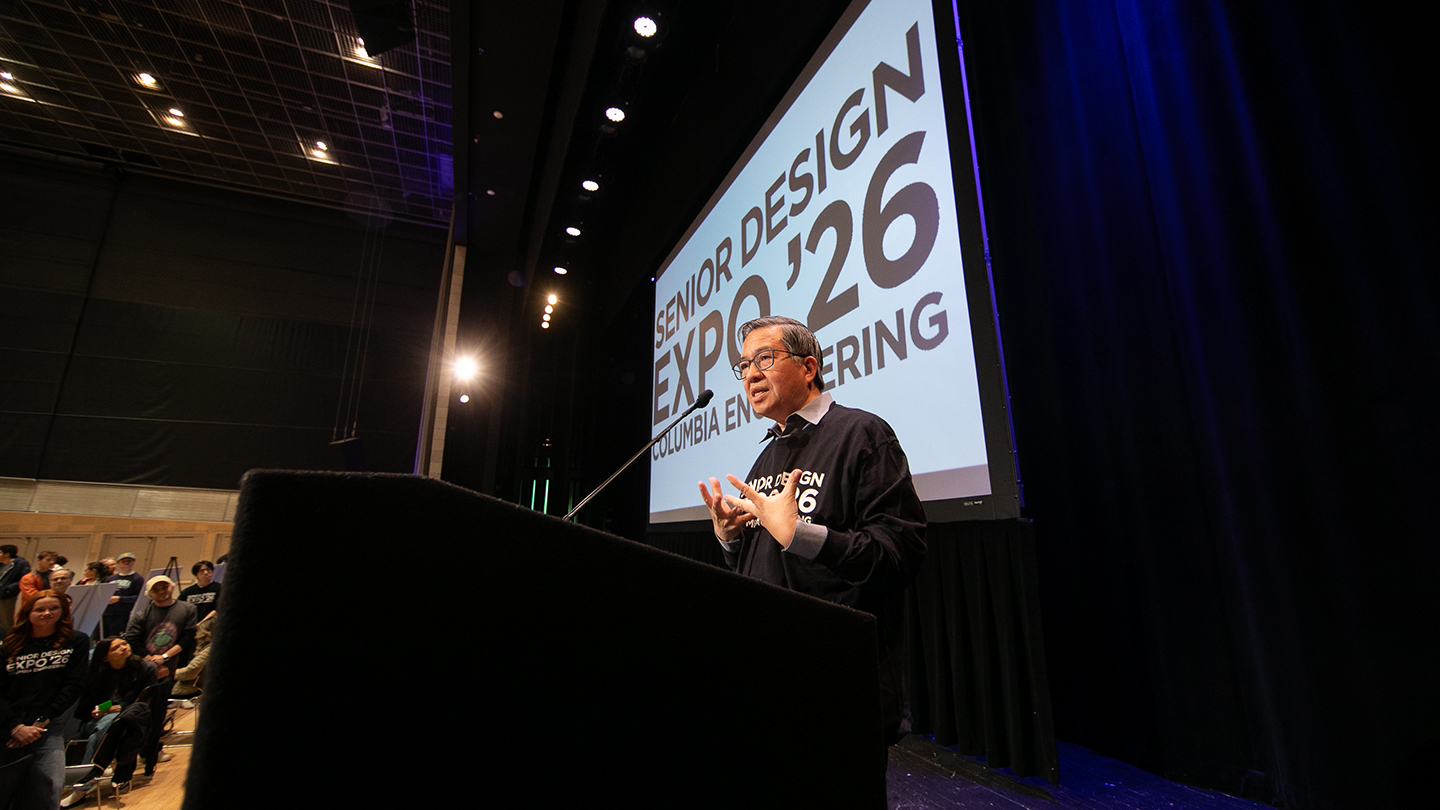
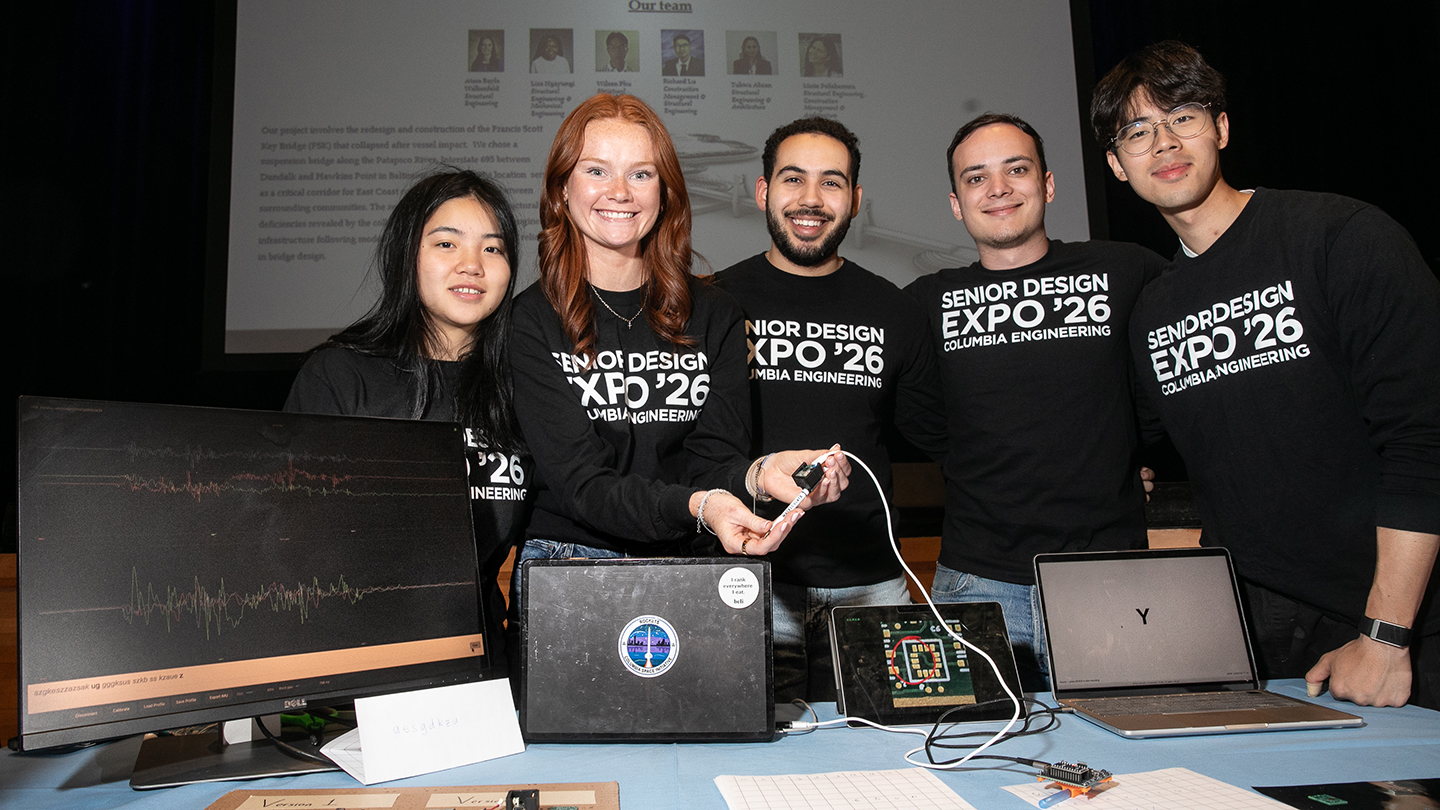
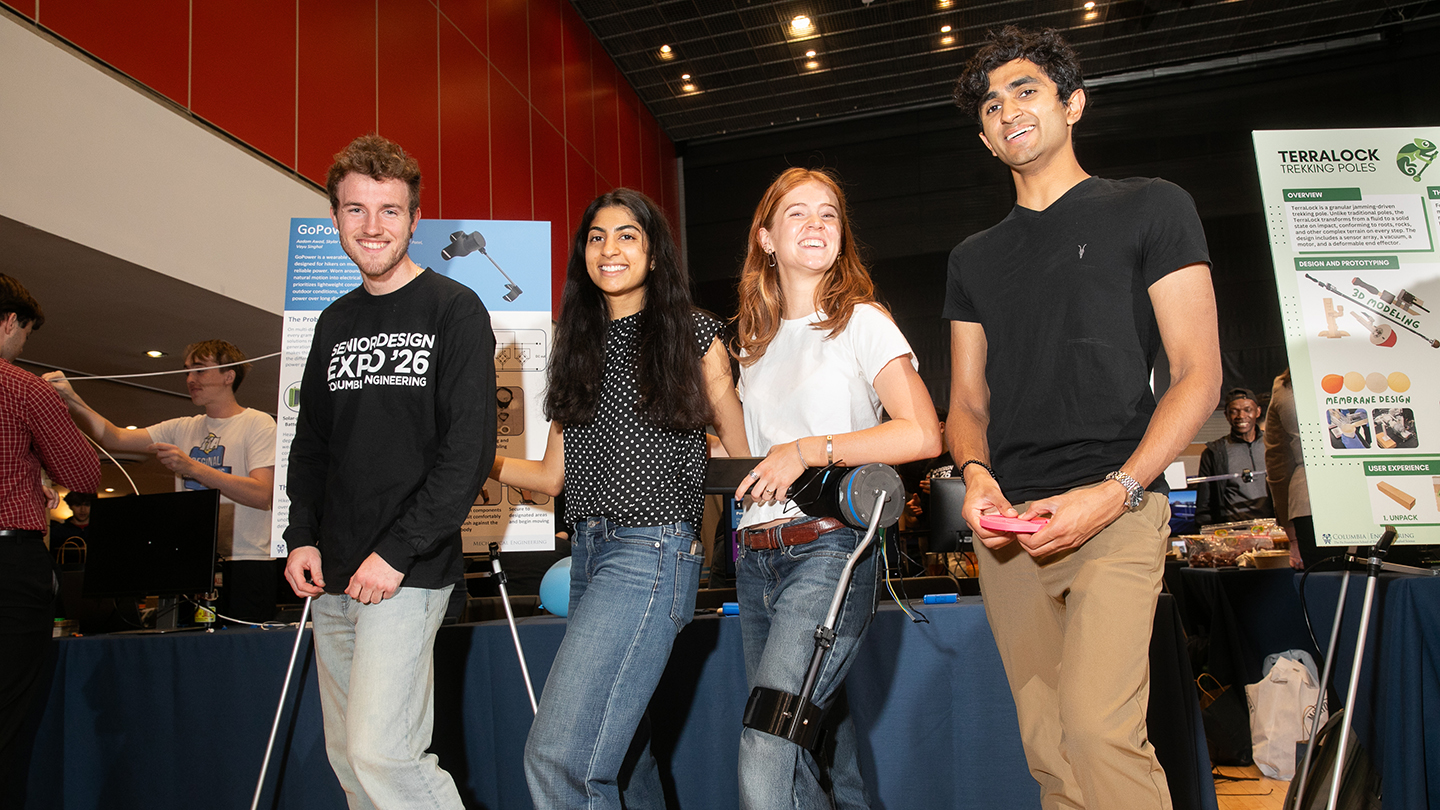
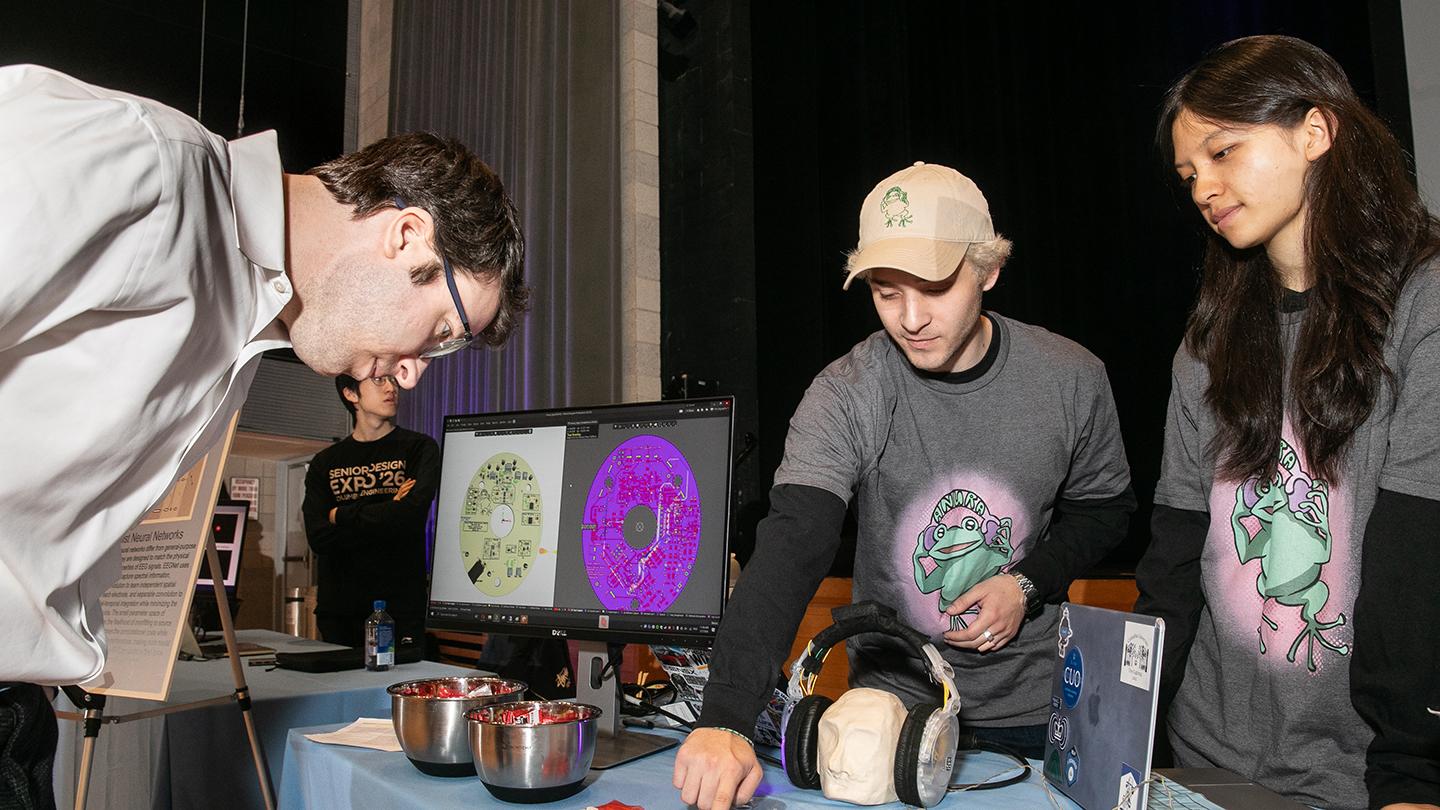
Many of the projects in this year’s expo integrated AI with custom hardware. The Clinical Handwashing Coach, which tracks handwashing sessions, is being tested at a hospital in Pasadena, California. The team of electrical engineering students designed an AI system to ensure that medical professionals comply with handwashing protocols. Other teams from the department used AI to create noise-canceling headphones with real-time language detection and translation (team ANURA) and a wearable device that inexpensively creates digital transcriptions (CLACS).
A couple of projects tackled wheelchair comfort and mobility autonomy. The Mechanical Engineering team STAR (Self-Transfer with Automated Reversing) Lift made moving in and out of a wheelchair easier for wheelchair users with upper-body mobility, allowing them to transfer themselves to a bed without assistance. Team Wheel-E created a specialized seat cushion for wheelchair users that helps alleviate the painful symptoms of prolonged sitting.
Urban green infrastructure was the main theme for many projects in the Department of Civil Engineering and Engineering Mechanics. The Morningside Park Rehabilitation Project reimagined the local neighborhood park by proposing two new community centers for public use and an upgraded drainage system that can handle heavier rainfall runoff.
From AI devices to reimagining a neighborhood park, the Class of 2026 proved that the best engineering goes beyond the classroom and makes an impact in the world.
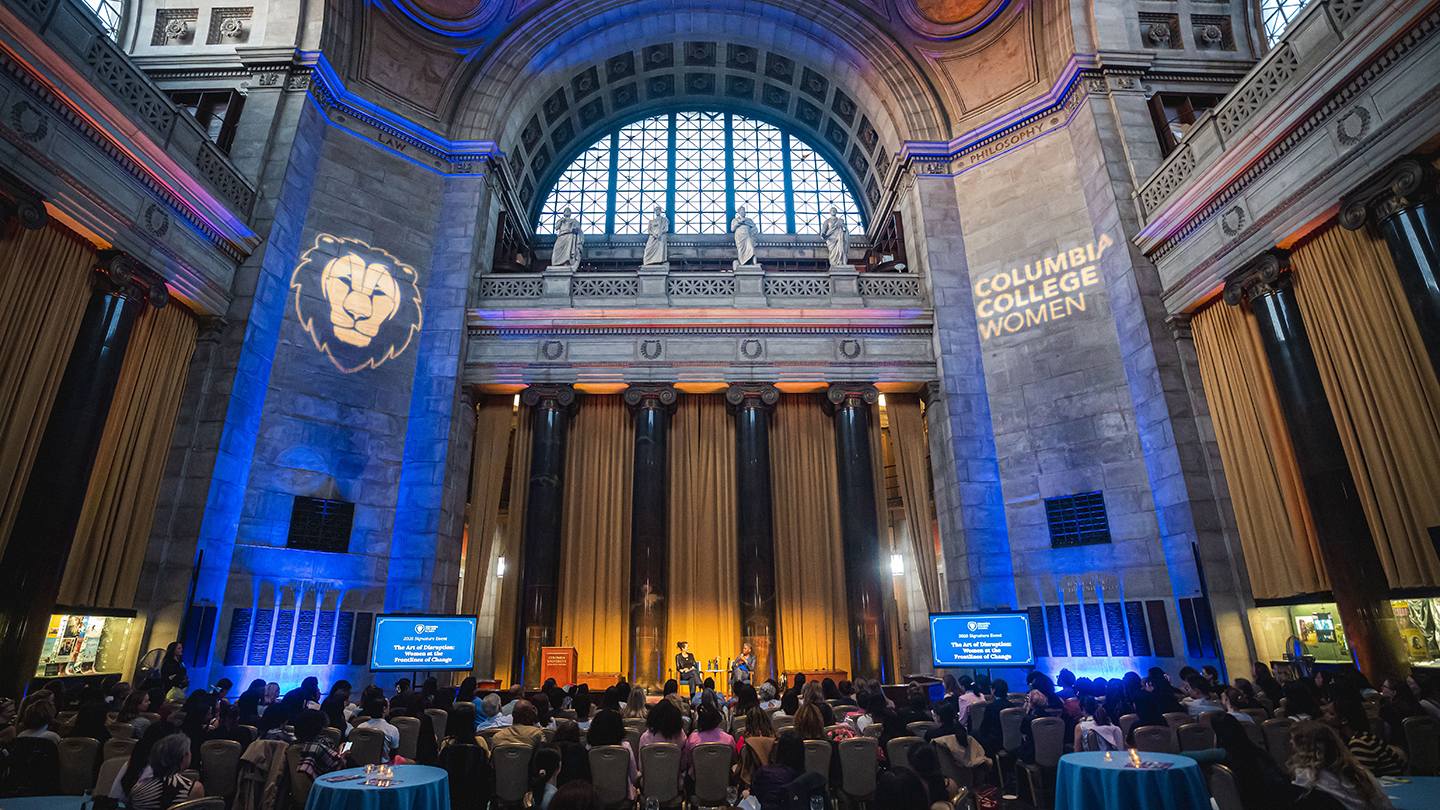
Highlights from “Women at the Frontlines of Change”
Photos by Brandon Vallejo/Columbia College