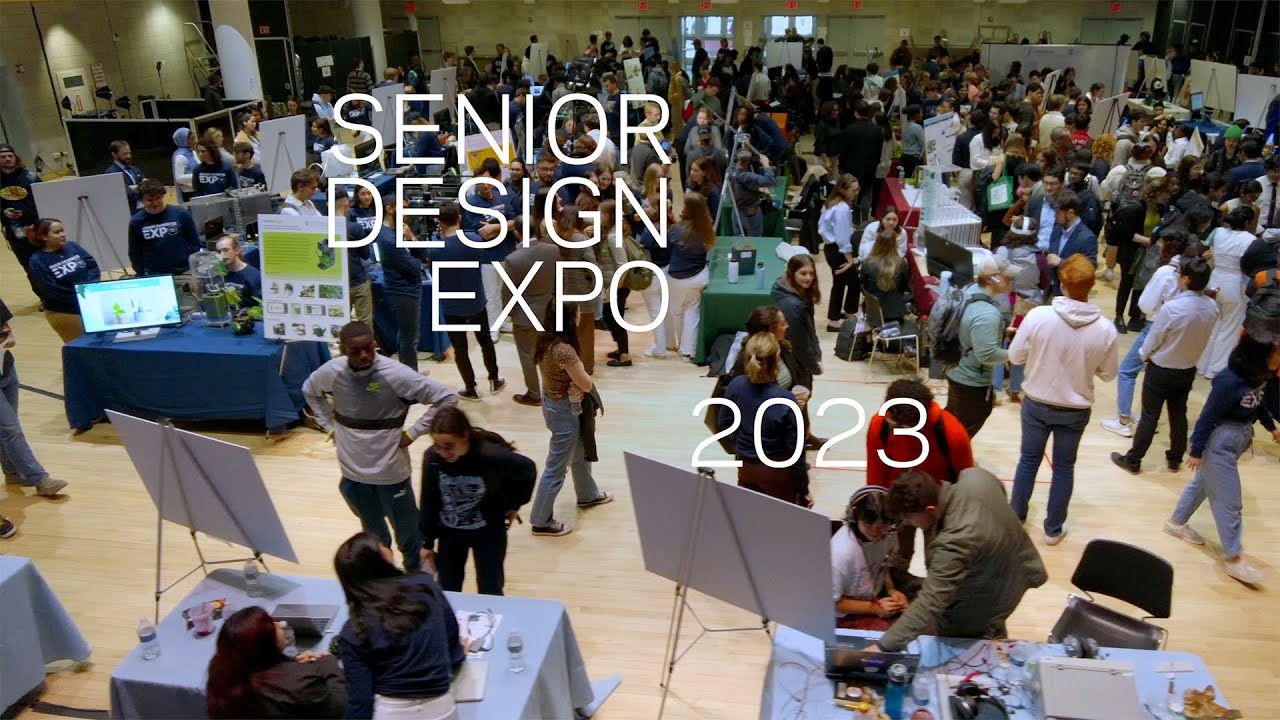
Columbia Engineering’s Class of 2023 showcased their inventive solutions to challenging problems at the 8th annual Senior Design Expo. Projects varied from an approach that aims to reinvent IV (intravenous) administration for NICU patients to a novel capture system to remove space debris. More than 50 teams spanning eight departments presented their innovations and research at a packed showcase held May 4 at Roone Arledge Auditorium to a crowd of peers, professors, alumni, and STEM enthusiasts.
The biomedical engineering team behind NuJet (Anjali Nair, Isa Nuñez, Athena Pagon, Vish Rao, Elías Tzoc-Pacheo), attempted to solve the need for a cost-effective vaccine delivery to make vaccines more accessible, sustainable, and sanitary.
“Syringes and needles are the most common form of vaccine delivery, despite many of the components being single-use,” said Pagon.
On top of this, there are strict storage, transportation and disposal requirements, leading to a high-cost model that is typically only accessible in high resource centers. Their solution, a low-cost needle-less injector, generates a pressurized fluid stream that delivers the vaccine right below the skin while reducing cross-contamination, waste, and cost.
Inspired by individuals who suffer from overstimulation and anxiety, the electrical engineering students behind Musical Meditation (Tess Fallon, Alexandr Petuhov, Leonardo Arvan, Madeline Denis) developed a pair of headphones that reads the user's heart rate, while playing calming music that adjusts itself in an attempt to slow down the person’s heartbeat.
Some designs focused on improving existing solutions. AMPF, also known as the Automated Pothole Filler (Jose Chanchavac, Phillipe Dumeny, Javier Lopez, Jerry Qu, Justin Tucker) aimed to simplify the process of filling potholes, which typically requires work from a large team of workers, typically five to 10 people at a time. “Our solution greatly reduces the number of people needed to about one to two workers,” said Javier Lopez, who recently received a degree in mechanical engineering. While AMPF focused on earthly solutions, DEMI (Miles Huntley-Fenner, Christina Wrightm Yidi Reiss, Leon Aharonian, Nicolas Aldana) focused on safely securing space debris, also known as space junk, which poses a serious threat to the welfare and sustainability of orbital activities. Their two-stage capture system encloses the debris and seals it in a storage chamber, which is something that other solutions lack.
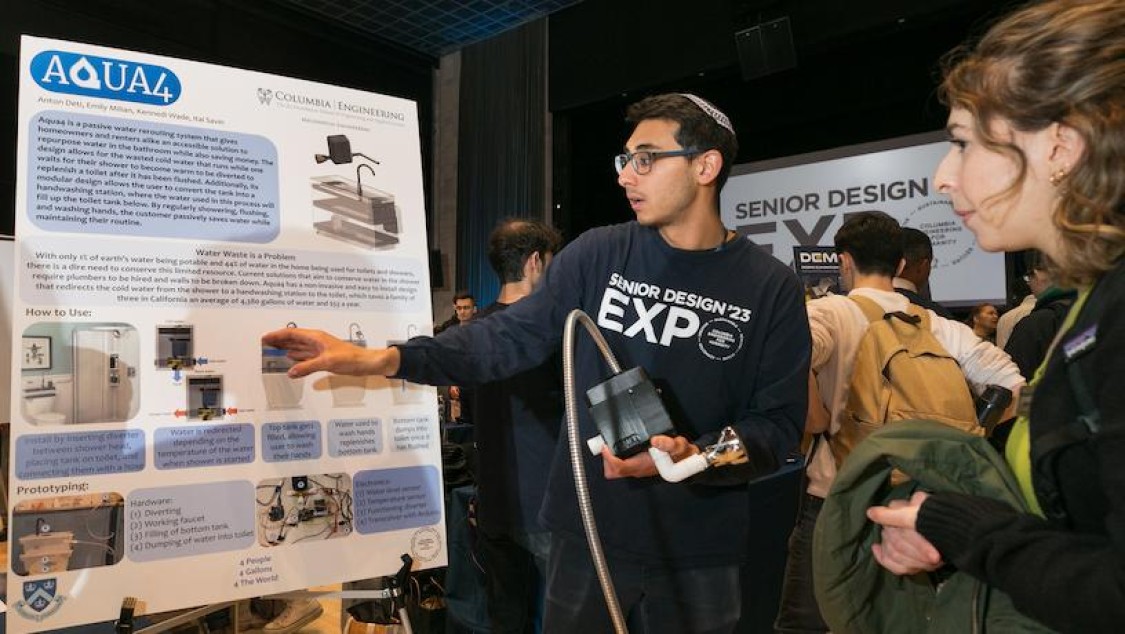
Sustainability was a common theme among many projects, with the expectation of improving systems that currently affect the environment. AQUA4 (Anton Deti, Emily Milian, Itai Savin, Kennedi Wade) developed a water rerouting system that repurposes water used in the bathroom. Students from the Department of Earth and Environmental Engineering researched how best to treat contaminated soil in New York City, with hopes to rid the soil of harmful metals such as lead and arsenic (Mantjita Camara, Emily Lord, Dane Miller).
Many civil engineering models were built this year with sustainability in mind, from re-designing Dam systems to better serve the flora and fauna of the surrounding area (Ruben Bazalar, Caroline Cailloux, Kevin Cardenas, Yunus Kovankaya, Zhihao Liu, Ariana Novo) to cost-effective Brooklyn housing made entirely of recycled shipping containers (Charlie Henry Renner, Abraham Oh, Katherine Koziol, Amin Mojarad, Isabella Citera, Tes S DeJaeger).
Other visionary projects aimed to improve skills, through games and physical exercise. With focus on creativity, the students behind ZyloZinger (Sienna Brent, Alex Yu, Haris Zia) created an interactive xylophone game that challenges hand-eye coordination. In an effort to improve athletic training, Deadliftr (Yelaman Sain, Kyrie Lorfing, Matt Klenk, Sam Wustefeld, Will Hamilton) aimed to develop a device to help weightlifters on their deadlift training, creating a wireless device that gives athletes real-time feedback on their form.
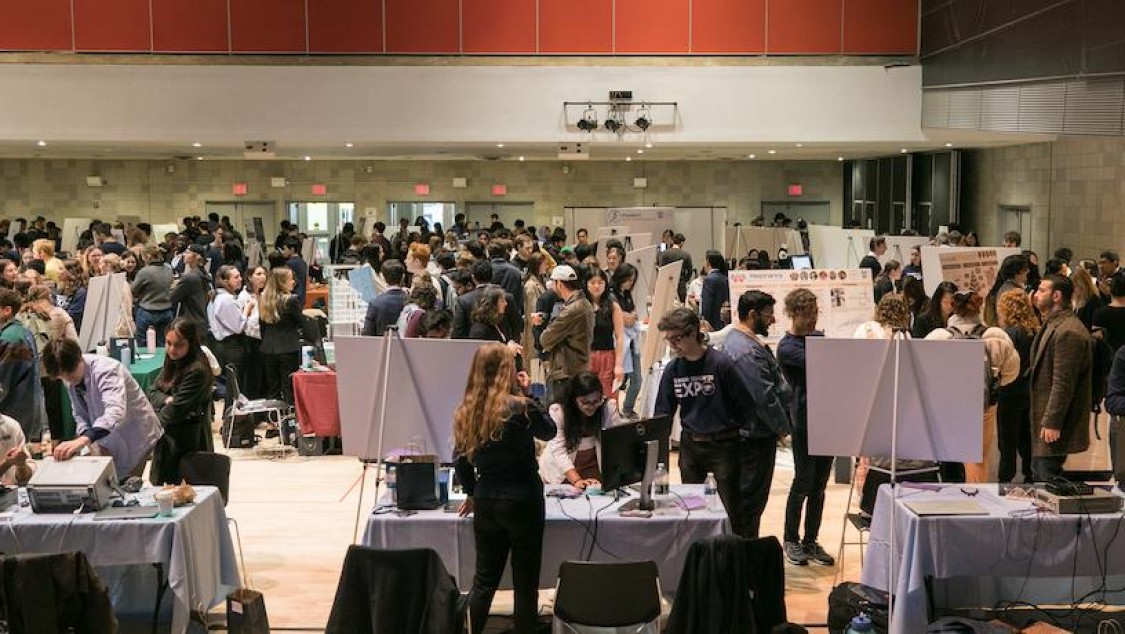
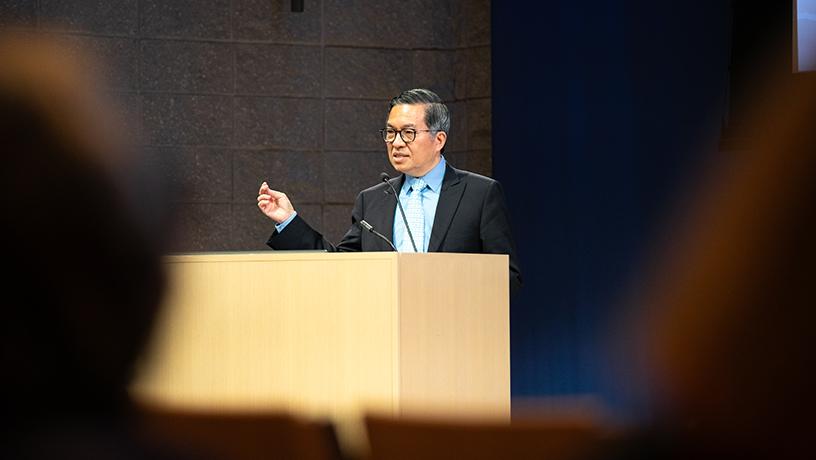
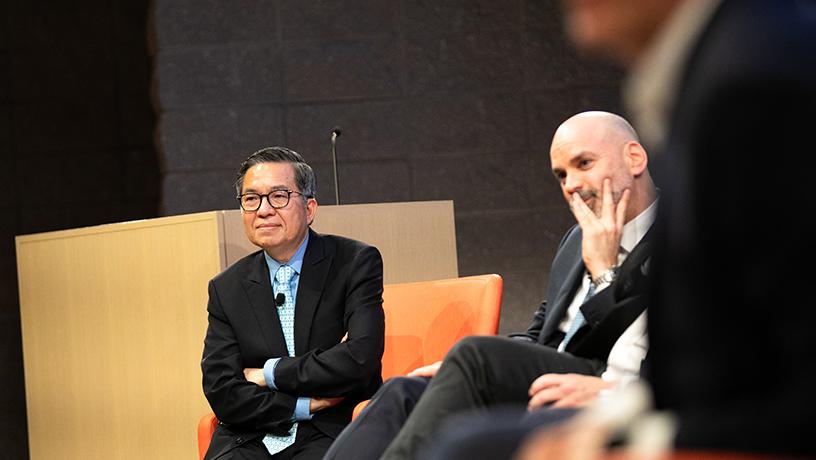
“I feel inspired and energized by all of the inventive projects on display here today and I know the rest of you feel the same,” said Dean Shih-Fu Chang in his address preceding the event. “It truly shows how creative our field of engineering and applied science is and our commitment to being engineers for humanity.”
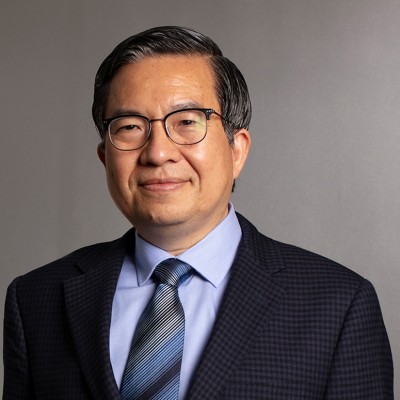
Dean Shih-Fu Chang
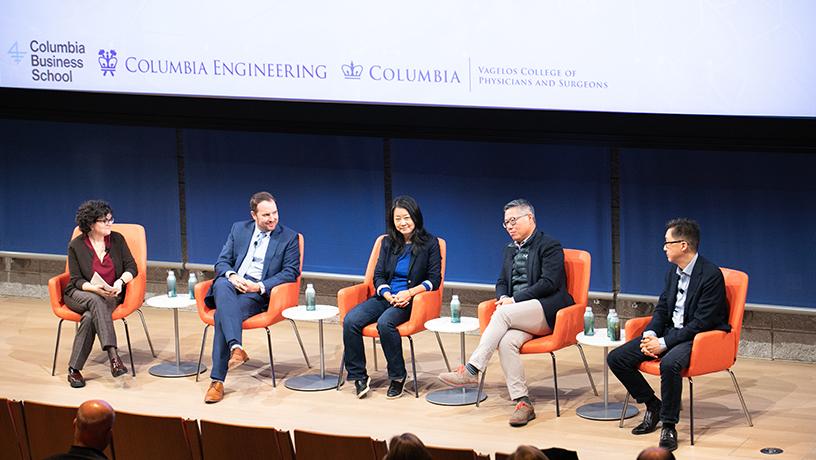
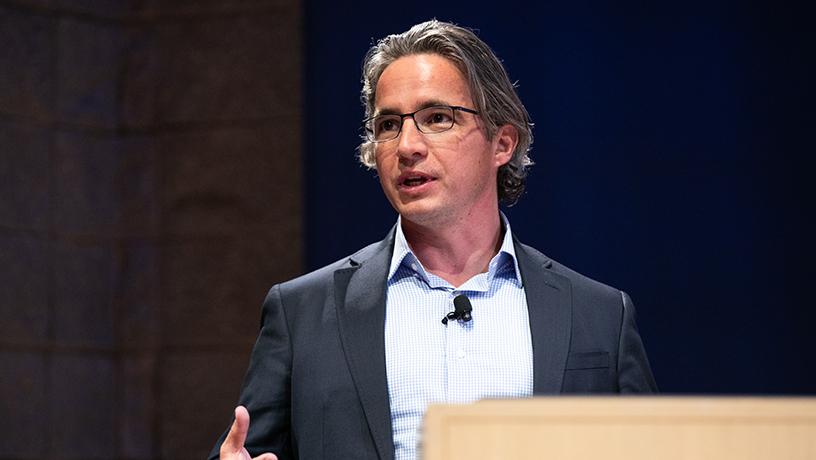
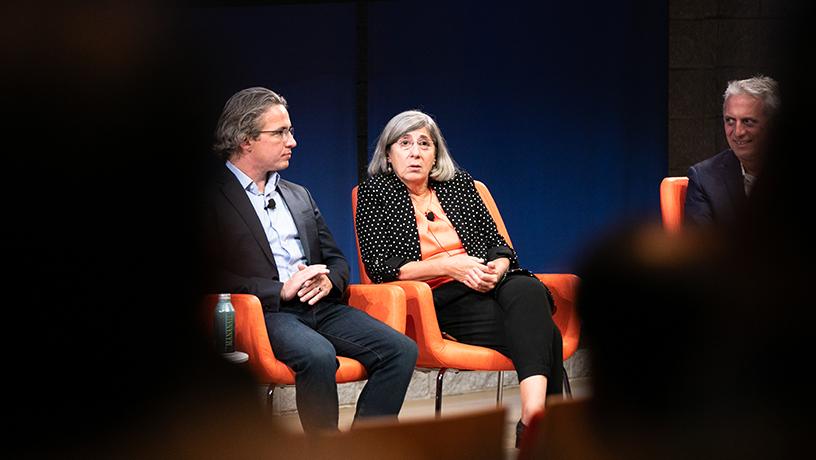
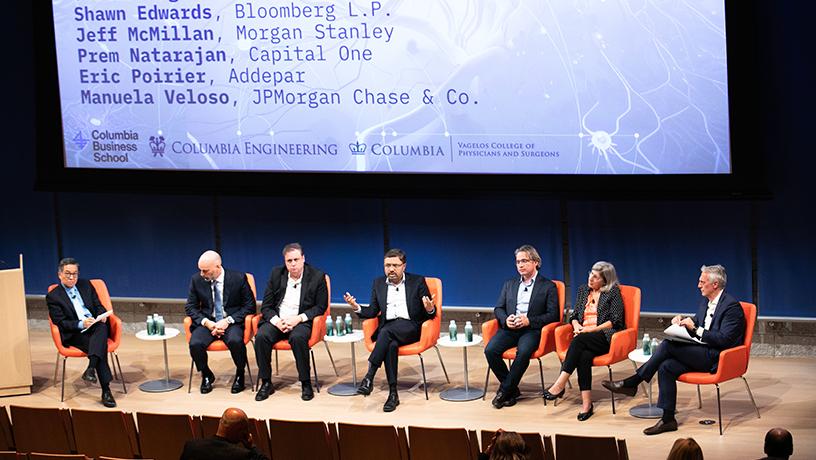
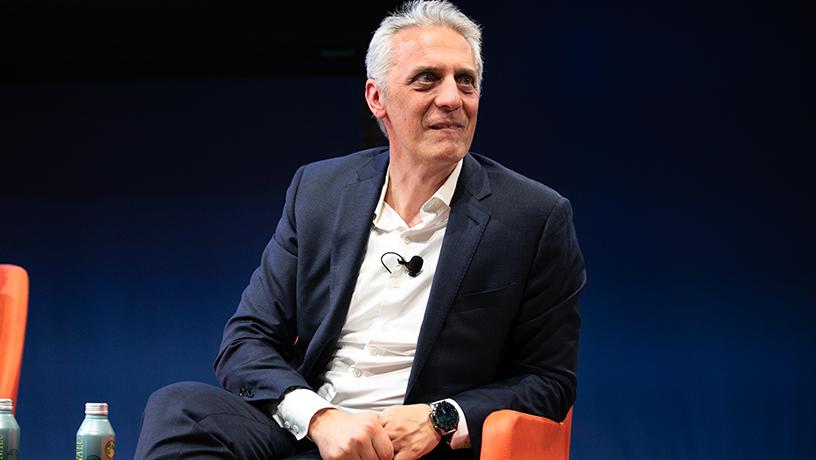
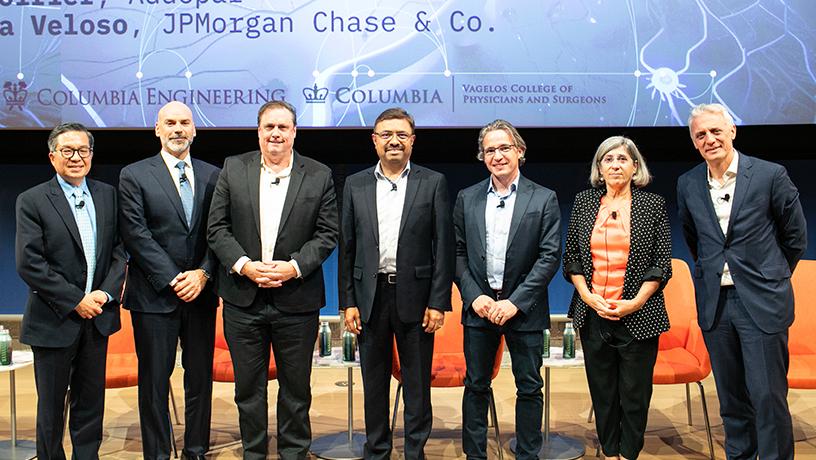
Generative AI Symposium Highlights
Photo Credit: David Dini

How do you think this will benefit Columbia researchers?
This is going to infuse lots of energy into our current collaborations. And I think it will spark even more. We have an amazing engineering school and an amazing medical center at Columbia, and we’ve built many long-standing relationships between engineering and medicine. So I think the Biden initiative will give a big boost to the many projects we’re already working on as well as inspire new groundbreaking ones. It's going to rejuvenate the field and encourage the amazing women's health researchers that we already have here to go even bigger. And it will be great for our junior faculty members to come on board and adapt their engineering tools for improving women's health research.
We have an extraordinary group of researchers working in women’s health here. I’ve been at Columbia Engineering for more than 13 years and have been working very closely with Electrical Engineering Associate Professor Christine Hendon to use imaging to assess the mechanical properties of the cervix in relation to preterm birth. We are also collaborating with Noémie Elhadad, Biomedical Informatics and Department Chair at Columbia’s Vagelos College of Physicians and Surgeons. The core group of engineers and doctors have been working together for many years on women's health, gynecologic health, and pregnancy, using imaging, data, and computational simulations to build a bank of fundamental research that we can draw upon to design new techniques and devices to improve women’s health. Columbia has a community of very dedicated researchers who’ve been around for quite a while, but we've all been plagued by small funding pools. So this initiative will be huge both for us and for all the startups that are looking for funding -- they need fundamental research and financial backing to develop their new products.
How do you see this having an impact on your own work?
We are one of the first groups in the world to take maternal anatomy measurements throughout pregnancy, working with patients in a clinical trial at Columbia University Irving Medical Center (CUIMC) and then creating a digital twin of that individual pregnancy to understand how much mechanical load is on the uterus in the cervix and what might lead to a preterm birth. I'm a mechanical engineer and study design, practice design, and teach design to students, so I’m always looking at materials and wondering about their mechanical properties. When I was pregnant eight years ago, I lay there on the examining table, thinking “Hey, can I just spend five more minutes with this ultrasound and measure key anatomical features of me, the mom?” So that’s what we did. We started a clinical study in 2019 and our last patient in the study delivered last May.
President Biden’s announcement is really bringing awareness to the synergies that we researchers all have in women's health, engineering, research, and innovation. One of the interesting things resulting from this increased awareness of women’s health is the fact that the NIH issued a policy less than 10 years ago that states that sex as a biological variable must be factored into research designs, analyses, and reporting in vertebrate animal and human studies. Now you can't study only male monkeys, rodents, etc., which is a really important direction, especially in gynecologic health. In the past, many women’s symptoms such as uterine pain or heavy menstrual bleeding were dismissed -- people just thought of these as a normal part of life, that they didn’t indicate disease. But if we had more basic research data, we would have a much better idea of what healthy physiological functioning looks like, of what really is “normal.”
So I need more colleagues -- I can’t do it all myself. Everytime I fund a graduate student, I'm creating a new researcher in this field and increasing the pipeline. It’s critical for researchers like me to educate the next generation of engineers to solve these problems. And I'm excited about this announcement because my future trainees, my grad students, will read about this in the news and say, “Hey, I want to be in this field, and I can easily adapt what I'm already doing at the bench and work to improve women's health.
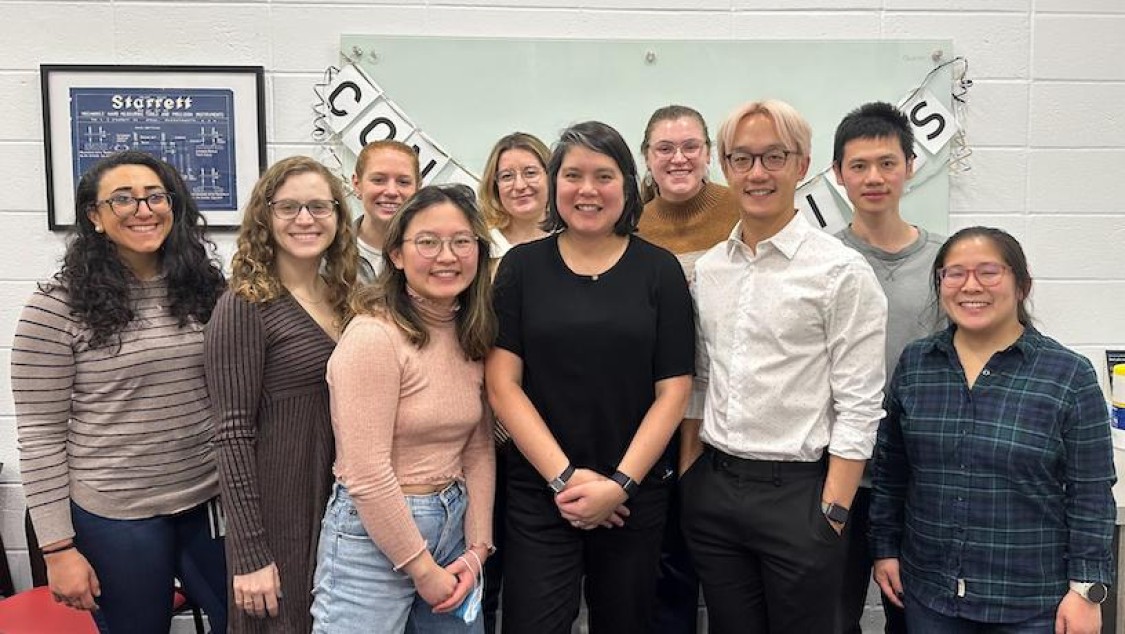
Tell us about your journey from engineering into women’s health and how you decided to focus on the cervix.
I started off as a traditional mechanical engineer in the automotive industry, where I did research projects on things like exploding tires, thinking about how rubber heats and degrades. Once I got to graduate school as a young woman at MIT, I wanted to differentiate myself. I wanted to work on a project that was meaningful to me as an engineer, and I was introduced to the pregnancy mechanics project. This was an easy jump for me because the great thing about engineering is that we learn tools to solve problems. And in this case, I learned about structural mechanics. I was using the same analysis, tools, and material equations to think about how the cervix changes its material properties when exposed to the hormones of pregnancy. This is the work that my NSF Early Career grant was on, and I won the PECASE award for my research on exploring material mechanics of materials and the cervix, and how the cervix remodels itself. The cervix is analogous to rubber, with elastomers heating, degrading, and potentially breaking and becoming catastrophic.
Working on the cervix and preterm birth issues with my colleagues at Columbia, we ran clinical studies on pregnant women who were eager to participate. Once we got the data from our studies, we made a digital twin by replicating the uterus virtually on the computer. We then ran simulated experiments on the computer to see what might happen under varying conditions. This is much more complicated than it sounds because the human body is really complex and there are so many things we still don’t know. This work will probably take my whole career because I'll keep improving my models with discoveries I make at the biological level with my collaborators. For instance, I’m working with a molecular biologist at the University of Texas Southwestern Medical Center in Dallas to understand the biology of tissue remodeling and I’m trying to figure out what the environmental triggers for that remodeling are. Over the last five years, I’ve integrated factors into my models such as anatomy shape and size, or structural anatomy and tissue material properties. We’ve actually done the measurements and taken the data of how the uterus and the cervix physically deform -- in fact, we’re the only team in the world with this kind of data.
Where will this data take your research next? What’s in store for the future?
I now have a new hypothesis that we’ll be presenting at a conference in February. My group is going retrospectively into the imaging database at CUIMC in partnership with Mount Sinai, and we're planning to use AI to read all the ultrasounds of pregnancy to pick out a key anatomical feature that might lead to preterm birth. It’s great because we can test our hypothesis because the imaging database also has clinical outcomes -- this is where the AI and bioinformatics work comes in. Then we hope to create digital twins of phenotypes that are related to preterm birth. If we have a phenotype that's related to preterm birth based on this retrospective database, I can design a new therapeutic or a device to structurally bolster the cervix.
I hope that in five years we'll have new diagnostic and therapeutic innovations and that our work will be translational. I want to reiterate that I can’t get there without first taking the data. I needed the observational study because nobody's measured these features before -- this is why fundamental research is so critical.
I want to lower the barrier of entry for engineers to work in the women's health and pregnancy space. I feel privileged that I have a longstanding relationship with a top-tiered research ob/gyn department and I want to bring more people into the field. The only way to do that is to open source and release all of our raw data sets, all of our models, and all of our model byproducts.
Is this a long time coming?
Yes!