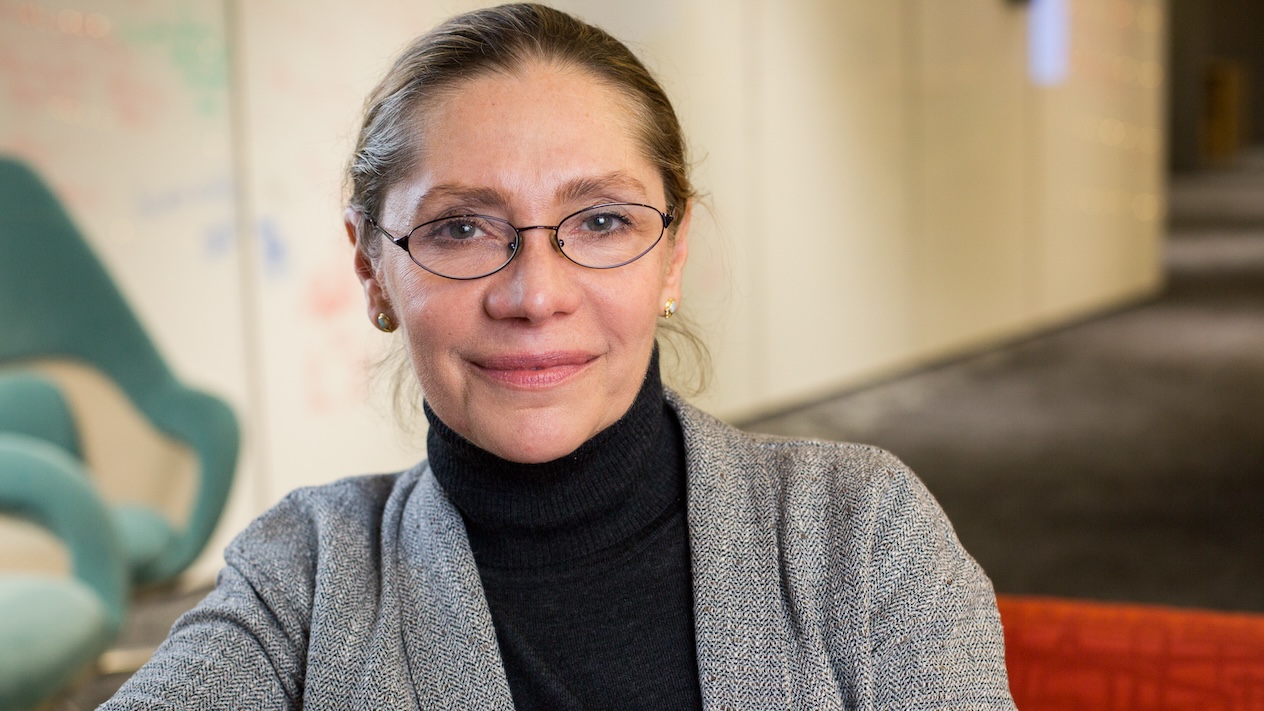
Lead Photo Credit: John Abbott/Columbia Engineering
The evolution of engineering spans millennia, and present developments are ever more rapid … Engineering continues to hold great promise and potential to benefit humanity.
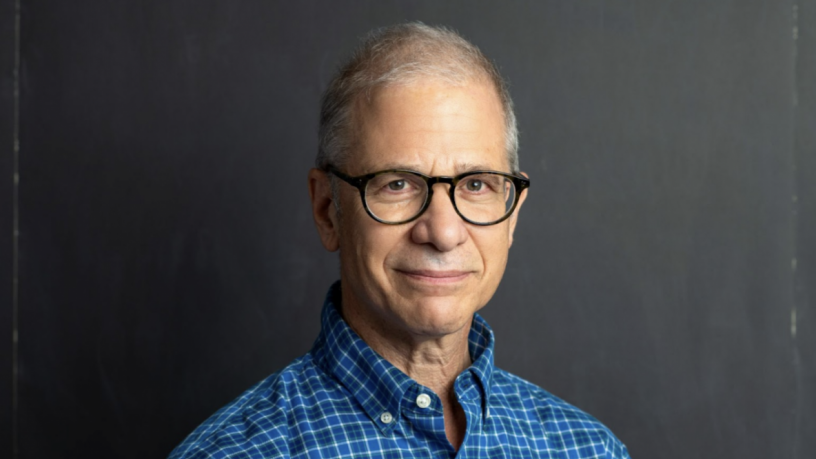
Zvi GalilDean Emeritus of Columbia Engineering
You were Dean at Columbia Engineering when the biomedical engineering (BME) department was founded. Tell us about those early days of BME.
The inspiration to create a Department of Biomedical Engineering preceded me as dean. Professor Van Mow, who was partly in mechanical engineering and partly at the Medical School (Vagelos College of Physicians & Surgeons), had this insight and brought it to Mike Crow, who was then the vice provost (now president of Arizona State University). Mike supported the idea immediately, and in my first month as dean they both discussed it with me. Mike was able to procure the initial funding, and Van commenced hiring for the planned department. The new department was established five years later in 2000. Today it is among the top BME departments in the U.S.
While at Georgia Tech, you led the creation of its hugely popular online Master of Science in computer science (OMSCS). Is this a model other schools should explore?
I believe universities—and in particular the very top ones—should provide more affordable distance learning. Without it they fail to fulfill their educational mission. Their admittance is limited to a miniscule percentage of applicants though many potential students are as good–Georgia Tech accepts approximately 80% of the applicants to its online program. Tuition, even in state universities, is prohibitively high and has led to $1.7 trillion student debt; the cost of our degree is under $7,000. This spring, the program enrolled 16,100 students, from 120 countries. So far 13,500 students have graduated. Apparently it is the largest degree program in the world in any subject online or not. Forbes described our program as the best degree program ever. We serve a large pool of non-traditional students. In fact, a majority of our students would not have pursued an advanced degree if not for OMSCS. More than 30 universities have followed Georgia Tech with over 50 highly affordable MOOC-based online programs. We have proven that it is possible to have online teaching of high quality for a lower price that is comparable to that of on-campus learning.
What are you up to these days? Still running marathons?
I ran about 20 marathons in the 1980s and 1990s–those were great fun– until I tore a meniscus! I love challenges, physical and mental. Professionally, after stepping down as dean of Georgia Tech’s College of Computing in 2019, I returned to the classroom. I enjoy teaching new generations of students, and I also serve as an ambassador for our online program. I have already given 121 talks in 18 countries; two in Japan this month and more are coming up.
As someone who has had a front-row seat to engineering’s evolution through the years, what excites you about what’s to come?
The evolution of engineering spans millennia, and present developments are ever more rapid. From artificial intelligence, robotics, and virtual-reality technologies to biomedical engineering — much was unattainable a century ago and is now operational and reshaping our lives. Engineering continues to hold great promise and potential to benefit humanity.
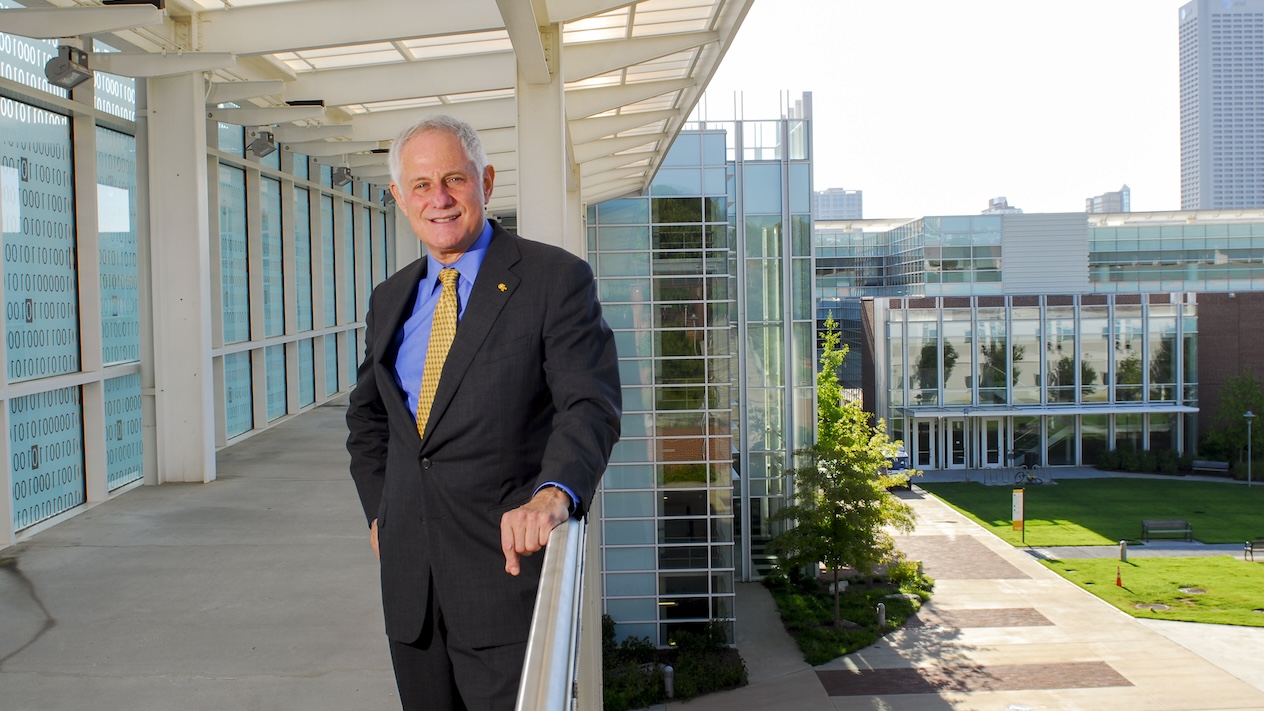
Lead Photo Caption: Zvi Galil served as dean of Columbia Engineering from 1995-2007 and chaired the Department of Computer Science from 1989-1994.
Lead Photo Credit: Courtesy of Georgia Tech College of Computing