Scenes from Erman Ilicak’s Talk
Photos by David Dini
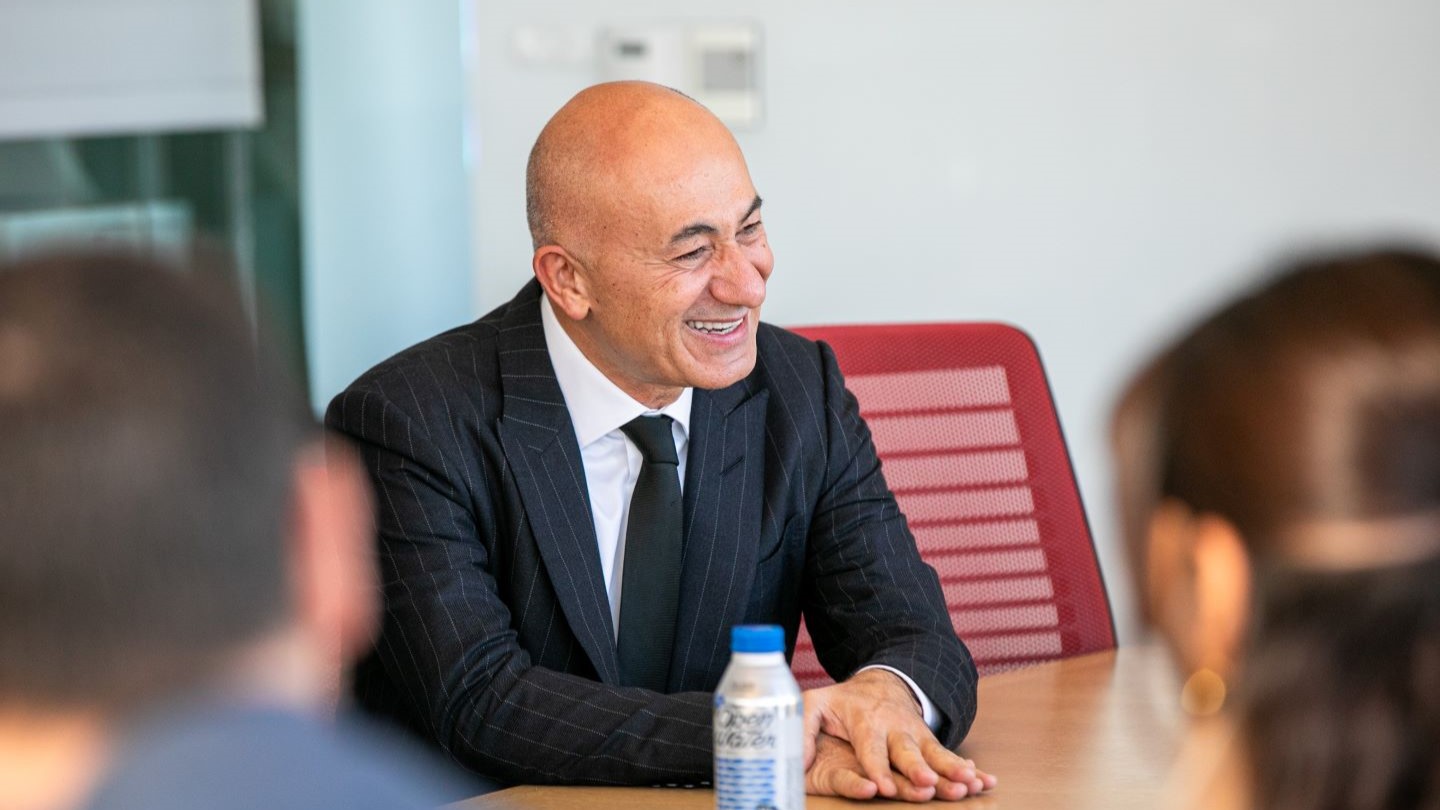
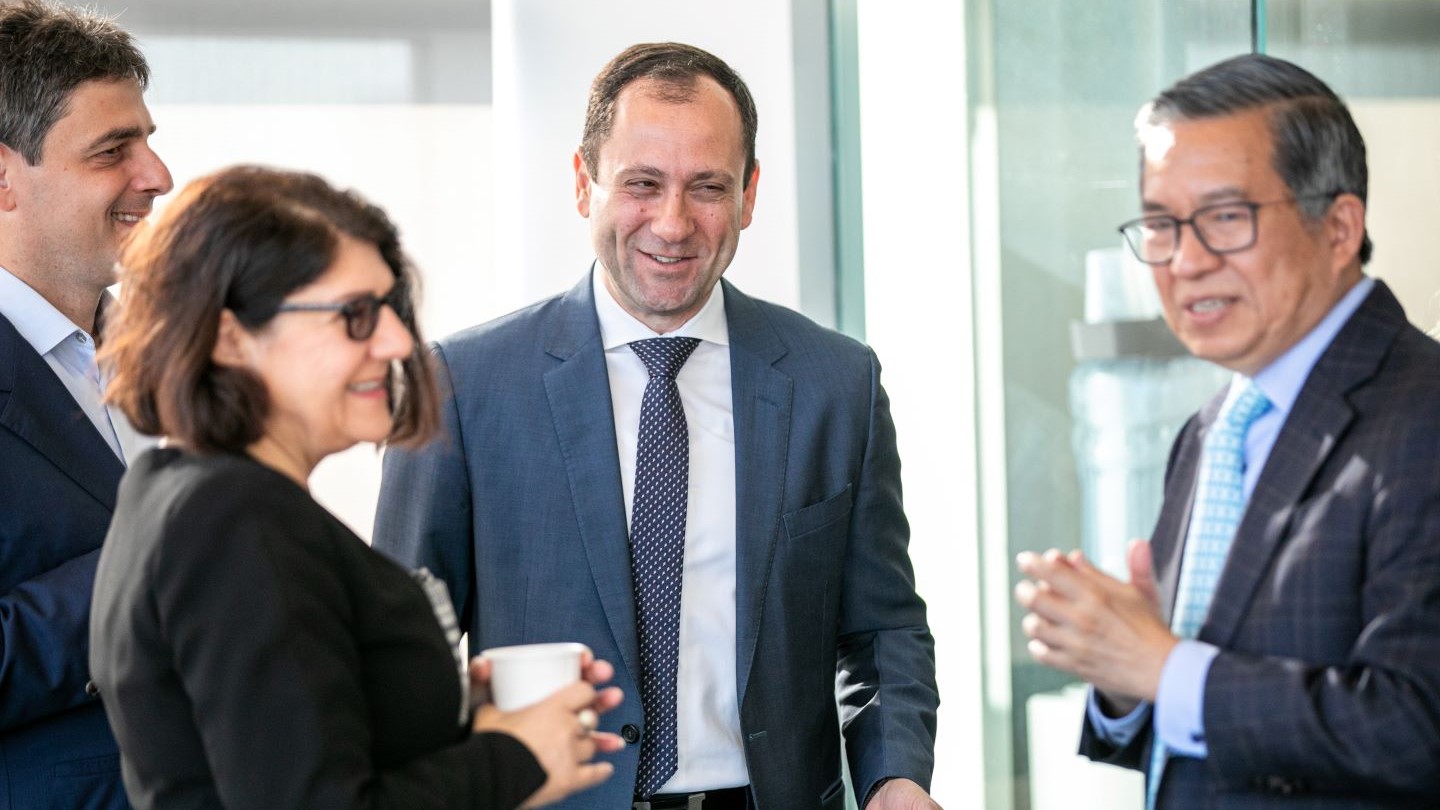
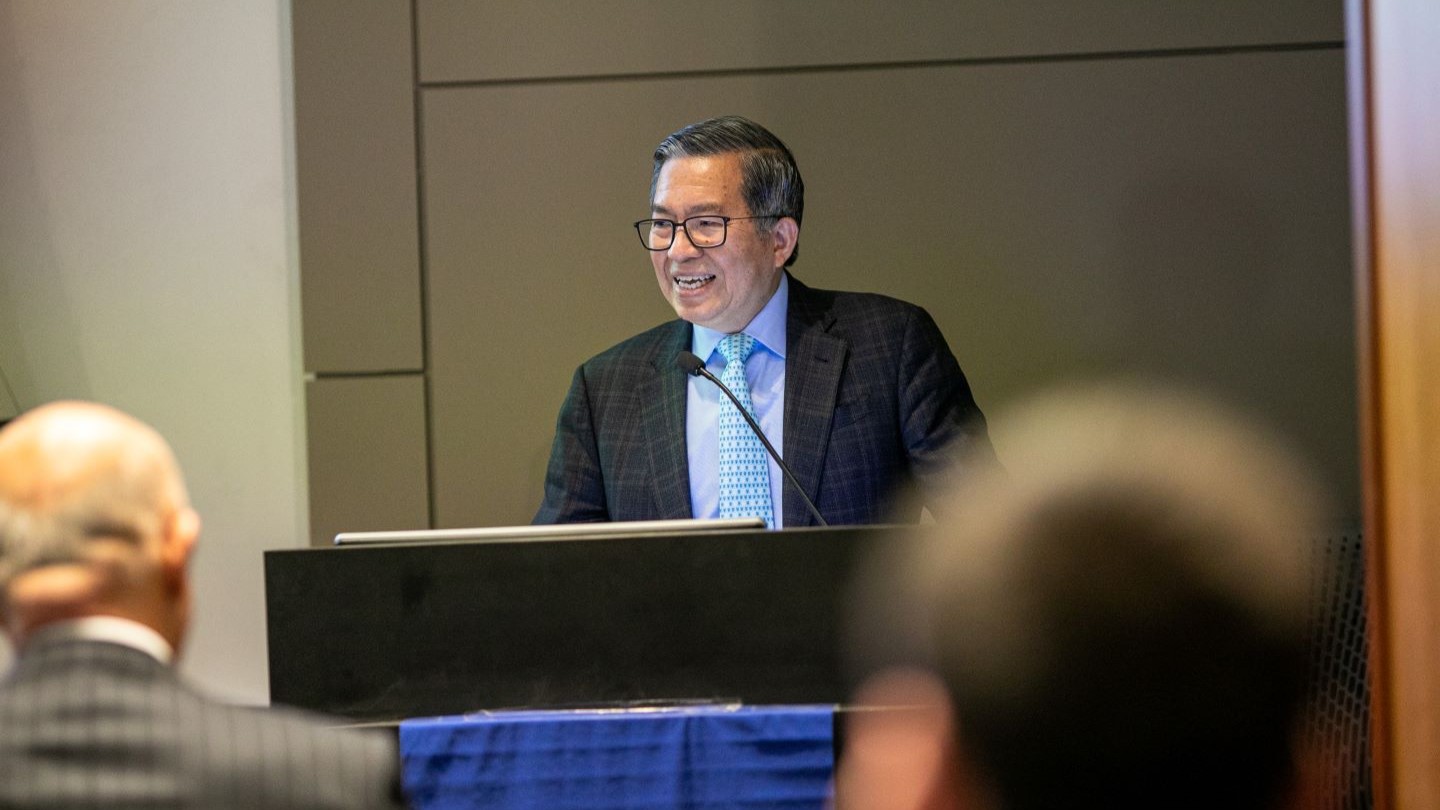
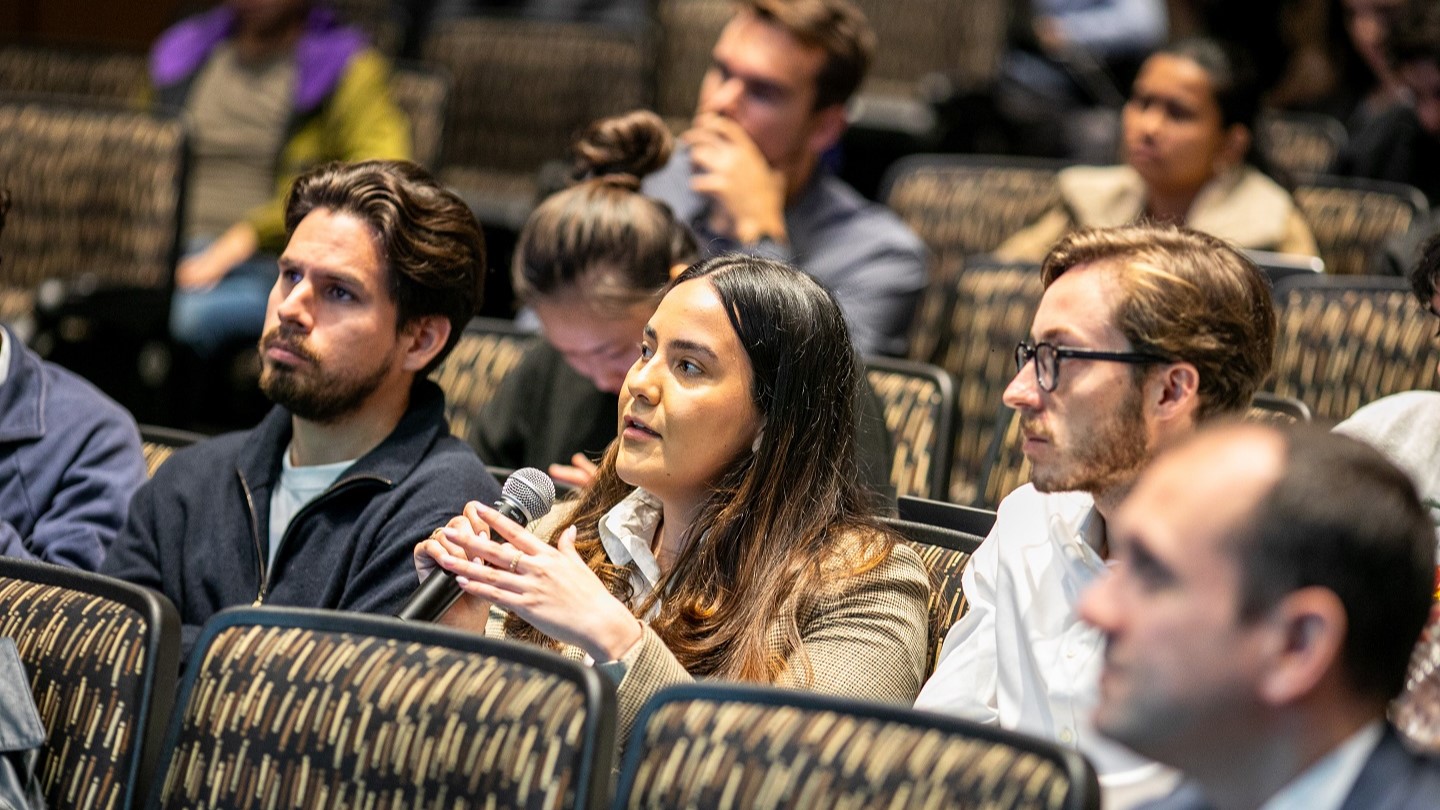
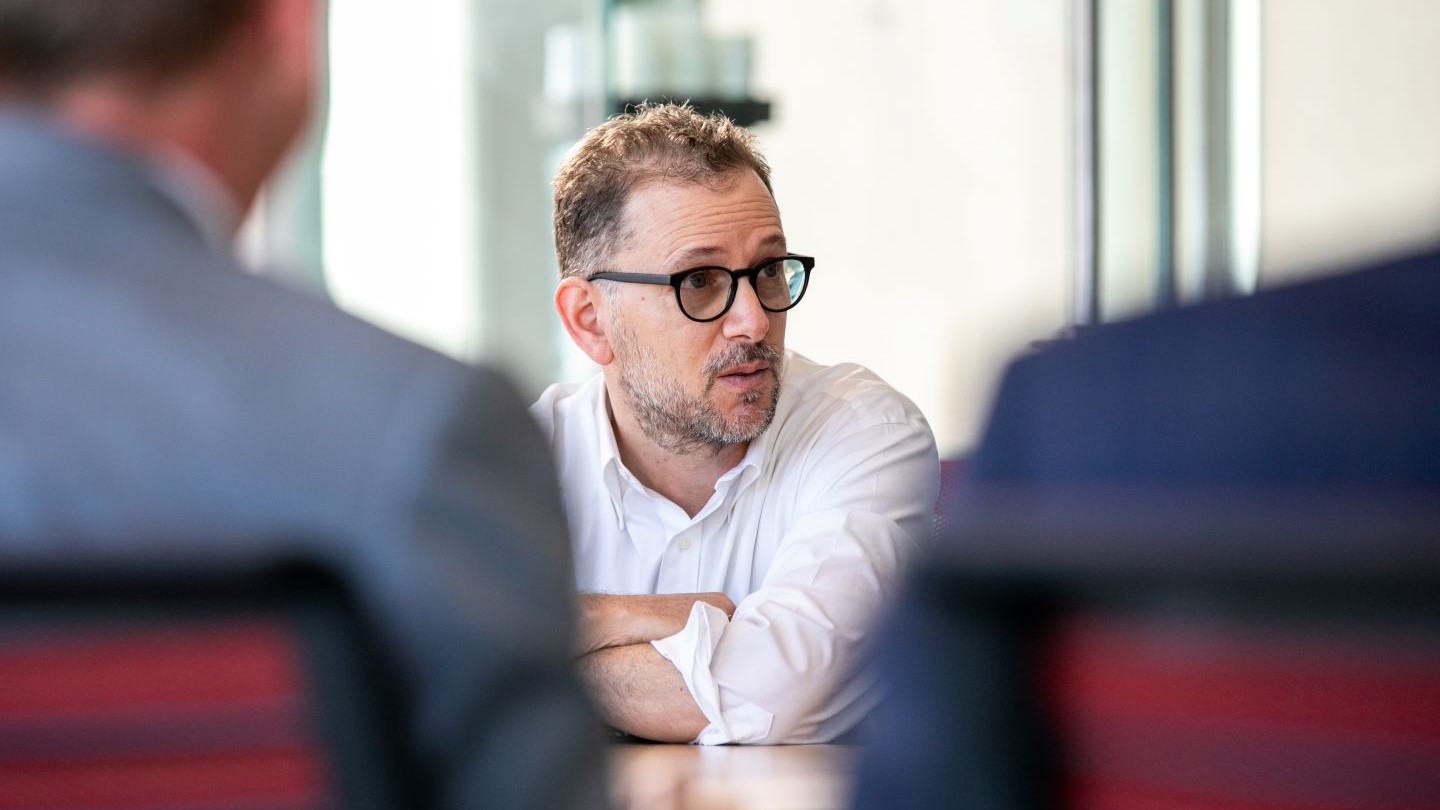
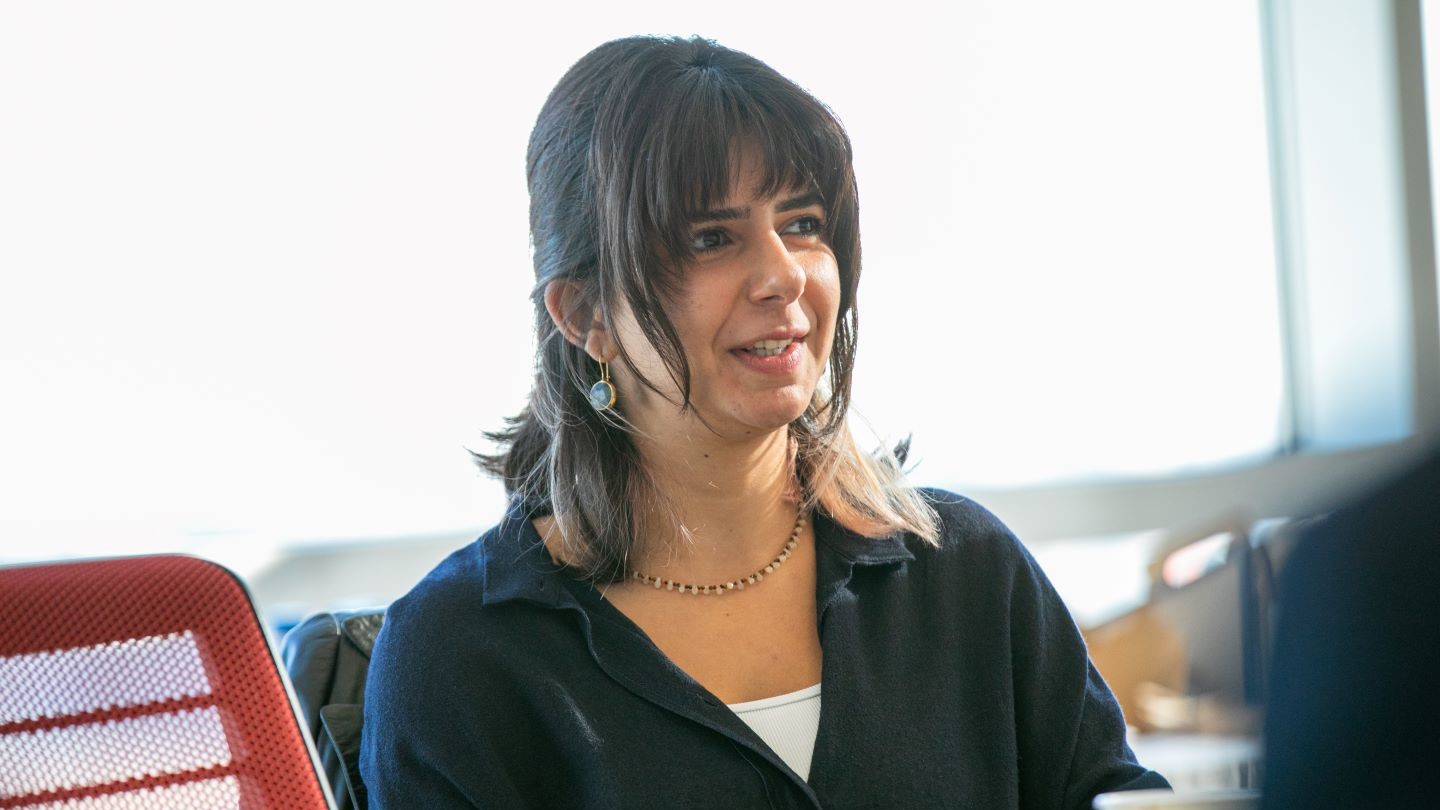

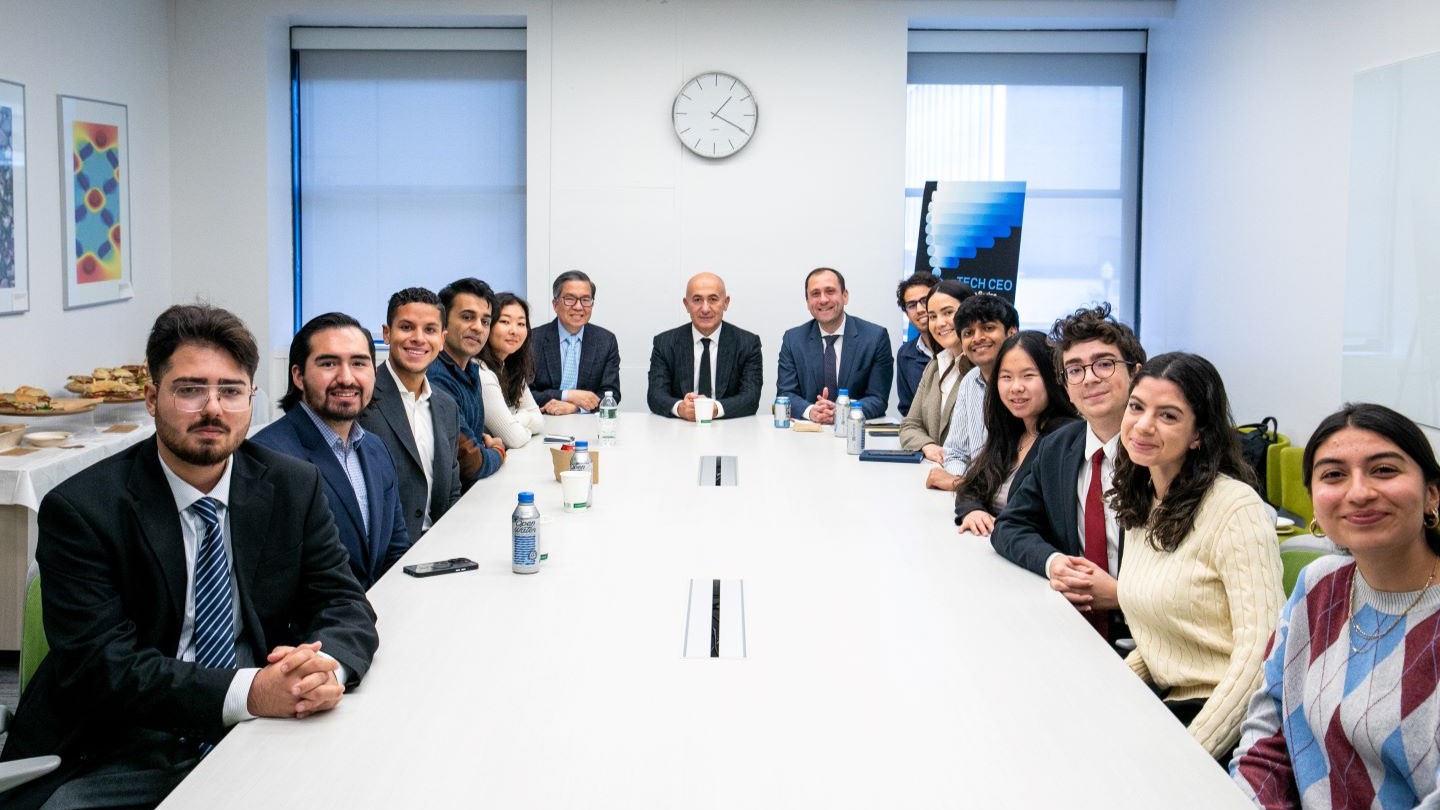
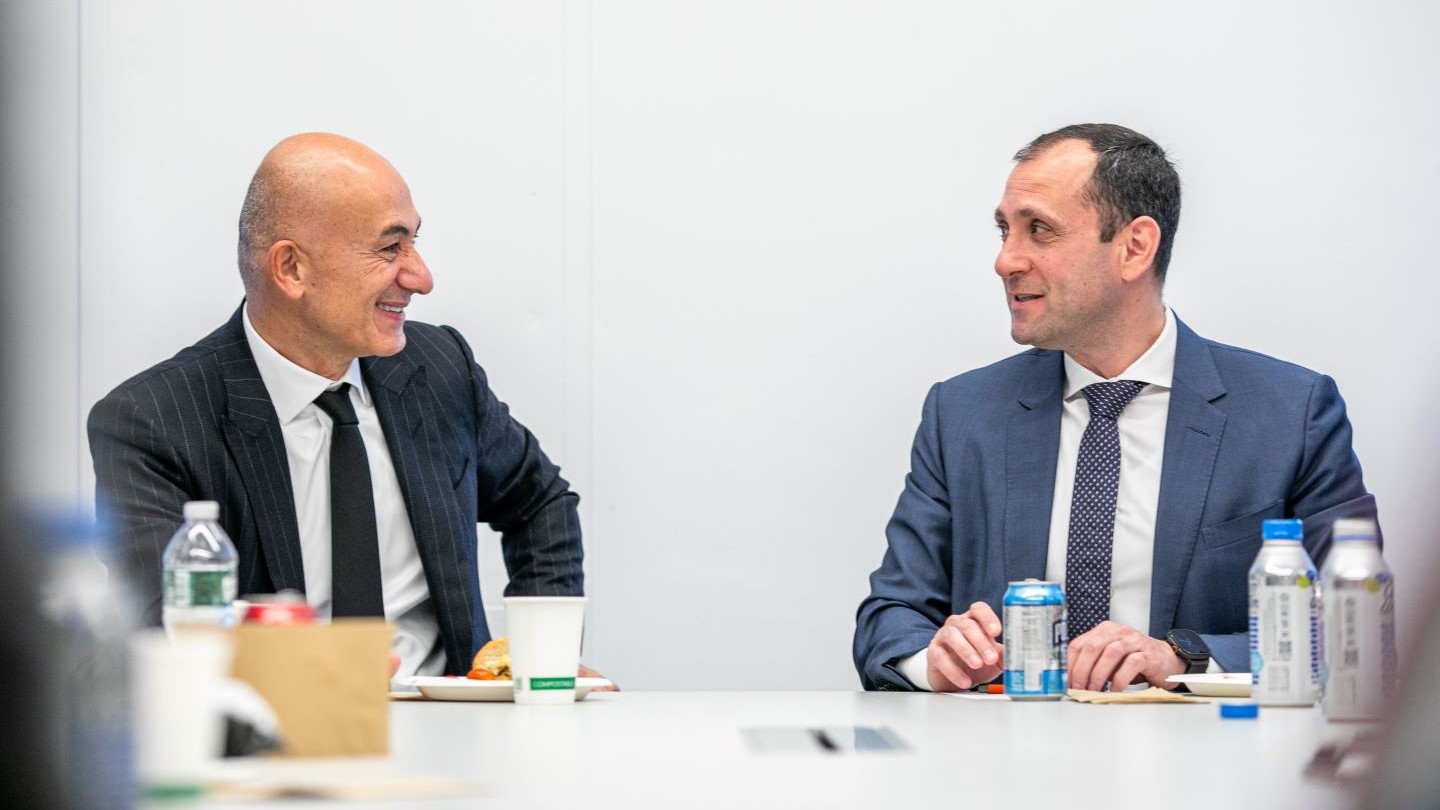
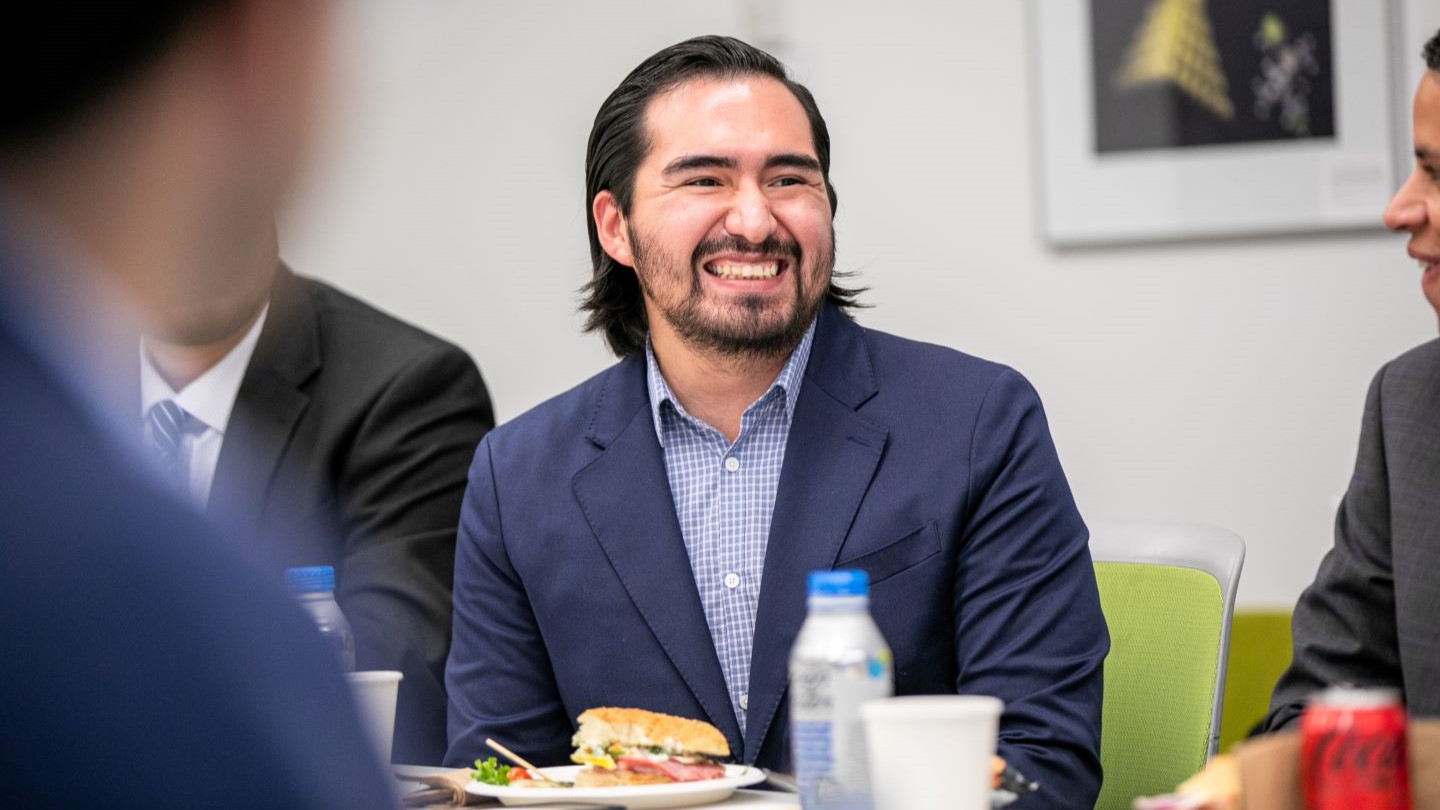
At age 26, frustrated by the slow pace of large corporate hierarchies, Ilicak decided to “do [his] own thing,” recruiting a team of young engineers to fill gaps left by industry giants. The firm would go on to deliver Europe’s tallest tower, its largest hospital, and the world’s longest tunnel. To date, his company has completed more than 5,000 contracts worth $60 billion worldwide.
Ilicak described the company’s evolution into what he calls the “Renaissance Way,” a model that reinvests capital, emphasizes innovation and collaboration, and manages risk through self-sufficiency. Informed by his time as a business leader and while pursuing an MBA and PhD, Ilicak’s approach enabled his company to finance ambitious projects that might not have been possible otherwise.
“We introduced a new growth model for delivering multibillion-dollar projects,” he said.
His talk closed with advice for students: choose your industry carefully, learn business finance, and build strong teams.
“It’s here — at places like Columbia Engineering — where you have the best opportunities to find teammates you trust,” he said. “That is the most important thing.”
Caption: Erman Ilicak delivers a Tech CEO lecture in Davis Auditorium
Credit: David Dini/Columbia Engineering
Scenes from CEEC’s 2025 Symposium
Photos by Brandon Vallejo
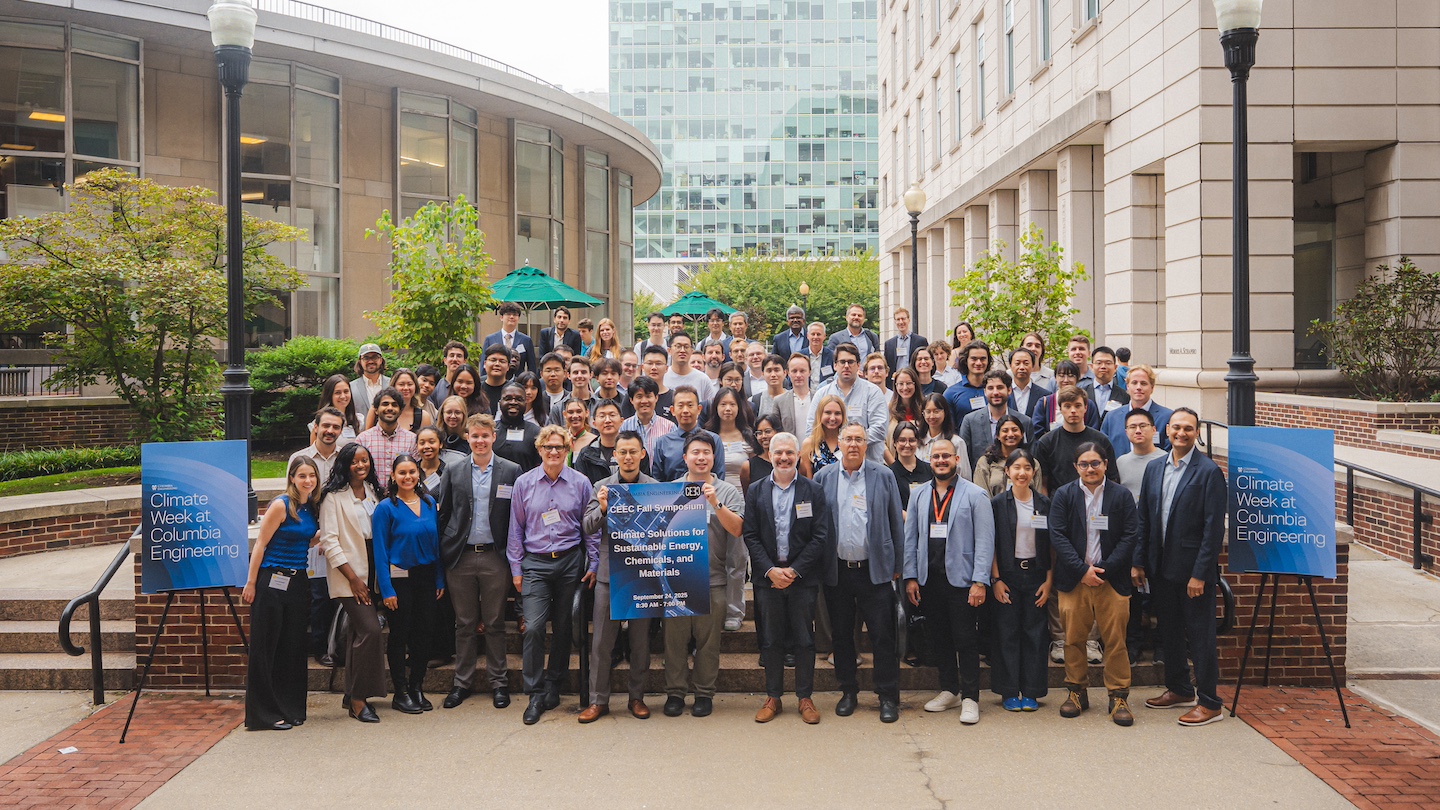
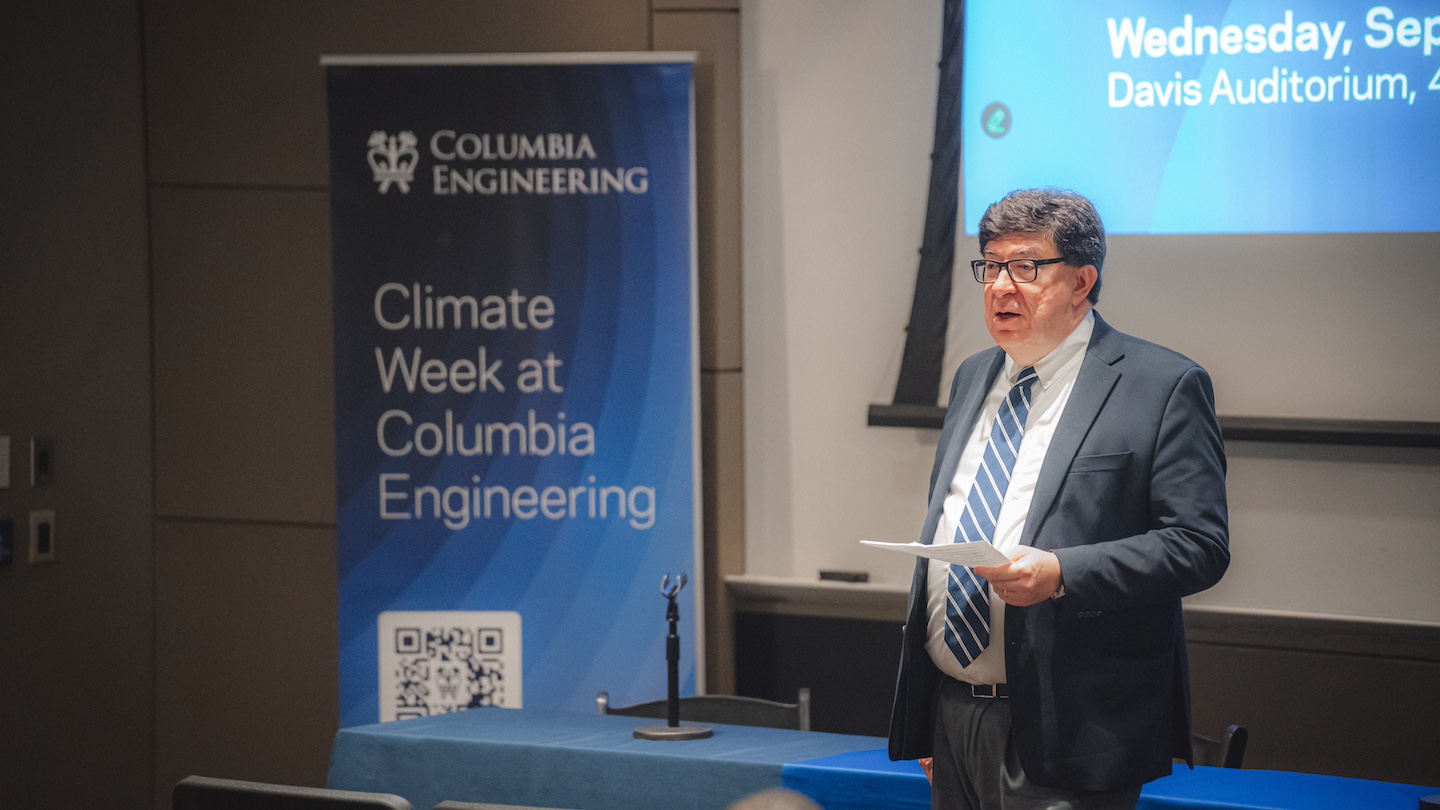
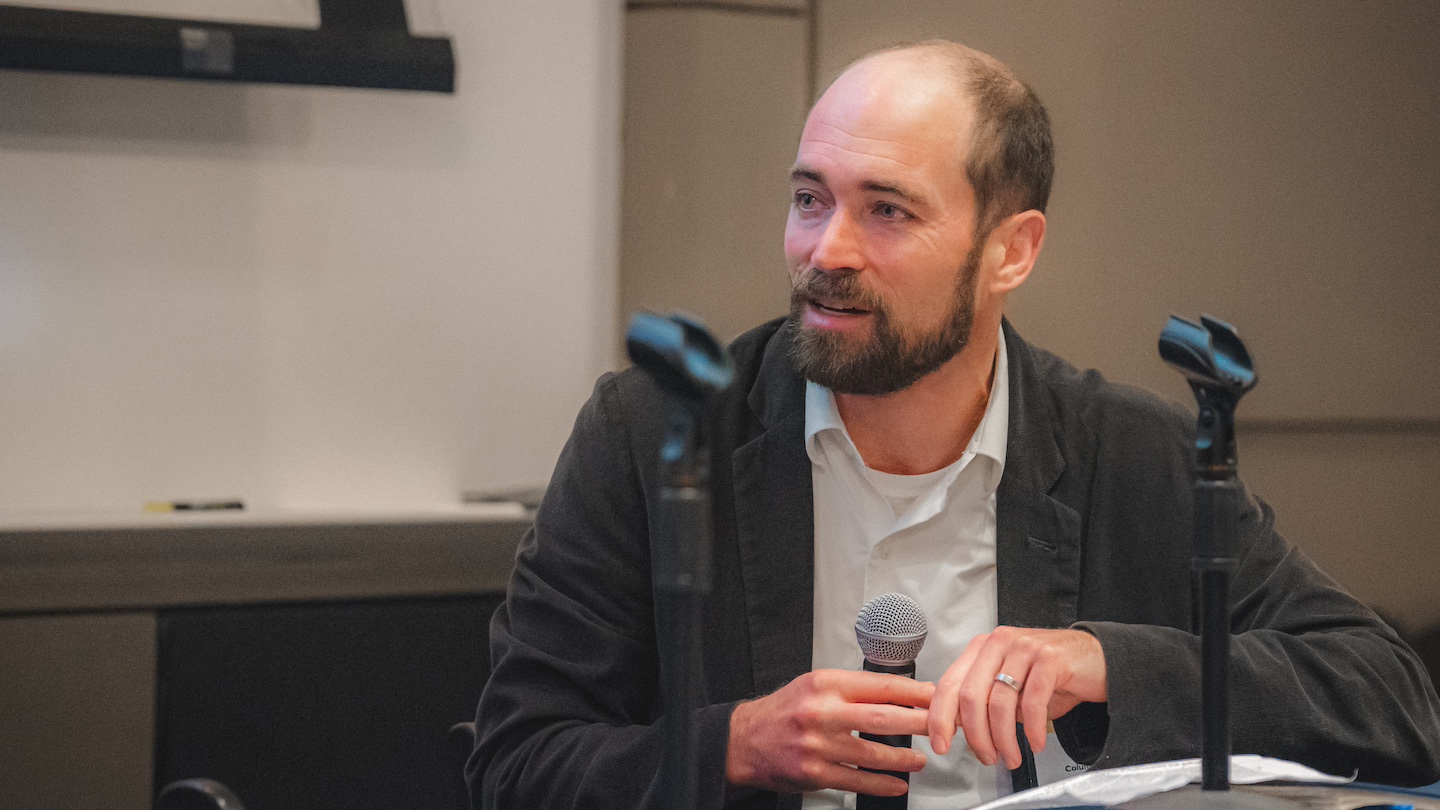
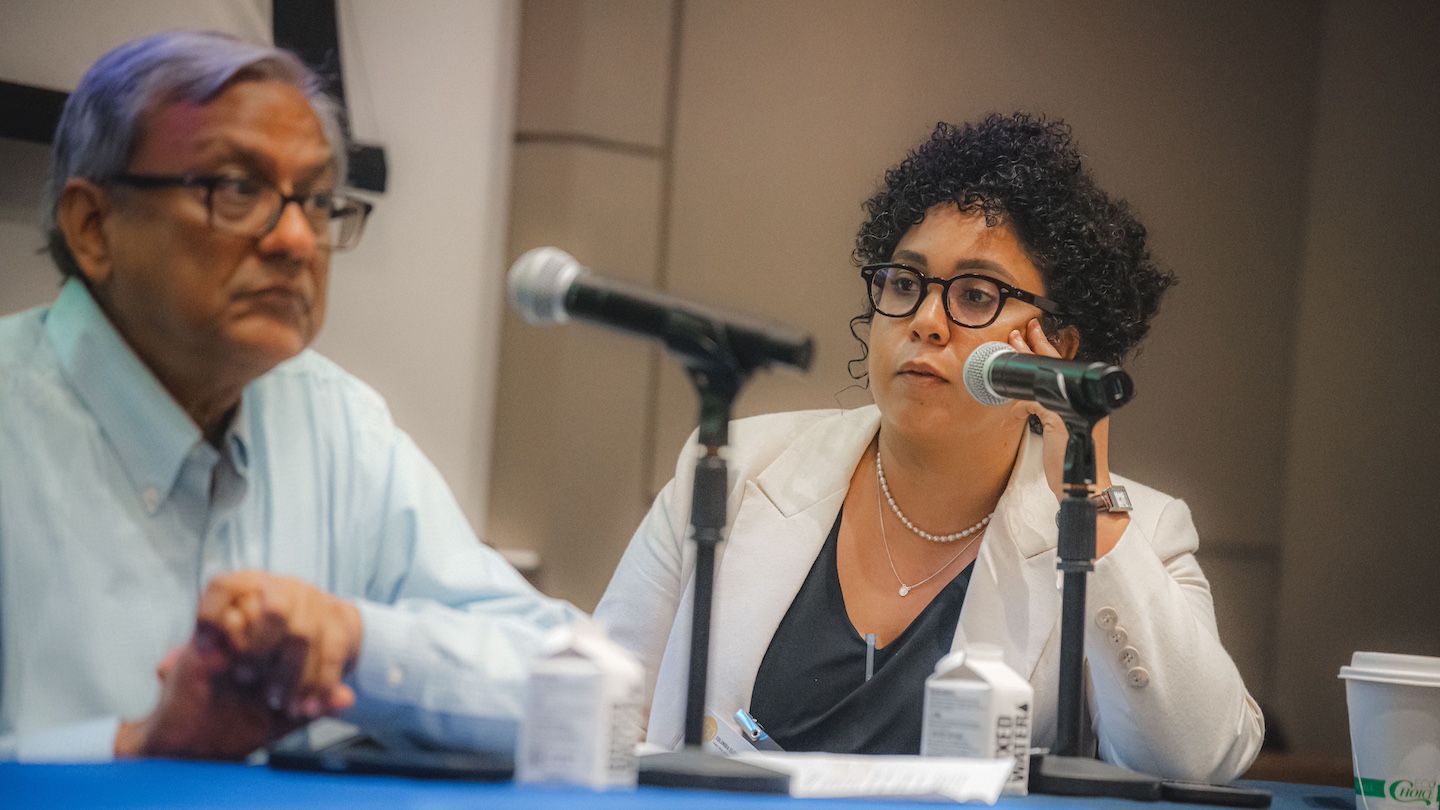
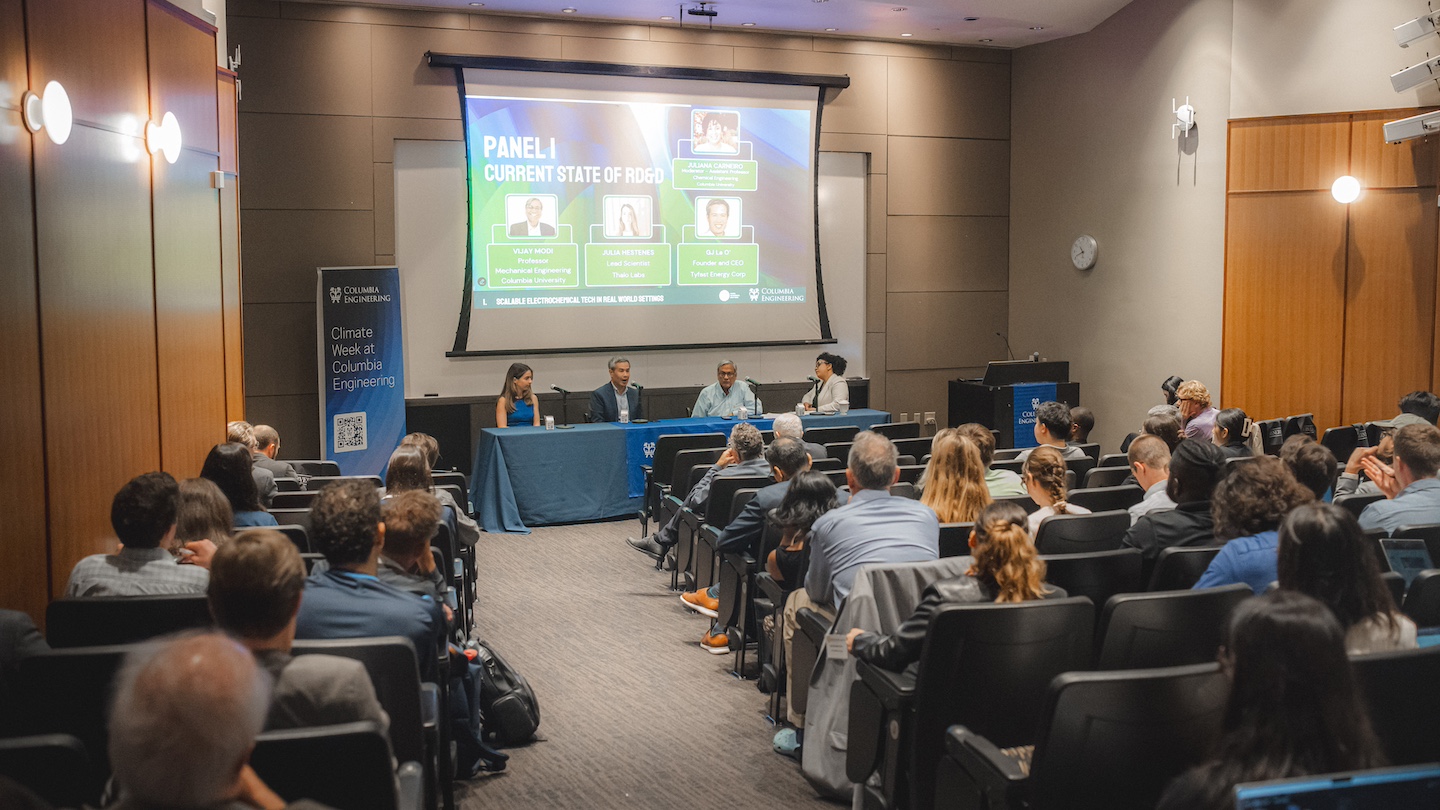
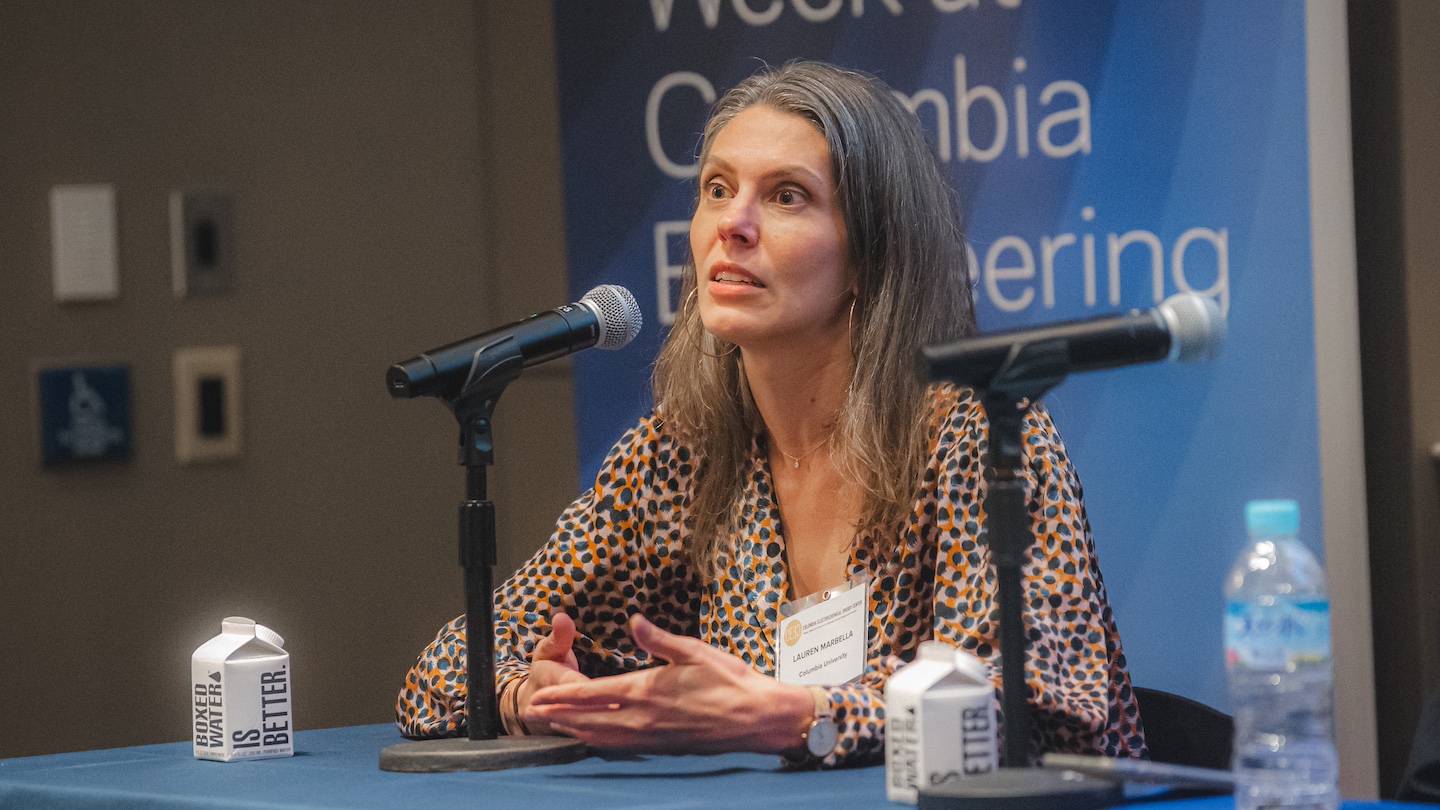
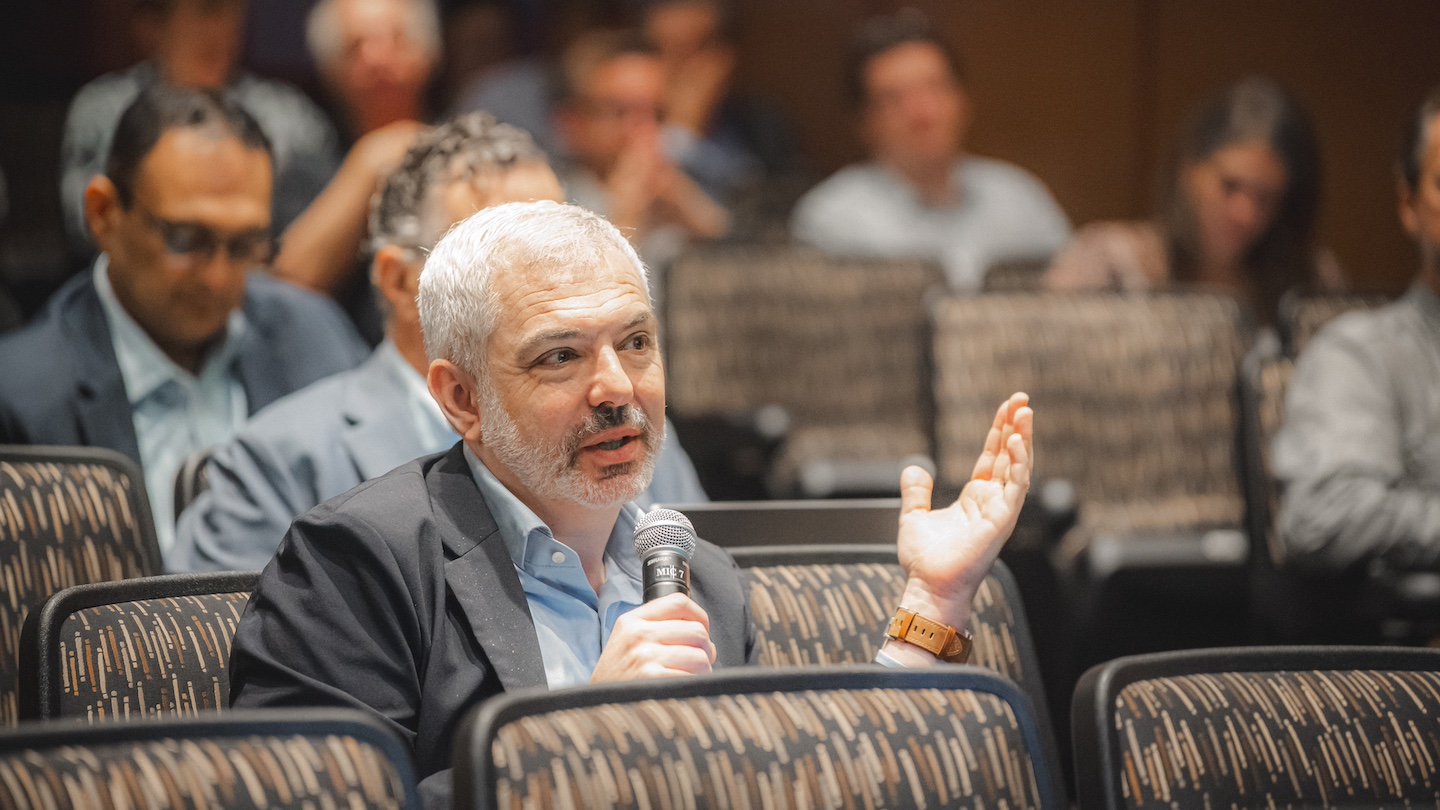
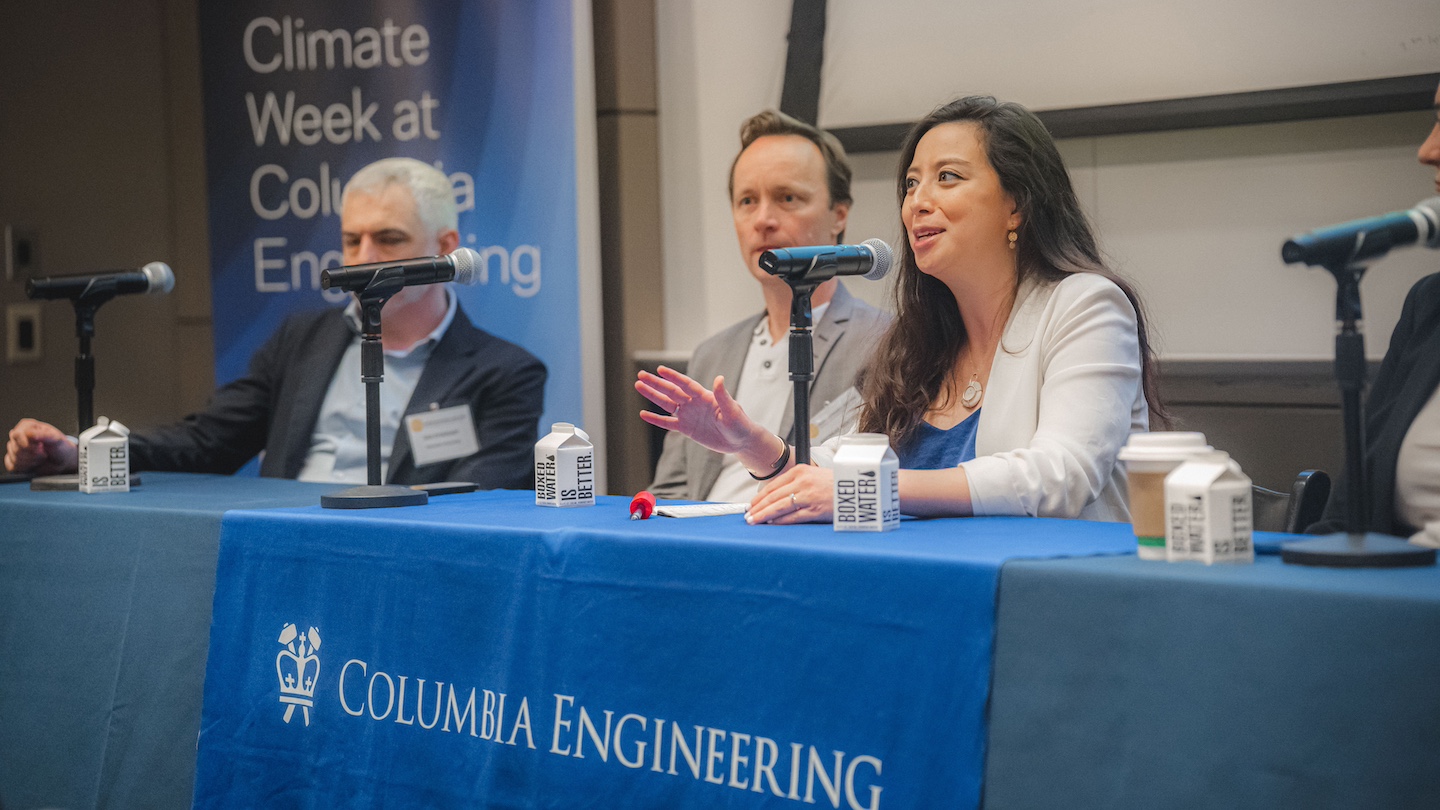
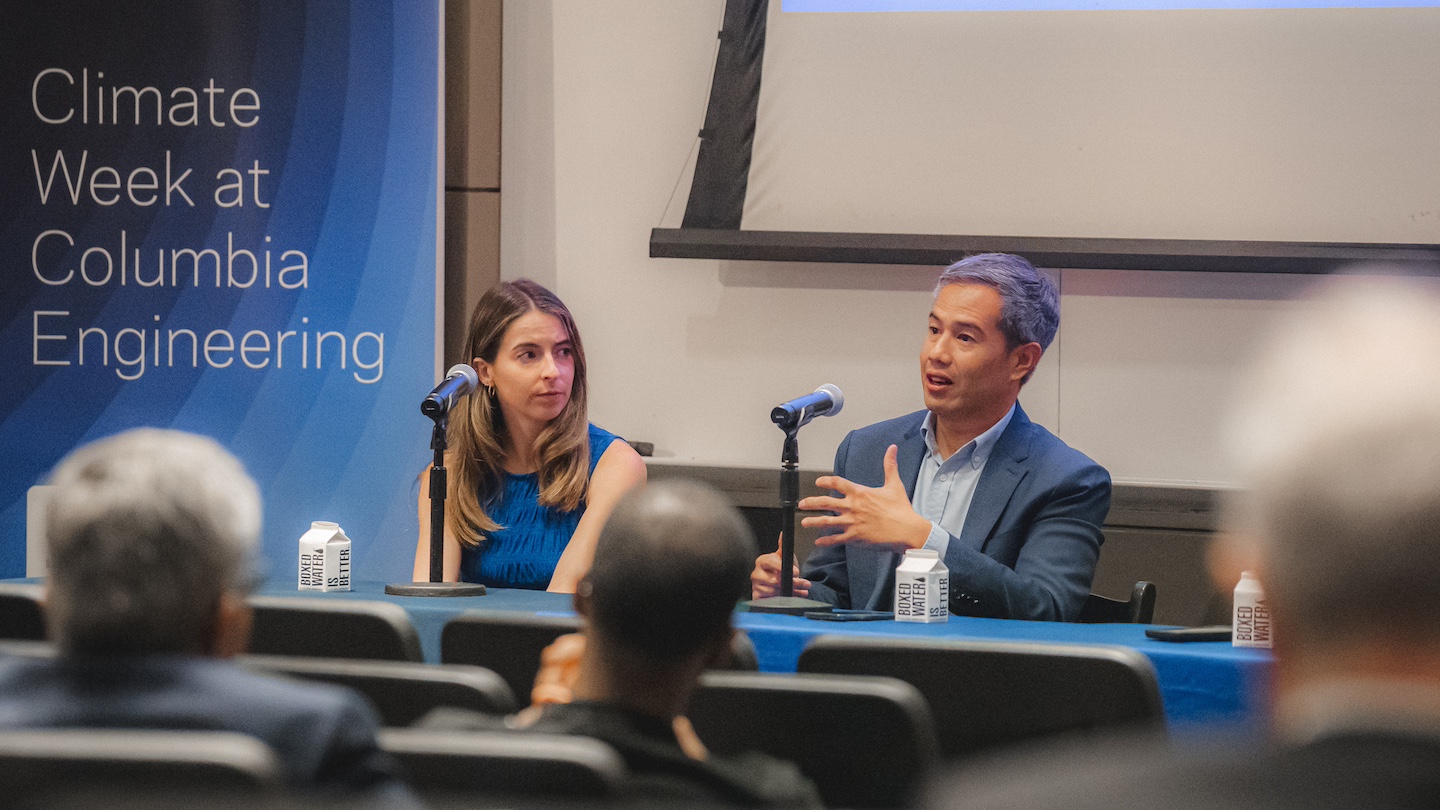
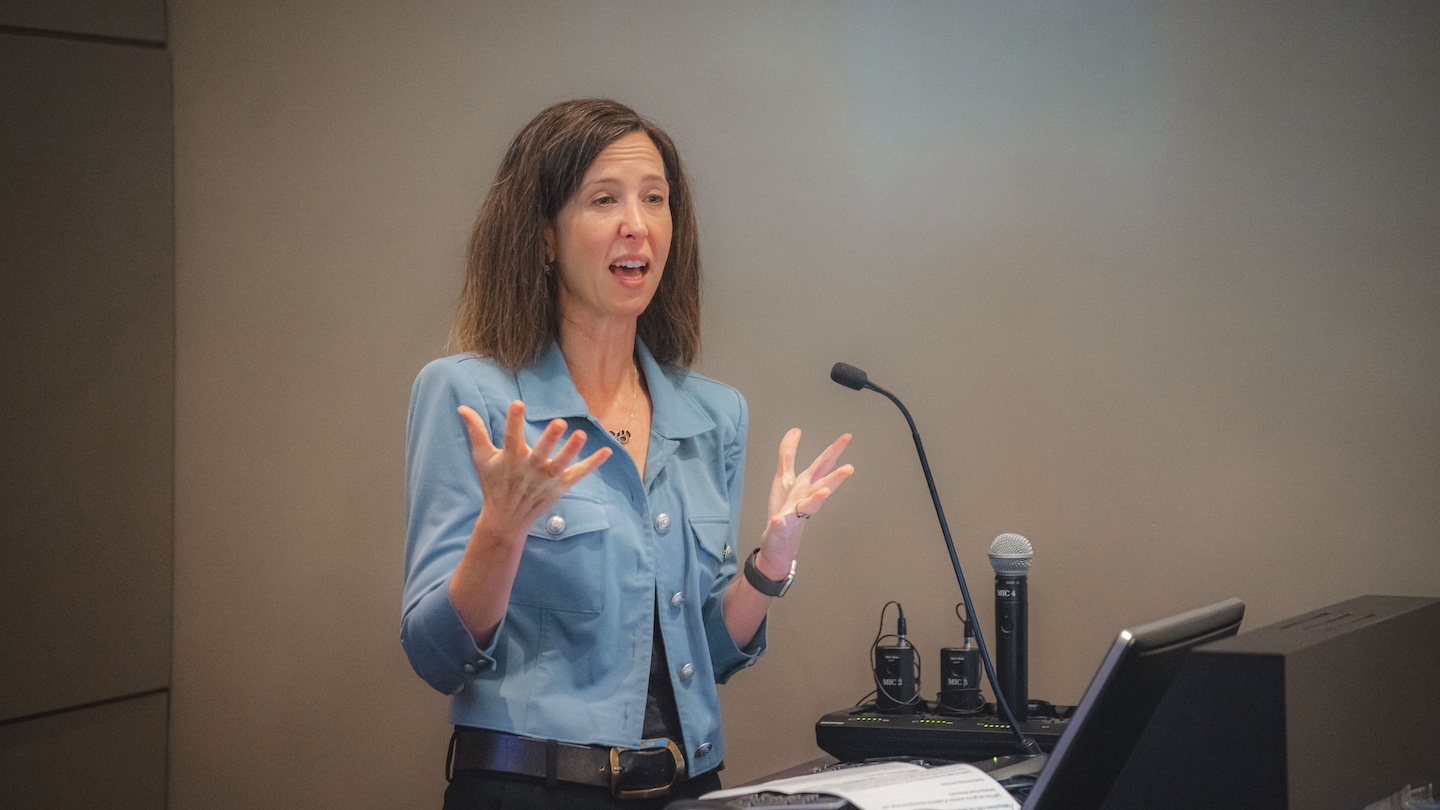
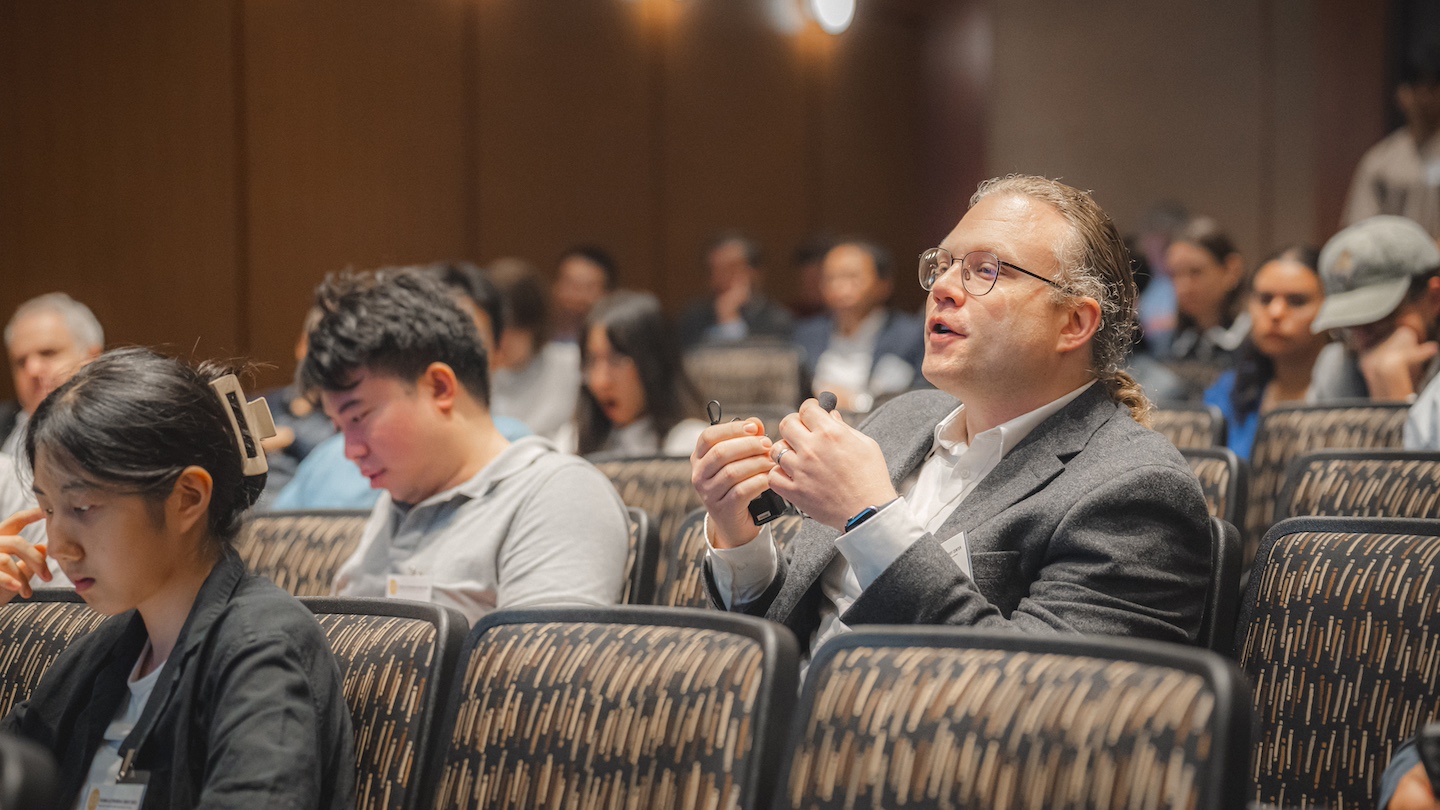
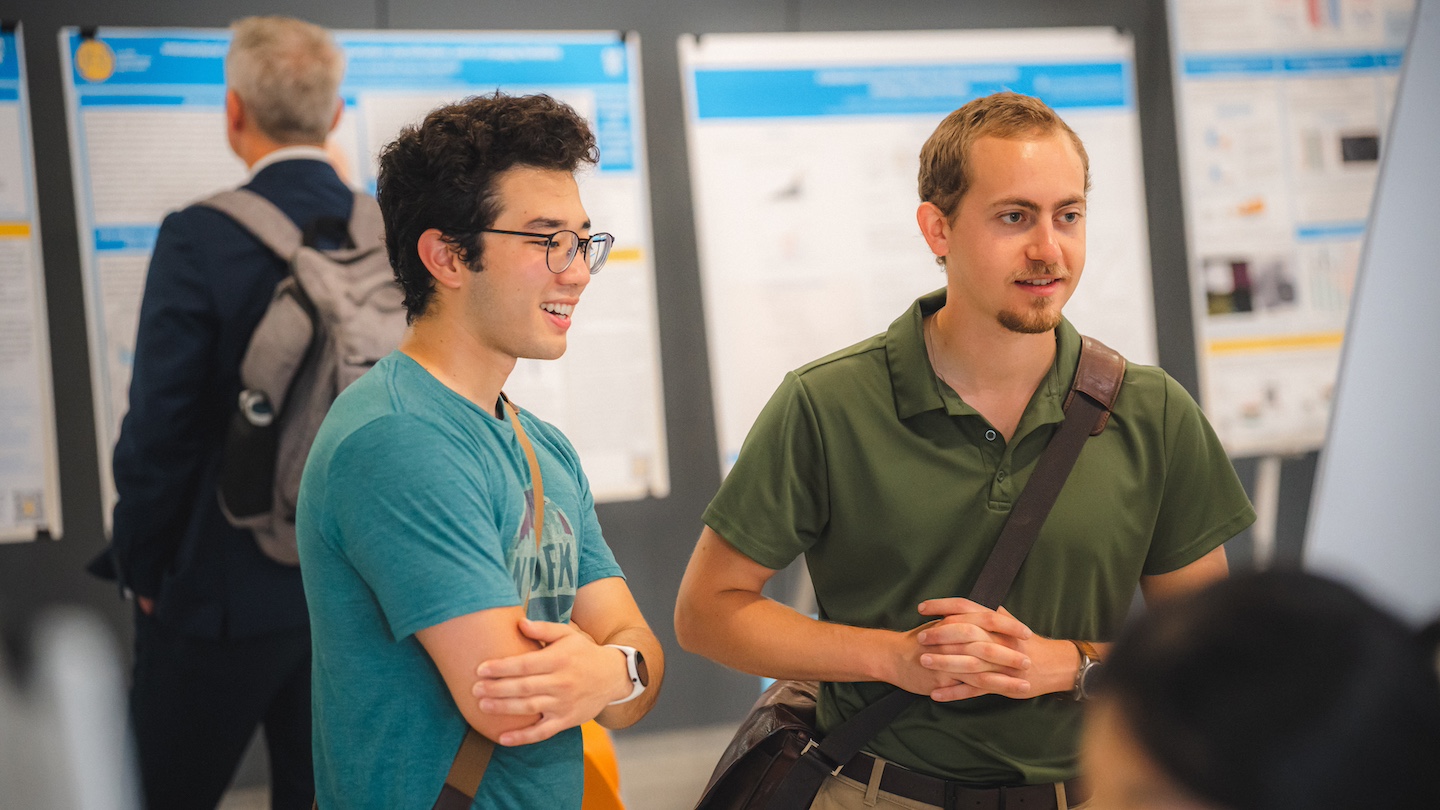
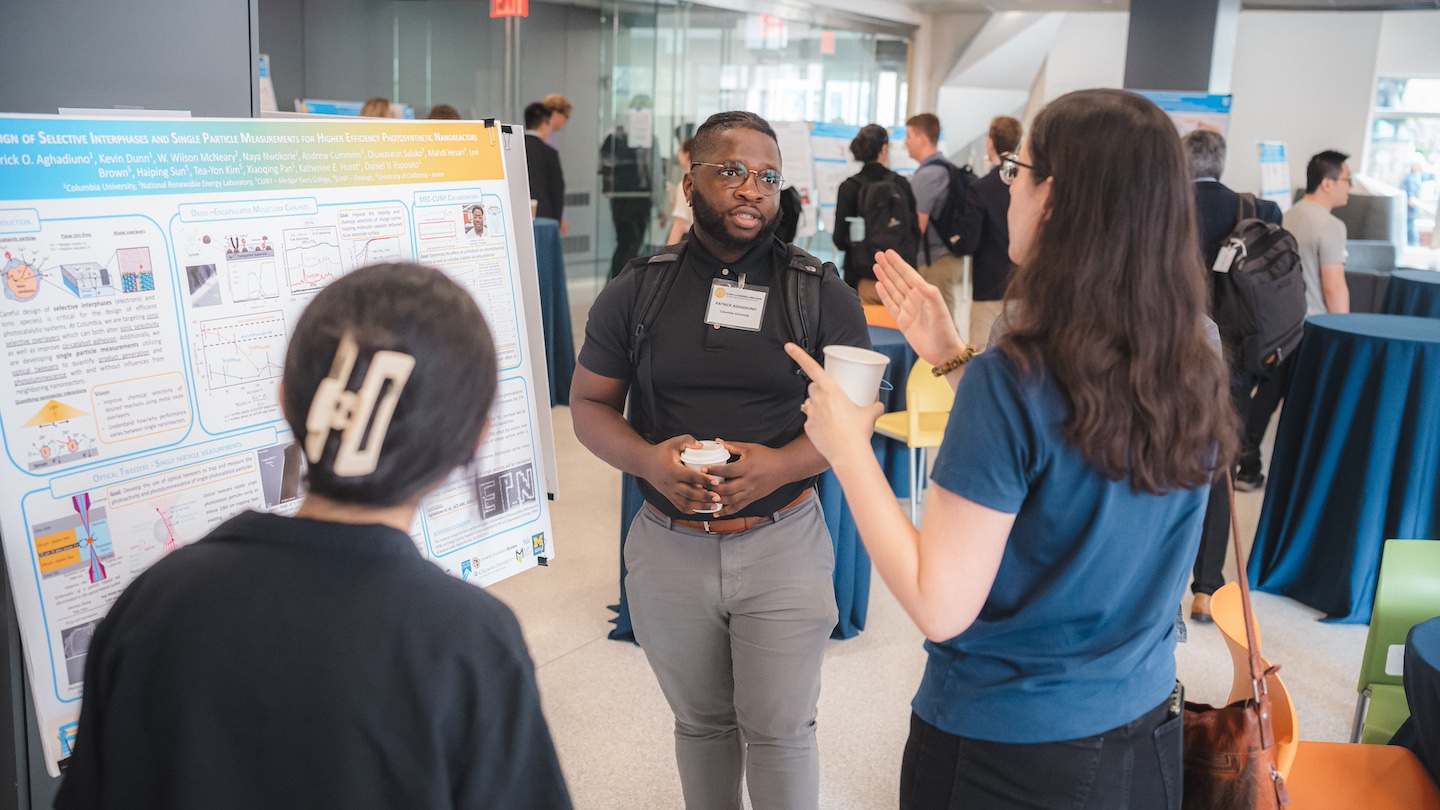
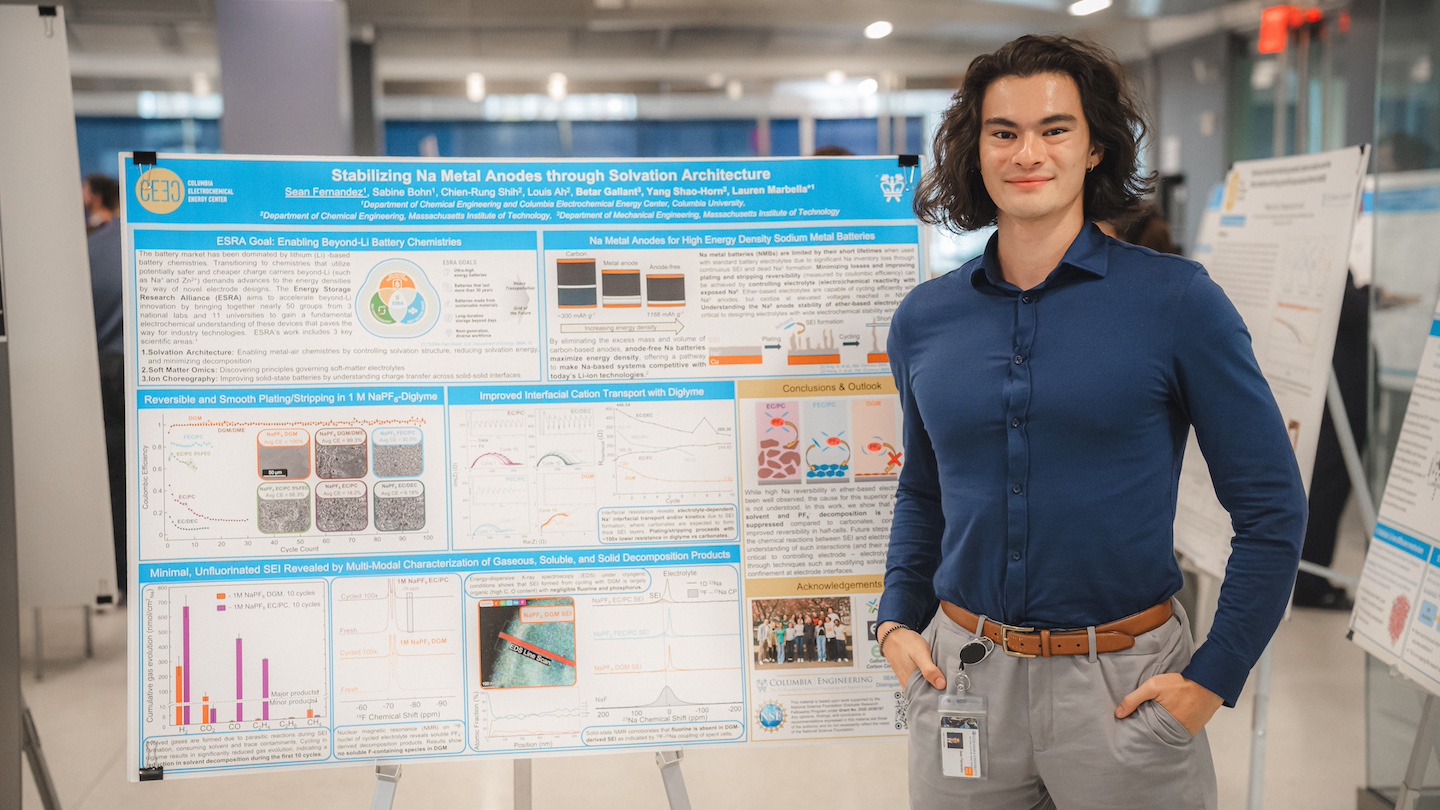
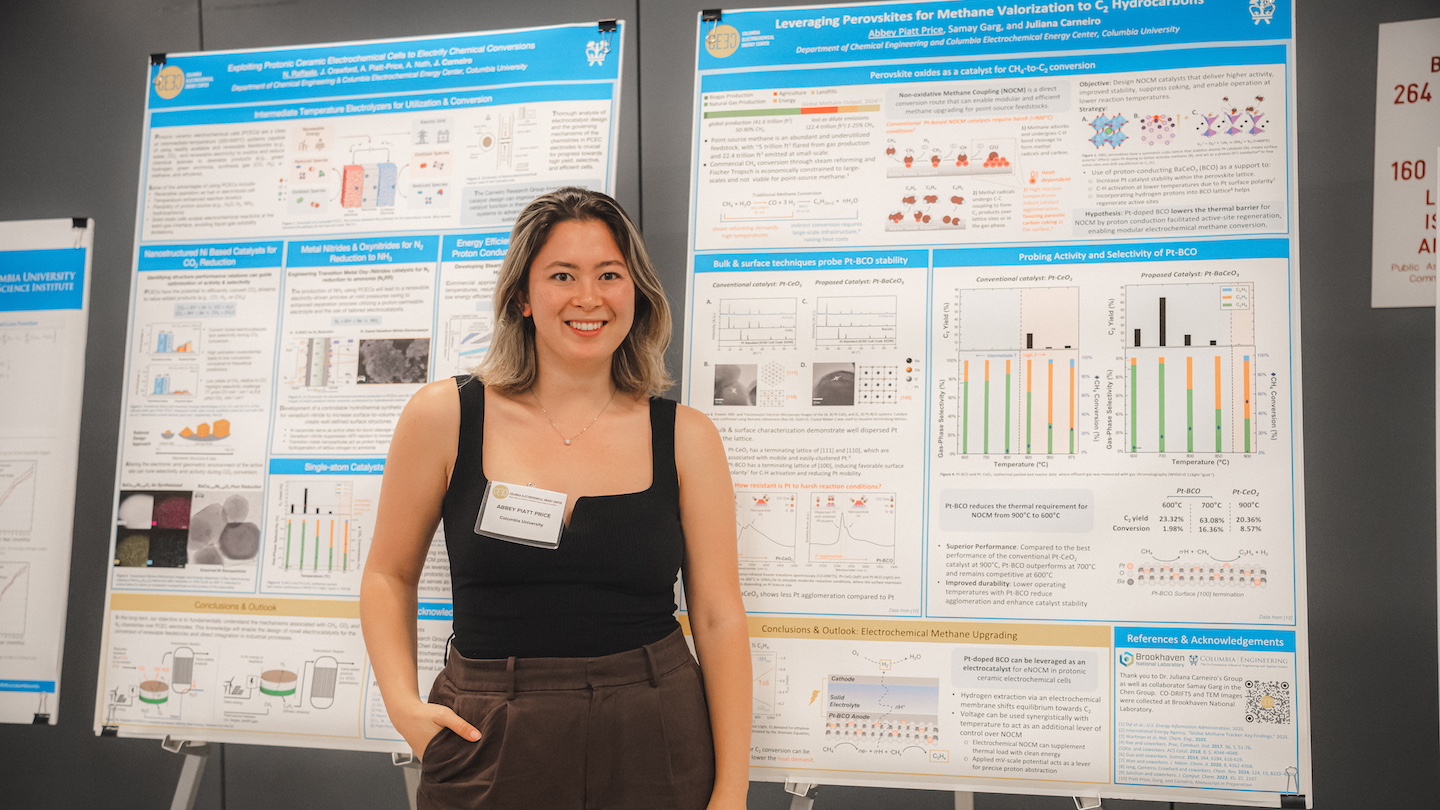
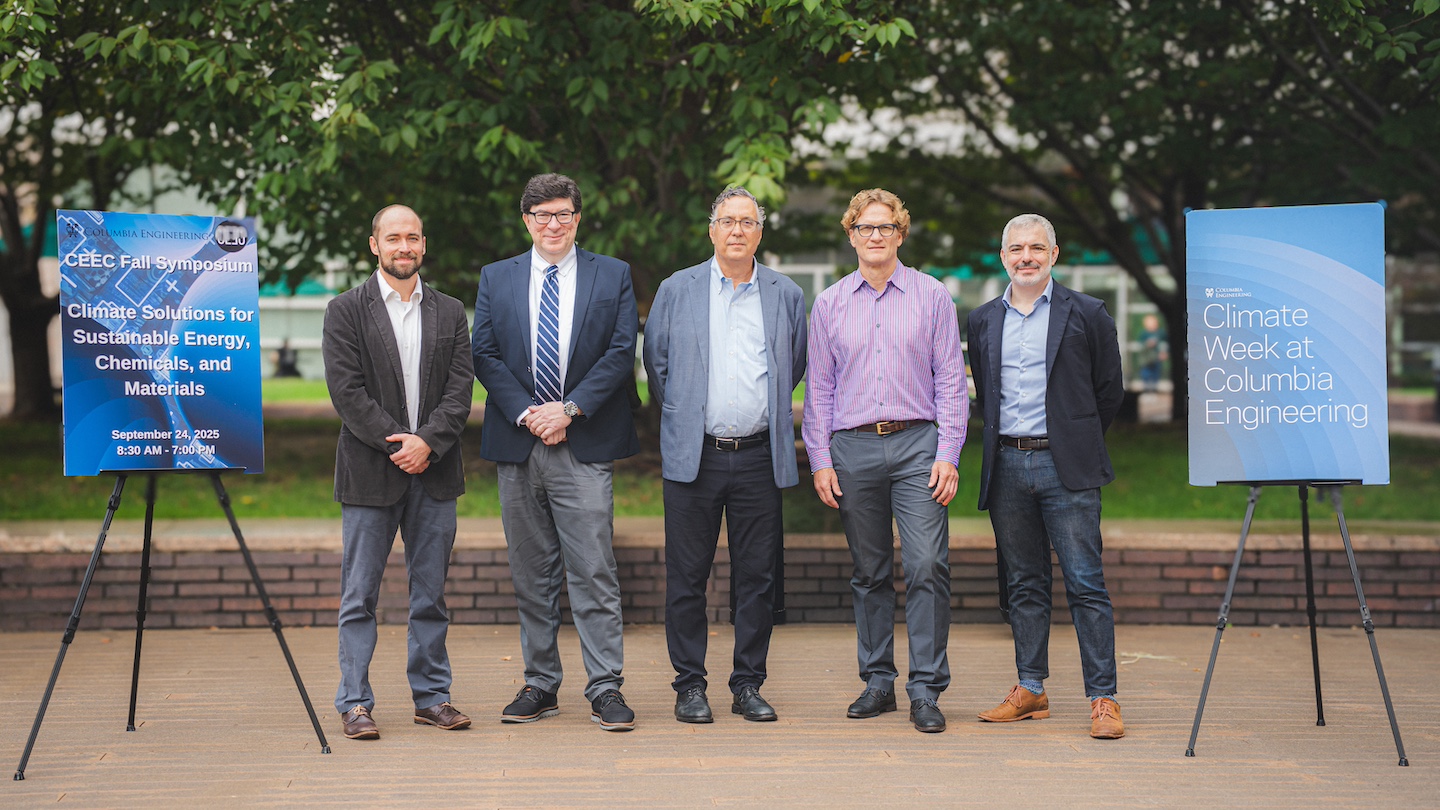
Over the course of the day, speakers and panelists examined three core themes: scalable electrochemical technologies in real-world settings, the optimal operation of electrochemical devices, and strategies to reduce dependence on critical materials while securing resilient supply chains.
Each session featured a keynote address outlining the state of the field and its most promising frontiers, followed by panel discussions that tackled the practical and technical barriers to scaling up new systems. In keeping with CEEC’s mission to train the next generation of electrochemical engineers, PhD students concluded each session with brief presentations highlighting research conducted in collaboration with CEEC’s industrial partners. In parallel to the talks, CEEC’s 65 PhD students and postdocs curated a poster session, inviting attendees to dive deeper into their research across energy storage, conversion, and materials innovation.
Lead Photo Caption: Dan Steingart, CEEC Director and Stanley-Thompson Professor of Chemical Metallurgy
Lead Photo Credit: Brandon Vallejo/Columbia Engineering
It all began with a fan in a nosebleed seat.
Priya NarasimhanProfessor, Carnegie Mellon
During the opening keynote presentation, Carnegie Mellon’s Priya Narasimhan shared that she didn’t set out to build a global sports technology company. But one night in 2008 at a Pittsburgh Penguins game, watching from the nosebleed section, she realized how much of the action she was missing—angles, stats, insights that could make the experience richer. That moment led to a research project with her computer science students and ultimately to the launch of her startup YinzCam.
YinzCam started as an experiment to deliver real-time replays and stats directly to phones and has grown into a platform serving more than 160 professional teams around the world. Today, it powers apps, websites, AR features, and loyalty programs, continuing with its goal to keep sports fans connected beyond game day.
For Narasimhan, the fan’s perspective has always been the starting point. “At its core, the company is about personalization—turning data into experiences that deepen loyalty and engagement.”
They used to give us data that said six percent of a team's fan base would, in their entire life, have gone to a game.
Shripal ShahChief Digital Officer, Next League
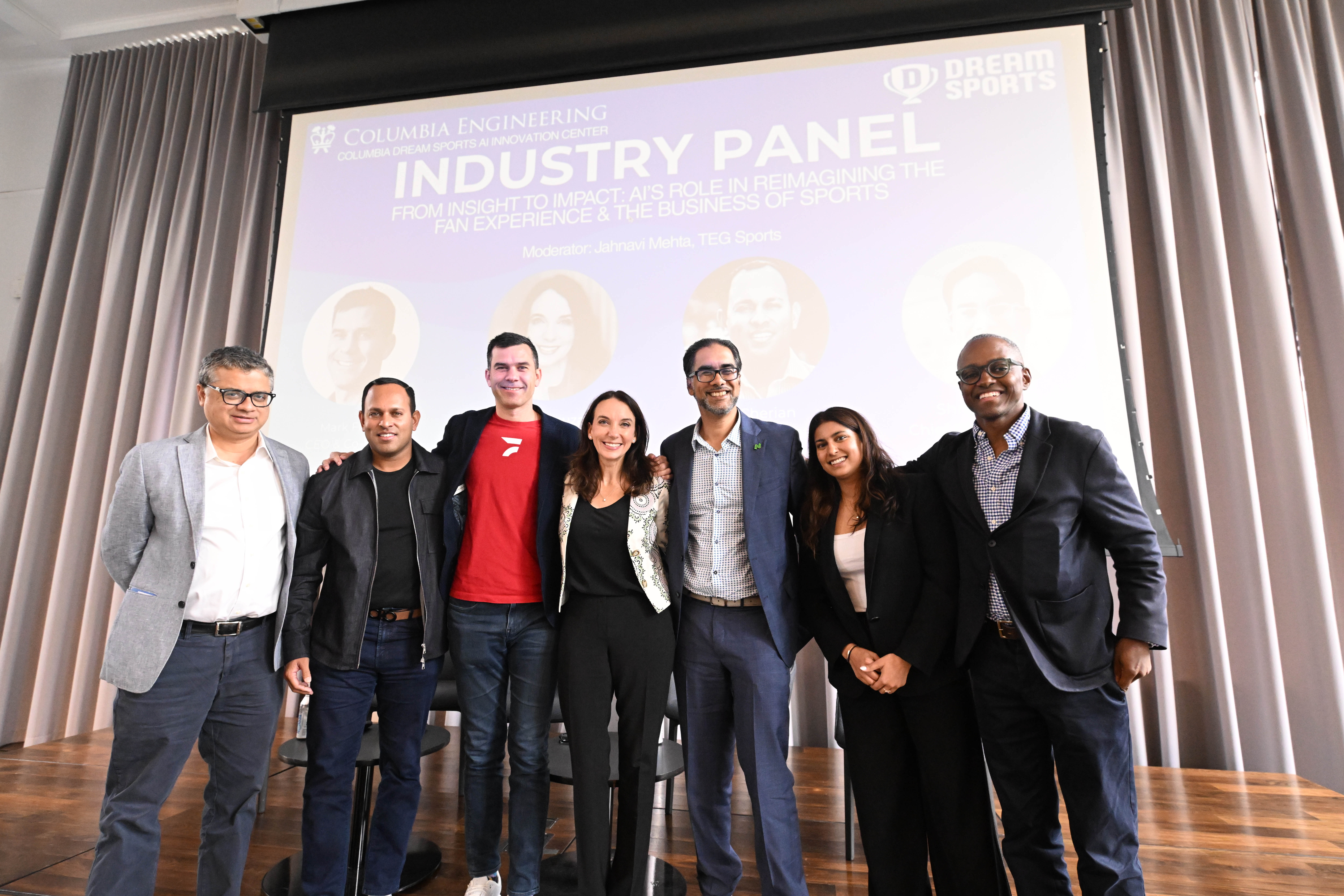
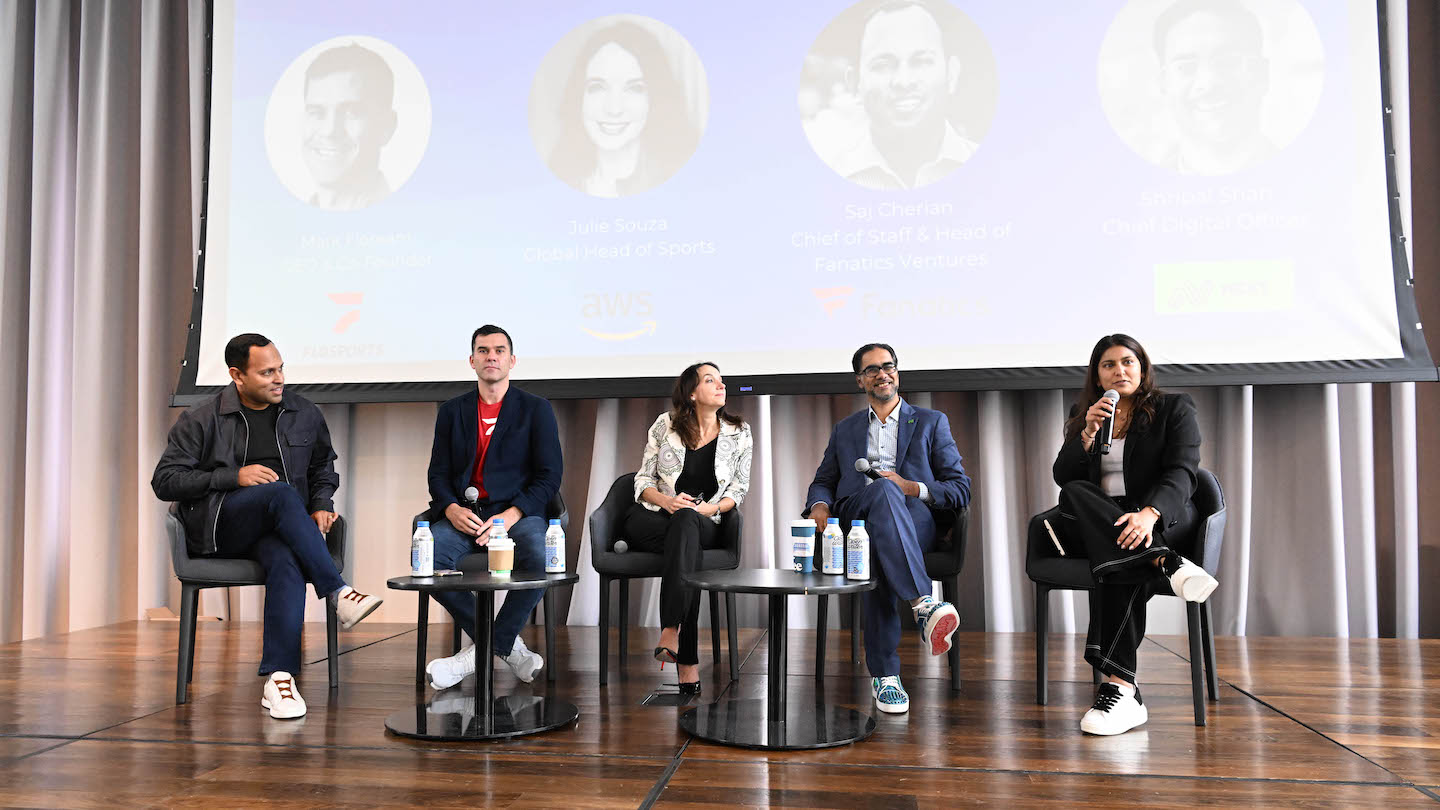
And while the data now says 12 percent of fans actually experience games in a stadium, the bottom line is still the same: from broadcasts to merchandise, technology isn’t the end goal; the fan is. As Saj Cherian, chief of staff and head of Fanatics Ventures, explained, “If you’re in the consumer business, your relationship to your customer, the sports fan, is so important.” Trust isn’t just a box to check, he added, “Trust … is a brand asset.” Something that takes years to build and moments to lose.
“When you get into these numbers, you get into these analytics, it can get really impersonal pretty quickly,” said Julie Souza, global head of sports at Amazon Web Services. “I get people coming at me all the time, saying the numbers have ruined sports. If that’s what it’s coming across as—if it is alienating—we are doing it wrong.”
The takeaway? Sports is a business, they said, but emphasized its heart is people. Profits only follow when fans feel seen, respected, and genuinely part of the game.
There are a lot of automations, but when things fail, if you don't have the knowledge and background, you don't really know what's going on under the hood.
Ozan AdiguzelPrincipal AI Engineer, Finster AI
But it isn’t just the technology that matters—it’s the people who build it. Behind every new tool or application are researchers, engineers, and students shaping how AI is applied to sports. In the Data Science & Analytics Across Sporting Ecosystems panel, speakers turned the spotlight on the next generation, offering practical advice on how students can prepare for a rapidly evolving work and technology landscape.
The advice from the panel was clear: Don’t limit yourself. “There are only so many teams that you can work for,” said Konstantinos Pelechrinis, professor of informatics & network systems at the University of Pittsburgh and a data analytics consultant for the Dallas Mavericks, “but there are so many other companies that work with these teams that can give you a foot in the door doing pretty interesting things with AI.” Instead of focusing narrowly on a league or franchise, he said students should think about the wider ecosystem of industries, data platforms, startups, and vendors that are shaping the field.
Equally important is skill-building. “I would focus on building skills rather than focusing on a really specific field,” Ozan Adiguzel, principal AI engineer at Finster AI, advised, stressing that coding, system design, and statistics are foundational across industries.
While tools like Python, TypeScript, and even emerging languages such as Rust or Golang open doors, understanding the mathematics behind algorithms matters just as much.
“Having a good foundation in math and statistics is important,” added Jorge Ortiz, associate professor of electrical and computer engineering at Rutgers University and CV/AI lead for the New York Yankees. “There's still verification and making sure that your code is working correctly.”
Students who build strong skills in math, statistics, and coding — and demonstrate them through class projects or public portfolios — will find opportunities not only in sports but across industries that are eager for computer scientists.
What I've been hearing a lot today is that what we need to do is understand people, and this is something that has always been hard to do at scale.
Lydia ChiltonAssistant Professor, Columbia Engineering
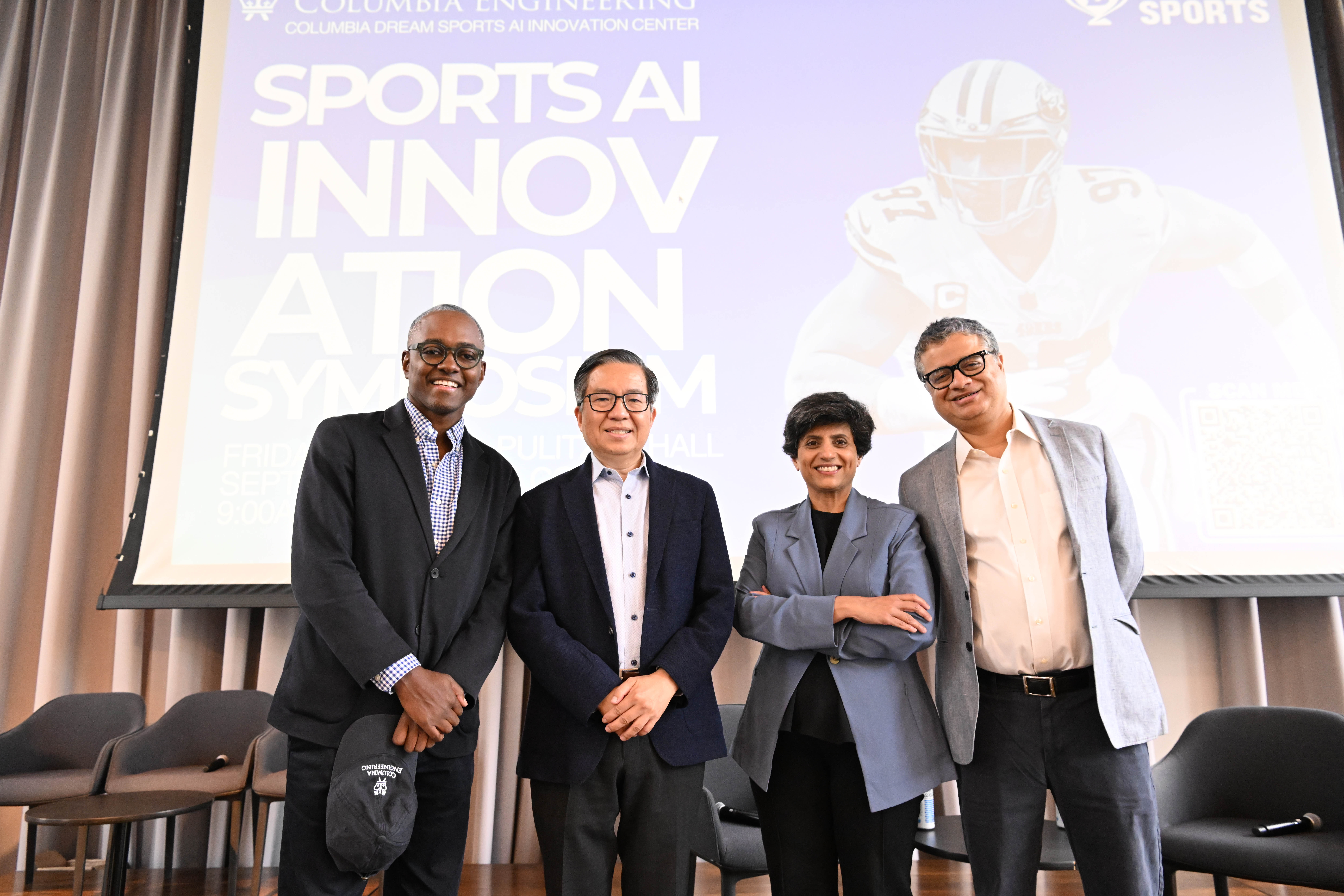
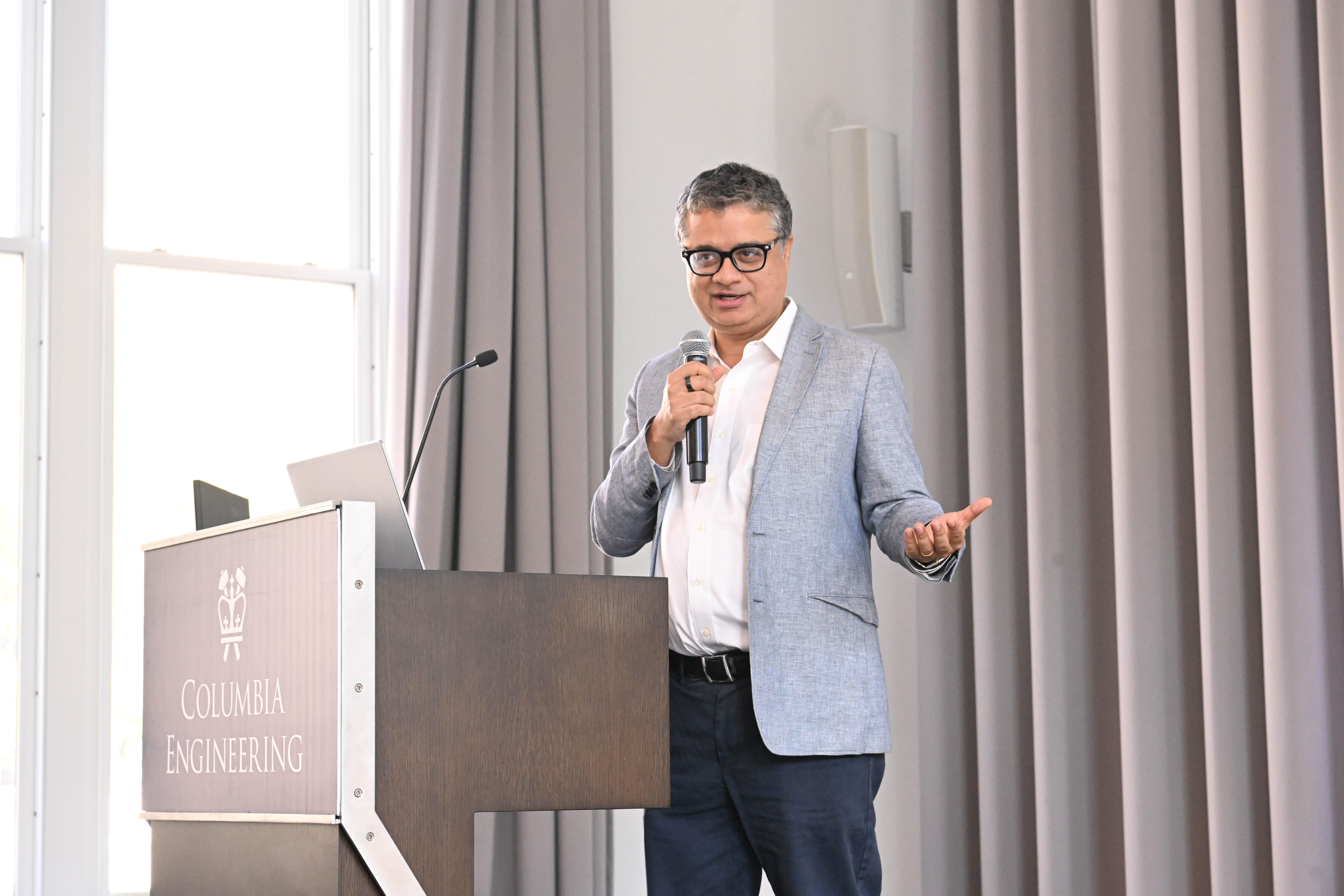
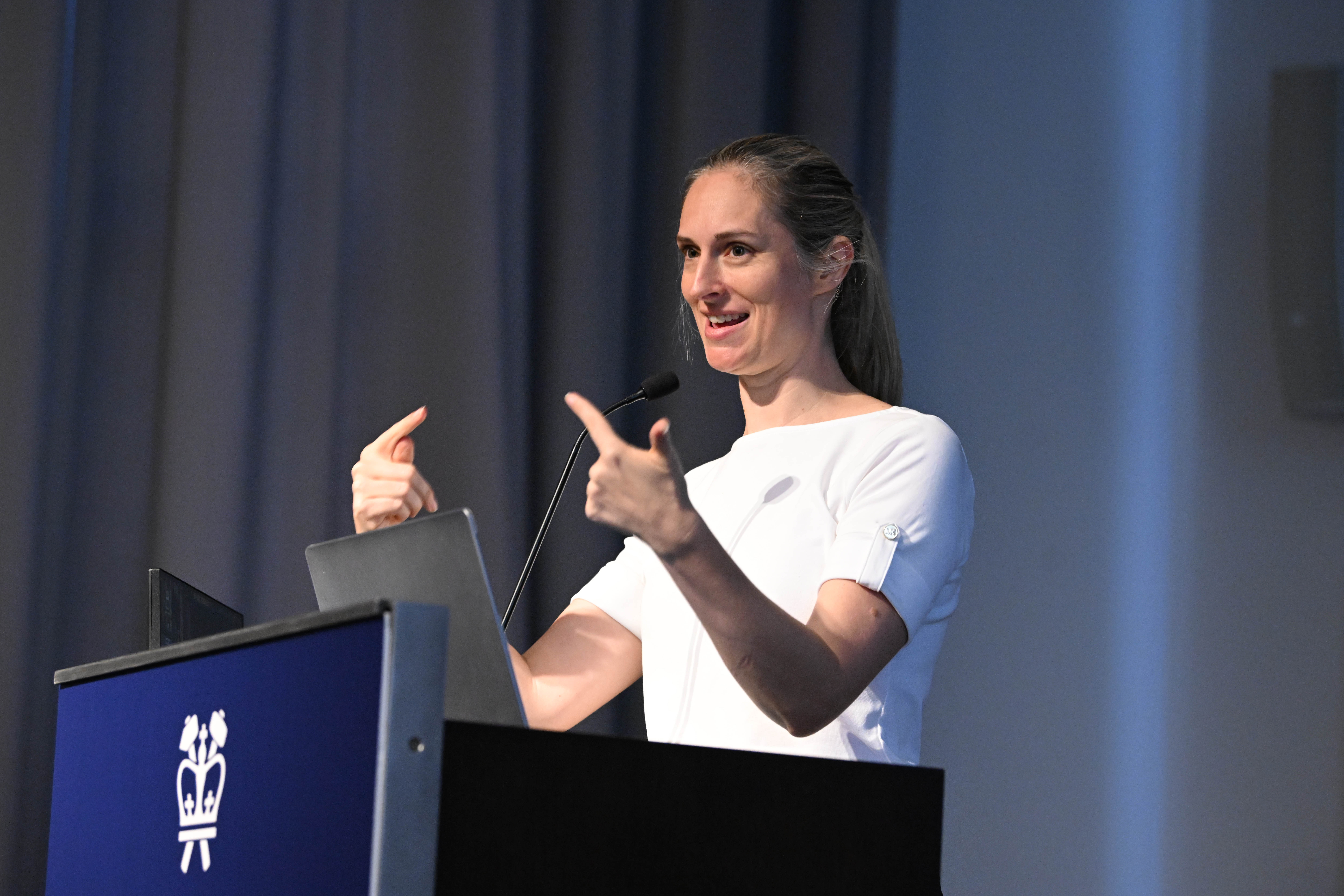
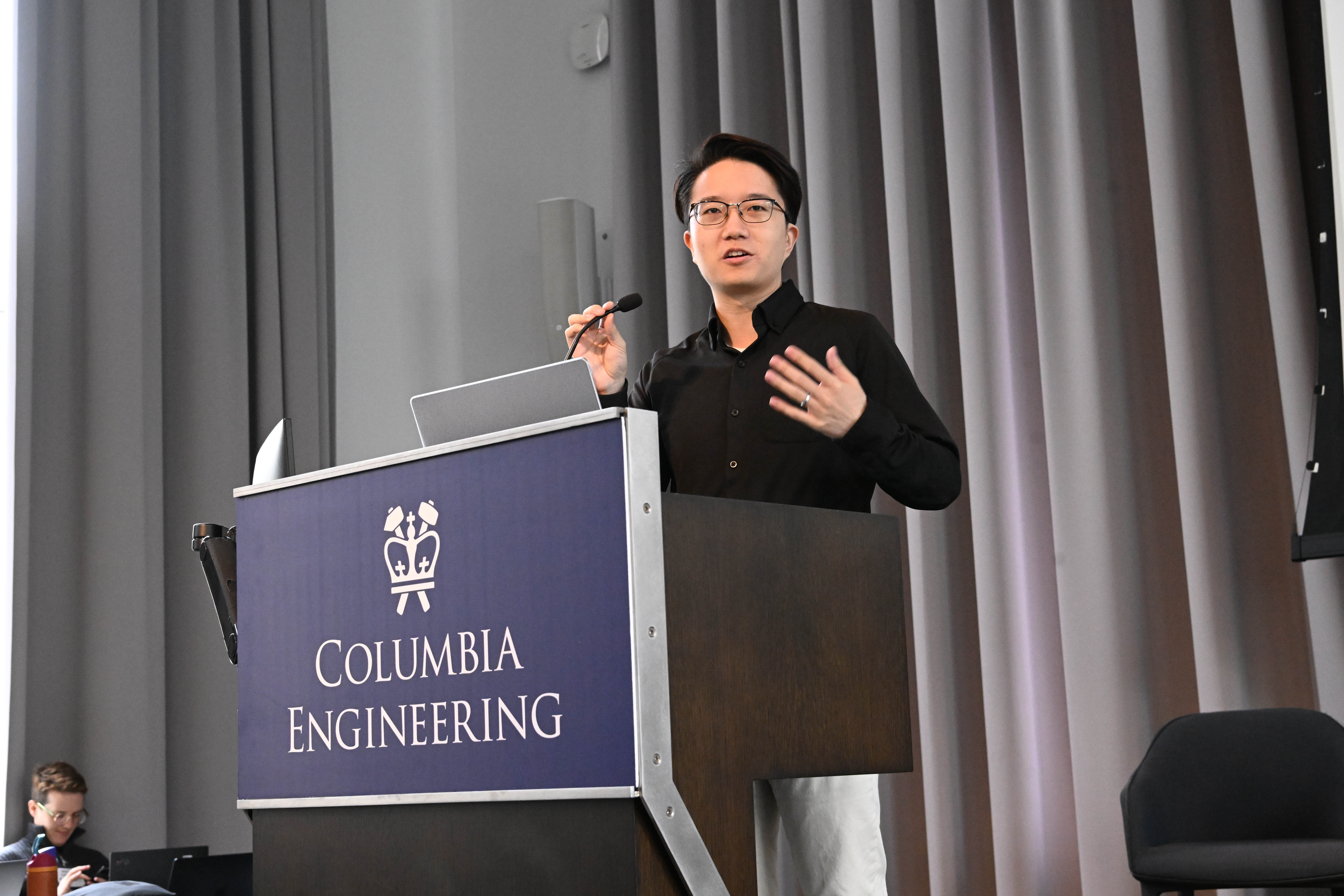
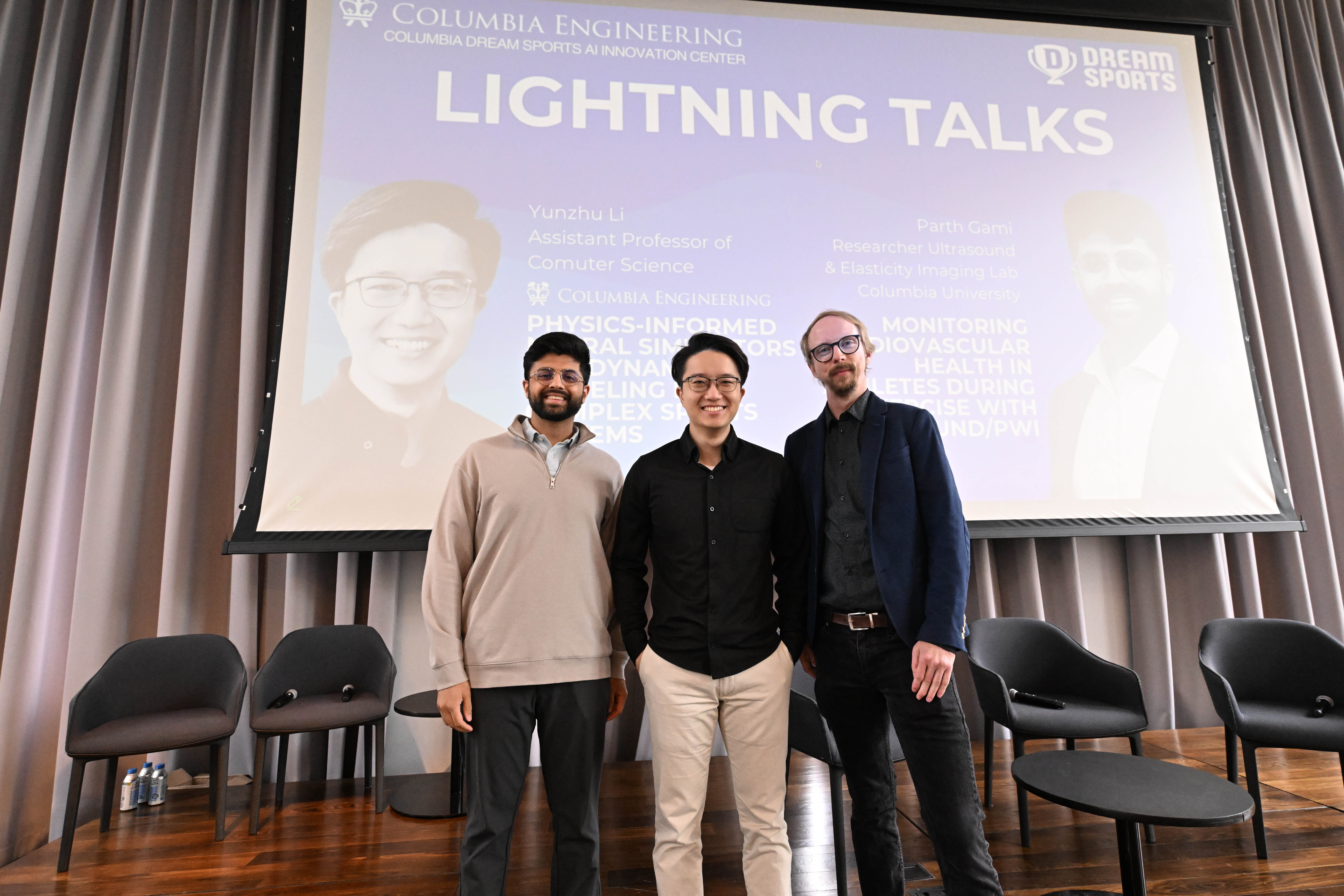
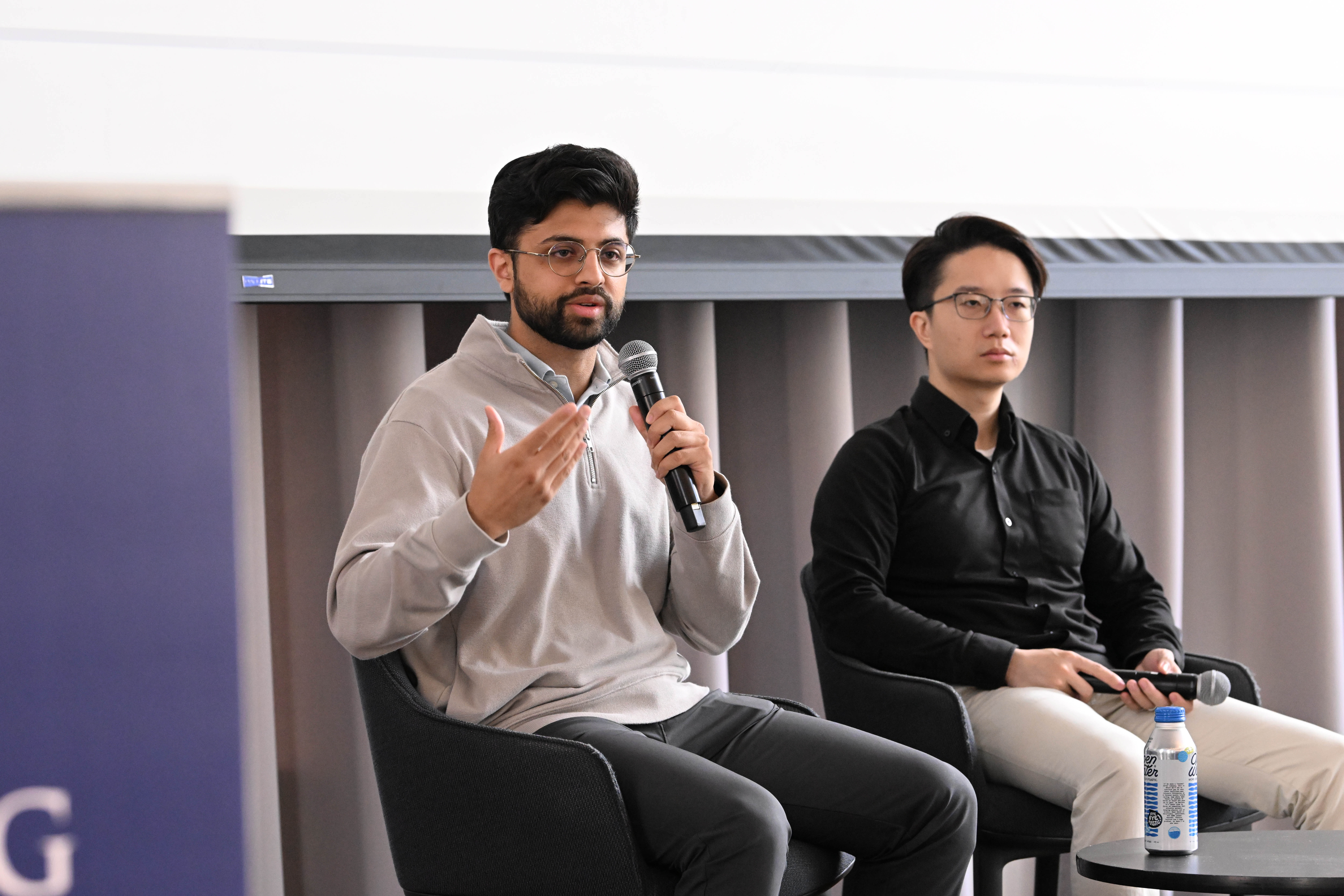
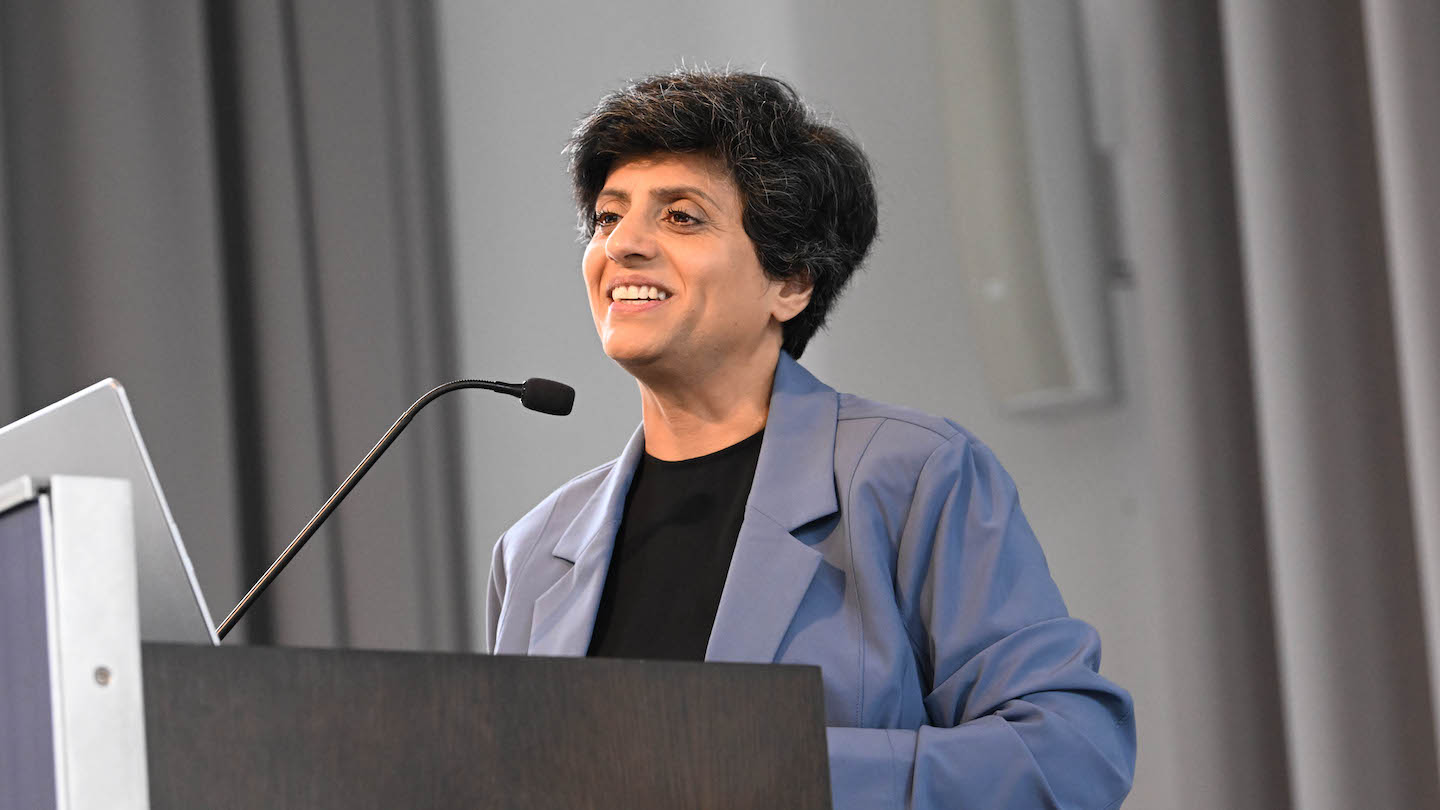
The lightning talks from Columbia Engineering researchers highlighted cutting-edge research at the intersection of sports, health, technology, and human behavior. Computer Science Assistant Professor Yunzhu Li showed how hybrid modeling—combining physics-based equations with machine learning—can help robots and AI systems adapt to the unpredictable dynamics of sports. Parth Gami, a 5th-year biomedical engineering PhD student, introduced a noninvasive ultrasound method for tracking cardiovascular health in athletes, with potential for wearable fitness applications. Mechanical Engineering Professor Sunil Agrawal shared how his lab uses robotics to study and train human movement, from everyday actions to competitive sports, with promising results for improving performance and preventing injury. And finally, Assistant Professor Lydia Chilton’s talk on digital twins showed how large language models can simulate and anticipate human behavior at scale—whether in shopping, education, or event planning—with sports as the next frontier.
“As much as we are advancing algorithms and data models, the essence of this work is human,” said Eddie Mandhry, managing director at Columbia–Dream Sports AI Innovation Center. “Whether it’s athletes pushing their limits, fans connecting with the game, or researchers and engineers designing new tools, AI in sports is ultimately about enhancing human potential and experience.”
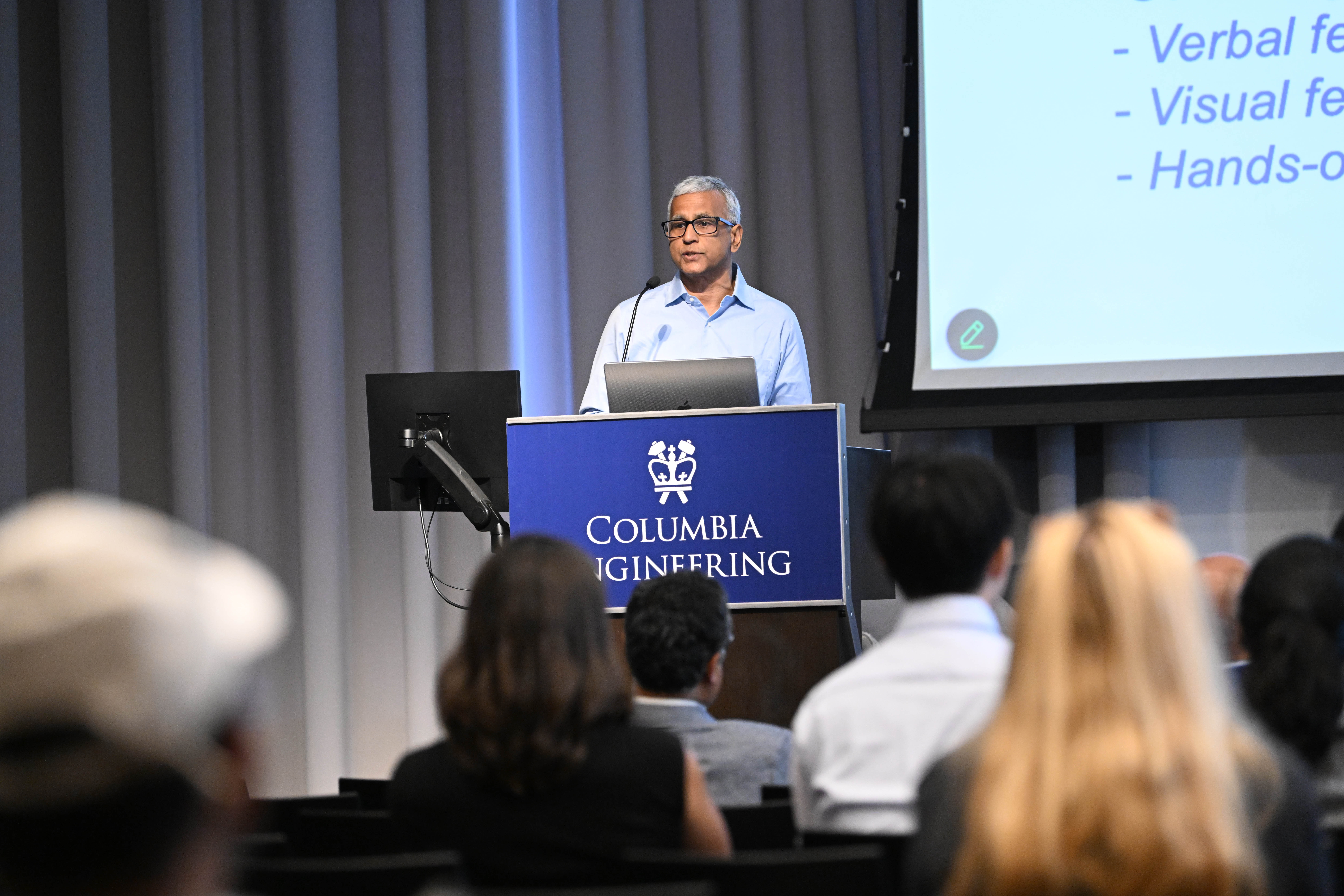
Lead Photo Caption: Keynote speaker Priya Narasimhan, professor at Carnegie Mellon and CEO at YinzCam, talks with Vishal Misra, vice dean of computing and AI at Columbia Engineering
Lead Photo Credit: Eileen Barroso
Scenes from the Columbia–Dream Sports AI Innovation Symposium
Credit: Photos by Eileen Barroso
Gotham Foundry Launches in Style
Photos by Chris Taggart/Columbia Engineering
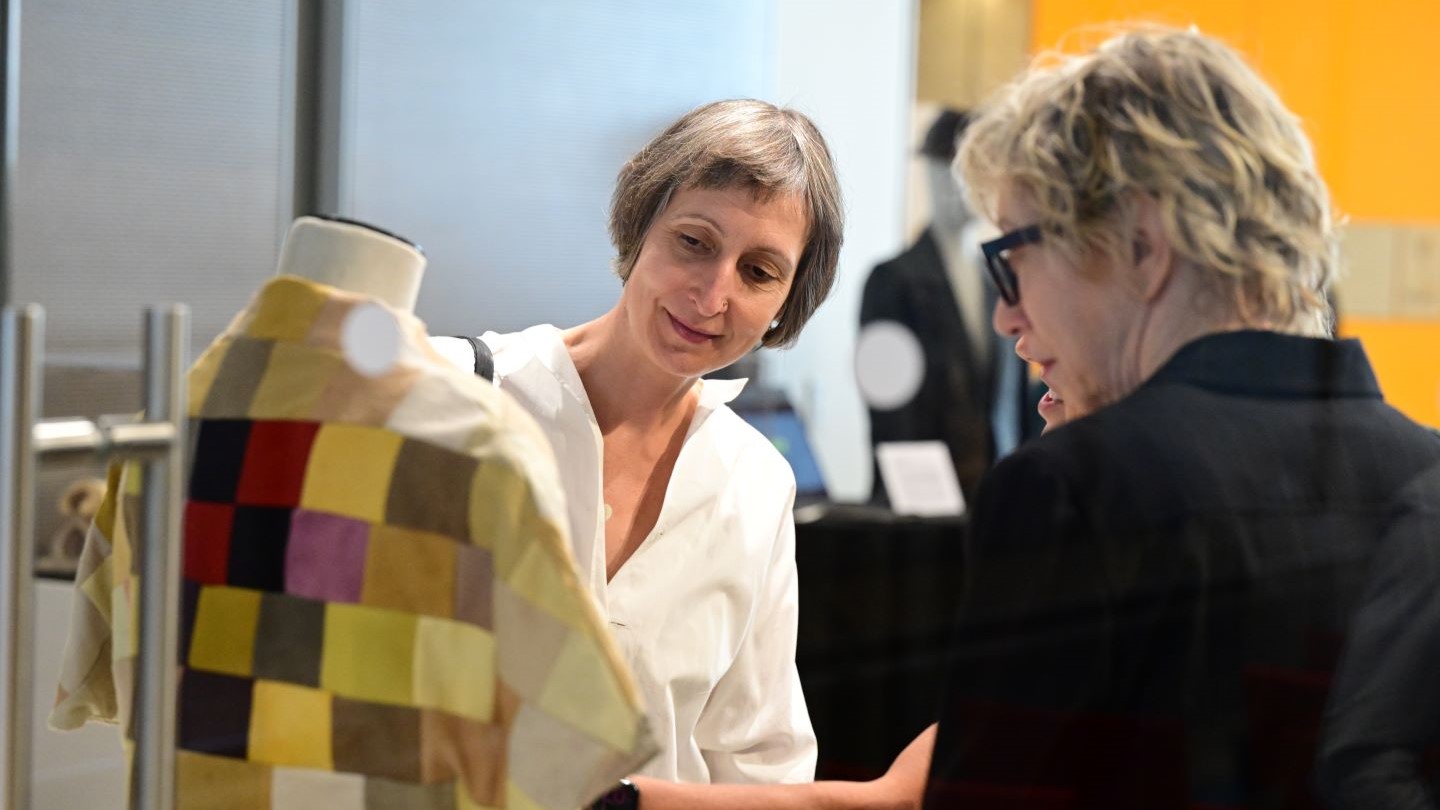
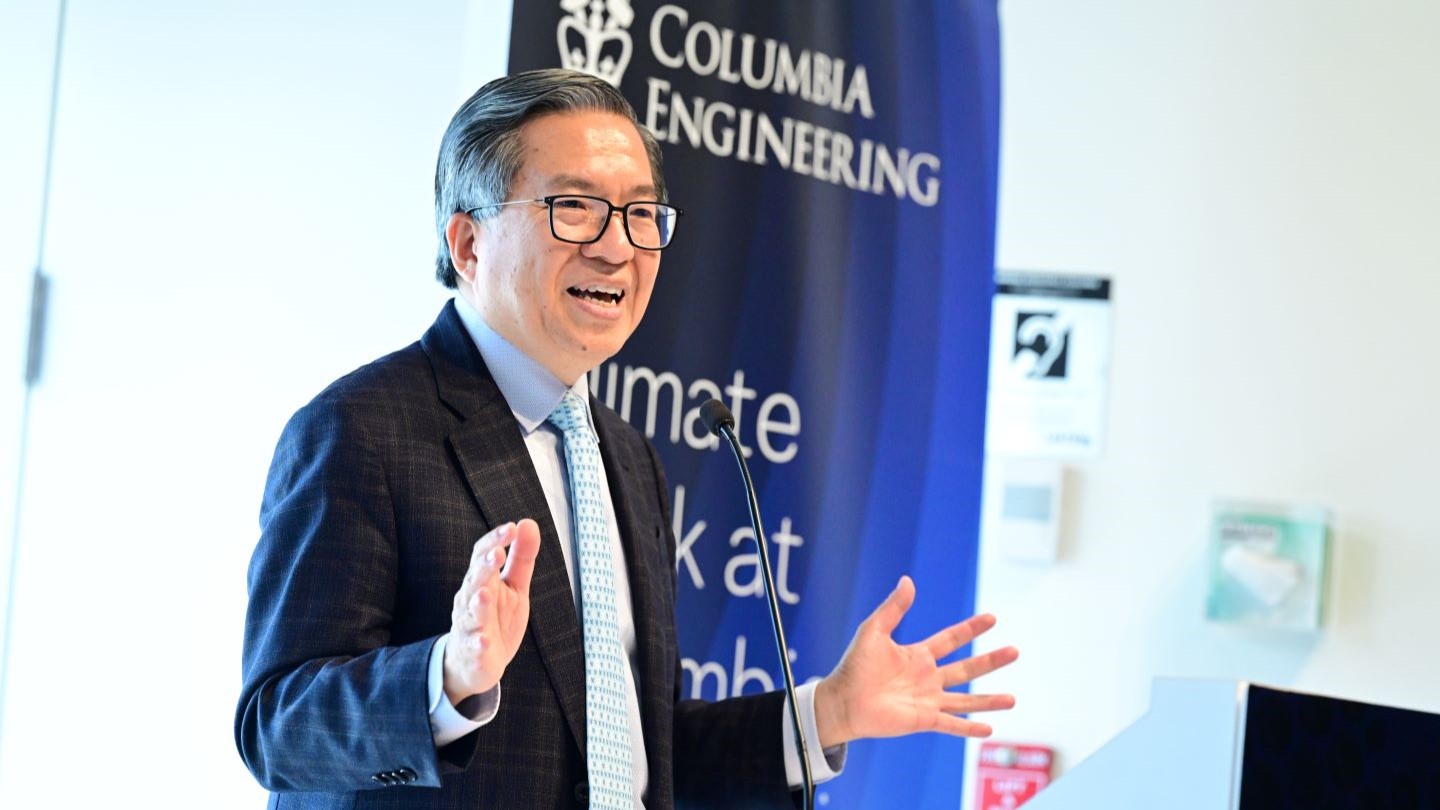
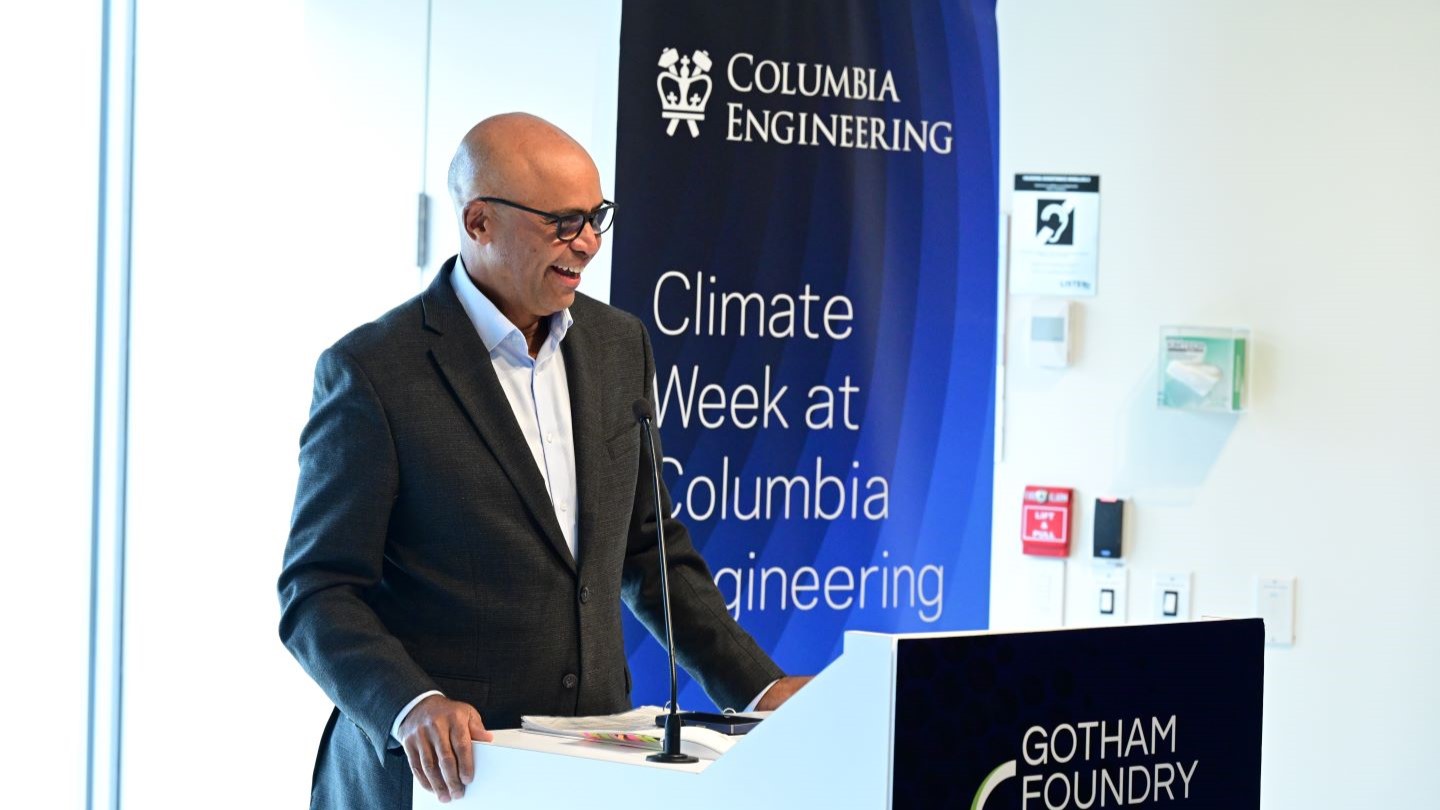
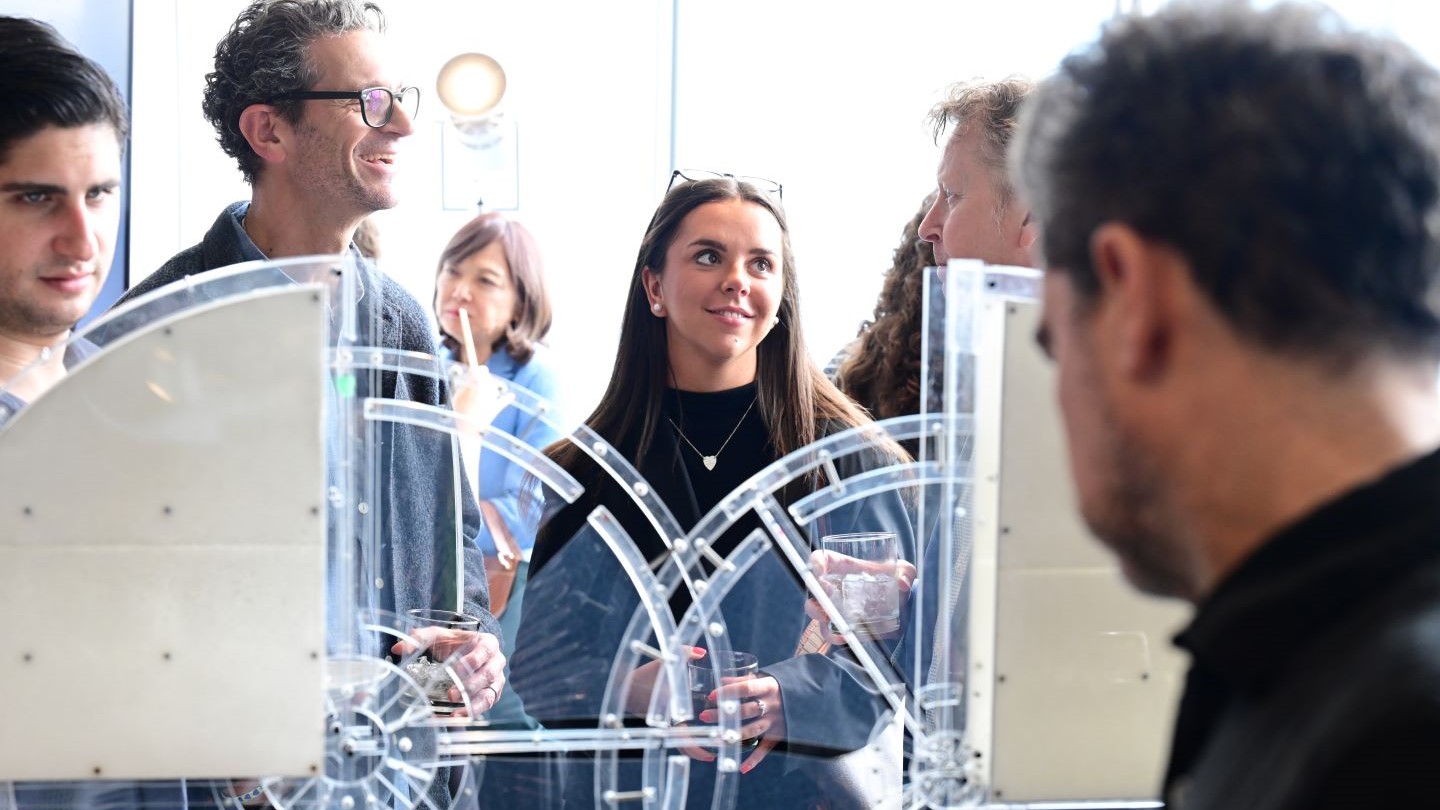

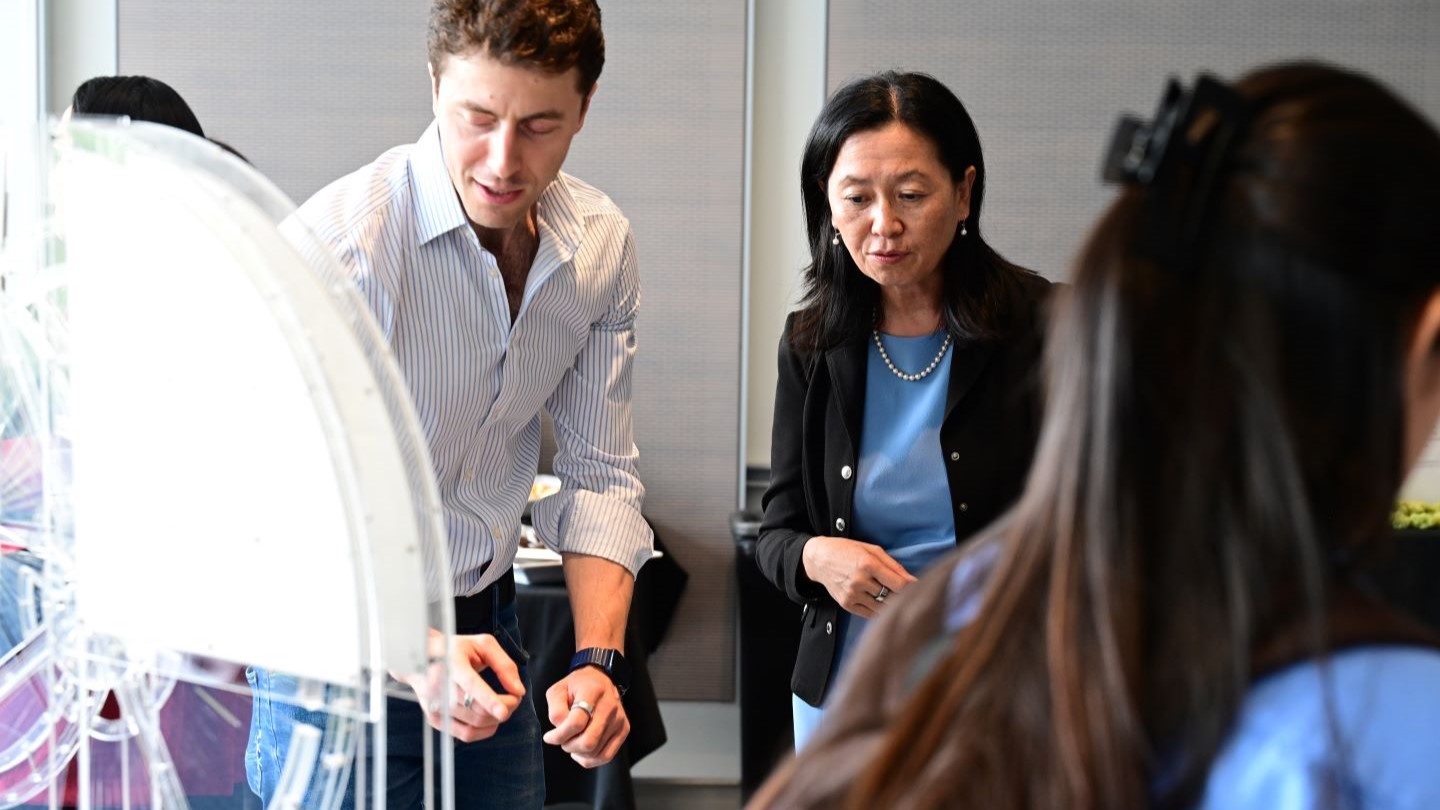
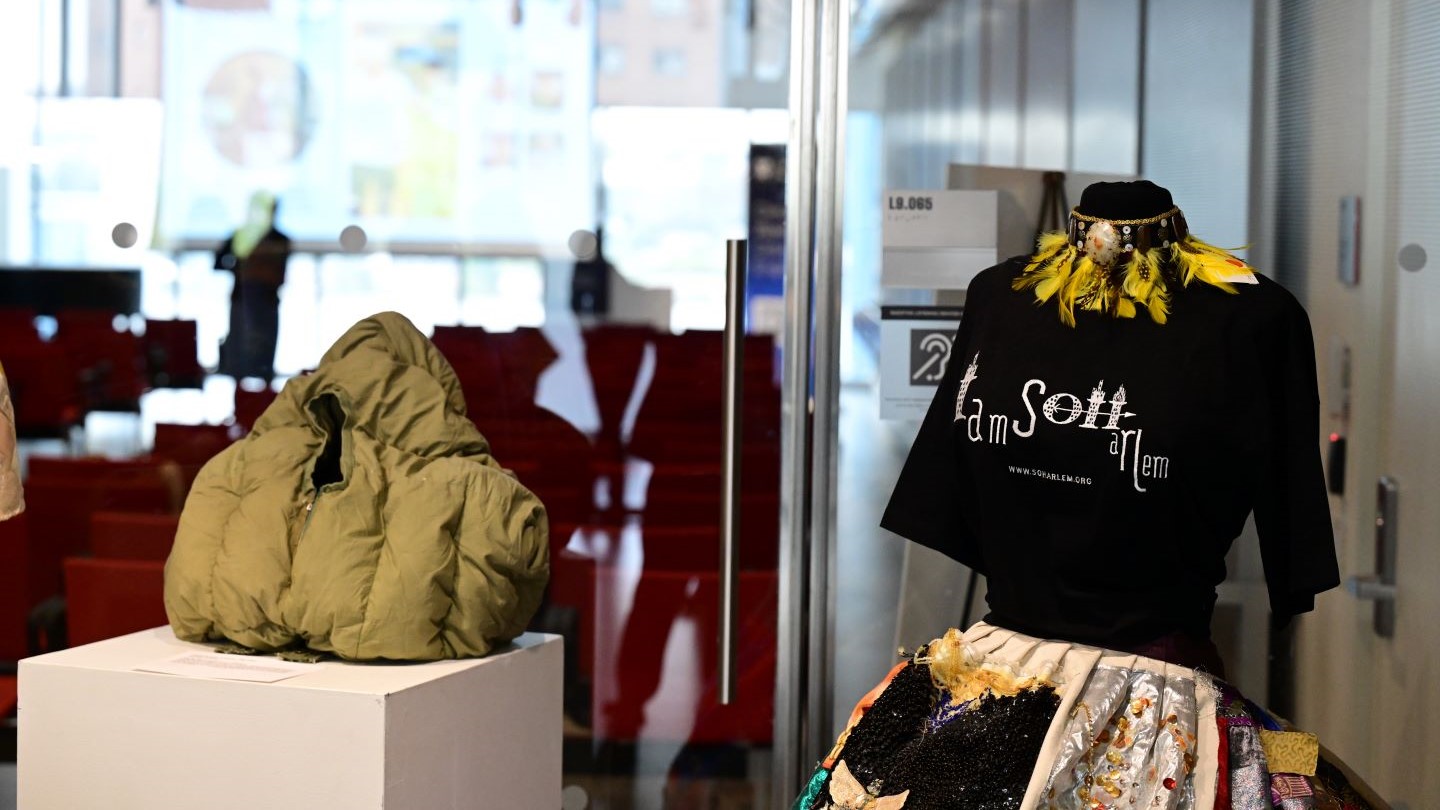
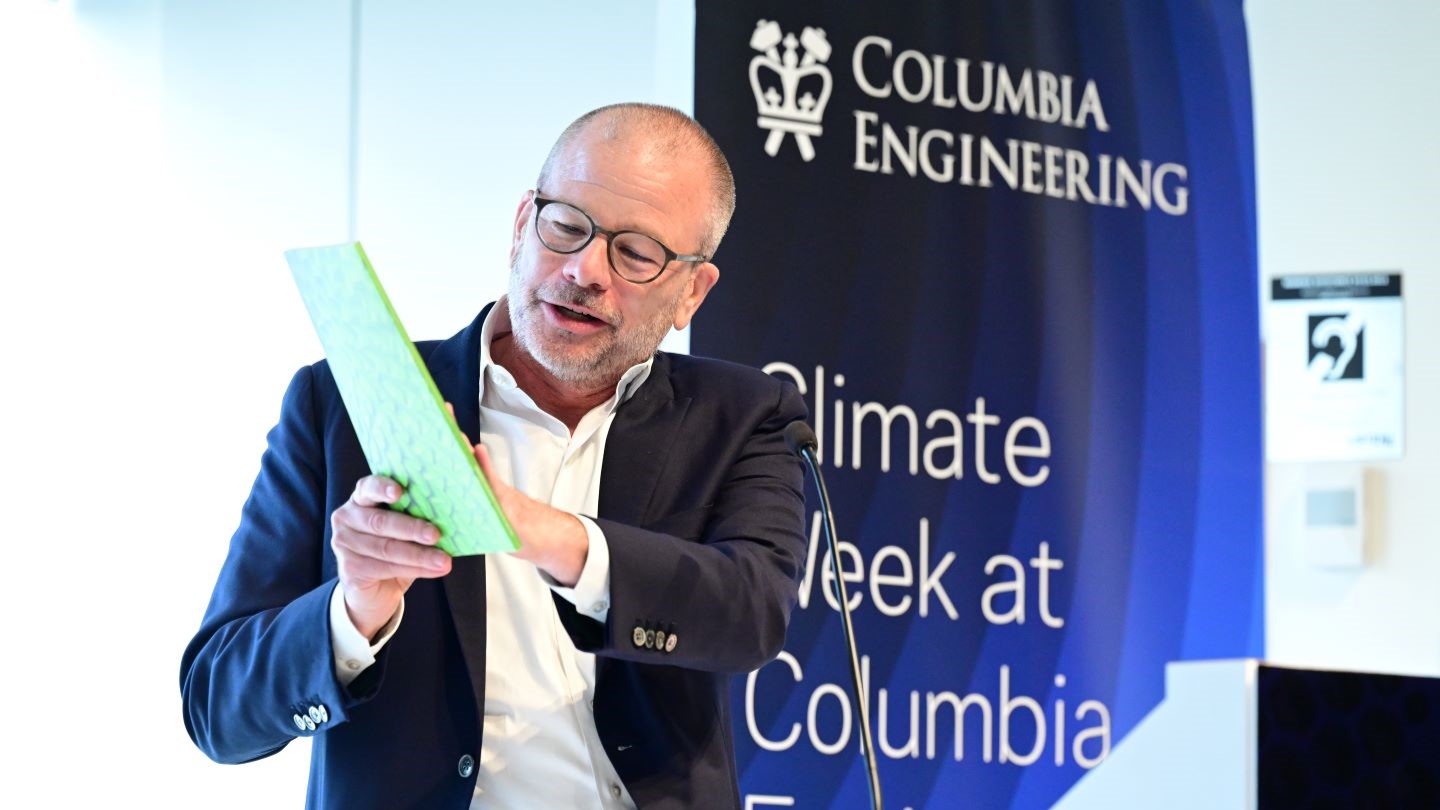
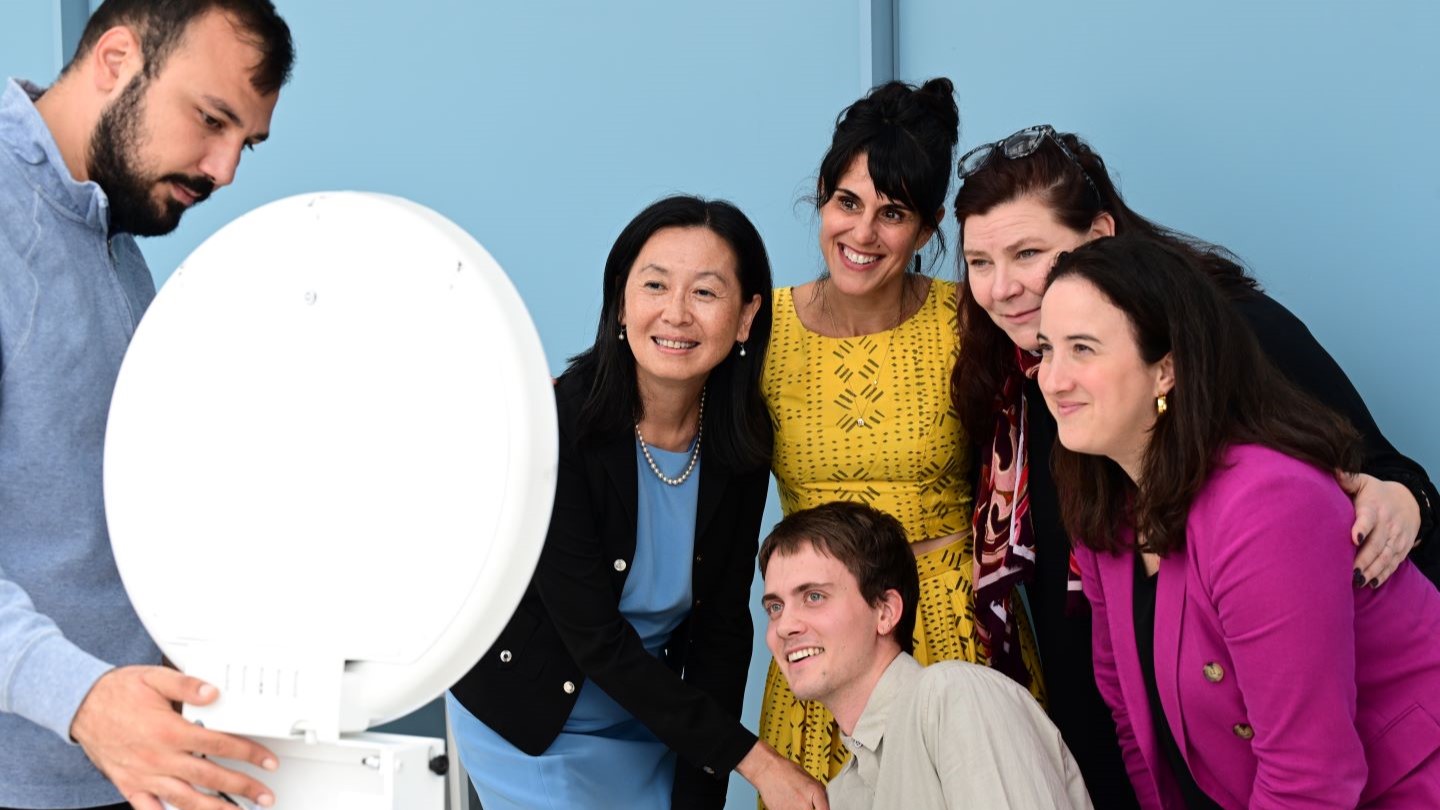
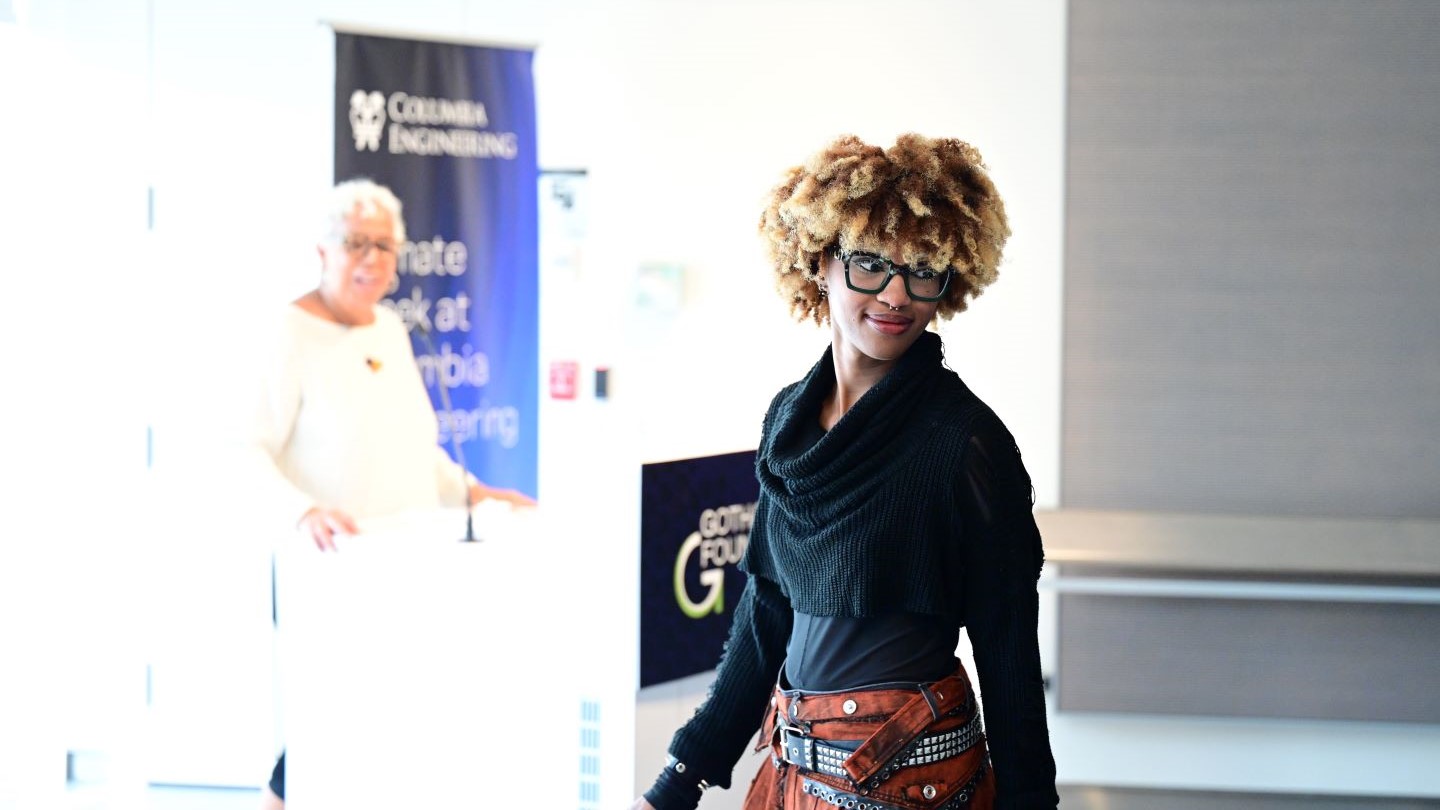
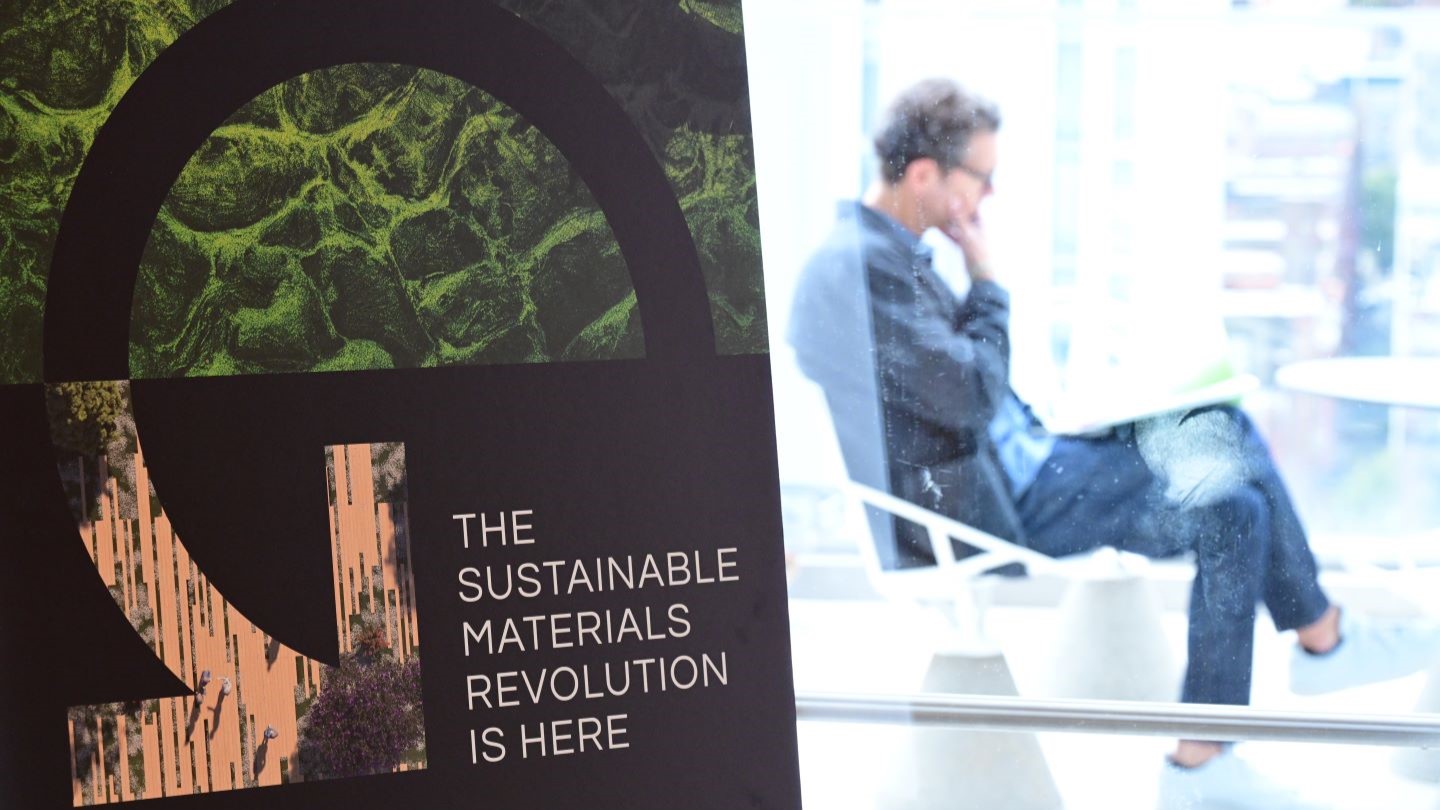
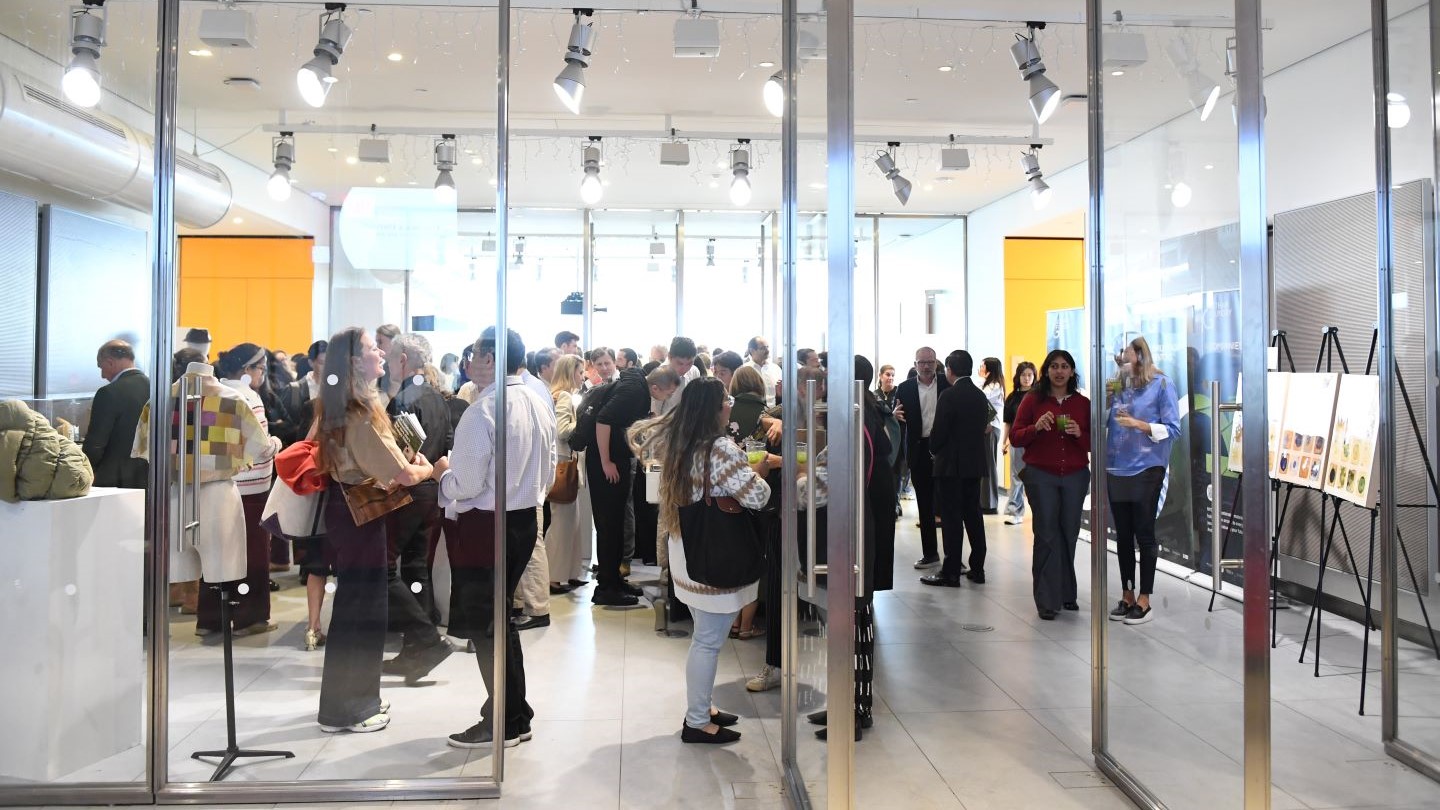
At Gotham Foundry’s Sept. 22 launch event, leaders from across New York City gathered at Columbia’s Jerome L. Greene Science Center for the exciting debut, which included a biomaterials exhibition, a fashion show of bio-derived designs, and remarks from Gotham Foundry Director Helen Lu; Columbia University Provost Angela Olinto; Andrew Kimball, CEO of NYCEDC; Adolfo Carrión, Deputy Mayor for Housing, Economic Development and Workforce; Dr. Joyce F. Brown, president, FIT; Rosemarie Wesson, associate vice chancellor and university vice provost for Research at CUNY; and Neena Chakrabarti, PhD, who spoke on behalf of Genspace; as well as Janet Rodriguez, founder and CEO of SoHarlem.
Community partners from Harlem Biospace and Communitas America were also in attendance, along with faculty from the Gotham Foundry Materials Innovation Team, a transdisciplinary network of engineering and science faculty at Columbia, CUNY, and FIT.
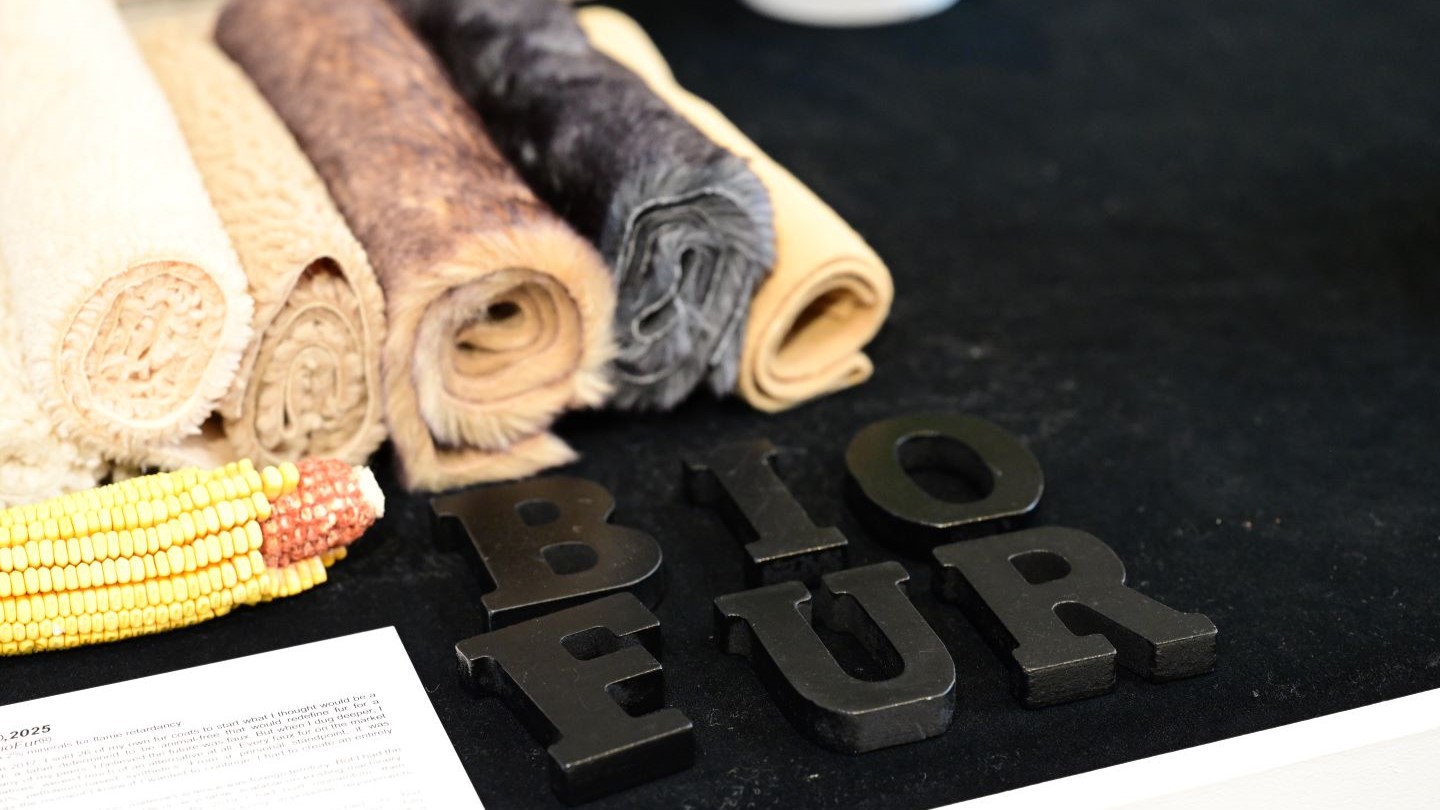
The featured materials exhibit, “Regenerative Vision,” showcased the work of more than 30 start-ups and research teams, demonstrating the transformative power of regenerative materials and green manufacturing approach in the industries Gotham Foundry will initially target: fashion textiles, construction, and healthcare. The event closed with young designers from SoHarlem, an incubator for cultural industries, sporting green fashions they had created as part of their entrepreneurship program with legendary designer Dapper Dan.
Gotham Foundry is initially located at Harlem Biospace at the Mink building in West Harlem. Its permanent home will be in a new Columbia Engineering building on the Manhattanville campus—currently in planning, and set to break ground in 2027 and open in 2030.
“We are thrilled to launch the Gotham Foundry with our partners and the support of the NYCEDC, led by Professor Helen Lu, a true pioneer in regenerative materials,” said Shih-Fu Chang, Dean of Columbia Engineering. “We are looking forward to creating a leading hub for biofabrication and the circular economy as part of a growing innovation ecosystem in Upper Manhattan, bringing together our own history of breakthrough research in sustainability with other academic researchers, industry innovators, and community partners in job training and education.”
“A bold vision for our future is that all human-made products emulate nature’s circular life cycle by demonstrating desired performance and being fully regenerative or degradable at the end of service. Establishment of Gotham Foundry is a major step in fulfilling this vision,” said Lu. “We are so grateful to the NYCEDC for supporting this project and our partners for their ongoing collaboration and commitment. We are eager to seize this opportunity to build a more sustainable future through the promise of novel regenerative materials, while boosting the city’s economy and training a skilled future manufacturing workforce.”
Today, the global market for sustainable materials is valued at $358 billion and is expected to grow to $800 billion by 2032. Advancing innovation in sustainable and biomaterials has the potential to transform key industries that drive New York City's economy, from fashion and construction to plastics and medical supplies. Researchers at Columbia and partner institutions will collectively share their knowledge and rich expertise to bring new materials innovations to industry and consumers. Gotham Foundry will serve as an ecosystem for innovation to fuel a green economy, not just for R&D but to cultivate startups, for education, training, and workforce development, and to become the centralized space open to creators and designers who seek access to a state-of-the-art facility and its resources.
Through its tightly integrated consortium, Gotham Foundry is redefining how infrastructure and commercialization efforts are coordinated. Gotham Foundry will leverage existing infrastructure at Harlem Biospace (for biofabrication and biocharacterization, technical consult, materials library, and training programs), ASRC (for advanced and complex materials characterization), FIT (for fashion prototyping, production, and design), and Genspace (for workforce training).
The new hub is expected to generate $5.12 billion in economic output over the next three decades and will create career opportunities for New Yorkers, including through workforce training programs for entrepreneurs and students. It is supported by LifeSci NYC, the city’s $1 billion initiative to create 40,000 jobs over the next 10 to 15 years, and puts into action the city’s Green Economy Action Plan, a vision that integrates economic and talent development in this space. Gotham Foundry will leverage Columba’s established partnerships with its surrounding community to create opportunities for students and job seekers interested in learning skills for the green economy and to empower the next generation of scientists, engineers, and entrepreneurs.
Lead Photo Caption: From left to right: Kate Ascher, co-director of Gotham Foundry (GF) and professor of practice of urban development at Columbia; Rein Ulijn, co-director of GF and founding director of the CUNY ASRC Nanoscience Initiative; Helen Lu, director of GF and Percy K. and Vida L.W. Hudson Professor of Biomedical Engineering; Theanne Schiros, co-director of GF and associate professor at FIT; and Neena Chakrabarti, board member at Genspace.
Lead Photo Credit: Chris Taggart/Columbia Engineering
Sail… or Fail? Snapshots from the ESC Boat Contest
Credit: Brandon Vallejo / Columbia Engineering
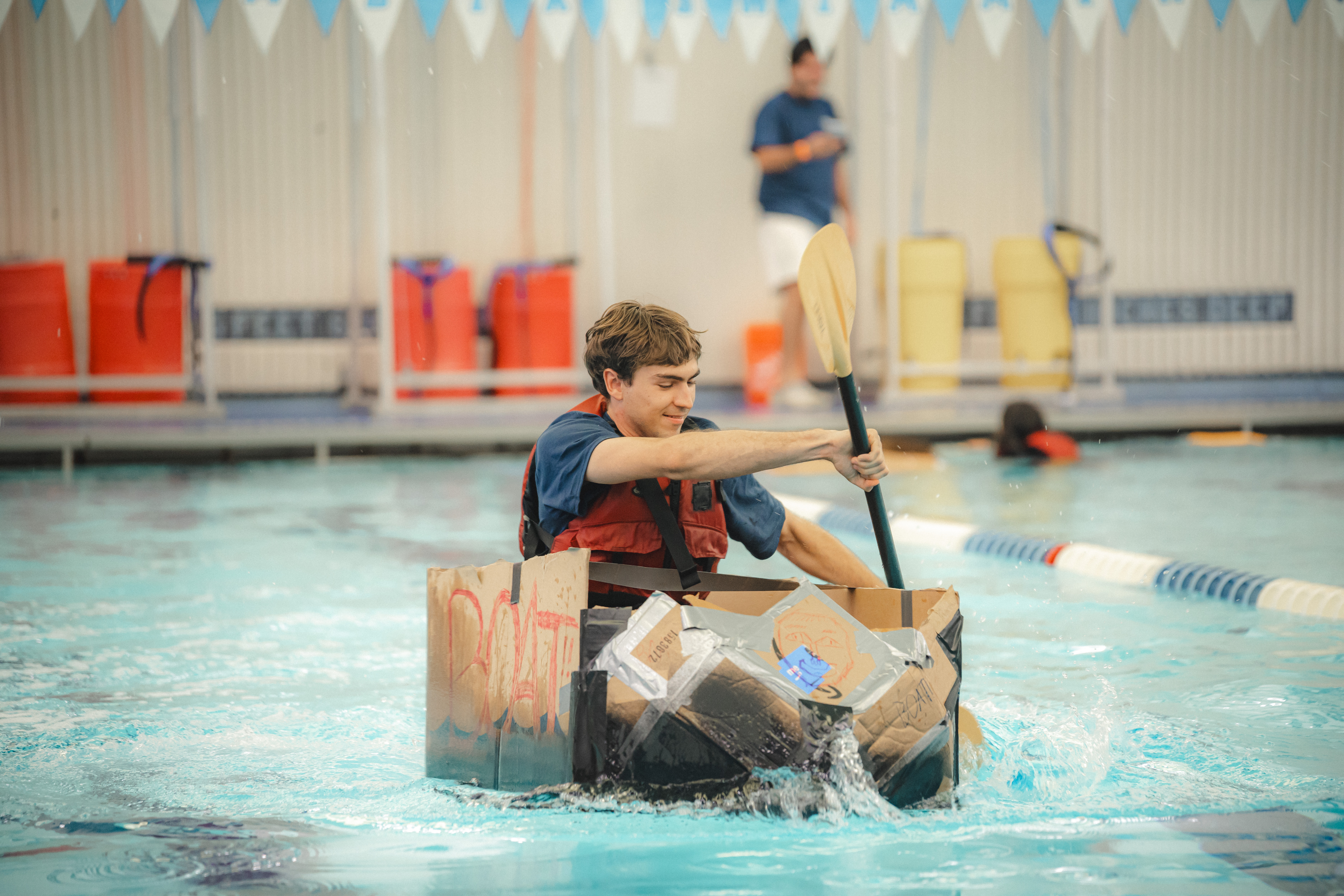
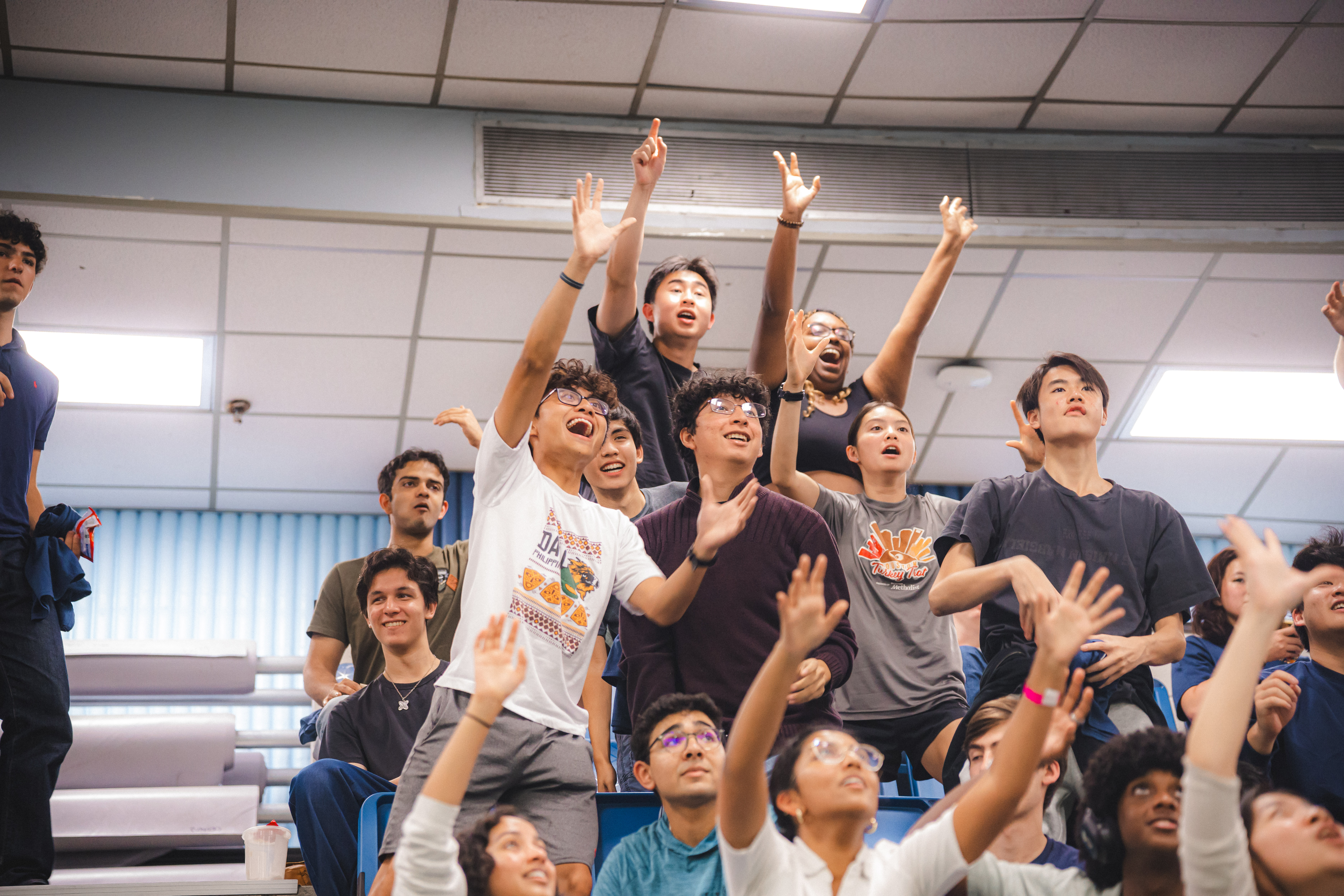
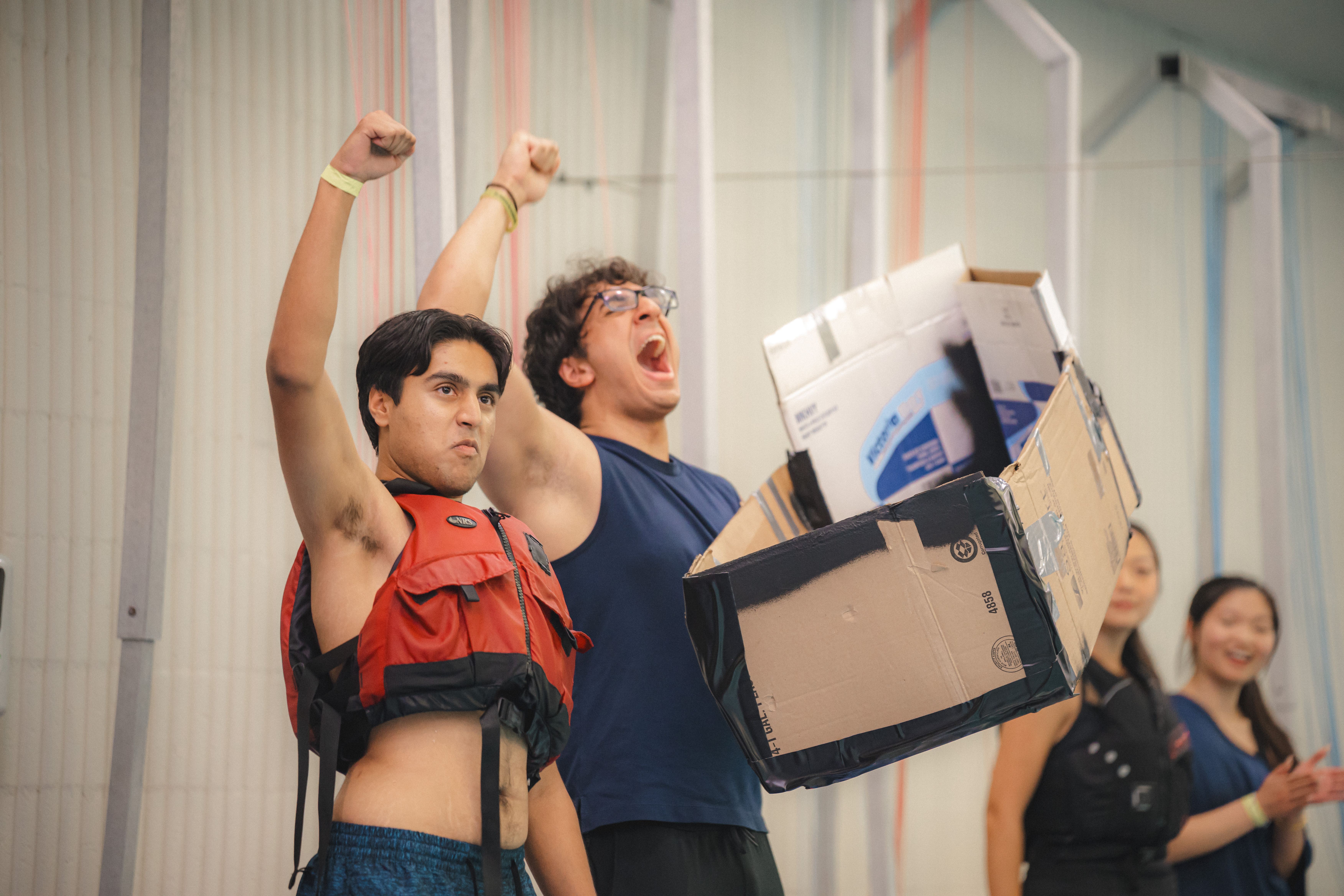
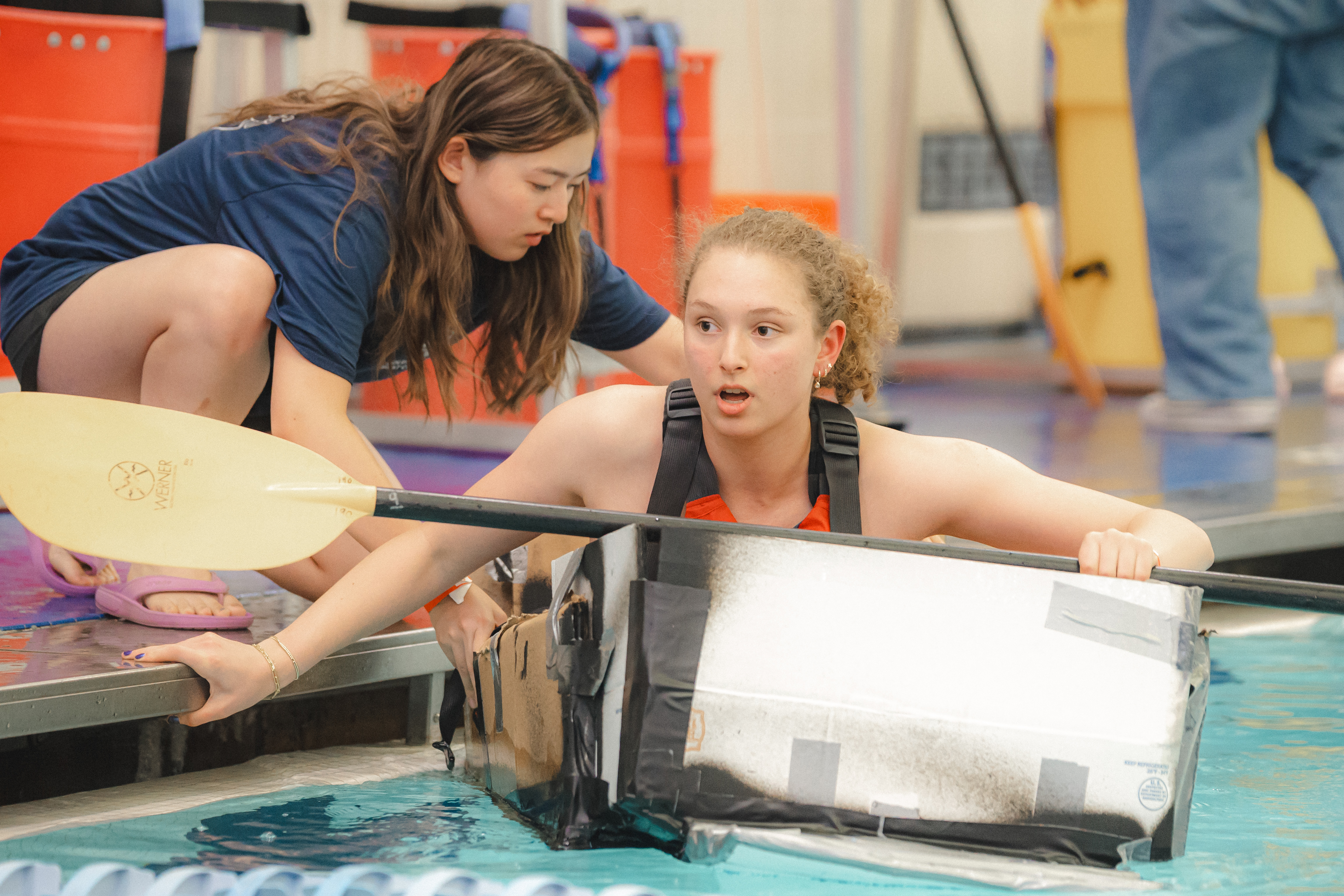
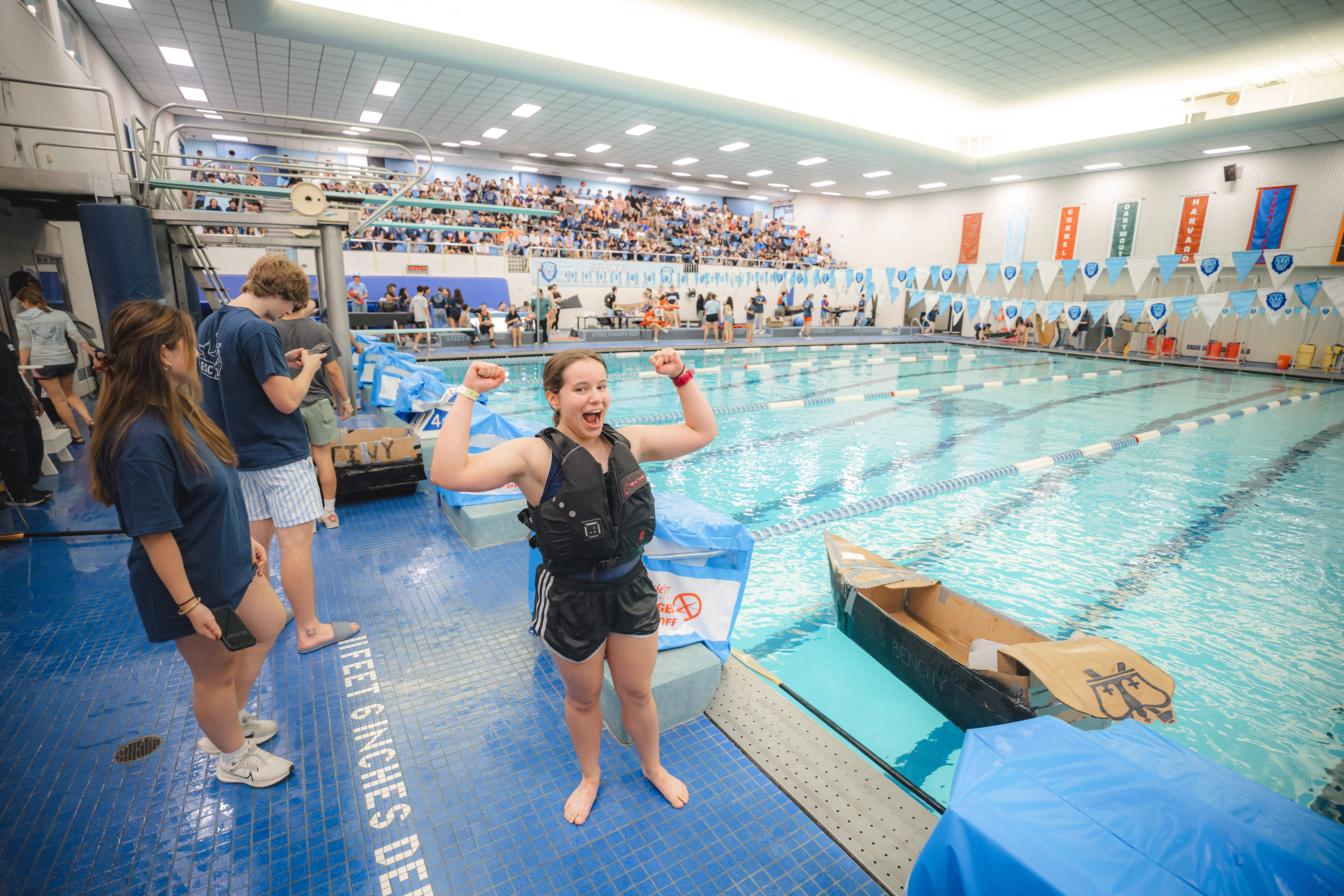
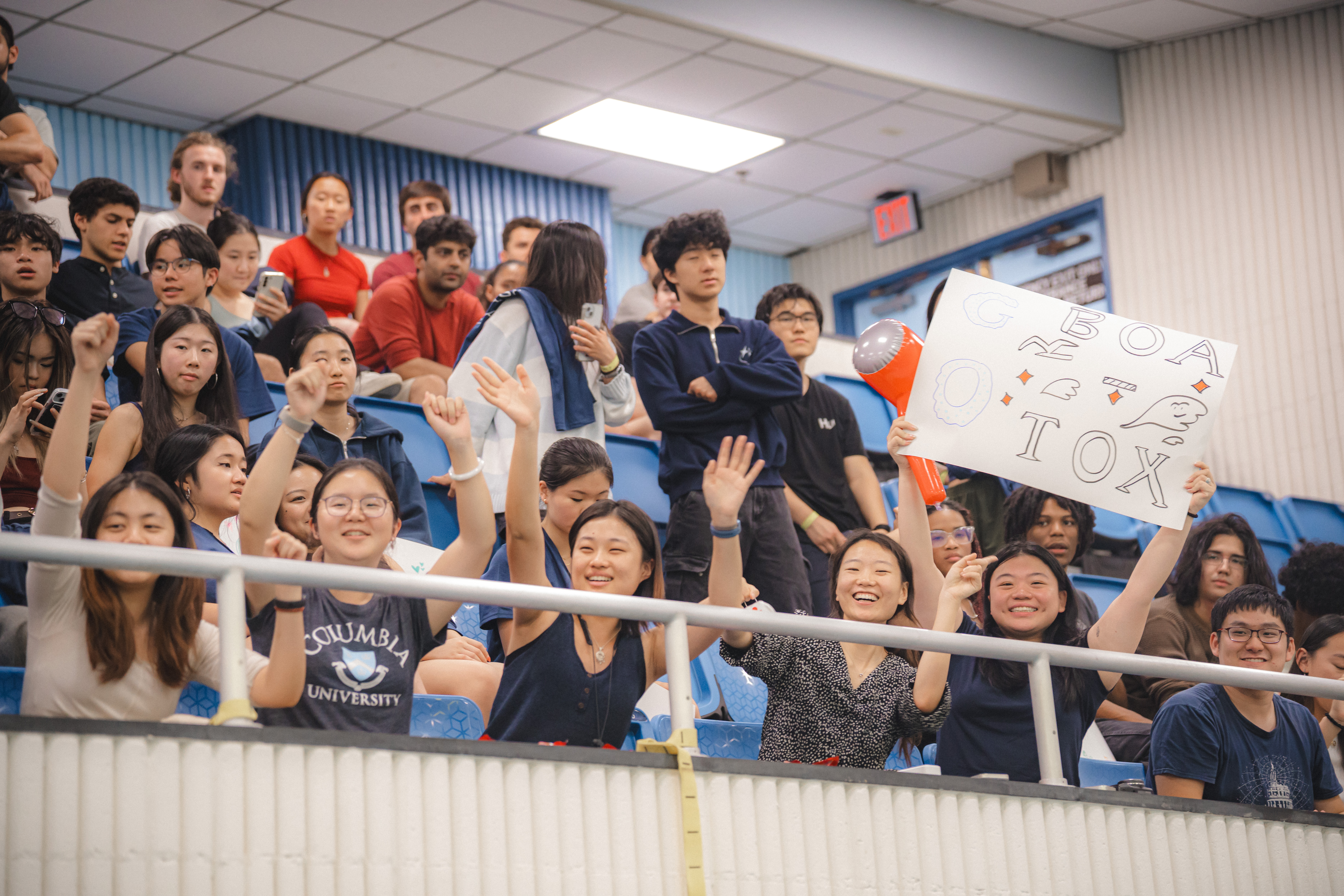
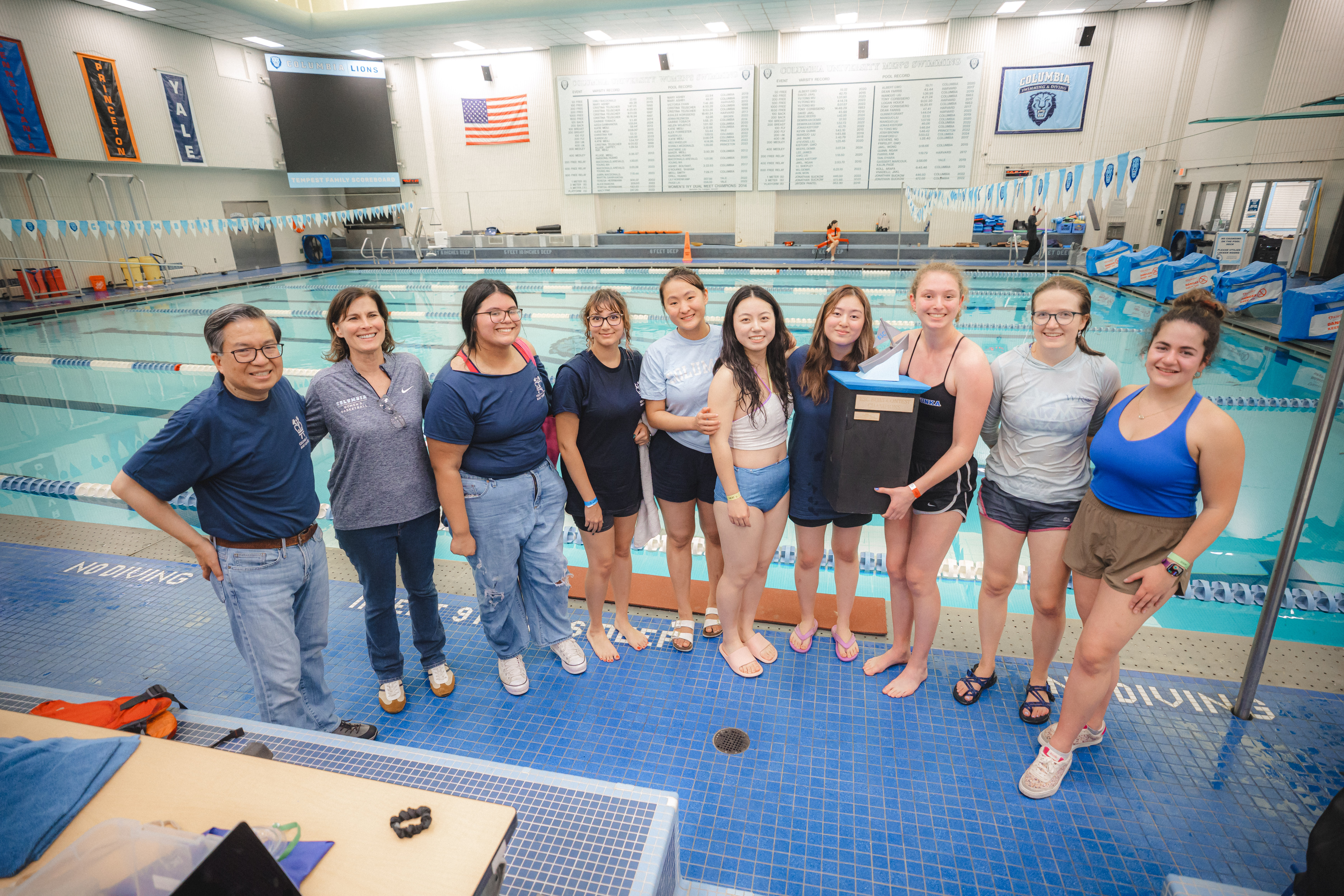
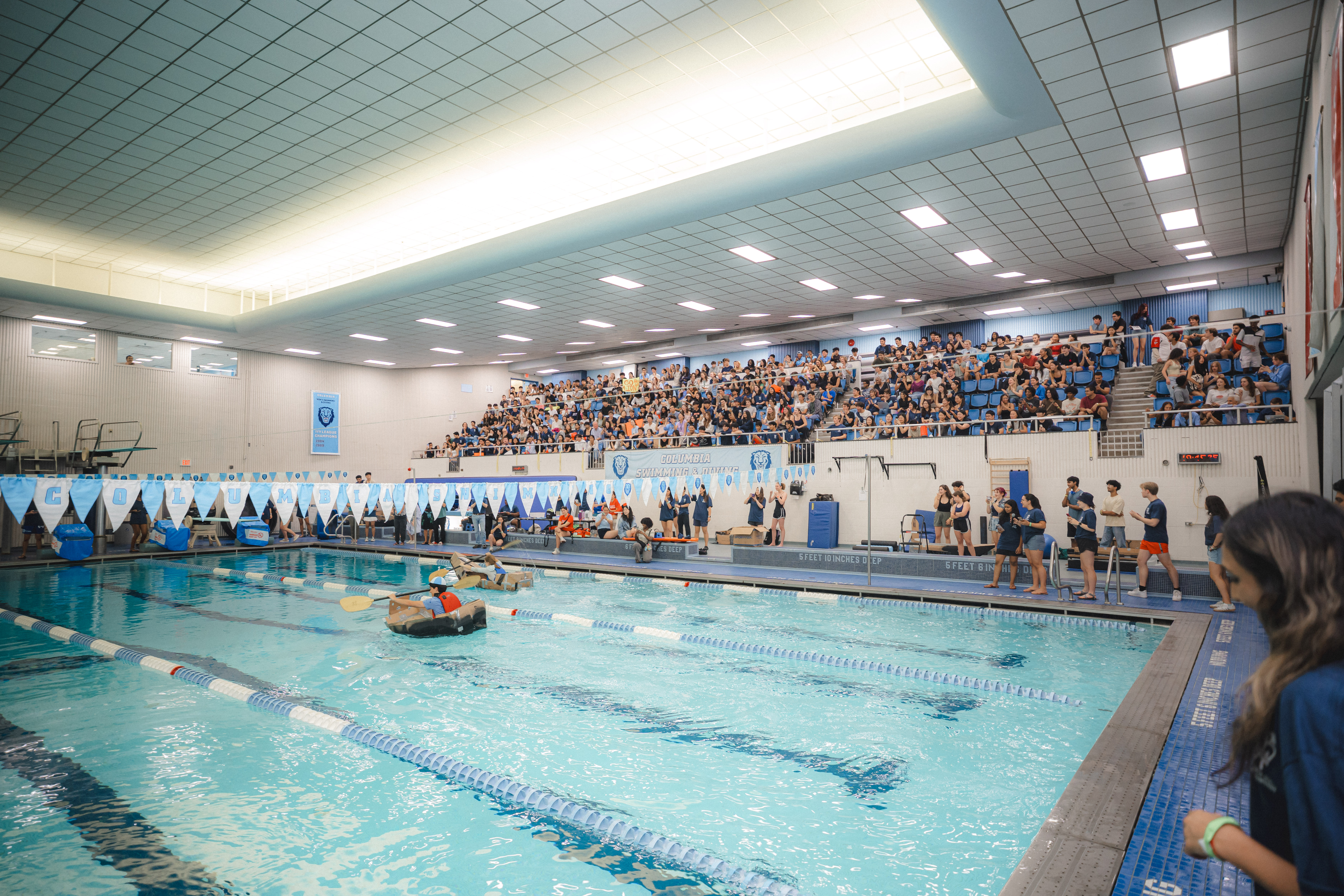
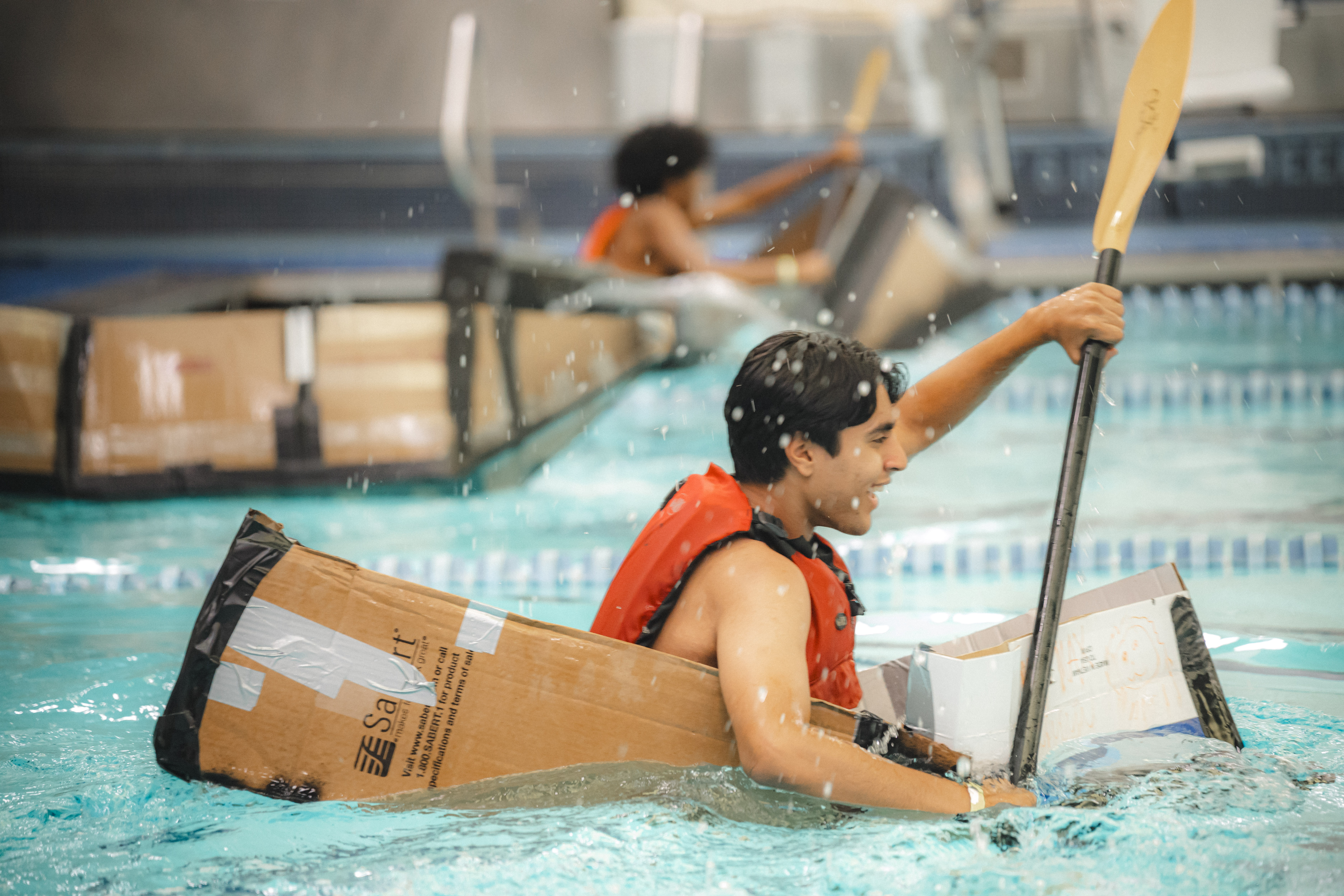
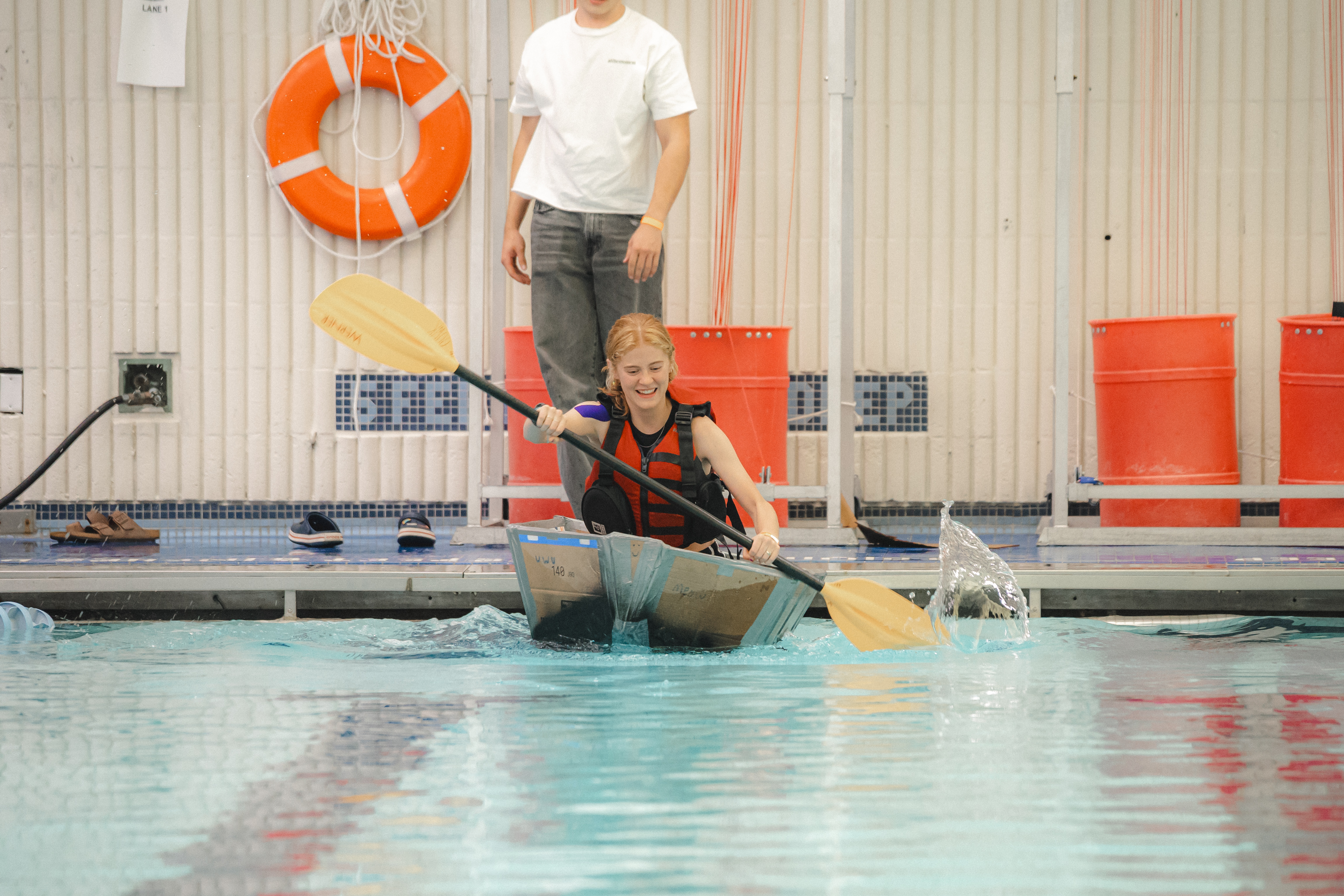

Lead Photo Caption: Setting Sail: Students test out their cardboard creations in Uris Pool.
Lead Photo Credit: Brandon Vallejo / Columbia Engineering