Faculty & Staff
To the Moon and Back: Columbia Experts Weigh in on the Artemis II Mission
Columbia Engineering faculty experts offered insight on Artemis II, from liftoff to splashdown.
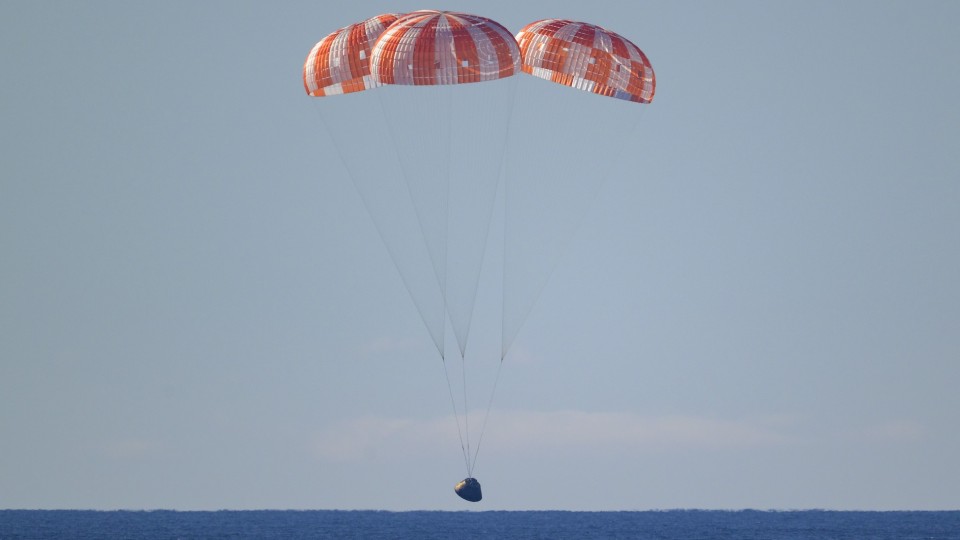
Artemis II has brought the first astronauts to head toward the Moon in over 50 years safely back to Earth after a record-setting mission.
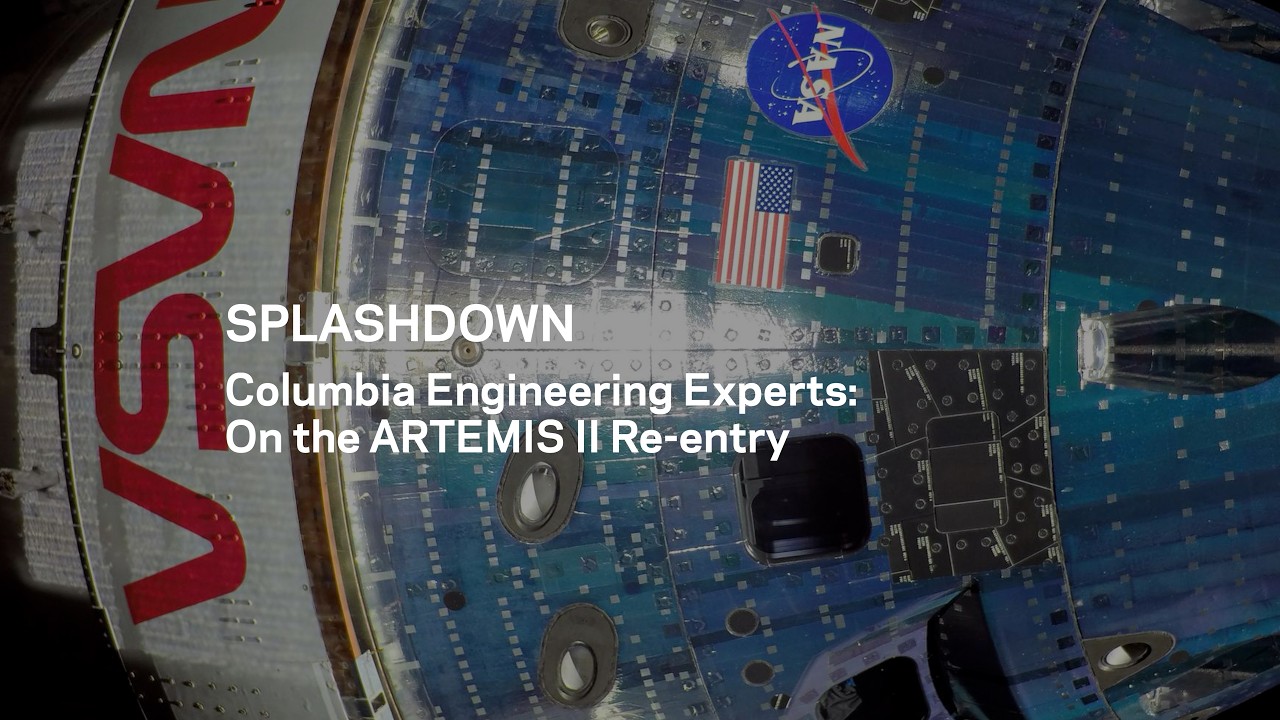
On Apr. 10, NASA’s Orion spacecraft with Artemis II crewmembers–NASA astronauts Reid Wiseman, Victor Glover, and Christina Koch, and CSA (Canadian Space Agency) astronaut Jeremy Hansen–completed a successful re-entry, splashing down a little after 5:00 p.m. PDT off the coast of San Diego. Artemis II conducted key tests aboard the Orion to inform future Moon missions and beyond, evaluating spacecraft operations, emergency procedures, spacesuits, and other critical systems. During their mission, the crewmembers flew 694,481 miles in total. Their lunar flyby took them farther than any humans have ever traveled before, surpassing the previous distance record set by Apollo 13 astronauts in 1970.
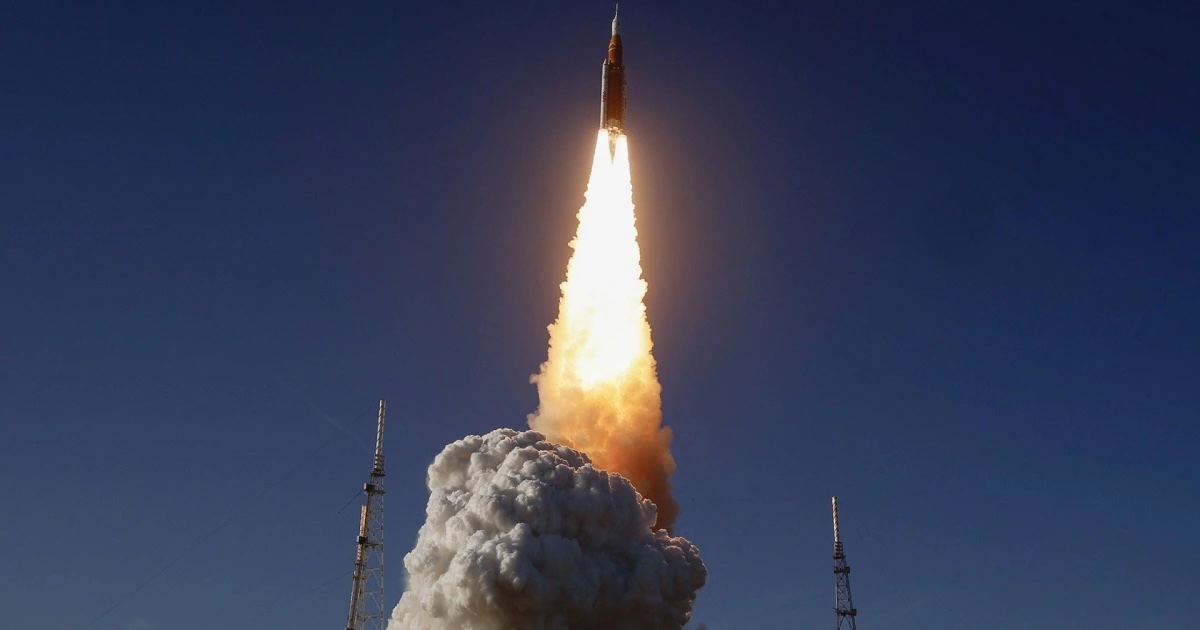
From the mission's April 1 launch through its completion on Friday, Columbia Engineering faculty and leading aerospace experts offered insight into what to watch and why it matters.
See more from Columbia Engineering’s Mike Massimino, former NASA astronaut and professor of professional practice in the Department of Mechanical Engineering; Marianna Maiarù, associate professor of civil engineering and engineering mechanics and director of the Guggenheim Initiative for Aerospace Structures at Columbia; and Cody Paige, assistant professor of mechanical engineering.
In the Media
ABC News
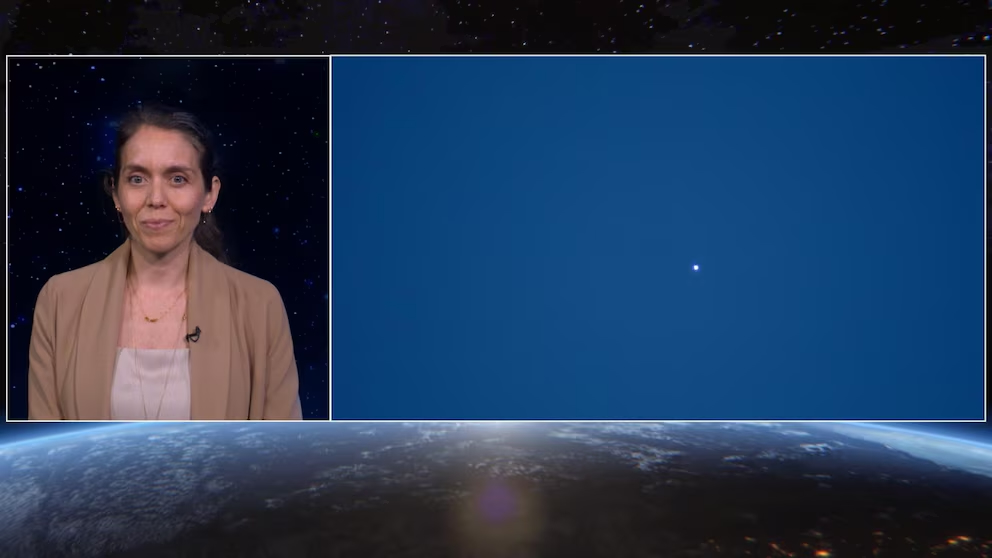
'The Start of the Artemis Era': Mechanical Engineer Reacts to Historic Launch | Cody Paige
Forbes
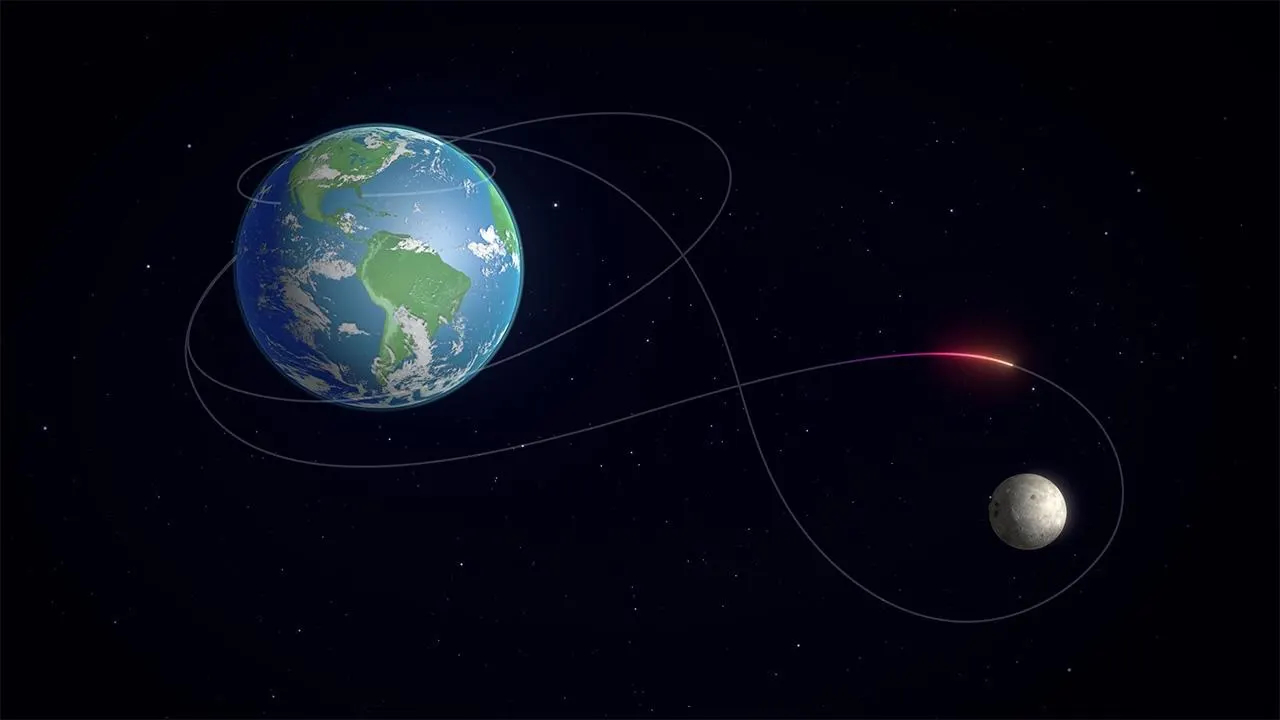
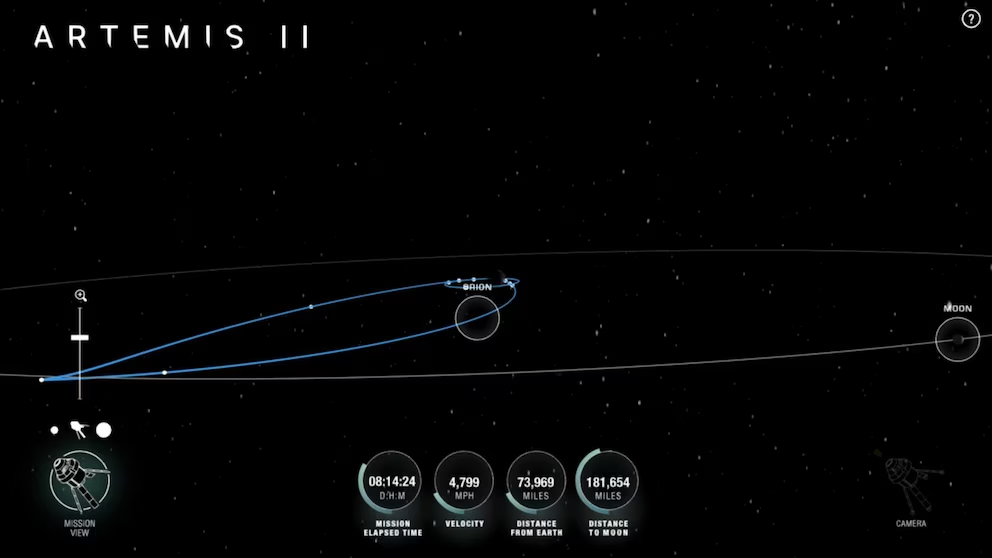
NASA’s Artemis II Timeline: 8 Key Moments To Watch Live | Marianna Maiarù and Cody Paige
Daily Mail
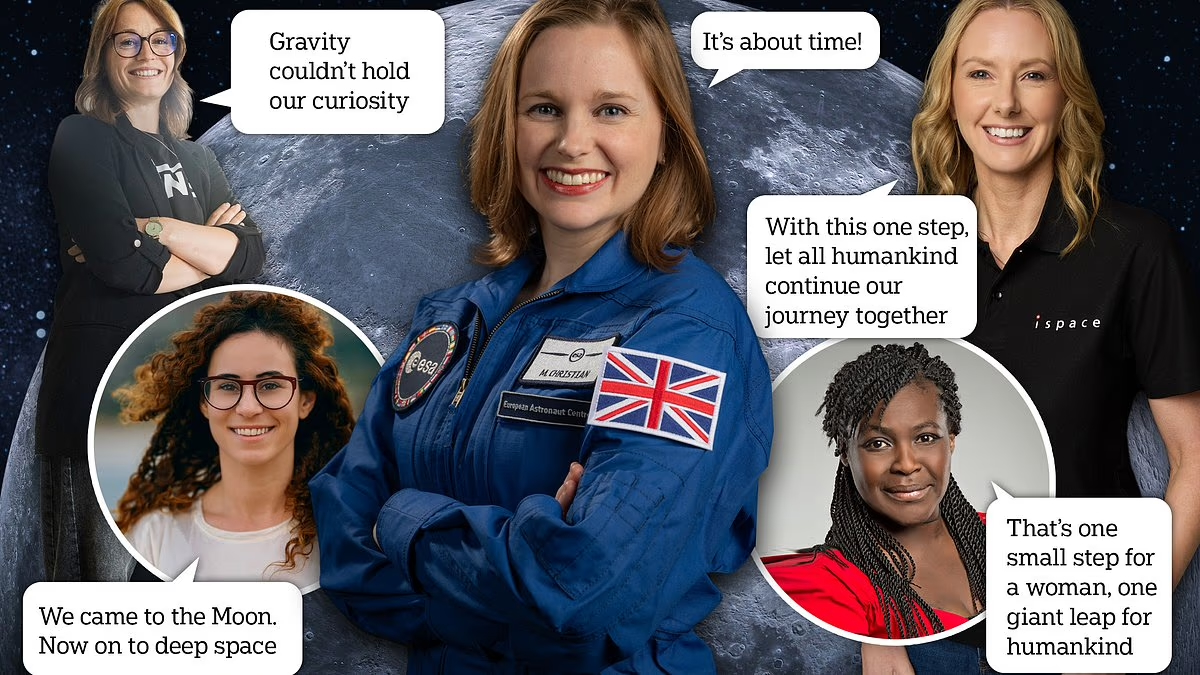
10 Leading Female Scientists Reveal What Their First Words on the Moon Would Be | Marianna Maiarù and Cody Paige