Research
Transforming the Future of Women’s Health
The Science for Women’s Health Symposium convened a wide range of researchers, nurses, and companies to discuss how science and engineering can advance the future of gynecologic, pregnancy, labor, and pelvic floor health.
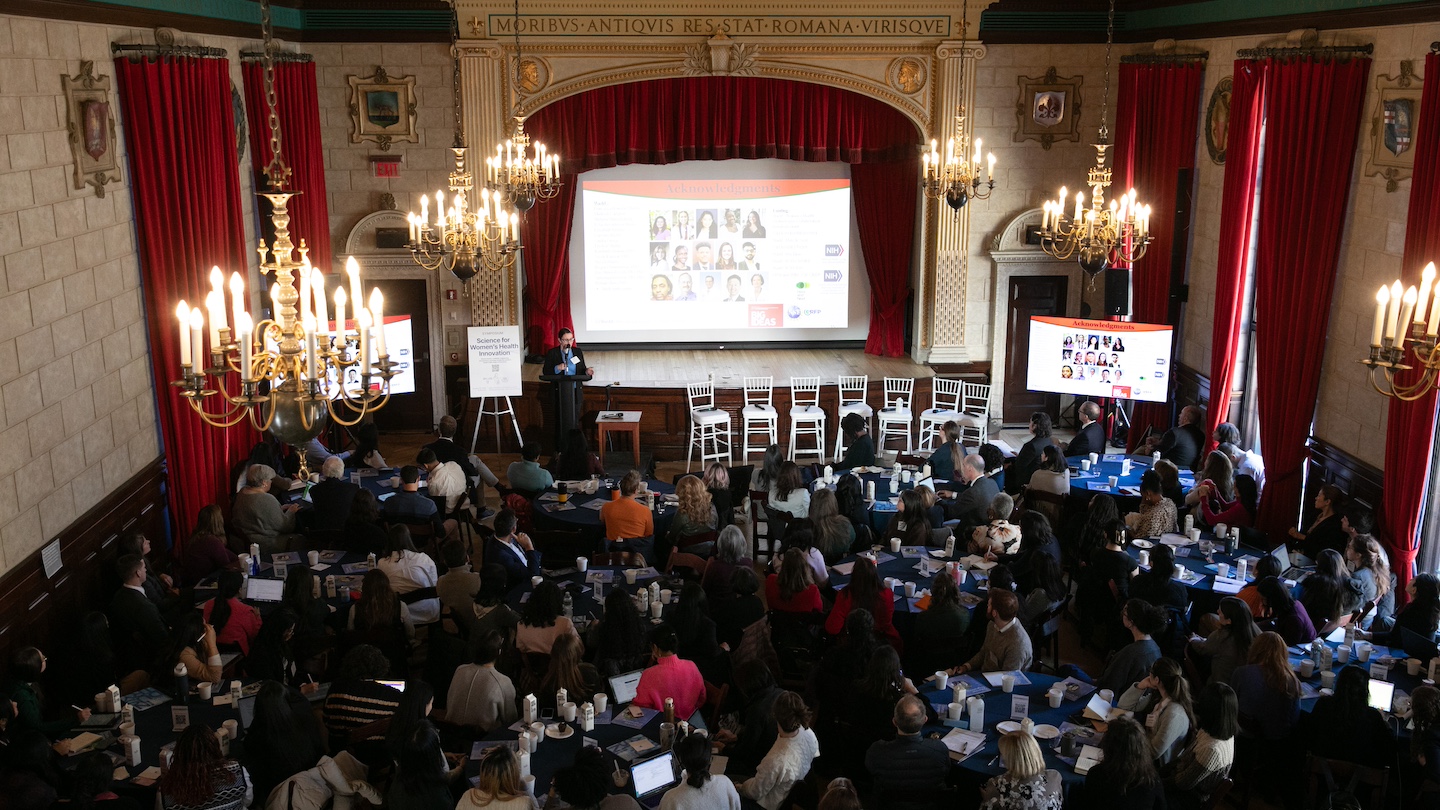
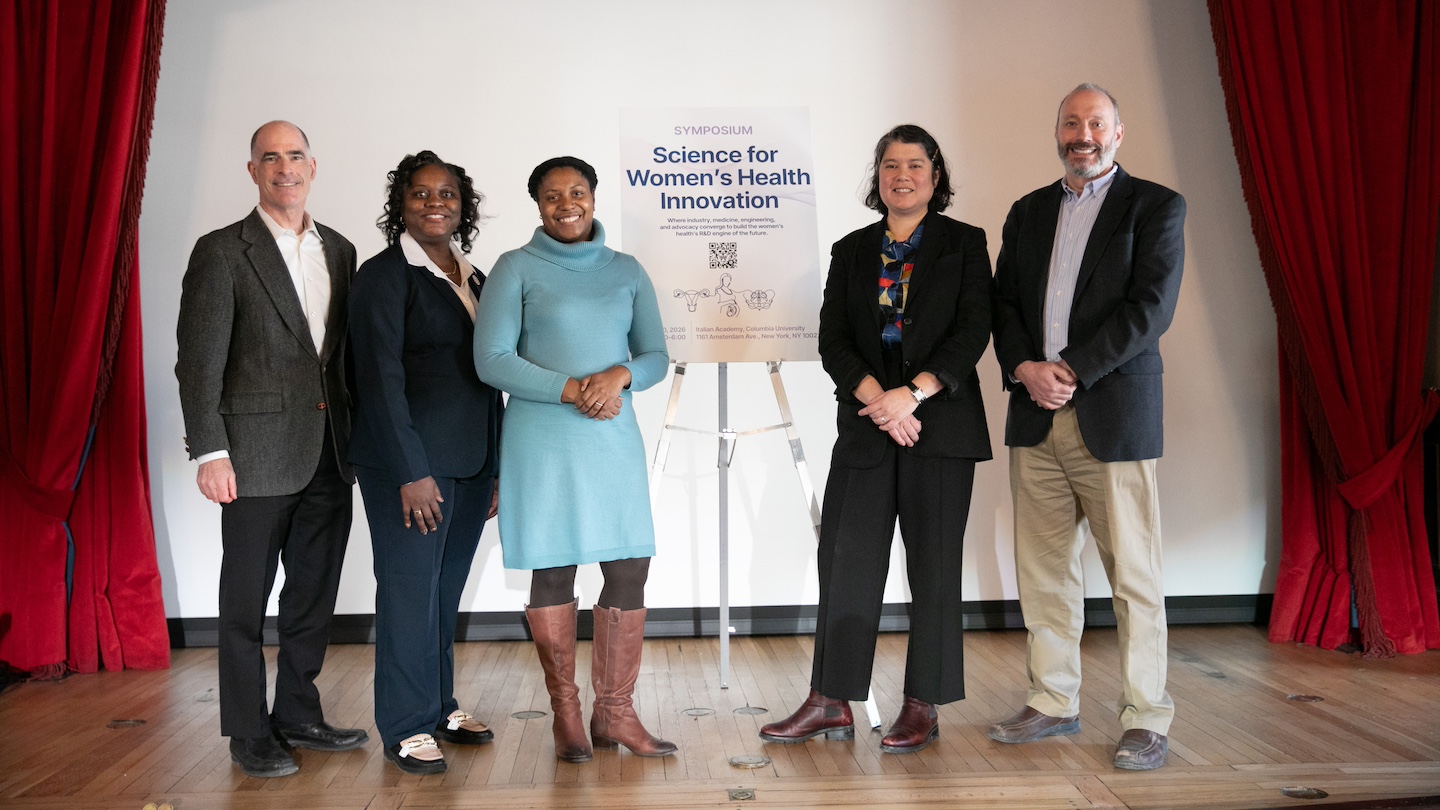
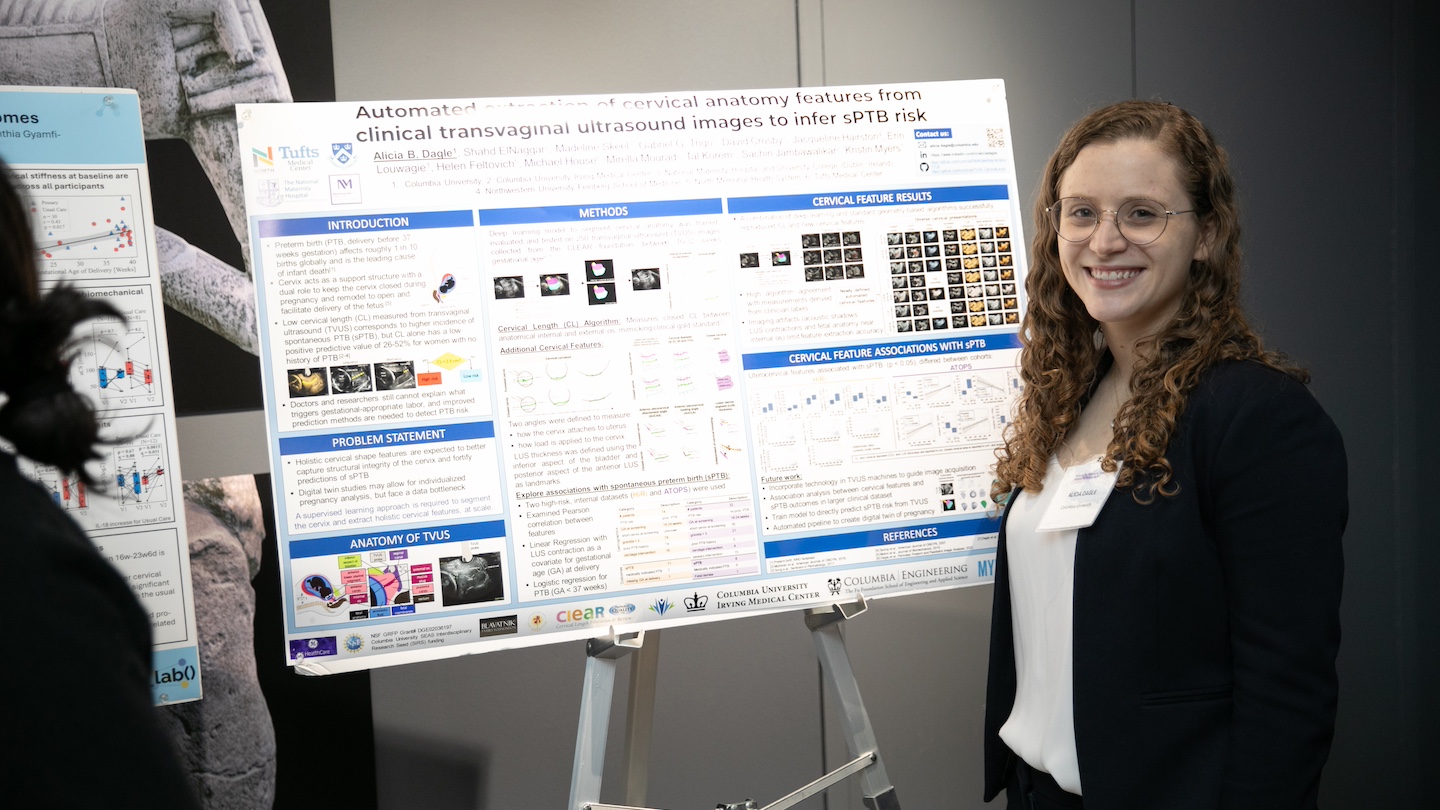
Leaders from industry, medicine, engineering, patient advocacy, and education gathered in Morningside Heights Jan. 30, for the Science for Women's Health Innovation Symposium. Hosted by Columbia Engineering and the Vagelos College of Physicians and Surgeons, the event featured keynote addresses, panel discussions, and a poster session highlighting student research.
George Deodatis, the vice dean for research at Columbia Engineering, welcomed attendees to campus by drawing a parallel between the School’s history and this vital event.
“Columbia Engineering’s relationship to public health dates back to at least 1873, when one of our early deans served as New York City’s health commissioner, using emerging science and technology to drastically reduce infant mortality,” Deodatis said. “We continue that tradition here today.”
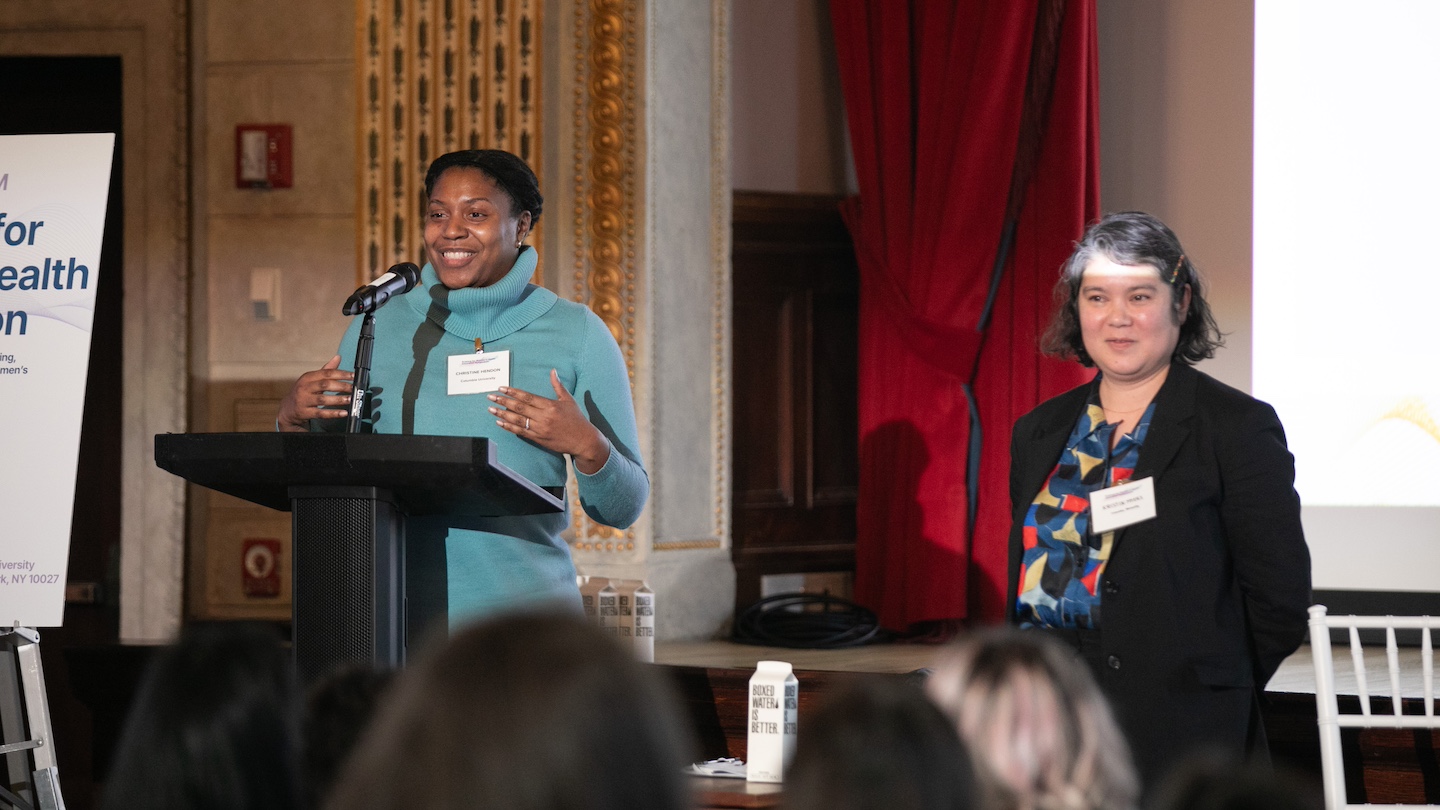
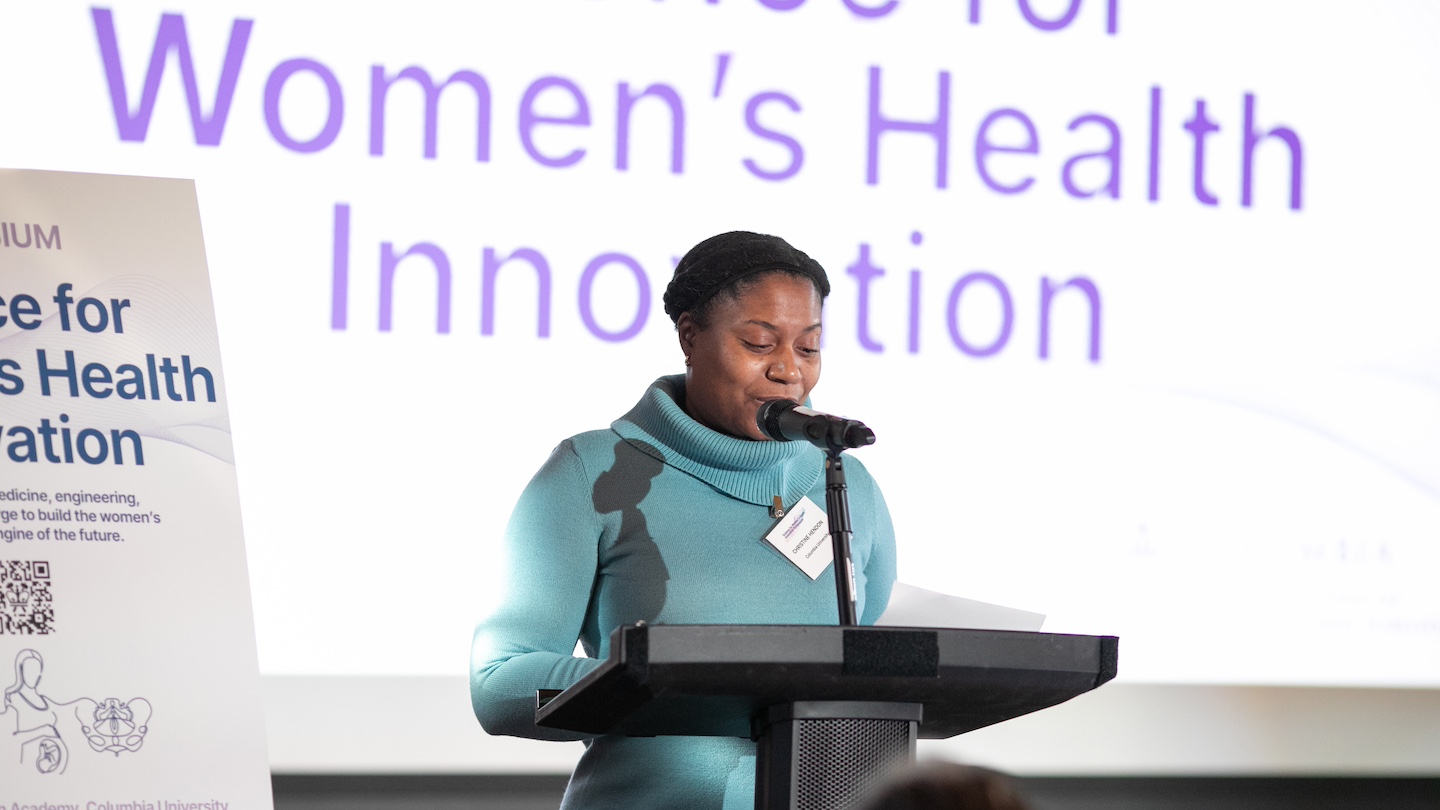
In her opening remarks, co-organizer Christine Hendon, an associate professor of electrical engineering and vice dean for engagement at Columbia Engineering, emphasized the importance of such gatherings in advancing science and technology.
“Our community becomes stronger at scientific meetings like this, where ideas are sparked and collaborations are forged,” she said.
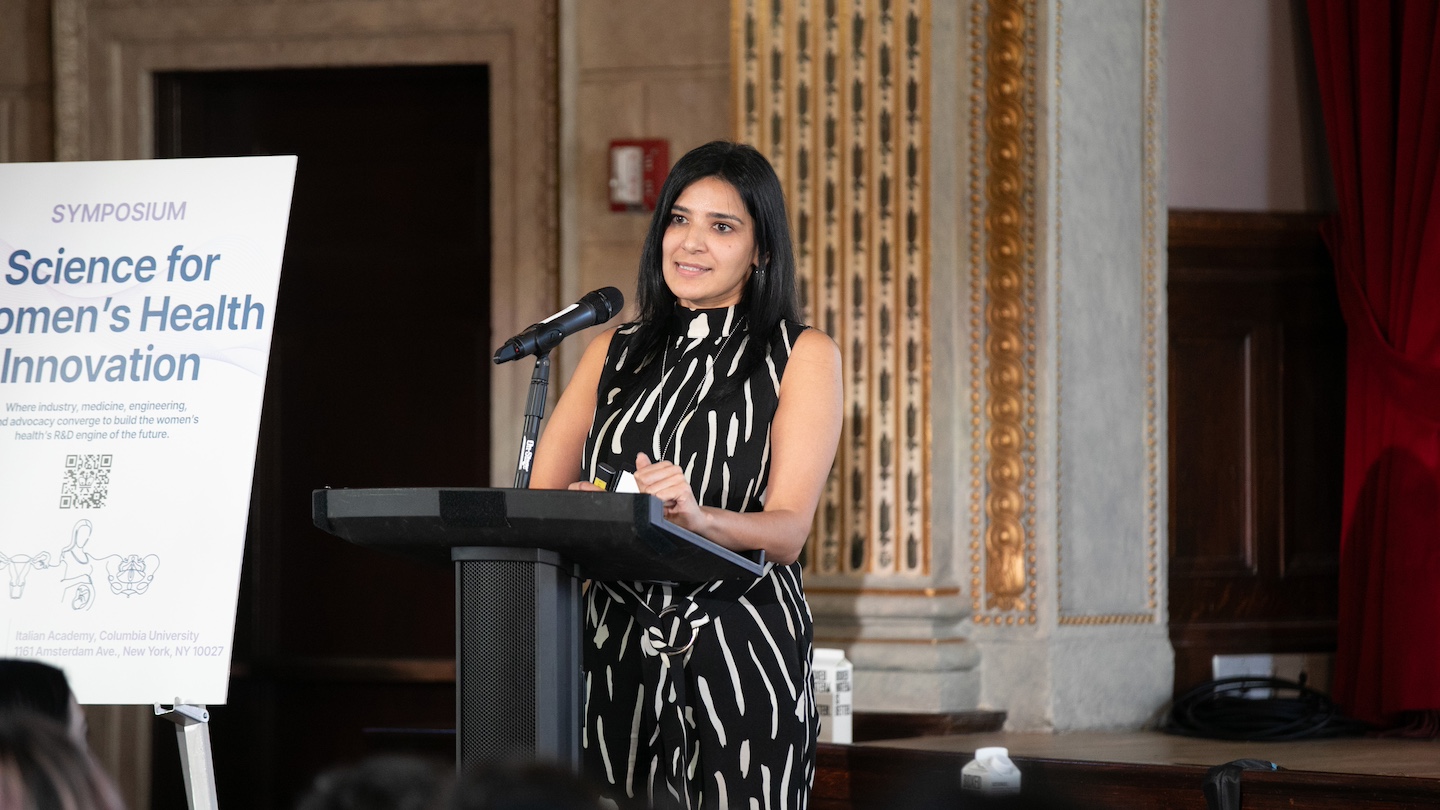
The symposium featured speakers from a wide range of backgrounds — including nursing, surgery, biomedical engineering, and informatics — drawing experts from across the country, from Baton Rouge to Pittsburgh. The overflow crowd and lively Q&A sessions demonstrated that researchers, clinicians, and industry partners are ready for a new era of solutions to the many well-known problems in women’s health research.
Inside the Science for Women’s Health Innovation Symposium
Photos by David Dini/Columbia Engineering









A major theme of the conference was the application of engineering principles and data analysis techniques to a wide range of underaddressed problems in women’s health.
“Our field can learn from other areas of engineering, such as automotive and aerospace, that already use physics- and data-driven digital twins and models to accelerate product design and solutions,” said co-organizer Kristin Myers, a professor of mechanical engineering at Columbia Engineering. “Women’s health challenges mirror a lot of the major outstanding challenges in health more generally, such as designing sensors and monitors that fit a patient’s need while conveying actionable information to a medical provider.”
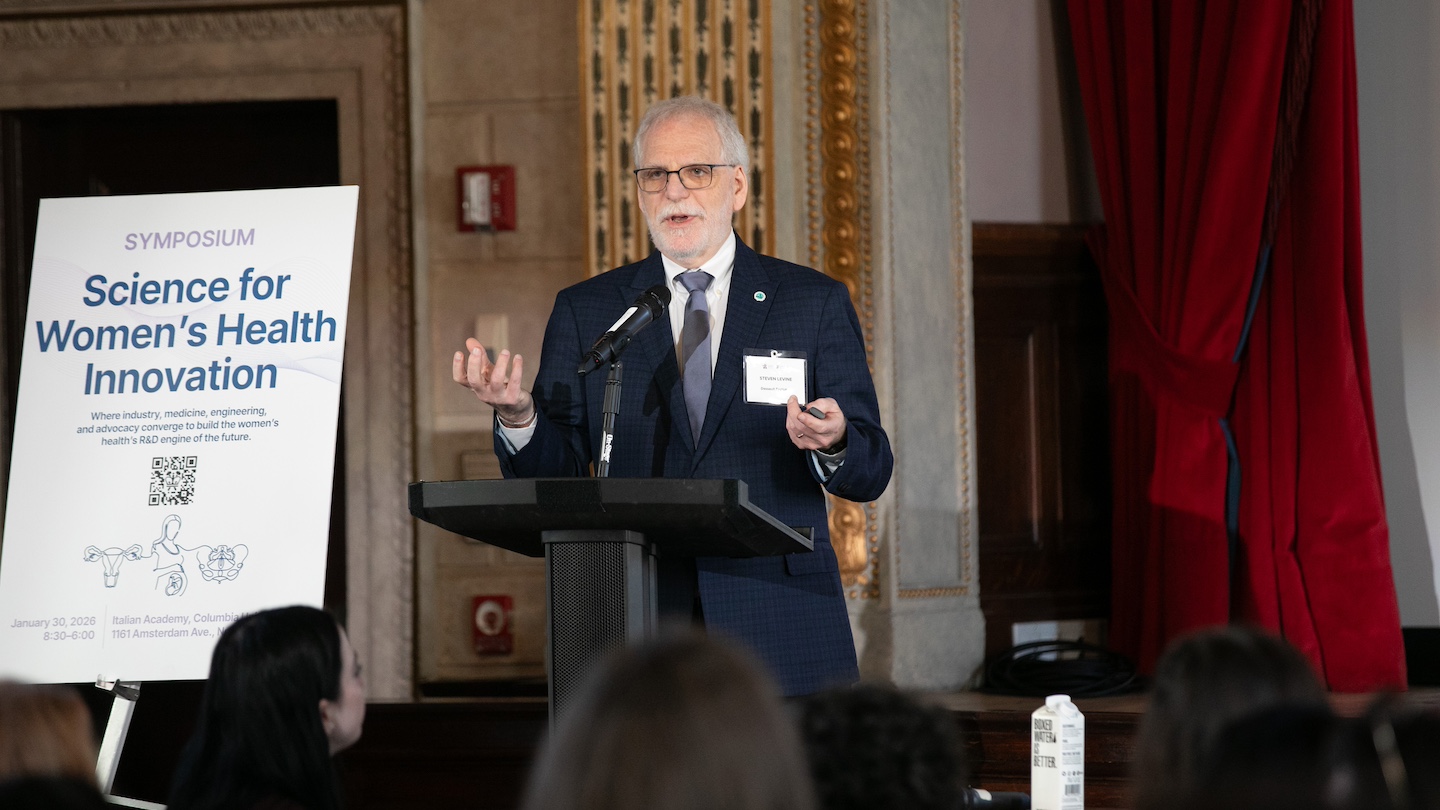
The daylong event featured keynotes from Silvia Blemker, professor of biomedical engineering at the University of Virginia; Steven Levine, the senior director of virtual human modeling at Dassault Systèmes; and Sandra Brown, the dean of the College of Nursing and Allied Health, Southern University and A&M College. The expert panels covered gynecologic health, preterm/pregnancy health, pelvic floor health, commercialization and the regulatory path, and education and workforce.
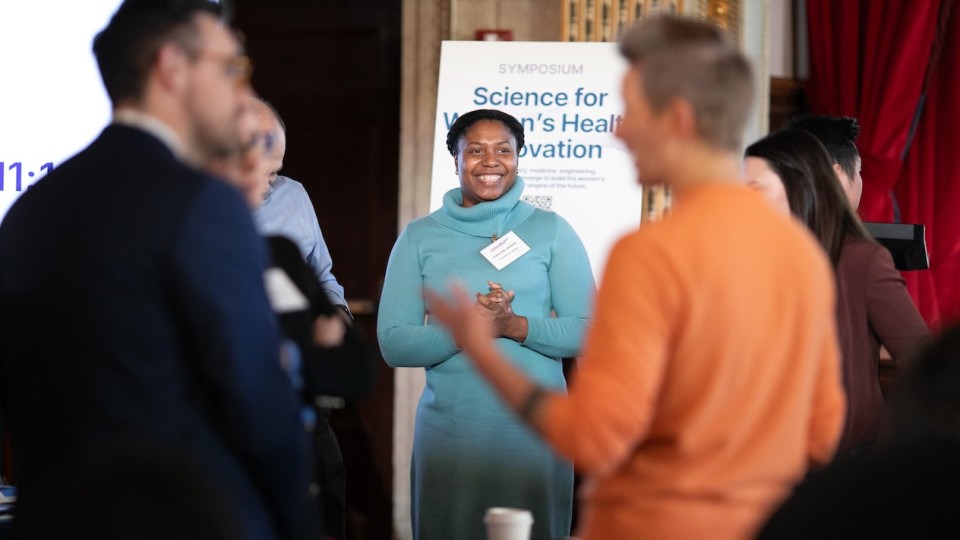
Lead Photo Caption: Christine Hendon, associate professor of electrical engineering, who develops innovative imaging technologies to study human tissue and disease.
Lead Photo Credit: David Dini/Columbia Engineering