
Betting on Fusion
by Andrew Holland
Five years ago, private investors had put less than two billion dollars in fusion companies. Today, the figure exceeds ten billion. What drove that rapid growth? The risk profile of fusion energy changed. Scientists are now confident that the next generation of machines can achieve break-even or better performance. In other words, plasma physics has been de-risked. The challenges that remain revolve around engineering and integration, and capital is flowing in to solve exactly those problems. And, speaking for my own interests as the CEO of the Fusion Industry Association, the companies decided to affiliate together under the Association’s banner.
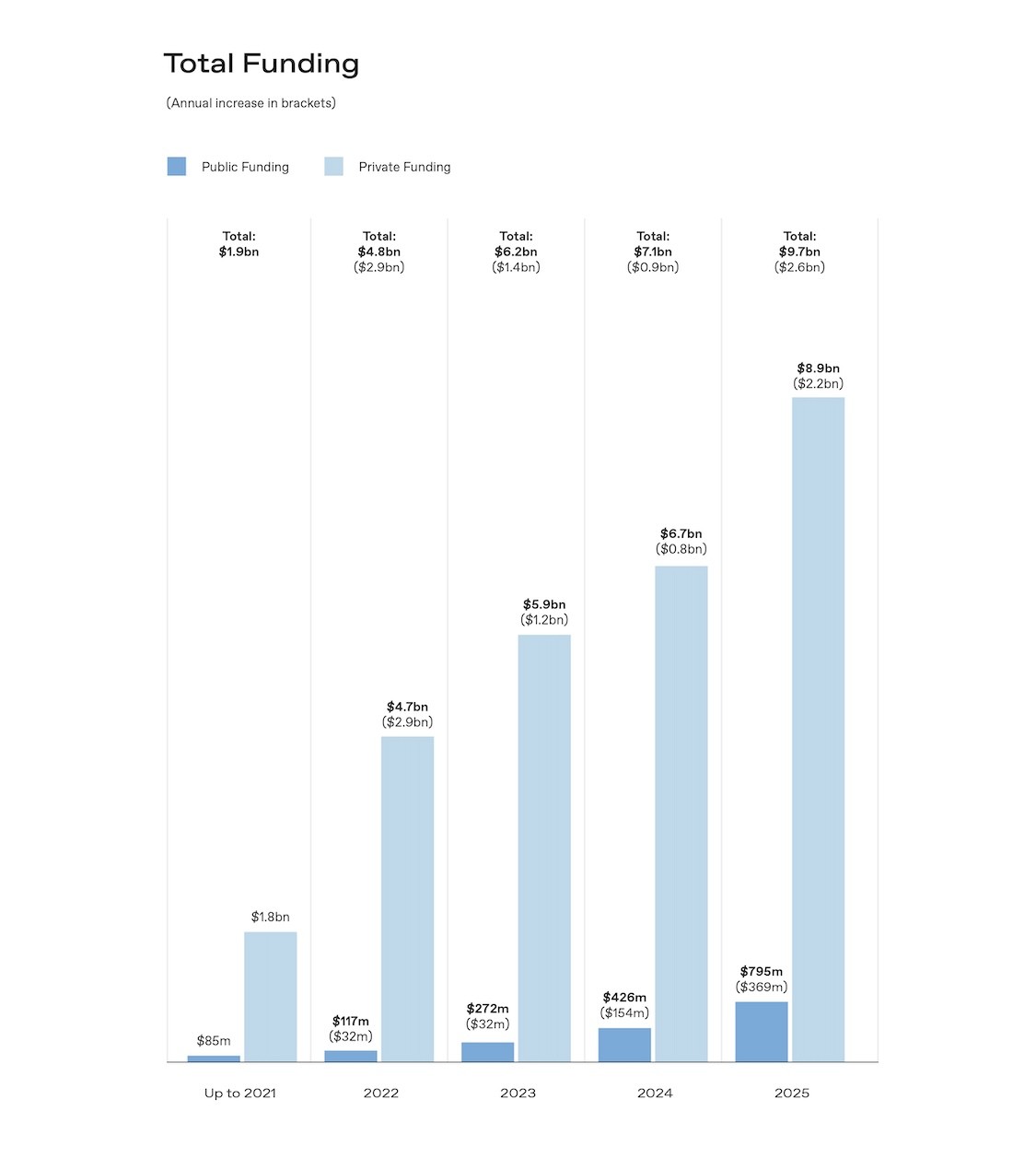
Fusion will be a remarkable technological breakthrough, but its funding is maturing similarly to other technologies’ trajectories. After decades of government funding set the stage, family offices provide the first significant tranches of private investment, taking a chance on a technology after its scientific viability has been proven, but before it was obvious it was a business. As the biggest risks were addressed, new sources of funding would become available. Venture capital firms, which operate on the logic that a few spectacular successes will pay for far more failures, then begin making major investments in the space. As engineers continued to address outstanding challenges, fusion companies became ideal investments for large corporations making long-term bets. More recently, fusion companies have begun to explore raising capital through public markets, like the New York Stock Exchange.
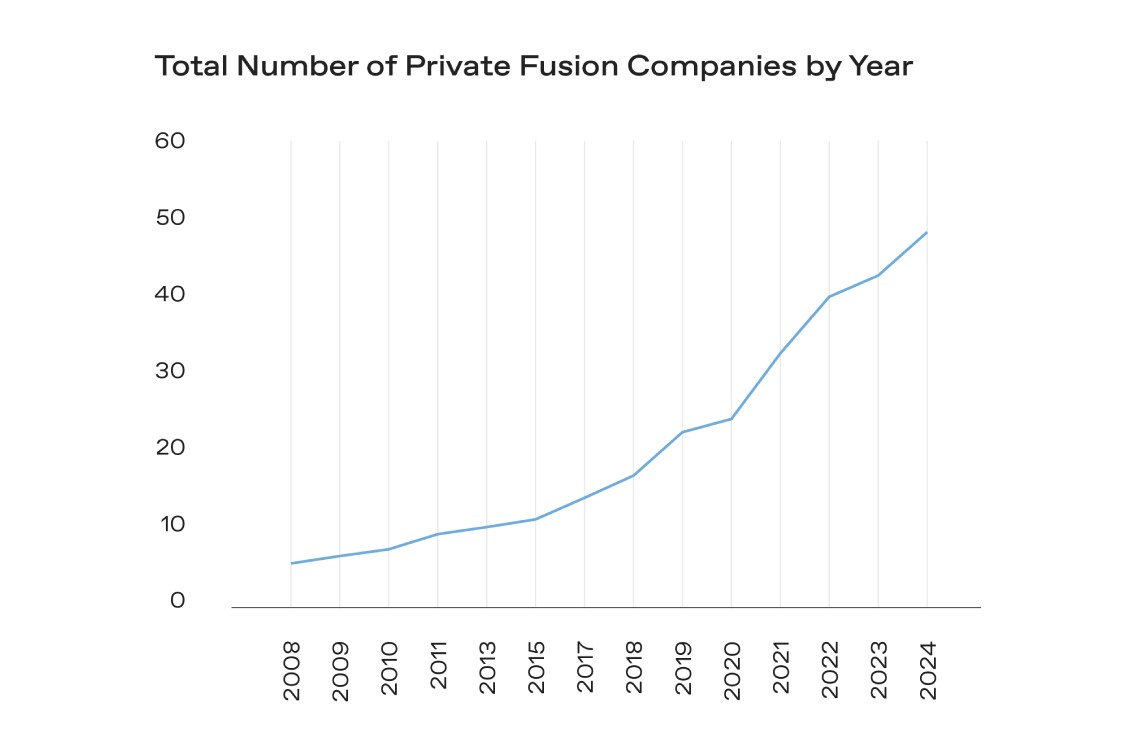
THAT HAVE SINCE FOLDED OR CONSOLIDATED
Of course, all of these investors are counting on returns once fusion energy is on the market. Where will it compete? Not really against wind or solar, which serve different roles on the power grid. Or even against natural gas or coal. Fusion's real competitors are other zero-carbon sources that don’t vary with the weather: advanced fission, hydrogen, and natural gas with carbon capture.
The market is shifting in fusion's favor. For the first time in 20 years, electricity demand in developed economies is rising — driven by data centers and AI — and I don't meet anybody from the power sector who says they won't buy a clean, firm energy source if we can build one. Companies have already signed power purchase agreements above today's marginal cost because they need the capacity to meet their own goals.
As it stands today, enough fusion companies have enough shots on goal that some will succeed and some will fail. Regardless, I am confident multiple technologies will prove out fusion power in the next decade. My message to the researchers working on this, especially those whose head is down on one part of the system, is to look up and look around. It is all coming together.
Andrew Holland is the CEO of the Fusion Industry Association.
Get in Touch
Image

CEO of the Fusion Industry Association |