
Building a Star on Earth
by Elizabeth Paul
Fusion depends on an unusual state of matter: plasma.
If you’re thinking about the entire universe, plasma is actually very common. It’s the stuff of stars, supernovae, lightning, and the aurora borealis.
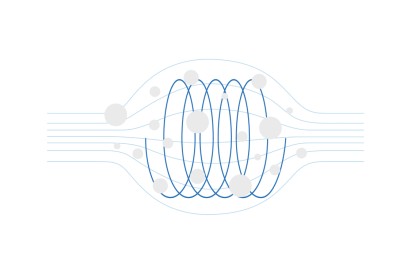
However, when compared to solids, liquids, and gases, plasma is strange. It forms when gas is heated to such high temperatures that atoms break apart, with electrons separating from nuclei. The result is a fluid-like substance that responds to electric and magnetic fields and spontaneously organizes into filaments and spirals.
The Sun is made of plasma and powered by continuous fusion reactions in its core. If we manage to confine and control plasma well enough to have a sustained fusion reaction here on Earth, we can transform small amounts of matter into vast amounts of energy. But that’s far easier said than done — creating plasma and confining it long enough for fusion reactions to occur are enormous engineering challenges.
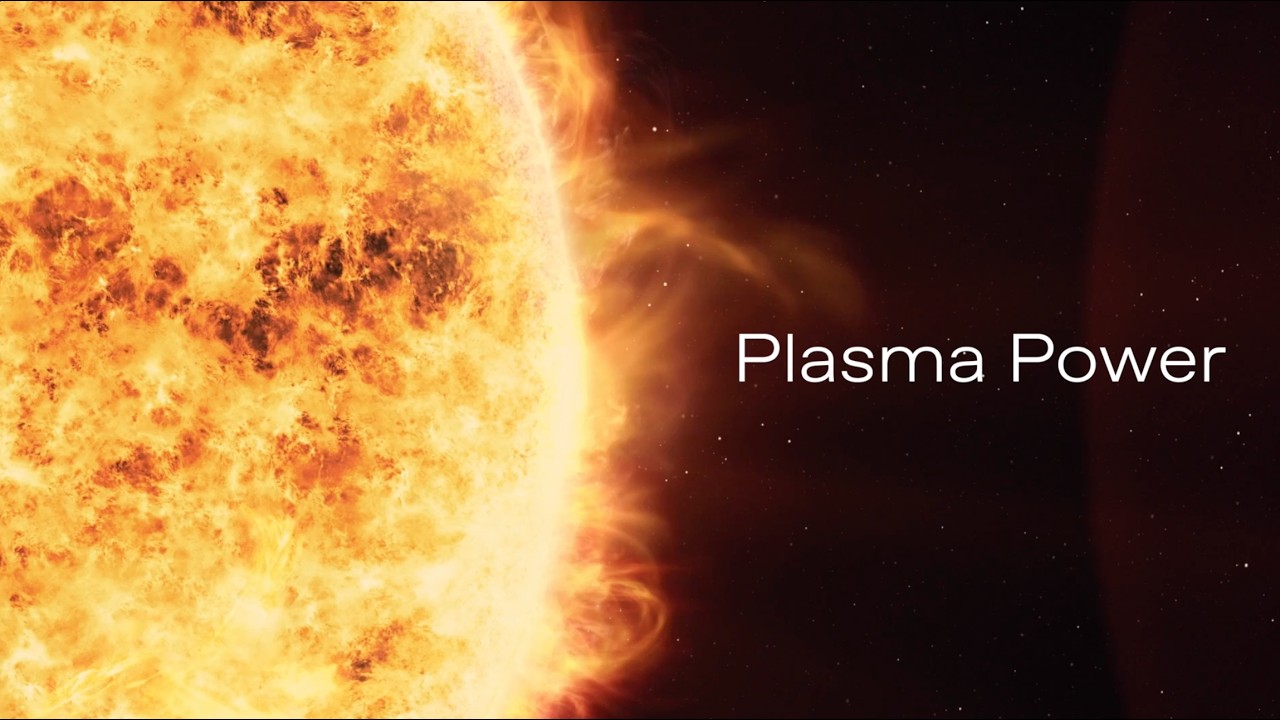
The plasma used in fusion power is hotter than the Sun. Elizabeth Paul uses AI to design magnetic systems to control plasma in a fusion power plant.
The leading approach uses powerful magnets to trap plasma inside a donut-shaped chamber that could fit inside a small house. When the reactor is operating, the plasma reaches temperatures of hundreds of millions of degrees. Just a few meters away, the magnets that contain the plasma operate near absolute zero. It is one of the most extreme temperature gradients in the universe.
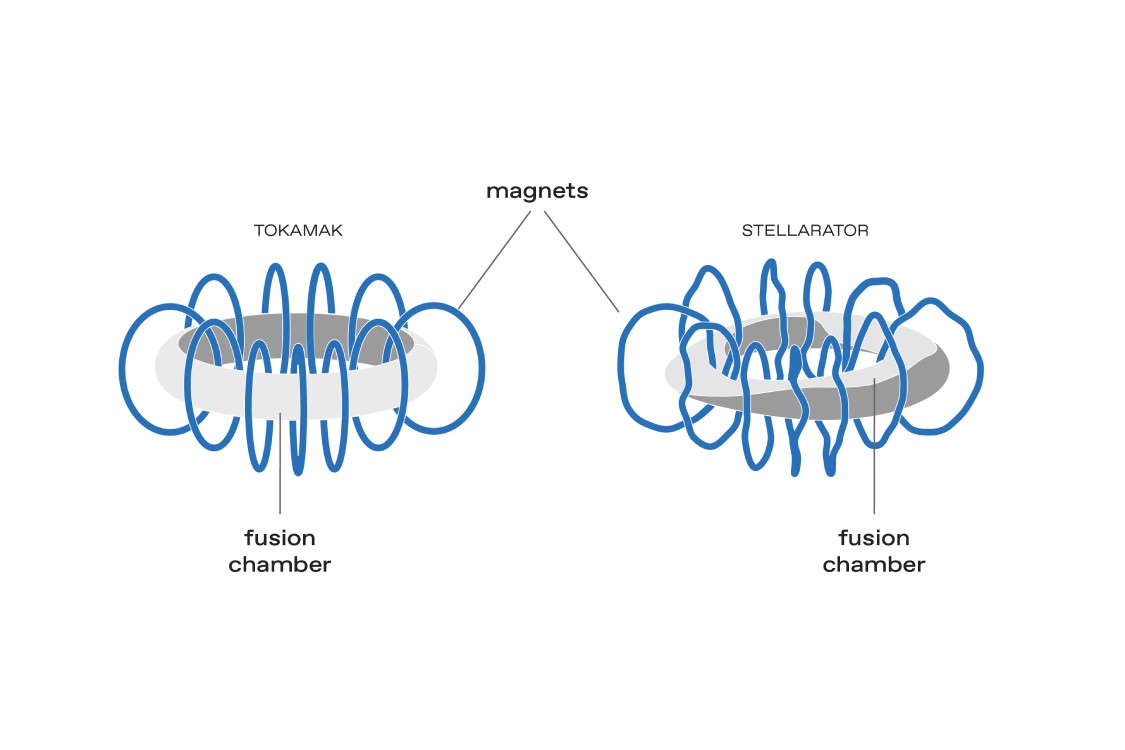
We call the devices that contain plasma magnetic bottles, and there are two main designs. The tokamak, which looks like a normal donut, works by driving an electrical current through the plasma. The design I work on, called a stellarator, uses a twisted doughnut shape to confine plasma without the need for a current. By relying on the geometry of the magnetic field itself, a stellarator avoids some of the instabilities that occur within tokamaks. We use numerical optimization to design these shapes, searching for configurations that keep the plasma stable and confined as long as possible. Another set of approaches uses lasers to compress and heat plasma.
Recent technical breakthroughs have injected new energy into the field. In 2022, researchers at the National Ignition Facility reached a milestone by creating a fusion reaction that released more energy than the laser energy absorbed by the target. More recently, a research team demonstrated that the magnets we use don’t have to be as ultra-cold as we had thought. That breakthrough opens the door for smaller, cheaper power plant designs that can be built more quickly.
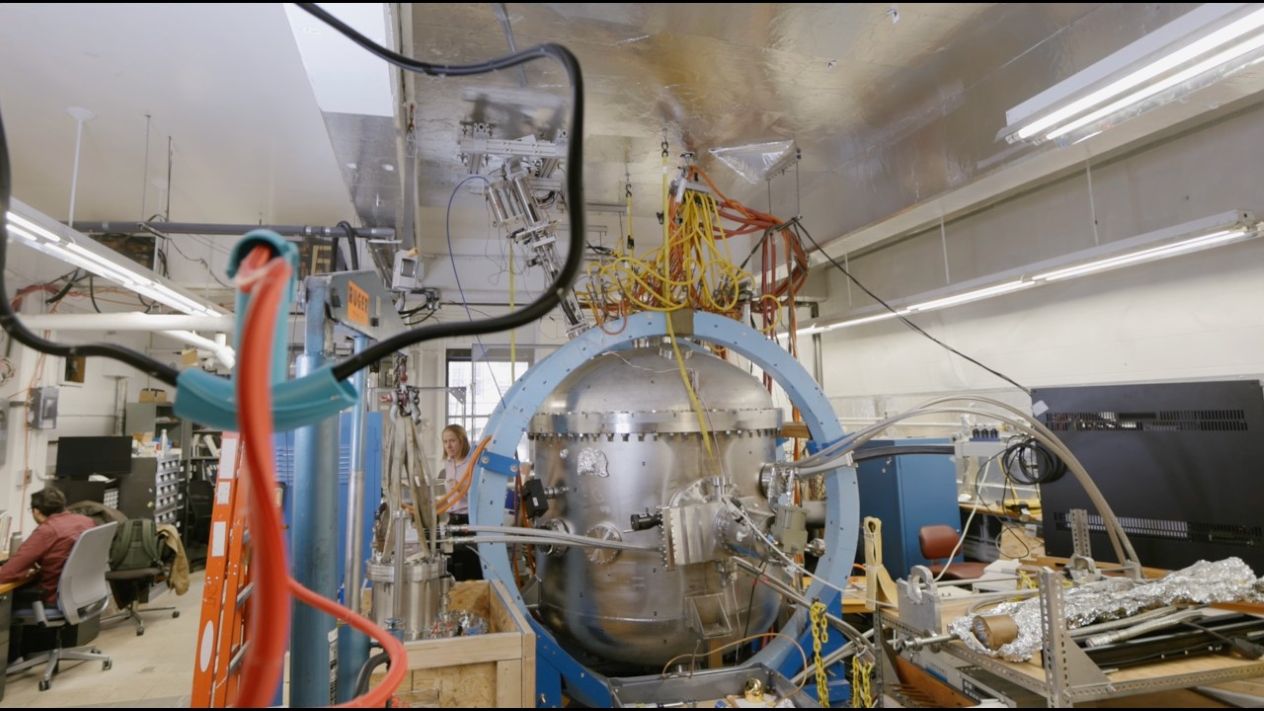
A power plant running on fusion would produce reliable energy with common fuels, manageable waste, and no direct carbon emissions.
But researchers have to solve some hard engineering problems before the first fusion power plants are plugged into the grid.
The questions have shifted from whether fusion is possible to how a reactor should be engineered to provide electricity to the grid. For those of us who are working down the list of outstanding scientific questions and technical problems, it’s an incredibly exciting moment in the history of this transformative technology.
Elizabeth Paul is an assistant professor of applied physics and applied mathematics at Columbia Engineering and a core faculty member of the Columbia Fusion Research Center.
Get in Touch
Image

Assistant professor of applied physics and applied mathematics |