New Student Checklist
-
Activate Your Columbia University Network ID (UNI)
Your UNI is the login name and password you will use to access many online services at Columbia and setting it up is a crucial first step.
Learn how to activate your UNI. Once you have done so, check your University email account. Stay up to date with deadlines and events by adding our calendar to your LionMail account. Clicking the (+) button on the bottom right will sync our Calendar with your LionMail.
Your UNI gives you access to both your Columbia email and Student Services Online (SSOL). The SSOL account is for online course registration, student billing, and much more. Please ensure that we have your updated contact information in SSOL at all times.
-
Upload Your Photo for a Columbia University ID Card
All new incoming students must request a CU ID by submitting their photo online. Please make sure to read the directions on the ID Center's website.
IDs must be picked up during your Department Orientation. The ID Center will not have your ID.
All CU IDs must have an "EP sticker" indicating that they are enrolled in a Graduate Engineering Program. If your ID is missing an EP sticker, please request one at the front desk of the Office of Engineering Student Affairs, located in Room 530 of the Mudd Building. If you have an ID already, you do not need to get a new one unless your current ID has expired.
-
Secure Your Student Visa (International Students Only)
International students at Columbia enter the United States on an F-1 or J-1 student visa. You will need an I-20 for F-1 status or DS-2019 for J-1 status issued by Columbia’s International Students & Scholars Office (ISSO) before making your visa appointment at a U.S. consulate to apply for your visa.
Watch ISSO’s video on how to get a visa. You will need to:
- Prepare your documents (bank statements, passport, and other supporting documents)
- Log in to Compass to apply for your I-20 / DS-2019
- Receive I-20 / DS-2019
- Apply for Your Visa at a U.S. Consulate (the visa cannot be issued more than 120 days in advance of your program start date).
- Log into Compass to notify the ISSO of the status of your visa application ( You can submit multiple forms as your visa application status changes).
Ready to begin? Go to the ISSO website for the I-20/DS-2019 application, supporting documents checklist, and instructions.
During your visa interview, you may be asked for additional information. We recommend you download the information packet about your department for more detailed information about your curriculum and future faculty.
- Applied Physics and Applied Mathematics (PDF)
- Biomedical Engineering (PDF)
- Chemical Engineering (PDF)
- Civil Engineering and Engineering Mechanics (PDF)
- Computer Engineering (PDF)*
- Computer Science (PDF)
- Data Science (PDF)**
- Earth and Environmental Engineering (PDF)
- Electrical Engineering (PDF)
- Industrial Engineering and Operations Research (PDF)
- Mechanical Engineering (PDF)
Doctoral students should print out information related to their Faculty Adviser and future research lab. If an Adviser and lab have not been assigned yet, provide information on the research occurring throughout the department. Please contact the department directly for additional materials.
* The Computer Engineering MS program is jointly offered by the Department of Computer Science and Department of Electrical Engineering
** The Data Science MS program is jointly offered in collaboration with the Graduate School of Arts and Sciences’ Department of Statistics, and The Fu Foundation School of Engineering and Applied Science’s Department of Computer Science and Department of Industrial Engineering and Operations Research.
If you have not already begun the I-20 and visa application process, you must do so as soon as possible.
-
Submit Documentation of Required Immunizations
Students must submit immunization documentation upon admission or at least 30 days prior to their scheduled registration date. Compliance with all current vaccine requirements must be confirmed before you will be permitted to register.
The vaccinations required are:
- MMR
- Meningitis (MenACWY)
The vaccinations recommended (but not required) are:
- Up-to-date COVID-19
- Seasonal Influenza (required for Spring registration)
Guidelines on how to submit immunization can be found here.
Please refer to Columbia Health’s immunization requirements page for additional information, including contact information, if you require additional assistance.
-
Save the Date & Register for Columbia Engineering Grad Welcome Day
Grad Engineering Welcome Day is a mandatory, in-person orientation session for all new graduate engineering students. Please go to the Grad Engineering Welcome Day webpage to save the date and learn more about our new graduate student orientation session.
Invitations and registration information for Welcome Day will be sent to your LionMail account, so please be sure to activate your UNI as soon as you can.
Each Program or Department has a mandatory kick-off/orientation that is separate from Engineering Welcome Day. Please refer to our Program Kick-Off page for more information.
If you have any specific questions regarding Welcome Day, please feel free to contact the Graduate Student Life team at [email protected]
-
Prepare for Professional Development and Leadership - ENGI E4000 (MS Students Only)
The Professional Development and Leadership (PDL) course empowers and educates Columbia engineers to maximize performance and achieve their full potential to become engineering leaders of today and tomorrow. The workshops provide engineers with skills and perspectives needed to succeed in a fast-changing technical climate.
ENGI E4000 (Professional Development and Leadership) is required for all Master of Science students. Additional information, including a schedule, will be shared with you soon. You can also find more information on the PDL website. Any questions regarding the program should be sent to [email protected].
-
Complete Verification (MS Students Only)
All incoming MS students* must participate in the final verification process, in which we review and verify all academic, professional, and reference information provided during the application process.
In order to satisfy this requirement, students must complete the MS Verification Survey. Instructions on how to do so will be sent out a month before the start of your coursework. Questions about this step can be sent to [email protected].
*MS Express students are exempt from this requirement. CS Bridge students must participate in the verification process.
-
Submit Official Transcripts and Test Scores
Official Test Scores
Official test scores must be submitted via the appropriate testing agency for all scores provided with your application for admission. If we do not receive your scores prior to Welcome Day, you will not be able to register for classes.
Read more on Columbia Engineering’s Official Test Score policy.
Official Transcripts
The policy for submitting official transcripts varies by where the University is located. All official transcripts must be received by October 15, 2023.
- Students who have attended a college or university in the United States must submit electronic transcripts directly from their school to [email protected]. If a school does not offer electronic delivery, applicants must write to [email protected] to provide us with the link to their institution's web page concerning transcript orders. After verifying this information, we will then authorize a hardcopy submission mailed directly to us by the Registrar of your university in a sealed envelope.
- Students who have attended a college or university in China will be required to contact CHESICC to arrange submission of a “Verification Report of China Higher Education Student's Academic Transcript” AND a “Verification Report of China Higher Education Qualification Certificate” (for those earning a degree in China) to Columbia at [email protected].
- Students who have attended a university that is not in China or the United States must submit an electronic transcript if your school offers secure online delivery to [email protected]. If the university cannot send transcripts electronically via a secure, password-protected system, applicants must order a Course-by-Course Evaluation and International Credential Advantage Package to be sent electronically to [email protected] from World Education Services (WES).
Read more on Columbia Engineering’s Official Transcript policy.
Please contact [email protected] should you have any questions.
-
Register for Courses
Full-time students are required to register for 12 credits and part-time students typically register for 6 credits. Incoming students will be able to register or join a waitlist for up to a total of 15 credits.
Students should see registration appointments listed in SSOL by the middle of the summer for a period in August. Some departments have different registration appointments from other departments so the specific starting date for registration can differ from other classmates. If registration appointments are not listed by the middle of the summer in SSOL, please email [email protected].
For any questions related to the course schedule or specific requirements for the degree, we strongly encourage students to contact their department directly.
For more information about registration, please visit Graduate Enrollment Services.
Withdrawing After Registration
If you are registered for courses and have decided to no longer attend Columbia Engineering, you must complete this form and select "Withdrawal.” Make sure to contact your department about your decision.
-
Enroll in Health Insurance
All Full-Time students must have health insurance. If you have your own health insurance and would like to continue using it, you may waive the Columbia University health insurance enrollment.
To sign up for health insurance, please visit this website. For health insurance prices, please refer to this website.
International students: To ensure students have comparable insurance coverage, all registered full-time international students are enrolled by default in the plan offered by the University. A charge for the Columbia Plan as well as the Columbia Health fee will appear on the first student bill. Find additional information for International Students on the Columbia Health website.
-
Complete Required Columbia Engineering Orientation & University Life Tutorials
A. Office of University Life Pre-Arrival Tutorials
Every student who is new to a degree program at Columbia must complete two required tutorials that introduce important University policies and valuable student resources. These tutorials convey values that are foundational to membership in the Columbia University community and provide skills and resources to help you excel during your time here.
Both must be completed before your arrival on campus. Each tutorial takes approximately 40 minutes to complete. Learn more and gain access to these tutorials.Tutorial 1: Welcome to Columbia
Tutorial 2: Sexual Assault PreventionFall deadline: First day of classes
Spring deadline: First day of classesStudents who do not complete both tutorials by the respective deadlines will have a registration hold.
For questions related to the OUL Pre-Arrival Tutorials (Welcome to Columbia and Sexual Assault Prevention), please contact [email protected].
B. Columbia Engineering Required Tutorial
Over the summer, new students are automatically enrolled in three modules on Canvas, also known as Coursework2. You will receive an email when these tutorials are activated. The modules are in a course titled "SEAS Mandatory Orientation Tutorials"
All incoming students must complete the required Columbia Engineering Tutorials located in Canvas.
The deadline is October 14th at 11:59 PM.
For questions regarding the SEAS Mandatory Orientation Tutorials, please email [email protected].
-
Attend ENGI 6001: Engineer Your PhD Week (PhD Students Only)
ENGI 6001: Engineer Your PhD (EYP) is a week-long orientation for new doctoral students. The orientation prepares doctoral students to maximize performance and achieve their full potential both during and after their doctoral program. The goal is to cultivate future scholars and leaders in their respective fields. The modules are tailored for each stage of the doctoral program, with a focus on the development of academic, research, and professional skills.
This course is zero credits and R-graded. R is a non-evaluative grade that confers credit for registration.
-
Report Outside Scholarships & External Payments
Students attending The Fu Foundation School of Engineering and Applied Science are required to notify the Office of Student Financial Planning to report any outside funding.
Undergraduate Admitted Students
Find Housing
You’ve found your dream program and will soon arrive in New York City to join the Columbia Engineering community. It’s time to find a place to live. Fortunately, we’ve put together resources to explain your options and help you navigate the process so you can find the perfect place to call home.
International Students
Starting a new program and navigating the move to a new country at the same time can feel overwhelming. Columbia University has an office dedicated to supporting you. At our website, you can find information on everything from obtaining your visa to opening a bank account. We also have staff on hand to assist you.
Additional Resources
-
Academics
Bulletin
From course descriptions to rules, regulations, and disciplinary procedures for the school, the bulletin is your official source for a wealth of important information. Access Bulletin.
Columbia University Information Technology
The office provides IT services and support to empower Columbia. Find IT services.
The Office of Graduate Student Services
The office is the primary source for university-related questions and is an important link between students, administrators, and academic departments.The office can help with questions and issues like:
- Clarification of academic policies and procedures
- Changes in Status
- General questions, concerns or difficulties
- Academic standing, academic warnings, and probation
- Voluntary and medical withdrawals
- Receiving Advanced Standing Credits
-
Health & Wellness
Alice!
Alice! Is Columbia University’s Health Education program and consists of a team of professional health educators that lead workshops, train student leaders, public printed and online health information, and coordinate special projects - all providing guidance and encouraging wellness.
Alice! is best known for its interactive health Q & A Web service, “Go Ask Alice!,” which has a growing archive of more than 2,000 inquiries and responses on everything from sunscreen to STDs.Athletics
The university offers various athletic facilities and programs to support the entire Columbia community in sustaining their health & fitness. Learn more about athletics.
Counseling and Psychological Services
CPS supports the psychological and emotional well-being of the campus community by providing confidential counseling, consultation, and crisis intervention. Learn more.
Health Services at Columbia
Columbia Health has a number of resources available to support your mental and physical health. Access health services.
Disability Services at Columbia
Students seeking reasonable accommodations or support services from Disability Services (DS) are required to register with the office. Access disability services.
Public Safety
The department is committed to making the Columbia University campus and its surroundings safe for the community. Learn more about public safety at Columbia.
Engineering Wellness
Engineering Wellness provides resources and services in order to promote general wellness for students. Engineering Wellness is a part of the Graduate Student Affairs (GSA) at Columbia University, School of Engineering. Learn more.
-
Community Involvement
Community Impact
The organization serves individuals in need in the communities of Upper Manhattan with volunteering & leadership opportunities available for students. Learn more.
Engineering Graduate Student Council
The Engineering Graduate Student Council is the student governing body of graduate students at Columbia Engineering. Visit the ESC.
Office of the University Chaplain
The office designs and sponsors a variety of programs on matters of justice, faith, and spirituality for small and large campus groups. Learn more.
-
Professional Development
The Professional Development and Leadership course offers special workshops, labs, competitions, and courses that build your professional skills, your network, and your confidence. We offer over 300 sessions annually for our BS, MS and PhD students. This is a degree requirement for our MS students.
Columbia University Individual Development Plan (IDP) Program
The Columbia University Individual Development Plan (IDP) program is designed to help participants recognize the importance of managing one’s own career, develop strategies to help with career management and comprehend the purpose and value of an IDP. Program participants will become familiar with a variety of career options, and learn which skills and experiences are necessary to pursue these career paths. Through involvement in the IDP series and workshops, participants will also be able to develop skills relevant to a variety of careers. The IDP program developed at Columbia University was designed for NIH-funded postdoctoral trainees and graduate students.
-
Graduate Career Placement
The Graduate Career Placement Team is dedicated to supporting you in the job search process. Each and every MS student is assigned to a Career Placement Coach to help you every step of the way.
-
Administrative Support
Student Financial Planning for Graduate Engineering
The Office of Student Financial Planning provides financial aid information to Graduate Engineering students. It is the central contact for counseling Master of Science students. Learn more.
ID Center
The center procures the student University ID Card - the passport to services and access to Columbia University. Visit the ID Center.
International Students and Scholars Office (ISSO)
ISSO offers various services for international students as well as American citizens and permanent residents who have received their education in a foreign country. Visit ISSO.
Office of the Registrar
The office works with academic departments and schools to review student’s progress toward the completion of their degrees and certificates; post degrees, honors, and grades. The office also processes requests for academic transcripts and certifications - and orders and distributes diplomas. Visit the Registrar.
Student Financial Services
SFS is in charge of monitoring student accounts including tuition, meals, health services, and other fees. Visit Student Financial Services.
-
Funding
Explore sources of funding to support your studies, including external fellowships and part-time positions on campus.
Project 1: Artificial Intelligence Based Spontaneous Preterm Birth Prediction Using Ultrasound and EMR Data Principal
-
Abstract
Global rates of preterm birth (PTB) remain astonishingly high, accounting for the majority of infant deaths. Our multidisciplinary team seeks to understand which physiological factors support a healthy pregnancy by leveraging machine learning to test hypotheses about the mechanical environment of pregnancy. Currently, risk assessment and management of spontaneous PTB rely heavily on sonographer assessment of cervical length (CL), an incomplete measure of cervical structural health. Although routine CL screening has identified some high-risk patients, it is not universally adopted because predictions remain unreliable. It is known that age, race, and surgical history are also associated with spontaneous PTB. Our past computational biomechanical models show the cervical function depends on its volume and shape more than cervical length alone. Based on this premise, our team of engineers, radiologists, biostatisticians, and clinicians propose to collect electronic medical record (EMR) data and clinical cervical ultrasound (US) images using an IRB-approved protocol and to use machine learning to develop and optimize PTB prediction models. Using the US images, we will train a novel deep-learning algorithm to extract cervical size and shape automatically (Aim 1). Then we will combine these raw images and cervical structural features with EMR data to build a high-dimensional, patient-specific PTB prediction model (Aim 2). In future work, these data will be leveraged in biomechanical simulations to gain a mechanistic understanding of a healthy, term delivery.
-
Principal Investigators
Image
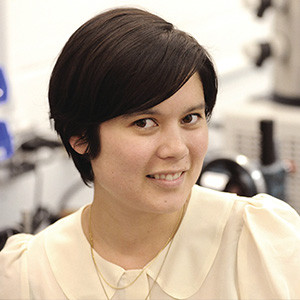
Kristin Myers is an associate professor of mechanical engineering at Columbia University. She received a BS in mechanical engineering in 2002 from the University of Michigan and an MS in 2005 and a Ph.D. in 2008 in mechanical engineering from Massachusetts Institute of Technology (MIT). Her research focuses on mechanical stresses on female reproductive system during pregnancy, specifically pre-term birth. She joined the faculty of Columbia Engineering in 2010 and in 2017 received the ASME Y.C. Fung Young Investigators Award. In 2019, Myers won the Presidential Early Career Award (PECASE), the highest honor the U.S. government gives to outstanding young scientists and engineers.
Image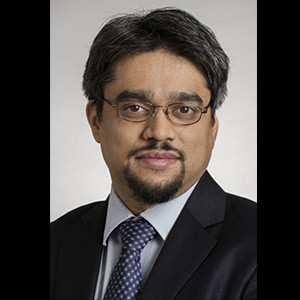
Sachin Jambawalikar is a faculty member in Radiology and Biomedical Engineering and Chief Medical Physicist in Department of Radiology at CUMC/NYP. He holds a BEng in biomedical engineering from the University of Mumbai and an MS and Ph.D. in biomedical engineering from Stony Brook University. His background and training have been in MR physics, machine learning and medical image feature analysis. As an image analysis scientist, Jambawalikar is interested in developing noninvasive post processing and image analysis techniques for disease detection, and evaluation of disease therapy outcomes. His long-term research goals are to evaluate the use of multi-parametric MR feature analysis techniques and develop classification and regression machine learning models for disease and outcome prediction.
Image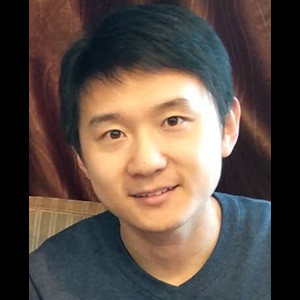
Qi Yan is an assistant professor in the Department of Obstetrics & Gynecology at the Columbia University Irving Medical Center. He holds a BS in biomedical engineering from Beijing Institute of Technology, MS in biomedical engineering and an MS and Ph.D. in biostatistics from the University of Alabama at Birmingham. His research interests lie broadly in statistical genetics and bioinformatics. In particular, he is focused on the application of cutting-edge technologies (e.g., sequencing technology) for analysis of high-throughput genetic and genomic data, and development of statistical and computational methods.
Project 2: Causal Data Science: Towards an Accelerated Process of Cancer Translational Research
-
Abstract
The broad field of cancer research focuses on understanding the mechanisms underlying the different types of cancer with the goal of improving diagnosis, better predicting the effect of new treatments, and finding new targets for cancer therapies. The field of causal inference focuses on developing algorithms and tools to allow data scientists to infer cause and effect relations from a combination of heterogeneous datasets and partial understanding of a complex system. Despite all the progress achieved so far, these fields evolved independently, with virtually no interaction between them. In this project, we will explore the opportunity to combine causal inference methods to solve problems in cancer research. Specifically, we will investigate the problem of extrapolating findings across different conditions and species in cancer research. On the biological side, Dr. Rustgi investigates how to design model systems to get insights about specific types of cancer and then extrapolate such findings to human settings. On the causal side, Dr. Bareinboim investigates mathematical and computational machinery to understand the conditions under which extrapolation of empirical findings across settings can be made while preserving the validity of such claims. Those are two highly synergistic activities that will help us realize the goal of accelerating translational cancer research in a principled and systematic way. In this project, we will combine the expertise of Dr. Rustgi's lab on developing model systems for gastrointestinal cancer research with the expertise of Dr. Bareinboim's lab on Causal Artificial Intelligence to develop a general framework for accelerating translational cancer research. Specifically, based on the computational modern language of causation, we will formally encode substantive knowledge on factors involved in specific gastrointestinal cancers, and we will use causal inference techniques to study whether (and how) experimental findings can be extrapolated from experimental organism to humans.
-
Principal Investigators
Image
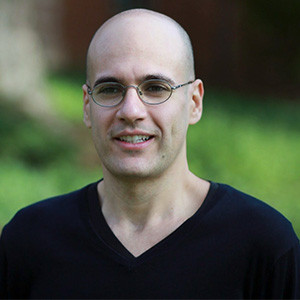
Elias Bareinboim is an associate professor in the Department of Computer Science and the director of the Causal Artificial Intelligence (CausalAI) Laboratory at Columbia University. His research focuses on causal and counterfactual inference and their applications to data-driven fields in the health and social sciences as well as artificial intelligence and machine learning. His work was the first to propose a general solution to the problem of “data-fusion,” providing practical methods for combining datasets generated under different experimental conditions and plagued with various biases. More recently, Bareinboim has been exploring the intersection of causal inference with decision-making (including reinforcement learning) and explainability (including fairness analysis). Before joining Columbia, he was an assistant professor at Purdue University and received his Ph.D. in Computer Science from the University of California, Los Angeles. Bareinboim was named one of “AI’s 10 to Watch” by IEEE, and is a recipient of an NSF CAREER Award, the Dan David Prize Scholarship, the 2014 AAAI Outstanding Paper Award, and the 2019 UAI Best Paper Award.
Image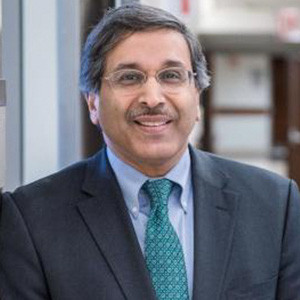
Anil K. Rustgi is the Director of the Herbert Irving Comprehensive Cancer Center at NewYork-Presbyterian/Columbia University Irving Medical Center. Dr. Rustgi is a world-renowned leader in the field of gastrointestinal oncology. His interdisciplinary research focuses on tumor initiation, the tumor microenvironment and tumor metastasis in the context of gastrointestinal cancers, including cancer of the esophagus, pancreas, and colon. Dr. Rustgi's lab works to translate their discoveries into improving molecular diagnostics and finding new experimental therapeutics for patients, and is funded through several grants including an NCI P01 (program project on esophageal cancer), an NCI U54 on Barrett's esophagus, two NIH R01 grants (for pancreatic cancer and colon cancer) and an American Cancer Society Research Professorship. He has more than 300 publications and his work has appeared in high-impact journals such as Nature, Nature Genetics, Nature Medicine, Cancer Cell, Genes and Development, Gastroenterology, Journal of Clinical Investigation, PNAS and New England Journal of Medicine. He has been elected to the American Society of Clinical Investigation and the Association of American Physicians and is a Fellow of the American Association for the Advancement of Science. Previously, he was president of the American Gastroenterological Association (17,000 members), editor-in-chief of Gastroenterology, and president of the International Society of Gastroenterological Carcinogenesis. Dr. Rustgi will serve as president of the American Pancreatic Association. He has been recognized for his contributions with numerous awards, including the AGA Julius Friedenwald Lifetime Achievement in Gastroenterology Medal (2017), AGA Distinguished Mentor Award (2016), the Ruth C. Brufsky Award for Excellence in Research in Pancreatic Cancer (2013), the Distinguished Achievement Award from the South Asian American Society for Cancer Research (2012), and an American Cancer Society Research Professorship. In addition he received the top mentorship awards (Arthur Asbury for faculty) from his tenure at the University of Pennsylvania. Dr. Rustgi graduated summa cum laude from Yale College with a bachelor's degree in molecular biophysics and biochemistry (departmental honors) and earned his medical degree at Duke University School of Medicine, where he was elected to Alpha Omega Alpha, the national medical honorary society. He completed an internal medicine residency at Beth Israel Hospital and a GI fellowship at Massachusetts General Hospital (MGH), both of which are affiliates of Harvard Medical School. He also rose to associate professor of medicine at MGH before joining the University of Pennsylvania in 1998, where he served as Chief of Gastroenterology and directed two Centers and NIH T32 training grants until 2018.
Project 3: Near infrared spectroscopy ventricular substrate mapping catheter
-
Abstract
Direct measurement of tissue characteristics affords the possibility to both find abnormal tissue and to determine how well it has been treated. We aim to use near infrared spectroscopy to optically characterize areas of the heart, to guide ablation therapy, and to improve the success rate and efficiency of treating ventricular tachycardia (VT). Dr. Hendon has expertise in biomedical optics, near infrared spectroscopy (NIRS), and image processing. Dr. Saluja is a board-certified cardiac electrophysiologist with expertise in complex ablation procedures such as the ablation of ventricular tachycardia. NIRS is an optical sensing technique influenced by intrinsic signatures of tissue ultrastructure and molecular absorbers. We have demonstrated ex vivo that mapping can be carried out with our prototype single detector NIRS catheter. Together, we aim to develop a multi-detector NIRS mapping catheter to identify critical substrates within the heart that could maintain and support abnormal rhythms and critical structures to avoid. Within this proposal, we will focus on identifying optical NIRS signatures for fibrosis to target for ablation and coronary arteries to avoid during ablation. With the goal of translating NIRS for the guidance of VT ablation, we aim to: Aim 1 - Develop a multi-detector linear NIRS mapping catheter; Aim 2 - Demonstrate ex vivo NIRS mapping of substrates to target for ablation; and Aim 3 - Demonstrate NIRS mapping of normal areas to avoid during ablation.
-
Principal Investigators
Image
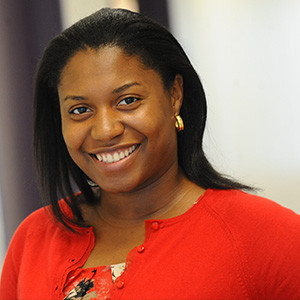
Christine P. Hendon is an Associate Professor of Electrical Engineering and develops biomedical optics technologies for biomedicine to guide interventional procedures and to provide insights into the structure-function relationship of biological normal, diseased, and treated tissues. She has worked on developing next-generation optical coherence tomography systems and integrated therapeutic catheters with near infrared spectroscopy, along with real-time processing algorithms to extract physiological information. Hendon collaborates extensively with investigators from Columbia University School of Engineering and Applied Science and the Medical Center. Her group has developed integrative optics and therapeutic probes for improving the treatment of cardiac arrhythmias. Of particular interest to Hendon is the use of optical imaging modalities for improving therapeutic procedures. The research goals of the Structure-Function Imaging Laboratory are to develop platform optical imaging systems to enable structure-function analysis of biological organ systems. Towards this goal, the Lab develops optical coherence tomography (OCT) and near infrared spectroscopy (NIRS) systems and automated processing tools to correlate tissue microstructure to electrical conduction and mechanical contraction. The main clinical driver within this work is addressing unmet needs in cardiac electrophysiology. Hendon works closely with cardiac electrophysiologist, pathologist, and other engineers as they strive to develop catheters and algorithms that will enable improved guidance and monitoring of arrhythmia therapy. Hendon received a BS in electrical engineering and computer science from the Massachusetts Institute of Technology in 2004 and a Ph.D. in biomedical engineering from Case Western Reserve University, in 2010. She was awarded the Presidential Early Career Award for Scientists and Engineers (PECASE) in 2017 and a 2021 Fellow for SPIE–International Society for Optics and Photonics. She is also a Fellow at the American Institute for Medical and Biological Engineering (AIMBE).
Image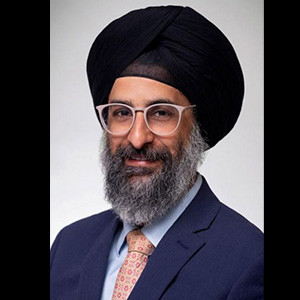
Amardeep Saluja is an Associate Professor of Medicine at the Columbia University Medical Center and is affiliated with New York-Presbyterian / Columbia University Irving Medical Center. He received his M.D. with honors from Columbia University College of Physicians & Surgeons in 2001. Dr. Saluja has expertise in Arrhythmia, Atrial Fibrillation, Cardiac Arrhythmia, Diagnostic Electrophysiology Study, Electrophysiology, and Electrophysiology-Arrhythmias.
The Blavatnik Fund for Engineering Innovations in Health
The Blavatnik Acceleration Funds are one part of the Blavatnik Fund for Engineering Innovations in Health, which plays a key role in supporting Columbia Engineering’s mission to build a healthier world by providing resources that accelerate discovery and translate transformational ideas into tangible impact.
Around the Globe
-
Roadshows
The Roadshow Information Sessions are offered in partnership with select institutions to help you prepare to complete and submit your application to a graduate degree program at Columbia Engineering.
-
Conferences & Events
Members of our admissions team travel throughout the world each year to meet prospective students at conferences and events held by organizations worldwide. We host presentations and events where you’ll have the chance to learn more about the admissions process, talk with us, and get your questions answered.
-
Other Events
Some events we attend yearly:
GEM Conference
A prestigious forum for stimulating debate on bold solutions to advance graduate education, the Annual Board Meeting & Conference creates a platform to raise nationwide awareness of its mission, partners, and Fellows.
Big 10+ Graduate School Exposition
This event is specifically designed for those interested in graduate study in the fields of Engineering, Mathematics, Science, Technology, Pharmaceutical Sciences and related disciplines.
QS World Graduate School Fair
QS World Grad School Fairs are held worldwide to help you explore grad school options, learn about studying abroad, or find a specialized master’s or PhD program that best fits your academic and professional goals.
SHPE Annual Convention
The annual SHPE National Convention is the largest technical and career conference for Hispanics in STEM in the country, attracting over 7,000 STEM students, professionals and corporate representatives each year.
Society of Women Engineers Annual Conference
The world's largest conference and career fair for women in engineering and technology. Come connect with thousands who share your engineering outlook.
oSTEM Conference
Out in Science, Technology, Engineering, and Mathematics (oSTEM), Inc. is a 501(c)(3) non-profit professional association for LGBTQ individuals in the STEM community.
Would you like Columbia Engineering Graduate Admissions to attend your upcoming event? Send an invitation to [email protected].
Related Resources
Additional Resources
Applications for On-Campus Programs
-
On-Campus MS and PhD Programs
To find your program on the application, select the department or institute first, and then the degree.
-
On-Campus Certificate and Professional Degrees
Columbia Engineering offers many certificate and professional programs. This link is for on-campus programs only. For the application to online programs, visit Columbia Video Network.
Applications for Columbia University Students and Alumni
-
MS Express
The MS Express application is a simplified process of applying to Columbia Engineering's Master of Science programs available to currently enrolled seniors at Columbia Engineering, Columbia College, Barnard, General Studies and young alumni (young alumni are students who graduated from Columbia Engineering, Columbia College, Barnard, or General Studies within the last five years). A minimum cumulative 3.30 GPA is required.
Columbia Engineering undergraduates and young alumni may apply to any engineering MS program using the express application. Applicants from Columbia College, Barnard, or General Studies should refer to this chart to determine eligibility.
Application Requirements:
- Official transcripts
- Personal statement
- Resume or CV
- Contact information for three reference providers
- No application fee required
-
Integrated BS/MS Programs
The Integrated BS/MS Program is offered in Biomedical Engineering, Electrical Engineering, and Mechanical Engineering. The program is open only to Columbia University juniors with a cumulative GPA of 3.40. After earning the BS degree, students are able to seamlessly proceed toward earning their MS degree. Merging the BS and MS programs allows Columbia students to earn the MS degree in a very flexible and efficient manner.
Application Requirements:
- Official transcripts
- Personal statement
- Resume or CV
- Contact information for three reference providers
- No application fee required
-
Barnard 4+1 Pathways for Accelerated Graduate Study
The Barnard 4+1 Pathway is offered to current Barnard College juniors with a GPA of 3.5 or higher to apply to Master's programs in Biomedical Engineering, Chemical Engineering, Civil Engineering, Computer Science, Electrical Engineering, Mechanical Engineering, and Industrial Engineering and Operations Research. Students should inquire with Beyond Barnard and plan on attending an introductory information sessions for the unique 4+1 Pathway they may be interested in pursuing. Each introductory session will be led by faculty advisors, who will be available to provide an overview of the program and its requirements, the admission process, and to advise students. Deadline: February 15th of Junior year.
Application Requirements:
- Official transcripts
- Personal statement
- Resume or CV
- Contact information for three reference providers
- No application fee required
-
MD/MS in Biomedical Engineering
The Doctor of Medicine/Master of Science in Biomedical Engineering (MD/MS) dual degree program is an integrated program offered between the Fu Foundation School of Engineering and Applied Sciences and the Vagelos College of Physicians and Surgeons at Columbia University. The purpose of this program is to supplement the current training of medical students with world-class training in biomedical engineering at the graduate-level. This interdisciplinary educational experience will prepare students to become innovative leaders in science, engineering, and medicine. The program is open to a select group of Columbia medical students and makes possible the earning of both the MD and MS degree in 5 years (4 years for the MD program, 1 year for the MS program). The program allows for 6 pts from the MD degree, through completion of anatomy coursework, counted toward the Master of Science degree requirements.
Application Requirements:
- Current status of third year MD student at the Vagelos College of Physicians and Surgeons at Columbia University
- Official transcripts
- Personal statement
- Resume or CV
- Contact information for three reference providers
- No application fee required
Applications for Online Programs
Since its inception in 1986, Columbia Video Network (CVN) has been leading the field of online learning, enabling thousands of working professionals and remotely-located students to benefit from our part-time, online graduate engineering degree and certificate programs without having to come on campus.
CVN offers online master's, doctorate (DES), certificate, and non-degree programs. Note, students may not submit applications to both on-campus and online programs.
Application for Dual MBA/Executive MS: Engineering & Applied Science (MBAXMS)
This new dual degree program, focused on the creative application of technology, is ideal for entrepreneurs, engineers, or product managers looking to move their organizations forward by leveraging new technologies or designing and implementing innovative products and solutions.
Students receive an MBA from Columbia Business School (CBS) and an Executive MS in Engineering and Applied Science from Columbia's University's Fu Foundation School of Engineering and Applied Science (SEAS).
Application for Non-Degree Programs
Individuals interested in enrolling in graduate coursework at Columbia Engineering as non-degree students should consider our One-Term Non-Degree program.
Enrollment for the One-Term Non-Degree program will take place during the first week of the semester. Students must submit the Non-Degree Application and select the One-Term Non-Degree option. For submission, course instructors' approval is required and space is not guaranteed. One-Term Non-Degree students will be permitted to take a maximum of two graduate engineering courses in any one term or within the period of one academic year. For more information, please get in touch with us at [email protected].
Students interested in applying to the Visiting Graduate Non-Degree program should apply via the Non-Degree Application and select the Visiting Graduate Non-Degree option.
Questions About the Application Process?
See our Frequently Asked Questions (FAQ) page for a comprehensive list of questions and answers covering every aspect of application and admission to Columbia Engineering.
Related Resources
Project 1: Hemodynamic Predictors of Aortic Root Aneurysm Progression Using Computational Modeling
-
Abstract
Global rates of preterm birth (PTB) remain astonishingly high, accounting for the majority of infant deaths. Our multidisciplinary team seeks to understand which physiological factors support a healthy pregnancy by leveraging machine learning to test hypotheses about the mechanical environment of pregnancy. Currently, risk assessment and management of spontaneous PTB rely heavily on sonographer assessment of cervical length (CL), an incomplete measure of cervical structural health. Although routine CL screening has identified some high-risk patients, it is not universally adopted because predictions remain unreliable. It is known that age, race, and surgical history are also associated with spontaneous PTB. Our past computational biomechanical models show the cervical function depends on its volume and shape more than cervical length alone. Based on this premise, our team of engineers, radiologists, biostatisticians, and clinicians propose to collect electronic medical record (EMR) data and clinical cervical ultrasound (US) images using an IRB-approved protocol and to use machine learning to develop and optimize PTB prediction models. Using the US images, we will train a novel deep-learning algorithm to extract cervical size and shape automatically (Aim 1). Then we will combine these raw images and cervical structural features with EMR data to build a high-dimensional, patient-specific PTB prediction model (Aim 2). In future work, these data will be leveraged in biomechanical simulations to gain a mechanistic understanding of a healthy, term delivery.
-
Principal Investigators
Image
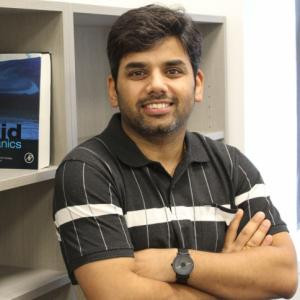
Vijay Vedula is an assistant professor of mechanical engineering at Columbia University. He received his Bachelor’s and Master’s degrees from India, a PhD from Johns Hopkins University, and did his postdoctoral work at Stanford University through a fellowship from the Child Health Research Institute (CHRI) at Stanford. His expertise is in computational modeling of cardiovascular biomechanics in disease and development. Dr. Vedula’s research group focuses on developing novel computational methods for personalized modeling of cardiac biomechanics including blood flow, tissue response, and valvular interactions. These tools are then applied to both congenital and adult cardiac disease, with emphasis on understanding disease progression and surgical planning.
Image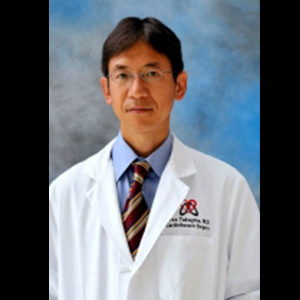
Dr. Hiroo Takayama is Chief of Adult Cardiac Surgery at NewYork-Presbyterian/Columbia University Irving Medical Center. Dr. Takayama attended University of Tokyo for Medical School, did his internship at University of Tokyo, general surgery residency in University of Washington Medical Center, and cardio-thoracic surgery fellowship in New-York Presbyterian/Columbia University Medical Center. He has more than 20 years of experience in treating patients with heart and vascular problems. As the Director of the Aortic Surgery Program and co-Director of the Aortic Center, the Hypertrophic Cardiomyopathy Center, and the Marfan Clinic at NYP/Columbia, Dr. Takayama has contributed to the care of over 4,000 patients by performing a variety of aortic and cardiac surgical procedures, approximately 300-350 operations every year. Dr. Takayama is internationally recognized for his work on complex aortic surgery (minimally invasive aortic surgery, valve-sparing aortic root replacement, aortic valve repair, aortic arch and thoracoabdominal aneurysm repair), hybrid aortic surgery (thoracic endovascular aneurysm repair), myectomy for obstructive hypertrophic cardiomyopathy, and heart failure surgery. He was named one of New York Magazine’s Top Doctors in 2016 and won the 2012 Thoracic Surgery Residents Association Dwight C. McGoon Award.
Project 2: Stem cell model of embryo implantation and placenta development: discovering molecular mechanisms and advancing early pregnancy outcomes.
-
Abstract
The correct placenta development during embryo implantation into the uterus is critical to establishing a successful pregnancy. Disruptions in this process are the leading cause of recurrent implantation failure, miscarriages, and a host of other obstetric disorders. Pregnancy-related maternal death has more than doubled since 1987 and populations that have been historically oppressed—Black and Indigenous women—are disproportionately affected. Despite these devastating outcomes, we know very little about how the early human placenta develops, leaving treatment options for pregnancy disorders very limited. We owe this knowledge gap to the very nature of mammalian embryogenesis: once the embryo implants into the uterus, it becomes obscured from view making it challenging to glean mechanistic knowledge about this process. We propose to combine stem cell and patient-derived organoids, mechanically tunable biomaterials, and CRISPR gene editing, to create the first organoid platform that models nascent placenta development in contact with uterine tissues. Unlike any available experimental system, our platform will promote a much more realistic implantation microenvironment. It will enable the correct placenta-uterine signaling feedback critical for the discovery of underlying molecular mechanisms. Paired with single cell RNA sequencing, we will generate the first comprehensive atlas of implantation and elucidate the hierarchy of cell fate decisions in the making of the early placenta. Given the high-risk high-reward nature of our proposal, we apply for SIRS Fund for Engineering Innovations in Health to first develop and fully characterize our experimental platform. In the long run, our interdisciplinary approach will enable predictive insights that can be used to develop clinical screening methods to advance pregnancy health.
-
Principal Investigators
Image
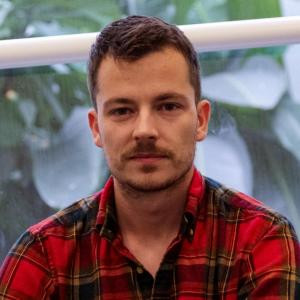
Mijo Simunovic is an assistant professor of chemical engineering at Columbia University. Simunovic received their BS and MS in chemistry from the University of Zagreb. They received their first PhD in theoretical chemistry from the University of Chicago and their second PhD in condensed matter physics from the Curie Institute and the University of Paris VII. They conducted their postdoctoral research in stem cell and developmental biology at the Rockefeller University as a Junior Fellow of the Simons Society of Fellows. Their research focuses on the creation of quantitative models of embryogenesis using human pluripotent stem cells, to study the molecular mechanisms and the biomechanics of embryo implantation, gastrulation, and organ formation. Throughout their career, Simunovic has been recognized with numerous research and teaching awards, including the 2017 AAAS/Science and SciLifeLab Prize for Young Scientists in Cell and Molecular Biology and the 2021 NIH Director's New Innovator Award.
Image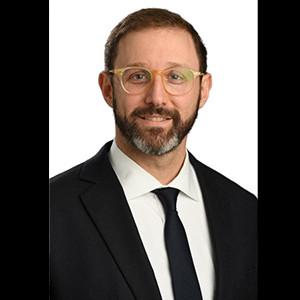
Zev Williams, MD, PhD is the Wendy D. Havens Associate Professor of Women's Health and the Chief of the Division of Reproductive Endocrinology and Infertility at Columbia University Irving Medical Center. He completed his MD and PhD training in Molecular Biology and Biochemistry at the Mount Sinai School of Medicine before continuing to the Brigham and Women’s Hospital/Massachusetts General Hospital for his residency in Obstetrics and Gynecology. After completing his fellowship in Reproductive Endocrinology and Infertility at Weill-Cornell, Dr. Williams then did a post-doctoral fellowship on RNA biology in the laboratory of Dr. Thomas Tuschl at Rockefeller University. As a physician scientist, Dr. Williams' focus has been on helping those suffering from recurrent pregnancy loss and infertility and developing novel technologies and treatments to improve patient success.
Project 3: Measuring ferroptosis in vivo using magnetic resonance spectroscopy
-
Abstract
Ferroptosis is a non-apoptotic form of cell death that results from the failure to detoxify lipid reactive oxygen species (ROS). Lipid radicals can react with other lipids in a self-propagating reaction within lipid membranes leading to a cascade of lipid peroxidation and membrane rupture. To date, this process has been almost entirely characterized in vitro, where ferroptosis is defined as an oxidative, iron dependent form of non-apoptotic cell death. The Olive lab previously demonstrated that tumor-selective ferroptosis can be induced in genetically engineered models of pancreatic ductal adenocarcinoma (PDAC) through the depletion of cysteine, the primary cellular source of thiol species. A major ongoing challenge to the field of ferroptosis research is the lack of a proven biomarker for ferroptosis in vivo. We propose to use magnetic resonance spectroscopy (MRS) to measure two metabolic consequences of ferroptosis initiation: lowered levels of the cysteine-derivative antioxidant glutathione (GSH) and increased lipid droplet formation. Cysteine depletion rapidly leads to loss of its labile derivative GSH. Lipid droplets form as an indirect consequence of lipid oxidative stress. We will develop a sensitive and robust MRS detection method for GSH using Semi-LASER, an analysis technique pioneered by Dr. Juchem. We will then compare the performance of this approach to an established method for detecting choline species in PDAC-bearing mice undergoing cysteine depletion. The success of this proposal will provide a critical new capability for the entire ferroptosis field that will be deployed in the Oncology Precision Therapeutics and Imaging Core (OPTIC) for Columbia users and that is readily translated to a clinical setting.
-
Principal Investigators
Image
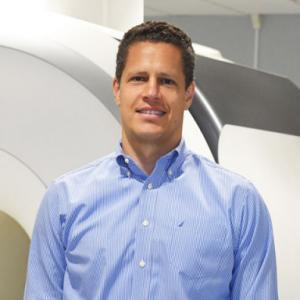
Christoph Juchem is an associate professor in the Departments of Biomedical Engineering and Radiology at Columbia University. He holds a PhD from the University of Bonn, Germany and did doctoral studies at the Max-Planck Institute for Biological Cybernetics. In his research, he develops novel magnetic resonance methods and technology to establish optimized tools for neuroscientific and clinical applications. His long-term goal as a physicist is to realize the full potential of magnetic resonance spectroscopy (MRS) as a diagnostic tool. His clinical long-term goal is to understand the role that neurochemicals play in the protection of the human central nervous system (CNS) or, alternatively, how dysfunction promotes vulnerability towards neurodegenerative and neuro-immunological diseases. He served as Co-Director of Yale’s 7T Brain MR Spectroscopy Core, Chair of the ISMRM Engineering Study group and member of the editorial board of NMR in Biomedicine. He is Vice-Chair of the ISMRM MR Spectroscopy Study Group, to be Chair in 2023.
Image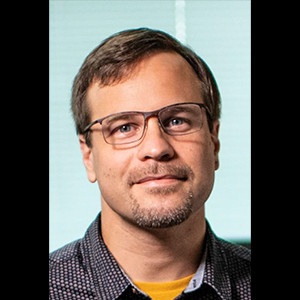
Kenneth P. Olive is an associate professor in the department of medicine and director of the Oncology Precision Therapeutics and Imaging Core (OPTIC) Shared Resource. He holds a BS in biology from Bucknell University and a PhD in biology from M.I.T. Dr. Olive's research is dedicated to finding a cure for pancreatic cancer. The Olive laboratory performs preclinical therapeutics trials using advanced genetically engineered mouse models of pancreatic cancer. Ultimately, successful therapies will be translated into the clinical setting through our collaborations with the Pancreas Center of Columbia University. Complementing his laboratory research, Olive has also built a large-scale translational core facility called the Oncology Precision Therapeutics and Imaging Core (OPTIC). He won the Lustgarten Foundation Translational Innovator Award in 2011.
The Blavatnik Fund for Engineering Innovations in Health
The Blavatnik Acceleration Funds are one part of the Blavatnik Fund for Engineering Innovations in Health, which plays a key role in supporting Columbia Engineering’s mission to build a healthier world by providing resources that accelerate discovery and translate transformational ideas into tangible impact.
Project 1: The neural basis of naturalistic memory
-
Abstract
We propose a new collaboration between the labs of PI Joshua Jacobs (Biomedical Engineering) and PI Christopher Baldassano (Psychology) to study the neural mechanisms underlying naturalistic memory. Neuroscientists that use conventional lab-based experiments have struggled to understand why and how everyday memory can succeed or fail, largely due to the coarse traditional tools used to measure brain activity and memory performance. Traditional memory paradigms that use lists of random words or pictures fail to capture a central component of real experiences: that our sensory input flows in a continuous way, and we naturally make choices about segmenting this experience into individual events that can be understood and remembered as units. Combining our two groups’ complementary expertises in intracranial neural recording and time-resolved analyses of multivariate electrophysiological data (Jacobs) and in naturalistic experiments using movies with meaningful event boundaries (Baldassano), we propose a unique set of studies to uncover how streams of sensory experiences are segmented and stored by the brain as discrete memories. This project provides the basis for a long-term collaboration to elucidate the detailed human neural mechanisms related to memory impairment in real-world settings.
-
Principal Investigators
Image
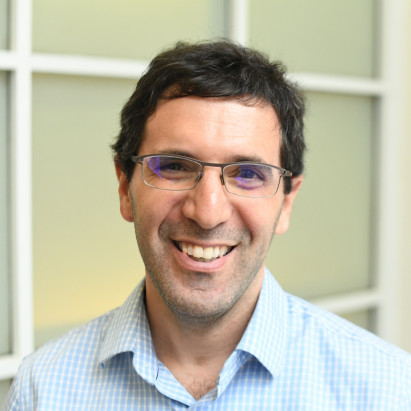
Joshua Jacobs is an Associate Professor of Biomedical Engineering, whose research interests include human memory, direct brain recordings, stimulation, electrophysiology, and neuronal oscillations. Professor Jacobs and his laboratory examine the neural basis of human spatial navigation and spatial memory. This work is performed by conducting direct brain recordings from epilepsy patients that have electrodes implanted surgically in deep brain structures. Via these recordings, he and his team identify neural patterns that reveal how the brain represents memory for spatial locations and maps. Understanding this system is important not only for explaining how humans navigate, but also because it will elucidate how the brain supports various types of memory processes and suggest treatments for disorders such as Alzheimer’s Disease. The lab performs this work in close collaboration with neurosurgeons and neurologists at several hospitals, including Columbia University Medical Center, University of Pennsylvania, Thomas Jefferson University, Emory University, and University of Texas. There are several broader goals of this work. First, the team is interested in comparing the neural representation of space between humans and animals to identify common and distinctive aspects of spatial coding between species. Second, they test whether the neural coding of location during movement is similar to the brain patterns used to encode memories. Third, they engage in translational research to develop brain stimulation protocols for enhancing spatial memory to help people who experience cognitive impairment due to aging or disease. Professor Jacobs received Bachelor’s and Master’s degrees from the Massachusetts Institute of Technology in computer science in 2001 and 2002. In 2008, he received his PhD in neuroscience from the University of Pennsylvania.
Image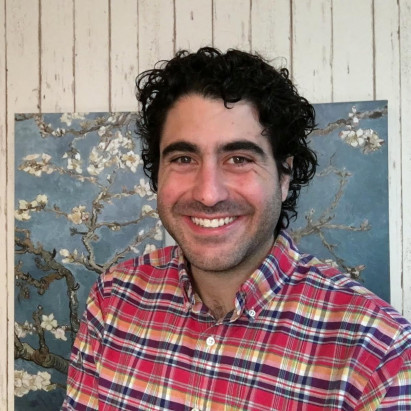
Christopher Baldassano is an Assistant Professor of Psychology at Columbia University Medical Center. His research interests include perception, memory, cognitive neuroscience, and event cognition. Professor Baldassano earned his PhD from Stanford University in 2015 using machine learning methods to study the human visual system. He did his postdoc at the Princeton Neuroscience Institute before joining the Columbia Psychology faculty. As soon as he came to Columbia, Professor Baldassano formed the Dynamic Perception and Memory Lab, which studies how people can understand and remember the complex world of our everyday lives. Through experiments using narratives, movies, and virtual reality, his team investigates how experiences are divided into events, summarized, associated, and recalled. Professor Baldassano’s current projects are specifically focused on how prior knowledge about the temporal and spatial structure of the world influences human’s construction of mental representations. Using neuroimaging tools (primarily functional MRI), they can build models of how neural representations vary across stimuli and across people. His team employs both hypothesis-driven and data-driven approaches based on approaches from modern machine learning, which allow them to ask new kinds of questions about how brain regions respond to the world and interact with each other.
Project 2: Cellular replacement therapy for alveolar type 2 cell disease of the lung
-
Abstract
Pulmonary surfactant is a mixture of lipids and proteins that coats the alveoli and keeps them open, thus reducing the work of breathing and avoiding lung collapse. Surfactant is produced by alveolar epithelial type 2 (AT2) cells. Defects in the genes encoding the surfactant proteins can result in insufficient surfactant production and can cause severe respiratory distress in full-term infants, or childhood interstitial lung disease (chILD) in older children accompanied by respiratory failure and fibrosis. ChILD affects up to 16.2 patients per 100,000 people and has a mortality as high as 35%. There is no specific treatment, except for lung transplantation, which is hampered by a severe shortage of donor organs, especially for children. There is an urgent need for early treatment of chILD before end-stage lung disease sets in and affects those children for the rest of their lives. One alternative approach may be cellular replacement therapy: replace dysfunctional AT2 cells with healthy AT2 cells. To partially remove dysfunctional AT2 cells, we have engineered a recombinant protein in which a protein normally recognized and internalized by AT2 cells, surfactant protein A (SPA), is bound to a fragment of diphtheria toxin (DT388), DT388-SPA, which induces apoptosis once inside the cell. Once dysfunctional AT2 cells are cleared out by DT388-SPA, we will introduce new healthy AT2 cells. We hypothesize that those healthy AT2 cells will engraft in the treated areas of the lung and promote lung repair and functionality. We will test our hypothesis in two aims. In Aim 1, we will characterize the effect of AT2 cell engraftment after treatment with DT388-SPA in slowing or reversing lung disease in a mouse model of chILD, the Sftpc-/- mouse, that lacks surfactant protein C. In Aim 2, we will explore the translational potential of DT388-SPA to humans, directly testing its effect on human AT2 cells from lung specimens ex vivo. This proposal relies on three major innovative components: 1) a therapeutic recombinant protein, DT388-SPA, that targets AT2 cells, 2) a mouse model of chiLD to test cellular replacement therapy 3) human lung specimens to directly test DT388-SPA on human AT2 cells. The proposed strategy has the potential to significantly improve the prognosis of chILD and allow those children to live their lives to their fullest.
-
Principal Investigators
Image
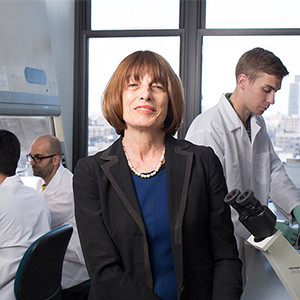
Gordana Vunjak-Novakovic is the University Professor and Mikati Foundation Professor of Biomedical Engineering. Her diverse team of engineers, clinicians, and scientists are developing innovative tissue engineering technologies for improving human health. Our Laboratory for Stem Cells and Tissue Engineering is interested in whole organ engineering for regenerative medicine, tissue models for biological research, and “organs-on-a-chip” platforms for disease modeling and drug development. To this end, her team directs the human cell differentiation and assembly into functional tissues using a “cell-instructive” approach based on tissue-specific scaffolds (providing templates for tissue formation) and advanced bioreactors (providing environmental control, molecular and physical signaling). Her work has been published in Nature, Cell, Nature Biotechnology, Nature Medicine, Nature Biomedical Engineering, Nature Communications, Nature Protocols, PNAS, Cell Stem Cell, Science Advances, and Science Translational Medicine, and is highly cited (h=126).
Professor Vunjak-Novakovic’s laboratory is a home to the national Tissue Engineering Resource Center funded by NIH to foster tissue engineering for medical impact, and are actively collaborating with colleagues at both campuses of Columbia University, nationwide, and around the world. Dr Vunjak-Novakovic is also part of CELL-MET, a multi-institutional National Science Foundation Engineering Research Center in Cellular Metamaterials (EEC-1647837). CELL-MET aims to grow functional and clinically significant heart tissue while simultaneously developing a talented and diverse workforce to tackle future challenges in synthetic tissues engineering. To translate their science into new therapeutic modalities, their lab has launched four biotech companies: epiBone (epibone.com), Tara(tarabiosystems.com), Xylyx Biosolutions (xylyxbio.com) and Immplacate (immplacatehealth.com) that are all based in New York City. Over the last 30 years, Vunjak-Novakovic has mentored over 150 trainees (postdocs, clinical fellows, MD/PhD and PhD students, junior faculty). She has a BS, MS, and PhD in chemical engineering from the University of Belgrade and specialized in biomedical engineering as a Fulbright Fellow at MIT. Professor Vunjak-Novakovic’s is a member of the Academia Europaea, Serbian Academy of Arts and Sciences, the National Academy of Engineering, the National Academy of Medicine, the National Academy of Inventors, and the American Academy of Arts and Sciences.
Image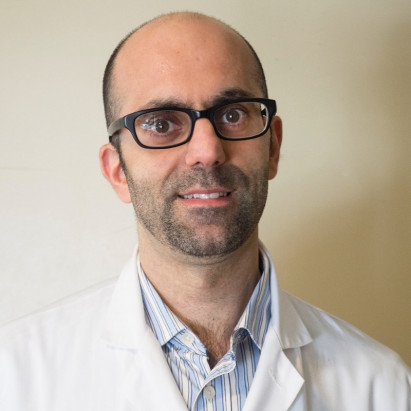
Nicolino Dorrello is an Assistant Professor of Psychology at Columbia University Medical Center. His research interests include perception, memory, cognitive neuroscience, and event cognition. Professor Baldassano earned his PhD from Stanford University in 2015 using machine learning methods to study the human visual system. He did his postdoc at the Princeton Neuroscience Institute before joining the Columbia Psychology faculty. As soon as he came to Columbia, Professor Baldassano formed the Dynamic Perception and Memory Lab, which studies how people can understand and remember the complex world of our everyday lives. Through experiments using narratives, movies, and virtual reality, his team investigates how experiences are divided into events, summarized, associated, and recalled. Professor Baldassano’s current projects are specifically focused on how prior knowledge about the temporal and spatial structure of the world influences human’s construction of mental representations. Using neuroimaging tools (primarily functional MRI), they can build models of how neural representations vary across stimuli and across people. His team employs both hypothesis-driven and data-driven approaches based on approaches from modern machine learning, which allow them to ask new kinds of questions about how brain regions respond to the world and interact with each other.
Project 3: On Predicting and Understanding Proximal Junctional Kyphosis
-
Abstract
Patients suffering from symptomatic spinal deformity have a significantly reduced quality of life, and are unable to perform daily routine activities. Various surgical options exist to optimize functional outcomes while limiting morbidity; Proximal Junctional Kyphosis (PJK) is one of these complications following spinal deformity surgery that may require re-operation and have a serious impact on a patient’s postoperative course. Our data features fall into several categories - demographics, surgical variables, pre-operative variables (pre-op), immediate post-operative variables, follow-up postoperative variables, and descriptive variables regarding final classification (1 or 0). However, during inference time, we only have access to demographics, surgical, pre-op, and immediate post-op variables. Hence, we are not able to use 33% of the features we have available in a conventional machine learning paradigm. When it comes to high-risk tasks - such as patient care - it is imperative to maximize the number of features we have available, regardless of the number of features left after pre-processing. The goal of our project is to build machine learning models for prediction and counterfactual explanations that can inform clinical decision making for future patients. To address this issue, we incorporate privileged data into XGBoost. Through the LUPI paradigm, we are able to incorporate the missing 33% of features. Through our case study, we demonstrate the usefulness of the LUPI paradigm in machine learning for healthcare applications. This pilot study will set the stage for translational steps to bring our models into clinical use with the potential to transform outcomes for patients suffering from debilitating spinal deformity who undergo surgery.
-
Principal Investigators
Image
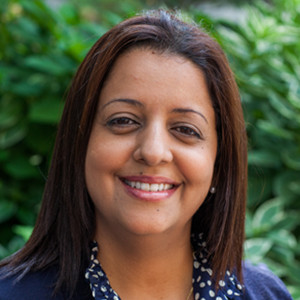
Ansaf Salleb-Aouissi is a Senior Lecturer in the Discipline of Computer Science in the Department of Computer Science. Dr. Salleb-Aouissi’s specific and recent research interest is interdisciplinary and consists in leveraging advanced machine learning methods and large amounts of data to study medical problems, such as premature birth and infantile colic. Salleb-Aouissi cares about education and works toward advancing research on online self-learning and building advanced tools for auto-grading, self-testing, and providing support to students in computer science and mathematics. She has published several peer-reviewed papers in top-quality venues including JMLR, TPAMI, ECML, PKDD, COLT, IJCAI, ECAI, and AISTAT. Dr. Salleb-Aouissi joined the Department of Computer Science as a lecturer in discipline in July 2015. She received her PhD in computer science from University of Orleans, France in 2003, after which she pursued her training as a postdoctoral fellow at INRIA, Rennes (France). She was appointed as an associate research scientist at the Columbia University’s Center for Computational Learning Systems in 2006 and served as an adjunct professor with the Computer Science Department and the Data Science Institute in 2014 and 2015.
Image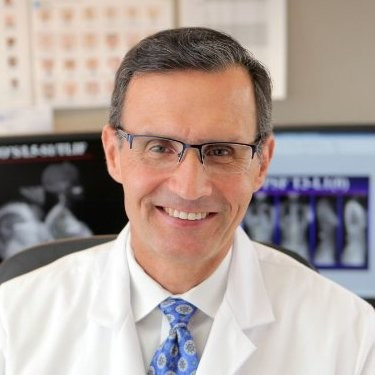
Larry Lenke is the Co-Director of Och Spine, surgeon-in-chief at the Och Spine Hospital, and chief of spinal deformity surgery in the Department of Orthopedic Surgery at NewYork-Presbyterian/Columbia University Irving Medical Center. Dr. Lenke is one of the world's foremost leaders in spinal deformity surgery. His world-renowned practice is devoted exclusively to spinal deformity surgery with an emphasis on complex reconstructive surgery in both children and adults for the treatment of various spinal deformities such as scoliosis, kyphosis, flatback syndrome, and other major spinal imbalances, as well as spondylolisthesis. He is generally regarded as the premier spinal deformity surgeon in the world, having developed the classification system for Adolescent Idiopathic Scoliosis (AIS), to which his name is now attached. After receiving his undergraduate degree from the University of Notre Dame and his MD from Northwestern University Medical School, Dr. Lenke completed his internship and residency training in Orthopaedic Surgery at Barnes-Jewish Hospital/Washington University School of Medicine. While at Washington University, he also completed his fellowship training in pediatric and adult orthopedic spine surgery. Dr. Lenke has been listed in America's Top Doctors for the past 10 years and Best Doctors in America the past 15 years. Dr. Lenke was honored with the North American Spine Society’s 2013 Leon Wiltse Award for excellence in leadership and/or clinical research in spine care. Also in 2013, Dr. Lenke was listed in Orthopedics This Week as one of “The Top 28 Spine Surgeons in North America.” He served as president of the Scoliosis Research Society 2010-2011, the oldest and most prestigious spine society in the world; its single focus is the advancement of care in patients with spinal deformity. As a reflection of his preeminent surgical skills, he has hosted over 700 spinal surgeons from around the globe to observe his surgeries in the past 15 years. Dr. Lenke’s prolific academic career includes writing over 360 published peer-reviewed manuscripts, editing five textbooks on Spinal Surgery, writing more than 125 textbook chapters, chairing over 100 Spinal Surgery meetings and having been an invited Visiting Professor domestically and internationally more than 100 times.
Image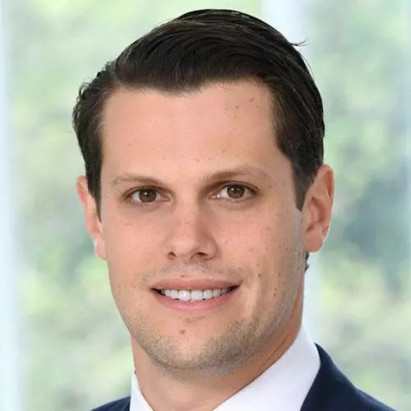
Joseph Lombardi is an orthopedic spine surgeon specializing in the operative management of spinal disorders in adult and adolescent patients. His practice is focused on minimally invasive surgical treatments for both common and complex spinal conditions, including disc herniation, spinal stenosis, spondylolisthesis, and spinal deformity. Dr. Lombardi leverages the latest surgical technology – robotics, guided navigation, and advanced instrumentation – to provide patients with tailored surgical procedures, accelerated recovery times, and superior outcomes. After receiving his undergraduate and medical degrees from The George Washington University in Washington, DC, Dr. Lombardi went on to complete his post-doctoral residency training in orthopedic surgery at Columbia University Irving Medical Center where he served as chief resident. Dr. Lombardi remained at Columbia and the NewYork-Presbyterian Och Spine Hospital for fellowship training in advanced adult and pediatric spine surgery. In addition to his clinical practice, Dr. Lombardi is involved in training future surgeons, and is an active member of the academic orthopedic spine community. His research interests are focused on the application of new technologies to complex spinal conditions with the goal of improving patient outcomes. To date, Dr. Lombardi has published over 15 book chapters, authored over 30 peer-reviewed journal articles, and has received numerous academic awards, including: the Alpha Omega Alpha honors society, Julius S. Neviaser Award in Orthopedic Surgery, Harold M. Dick Award for Excellence in Orthopedic Surgery, and the Alexander Garcia Award for Excellence in Clinical Orthopedic Surgery.
Project 4: Improving Walking in Children with Cerebral Palsy (CP) Using a Robotic Walker mTPAD
-
Abstract
This proposal combines robotics, movement science, and clinical rehabilitation to address a critical societal need to improve walking in children with cerebral palsy. The proposed robotic rehabilitation is designed to make these children more balanced, improve their propulsion and gait speed, reduce their falls risk, and improve their quality of life. This proposal would help to quantify changes in walking characteristics of children with CP when external forces and moments are applied to their pelvis using mTPAD during gait training. The intervention with mTPAD will be performed both in single session and multiple training sessions to provide a proof of concept before multi-center randomized trials can be performed. The central innovation in the design of mTPAD is that it is the first low-cost mobile robotic platform to characterize and retrain walking over ground. mTPAD can apply phase-appropriate controlled forces and moments on the pelvis based on the phase of the gait cycle predicted using artificial intelligence deep learning approaches. The scientific goals of this project are to (i) characterize walking functions of children with CP with specific patterns of external pelvic forces/moments, and (ii) investigate their potential to retrain walking in children with CP over multiple training sessions.
-
Principal Investigators
Image
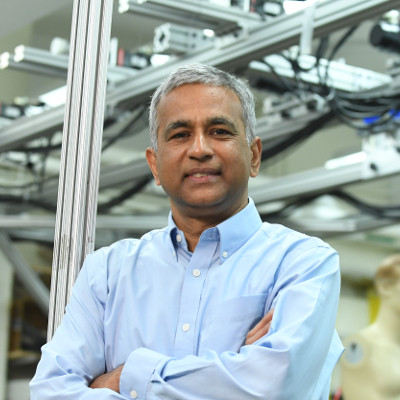
Sunil Agrawal is a Professor of Mechanical Engineering and Professor of Rehabilitation and Regenerative Medicine. Professor Agrawal has developed a highly visible interdisciplinary program in rehabilitation robotics involving faculty from School of Engineering and Applied Sciences and College of Physician and Surgeons at Columbia University. Neural disorders, such as stroke and Parkinson’s disease, limit the ability of humans to walk and perform activities of daily living. Pediatric disorders such as cerebral palsy, spina bifida, and Down’s syndrome delay the development of children and pose many functional limitations. Old age diminishes the sensory and motor systems. Through a range of pilot and clinical studies involving human subjects, Professor Agrawal has showed that novel training robots can help humans to relearn, restore, or improve functional movements. He has active collaborations with faculty in the departments of Neurology, Rehabilitation Medicine, Pediatric Orthopedics, Otolaryngology, Geriatrics, and Psychiatry. A selected list of these ongoing studies are: (i) Perturbation training of the elderly using a Tethered Pelvic Assist Device (TPAD), (ii) Gait training of stroke patients with asymmetric forces, (iii) Balance training of children with cerebral palsy, (iv) Gait characterization of patients with vestibular disorders, (v) Balance Training of Parkinson patients, (vi) Novel neck braces for assistance and training of patients with head drop, (vii) Novel dynamic spine braces for patients with scoliosis. These studies are funded by grants from the National Science Foundation, National Institute of Health, Spinal Cord Injury Research Board, and others. Professor Agrawal received a BS in mechanical engineering from IIT, Kanpur (India) in 1984, a MS degree from Ohio State University in 1986, and a PhD degree in mechanical engineering from Stanford University, California, in 1990. He is a fellow of the American Society of Mechanical Engineers (ASME) and American Institute of Medical and Biological Engineering (AIMBE). He is an author of 450 research articles, 3 books, and 13 patents.
Image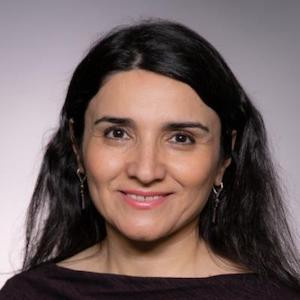
Hana Azizi is an Assistant Professor in Rehabilitation Medicine at Columbia University Irving Medical Center. She graduated from Shiraz University of Medical Sciences and completed her residency in Physical Medicine and Rehabilitation at Montefiore Medical Center. She then pursued a fellowship training in Pediatric Rehabilitation at Rusk Rehabilitation Institute/New York University Langone Health. She works with children and their families using an interdisciplinary approach to address the prevention, diagnosis, treatment, and management of congenital and childhood-onset physical impairments.
Project 5: Fluorescent Imaging in the Deep Brain with Implantable CMOS Optoelectronics
-
Abstract
We will demonstrate a new paradigm for imaging in which implantable optoelectronic imagers record fluorescent signals from neurons in deep volumes of the mouse brain. In the proposed paradigm, the elements of a lensless microscopic functional imaging system, including microscale optical emitters to excite labeled neurons, electro-optical detectors to measure fluorescent signals, metasurfaces to shape the wavefronts of the excitation and fluorescent light, and electronic circuits, will be all fabricated on an ultranarrow shank with a cross-sectional dimension of 60 microns by 90 microns. The implantable imager emits rapid sequences of structured illumination patterns and records the resulting sequences of wavefront-shaped fluorescent emission from soma-labeled neurons. A blind-source-separation algorithm de-mixes and localizes individual fluorescent targets.
-
Principal Investigators
Image
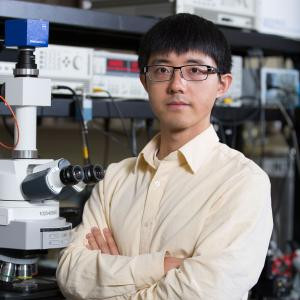
Nanfang Yu is an Associate Professor of Applied Physics and Applied Mathematics. Professor Yu studies the interaction between light and structured active materials at the nanometer scale and builds novel devices including lasers, detectors, and active components for controlling light. He has found that nanostructured materials usually turn out to be superb solutions for the generation, control, and detection of infrared waves with long wavelengths. For example, quantum cascade lasers, the most popular coherent infrared light sources, are made of semiconductor superlattices, which comprise a stack of nanometer-thick semiconductors, the thinnest layer being only a few atoms thick. Professor Yu and his lab work to create a new class of flat optical components, the thicknesses of which are just one-thousandth of a human hair and yet are able to do all the jobs conventional, bulky optical components can do. These flat optical devices are made of a two-dimensional array of nano optical scatters, which can individually and abruptly change the amplitude, phase and/or polarization of the scattered light. Together, the array of scatterers can dynamically mold optical wavefronts into arbitrary shapes with ultra-high speed. To build better infrared detectors and communication systems, Professor Yu probes the clever strategies developed by infrared-sensing organisms over their long evolutionary history. He is conducting interdisciplinary research with biologists and ecologists, exploring ways in which certain insects are able to detect broadband thermal radiation with extremely high sensitivity and spatial accuracy, or detect infrared “fingerprint” emissions from chemicals with high specificity. These studies will have a broad impact on novel heat-sensing devices and chemical detection systems. Professor Yu received a B.S. in Electrical Engineering from Peking University in 2004 and a Ph.D. in Engineering Sciences from School of Engineering and Applied Sciences at Harvard University in 2009. Yu joined Columbia University in 2013 after completing his doctoral and postdoctoral work at Harvard University. At Harvard, Professor Yu worked extensively on plasmonics, metamaterials, and mid-infrared and terahertz semiconductor lasers. He is a contributing member of a number of professional societies including the Optical Society of America, the IEEE Photonics Society, the American Physical Society, and the Materials Research Society.
Image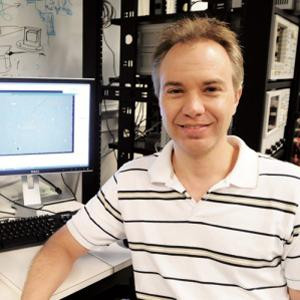
Kenneth Shepard is the Lau Family Professor of Electrical Engineering and Professor of Biomedical Engineering. His research interests include integrated circuits and systems, systems biology and neuroengineering, smart electric energy, and computer engineering and computer systems. Kenneth L. Shepard received the BSE degree from Princeton University, Princeton, NJ, in 1987 and the MS and PhD degrees in electrical engineering from Stanford University, Stanford, CA, in 1988 and 1992, respectively. From 1992 to 1997, he was a Research Staff Member and Manager with the VLSI Design Department, IBM T. J. Watson Research Center, Yorktown Heights, NY, where he was responsible for the design methodology for IBM’s G4 S/390 microprocessors. Since 1997, he has been with Columbia University, New York, where he is now Professor of Electrical Engineering and Biomedical Engineering. He also was Chief Technology Officer of CadMOS Design Technology, San Jose, CA, until its acquisition by Cadence Design Systems in 2001. His current research interests include power electronics, carbon-based devices and circuits, and CMOS bioelectronics. Dr. Shepard was Technical Program Chair and General Chair for the 2002 and 2003 International Conference on Computer Design, respectively. He has served on the Program Committees for IEDM, ISSCC, VLSI Symposium, ICCAD, DAC, ISCAS, ISQED, GLS-VLSI, TAU, and ICCD. He received the Fannie and John Hertz Foundation Doctoral Thesis Prize in 1992, a National Science Foundation CAREER Award in 1998, and the 1999 Distinguished Faculty Teaching Award from the Columbia Engineering School Alumni Association. In 2014, he was named Lau Family Professor of Electrical Engineering. He has been an Associate Editor of IEEE Transactions on Very Large-Scale Integration (VLSI) Systems and is currently an Associate Editor for the IEEE Journal of Solid-State Circuits and IEEE Transactions on Biomedical Circuits and Systems. He is a Fellow of the IEEE.
The Blavatnik Fund for Engineering Innovations in Health
The Blavatnik Acceleration Funds are one part of the Blavatnik Fund for Engineering Innovations in Health, which plays a key role in supporting Columbia Engineering’s mission to build a healthier world by providing resources that accelerate discovery and translate transformational ideas into tangible impact.