Ethan Bendau, Department of Biomedical Engineering
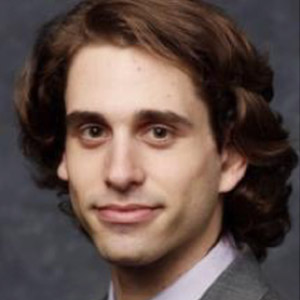
Ethan Bendau recently graduated with a degree in physics from the City College of New York after earning his first bachelor’s degree in French from the University of Oregon. His research is in biomedical optics and he completed an honors thesis titled, "Early Detection of Triple Negative Breast Cancer using Multiphoton Spectroscopy and Raman Spectroscopy." He is a recipient of the City College Fellowship for promising undergraduates who aspire to earn a PhD as well as the Dr. Jerry A. Gelbwachs Award, a full tuition scholarship for physics and engineering students. As president of the CCNY Physics Club, he organizes community outreach events to promote science and leadership among local middle and high school students. Ethan is enrolled in the biomedical engineering doctoral program.
Update from Ethan Bendau on his first year at Columbia Engineering:
“I am exceptionally grateful to the Blavatnik Family Foundation for this fellowship that allows me to pursue novel questions in the highly interdisciplinary field of biomedical engineering. In the first year of my PhD, I entered a new field and was fortunate to benefit from the wealth of extraordinary scientists at Columbia University and in New York City. At the recent Blavatnik Science Symposium, I met with the award winners and finalists, who taught me a great deal about developing a successful career in science and being part of a broader science community. Thanks to the Blavatnik Family Foundation, I enter my second year more motivated than ever to change the world. As part of the Ultrasound Elasticity and Imaging Laboratory of Dr. Elisa Konofagou, I am exploring the novel application of focused ultrasound (FUS) to non-invasively stimulate or suppress neural activity. In my current research, by tracking heart and breathing rate in anesthetized mice, I monitor the changes in autonomic nervous system function that accompany altered states of arousal during ultrasound application to the brain. This knowledge will aid in understanding of how anesthesia affects neural response to FUS stimulation. It also suggests FUS as a promising avenue for exploring and ameliorating disorders of consciousness such as persistent vegetative state and coma. Next, we will incorporate into this research the techniques of functional ultrasound imaging being developed in our lab. This will allow us to observe the changes in cerebral blood flow that accompany neural activity due to FUS neuromodulation. Throughout my PhD, I hope to elucidate the mechanism of action of this novel brain stimulation technique and develop more robust methods for selective, reversible stimulation and suppression of neural activity.”
John Durel, Department of Biomedical Engineering
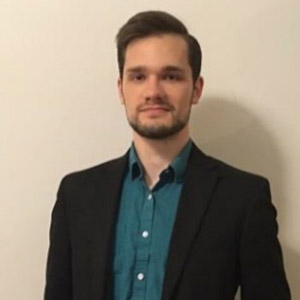
John Durel completed his undergraduate studies with the Department of Biomedical Engineering at the University of Virginia. He is interested in research which seeks to characterize diseased and healthy tissue environments for the purpose of designing and deploying novel interventions which harness the inherent behaviors and properties of natural tissue. His previous research has ranged from cancer cell biology to high-throughput microscopy analysis and production of cellular hydrogel constructs. John’s primary nonscientific hobbies include reading, especially historical fiction, and both playing and developing tabletop and electronic games. He is also particularly interested in the general subject of disability-conscious design. John is a doctoral student in the Biomedical Engineering Department.
Update from John Durel on his first year at Columbia Engineering:
“I have begun full-time research in the Morphogenesis and Developmental Biomechanics Lab in Biomedical Engineering under Professor Nandan L. Nerurkar. We use chicken embryos as our model developmental system. My current project revolves around the formation and organization of the small intestine, which forms outside of the embryo’s abdominal cavity in both chickens and humans before being internalized later in development. Errors in this natural internalization process can result in often fatal birth defects. I am specifically studying the formation of the gut’s characteristic loops, which allow the great length of the gut tube to fit within the much smaller abdominal space. These loops are thought to form by a buckling instability due to differential growth between the gut tube and its attached membranous mesentery. So far, I've collected interesting early data on the role of cell-scale forces in mediating organ-scale mechanics and shape at late developmental stages using mechanical testing of chemically treated samples. I have found that broad induction of cell contraction in whole dissected midguts results in substantial tightening of loops and decreased organ area, suggesting a possible mechanism through which the degree of looping may be actively regulated prior to successful gut internalization. I am excited to be presenting this work in poster form at both the Society for Developmental Biology Annual Meeting later this month and at the Biomedical Engineering Society Annual Meeting in October. Moving forward, I will continue to study and characterize the role of cell contractility in intestinal loop formation and work to elucidate the possible underlying cell signaling mechanisms that modulate this local force regulation during development.
To support my research endeavors I have undertaken a relevant and rigorous graduate curriculum.. I have excelled in all of these courses. Moving forward, I intend to take courses in Developmental Biology, Elasticity, and Numerical Methods to further strengthen my core biology, mechanics, and computation knowledge base.”
Erin Louwagie, Department of Mechanical Engineering
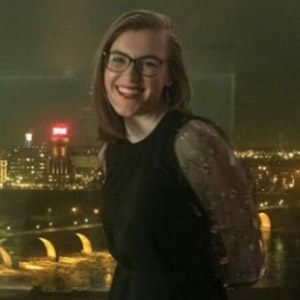
Erin Louwagie is studying under the guidance of the Department of Mechanical Engineering. She recently completed her MS in mechanical engineering at the University of Minnesota - Twin Cities. Erin has worked on several research projects, including a device to improve lateral flow assay diagnosis and an assistive robot to help individuals with upper extremity disabilities. In her spare time she enjoys playing the French horn, reading, and traveling.
Update from Erin Louwagie on her first year at Columbia Engineering:
“I had a great first year as a SEAS student. I really enjoyed my classes, and I performed well in them. The classes I took were primarily focused on furthering my knowledge of bioengineering and preparing me for my qualifying exam. I passed the qualifying exam in May.
Being a Blavatnik Fellow allowed me to rotate labs between fall and spring semester in order to figure out lab that aligned more with my interests. I spent fall semester working with Dr. Karen Kasza studying the mechanics of cell crawling in drosophila embryos, and I spent spring semester working with Dr. Kristin Myers studying the mechanics of the uterus and cervix during pregnancy. Ultimately I decided to continue on in the Myers lab, as I really enjoy the breadth of work I am able to do as a member of her lab. The research I am working on involves running mechanical tests on tissue, creating FEA models of the uterus and cervix in pregnancy, and working directly with doctors and patients to study normal and high-risk pregnancies.”
Sitara Persad, Department of Computer Science
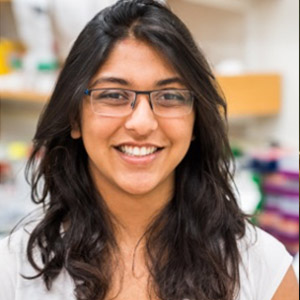
Sitara Persad is a doctoral student in the Department of Computer Science. Born in the island nation of Trinidad and Tobago, she was awarded a national scholarship to attend Massachusetts Institute of Technology (MIT), where she graduated with a double major in mathematics and computer science, and conducted research in RNA structure biology. Her research interests lie in the intersection of computational biology and machine learning, particularly in Bayesian Inference. In her spare time, she enjoys dancing and playing badminton.
Update from Sitara Persad on her first year at Columbia Engineering:
“During my first year at Columbia, I was fortunately able to hit the ground running with research. I joined a project in collaboration with researchers at Memorial Sloan Kettering to infer copy number variants using an expression-based model using single cell RNA sequencing data. We have been developing and implementing this probabilistic model in order to characterize and understand the structure of highly heterogeneous tumor samples. We have further been working on methods which allows us to separate subclones with varying copy number profiles in order to develop an understanding of the evolutionary processes that lead to intra-tumor heterogeneity. In the coming months, we hope to further develop our methods as well as compare and benchmark our method against existing tools.”
Caleb Tulloss, Department of Electrical Engineering
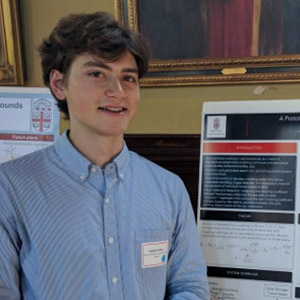
Caleb has joined Professor Ken Shepard's Bioelectronic Systems Lab as an electrical engineering PhD student. Broadly speaking, his interests include mixed-signal circuit design, implantable devices, and neuroengineering. During his graduate work, he hopes to work on high-resolution neural interface and implantable system design for closed-loop experimentation. Last spring he graduated from Brown University with a BS in electrical engineering and completed an honors thesis on a prototype for untethered primate eye orientation tracking, under the direction of Professor David Borton. Caleb was awarded the Neal B. Mitchell '58 Systems Thinking Project Award for this work. He has served as a teaching assistant for several circuits courses at Brown, and was the president of the Brown IEEE student chapter. In his free time, Caleb enjoys playing classical piano, exploring museums and the outdoors, and designing custom electronics for his bicycle.
Update from Caleb Tulloss on his first year at Columbia Engineering:
“I spent most of the past year completing the requirements for my MS degree, taking 8 courses related to integrated circuit design. These were challenging and rigorous, but I excelled in all courses, and more importantly, I learned valuable design skills that I am now applying in my research. I also served as a teaching assistant for two courses, and have continued my teaching development during the summer through the Center for Teaching and Learning.
I am now working with another student in our research group to design the electronics for a 1,024-channel neural recording array on a single CMOS integrated circuit. The system will consist of amplification, filtering, multiplexing, and data conversion stages, and will interface with passive probes manufactured by a collaborator. We may also include additional functionality, such as stimulation, impedance measurement, and electrode plating control. There are many researchers working in the neural interface design space, but our key advantage will be our system's ability to interface with arbitrary passive probe geometries, allowing for flexibility in choice of neuroscience application.
The first version of our chip design will be complete by the end of the calendar year, and we will continue developing a second version with additional functionality in the first months of the New Year. After that, I intend to spend some time developing digital processing and control software for the interface system, and ultimately (in my later PhD years) get involved with neuroscience collaborators so that I can start using our technology to ask neuroscience questions of my own. I have a lot to learn, and I am excited for what the next few years have to offer!
I would like to thank Mr. Blavatnik for his support; I am so happy to be here at Columbia and I am grateful for the opportunity his funding has provided me.”
Project 1: Metallic Crown Needle to Facilitate Insertion of Cochlear Implant through Round Window Membrane
-
Summary
Cochlear implants profoundly impact the hearing-impaired by endowing or restoring a sense hearing. However, the insertion of a cochlear implant into the inner ear involves significant surgical trauma via a cochleostomy in which the bone separating the middle ear from the inner ear is breached via drilling. The round window membrane offers an alternate pathway for insertion of the cochlear implant, which introduces less trauma because it involves perforating tissue rather than bone. The goal of this project is to bring to commercialization a surgical tool capable of introducing precisely sized perforations in the human RWM to facilitate insertion of the cochlear implant.
-
Principal Investigators
Image
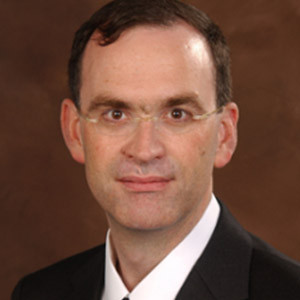
Jeffrey W. Kysar is Professor of Mechanical Engineering and of Otolaryngology–Head & Neck Surgery at Columbia University, where he has also served as Chair of the Department of Mechanical Engineering since 2014. He received his BS from Kansas State University and his PhD from Harvard University. He has been a Visiting Associate Professor at the École Nationale Supérieure des Mines de Paris. His current research interests are in the field of mechanical properties of small-scale materials from a combined experimental, computational, and analytical perspective. His group has made fundamental contributions in the mechanics and mechanical properties of two-dimensional materials such as graphene, the development of novel nanocomposite and nanostructured materials, the study of atomic-scale defects that lead to plastic deformation mechanisms in metals, and the use of nanoscale additive processes to fabricated composite structures with predefined spatial placement of nanoscale components. In the medical field, he works in Otolaryngology to develop surgical tools to access the cochlea intended to treat hearing and balance disorders. In addition, he is involved with a project to develop prosthetic heart valves.
Image
Alan West received a BS in chemical engineering from Case Western Reserve in 1985 and a PhD in chemical engineering from the University of California, Berkeley, in 1989. He is a fellow of the Electrochemical Society, and in 2014 he received the society’s Electrodeposition Award. He joined the faculty of Columbia Engineering in 1992. West has developed novel methods that couple electrochemical and biological technologies that may potentially be used to produce fuels from renewable electricity, to convert inorganic waste streams to fuels, and to enable alternative processes for use in copper mining. Of particular interest to West are the experimental and numerical methods used to characterize transport phenomena and reaction mechanisms in electrochemical systems. He has simulated and analyzed a variety of metallization and dissolution processes, including studies by which the design of the electrolyte composition controls film growth and nucleation, and thus properties in geometries of relevance to the manufacturing of electronic devices. He has developed models of battery electrodes that capture experimental observations ranging from the atomistic scale to the mesoscale to the full scale of the electrode. Due to the multi-scale, complex nature of batteries, West works closely with a range of scientists and engineers, including chemists, material scientists, physicists, and mechanical and electrical engineers.
Image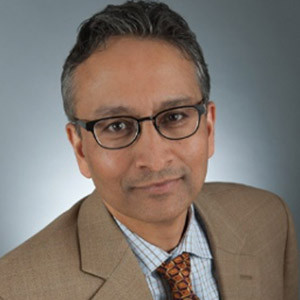
Anil K. Lalwani, MD earned his medical degree from the University of Michigan Medical School in 1985 and subsequently completed is internship in General and Thoracic Surgery at Duke University Medical Center and his residency in Otolaryngology-Head and Neck Surgery at UCSF. Following subspecialty training in Neurotology and Skull base surgery, he served as Senior Staff Fellow at the National Institute on Deafness and Other Communication Disorders, National Institute of Health. In 1994, he joined the faculty at UCSF as an assistant professor and rose to the rank of Professor in 2002. In April 2003, Dr. Lalwani was recruited to New York University School of Medicine to serve as Mendik Foundation Professor and Chairman of the Department of Otolaryngology—a position he held until December 2009. During his tenure, the previously unranked department rose to #22 on the US News and World Report survey and was #13 in research funding. Dr. Lalwani joined the faculty of the Columbia University College of Physicians and Surgeons in 2012. He is considered one of the leading ear surgeons for children and adults in the country. His clinical specialties include cochlear implantation, middle ear implants, chronic ear disease, cholesteatoma, facial nerve disorders, otosclerosis, superior semicircular canal dehiscence, glomus tumors, cerebellopontine angle tumors (e.g. acoustic neuromas), and skull base surgery, and gamma knife therapy.
Project 2: Machine Learning-Based Characterization of Bacteria Isolates from Clinical Samples
-
Summary
Bacteria-related illnesses—caused by strains of Escherichia coli, Salmonella enterica, Listeria monocytogenes, Vibrio cholerae, Corynebacterium diptheriae, methicillin-resistant Staphylococcus aureus (MRSA), and Pseudomonas aeruginosa—are responsible for millions of yearly deaths worldwide. Identification and monitoring of bacteria outbreaks and antimicrobial resistance is critical for tracking health developments and is recommended by the WHO. The aim of this proposal is to develop an automated approach for the identification and characterization of bacteria from clinical samples. The funded project would apply machine learning methods to analyze photographs of bacteria from clinical samples grown on solid media in Petri dishes. This overall approach would be particularly important in low-resource settings, where culture on solid media is the common practice and samples could be photographed using cell phones and transmitted to a server for automated identification algorithms.
-
Principal Investigators
Image
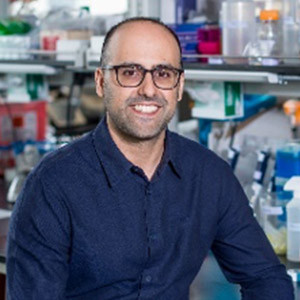
Tal Danino is an Associate Professor in the Department of Biomedical Engineering at Columbia University. His lab focuses on engineering bacteria for biomedical applications, with a particular emphasis on developing bacteria as a cancer therapy. Originally from Los Angeles, Tal received a PhD in Bioengineering from UCSD in Jeff Hasty's lab, and was a postdoctoral fellow at the Koch Institute for Integrative Cancer Research with Sangeeta Bhatia. He is the recipient of awards including the NSF CAREER Award, Era of Hope Scholar Award, TED Fellow, and NIH Pathway to Independence Award. He directs the Synthetic Biological Systems Laboratory and is a member of the Herbert Irving Comprehensive Cancer Center and Data Science Institute.
Image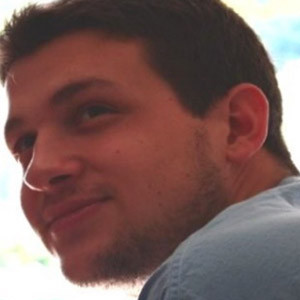
Svebor Karaman is a French Computer Vision and Machine Learning researcher, currently a Senior Research Scientist at Dataminr. Previously, he spent three years as a PostDoc at the MICC (Media Integration and Communication Center) of the University of Florence in Italy and five years as an Associate Research Scientist in the DVMM Lab at Columbia University with Professor Shih-Fu Chang.
Image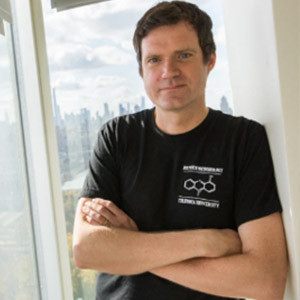
Lars Dietrich is an Associate Professor in the Department of Biological Sciences at Columbia University. His lab studies bacterial multicellular and its consequences for bacterial metabolism and antibiotic tolerance. For his doctoral degree from the Biochemistry Center at Heidelberg University in Germany, Lars worked with Christian Ungermann on the homeostasis of the endomembrane system in eukaryotes. For his postdoc at Caltech and MIT, he worked with Dianne Newman to study the influence of secondary metabolites on biofilm formation. He received the NSF CAREER Award in 2015.
The Blavatnik Fund for Engineering Innovations in Health
The Blavatnik Acceleration Funds are one part of the Blavatnik Fund for Engineering Innovations in Health, which plays a key role in supporting Columbia Engineering’s mission to build a healthier world by providing resources that accelerate discovery and translate transformational ideas into tangible impact.
Project 1: Molecular Scavenger Engineering to Treat Visceral Obesity
-
Abstract
Obesity is a surging health problem in a modernized society. However, there remain poor solutions to treat obesity, especially the more metabolically detrimental viscera fat. Here we propose to address this urgent medical need by a strategy different from any known approach. We develop a scavenger material that specifically targets visceral fat and potently reduces the depot size, resulting in striking protection from visceral obesity with improved whole-body metabolism. We propose to optimize the material with improved efficacy and safety of treating visceral obesity and further understand the mechanism of inhibiting adipocyte development. Our study is envisioned to incite a paradigm shift in obesity research, both scientifically and clinically.
-
Principal Investigators
Image
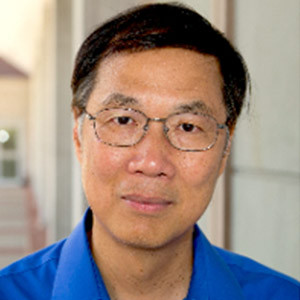
Kam W. Leong is the Samuel Y. Sheng Professor of Biomedical Engineering and Systems Biology at Columbia University. He received his PhD in Chemical Engineering from the University of Pennsylvania and joined the faculty in the Johns Hopkins School of Medicine in 1986, and then Duke University in 2006. He moved to Columbia University in 2014, focusing on research directions of nonviral gene editing, oral delivery of biologics, biomaterials-mediated inflammation modulation, and iPSC-based microphysiological systems. He has published ~400 peer-reviewed research manuscripts with ~51,000 citations and an h-index of 117, and holds more than 60 issued patents. His work has been recognized by a number of awards, including the Young Investigator Research Achievement Award of the Controlled Release Society, the Society for Biomaterials Clemson Award for Applied Research, Lifetime Achievement Award of CAS on Nanotechnology and Nanomedicine, and CAB Global Biomaterials Leadership Award. He is the Editor-in-Chief of Biomaterials, and a member of Academia Sinica, the USA National Academy of Inventors, and the USA National Academy of Engineering.
Image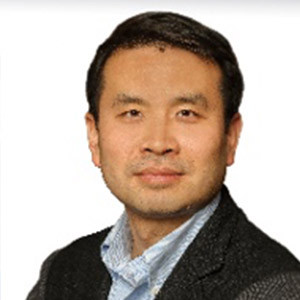
Li Qiang, Assistant Professor in the Department of Pathology and Cell Biology at Columbia University, graduated from Peking University in 2001 and received his doctoral degree from Boston University School of Medicine in 2007. His laboratory studies the molecular pathways underlying the pathophysiology of obesity, diabetes, and aging, with the ultimate goal of developing safe and efficient interventions to improve metabolism and human health. Dr. Qiang has published in Cell, Cell Metabolism, JCI, ACS Nano, J. of Hepatology, Cell Reports, Diabetes, Nature, Nature Medicine, Molecular Metabolism etc. His finding of brown remodeling of white fat was among the year’s top 10 notable advances in metabolism. He is a co-inventor of an obesity patch for local obesity treatment, which was reported by major media worldwide. Dr. Qiang has also discovered a selectively-targeting mechanism for developing the next-generation diabetes drug without side effects. Most recently, Dr. Qiang’s team, in collaboration with others, has identified a novel therapeutic target, PU.1, for liver metabolic diseases including nonalcoholic steatohepatitis (NASH). Dr. Qiang was the recipient of the highest graduate student award - Russek Student Achievement Award from Boston University School of Medicine, NIH career development award with a perfect score, and Kern Lipid Conference Early Investigator Award.
Project 2: Optimizing Cerebral Autoregulation in Patients with Acute Ischemic Stroke
-
Abstract
The ability of the cerebral vasculature to regulate cerebral blood flow in response to rapid changes in blood pressure is termed dynamic cerebral autoregulation. Cerebral autoregulation is impaired in a number of neurological disorders, including traumatic brain injury, subarachnoid hemorrhage, acute ischemic stroke (AIS), and chronic carotid stenosis. Loss of autoregulation can lead to strokes through either hyperperfusion causing blood-brain barrier compromise and brain hemorrhage, or hypoperfusion causing ischemic strokes. Recent small clinical studies have demonstrated the utility of cerebral autoregulation monitoring approaches in personalizing blood pressure management after AIS and subarachnoid hemorrhage. However, the utility of this approach has not been tested with non-invasive methods outside of an intensive care unit. In addition, advanced mathematical modeling may offer more rapid and precise ways of identifying the optimal range of blood pressure for individuals with cerebrovascular disease. For this STAR pilot study, we will engage engineering expertise to implement advanced mathematical methods using non-invasive bedside tools to optimize cerebral autoregulation in patients with AIS who are not admitted to the intensive care unit. Our long-term goal is to test this personalized approach in a clinical trial of personalized vs standard blood pressure targets after AIS.
-
Principal Investigators
Image
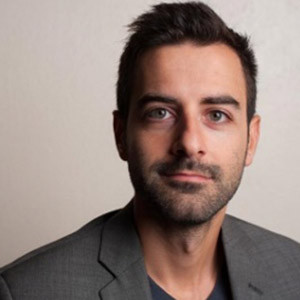
Prof. Ioannis A. Kougioumtzoglou received his five-year Diploma in Civil Engineering from the National Technical University of Athens (NTUA) in Greece (2007), and his MSc (2009) and PhD (2011) degrees in Civil Engineering from Rice University, TX, USA. He joined Columbia University in 2014, where he is currently an Associate Professor in the Department of Civil Engineering & Engineering Mechanics. Prof. Kougioumtzoglou has published more than 120 technical papers in peer-reviewed International Journals and Conference Proceedings, and was chosen in 2018 by the National Science Foundation (NSF) to receive the prestigious CAREER Award, which recognizes early-stage scholars with high levels of promise and excellence. He is also the 2014 European Association of Structural Dynamics (EASD) Junior Research Prize recipient “for his innovative influence on the field of nonlinear stochastic dynamics”. Prof. Kougioumtzoglou is an Editorial Board Member of the following Journals: Mechanical Systems and Signal Processing, Probabilistic Engineering Mechanics, and International Journal of Non-Linear Mechanics. He is also a co-Editor of the Encyclopedia of Earthquake Engineering (Springer), an Associate Editor for the ASCE-ASME Journal of Risk and Uncertainty in Engineering Systems, and has served as a Guest Editor for several Special Issues in International Journals. He has held Visiting Professor positions in several universities worldwide, has served in the scientific and/or organizing committees of many international technical conferences, and has co-chaired the 13th International Probabilistic Workshop (IPW 2015). Prof. Kougioumtzoglou is a member both of the American Society of Civil Engineers (M.ASCE) and the American Society of Mechanical Engineers (M.ASME), while he currently serves as a member of the ASCE Engineering Mechanics Institute (EMI) committees on Dynamics and on Probabilistic Methods. He is a Licensed Professional Civil Engineer in Greece, and a Fellow of the Higher Education Academy (FHEA) in the UK. Prof. Kougioumtzoglou and his research group develop primarily analytic and numerical stochastic methodologies for response analysis, reliability assessment, and optimization of complex engineering systems and structures under the presence of uncertainties. These methodologies lead eventually to robust and efficient design of dynamic systems ranging from the nano-scale (e.g. nano-mechanical oscillators) to the macro-scale (e.g. energy harvesters and civil infrastructure systems). Specific theoretical research themes include nonlinear stochastic dynamics and path integrals, fractional calculus modeling, computational stochastic mechanics, uncertainty quantification methodologies, and signal processing techniques. Additional research endeavors with diverse applications in structural, earthquake, marine, and biomedical engineering include uncertainty modeling and propagation via joint time-frequency analysis tools such as wavelets, as well as analysis of high-dimensional and/or incomplete data via sparse representations and compressive sampling.
Image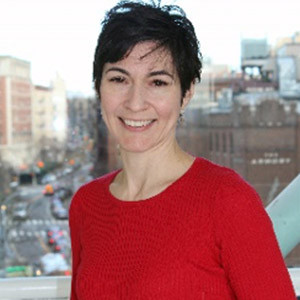
Eliza C. Miller, MD, MS is Assistant Professor of Neurology and vascular neurologist in the Division of Stroke and Cerebrovascular Disease at Columbia University. Her clinical research focuses on cerebrovascular complications of preeclampsia and other hypertensive disorders of pregnancy, using both physiological and epidemiological approaches. She has received funding from the American Medical Association Foundation, the Louis V. Gerstner, Jr Foundation (Gerstner Scholars Award), and the National Institutes of Health National Institute of Neurological Disorders and Stroke (K23NS107645). She was the recipient of the American Heart Association's 2018 Robert G. Siekert New Investigator Award for her work on long-term cerebrovascular complications of preeclampsia, and directs the NYP/Columbia Mothers Center Neurovascular Clinic, a multidisciplinary center for treatment of women with cerebrovascular complications during pregnancy and postpartum.
Image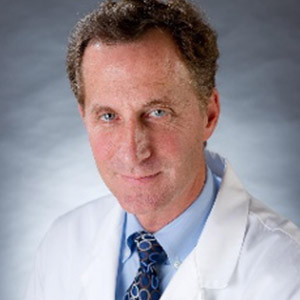
Dr. Randolph Marshall is the Elisabeth K. Harris Professor of Neurology at New York Presbyterian Hospital / Columbia University College of Physicians and Surgeons. Dr. Marshall received his undergraduate degree from Harvard College, and his Master’s and Medical degree from the University of California, Berkeley, and San Francisco. He completed 2 years of a Stroke fellowship and joined the faculty of Columbia College of Physicians and Surgeons in 1994, where he has been Chief of the Stroke Division since 2008. In addition to a clinical practice in Vascular Neurology, he has several NIH grants, including being a Co-PI on the NINDS-sponsored CREST-H study, and PI of an NIH StrokeNet Regional Coordinating Center. He is on the editorial boards of JAMA Neurology, Stroke and Neurology, and has had leadership roles in the American Heart Association and the American Academy of Neurology. His current research focuses on correlations between cerebral hemodynamics and brain function.
Project 3: Patient-Specific Leukemia-Bone Marrow Organoid Culture and Therapeutic Platform
-
Abstract
Organoid models have transformed the study of solid tumors by enabling systematic testing of new therapies across genetically diverse tumor panels. In contrast, the lack of robust systems for in vitro culture of primary leukemia samples and the low throughput and genetic drift of in vivo xenografts –driven by inter-species barriers in the mechanisms of hematologic tumor cell growth – remain significant barriers to developing personalized therapeutics. Our central hypothesis is that bone marrow (BM) organoid systems will enable long-term culture of hematologic tumors, retaining much of their primary biological features, including response to therapy. We further postulate that bone marrow organoids will accelerate the identification of clinically relevant drug targets for the treatment of hematologic tumors and development of effective personalized therapeutics. Toward this goal, we will deploy and optimize a new leukemia-bone marrow organoid culture platform to grow primary leukemia samples in vitro. We will contrast these 3D cultures to standard 2D cultures of unmanipulated patient samples and to mouse xenografts. Mechanistically, we will characterize critical molecular and biological features supported by 3D microenvironmental interactions in organoid cultures under basal conditions and in the context of therapeutics. Ultimately this platform will facilitate the development of new drugs and drug combinations and the mechanistic dissection of microenvironmental signals supporting leukemia-initiating cell growth and survival for the effective targeting of tumor-niche-driven resistance mechanisms. This collaborative project is based on highly promising preliminary data, and will serve as a foundation to multi-PI R01, P01, and SPORE research proposals to the NCI.
-
Principal Investigators
Image
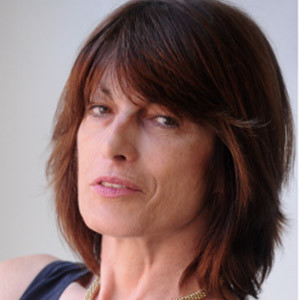
Gordana Vunjak-Novakovic is University Professor, the highest academic rank at Columbia University and the first engineer at Columbia to receive this distinction. She is also the Mikati Foundation Professor of Biomedical Engineering and Medicine and a faculty member in the Department of Medicine and the College of Dental Medicine. The focus of her lab is on engineering functional human tissues for use in regenerative medicine, studies of development and disease, and patient-specific “organs-on-a-chip” platforms. She is highly published (3 books, over 410 journal articles) and cited (over 49,000 citations, h=126), and has mentored over 150 trainees (graduate students, postdocs, clinical fellows, and junior faculty). With the members of her laboratory, she launched four start-up companies. She was elected to the Academia Europaea, Serbian Academy of Arts and Sciences, the National Academy of Engineering, the National Academy of Medicine, the National Academy of Inventors, and the American Academy of Arts and Sciences.
Image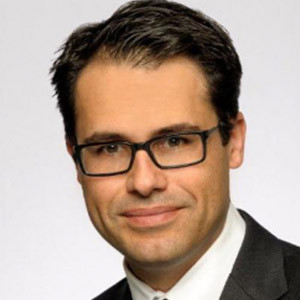
Adolfo Ferrando, MD, PhD is a Professor of Pediatrics at the Institute for Cancer Genetics, Columbia University in New York. His research interest focuses on the study of the genetics and mechanisms of acute lymphoblastic leukemia (ALL). Dr. Ferrando received his MD in 1994 and his PhD in 1999 from the University of Oviedo in Spain. He was a Hematology resident at Asturias Central Hospital from 1995 to 1999 and a postdoctoral researcher first and then Instructor at Dana Farber Cancer Research Institute in Boston from 1999 to 2004. Dr. Ferrando joined the faculty of the Pediatrics Department in 2005 where he has developed a highly active research program that combines genomics, biochemical, genetic, and experimental therapeutics approaches towards the identification of novel therapies for the treatment of high-risk leukemias and lymphomas. His laboratory has played major roles in the functional analysis of oncogenic NOTCH1 (PNAS 2006; Nat Med 2007, PNAS 2009; Nat Med 2009, Nat Med 2015, PNAS 2017, Cancer Discov 2019) and the TLX1 and TLX3 oncogenes (Nat Med 2010, Nat Med 2012), in the pathogenesis of T-ALL. In addition, he has identified and functionally characterized numerous genes somatically mutated in this disease including PTEN (Nat Med 2007, Cancer Cell 2013, Nat Med 2014), WT1 (Blood 2009), PHF6 (Nat Genet 2010, Cancer Disc 2018), BCL11B (Nat Med 2010), ETV6 (J Exp Med 2011), EZH2 (Nat Med 2012b) and NT5C2 (Nat Med 2013, PNAS 2016, Nature 2018, Cancer Cell 2018) as well as in peripheral T-cell lymphomas (Nat Genet 2014, Nat Genet 2015, PNAS 2017). At Columbia, he was promoted to Associate professor in 2012 and to the rank of Professor in 2016 and has been distinguished with the Irving Institute for Clinical and Translational Research Award and the Harold & Golden Lamport Research Award. He has also been the recipient of multiple other honors, including the Leukemia and Lymphoma Society Scholar Award, the Pershing Square Sohn Prize for Young Investigators in Cancer Research, and the V Diz Pintado Spanish National Cancer Research Prize. His work has been funded without interruption by the NIH since 2006, and he is currently the recipient of an Outstanding Investigator R35 award from the NCI and additional federal and private research grants. He is an elected member the American Society of Clinical Investigation and currently serves on the editorial board of Leukemia, Blood Cancer Discovery, and Genes and Development.
Project 4: Nanoparticle-Based SARS-CoV-2 Sensing with a Single-Virus Sensitivity for Point-of-Care and at-Home Testing
-
Abstract
The proposal aims to establish nanoparticle-based detection for sensing and quantification of SARS-CoV-2 with a single-virus particle sensitivity for point-of-care (POC) and home (personal POC) applications using inexpensive and/or commonly used equipment. Summary of the proposed approach: We envision a novel test for COVID-19 that is rapid, sensitive, specific, and simple enough to self-administer at home using a smartphone camera or inexpensive and compact optical instrument as a read-out device. The principle of this test hinges on the light scattering effects when multiple nanoparticles (NP) are organized into clusters of hundreds of nanometers. In the proposed approach, particles of SARS-CoV-2, the virus that causes COVID-19, will serve as organizing scaffolds for antibody-coated metallic (gold and silver) nanoparticles in our test. The unique feature of the proposed approach is a highly specific virus detection based on the use of newly discovered monoclonal antibodies (Ho’s group) and a direct visualization of virus particles with single-virus sensitivity using the spectrally resolved nanoparticle clusters (Gang’s group).
-
Principal Investigators
Image
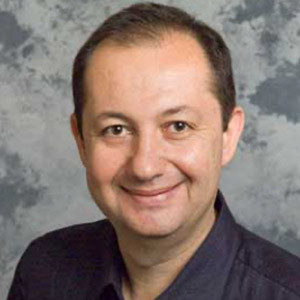
Oleg Gang earned his MS and PhD (2000) from Bar-Ilan University (Israel), specializing in Atomic Spectroscopy and Soft Matter, respectively. As a postdoctoral Distinguished Rothschild Fellow at Harvard University, he studied nanoscale wetting phenomena and structure of liquid interfaces. Gang started at Brookhaven National Laboratory as a Distinguished Goldhaber Fellow in 2002, rising through the ranks to lead the Soft and Bio-Nanomaterials group at the Center for Functional Nanomaterials from 2008. In 2016, Gang joined Columbia University as a Professor of Chemical Engineering and of Applied Physics and Materials Science. Gang has received numerous awards and recognitions, including University President Award and Wolf Foundation scholarship for his PhD work, Rothschild and Goldhaber fellowships, Department of Energy Outstanding Mentor Award, Gordon Battelle Prize for Scientific Discovery, has been named Battelle Inventor of the Year, and is a Fellow of American Physical Society.
Image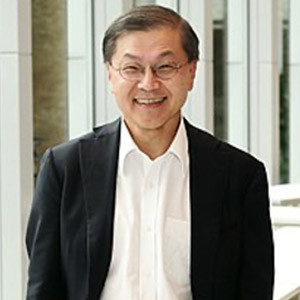
David Ho is a Taiwanese-American AIDS researcher, physician, and virologist who has made a number of scientific contributions to the understanding and treatment of HIV infection. He is the founding scientific director of the Aaron Diamond AIDS Research Center and the Clyde and Helen Wu Professor of Medicine at Columbia University Vagelos College of Physicians and Surgeons. Ho is leading a team, funded by Jack Ma, to look for a vaccine for the COVID-19 virus.
The Blavatnik Fund for Engineering Innovations in Health
The Blavatnik Acceleration Funds are one part of the Blavatnik Fund for Engineering Innovations in Health, which plays a key role in supporting Columbia Engineering’s mission to build a healthier world by providing resources that accelerate discovery and translate transformational ideas into tangible impact.
Project 1: Regeneration of Acutely Injured Human Lungs for Transplantation
-
Summary
Our goal is to increase the pool of donor lungs for transplantation, which is the only definitive treatment for patients with end-stage lung disease, by recovering acutely injured lungs. Gas exchange in these rejected lungs needs to be improved by just 10 to 20 percent and the injury is largely located in the airway; blood supply is critical for lung survival and function. We went on to develop a highly innovative, imaging-based technology for targeted cell therapy of the injured regions of the lung, while preserving intact lung vasculature and surrounding lung tissue.
-
Principal Investigators
Image
Gordana Vunjak-Novakovic is University Professor, the highest academic rank at Columbia University and the first engineer at Columbia to receive this distinction. She is also the Mikati Foundation Professor of Biomedical Engineering and Medicine and a faculty in the Department of Medicine and the College of Dental Medicine. The focus of her lab is on engineering functional human tissues for use in regenerative medicine, studies of development and disease, and patient-specific “organs-on-a-chip” platforms. She is highly published (3 books, over 410 journal articles) and cited (over 49,000 citations, h=126), and has mentored over 150 trainees (graduate students, postdocs, clinical fellows, and junior faculty). With the members of her laboratory, she launched four start-up companies. She was elected to the Academia Europaea, Serbian Academy of Arts and Sciences, the National Academy of Engineering, the National Academy of Medicine, the National Academy of Inventors, and the American Academy of Arts and Sciences.
Project 2: Wearable Optical Brassiere for Breast Cancer Therapy Monitoring
-
Summary
The overall goal of this proposal is to develop a brassiere that contains source and detectors for monitoring the effects of breast cancer treatment during neoadjuvant chemotherapy. The project, which also received Blavatnik Acceleration Fund support, builds on expertise and previous efforts in the Hielscher and Kymissis laboratories. Their team also includes Dr. Dawn Hershman from Columbia’s Departments of Medicine, Division of Hematology/Oncology, and Prof. Theanne Spiros, assistant professor at New York Fashion Institute of Technology.
-
Principal Investigators
Image
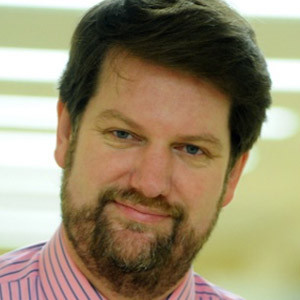
Andreas Hielscher previously worked as a postdoctoral fellow at Los Alamos National Laboratory and was on the faculty at the State University of New York Downstate Medical Center. Most recently, he directed Columbia’s Biophotonics and Optical Radiology Laboratory, which works towards establishing optical tomography as a viable biomedical imaging modality. To this end, Hielscher’s team worked on developing state-of-the-art imaging hardware and software that provide 3-D distributions of physiologically relevant parameters in biomedical systems. The work of the laboratory is supported, among others, by the National Institute of Arthritis and Musculoskeletal and Skin Diseases, the National Institute of Biomedical Imaging and Bioengineering, the National Cancer Institute, and the New York State Foundation for Science, Technology and Innovation. He holds a BS from the University of Hannover (Germany), 1987; MS, University of Hannover, 1991; PhD, Rice University, 1995.
Image
Ioannis Kymissis joined the Electrical Engineering faculty in 2006. He teaches courses in solid-state devices and display technology. He obtained his SB, MEng, and PhD degrees from MIT, and also participated in a cooperative program through which he completed his M.Eng. thesis at IBM Research. He also held a postdoctoral appointment at MIT and worked as a consulting engineer at QDVision before joining Columbia. Prof. Kymissis's research focuses on the fabrication, characterization, and applications of thin film electronics, with a particular focus on the applications of organic semiconductors and recrystallized silicon devices. In addition to his teaching and research work, he also serves as the Editor-in-Chief of the Journal of the Society for Information Display.
Project 3: Integrated Multi-Coil B0 and Radio-Frequency Technology for 1H Magnetic Resonance Spectroscopy of Cervical Spine Pathology in Multiple Sclerosis
-
Summary
The aim is to establish the biomedical analysis of the human spinal cord with in vivo magnetic resonance spectroscopy to investigate the pathological processes early in the development of MS disability and find diagnostic biomarkers for early identification and guided treatment.
-
Principal Investigators
Image
Christoph Juchem received a MS (Diplom) in physics from the University of Bonn in 2001 and a PhD (Dr. rer. nat.) in physics from the University of Tübingen in 2006. Juchem has more than 15 years of experience in developing and conducting magnetic resonance experiments in animal models and humans, and has authored more than 30 scientific publications, book chapters, and patents. He is a Clinical and Translational Science Award (CTSA) scholar and has been a finalist of the I.I. Rabi Young Investigator Award of the International Society for Magnetic Resonance in Medicine (ISMRM). Christoph served as Chair of the ISMRM’s MR Engineering Study Group, journal reviewer for more than 15 peer-reviewed scientific journals (including Magnetic Resonance in Medicine Distinguished Reviewer in 2014/2016), and grant reviewer for 4 national research societies. In 2016, he joined Columbia from Yale University, where he successfully pursued clinical MRI/MRS research as Assistant Professor (2012-2016) and served as Co-Director of the 7 Tesla Brain MR Spectroscopy Core. At Columbia, he teaches Principles of Magnetic Resonance Imaging in the Department of Biomedical Engineering.
Image
J. Thomas "Tommy" Vaughan, Jr. joined Columbia as Director of Magnetic Resonance Research in 2016 to launch a new university-wide initiative to develop and apply MR methods and technologies to advance biomedical research and clinical diagnostics. He is a leading pioneer in MR and its utility for science and medicine. Vaughan was recruited from the University of Minnesota where he held the Quist-Henline Chair in Biomedical Research and was Director of Engineering at the Center of Magnetic Resonance Research, with appointments in Radiology, Biomedical Engineering, and Electrical Engineering. Vaughan has enjoyed a thirty-year career in academic research at UT Southwestern, U. Alabama Birmingham, Massachusetts General Hospital and Harvard, and U. Minnesota. In addition to the research centers he’s helped to found and build at these institutions, his achievements are recorded in 120 articles, a number of books and chapters, and 45 patents. Thomas Vaughan is a Fellow in IEEE and ISMRM societies, on the editorial board of NMR in Biomedicine, active in the NIH and journal peer review, and CTO of two small biotech businesses, including one, MR Safe Devices, LLC.
The Blavatnik Fund for Engineering Innovations in Health
The Blavatnik Acceleration Funds are one part of the Blavatnik Fund for Engineering Innovations in Health, which plays a key role in supporting Columbia Engineering’s mission to build a healthier world by providing resources that accelerate discovery and translate transformational ideas into tangible impact.
Europe
-
Research Internships in Science and Engineering (RISE)
Location: Various Institutions around Germany
Students are matched with a doctoral student whom they assist. German is not required. The Host Institution assists with housing and there is a 3 day meeting in Heidelberg to meet representatives from German companies.
Program Duration: Internships can be for periods of eight to twelve weeks and dates are flexible
Application Deadline: January 15
-
UROP International, RWTH Aachen University
Location: Aachen, Germany
The Undergraduate Research Opportunities Program at RWTH Aachen University fosters research partnerships between qualified undergraduates from top US and Canadian universities and research faculty at RWTH Aachen University.
Designed for students who wish to attain hands-on experience in fundamental research at one of the top science and technology universities worldwide. Students have the unique opportunity to conduct their own research project. Students are mentored and supervised by a member of the research staff of the host institute at RWTH Aachen University.
Students also participate in German language training and workshops on intercultural and research-related issues. Leisure activities complete their international experience in Germany.
RWTH Aachen University offers a wide range of internship options in the fields of natural sciences, IT, engineering, sociology, medicine, psychology, economics, and more.
Program Duration: June 1—July 31
Application Deadline: January 31
-
Pasteur Institute
Location: Paris, France
The Pasteur Foundation Summer Internship Program provides U.S. undergraduate students, entering their senior year, with the rare opportunity to work on supervised research projects at the Institut Pasteur. Selected laboratories at the Institute participate each year. Please refer to the application form for the most updated list. Knowledge of French is not a requirement.
Program Duration: Ten weeks total. Each lab will specify availability dates, students may choose any 10-week period within these availabilities.
Application Deadline: January-February (please check the website)
-
Optics in the City of Light Research Experience for Undergraduates
Location: Paris, France
The Optics in the City of Light Research Experience for Undergraduates (REU) offers undergraduate junior-level students the opportunity to spend 2 months in a variety of laboratories in Paris performing research with a wide range of ultrafast lasers. Participants will experience strong collaborative science between University of Michigan (UM) Center for Ultrafast Optical Science (CUOS), Ecole Polytechnique, Ecole Nationale de Techniques Avancées (ENSTA), Université Paris-Sud 11 Orsay, Ecole Normale Supérieure de Cachan, and l’Institut d' Optique Graduate School. Faculty will each direct an REU student on a collaborative project. Students spend one week in Ann Arbor at CUOS for orientation, safety training, preparation for living in France, and immersion into the Ann Arbor laboratories of the REU faculty. Students also learn basic lab skills as well as basic reporting skills.
Program Duration: May 25-July31
Application Deadline: January 21
-
Center for the Environmental Implications of NanoTechnology REU
Location: Aix-en-Provence, France
The Center for the Environmental Implications of NanoTechnology (CEINT) hosts a center-wide Research Experience for Undergraduates Program (REU). The program provides research experiences across four CEINT partner institutions: Duke, Virginia Tech, and Carnegie Mellon Universities as well as the European Center for Research and Education in Geosciences and the Environment (CEREGE) in Aix-en-Provence, France.
Students engage in their own original research projects with a focus on the environmental impacts of nanotechnology. This program is designed to guide undergraduate students toward independent interdisciplinary research in academic fields related to nano-science and engineering. These include biomedical engineering, materials science, biology, chemistry, ecotoxicology, geosciences, and civil & environmental engineering.
Program Duration: Ten weeks, including 1 week orientation (May 25—July 31)
Application Deadline: February 28th
-
The American-Scandinavian Foundation
The ASF shares internship and training positions. Please refer to the online directory for updated availabilities. Internships are generally unpaid. The Foundation aids in obtaining work permits (for a fee).
Gulf of Mexico and Caribbean
-
CCMI: Coral Reef Biodiversity and Resilience at the Little Cayman Research Centre
Location: Little Cayman, Cayman Islands
Students work with mentors to design, implement, and present research projects within CCMI’s research themes of (1) Coral reef stress, climate change, and ocean acidification; (2) Coral reef resilience and restoration; (3) Invasive species (lionfish); and (4) Herbivory.
Program Duration: Eight weeks, June 20 – August 14
Application Deadline: March 15
-
Ocean Exploration Trust’s Science and Engineering Program
Location: Gulf of Mexico and eastern Pacific Ocean
The Nautilus Science and Engineering Internship Program aims to train and provide real-world experiences for students studying ocean science, engineering, and video/film. Internship positions entail 2-5 weeks working aboard Exploration Vessel Nautilus as data loggers, ROV (remotely operated vehicle) engineers, or video engineers. All interns spend time at sea working with a wide array of scientists, engineers, students, and educators. Internships available include: Ocean Science & Seafloor Mapping Internships, ROV Engineering Internships, and Video Engineering & Filmmaking Internships.
Program Duration: 2-4 week, or 4-5 week expeditions depending on internship
Application Deadline: January 16
Asia
-
NanoJapan: International Research Experience for Undergraduates
Location: Tokyo, Japan
The NanoJapan Program is a 12-week, summer research internship focusing on Terahertz (THz) Dynamics in Nanostructures. Open to freshman and sophomore engineering and physics students from universities nationwide. Supported by an NSF Partnerships for International Research & Education (NSF-PIRE) grant, the program seeks to cultivate interest in nanotechnology among young U.S. undergraduate students, especially those from underrepresented groups.*Program includes a pre-departure at Rice University.
Program Duration: Mid-May to early August.
Application Deadline: January 23
-
The University of Tokyo Research Internship Program
Location: Tokyo, Japan
The University of Tokyo Research Internship Program (UTRIP) is a summer internship program for students majoring in natural science and other relevant fields. Provides students an opportunity to gain "real graduate-school life" or "research-centered life" experiences. Students work with leading researchers of the Graduate School of Science (GSS) at UTokyo. Includes off-campus activities such as a field trip to a historical site in Japan, and social and cultural events to promote a better understanding of Japanese culture, as well as lectures on cross-disciplinary scientific areas.
Program Duration: Six weeks overall. 11 June – 22 July or 1 July – 11 August
Application Deadline: Application period is from January 13 – March 3
-
The University of Tokyo Summer Internship Program in Kashiwa
Location: Kashiwa, Japan
UTSIP Kashiwa, organized by the Graduate School of Frontier Sciences, provides hands-on research internship program in the fields of Biology, Chemistry, Environmental Studies, Information Technology, International Studies, Materials Sciences, Sustainability Sciences, and others. Participants will develop a research proposal and will gain first-hand experience in the academic research process. Students must be rising juniors or rising seniors.
Program Duration: There are two 7-week programs: June 8 to July 17; June 29 – August 7.
Application Deadline: February 10
-
OIST Research Internship program
Location: Okinawa, Japan
Short-term placements as Research interns give talented students the opportunity to gain experience in a particular laboratory or to learn a specific technique. They work under the direction of a Professor at OIST and contribute to the research activities of OIST. Information about research units and types of projects is available online and is updated throughout the year.
Program Duration: Between 10 to 12 weeks, dates are flexible and dependent on lab arrangements.
Application Deadline: November 15
-
Nanyang Technological University: Global Connect Fellowship
Location: Singapore, Singapore
The Global Connect Fellowship (GCF) is a prestigious and exciting opportunity for young scholars from around the world to spend two months undertaking research under the mentorship of world-leading faculty, on NTU’s vibrant, international, state-of-the-art campus. We welcome students with a keen research interest from all disciplines to join us as Global Connect Fellows.
As a Global Research Fellow, you will take part in cutting-edge research carried out at NTU Singapore, a world-leading research-intensive public university. Our faculty and researchers are some of the world's most accomplished scientists, addressing humanity's grand challenges and researching on AI, Material Science, Smart Manufacturing, Digital Economy, Cybersecurity, Machine Learning, Sustainability, 3D Printing, Health Sciences, Fintech, Humanities, Arts, Social Sciences, Green Finance, Leadership, Digital Economy, Climate Change, Smart Cities & Urbanisation, International Relations, Security & Diplomacy, Entrepreneurship, Education, Media, Design & Communications and more.
-
Agency for Science, Technology and Research (A*STAR)
Location: Singapore, Singapore
The Singapore International Pre-Graduate Award (SIPGA) supports short-term research attachments for international students at A*STAR. It provides a unique opportunity for top overseas students to experience the vibrant scientific environment in A*STAR Research Institutes and Consortia. Students will be able to work with distinguished and world-renowned researchers in A*STAR labs. Interested students can browse through A*STAR research institutes and consortia for updated opportunities.
Program Duration: Research period must be a minimum of 2 months.
Application Deadline: For research beginning June 1st, apply by March 31.
-
Industrial Technology Research Institute
Location: Taiwan
The Industrial Technology Research Institute (ITRI) is a national research organization that serves to strengthen the technological competitiveness of Taiwan. Since our inception, ITRI has three mission statements: first, to expedite the development of new industrial technology; two, to aid in the process of upgrading industrial technology techniques; and three, to establish future industrial technology. Each summer ITRI hosts international students for 10-week internships in various technical/engineering positions.
Program Duration: At least 10 weeks between May and September, dates are flexible.
Application Deadline: Applications for most positions will close by the end of February.
Various Locations
-
National Nanotechnology Infrastructure Network
Locations:
- The National Institute of Materials Science in Tsukuba, Japan
- The Institut Fur Bio- Und Nanosysteme (IBN) at the Forschungszentrum, Julich, in Germany
- The Kavli Institute for Nanosciences at the Delft University of Technology (TU Delft) in the Netherlands
- The Centre Microelectronique de Provence, Ecole Nationale Superieure des Mines de Saint Etienne in France
- Interuniversity Microelectronics Center (IMEC), Leuven, Belgium
The NNIN REU Program is designed to give undergraduate students an introductory research experience in nanotechnology Spread across 14 NNIN facilities in the US. Each student will work on an independent research project within their area of interest, using the advanced resources of our laboratories. Because of the breadth of expertise across these sites, we are able to offer exciting nanotechnology research projects across the spectrum of nanotechnology fields: Electrical Engineering, Materials Science, Chemistry, Chemical Engineering, Physics, Mechanical Engineering, Biology, and Biomedical Engineering.
**Please note that the International REU is a follow-program where the top students to complete the NNIN REU each year are selected for a second-year advanced research program at a major international laboratory. This is part of an effort to educate Globally Aware Scientists, a necessity in this multinational research environment. The students conduct an advanced research project in nanoscience for 10 weeks, similar to an REU project, but under the direction of a senior scientist at the international laboratory. The participants also are immersed in a foreign culture, in a foreign laboratory, with fellow scientists from around the world. There is ample opportunity to travel on the weekends. Students who participate in this program not only conduct excellent research, they also come away with a much broader understanding of the world of scientific research and with expanded confidence in their ability to work and interact in the expanded international environment.
Program Duration: Ten Weeks. Early June to mid-August
Application Deadline: February 11
-
American Chemical Society: International Research Experience for Undergraduates
Check their website as funding currently pending.
-
Gravitational Physics International REU
Location: Australia, The Netherlands, Koreo, The United Kingdom, Italy, France, Japan, Germany – sites may vary by year
The focus of the UF's International REU program is in Gravitational Physics. Our program, made possible by the National Science Foundation, is designed to expose students to the rigors of gravitational physics research within a setting that truly reflects its international character. Participants work on research projects in some of the best gravitational physics labs in Europe and Australasia. During their stay, students also benefit from the valuable cultural enrichment that comes with living in a foreign environment. Each year we have a range of over fifty exciting projects lined up at host sites around the world. To know more, visit the Projects and International Hosts pages for further details about our program, and take time to explore the whole site.
Program Duration: Nine to ten weeks, dates vary by projects.
Application Deadline: December 15
-
Center for Career Education: Find a Job or Internship Abroad
There are many opportunities for an international experience outside your home country during or after your college career. To obtain an experience abroad (volunteer, research, fellowship, internship, or full-time), it is helpful to be open-minded to various aspects of the experience including: location, duration, payment, and types of positions. The Center for Career Education has compiled a selection of resources to help you navigate this process.
-
The GlobalEDGE International Internship Directory
The GlobalEDGE International Internship Directory is a reference guide by Michigan State University for students, faculty, staff, and administrators to help match students with international internship opportunities offered by two and four-year colleges and universities, governmental agencies, non-profit groups, private organizations and corporations.
Blavatnik Fellowships
Established in 2018 through the generosity of Access Industries founder and chairman Len Blavatnik MS’81, the Blavatnik Doctoral Fellowships support innovative research at the intersection of medicine and engineering. The program provides resources for doctoral students whose research ranges from novel devices for faster diagnosis to using machine learning to uncover brain function. “The Blavatnik Fellowships have greatly enhanced our ability to support talented doctoral students at a critical stage in their research,” said Mary C. Boyce, dean of Columbia Engineering. “We’re proud of our newest scholars and look forward to seeing how their contributions will lead to new discoveries that benefit human health.”
- Blavatnik Doctoral Fellows: 2025-2026 Cohort
- Blavatnik Doctoral Fellows: 2024-2025 Cohort
- Blavatnik Doctoral Fellows: 2023-2024 Cohort
- Blavatnik Doctoral Fellows: 2022-2023 Cohort
- Blavatnik Doctoral Fellows: 2021-2022 Cohort
- Blavatnik Doctoral Fellows: 2020-2021 Cohort
- Blavatnik Doctoral Fellows: 2019-2020 Cohort
- Blavatnik Doctoral Fellows: 2018-2019 Cohort
Blavatnik Acceleration Funds
The Blavatnik Acceleration Funds provide support interdisciplinary research in two phases. One focus is research at the critical early stage where many breakthrough ideas at the intersection of different engineering fields need funding to get off the ground. The second focus is for later stage research where promising fundamental research requires support to accelerate its potential translation to real-world impact to benefit society.