Biomedical Engineering

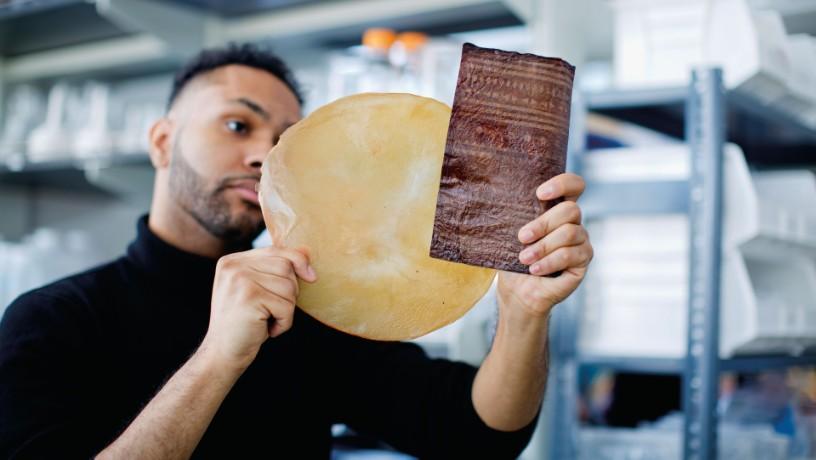
Romare Antrobus, PhD student and co-lead author of the study, examining a sample of compostable bioleather

Research

Compostable Bioleather Offers Sustainable Solutions for the Clothing Industry and Beyond

September 30, 2022

by Harry Kelso

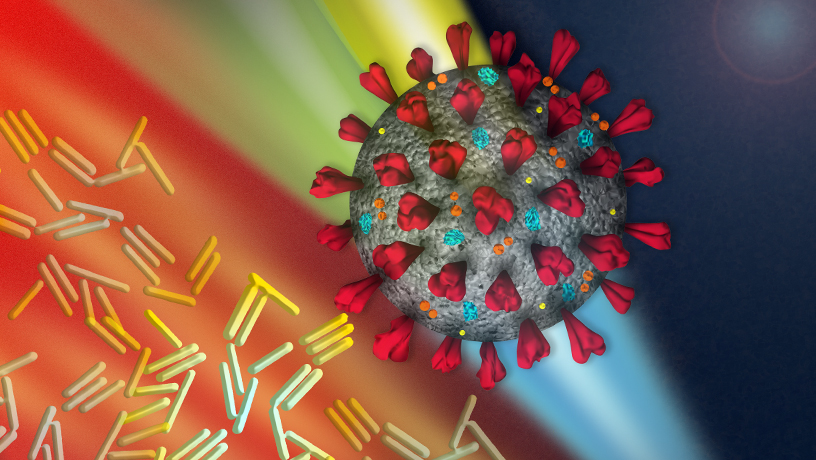
Infrared heating of plasmonic nanoparticles facilitates multiplexed reverse transcriptase quantitative PCR for rapid detection of SARS-CoV-2

Research

New COVID-19 Rapid-test Technology Performs PCR Faster than Similar Tests on the Market

July 25, 2022

by Holly Evarts

Intersecting lines over a blue gradient background

Faculty & Staff

Dr. Sanja Vickovic's Unique Journey to Cancer Research

July 01, 2022

by LORENZA FAVROT

NSF award winners

Faculty & Staff

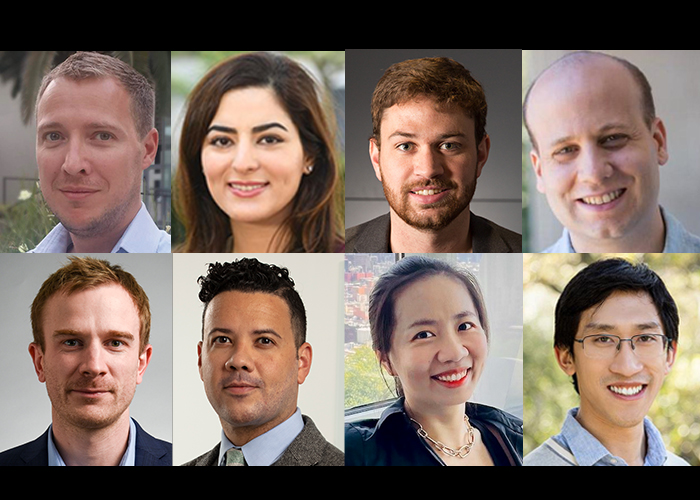
Eight Columbia Engineering Professors Win NSF CAREER Awards

May 12, 2022

by Allison Elliott

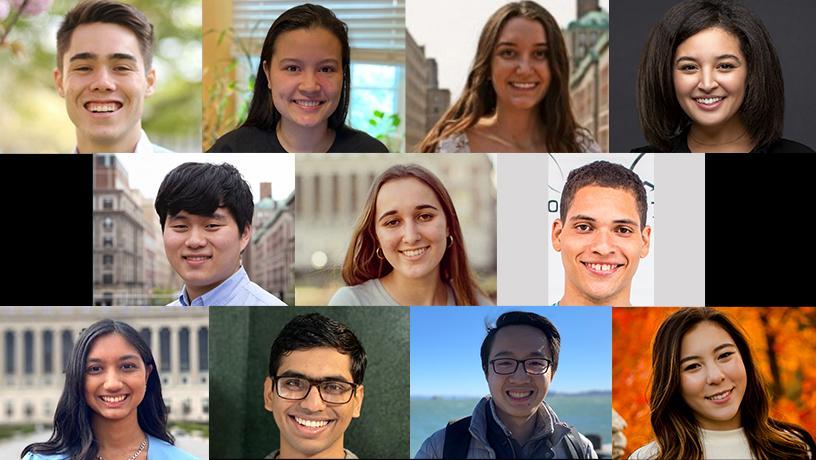
Top row (L-R): Cole James Allan ’21, Christine Ye Shu Blackshaw ’21, Sarah Hancock ’21, Ayah Hassan ’18. Middle row (L-R): Joseph T. Lee ’21, Isabella Leite ’22, Kaylo Littlejohn ’20. Bottom row (L-R): Anushka Murthy ’22, Amey Praveen Pasarkar ’22, Yongpeng Tang ’18, Miranda Wang ’22.

Students

11 Engineering Students Win 2022 NSF Graduate Research Fellowships

May 09, 2022

by ALLISON CHEN

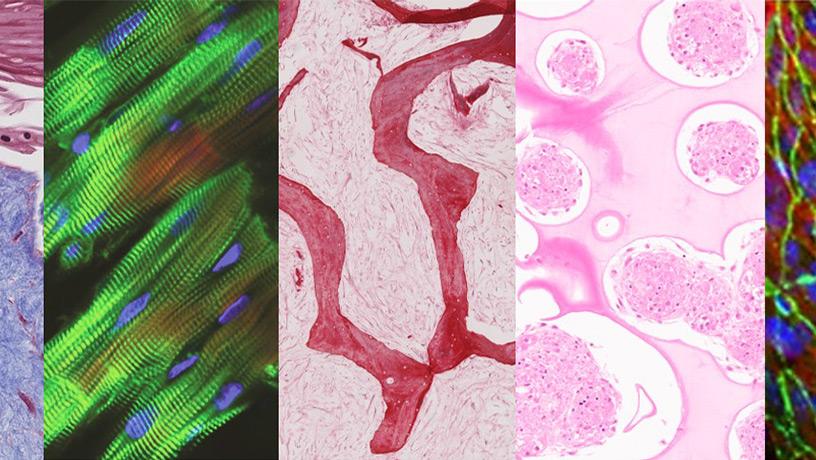
Tissues cultured in the multi-organ chip

Research

Plug-and-Play Organ-on-a-Chip Can Be Customized to the Patient

April 27, 2022

by Holly Evarts

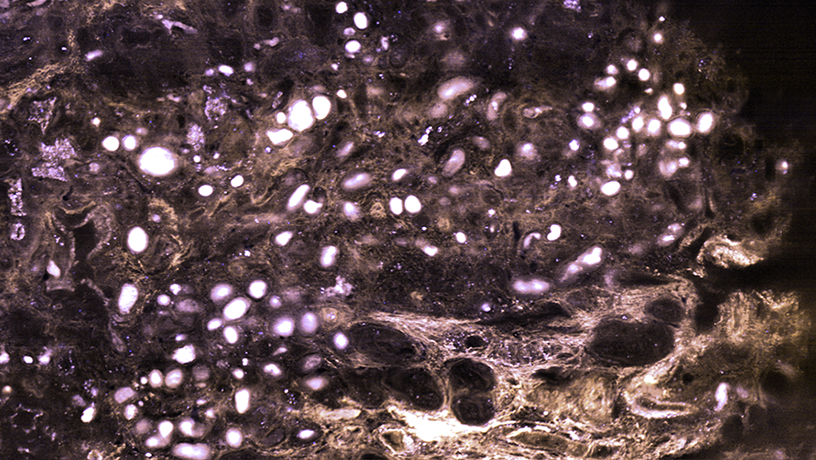
MediSCAPE is a high-speed 3D microscope capable of capturing images of tissue structures that could guide surgeons to navigate tumors and their boundaries without needing to remove tissues and wait for pathology results.

Research

New Technology Could Make Biopsies a Thing of the Past

March 28, 2022

by Holly Evarts

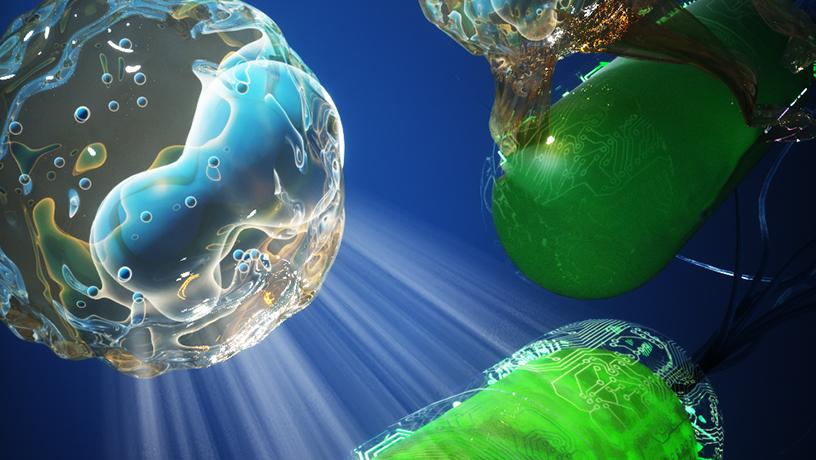
Probiotic bacteria (E. coli Nissle 1917 strain, green) is engineered to controllably evade immune system (macrophage, transparent) using a genetically encoded encapsulation system (capsular polysaccharides with circuit board, shown as transparent coating surrounding the bacterial cells). This system was used to enhance delivery of therapeutic bacteria for cancer therapy. (Ella Marushchenko, Alex Tokarev, Danino Lab/Columbia Engineering)

Research

Engineering an “Invisible Cloak” for Bacteria to Deliver Cancer Drugs

March 17, 2022

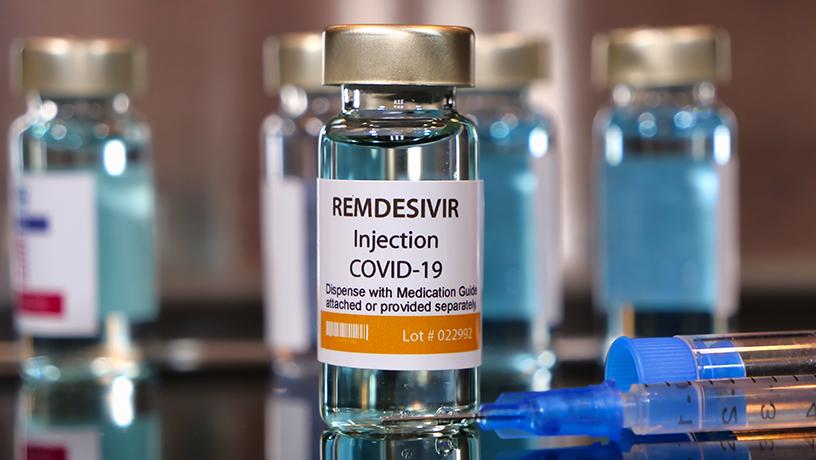
Researchers from Columbia Engineering, Fiocruz’s Center for Technological Development in Health and the Oswaldo Cruz Institute in Brazil, Memorial Sloan Kettering Cancer Center, and Rockefeller University recently reported that, by combining inhibitors of polymerases and exonucleases--enzymes that allow SARS-CoV-2 to reproduce--they were able to reduce SARS-CoV-2 replication 10 times more than when using just the polymerase inhibitors.

Research

Novel Antiviral Drug Combinations Demonstrate COVID-19 Therapeutic Potential

March 04, 2022

by Holly Evarts

José L. McFaline-Figueroa

Faculty & Staff

José McFaline-Figueroa Wins NSF CAREER Award

March 03, 2022

by Holly Evarts

An image of Columbia Engineering's first black graduate

Students

Sharing Untold Stories of Columbia’s Engineers

February 28, 2022

by Kyle Barr

Samuel Sia

Faculty & Staff

Samuel Sia Appointed Vice Provost for the Fourth Purpose and Strategic Impact

February 28, 2022