Civil Engineering and Engineering Mechanics

Columbia_Engineering_News_1_A

Faculty & Staff

In Memoriam: Christian Meyer, Professor Emeritus, Civil Engineering and Engineering Mechanics

June 11, 2020

by Holly Evarts

sharon_di_816

Faculty & Staff

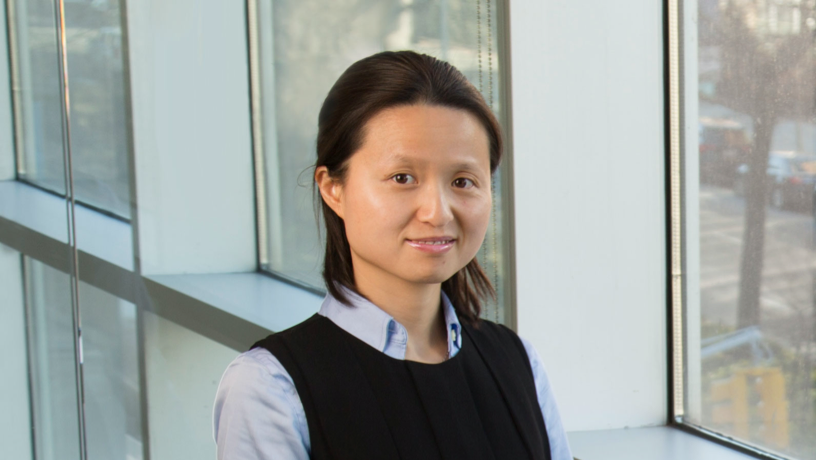
Civil Engineering Prof Sharon Di Wins NSF CAREER Award

April 30, 2020

by Holly Evarts

Jarett Poliner

Students

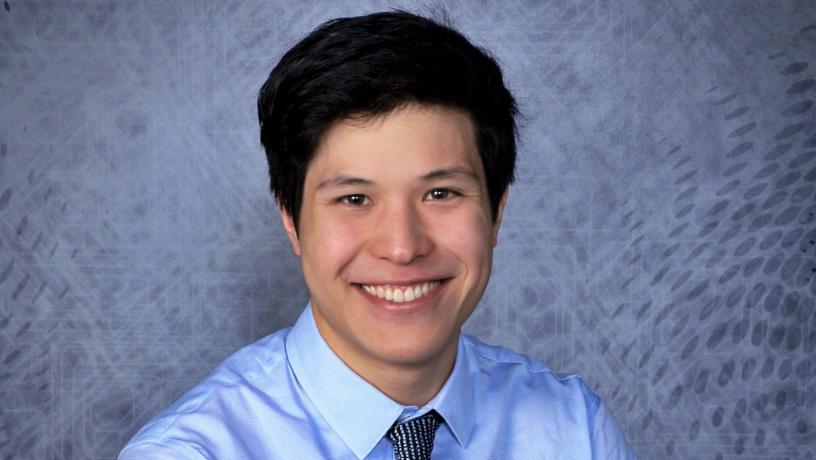
PhD Student Jarett Poliner Awarded NDSEG Fellowship

April 23, 2020

NSF logo

Students

22 Columbia Engineers Named NSF Graduate Research Fellows

April 08, 2020

by Jesse Adams

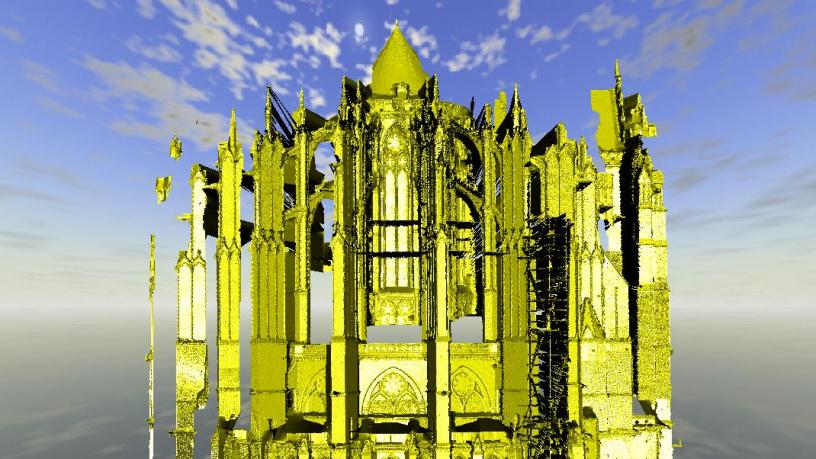
Partial model of Cathedral of Saint Pierre in Beauvais, France developed by Columbia University researchers merging multiple range scans.

Engineering the Future of Cultural Preservation

December 13, 2019

by Mindy Farabee

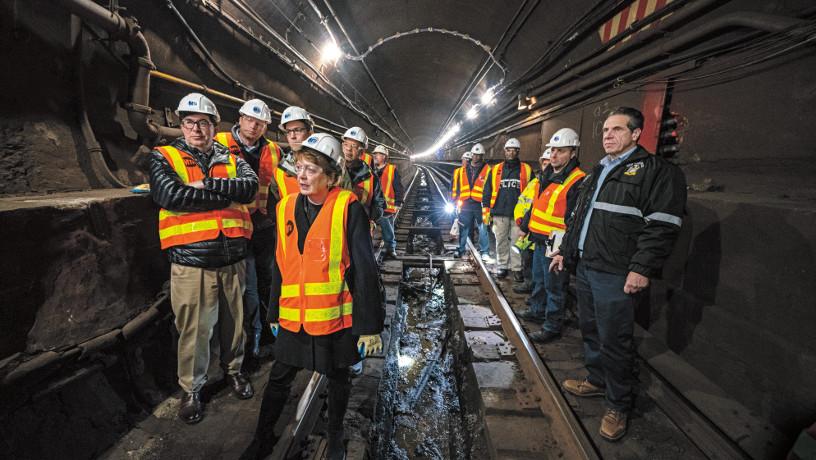
Dean Mary C. Boyce, Peter Kinget, Andrew Smyth, and George Deodatis tour the L Train tunnel with Gov. Andrew Cuomo and colleagues from Cornell Engineering and the MTA.

Faculty & Staff

Keeping the New York City Subway on Track

May 07, 2019

by N/A

crash_manhattan2_0

Faculty & Staff

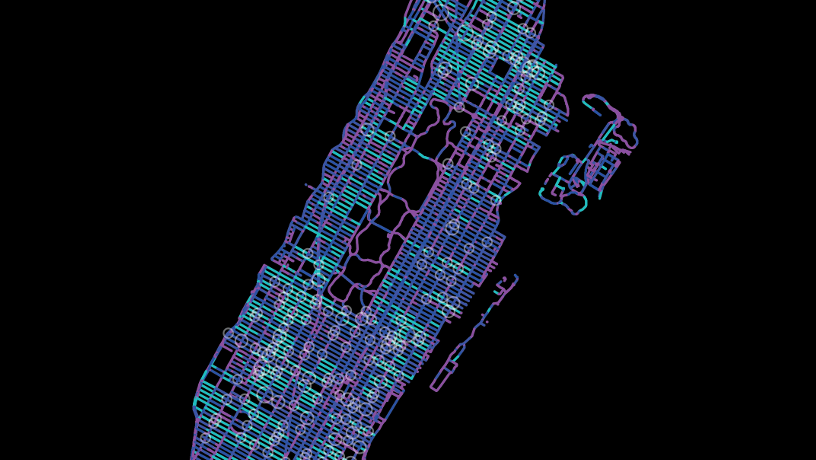
Connecting the Dots

May 07, 2019

by Marilyn Harris

Available Programs


  • CS@CU MS Bridge Program in Computer Science

    The CS@CU MS Bridge Program in Computer Science is a well-established pathway for students without a formal undergraduate background in computer science. The program provides comprehensive preparation in programming, data structures, discrete mathematics, and core computing concepts.

    Students apply directly to the Bridge Program and, upon successful completion of the required coursework and GPA benchmarks, transition into the MS in Computer Science.

    Program structure

    • Part-time, non-degree Bridge program
    • Apply to the CS@CU MS Bridge Program via the graduate application
    • Transition to the MS upon successful completion
    • Not eligible for F-1 visa sponsorship during the Bridge phase
  • IEOR MS Bridge Program

    The IEOR MS Bridge Program is designed to equip students for success in the Master of Science in Business Analytics (MSBA) or the Master of Science in Management Science and Engineering (MS&E) programs. The Bridge Program provides a clear and structured pathway for students who may lack some of the quantitative, coding, or data science skills required for direct admission.

    Business Analytics MS Bridge Program

    The MS in Business Analytics Bridge Program is designed for students with strong academic or professional potential who need additional preparation in quantitative methods, computing, or data science before transitioning into the Master of Science in Business Analytics.

    Students apply directly to the Bridge Program and, upon successful completion, transition into the MS in Business Analytics.

    Program structure

    • Part-time, non-degree Bridge program
    • Apply to the Business Analytics MS Bridge Program via the graduate application
    • Transition to MS after Bridge completion
    • Not eligible for F-1 visa sponsorship during the Bridge phase

    Management Science and Engineering MS Bridge Program

    The Management Science and Engineering Program prepares students from non-engineering or partially quantitative backgrounds for advanced study in management science, optimization, analytics, and systems engineering prior to transitioning into the MS&E MS curriculum.

    Students apply directly to the Bridge Program and, upon successful completion, transition into the MS in Business Analytics.

    Program structure

    • Part-time, non-degree Bridge program
    • Apply to the Management Science and Engineering MS Bridge Program via the graduate application
    • Transition to MS after Bridge completion
    • Not eligible for F-1 visa sponsorship during the Bridge phase
  • Electrical Engineering MS Bridge Program

    The Electrical Engineering MS Bridge Program supports students from related quantitative or scientific backgrounds who lack formal electrical engineering training. Students complete targeted foundational coursework aligned with their intended area of specialization before transitioning fully into MS-level study.

    Program structure

    • Part-time, non-degree Bridge program
    • Apply to the Electrical Engineering MS Bridge Program via the graduate application
    • Transition to MS after successful completion
    • Not eligible for F-1 visa sponsorship during the Bridge phase
  • Biomedical Engineering MS Preparation Pathway

    The Master of Science in Biomedical Engineering welcomes high-achieving students from a range of academic backgrounds, including other engineering disciplines (e.g., mechanical, electrical, civil) and allied sciences (e.g., biology, chemistry, physics, computer science). While Biomedical Engineering does not offer a formal Bridge Program, admitted students may be required to complete additional coursework—beyond the standard MS curriculum—if specific foundational gaps are identified during the admissions review.

    Program structure

    • Full-time or part-time MS enrollment
    • Apply directly to the Biomedical Engineering MS program. If additional preparatory coursework is required, it will be specified in the admission offer.
    • Eligible for F-1 visa sponsorship
  • Civil Engineering and Engineering Mechanics MS Bridge Program

    The Civil Engineering and Engineering Mechanics MS Bridge Program supports students without a civil engineering undergraduate degree by providing focused preparation in mechanics, fluids, structures, and related areas. Bridge requirements are determined at admission and completed prior to or alongside graduate coursework.

    Program structure

    • Full-time or part-time MS enrollment
    • Bridge coursework integrated into MS program
    • No separate Bridge application is required. Apply directly to the Civil Engineering and Engineering Mechanics Master of Science program.
    • Eligible for F-1 visa sponsorship
  • Chemical Engineering Scientist-to-Engineer (S2E) Program

    The Scientist-to-Engineer (S2E) program is an integrated pathway within the MS in Chemical Engineering for students without an undergraduate degree in chemical engineering.

    Students complete an intensive, accelerated set of undergraduate-level chemical engineering courses during their first semester, covering core concepts needed for success in the graduate curriculum. Degree completion is typically achieved in three semesters.

    Program structure

    • Full-time or part-time MS enrollment
    • Bridge coursework completed within the MS program
    • No separate Bridge application is required. Apply directly to the Chemical Engineering Master of Science program.
    • Eligible for F-1 visa sponsorship
  • Mechanical Engineering MS Bridge Program (Coming Soon)

    The Mechanical Engineering MS Bridge Program prepares students without an undergraduate degree in mechanical engineering to enter the MS in Mechanical Engineering curriculum with confidence. The program emphasizes core areas such as mechanics, thermal fluids, design, and materials.

    Bridge requirements are assigned upon admission to the MS program and are completed prior to or alongside graduate coursework.

    Program structure

    • Full-time or part-time MS enrollment
    • Bridge coursework integrated into MS program
    • No separate Bridge application is required. Apply directly to the Mechanical Engineering Master of Science program.
    • Eligible for F-1 visa sponsorship
       
  • Computer Engineering Bridge Program

    The Columbia Computer Engineering MS Bridge program will enable students with undergraduate degrees in fields other than electrical engineering, computer engineering, and computer science to take preparatory courses before enrolling in the CE MS degree program. The Computer Engineering Bridge Program offers two distinct tracks, enabling students to acquire the essential foundational skills tailored to their specific interests within the MS curriculum. One track is designed for students aiming to specialize in Computer Systems (Track A), while the other prepares students for specializing in Computer Chip Design (Track B). Students complete targeted foundational coursework aligned with their intended area of specialization before transitioning fully into MS-level study. 

    Program structure

    • Part-time, non-degree program
    • Apply to the Computer Engineering MS Bridge Program via the graduate application
    • Transition to the Computer Engineering MS after successful completion
    • Not eligible for F-1 visa sponsorship during the bridge program

Frequently Asked Questions


  • Who should consider an MS Bridge Program?

    MS Bridge Programs are ideal for students with strong academic or professional records who may be missing specific undergraduate coursework required for direct entry into an engineering MS program.
     

  • Do Bridge Programs lead to a degree?

    Yes, the goal is the students complete the corresponding Master’s of Science program they have been admitted to. Note that the Computer Science, Electrical Engineering, Business Analytics, and Management Science + Engineering bridge programs are not degree-granting on their own. These serve as a pathway into a Columbia Engineering MS program, after which students complete degree requirements. The Biomedical Engineering, Chemical Engineering, Civil Engineering and Engineering Mechanics, and Mechanical Engineering bridge programs are integrated into the MS program, and thus are degree-seeking programs. 

  • Are Bridge students eligible for student visas?

    This will vary by program. Students enrolled directly in the Biomedical Engineering, Chemical Engineering, Civil Engineering and Engineering Mechanics, and Mechanical Engineering bridge programs are eligible for F-1 visas

    Students in the Computer Science, Electrical Engineering, Business Analytics, and Management Science + Engineering bridge programs are not eligible for F-1 visa sponsorship until they transition into the MS.

  • Can Bridge requirements be waived?

    In many programs, previously completed coursework may be reviewed for possible waivers, typically requiring a minimum grade of B or higher.

  • When are application deadlines?

    The priority deadline for most Bridge Programs is February 15. Applicants are encouraged to review individual program pages for the most up-to-date information.

  • What materials are required to apply?

    The following materials must accompany the online application for on-campus graduate programs. 

    • Transcripts
    • Three Letters of Recommendation
    • Personal Statement
    • Resumé or Curriculum Vitae
    • Video Interview
    • Graduate Record Examination (GRE) General Test Scores (optional)
    • English Language Exam Scores (TOEFL, IELTS, Duolingo) required for applicants educated in a country other than Australia, Canada, Ireland, New Zealand, Singapore, the UK, Ghana, Nigeria, Kenya, and the United States of America.
    • $85 non-refundable application fee (payable by a major credit card through the online application system)
  • How do I apply?

    Interested students should apply using the On-Campus MS and PhD Programs application found here.
Additional Information


  • Research Experience
    • Graduate Research Assistant, New York University, 2017-2021
  • Professional Experience
    • Assistant Professor of Civil Engineering and Engineering Mechanics, 2024-
    • Assistant Professor of Civil Engineering, 2021-2024
  • Professional Affliliations
    • American Society of Civil Engineers (ASCE)
    • Association for Computing Machinery (ACM)
    • Computing Machinery (ACM)
  • Honors and Awards
    • Best Paper Award (with supervised Ph.D. students Lei Huang and Weijia Cai) at the Canadian Society for Civil Engineering (CSCE) Annual Conference, Canada, 2022
    • Outstanding Dissertation Award, New York University, 2021
    • Editor's Choice Award by Journal of Computing in Civil Engineering, New York University, 2019
    • Inaugural class of Urban Doctoral Fellowship, New York University, 2018
  • Selected Publications
    1. Duan, K., Zou, Z. (2024). “Morphology Agnostic Gesture Mapping for Intuitive Teleoperation of Construction Robots”. Advanced Engineering Informatics, 62, 102600.
    2. Huang, L., Cai, W., Zhu, Z., Zou, Z. (2023). “Dexterous manipulation of construction tools using anthropomorphic robotic hand”. Automation in Construction, 156, 105133.
    3. Li, R., Zou, Z. (2023). “Enhancing Construction Robot Learning for Collaborative and Long-Horizon Tasks using Generative Adversarial Imitation Learning”. Advanced Engineering Informatics, 581 102140.
    4. Duan, K., Suen, C., Zou, Z. (2023). “Robot morphology evolution for automated HVAC system inspections using graph heuristic search and reinforcement learning”. Automation in Construction, 153, 104956.
    5. Cai, W., Huang, L., Zou, Z. (2023). “Actively-exploring thermography-enabled autonomous robotic system for detecting and registering HVAC thermal leaks”. Automation in Construction, 152, 104901.
    6. Zhang, H. X., Zou, Z. (2023). “Quality assurance for building components through point cloud segmentation leveraging synthetic data”. Automation in Construction, 155, 105045.
    7. Yu, X., Zou, Z., Ergan, S. (2023). “Extracting principal building variables from automatically collected façade images for energy conservation through deep transfer learning”. Applied Energy, 344, 121228.
    8. Huang, L., Zhu, Z., Zou, Z. (2023). “To imitate or not to imitate: An integrated approach to boost reinforcement learning-based construction robotic control for long-horizon tasks using virtual demonstrations”. Automation in Construction, 146, 104691.
    9. Zou, Z., Ergan, S. (2023). “Towards Emotionally Intelligent Buildings: A Convolutional Neural Network based Approach to Classify Human Emotional Experience in Virtual Built Environments.” Advanced Engineering Informatics, 55, 101868.
    10. Ergan, S., Zou, Z., Bernardes, S. D., Zuo, F., Ozbay, K. (2022). “Developing an integrated platform to enable hardware-in-the-loop for synchronous VR, traffic simulation and sensor interactions.” Advanced Engineering Informatics, 51, 101476.
    11. Zou, Z., Ergan, S. (2021). “Evaluating the effectiveness of biometric sensors and their signal features for classifying human experience in virtual environments.” Advanced Engineering Informatics, 49, 101358.
    12. Zou, Z., Ergan, S., Fisher-Gewirtzman, D., Curtis, C. (2021). “Quantifying the Impact of Urban Form on Human Experience: An Experiment using Virtual Environments and Electroencephalogram.” ASCE Journal of Computing in Civil Engineering, 35(3), 04021004.
    13. Zou, Z., Yu, X., Ergan, S. (2020). “Towards Optimal Control of Air Handling Units using Deep Reinforcement Learning and Recurrent Neural Network.” Building and Environment, 168, 106535.
    14. Ergan, S., Radwan, A., Zou, Z., Tseng, H. A., Han, X. (2019). “Quantifying Human Experience in Architectural Spaces with Integrated Virtual Reality and Body Sensor Networks.” ASCE Journal of Computing in Civil Engineering, 33(2), 04018062.
    15. Du, J., Zou, Z.., Shi, Y., Zhao, D. (2018). “Zero Latency: Real-time Synchronization of BIM Data in Virtual Reality for Collaborative Decision-making.” Automation in Construction, 85, 51-64.
    16. Du, J., Shi, Y., Zou, Z., Zhao, D. (2018). “CoVR: Cloud-based Multiuser Virtual Reality Headset System for Project Communication of Remote Users.” ASCE Journal of Construction Engineering and Management, 144(2), 04017109.
  • Education
    • PhD, Civil and Urban Engineering, New York University
    • MS, Civil and Environmental Engineering, Carnegie Mellon University
    • BS, Civil Engineering, Tongji University