About the Study
Journal: Nature Biotechnology
Title: A programmable encapsulation system improves delivery of therapeutic bacteria in mice
Authors: Tetsuhiro Harimoto 1,6, Jaeseung Hahn 1,6, Yu-Yu Chen 1, Jongwon Im 1, Joanna Zhang 1, Nicholas Hou 1, Fangda Li 2, Courtney Coker 1, Kelsey Gray 1, Nicole Harr 1, Sreyan Chowdhury 1,2, Kelly Pu 1, Clare Nimura 1, Nicholas Arpaia 2,3, Kam Leong 1,4, and Tal Danino 1,3,5
- Department of Biomedical Engineering, Columbia Engineering
- Department of Microbiology and Immunology, Vagelos College of Physicians and Surgeons, Columbia University
- Herbert Irving Comprehensive Cancer Center, Columbia University
- Department of Systems Biology, Columbia University Medical Center
- Data Science Institute, Columbia University
This work was supported by the DoD LC160314 (T.D.), DoD BC160541 (T.D.), NIH R01CA249160 (T.D.), NIH U01CA247573 (T.D.), NIH F99CA253756 (T.H.), and Honjo International Foundation Scholarship (T.H.).
COI: T.H., J.H., K.L. and T.D. have filed a provisional patent application with the US Patent and Trademark Office related to this work (01001/009982).
Header image: Probiotic bacteria (E. coli Nissle 1917 strain, green) is engineered to controllably evade immune system (macrophage, transparent) using a genetically encoded encapsulation system (capsular polysaccharides with circuit board, shown as transparent coating surrounding the bacterial cells). This system was used to enhance delivery of therapeutic bacteria for cancer therapy. (Ella Marushchenko, Alex Tokarev, Danino Lab/Columbia Engineering)
About the Study
Journal: Communications Biology, an open-access journal from Nature Portfolio
Title: Combination of antiviral drugs inhibits SARS-CoV2 polymerase and exonuclease and demonstrates COVID-19 therapeutic potential in viral cell culture
Authors: Xuanting Wang1,2,11, Carolina Q. Sacramento3,4,11, Steffen Jockusch1,5,11, Otavio Augusto Chaves3,4, Chuanjuan Tao1,2, Natalia Fintelman-Rodrigues3,4, Minchen Chien1,2, Jairo R. Temerozo6,7, Xiaoxu Li1,2, Shiv Kumar1,2, Wei Xie8, Dinshaw J. Patel8, Cindy Meyer9, Aitor Garzia9, Thomas Tuschl9, Patricia T. Bozza3, James J. Russo1,2, Thiago Moreno L. Souza3,4 & Jingyue Ju1,2,10
- Center for Genome Technology and Biomolecular Engineering, Columbia University
- Department of Chemical Engineering, Columbia University
- Laboratory of Immunopharmacology, Oswaldo Cruz Institute (IOC), Oswaldo Cruz Foundation (Fiocruz), Rio de Janeiro
- National Institute for Science and Technology for Innovation on Diseases of Neglected Population (INCT/IDN), Center for Technological Development in Health (CDTS), Oswaldo Cruz Foundation (Fiocruz), Rio de Janeiro
- Department of Chemistry, Columbia University
- Laboratory on Thymus Research, Oswaldo Cruz Institute (IOC), Oswaldo Cruz Foundation (Fiocruz), Rio de Janeiro
- National Institute for Science and Technology on Neuroimmunomodulation (INCT/NIM), Oswaldo Cruz Institute (IOC), Oswaldo Cruz Foundation (Fiocruz), Rio de Janeiro
- Laboratory of Structural Biology, Memorial Sloan-Kettering Cancer Center
- Laboratory of RNA Molecular Biology, Rockefeller University
- Department of Molecular Pharmacology and Therapeutics, Columbia University
This work was supported by the Jack Ma Foundation, a gift from Columbia Engineering Member of the Board of Visitors Dr. Bing Zhao, and Fast Grants (to Jingyue Ju), the Maloris Foundation and the Memorial Sloan- Kettering Core Grant (P30CA008748) (to Dinshaw J. Patel), a grant from The JPB Foundation to Rockefeller University (to Thomas Tuschl). Funding was also provided by Conselho Nacional de Desenvolvimento Cientifico e Tecnologico (CNPq, 441019/2020-0, 307162/2017-6), Fundacao de Amparo a Pesquisa do Estado do Rio de Janeiro (FAPERJ, E-26/210.182/2020, E-26/201.067/2021, E-26/210.112/2020) and Coordenacao de Aperfeicoamento de Pessoal de Ni vel Superior -Brasil (CAPES) - Finance Code 001 (to Thiago Moreno L. Souza and Patricia T. Bozza). CNPq, CAPES and FAPERJ also support the National Institutes of Science and Tech-nology Program (INCT-IDPN, 465313/2014-0). Oswaldo Cruz Foundation/FIOCRUZ supports this study under the auspices of the Inova Program (B3-Bovespa funding, VGPDI-032-ARVC-20) (to Thiago Moreno L. Souza).
COI: The authors declare no competing interests.
About the Study
Journal: Nature Chemistry
Title: Highly conducting single-molecule topological insulators based on mono- and di-radical cations
Authors: Liang Li1, Jonathan Z. Low1, Jan Wilhelm2, Guanming Liao3, Suman Gunasekaran1, Claudia R. Prindle1, Rachel L. Starr1, Dorothea Golze4, Colin Nuckolls1, Michael L. Steigerwald1, Ferdinand Evers*2, Luis M. Campos*1, Xiaodong Yin*3, Latha Venkataraman*1,5 1Department of Chemistry, Columbia University, New York, New York 10027, United States 2Institute of Theoretical Physics, University of Regensburg, Regensburg, Germany 3Beijing Key Laboratory of Photoelectronic/Electrophotonic Conversion Materials, School of Chemistry and Chemical Engineering, Beijing Institute of Technology, Beijing, 102488, P. R. China 4Technische Universitat Dresden, Konig-Bau, Bergstrasse 66 c, 01069 Dresden, Germany 5Department of Applied Physics and Applied Mathematics, Columbia University, New York, New York 10027, United States
The study was supported by the National Science Foundation, under grant DMR-1807580.
COI: The authors declare no financial or other conflicts of interest.
Header image: A brief abstract figure of this work. The geometry of the highest conducting trimer (n=3) molecule in the molecular junction. Red and blue regions are artistic depictions on the coupling between the two edge states.
About the Studies
Journal: Science Advances
Title: Ionic communication for implantable bioelectronics
Authors: Zifang Zhao, George Spyropoulos, Claudia Cea, Jennifer N. Gelinas and Dion Khodagholy.
Jurnal: Advanced Science
Title: Anisotropic Ion Conducting Particulate Composites for Bioelectronics
Authors: Dickson R. Yao, Han Yu, Onni J. Rauhala, Claudia Cea, Zifang Zhao, Jennifer N. Gelinas and Dion Khodagholy.
Department of Electrical Engineering.
Department of Neurology.
Institute for Genomic Medicine.
Both these studies were supported by the Columbia University School of Engineering and Applied Science, the Columbia University Medical Center, Department of Neurology and Institute for Genomic Medicine, NIH grant 1U01NS108923-01, NIH grant R01NS118091, NIH grant R21 EY 32381-01, NSF CAREER award 1944415, and NSF EAGER grant 2027135.
COI: The authors declare no financial or other conflicts of interest.
Gallery
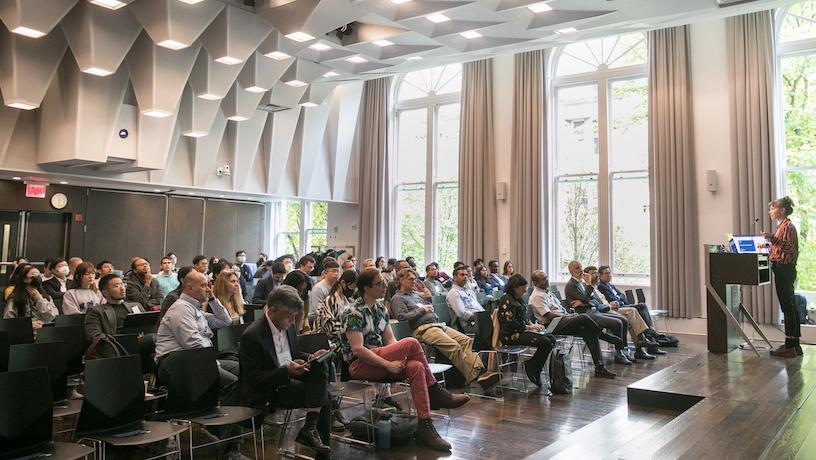
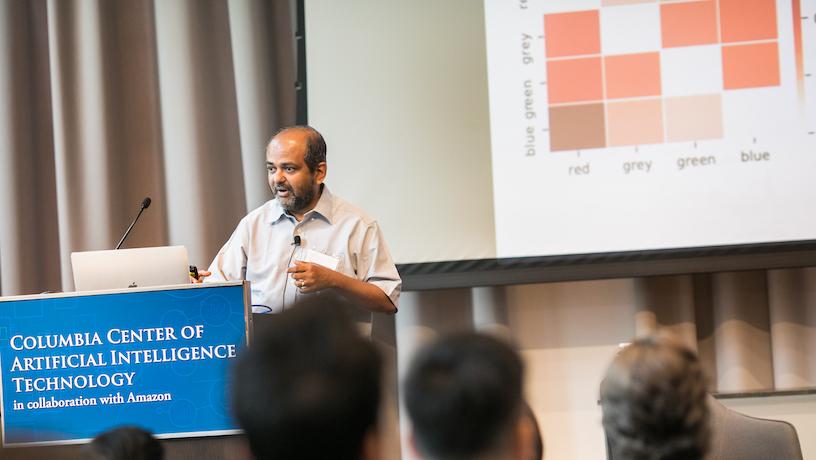
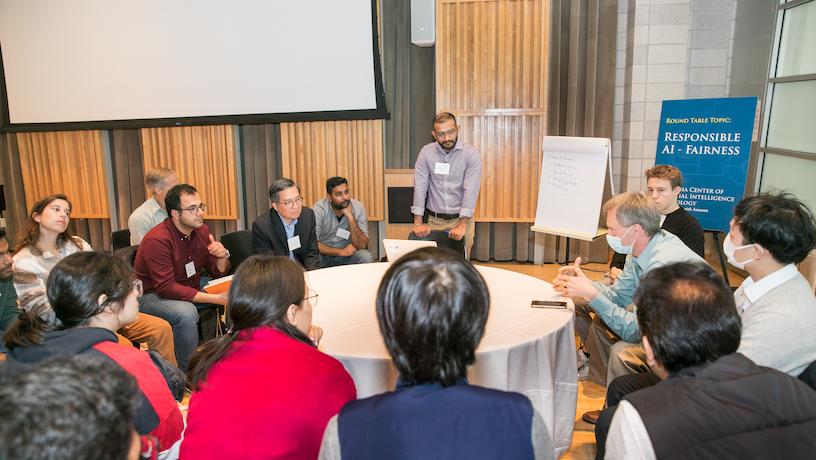
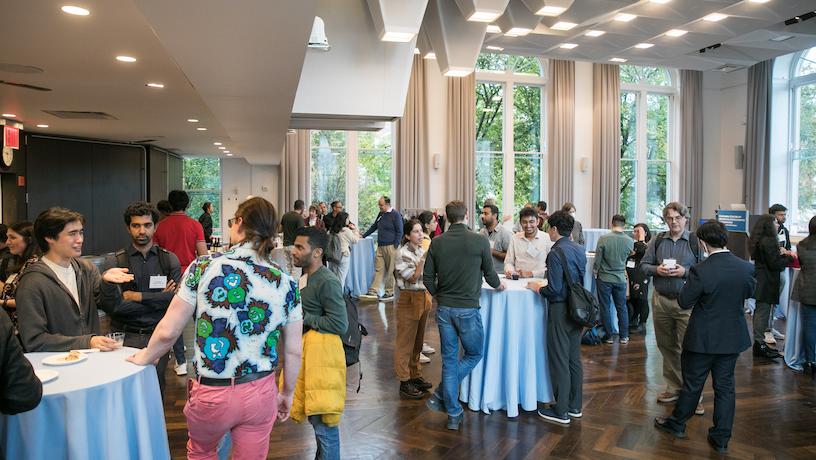
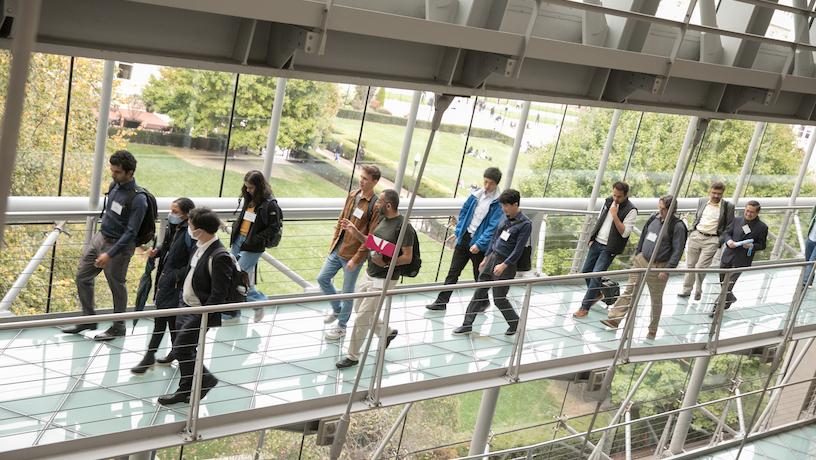
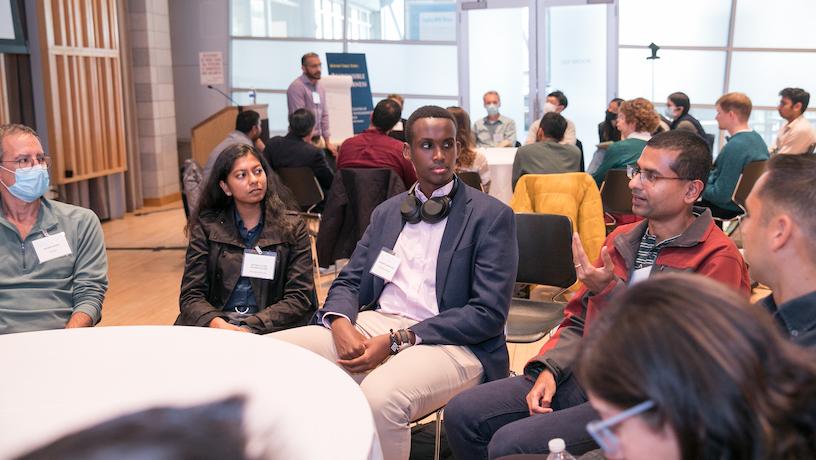
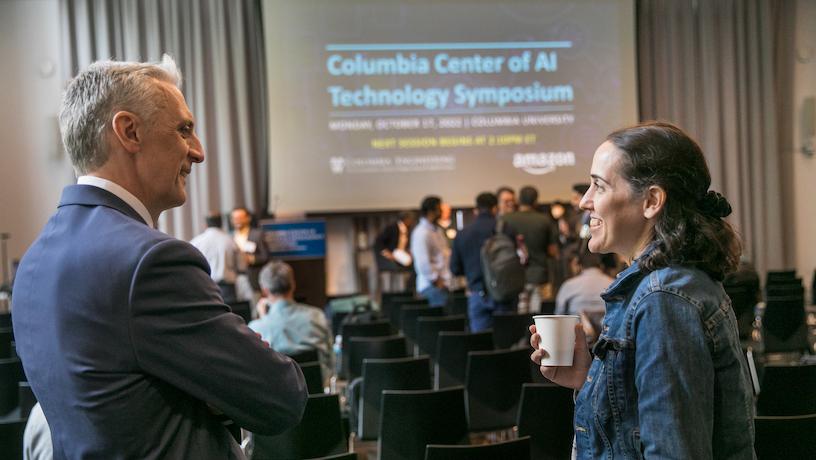
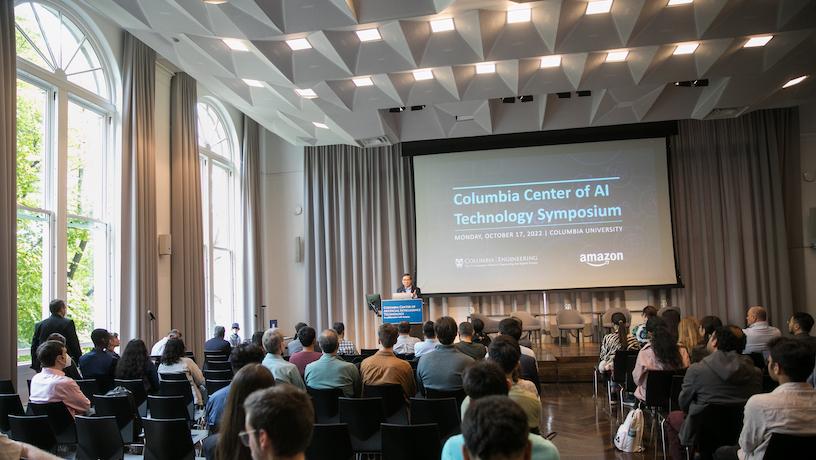
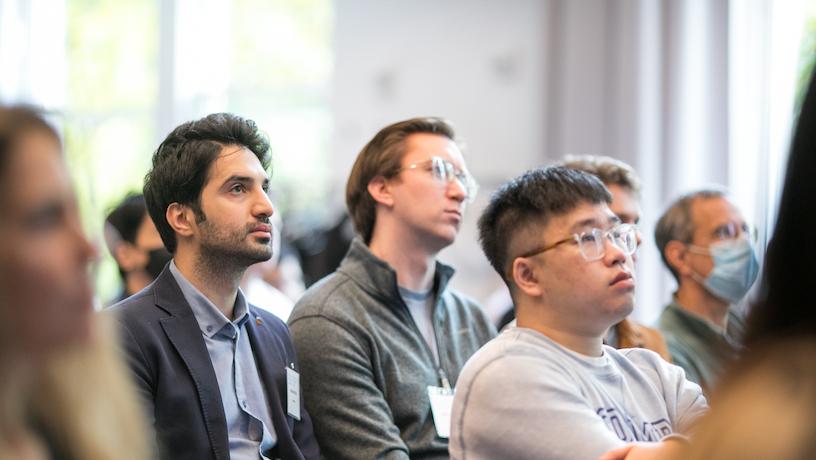
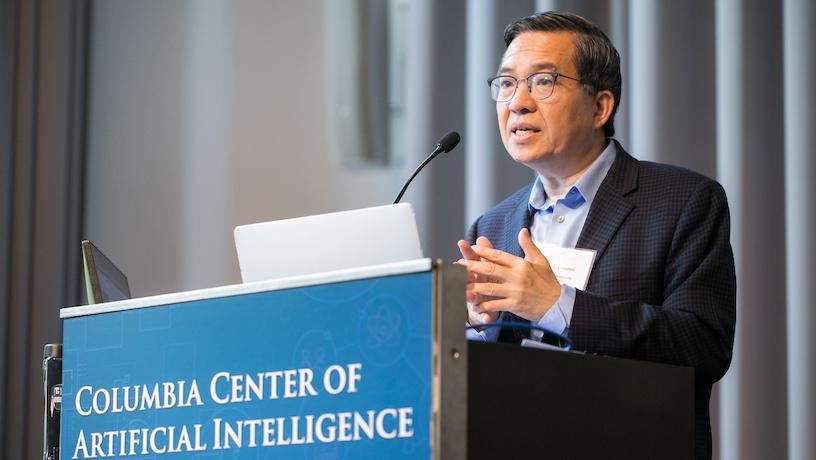
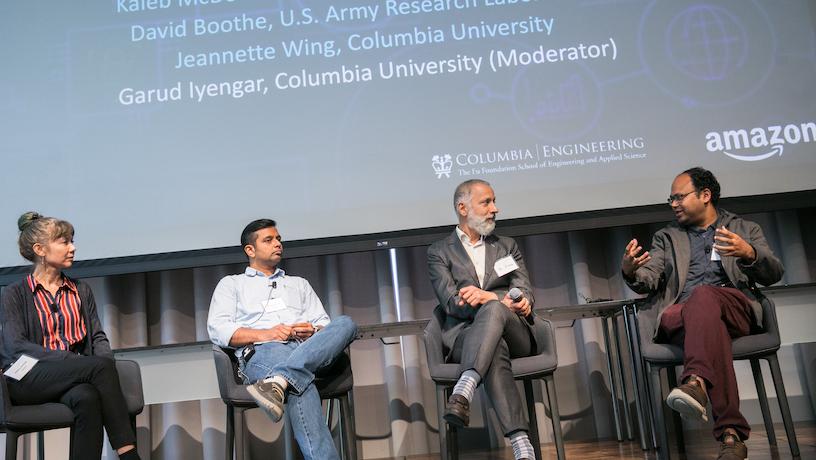
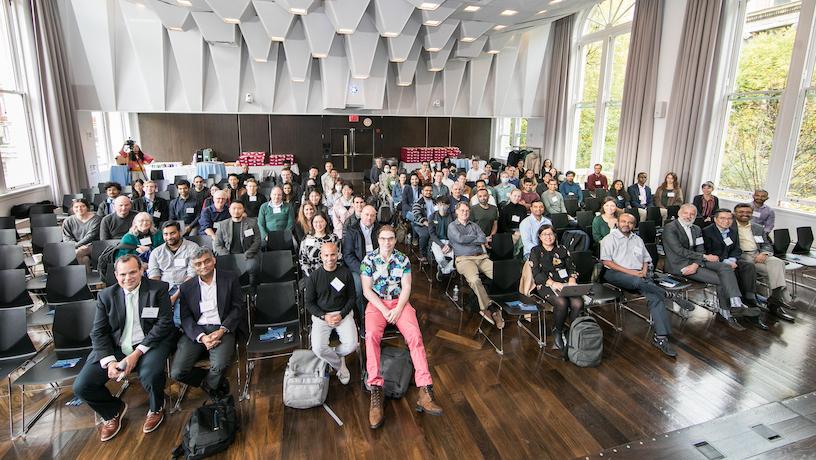
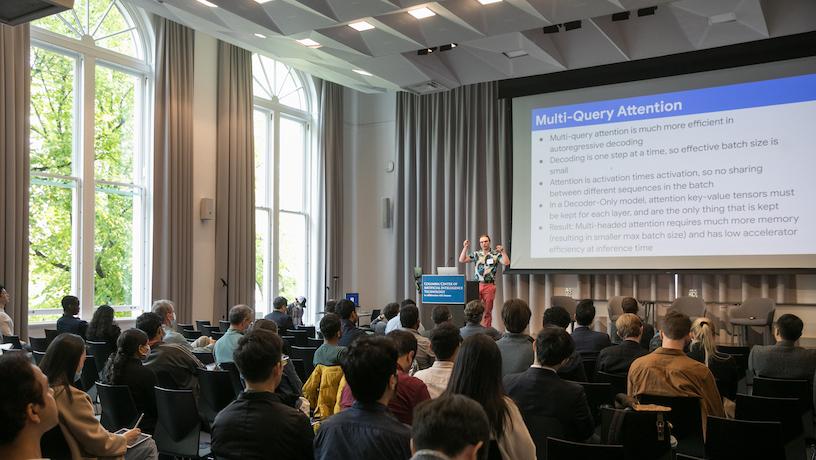
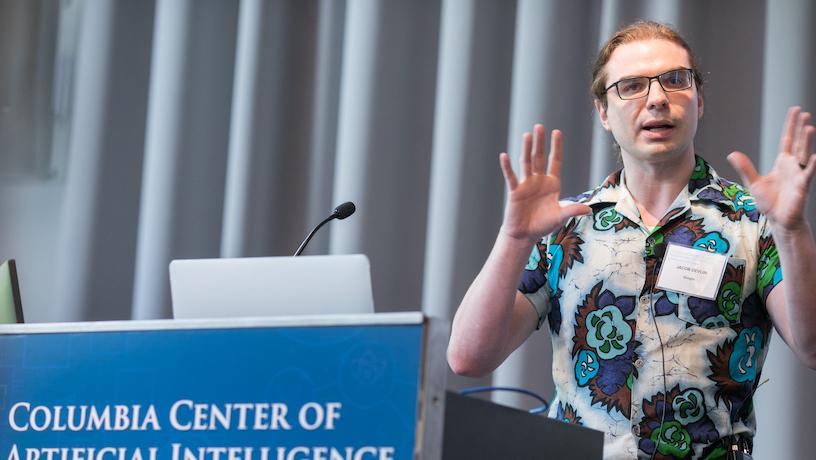
Photos from CAIT 2022 Symposium
NSF Engineering Research Center for Smart Streetscapes
Core Columbia University Partners
Columbia Engineering’s key partners at the University include the Data Science Institute (DSI), a leader in data science research with expertise in smart cities sensing, computer vision, human-computer interaction, and urban policy and management.
Other partners include:
- Columbia’s Faculty of Arts and Sciences, which offers a wide range of expertise in data science education and workforce development, led by Statistics Professor and Department Chair Tian Zheng;
- The School of International and Public Affairs (SIPA), which for more than 75 years has been educating professionals who work in public, private, and nonprofit organizations to make a difference in the world. SIPA’s participation in the project is led by Ester Fuchs, professor of international and public affairs and political science and director of the School’s Urban and Social Policy program, who emphasizes the importance of community engagement;
- Columbia Technology Ventures, which is working closely with CS3 to foster the entrepreneurial spirit of the student body and faculty, and to cultivate institutional connections with industry.
Columbia Executive Vice President for Research Jeannette Wing, who is also a professor of computer science, noted, "When people from different perspectives and areas of expertise come together, sparks fly. Under the platform of CS3, this unique constellation of researchers and educators has the opportunity not only to ask questions they would never have been able to ask on their own, let alone answer, but they also get to connect dots across campuses and beyond the university gates."
National Impact
“For decades, NSF Engineering Research Centers have transformed technologies and fostered innovations in the United States through bold research, collaborative partnerships, and a deep commitment to inclusion and broadening participation," said NSF Director Dr. Sethuraman Panchanathan. “The new NSF centers will continue the legacy of impacts that improve lives across the Nation.”
“One strength of NSF Engineering Research Centers is their ability to bring interdisciplinary academic teams together in convergent research to identify novel approaches to thorny societal challenges," said Dr. Susan Margulies, NSF Assistant Director for Engineering. “With their unique testbeds and industry partners, the centers innovate and translate solutions that are effective and sustainable.”
Columbia Engineering
Columbia Engineering, based in New York City, is one of the top engineering schools in the U.S. and one of the oldest in the nation. Also known as The Fu Foundation School of Engineering and Applied Science, the School expands knowledge and advances technology through the pioneering research of its more than 250 faculty, while educating undergraduate and graduate students in a collaborative environment to become leaders informed by a firm foundation in engineering. The School’s faculty are at the center of the University’s cross-disciplinary research, contributing to the Data Science Institute, Earth Institute, Zuckerman Mind Brain Behavior Institute, Precision Medicine Initiative, and the Columbia Nano Initiative. Guided by its strategic vision, “Columbia Engineering for Humanity,” the School aims to translate ideas into innovations that foster a sustainable, healthy, secure, connected, and creative humanity.
NSF
The U.S. National Science Foundation propels the nation forward by advancing fundamental research in all fields of science and engineering. NSF supports research and people by providing facilities, instruments and funding to support their ingenuity and sustain the U.S. as a global leader in research and innovation. With a fiscal year 2022 budget of $8.8 billion, NSF funds reach all 50 states through grants to nearly 2,000 colleges, universities and institutions. Each year, NSF receives more than 40,000 competitive proposals and makes about 11,000 new awards. Those awards include support for cooperative research with industry, Arctic and Antarctic research and operations, and U.S. participation in international scientific efforts. www.nsf.gov
About the Study
Journal: Environmental Science: Advances
Title: “Microbial nanocellulose biotextiles for a circular materials economy.”
Authors: Theanne N. Schiros12, Romare Antrobus23, Delfina Far´ias1, Yueh-Ting Chiu3, Christian Tay Joseph2, Shanece Esdaille2, Gwen Karen Sanchirico1, Grace Miquelon1, Dong An4, Sebastian T. Russell4, Adrian M. Chitu5, Susanne Goetz6, Anne Marika Verploegh Chasse7, Colin Nuckolls8, Sanat K. Kumar4, and Helen H. Lu23.
- Department of Science and Mathematics, Fashion Institute of Technology, New York, NY 10001, USA
- Materials Research Science and Engineering Center, Columbia University, New York, NY 10027, USA
- Department of Biomedical Engineering, Columbia University, New York, NY 10027, USA
- Department of Chemical Engineering, Columbia University, New York, NY 10027, USA
- Materials Science and Engineering, Columbia University, New York, NY 10027, USA
- Surface/Textile Design, Fashion Institute of Technology, New York, NY 10001, USA
- Footwear and Accessories Design, Fashion Institute of Technology, New York, NY 10001, USA
- Department of Chemistry, Columbia University, New York, NY 10027, USA
The study was supported by National Science Foundation, MRSEC program through Columbia on Precision-Assembled Quantum Materials (PAQM), grant DMR-2011738 (TNS, RA, Y-TC, HHL, CTJ, SE, DA, STR), the National Institutes of Health, grant NIH-NIAMS 1R01-AR07352901 (HHL), and a DoD CDMRP award, grant W81XWH-15-1-0685 (HHL).
COI: The authors declare no financial or other conflicts of interest.