Climate Week at Columbia Engineering 2025
Our faculty and students are engineering practical solutions to the planet’s most urgent challenges. At Climate Week 2025, we hosted a series of events to share our progress and start conversations on topics ranging from climate forecasting and plasma fusion to clean air and grid-scale energy storage.
Discover how we can work together to build a more sustainable world.
Highlights + Insights
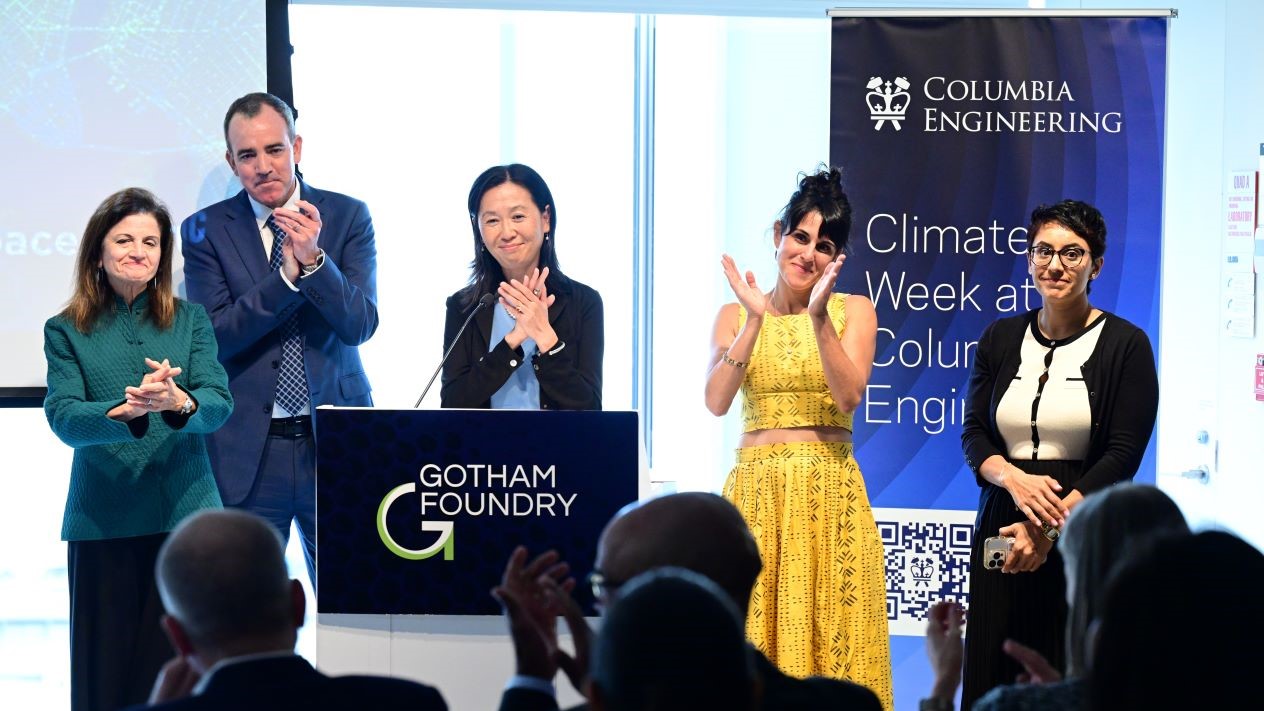
Team Led by Columbia Engineering Kicks Off $45 Million NYC Regenerative Materials Innovation Hub
Sustainable materials–at the intersection of nature, science, and engineering–are the focus of a new state-of-the-art R&D and innovation hub, Gotham Foundry.

Climate Week 2025 in Photos
At this year’s Climate Week NYC, Columbia Engineering convened conversations on the breakthroughs reshaping our path to sustainability.
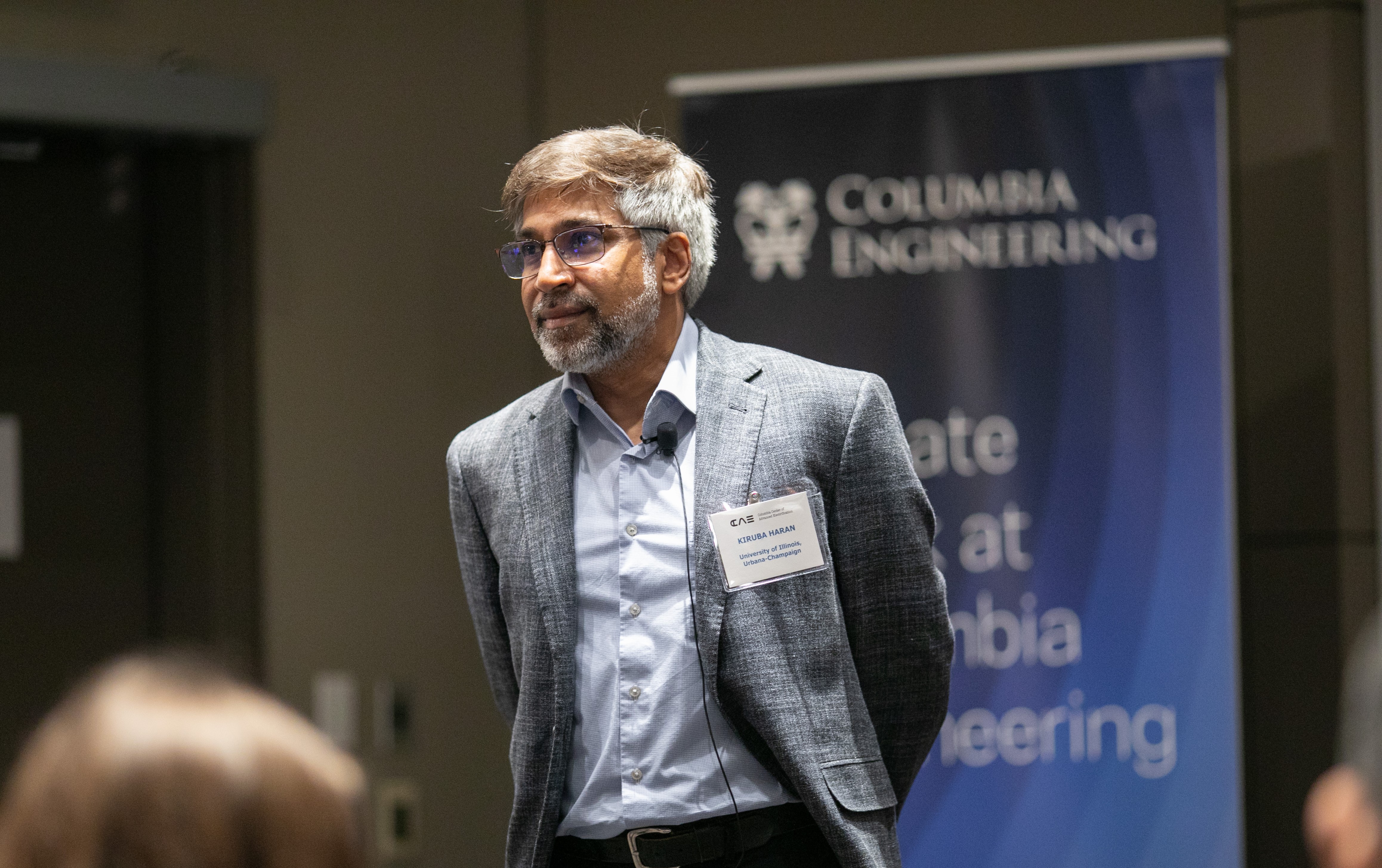
Columbia Symposium Explores the Future of Electrification
The Columbia Center of Advanced Electrification brought together policymakers, researchers, and industry leaders during Climate Week NYC to discuss advances in energy innovation.
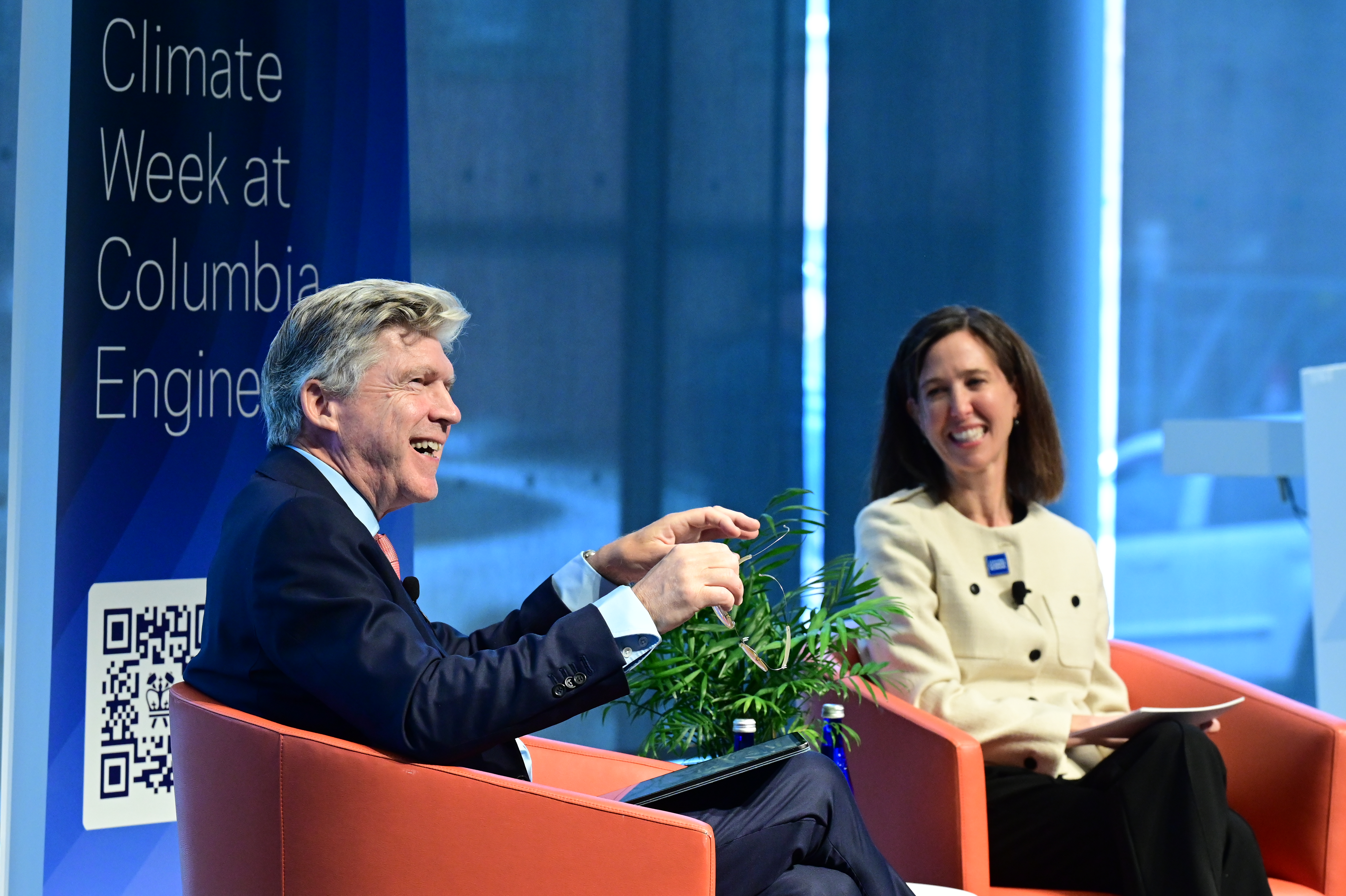
From Columbia to Climate Week: Alexander Sarrigeorgiou on Insurance, AI, and Resilience
At a special Tech CEO ‘fireside chat’ during Climate Week NYC, alum Alexander Sarrigeorgiou shared how climate change, AI, and new career paths are reshaping insurance.
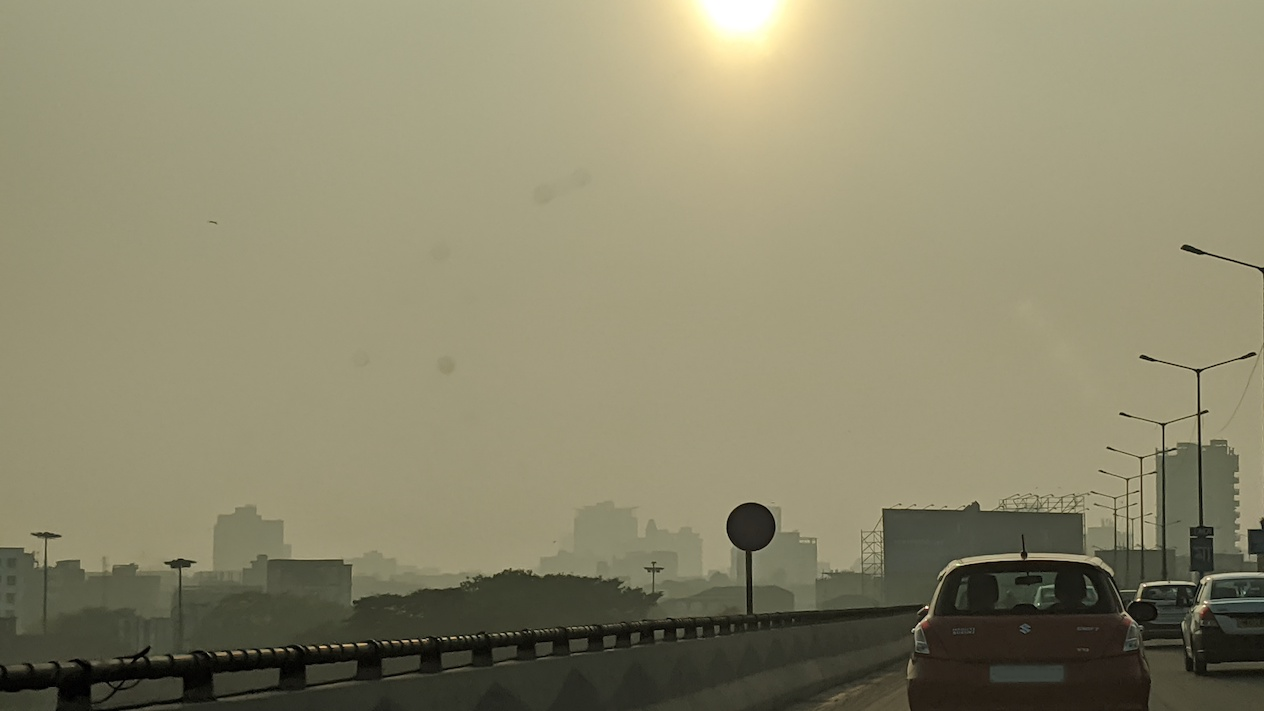
How Data and Partnerships Can Address Air Pollution
Air pollution is both a climate and public health crisis. Professor V. Faye McNeill explains why solving it requires innovation, collaboration, and global action.
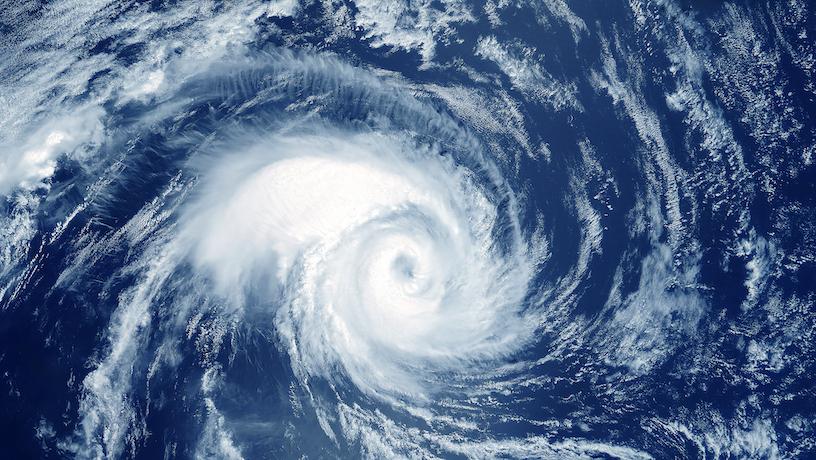
Why Modeling Climate is More Challenging than Forecasting Weather
Climate models must simulate many overlapping systems to predict or project future climate.
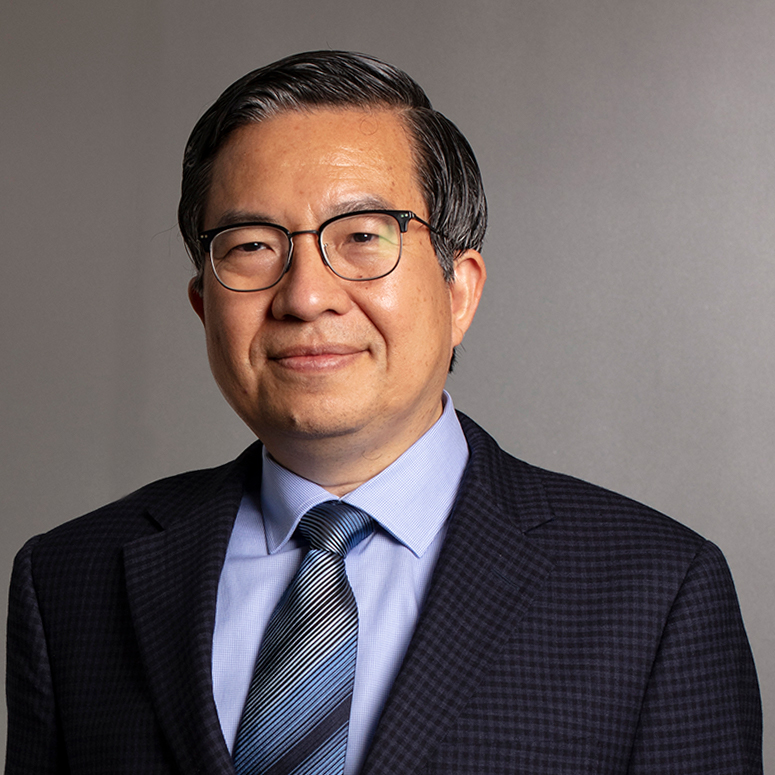
“Each year, Climate Week at Columbia Engineering brings together leading voices and expert researchers who are collaborating across disciplines and sectors to advance sustainability, resilience, and the energy transition. Through talks, panels, discussions, and the launch of bold new initiatives, we are sharing our collective progress toward a more sustainable future.”
Dean Shih-Fu Chang