Project 1: Bioengineered Model of Metastasis for studying Immune-Cancer Cell Interactions
-
Abstract
Most cancer deaths are due to tumor metastasis rather than the primary tumor. Metastasis is a highly complex and dynamic process, and a key contributor to its progression is the altered immune cell landscape induced by the primary tumor. Advanced “organ-on-a-chip” (OoC) systems have emerged over the last decade to better recapitulate human physiology, offering the potential for creating high-throughput, reproducible, and patient-specific models of disease. Our group has recently established an engineered model of healthy bone marrow (BM) producing downstream blood/immune cells in response to external perturbations and chemical stimuli.
While many tumor-derived factors have been implicated in altering BM-derived cells, it is not known how the systemic perturbations to the BM, which are distinct from those occurring at the primary tumor site, alter the human BM niche and how these changes bias hematopoiesis toward myeloid-skewing to support metastasis. We propose to establish, for the first time, an OoC hematopoietic tool for assessing the systemic effects of metastasis prior, during, and after metastatic colonization. We seek to determine patient specific changes to the BM during breast cancer metastasis that may drive tumor progression. We will use the patient serum (obtained under our active IRB) and our engineered BM model to identify the altered phenotype of hematopoietic-derived cells during varying stages (I-IV) of breast cancer, as well as any persisting changes to the hematopoietic stromal niche that may influence progression and potential reoccurrence of disease.
-
Principal Investigators
Image

Gordana Vunjak-Novakovic is University Professor and the Mikati Foundation Professor of Biomedical Engineering, Medical Sciences, and Dental Medicine. The focus of her lab is on engineering human tissues for regenerative medicine and patient-specific “organs-on-chip” models of disease. She is broadly published and highly cited, has mentored over 250 trainees, and founded five biotech companies. She is a member of the Academia Europaea, the US Academies of Engineering, Medicine, and Inventors, the Royal Society of Canada Academy of Science, and the American Academy of Arts and Sciences.
Project 2: Patient-specific Computational Modeling of Chemotherapy Distribution Following Convection-Enhanced Delivery Based on Brain Poroviscoelastic Properties
-
Abstract
Convection-enhanced delivery (CED) is a promising strategy to treat primary brain tumors by directly infusing chemotherapeutic agents into the brain, bypassing the traditional blood-brain barrier restrictions. However, tumor characteristics such as location, size, and mechanical properties vary significantly across patients—and within individual tumors. This heterogeneity leads to variable drug distribution dynamics, including localized pooling in softer or low-permeability regions, and prolonged dwell times in more viscous tissue zones. This project introduces an individualized modeling framework that uses patient-specific brain tissue poroviscoelastic characteristics to develop simulations of drug delivery.
This work will establish the foundation for future clinical trials using MRE-informed, image-guided drug delivery in gliomas, improving precision and treatment effectiveness. Beyond neuro-oncology, the project offers a framework for improving precision drug delivery across many clinical domains. Our approach is widely applicable to other organ systems and diseases where mechanical properties—such as stiffness, viscosity, and permeability—influence therapeutic efficacy, including liver fibrosis, pancreatic cancer, and solid tumors. Ultimately, this work advances the field of personalized medicine by providing a generalizable strategy to optimize local drug delivery based on patient-specific tissue characteristics.
-
Principal Investigators
Image
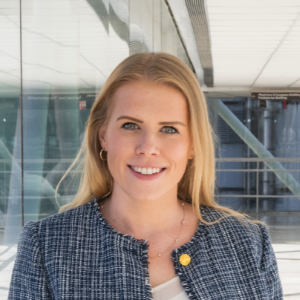
Grace McIlvain, Ph.D., is a biomedical engineer whose research focuses on developing magnetic resonance elastography (MRE) techniques to noninvasively measure brain tissue mechanics. Her lab builds MR-compatible hardware, programs advanced MRI sequences, and uses machine learning for image analysis. She leads clinical collaborations to study brain tumors, hydrocephalus, and neurodevelopmental disorders. Her work aims to improve diagnosis and treatment by capturing how tissue structure changes with disease and development.
Image
Matthew Gallitto MD/Ph.D., is a pediatric radiation oncologist and physician-scientist at Columbia University Irving Medical Center. His research focuses on developing and translating novel drug delivery strategies, including convection-enhanced delivery and focused ultrasound, to improve treatment for pediatric brain tumors. He leads preclinical and clinical efforts to overcome the blood-brain barrier and enhance therapeutic efficacy for diffuse midline glioma and other CNS malignancies. Dr. Gallitto is also the site lead for pediatric radiation oncology within the Children’s Oncology Group at Columbia.
Project 3: AI-Powered Pap Smear Cancer Diagnostic and Prognostic for Low-Estrogen Patients
-
Abstract
Atrophic changes in Pap smears, common in post-menopausal and low-estrogen women, can mimic high-grade lesions and cancer, leading to misdiagnosis and unnecessary treatment. This study aims to use machine learning to improve diagnostic accuracy by:
- Aim 1: Creating a digital library of annotated atrophic smears with confirmed diagnoses across six cohorts (normal, LSIL, HSIL, and invasive carcinoma, stratified by HPV status).
- Aim 2: Developing deep learning algorithms to enhance diagnostic parameters and create an AI-generated prognostic score combining morphologic and clinical data.
This approach could reduce misdiagnosis rates, improve patient care, and optimize healthcare resources in challenging low-estrogen Pap smear interpretation.
-
Principal Investigators
Image

Ansaf Salleb-Aouissi is a Senior Lecturer in the Discipline of Computer Science in the Department of Computer Science. Dr. Salleb-Aouissi’s specific and recent research interest is interdisciplinary and consists in leveraging advanced machine learning methods and large amounts of data to study medical problems, such as premature birth and infantile colic. Salleb-Aouissi cares about education and works toward advancing research on online self-learning and building advanced tools for auto-grading, self-testing, and providing support to students in computer science and mathematics. She has published several peer-reviewed papers in top quality venues including JMLR, TPAMI, ECML, PKDD, COLT, IJCAI, ECAI and AISTAT. Dr. Salleb-Aouissi joined the Department of Computer Science as a lecturer in discipline in July 2015. She received her Ph.D. in computer science from University of Orleans, France in 2003, after which she pursued her training as a postdoctoral fellow at INRIA, Rennes (France). She was appointed as an associate research scientist at the Columbia University’s Center for Computational Learning Systems in 2006 and served as an adjunct professor with the Computer Science Department and the Data Science Institute in 2014 and 2015.
Image
Dr. Rachelle P. Mendoza is an Assistant Professor of Pathology and Cell Biology at CUIMC and a cytopathologist and gynecologic pathologist at the Department of Pathology and Cell Biology. She attended medical school at De La Salle Health Sciences Institute in Cavite, Philippines. After moving to the United States, she completed her anatomic and clinical pathology residency training at State University of New York Downstate Medical Center (2017-2021) followed by cytopathology and gynecologic pathology training at the University of Chicago Medical Center (2021-2023). She then spent a year as an attending pathologist at the University of Rochester Medical Center (2023-2024). She has published several peer-reviewed articles in the field of cytopathology and gynecologic pathology. Zhe (Jason) Zhu is a clinical fellow at CUIMC and a physician at NewYork-Presbyterian Hospital. He specializes in Cytopathology, Neuropathology, and Molecular pathology with a focus on FNA-Clinic Biopsy and clinical trials. He has over 50 published articles which have been cited over 4,000 times. Having grown up in Liuzhou, China, he completed both his undergraduate and medical studies at Guangxi Medical University. Zhe plans to become a Cytopathologist and study at NYU Grossman to continue his work on human disease diagnosis through cells obtained from bodily secretions and fluids.
Image
Zhe (Jason) Zhu is a clinical fellow at CUIMC and a physician at NewYork-Presbyterian Hospital. He specializes in Cytopathology, Neuropathology, and Molecular pathology with a focus on FNA-Clinic Biopsy and clinical trials. He has over 50 published articles which have been cited over 4,000 times. Having grown up in Liuzhou, China, he completed both his undergraduate and medical studies at Guangxi Medical University. Zhe plans to become a Cytopathologist and study at NYU Grossman to continue his work on human disease diagnosis through cells obtained from bodily secretions and fluids.
Project 4: Personalized Multiphysics Models of Left Atrium with Regional Biomechanical Heterogeneity
-
Abstract
An irregularly beating left atrium (LA) is the most common heart rhythm disorder called Atrial Fibrillation (AF), affecting millions of people worldwide, often leading to blood clots and stroke. Anticoagulants are prescribed to mitigate stroke risk in these patients based on clinical scores that lack mechanistic features of thrombus formation, while elevating the risk of bleeding. There is a need for improved stroke risk stratification criteria that account for the patient’s LA structure and biomechanics. Computational modeling has played a vital role in characterizing abnormal LA activation, contraction, and blood flow. However, a critical knowledge gap remains in our understanding of how regional variability in LA biomechanics results in aberrant tissue contraction and blood flow patterns, triggering clotting and breakup. Our new collaboration integrates OCT imaging (Hendon), mechanical testing (Myers), and computational modeling (Vedula) to create personalized multiphysics cardiac biomechanics models, informed by the atrial biomechanical heterogeneity. We will use this digital twinning framework to find correlations between geometric, structural, hemodynamic, and thrombogenic factors, thereby enabling us to identify biomechanics-based biomarkers of stroke and mitigate bleeding risk due to anticoagulant overuse. The current project will, therefore, form a precursor to bringing a paradigm shift in managing and treating AF patients.
Our unique interdisciplinary collaborative team brings together complementary expertise in cardiovascular biomechanics computation (PI Vedula), imaging (Co-PI Hendon), and tensile testing and soft tissue biomechanics (Co-PI Myers), potentially giving rise to new opportunities spanning heart disease and women’s and maternal health applications, including cardiac remodeling during pregnancy, modeling the biomechanics of a gravid uterus, and biomechanical risk factors for venous thromboembolism during pregnancy.
-
Principal Investigators
Image

Vijay Vedula, Ph.D., is an Assistant Professor in the Mechanical Engineering department at Columbia University, where he directs the Cardiovascular Biomechanics Research Lab (CBRL). His group is focused on developing computational tools to advance our understanding of cardiovascular disease and development and assist in designing medical devices and treatment planning. Dr. Vedula received a Ph.D. in Mechanical Engineering from Johns Hopkins University in 2015 and underwent postdoctoral training in the Department of Pediatrics at Stanford University. Dr. Vedula received an Early Faculty Independence Award from the American Heart Association (AHA SCEFIA) and the NSF CAREER award. He is a member of the American Society of Mechanical Engineers, American Physical Society, and American Heart Association.
Image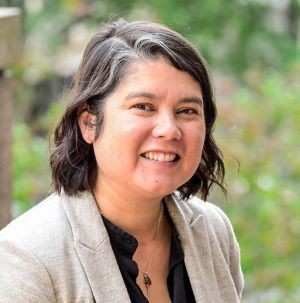
Kristin Myers, Ph.D., is a Professor of Mechanical Engineering in the School of Engineering and Applied Science. Professor Myers’s work focuses on the biomechanics of pregnancy and the female reproductive system. Hers is one of only a few engineering teams in the world creating computational models of pregnancy to uncover structural mechanisms of preterm birth and to design functional biomedical devices in pregnancy. To understand preterm birth biological pathways, her work has also uncovered how hormonal action orchestrates the cervix to remodel itself from a mechanical barrier to protect the fetus to a compliant passageway to allow for safe delivery. Dr. Myers’s lab holds the largest published library of biomechanical data and models of human pregnancy, focused on cervical and uterine properties, geared for clinical translation.
Image
Christine Hendon, Ph.D., is an Associate Professor of Electrical Engineering and Vice Dean for Community Engagement and Strategic Partnerships for the Columbia School of Engineering. Prof. Hendon's Structure Function Imaging Laboratory develops high-resolution optical imaging modalities and real-time image analysis for the diagnosis of diseases and therapy monitoring. Prof. Hendon's lab currently focuses on four key technological areas: optical coherence tomography, near-infrared spectroscopy, image/signal processing, and deep learning, and applies these enabling technologies to medical applications in cardiac electrophysiology, oncology, and gynecology. This included developing high-resolution and high-speed optical coherence tomography systems, optical spectroscopy catheters integrated with therapeutic probes, automated algorithms for tissue classification and extraction of fiber orientation and dispersion within optical imaging volumes, and measuring radiofrequency ablation lesion depth based on near-infrared spectral changes.
The Blavatnik Fund for Engineering Innovations in Health
The Blavatnik Acceleration Funds are one part of the Blavatnik Fund for Engineering Innovations in Health, which plays a key role in supporting Columbia Engineering’s mission to build a healthier world by providing resources that accelerate discovery and translate transformational ideas into tangible impact.
SURE Program Overview
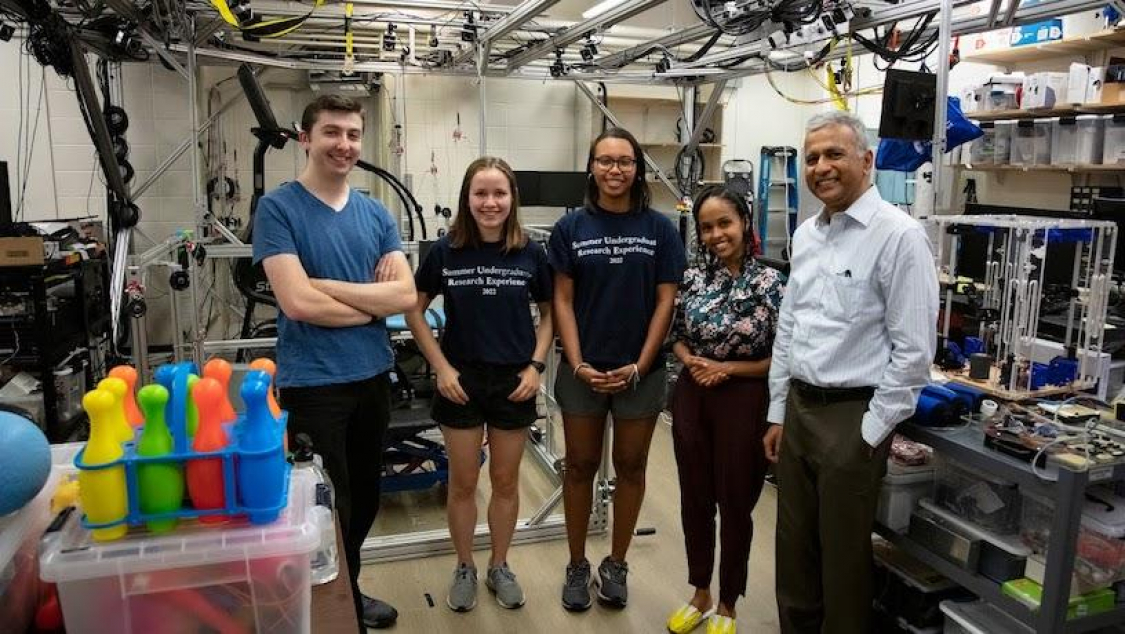
Get hands-on experience with cutting-edge research at Columbia Engineering, one of the world’s top Engineering schools. You’ll have the opportunity to be mentored by faculty, researchers, and STEM professionals from academia and industry, expanding your skills, knowledge, and understanding of the profession.
As a participant, you’ll:
- See firsthand how scientific discoveries are transformed into solutions and marketable products.
- Expand your professional network to open doors to new career opportunities and innovative research ideas.
- Participate in personal and professional development programming designed to enrich learning as you navigate the next steps of your career.
- Explore New York through fun, interactive activities across the city.
- Celebrate your achievements in a Summer Research Symposium and showcase your research efforts to peers, faculty, researchers, and industry professionals.
What’s Included?
- 10 weeks of Laboratory Research
- Graduate student and faculty mentoring
- Room and Board
- Summer Stipend
- Weekly professional development and graduate school preparation seminars
- Industry visits
- Social activities across NYC

“I had a great experience with my mentors, who were very supportive of my work throughout [the entire program]”
Shivi Jindal
2023 SURE Cohort
Program Eligibility
To be eligible to apply for the SURE program, you must:
- Be a U.S. citizen or permanent resident
- A non-Columbia rising junior or rising senior from any U.S.-based college or university in any STEM major
- Have a strong academic record, particularly in STEM coursework
- Not already have a bachelor’s degree or be slated to graduate May 2026 or Summer 2026
- Be interested in attending graduate school
Prior research experience is not required, but a strong curiosity about research is recommended.
The deadline for applications is January 23rd, 2026.
Any questions related to the Columbia SURE Program can be directed to [email protected].