Computational Engineering & AI

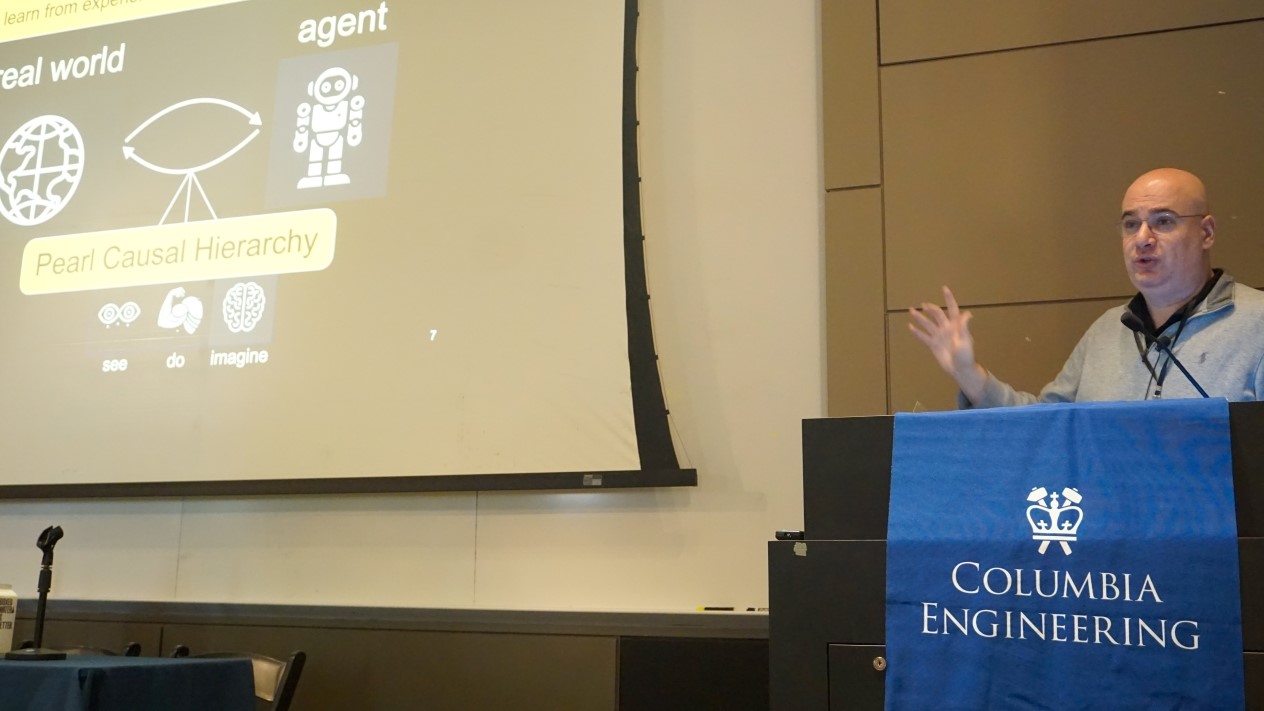
Elias Bareinboim speaking into a microphone at a podium with a Columbia Engineering banner. The screen to his right reads "Pearl Causal Hierarchy"

Research

Celebrating Five Years of Industry-Academia Partnership in AI

June 12, 2025

by Grant Currin

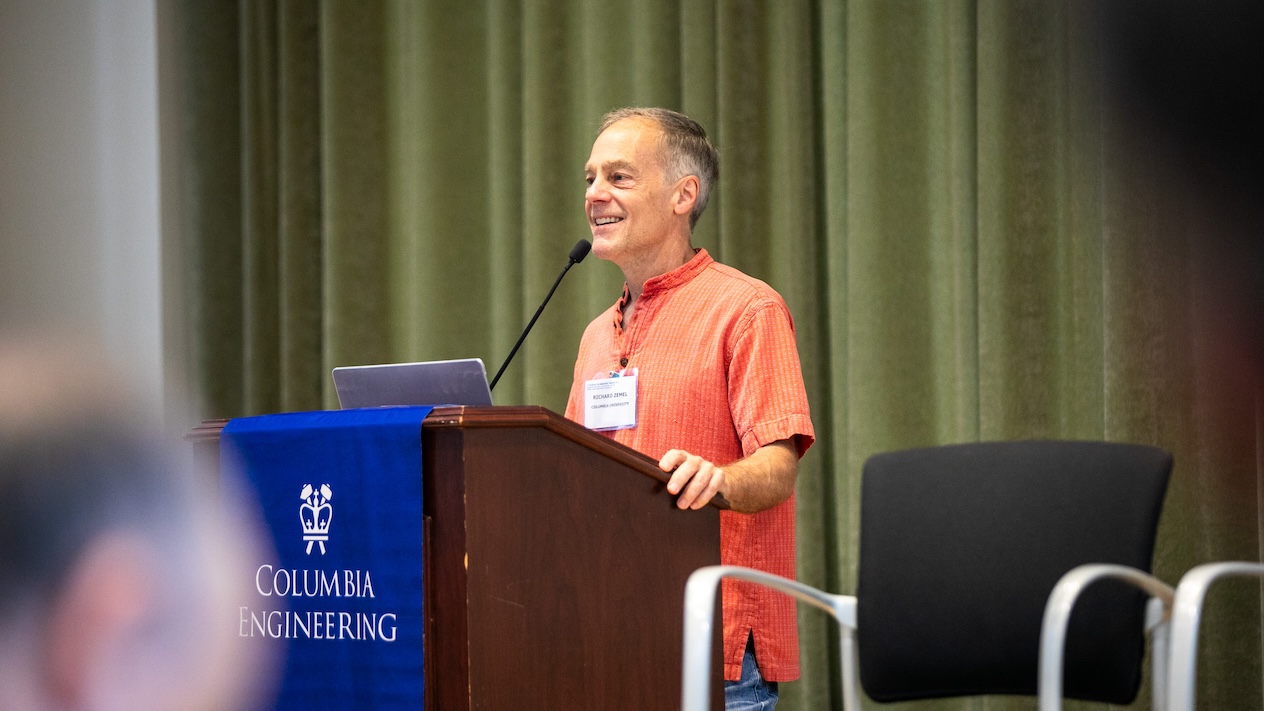
Richard Zemel standing at a podium with a Columbia Engineering logo

Research

Brains Behind the Bots: Neuroscience’s Big Role in the future of AI

June 04, 2025

by Bernadette Young

Kathy McKeown

Faculty & Staff

Kathleen McKeown Speaks the Language of Mentorship

May 14, 2025

by Bernadette Young

Kegan Vosteen posing for a picture outside the Taj Mahal

Students

Kegan Vosteen: In the Business of Engineering

May 14, 2025

Eric Xing

Research

For Eric Xing, Purpose Should Drive Intelligence

May 09, 2025

by Grant Currin

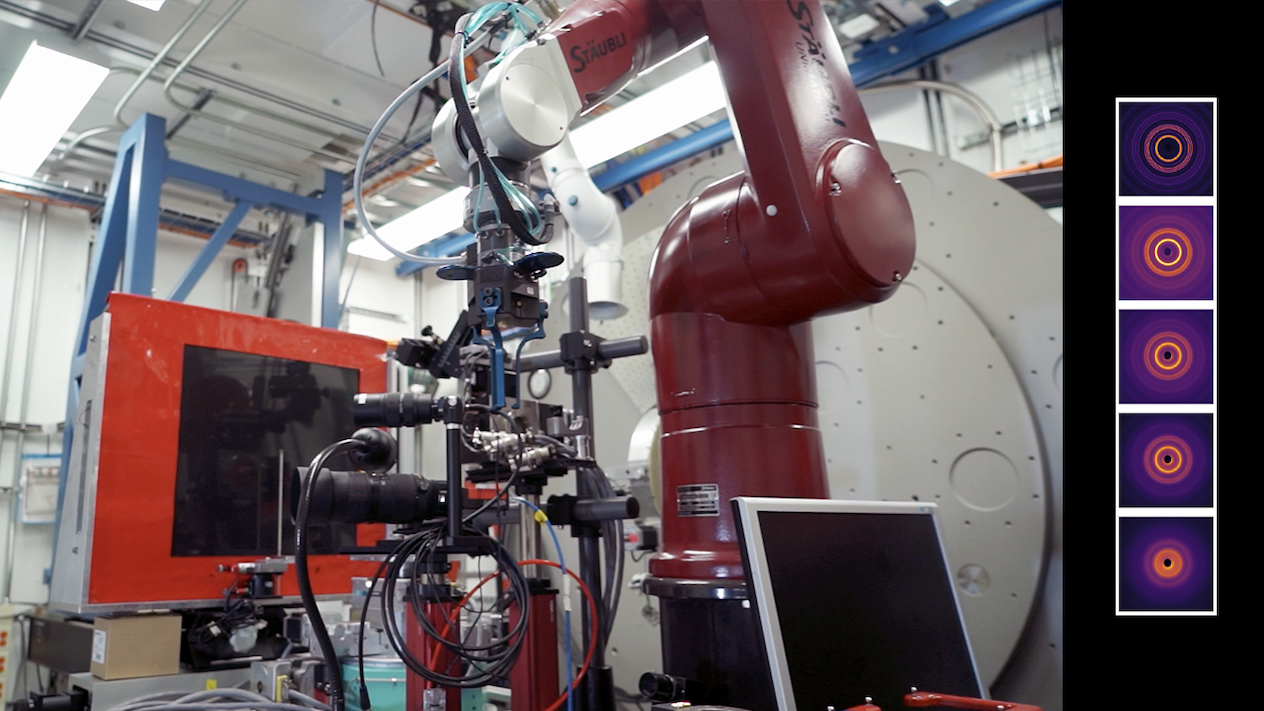
A complex machine with a camera lens. The right of the photo shows different diffraction patterns

Research

AI Learns to Uncover the Hidden Atomic Structure of Crystals

April 28, 2025

by Gabe Guo

An illustration of the human brain with gray clouds

Research

How Thoughts Influence What the Eyes See

April 18, 2025

by Grant Currin

A screenshot of the Surveyor accessibility tool to assist blind and low visibility videogamers. They are currently looking in the direction of the purple line. The red grid cells represent the parts of the room they have "seen" so far. The black grid cells represent the "cusp of the unknown": the edge between what they have seen and have not yet seen.

Research

Leveling Up Accessibility in Video Games

April 11, 2025

by Bernadette Young

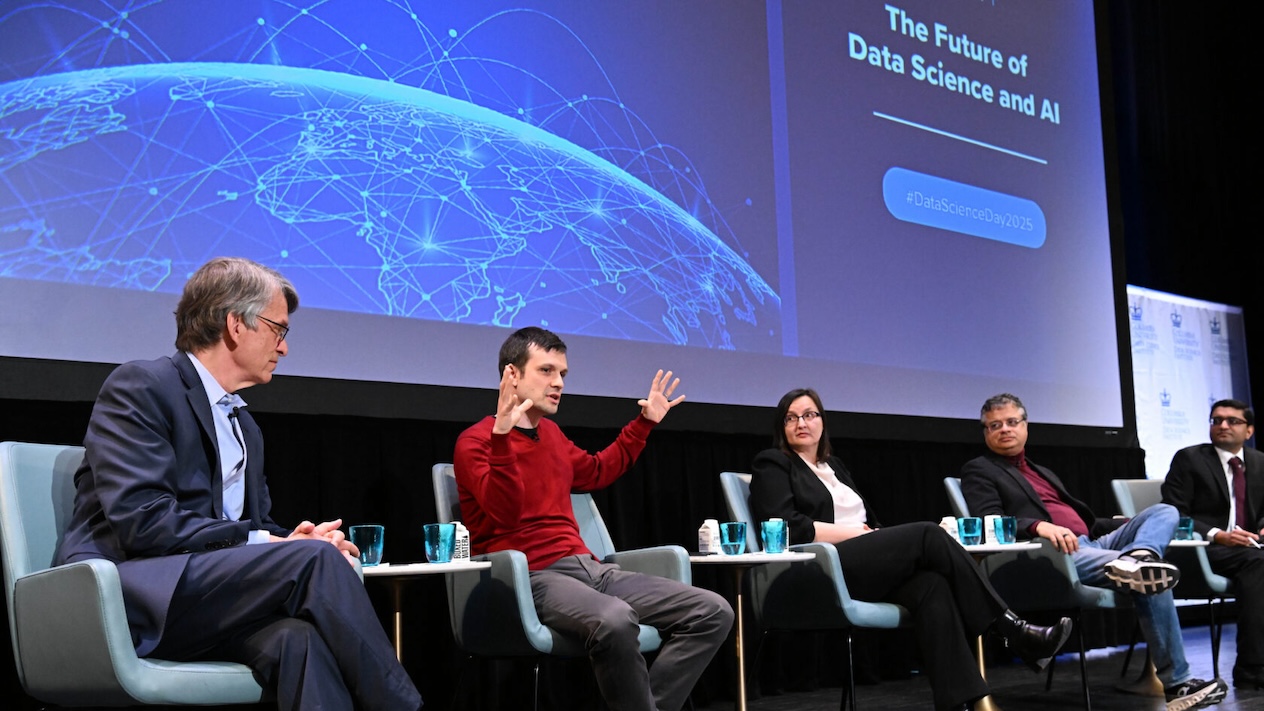
Five panelists sitting on stage in front of a screen that reads "The Future of Data Science and AI"

Research

Five Insights from Columbia’s Data Science Day 2025

April 08, 2025

Zhou Yu standing at a podium in front of a crowded room

Research

Making AI Agents Reliable, Despite Their Mistakes

April 03, 2025

by Grant Currin

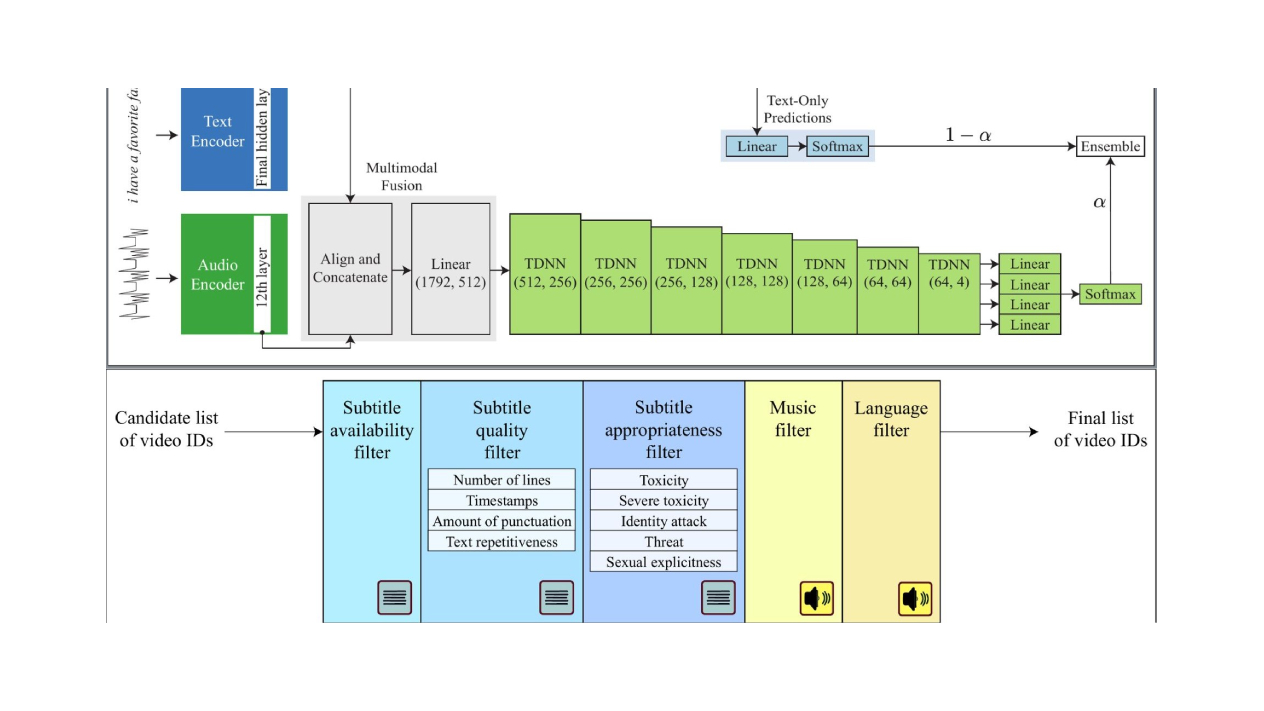
Two figures. The top one shows "The EfficientPunct framework. The top branch predicts using text only, while the bottom branch predicts using text and audio.". The bottom one shows "Filtering pipeline used to create SponSpeech. Blue indicates a text-based filter, and yellow indicates an audio-based filter, also shown by the bottom-right icons. The evaluation criteria are represented by the sub-boxes within the subtitle, quality, and appropriateness filters."

Research

AI That Adds Meaning, One Comma at a Time

April 03, 2025

by Xintian Tina Wang

Ion Stoica

Research

Ion Stoica Highlights Open-source Efficiency Across the AI Stack

April 02, 2025

by Grant Currin