Image

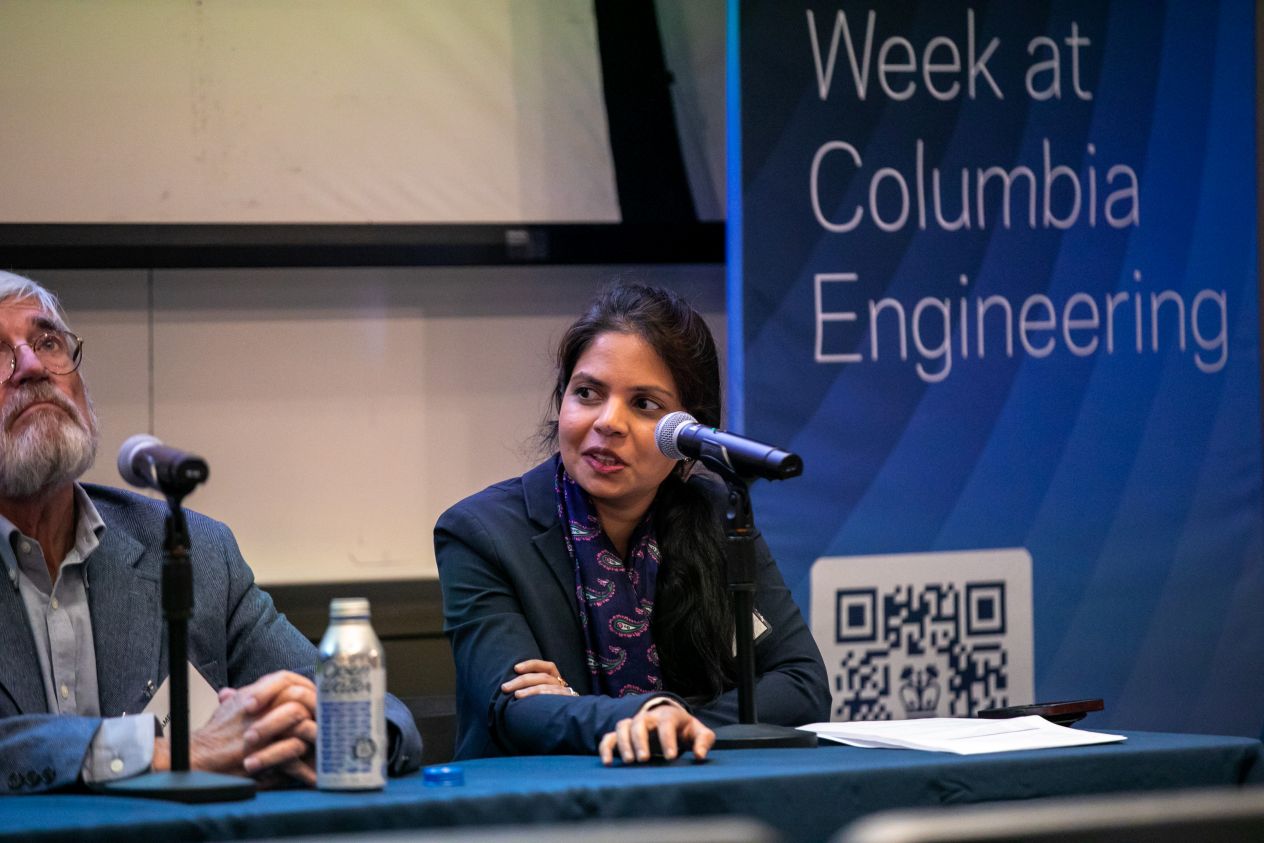
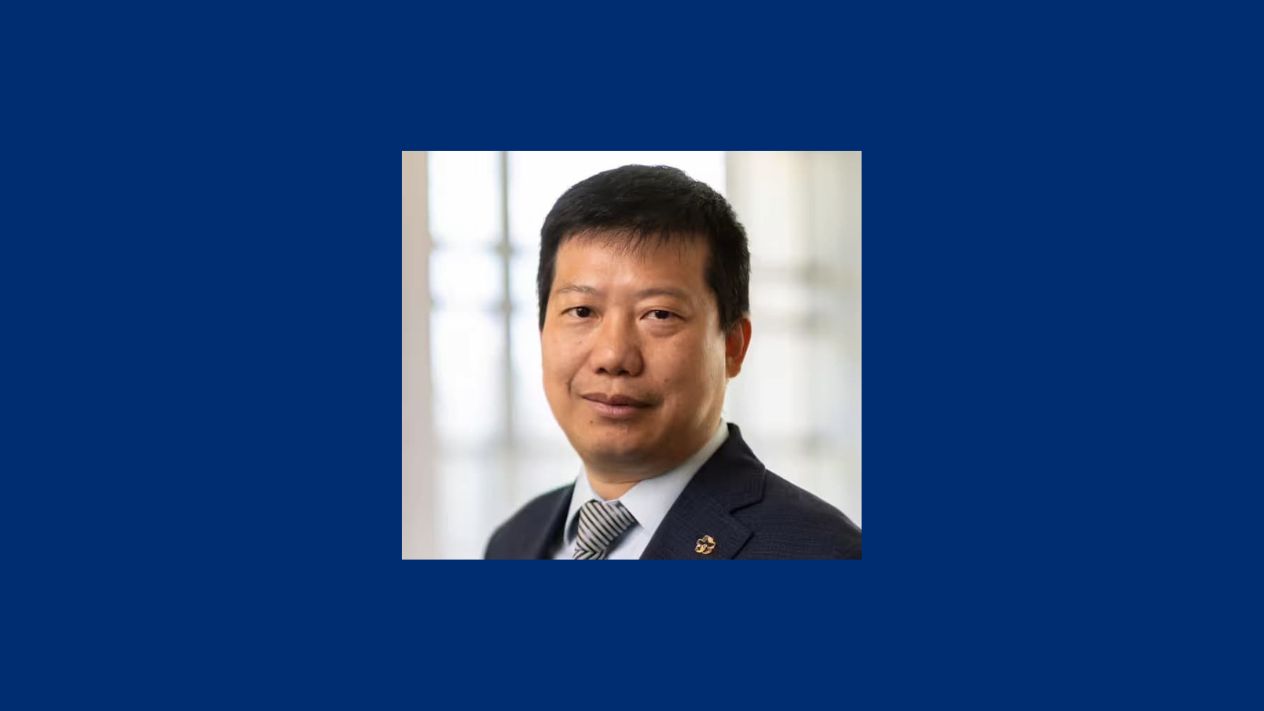
Raimondo Betti

Professor of Civil Engineering and Engineering Mechanics

The construction manager of the future will not compete with AI, they will manage with AI.

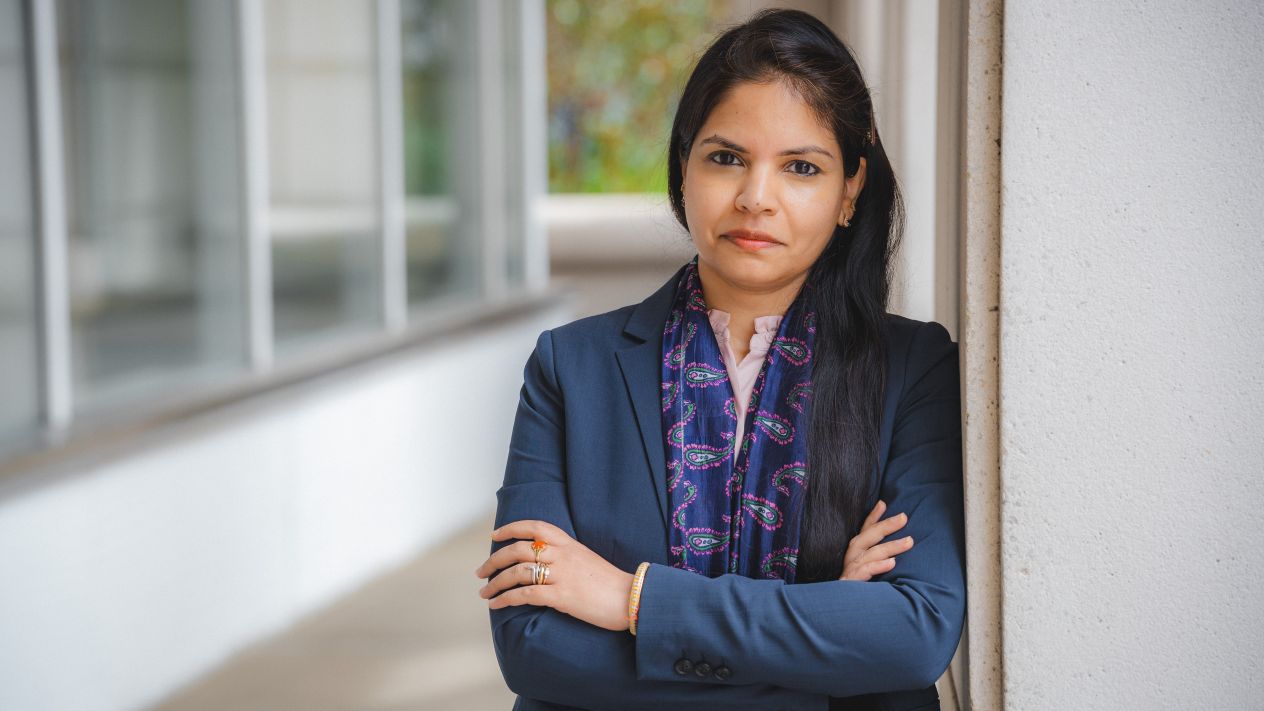
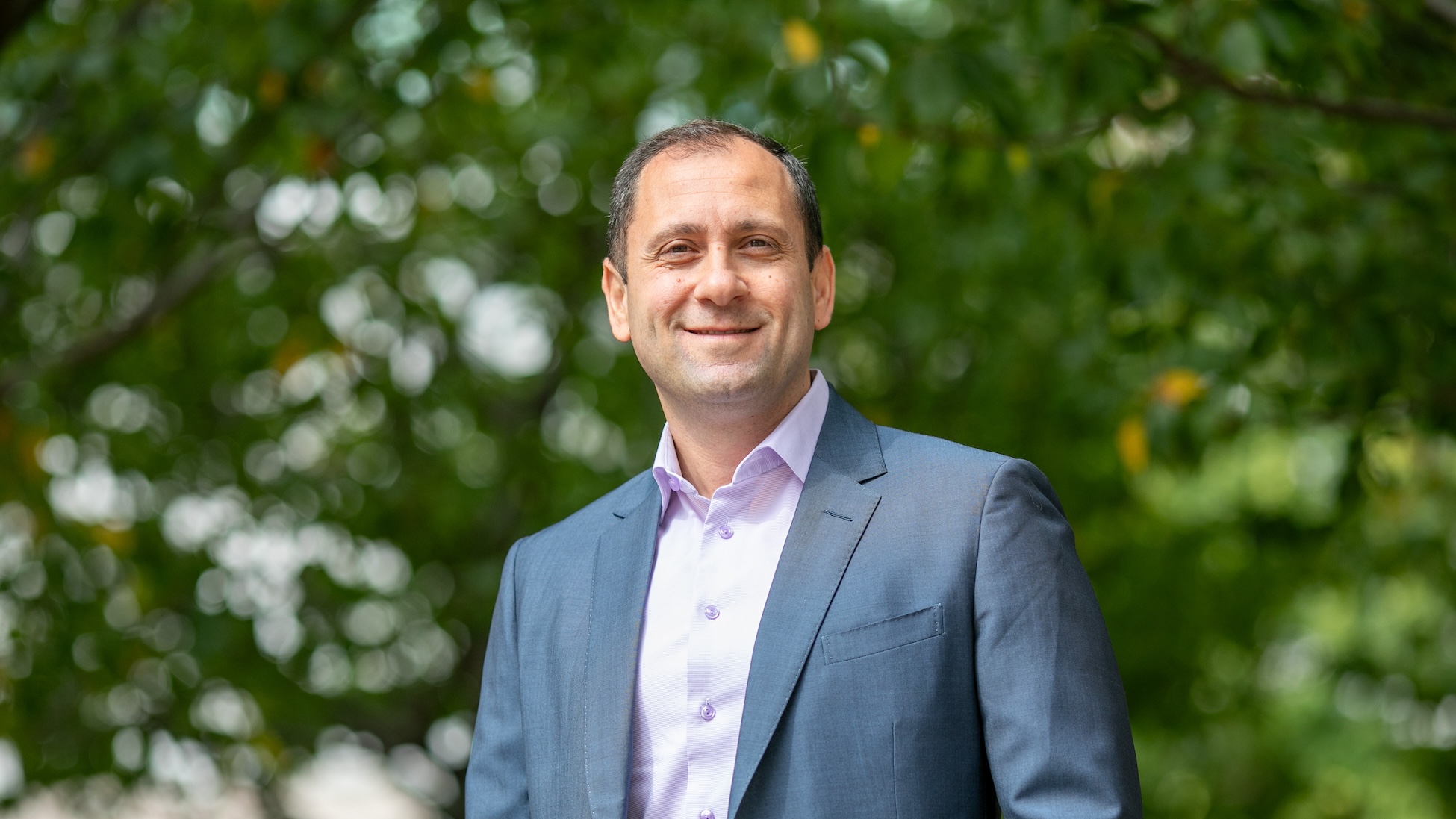
Ibrahim Odeh

How is AI currently being used in construction?

AI is already being deployed in predictive scheduling, risk forecasting, cost estimation, safety analytics, image recognition for site monitoring, and automated document review. We are seeing machine learning models analyze historical project data to predict delays and cost overruns before they occur.

But the real transformation is not automation; it is decision augmentation. AI is enhancing human judgment. Construction management is fundamentally about structured decision-making under uncertainty. AI will increasingly provide scenario modeling, risk simulations, and optimization tools that improve strategic choices.

The construction manager of the future will not compete with AI, they will manage with AI.

What type of skills will construction managers need in the next five years? 

In five years, the most valuable skills will not be software-specific, they will be cognitive and strategic.

Construction managers will need:

  • Data fluency: ability to interpret analytics and AI outputs
  • Systems thinking: understanding infrastructure as interconnected networks
  • Financial sophistication: capital allocation, risk modeling, PPP frameworks
  • Climate resilience literacy
  • Executive communication and stakeholder alignment

The role is evolving from project supervisor to strategic infrastructure leader.

We know that sustainability plays a big role in construction management. How does climate risk relate to project planning? 

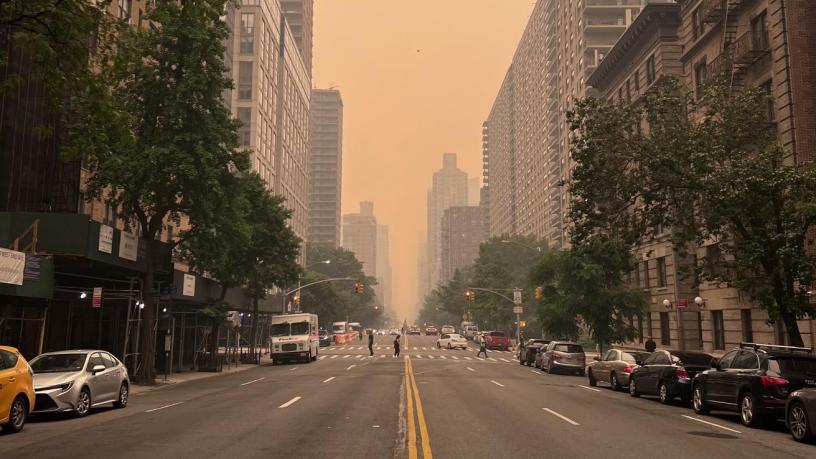
Extreme weather is no longer a contingency scenario; it is a baseline planning assumption. Projects must now incorporate resilience modeling, adaptive design strategies, and long-term lifecycle risk assessments.

This shifts construction from a short-term delivery mindset to a lifecycle stewardship mindset. Planning must now integrate environmental forecasting, financing mechanisms tied to resilience performance, and regulatory adaptability.

This is where academia plays a critical role, preparing professionals who think in decades, not just project timelines.

More about Ibrahim Odeh

Beyond the classroom, Odeh serves as an advisor to global organizations, including his engagement as an industry expert member at the World Economic Forum, where he has actively contributed to the Future of Construction initiative. He collaborates with industry leaders across North America, Europe, and the Middle East on innovation, infrastructure strategy, and digital transformation. 

His teaching and innovation have earned some of Columbia University’s highest honors, including the Presidential Award for Outstanding Teaching and the Columbia Engineering Distinguished Faculty Teaching Award. In 2023, he received the McGraw Hill Pathfinder Award for redefining education at a global scale.

It’s a particularly exciting moment for Columbia, where generations of researchers have been exploring the science behind fusion and chipping away at technical hurdles since the Plasma Physics Laboratory was established in 1961. 

That legacy continues today. In the past year, Columbia Engineering launched a minor in fusion energy and announced the Columbia Fusion Research Center, which nurtures existing partnerships with the fusion industry and provides a framework for collaboration with new partners.

In celebration of these milestones, Columbia Engineering is focusing on fusion in the latest issue of The Lever, the School’s collection of limited-series newsletters on major problems and solutions. Subscribe today to start receiving the five-part series, “Making Fusion a Reality,” featuring faculty from Columbia Engineering, the School of International and Public Affairs, and beyond. 

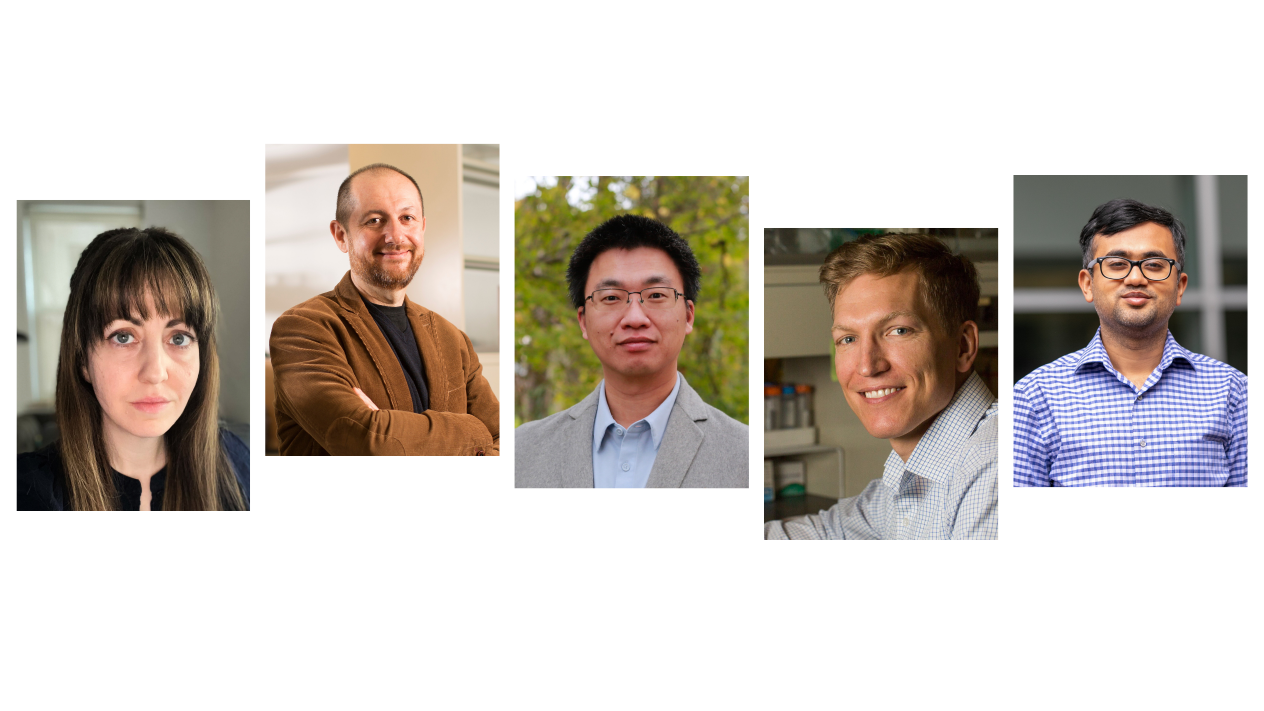
Meet the Contributors

Image
Carlos Paz-Soldan

Carlos Paz-Soldan

Associate professor of applied physics and applied mathematics at Columbia Engineering; Director of Columbia Fusion Research Center

Image
Elizabeth Paul

Elizabeth Paul

Assistant professor of applied physics and applied mathematics

Image
Matt Bowen

Matt Bowen

Senior research scholar in the faculty of international and public affairs

Image
Andrew Holland

Andrew Holland

CEO of the Fusion Industry Association

  
Subscribe to Sustainability & Climate